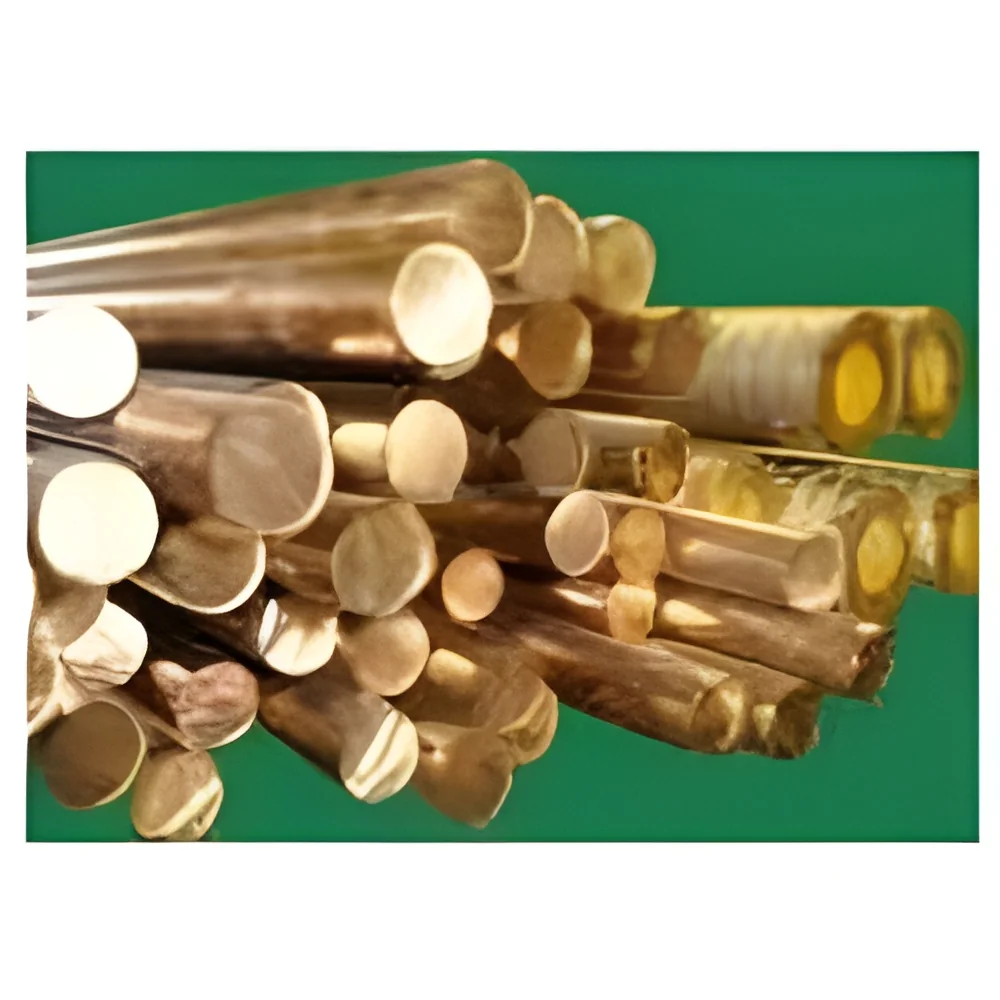
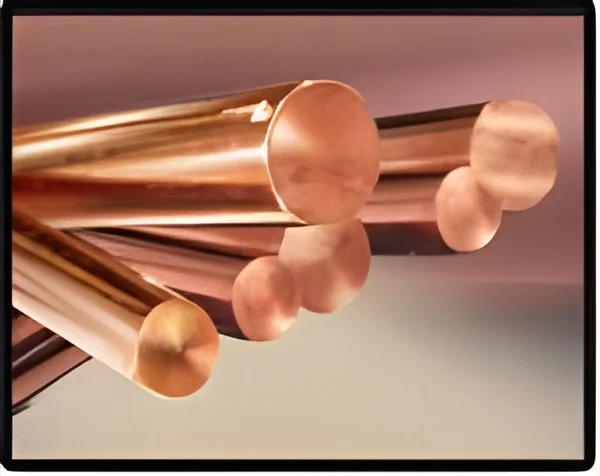
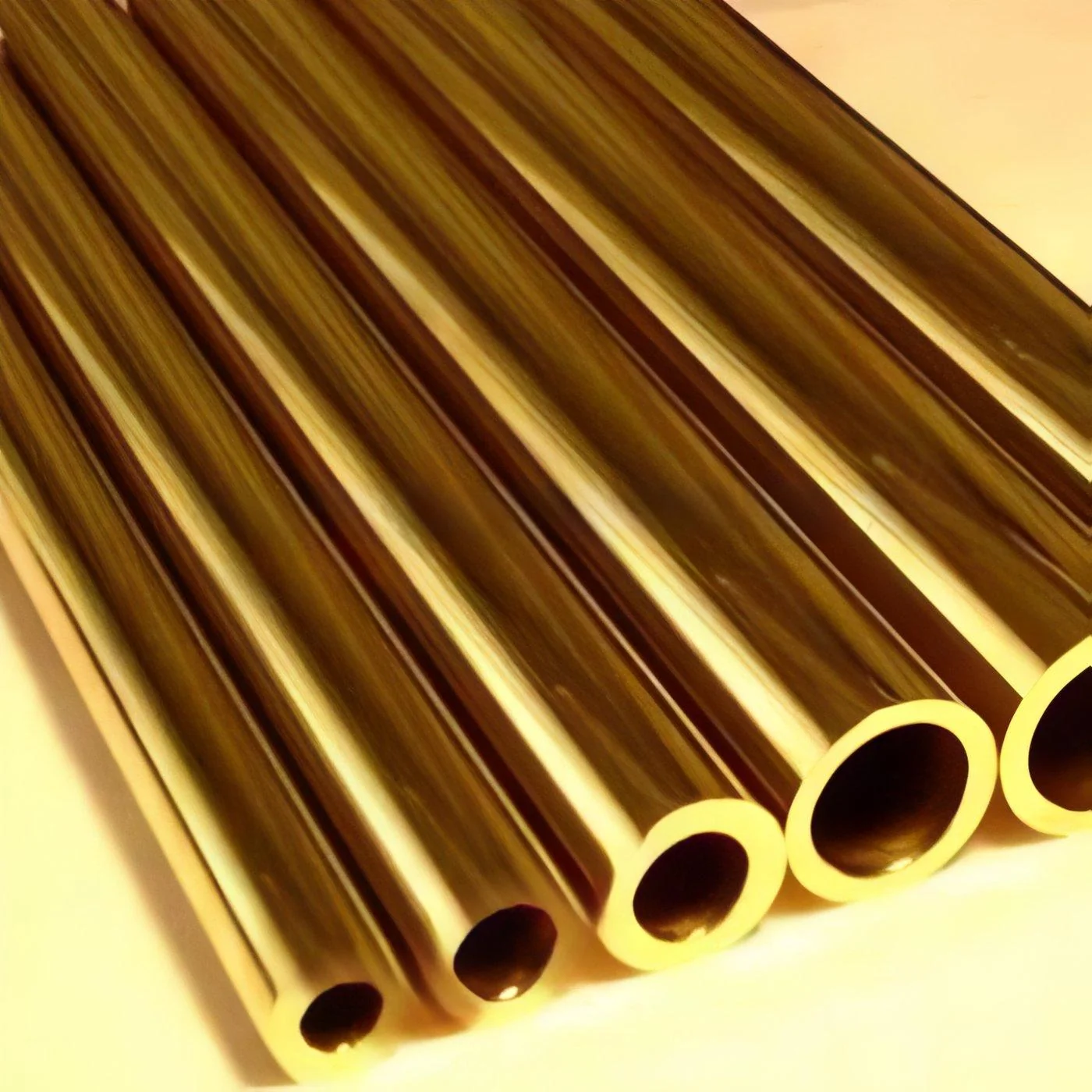
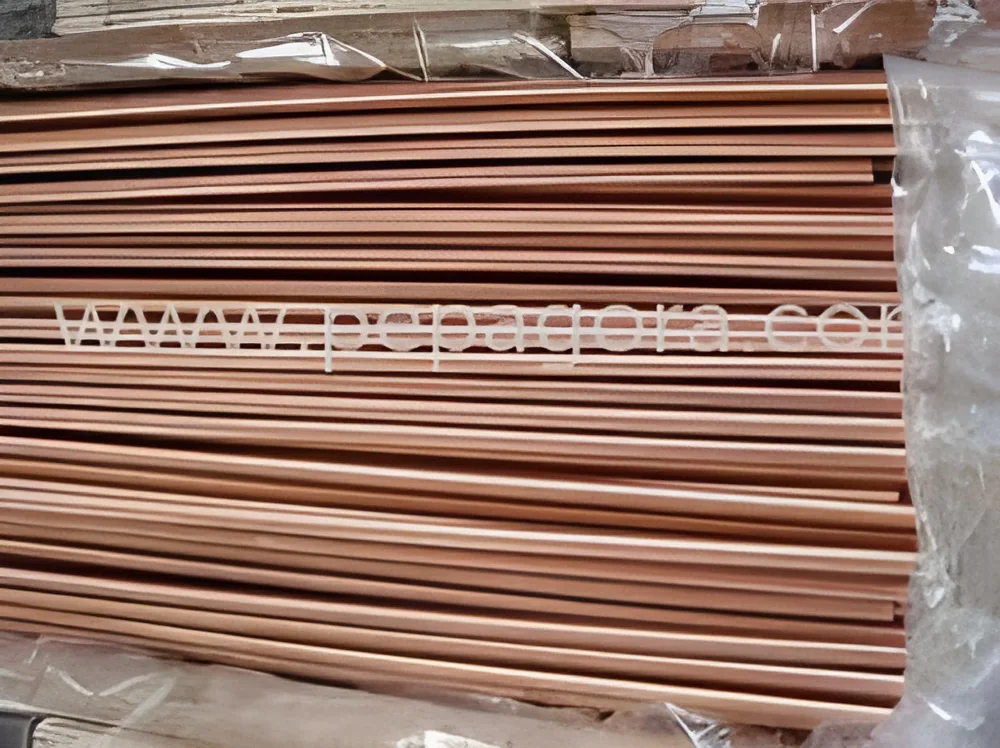
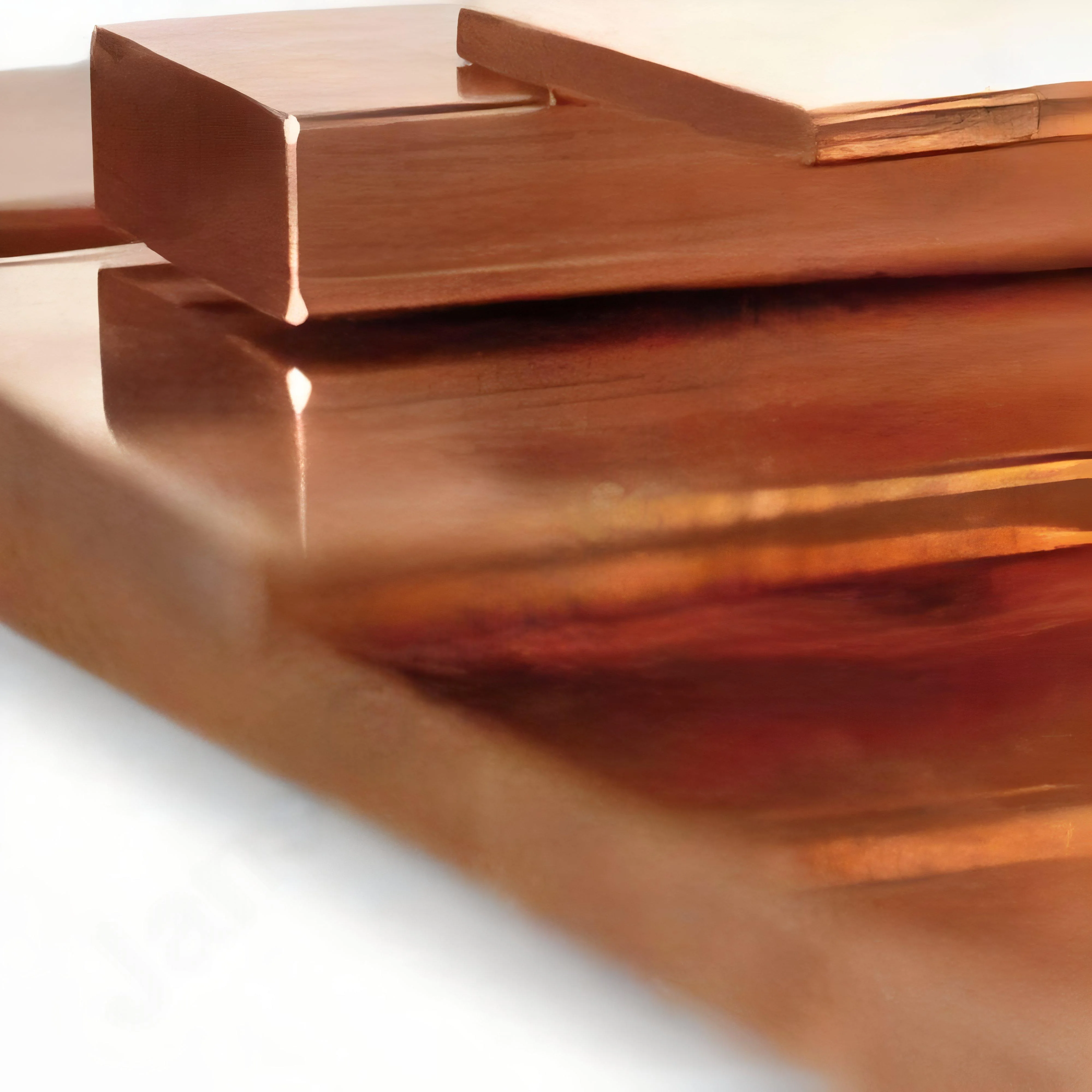
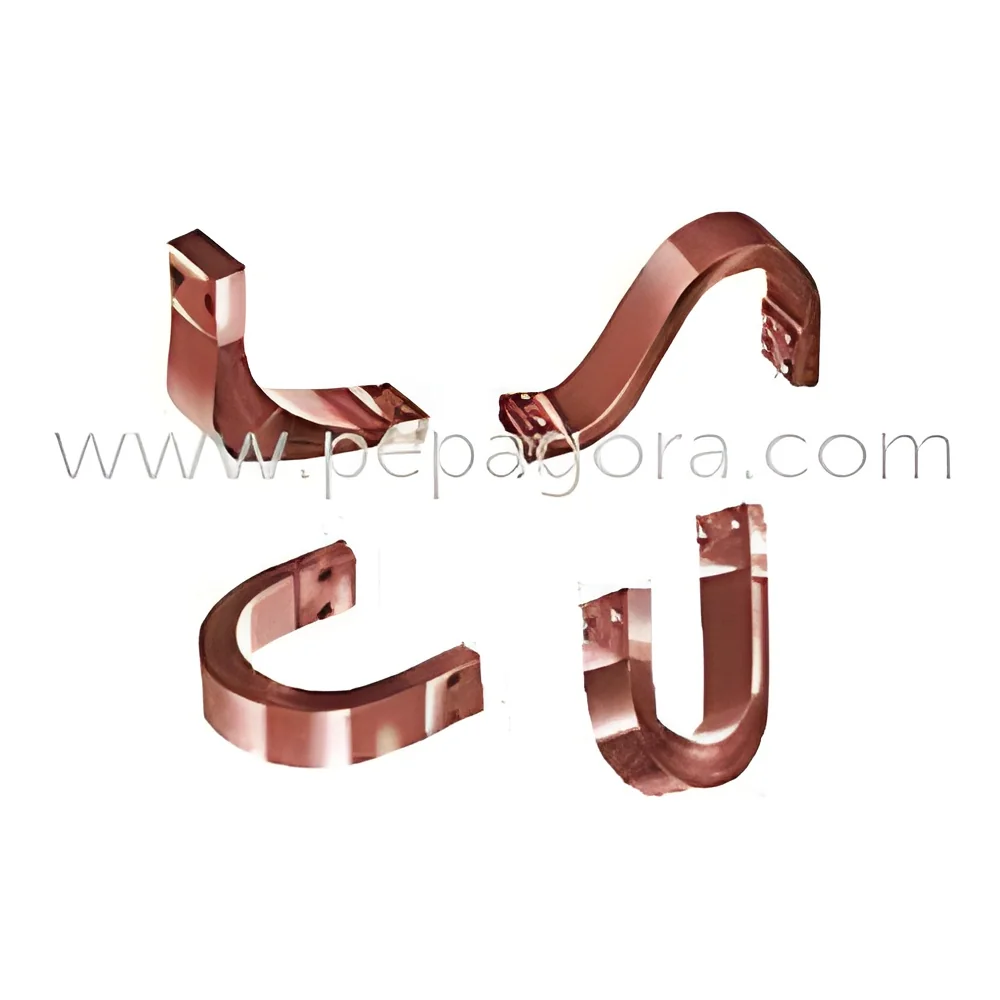
What are Copper Rods & Bars?
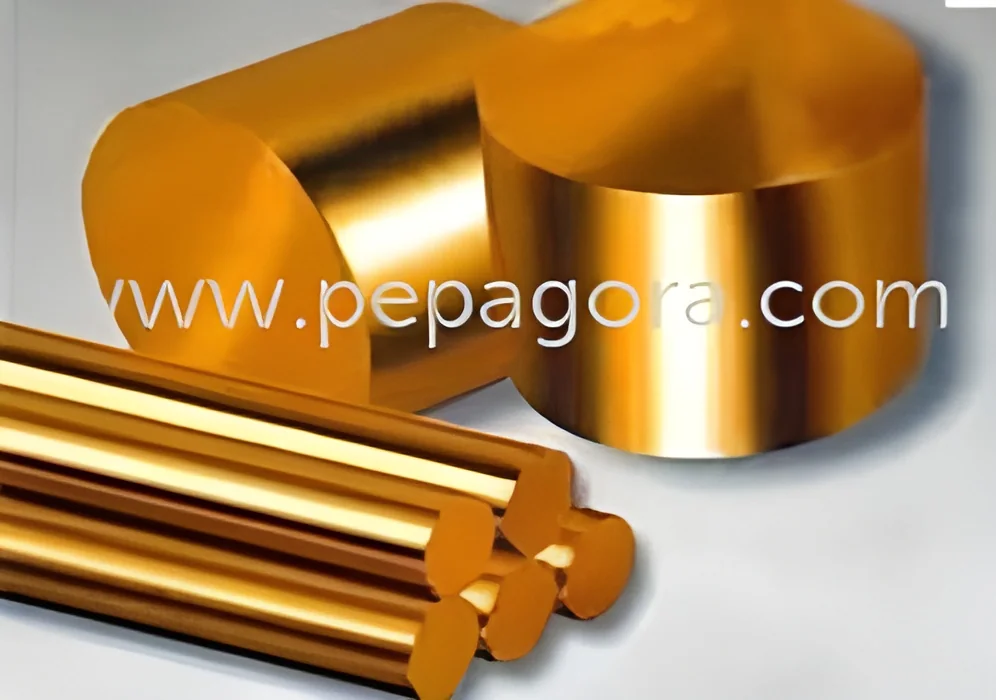
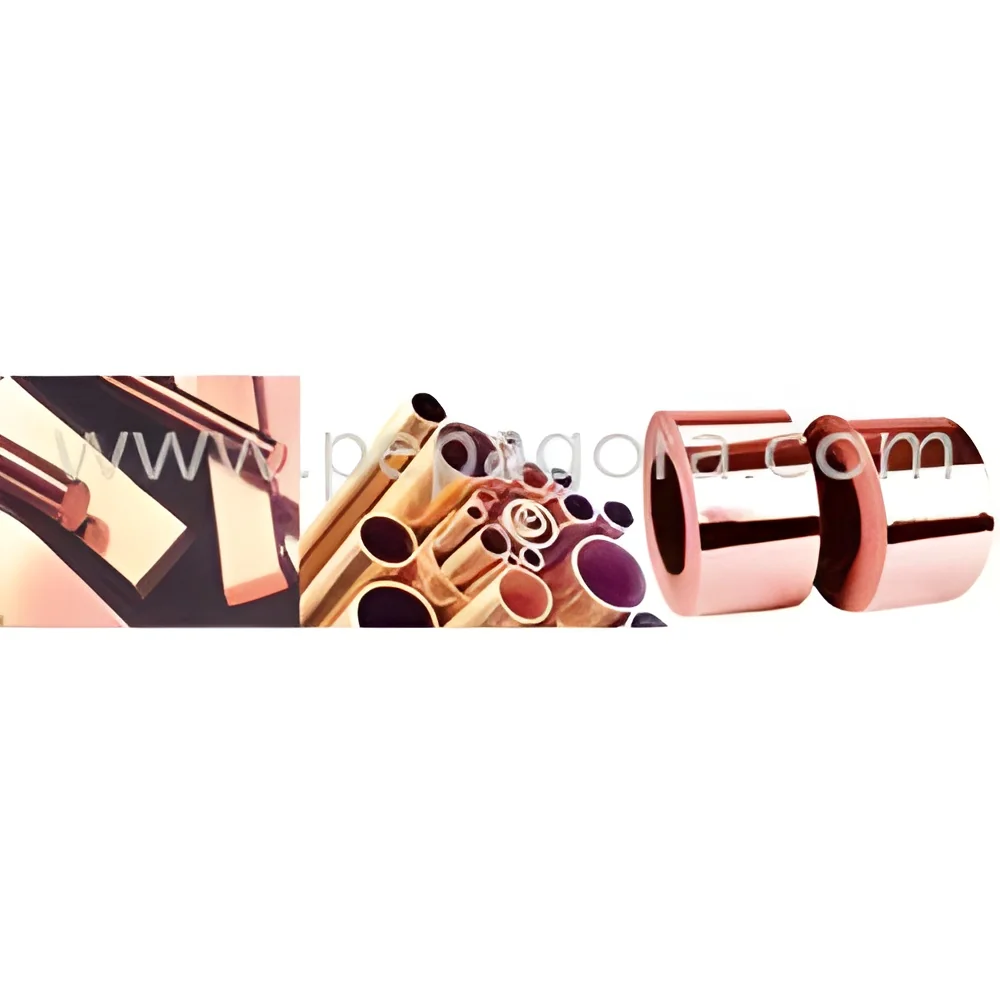
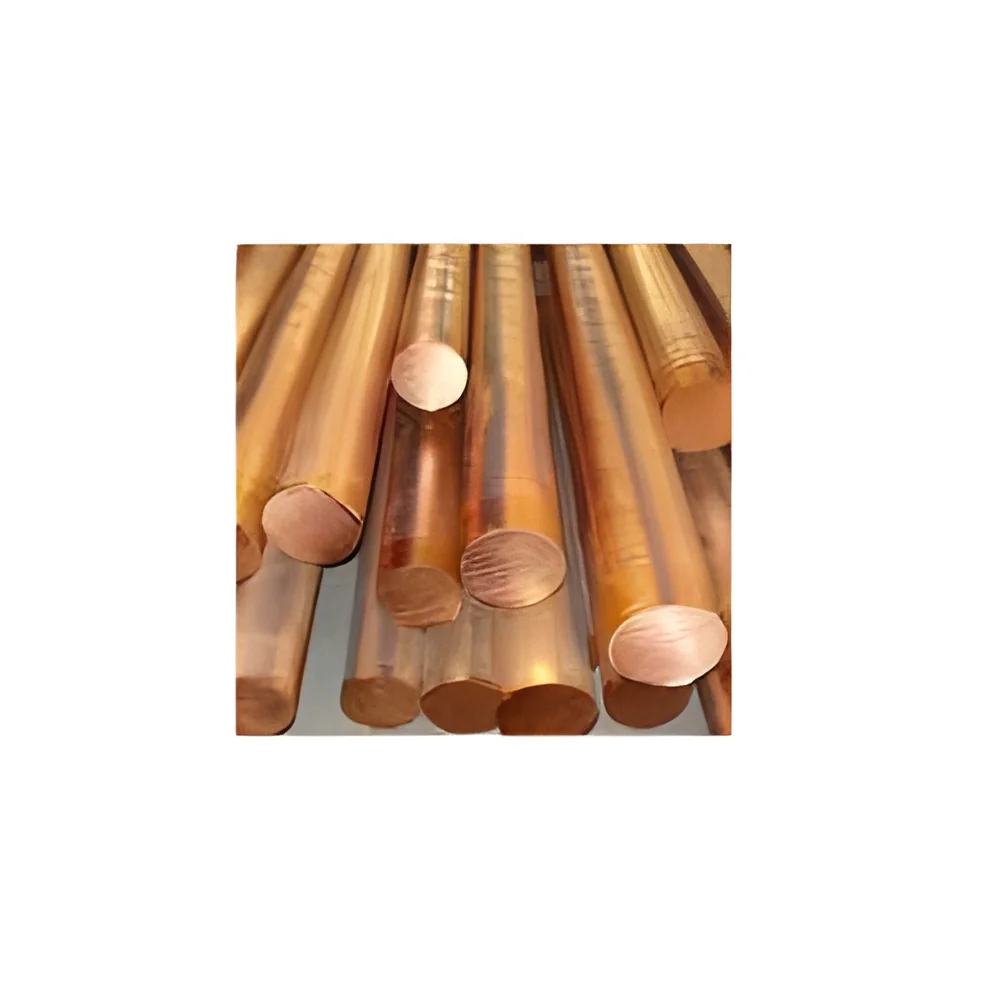
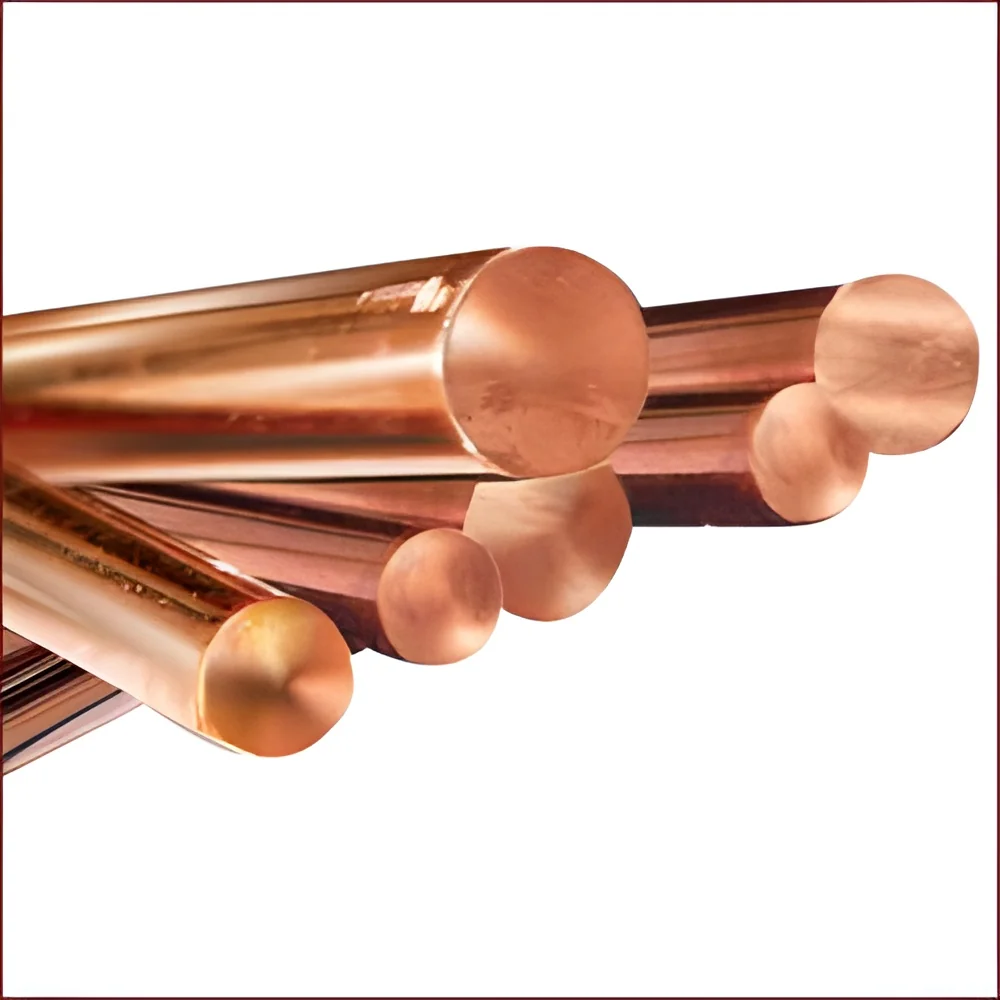
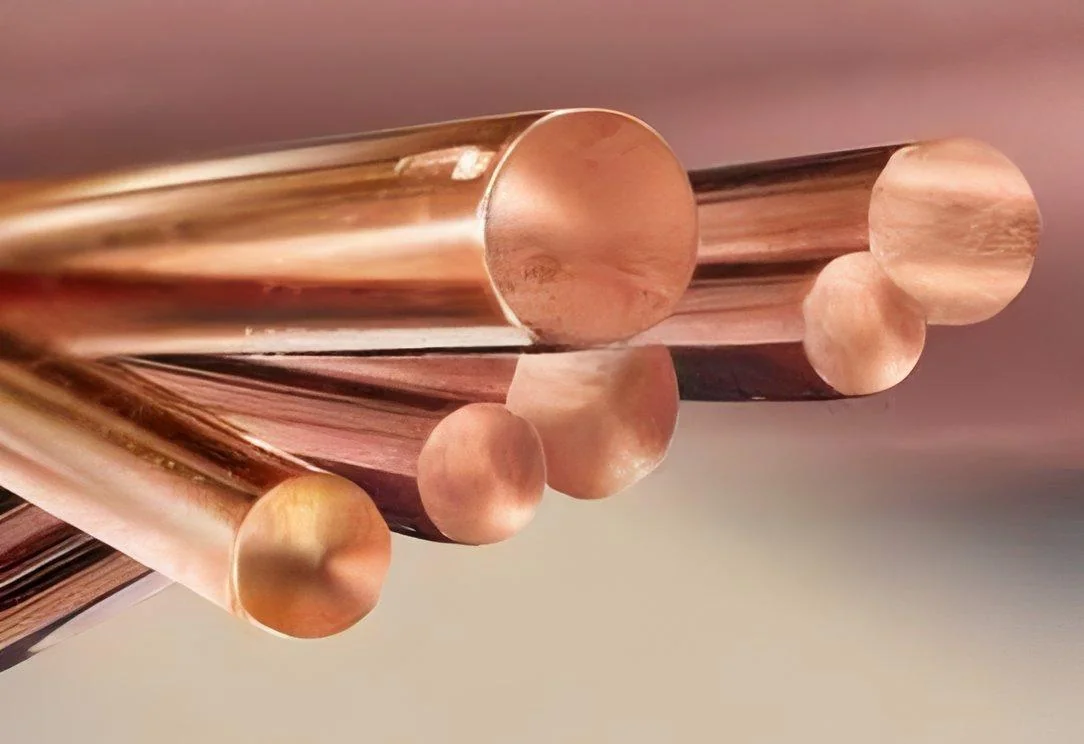
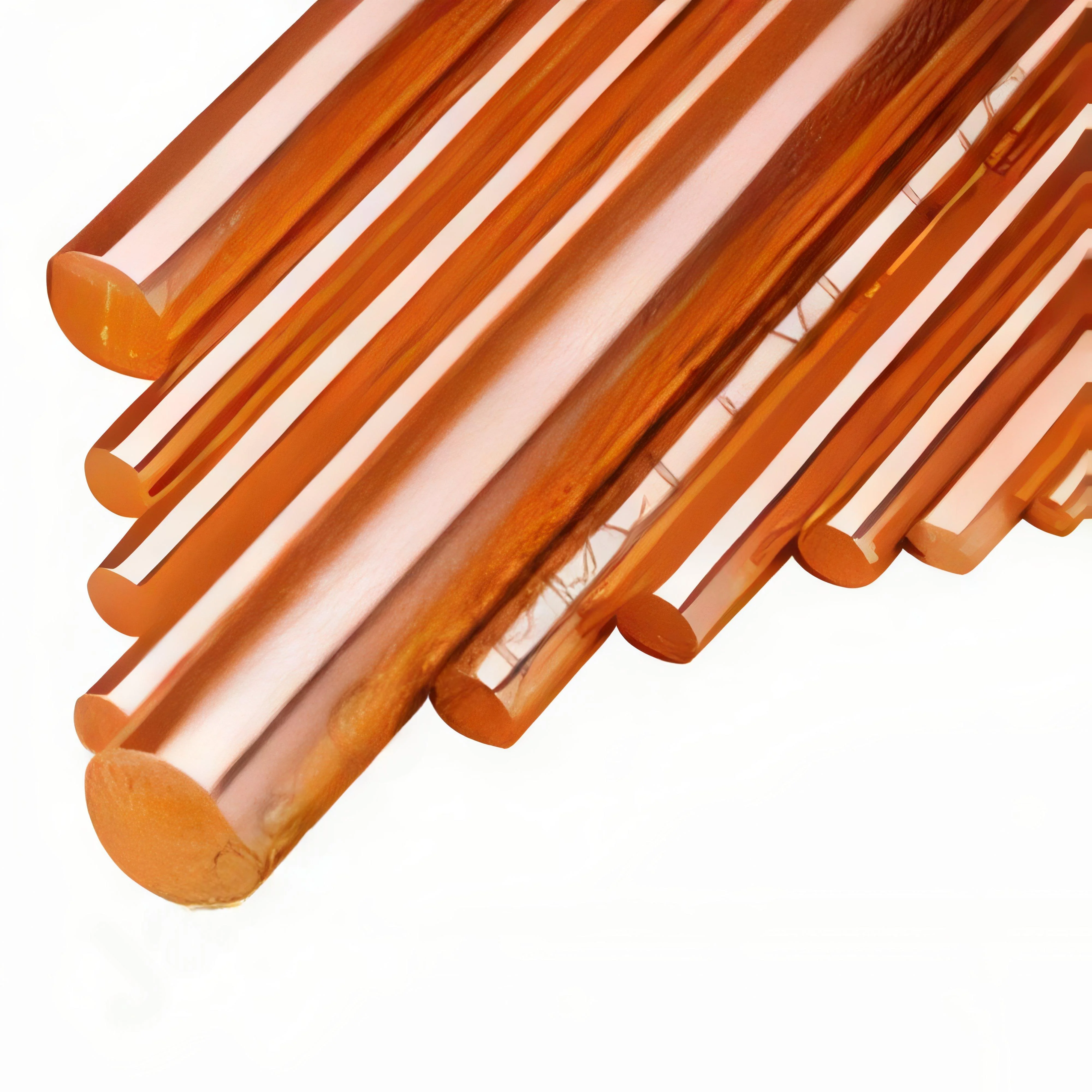
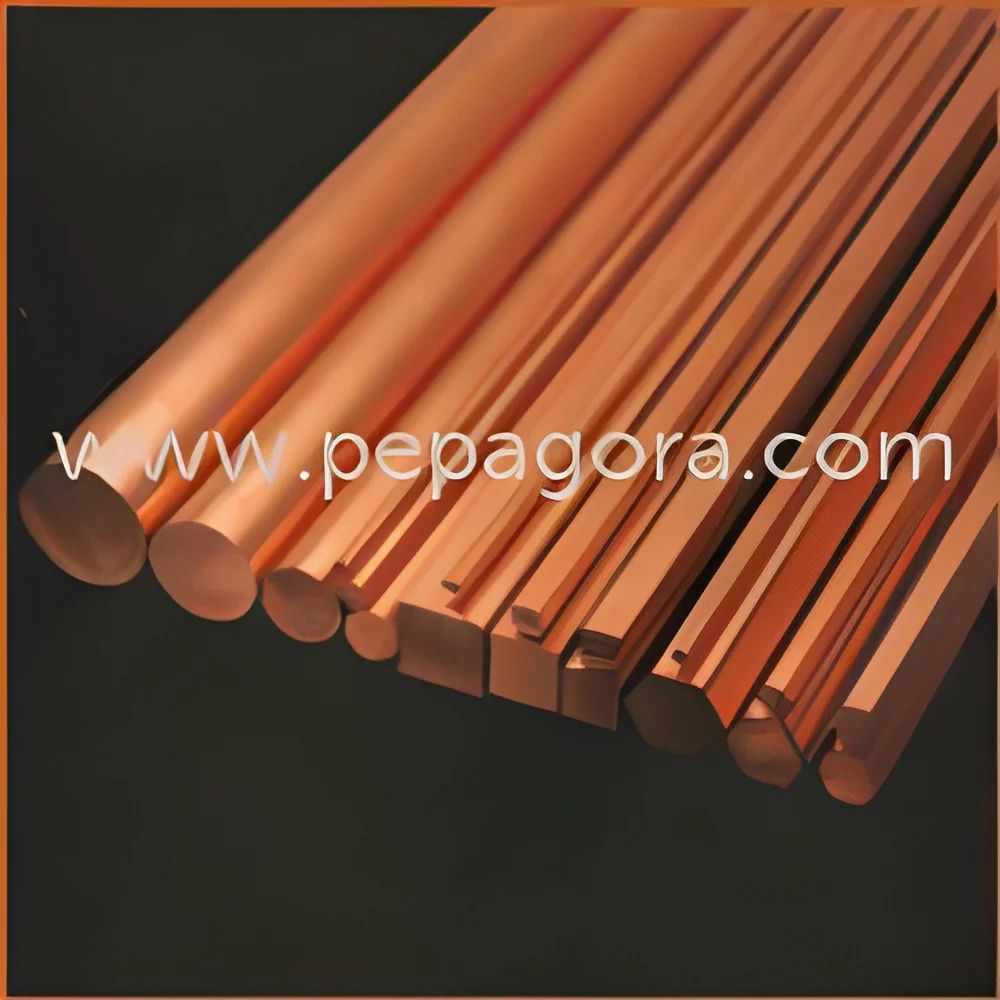
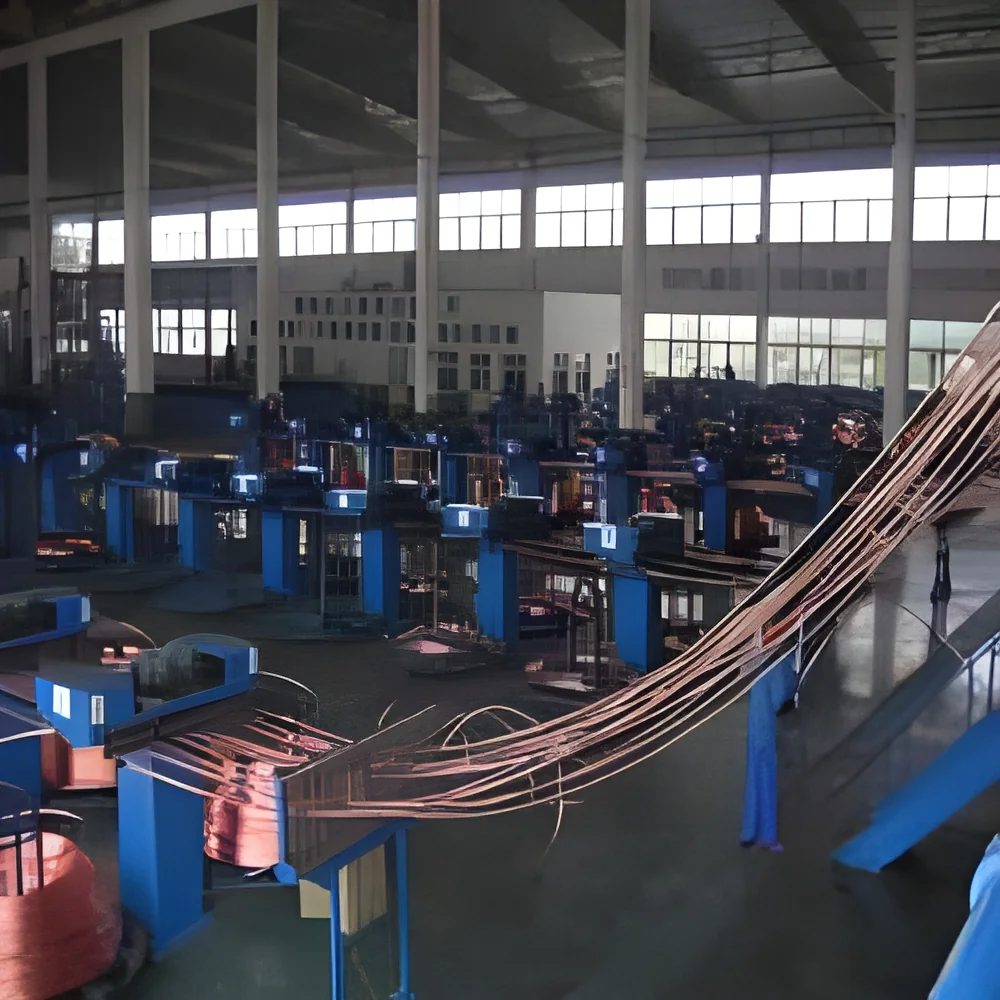
Copper rods and bars are solid forms of copper that are widely used in various industrial applications. These products are typically produced through extrusion or casting processes, resulting in a material that is known for its excellent electrical and thermal conductivity, as well as its corrosion resistance. Available in a range of diameters and lengths, copper rods and bars can be customized to meet specific manufacturing requirements.
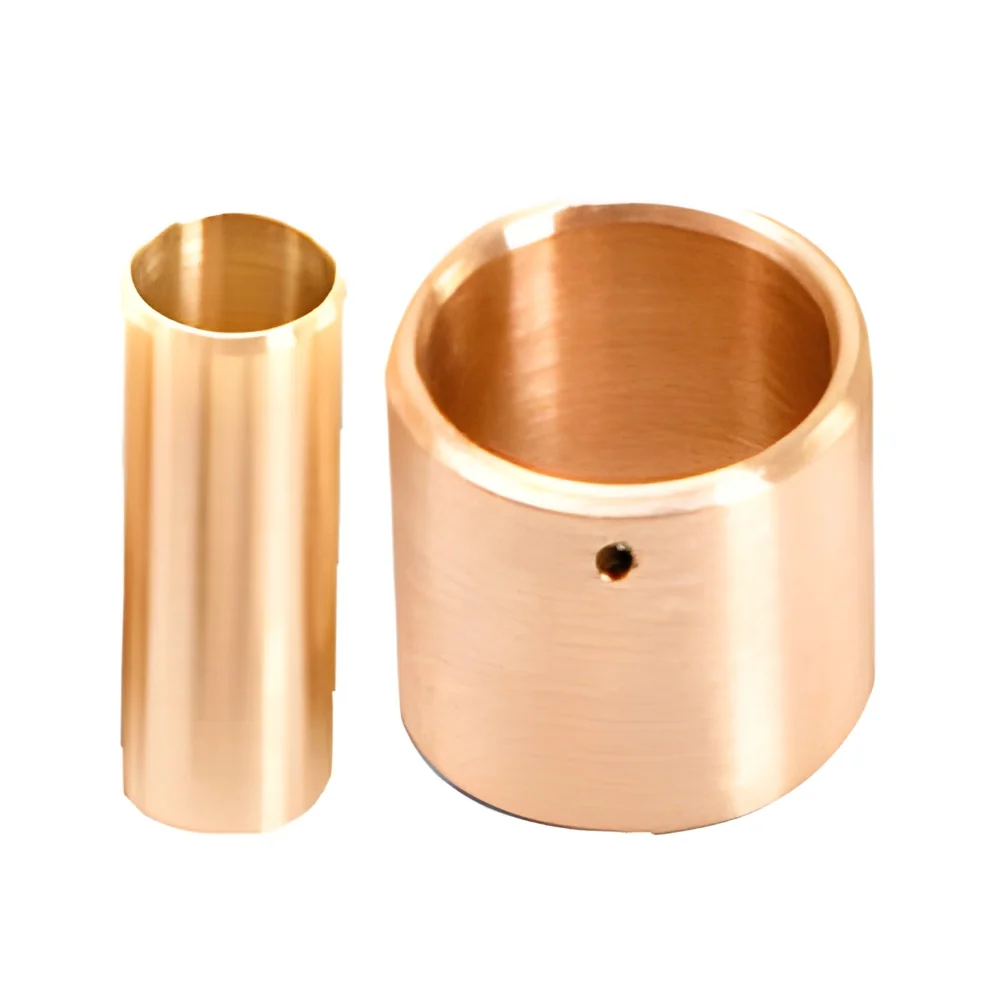
The primary uses of copper rods and bars include electrical wiring, plumbing, and fabrication of components for the automotive and aerospace industries. They are also essential in the production of electrical contacts, connectors, and terminal blocks. In a market that continually seeks efficient and reliable materials, copper remains a preferred choice for its conductive properties and durability.
Copper rods and bars play a crucial role in multiple sectors, including electronics, construction, and telecommunications. As industries evolve and technological advancements continue, the demand for high-quality copper materials grows, emphasizing the importance of sourcing from reputable suppliers who adhere to industry standards.
Key Features and Specifications
Copper rods and bars are characterized by a variety of features and specifications that define their quality and performance. Understanding these specifications is vital for ensuring that the right products are chosen for specific applications.
Key specifications include:
1. Electrical Conductivity
- High conductivity levels, typically around 58-60% IACS (International Annealed Copper Standard).
- Suitable for electrical applications requiring efficient energy transfer.
2. Corrosion Resistance
- Natural resistance to moisture and atmospheric conditions.
- Reduces maintenance needs and prolongs lifespan in outdoor environments.
3. Mechanical Strength
- Good tensile strength, usually ranging from 210 to 370 MPa.
- Offers durability while maintaining ductile properties for easy fabrication.
4. Thermal Conductivity
- High thermal conductivity, approximately 390 W/mK.
- Ideal for heat transfer applications.
5. Alloy Composition
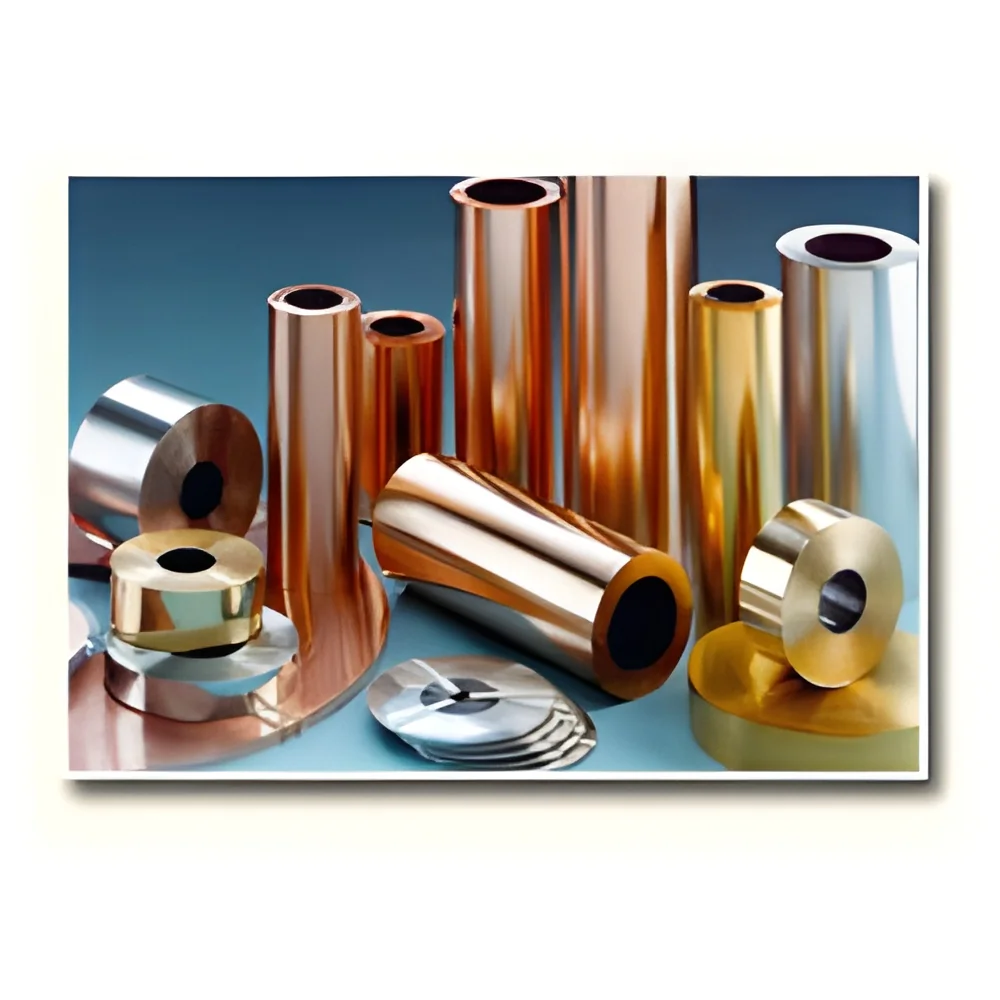
- Available in pure copper and various alloys for enhanced properties.
- Custom alloys can cater to specific industrial needs.
6. Dimensions
- Standard rod and bar sizes range from 3mm to 100mm in diameter.
- Custom lengths available to meet client specifications.
7. Surface Finish
- Available in various surface finishes, including smooth and oxidized.
- Surface treatments can enhance corrosion resistance and aesthetic appeal.
8. Compliance Standards
- Products may comply with international standards such as ASTM and CE.
- Adherence to quality assurance protocols ensures reliability.
These specifications help buyers identify the right copper rods and bars for their applications, ensuring they meet necessary performance criteria.
Common Applications and Use Cases
Copper rods and bars serve a wide range of industries, each benefiting from their unique properties.
1. Electrical Industry: Used extensively for manufacturing electrical wiring, connectors, and terminals, copper rods and bars are essential for efficient energy transfer.
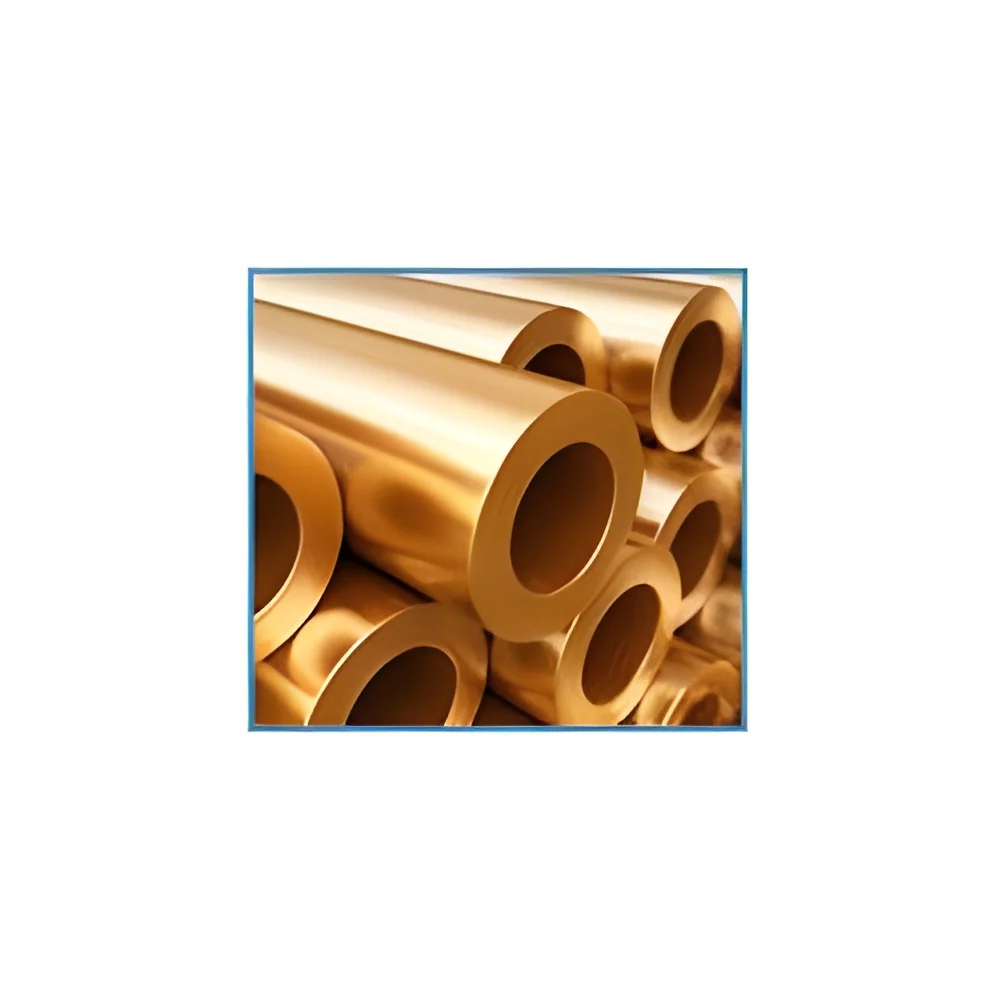
2. Plumbing: Copper is a preferred material for plumbing pipes and fittings due to its corrosion resistance and malleability, making it easy to work with.
3. Automotive Sector: In automotive manufacturing, copper rods and bars are utilized in electrical systems, radiators, and heat exchangers for their thermal conductivity.
4. Aerospace Industry: The lightweight and durable characteristics of copper make it suitable for a variety of aerospace applications, including wiring and components.
5. Construction: Used in HVAC systems and roofing, copper rods and bars provide reliable performance in construction projects due to their resistance to corrosion.
6. Telecommunications: Copper is essential in telecommunications for wires and connectors, enabling effective signal transmission.
7. Art and Design: Artists and designers often use copper rods and bars for sculptures, decorative items, and functional art due to their aesthetic appeal and workability.
Product Variants and Subcategories
Copper rods and bars come in various forms and sizes, allowing for flexibility in application and manufacturing processes.
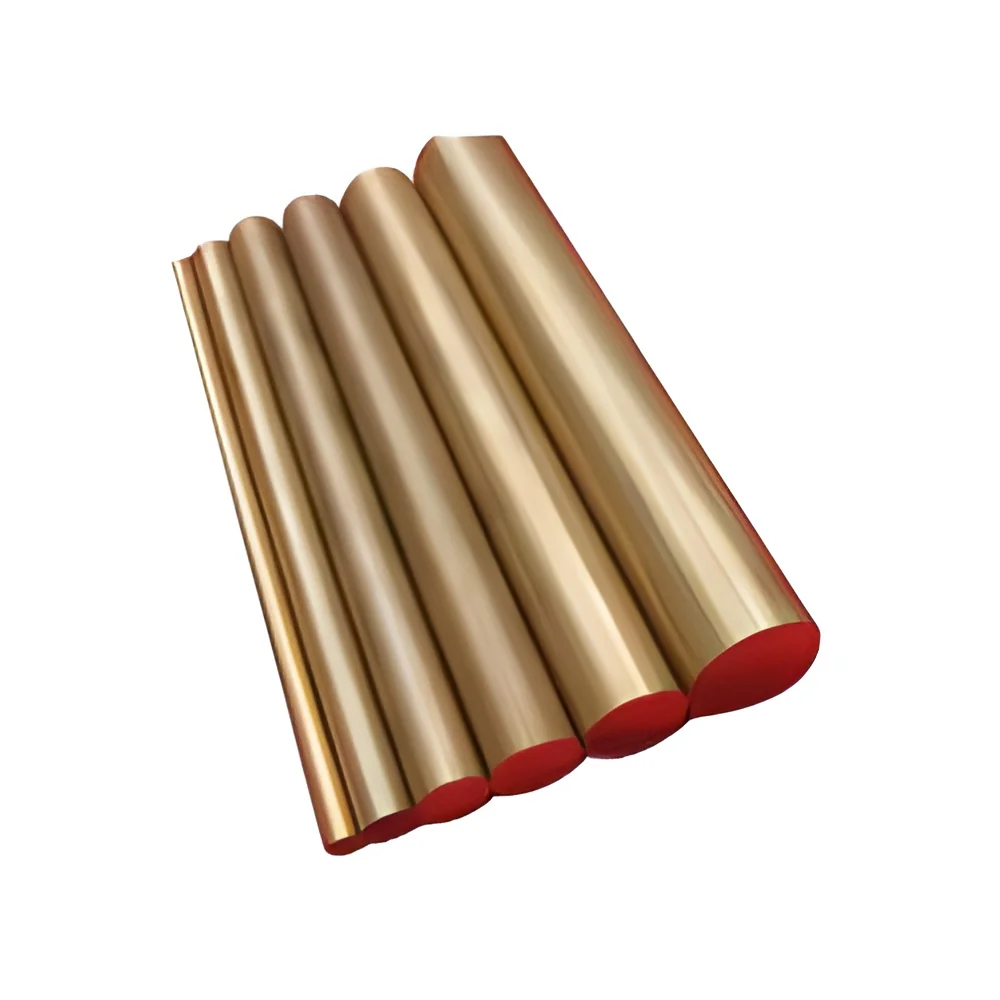
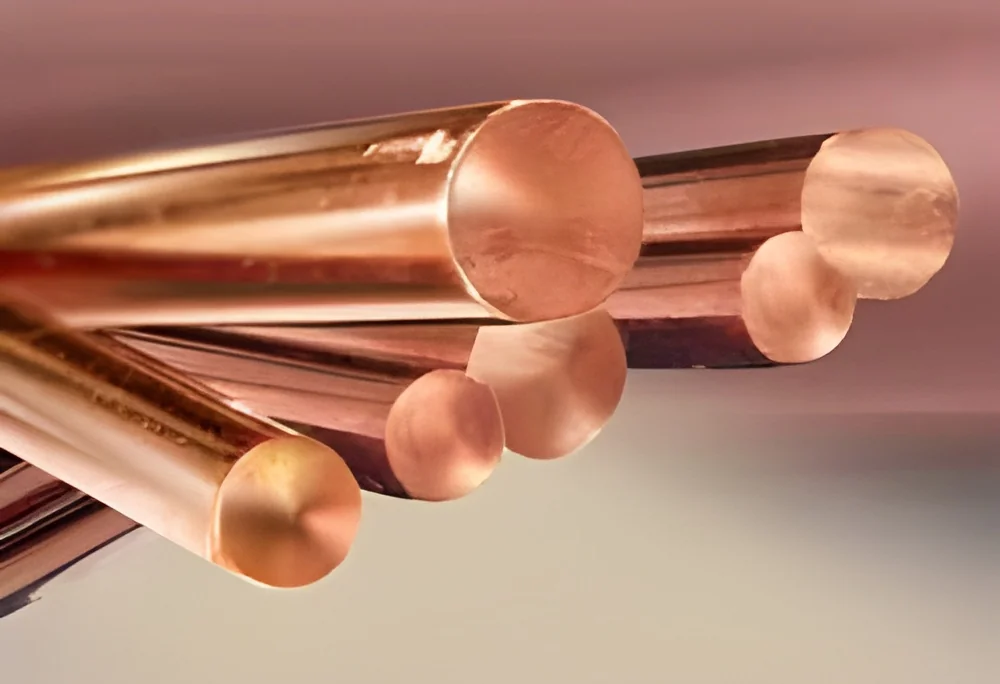
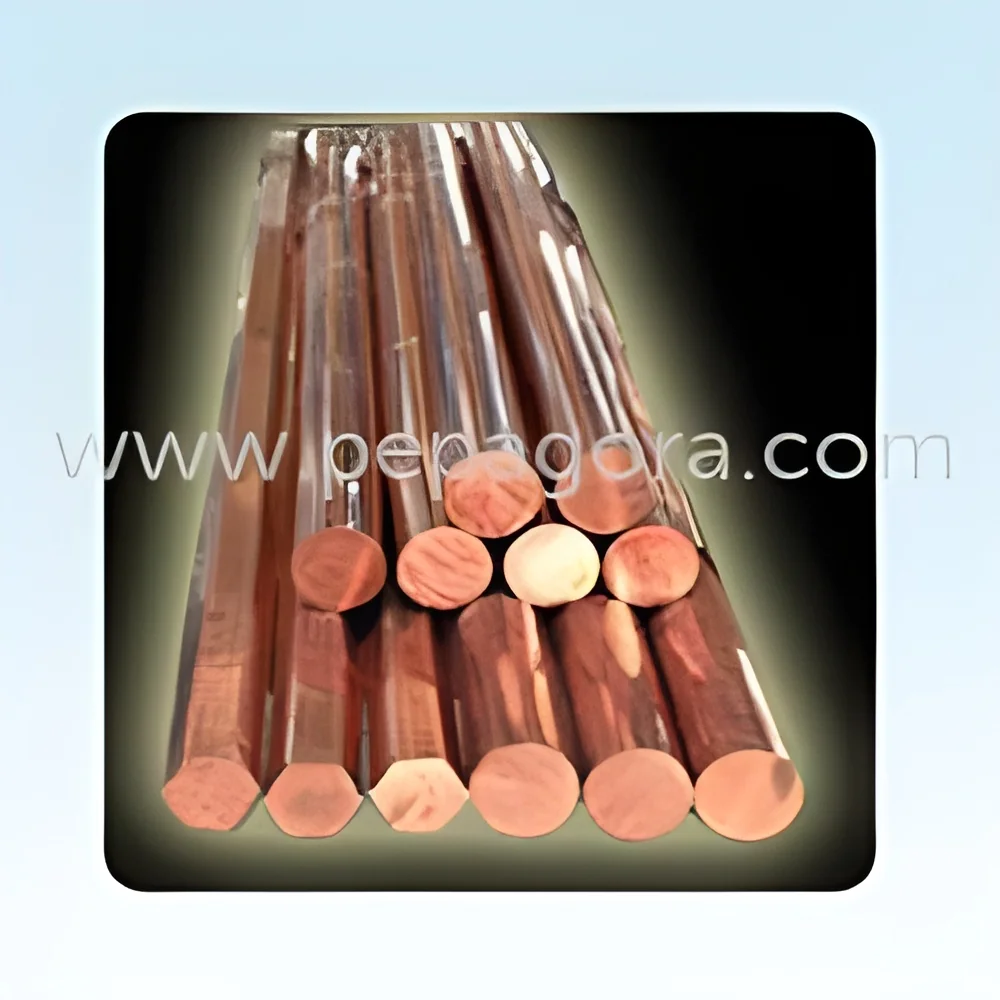
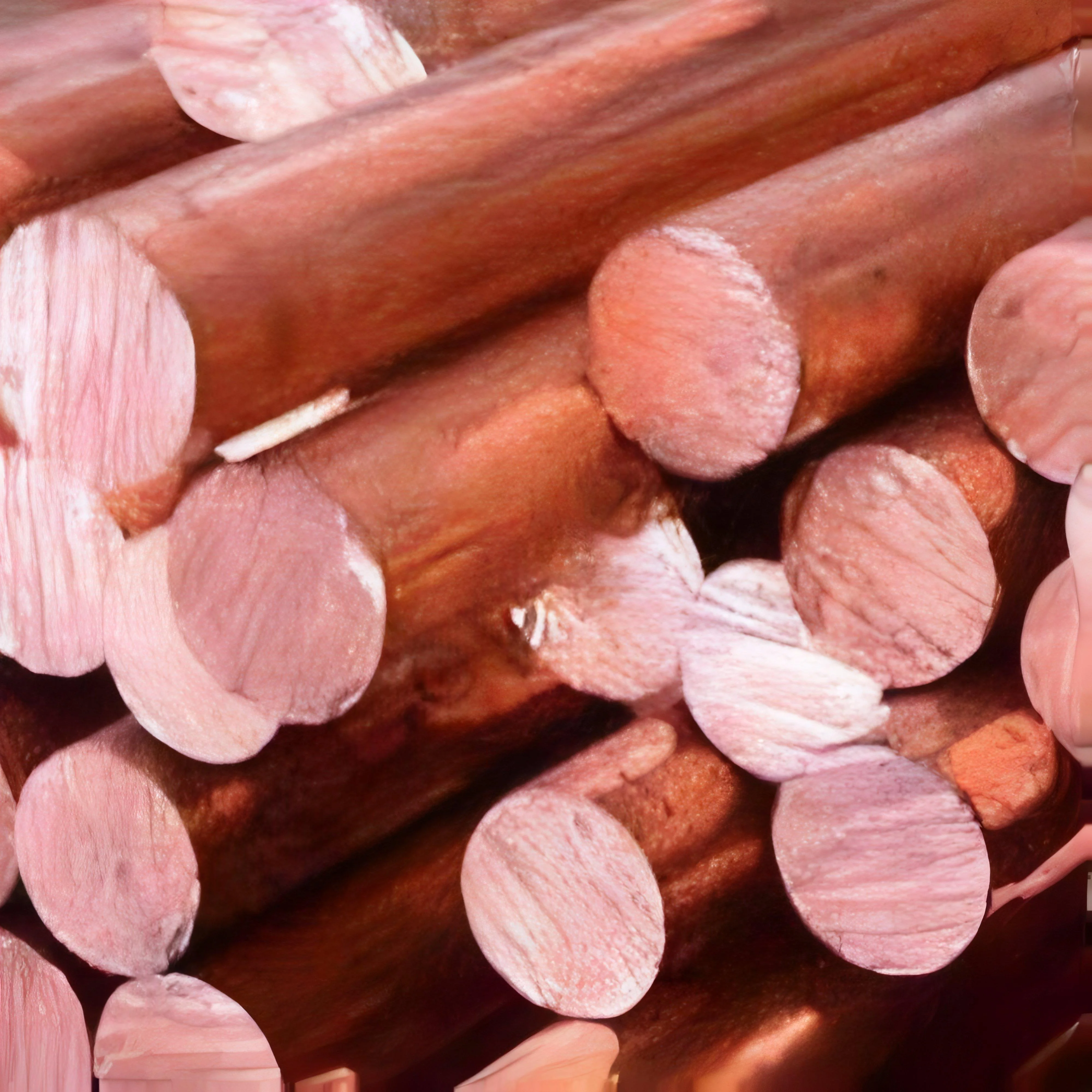
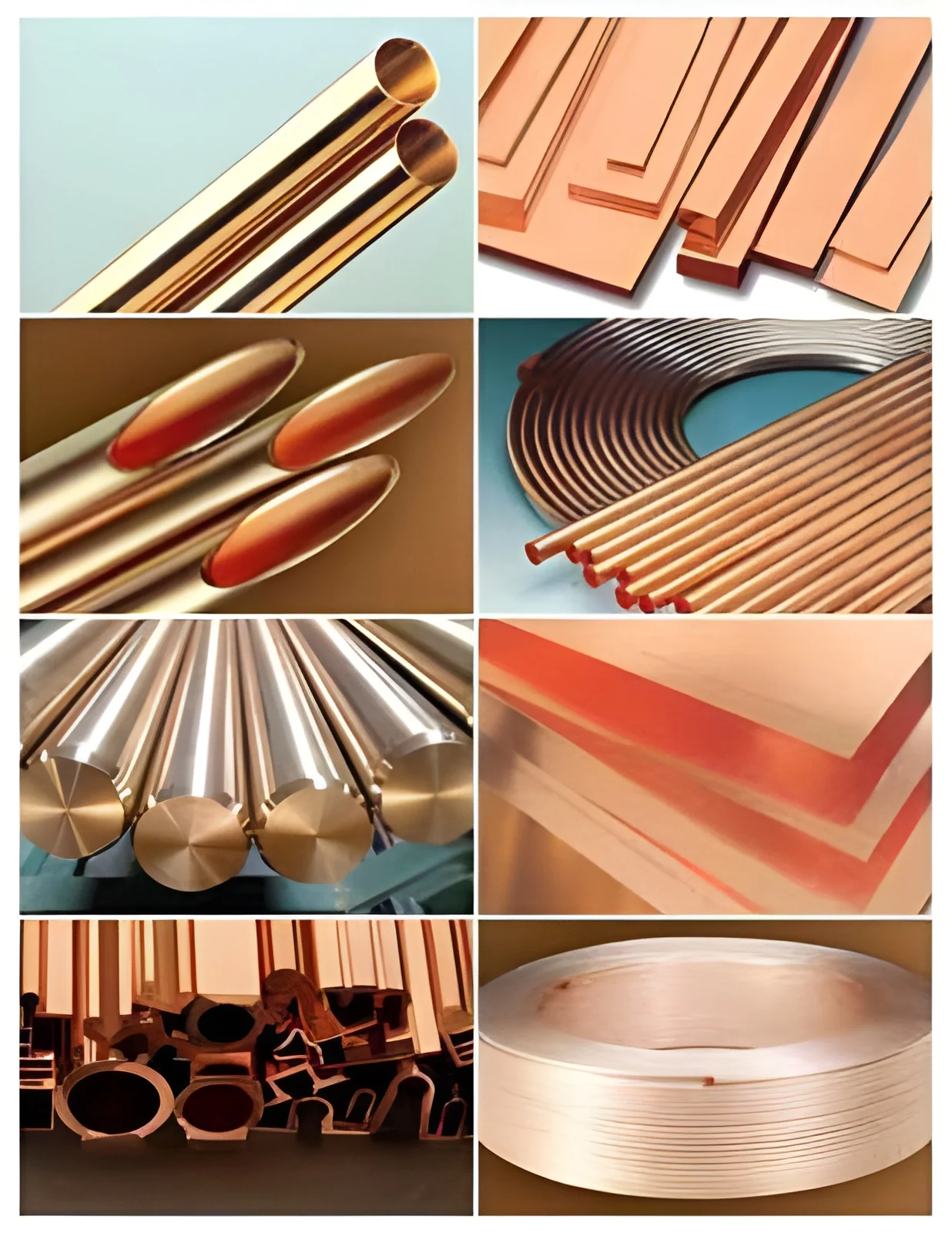
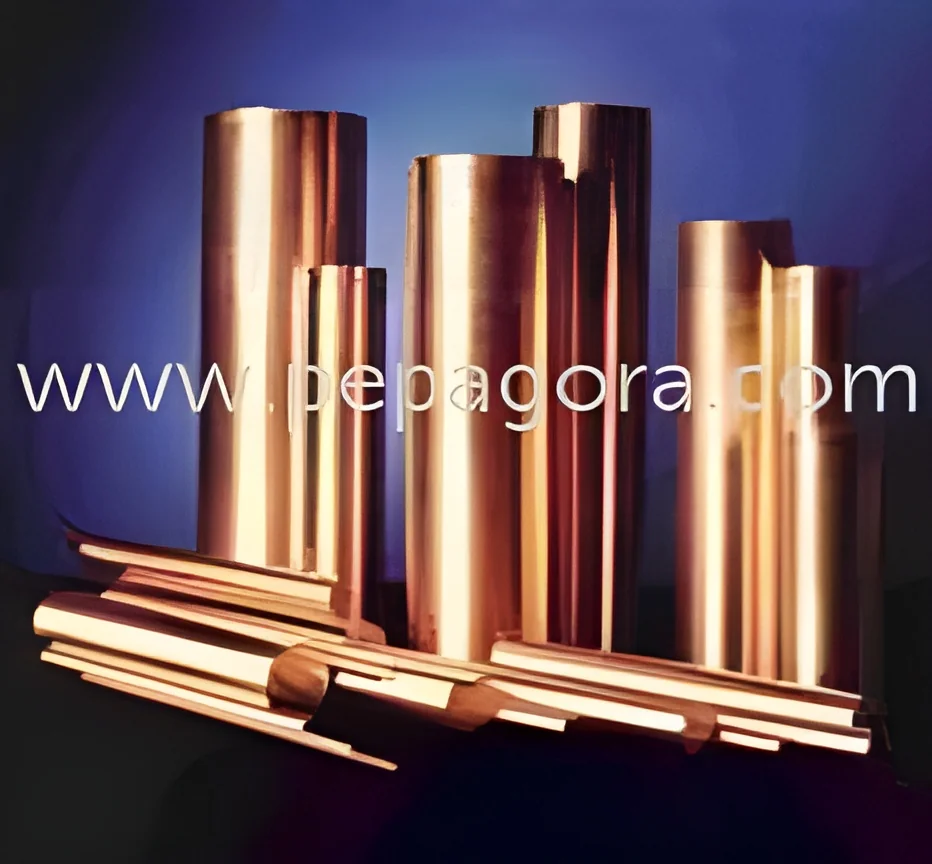
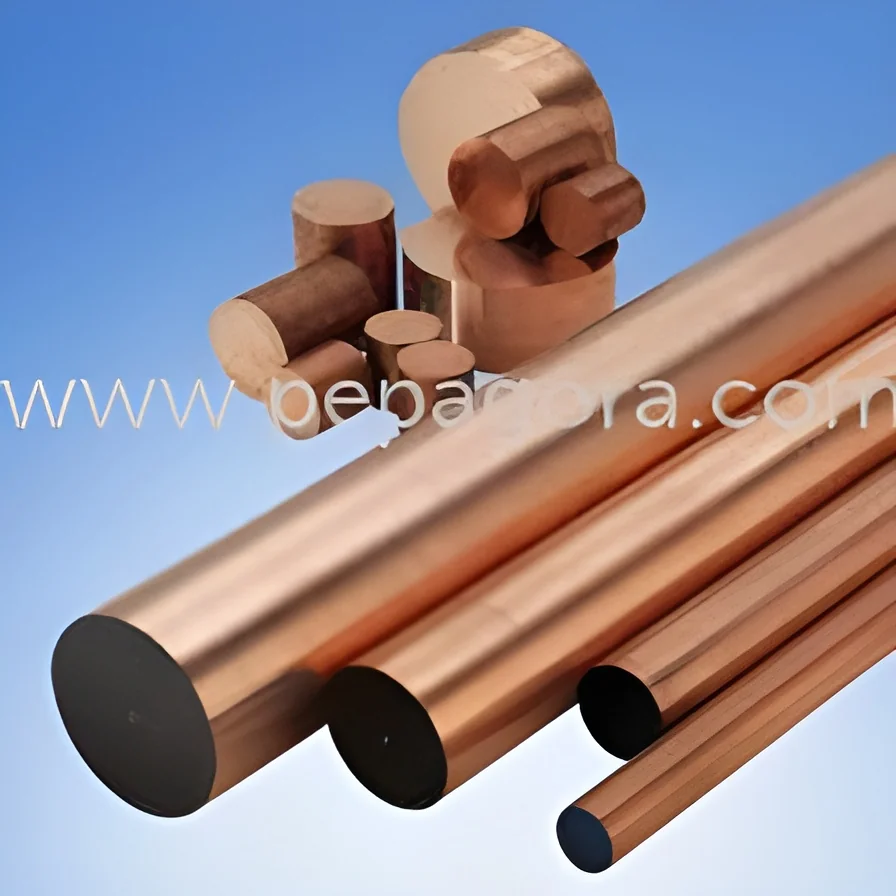
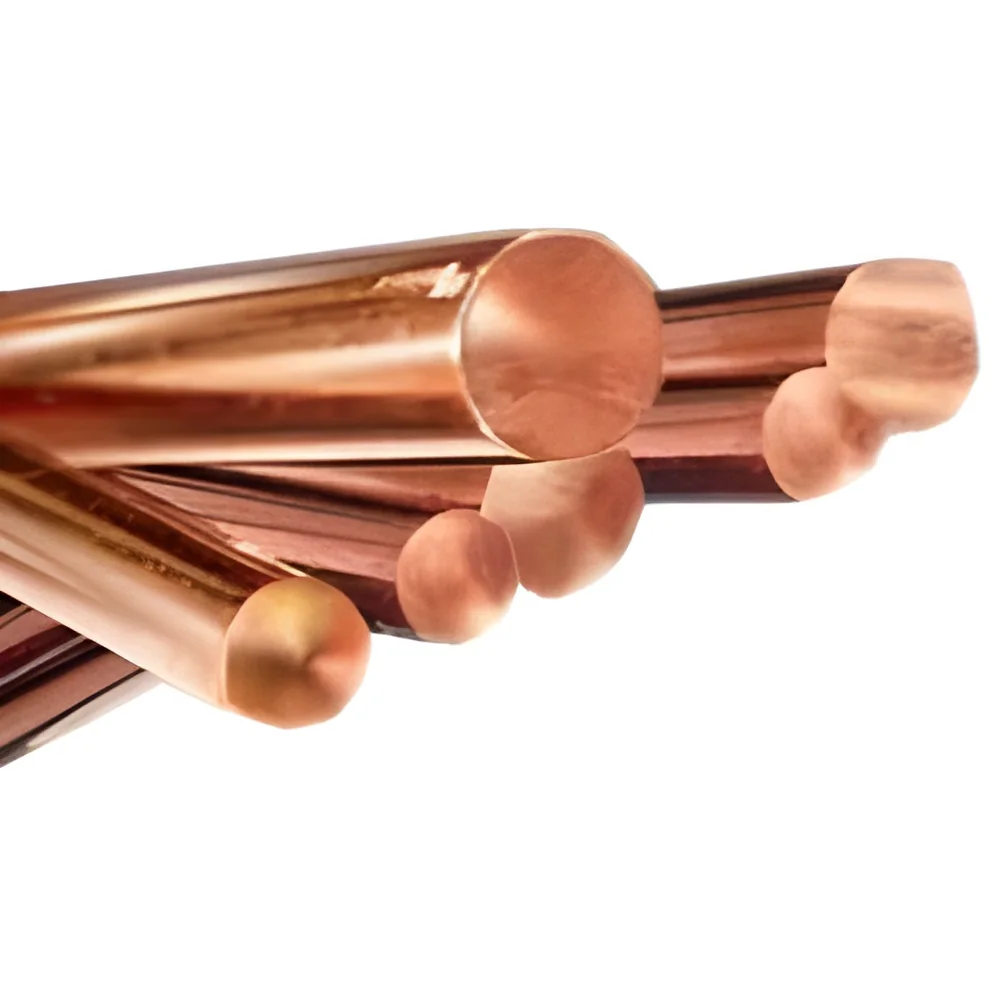
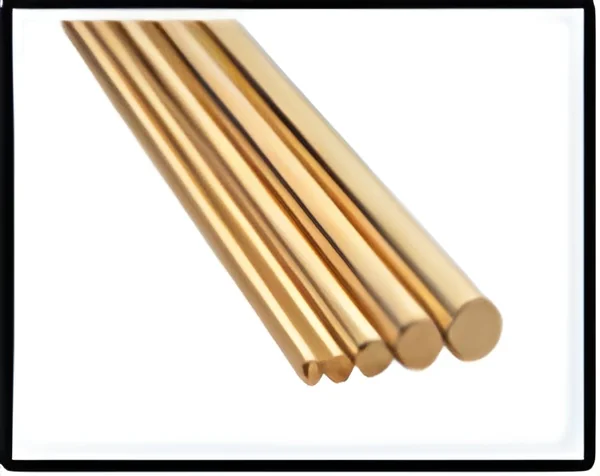
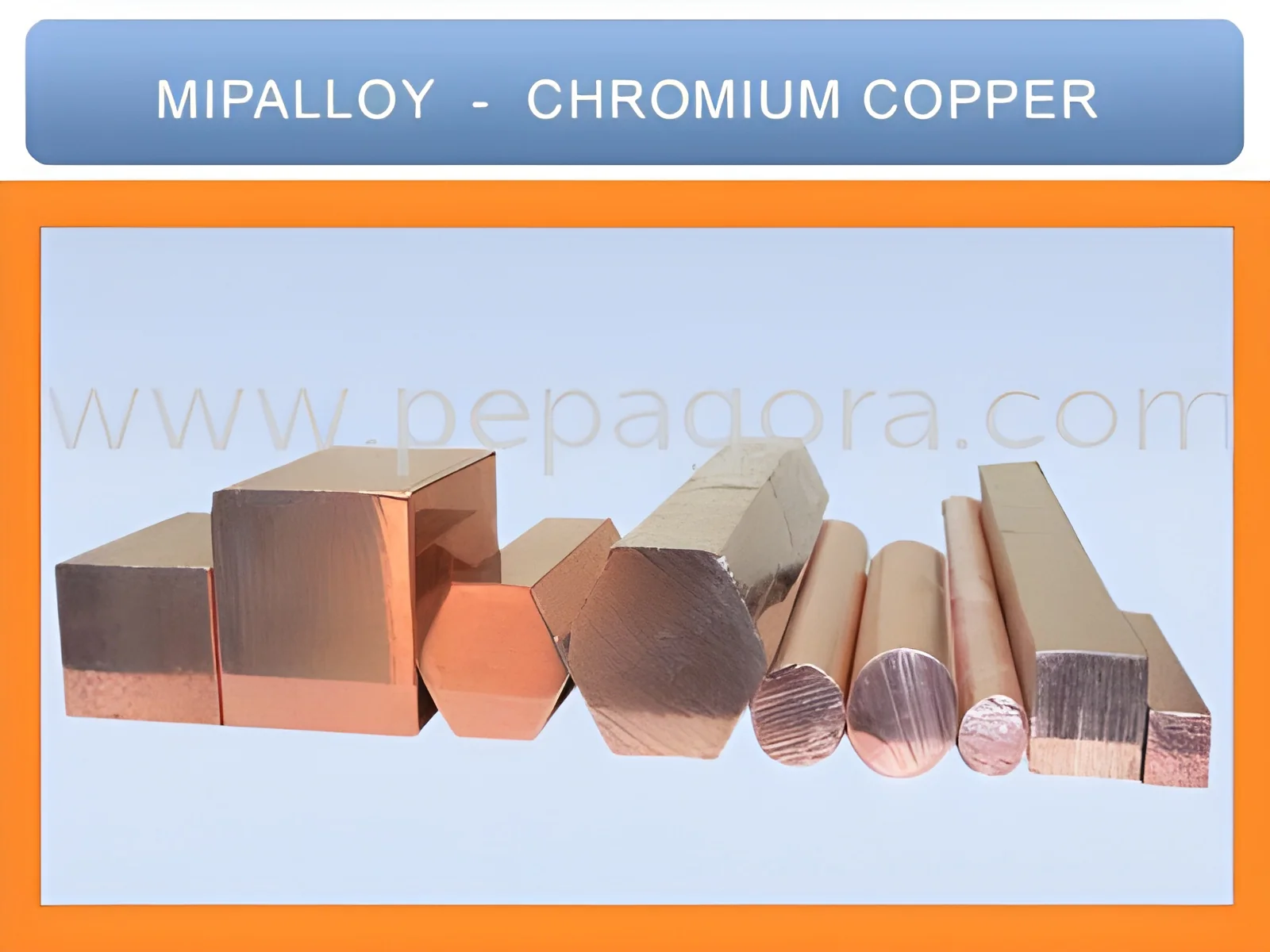
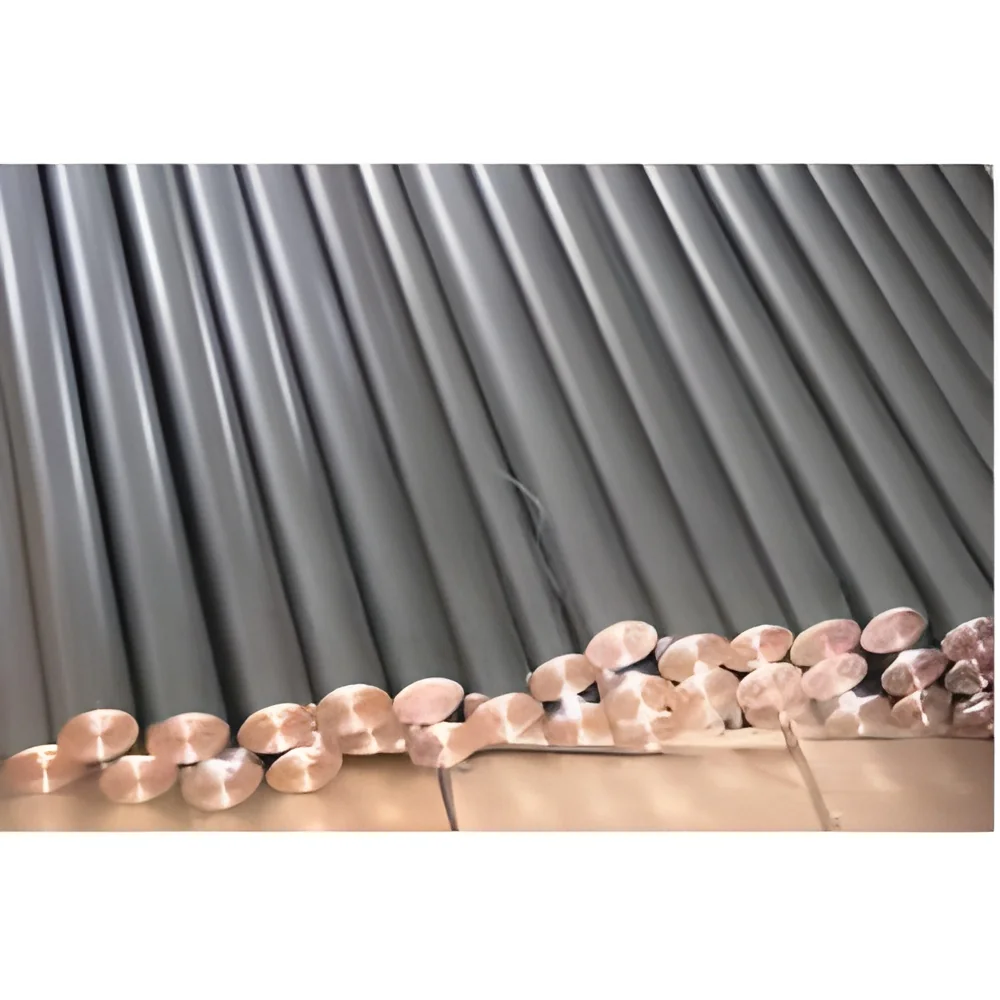
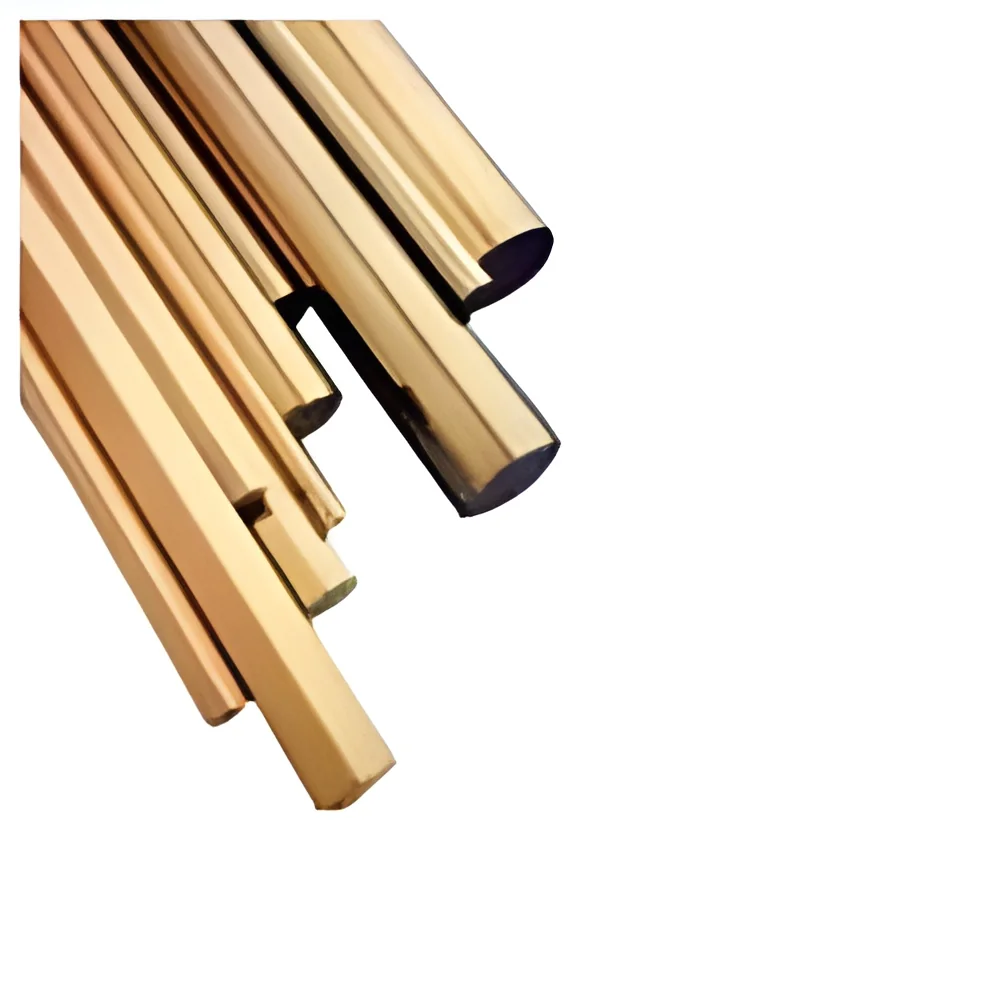
Copper Round Bars: These are cylindrical bars used in machining and fabrication. They are ideal for creating custom parts due to their ease of cutting and shaping.
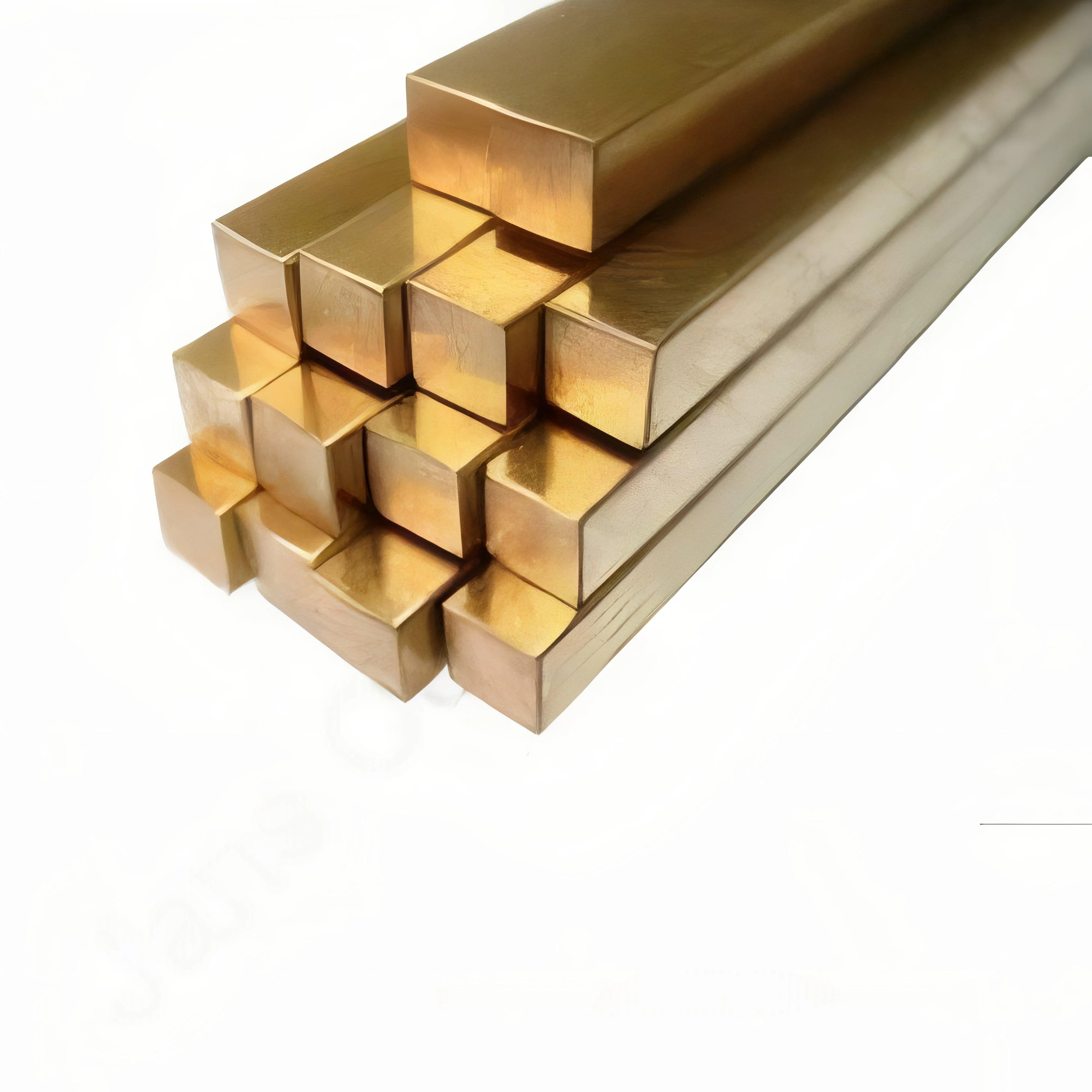
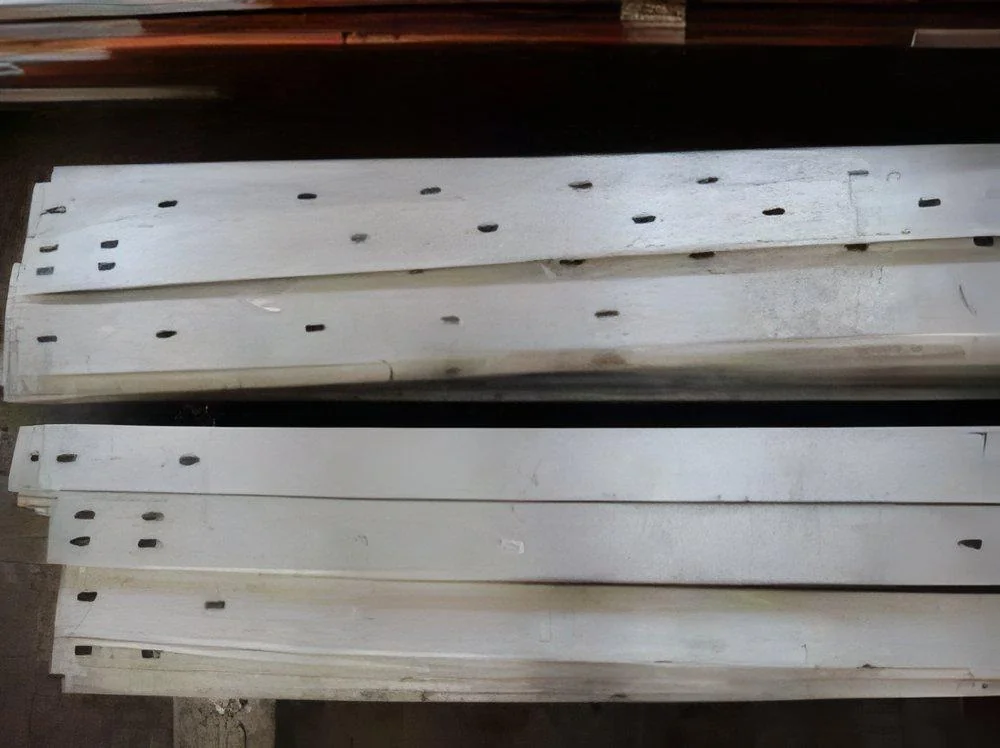
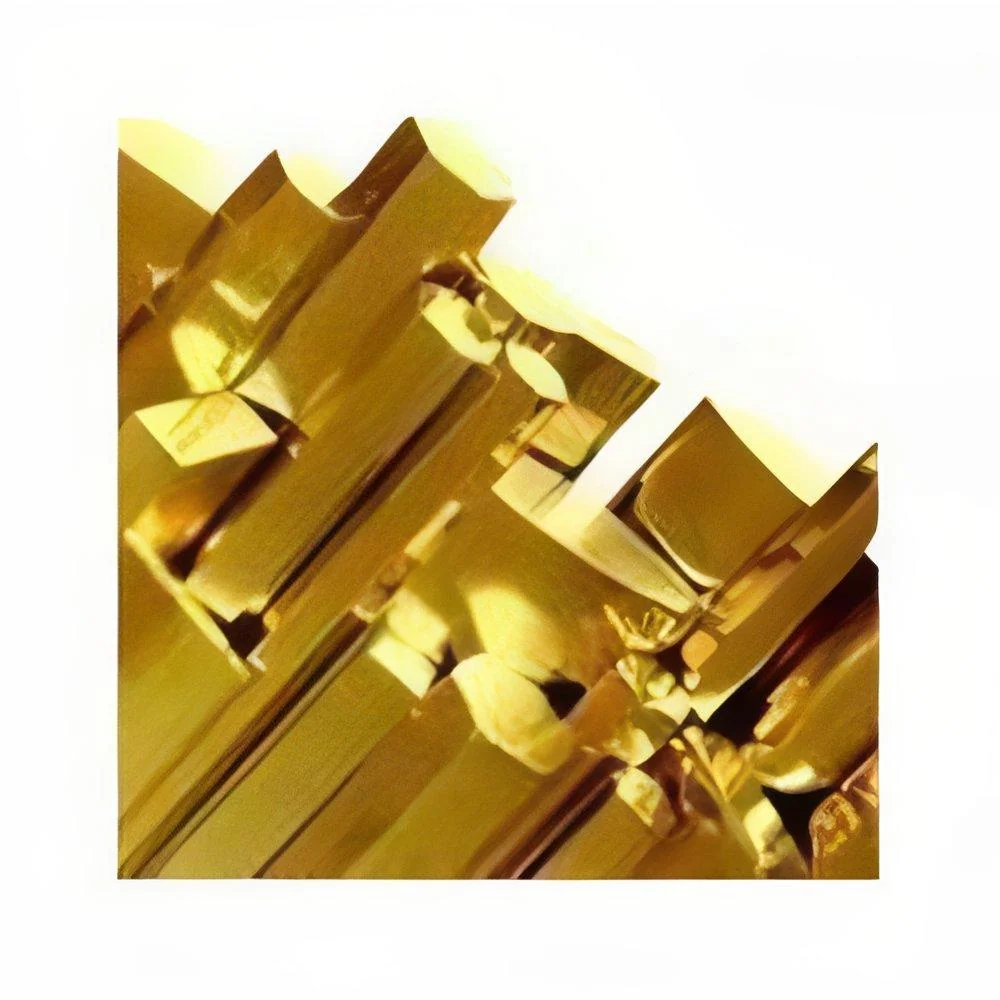
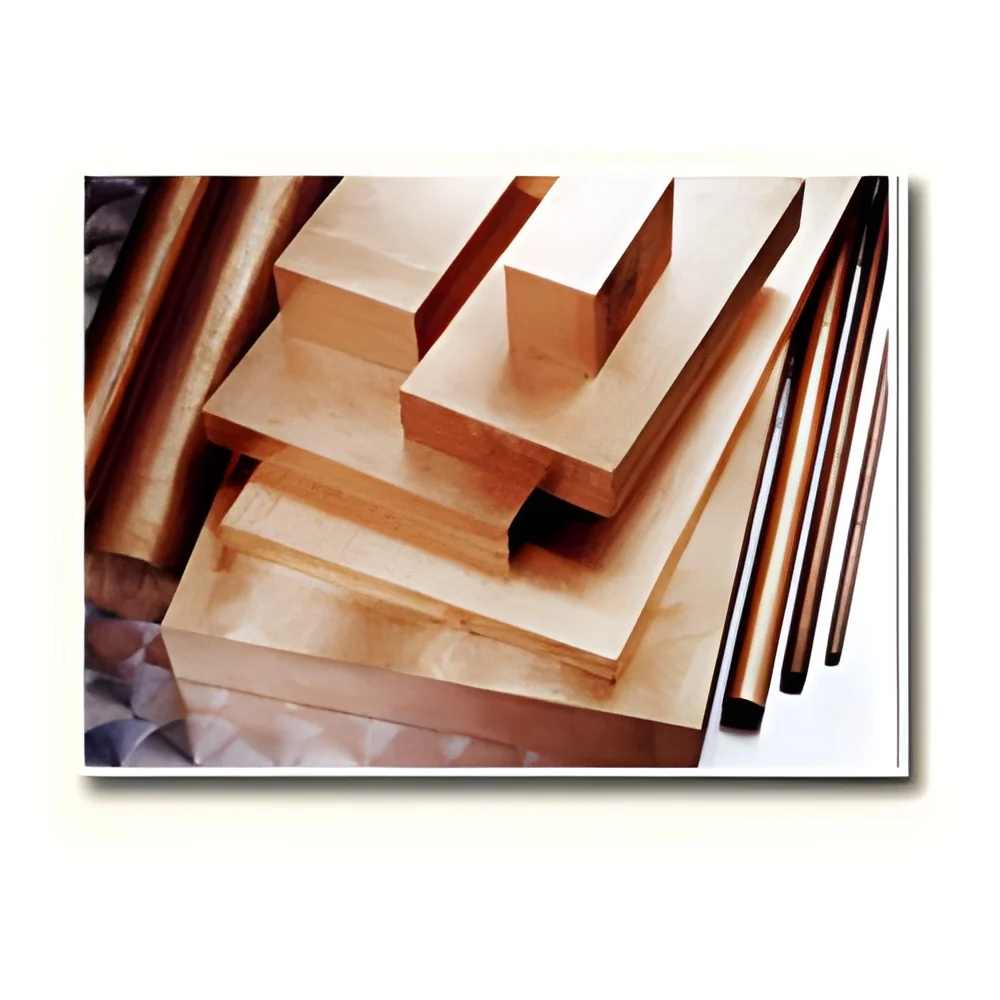
Copper Square Bars: Square bars are often used in construction and manufacturing applications where a flat surface is required. They can be easily welded and soldered.
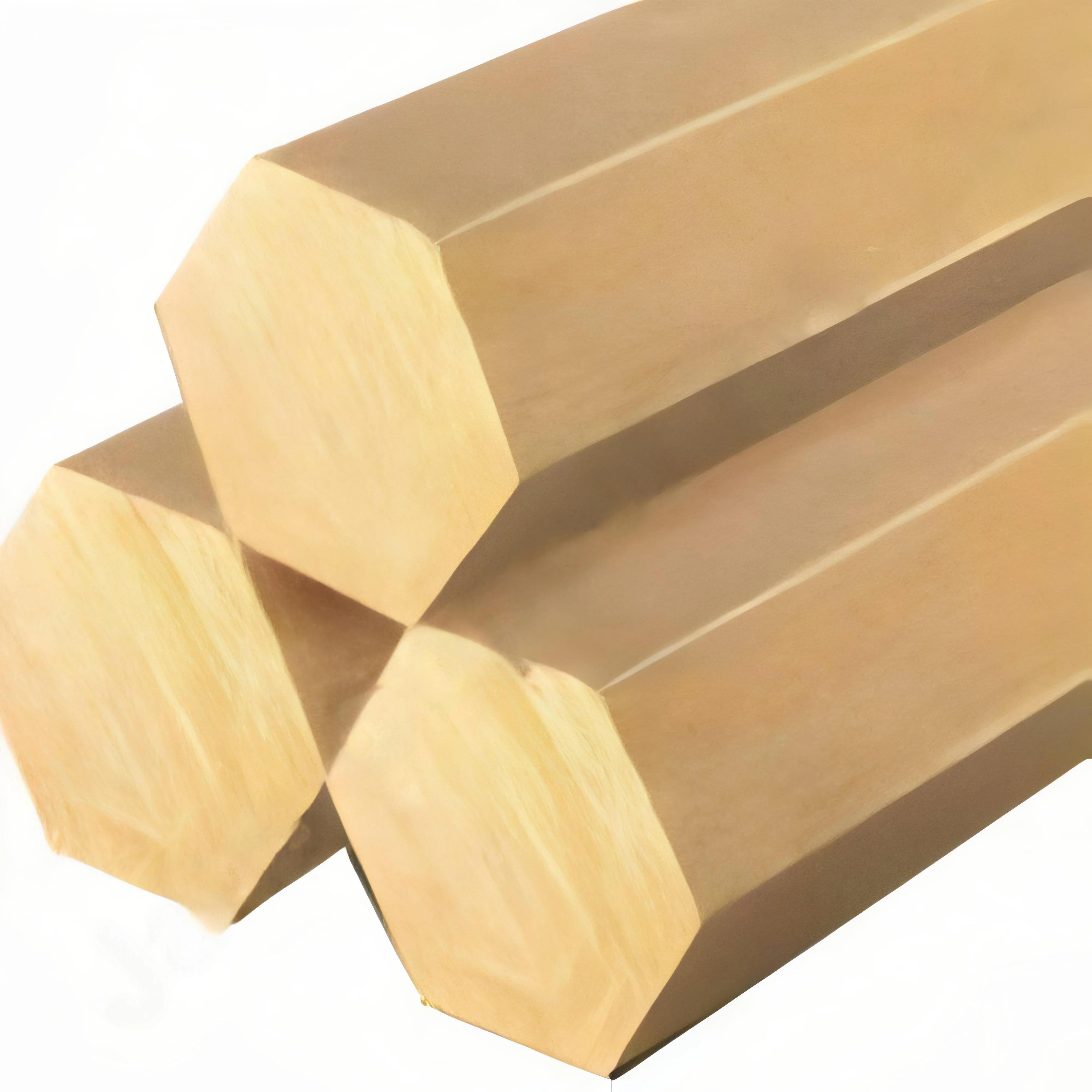
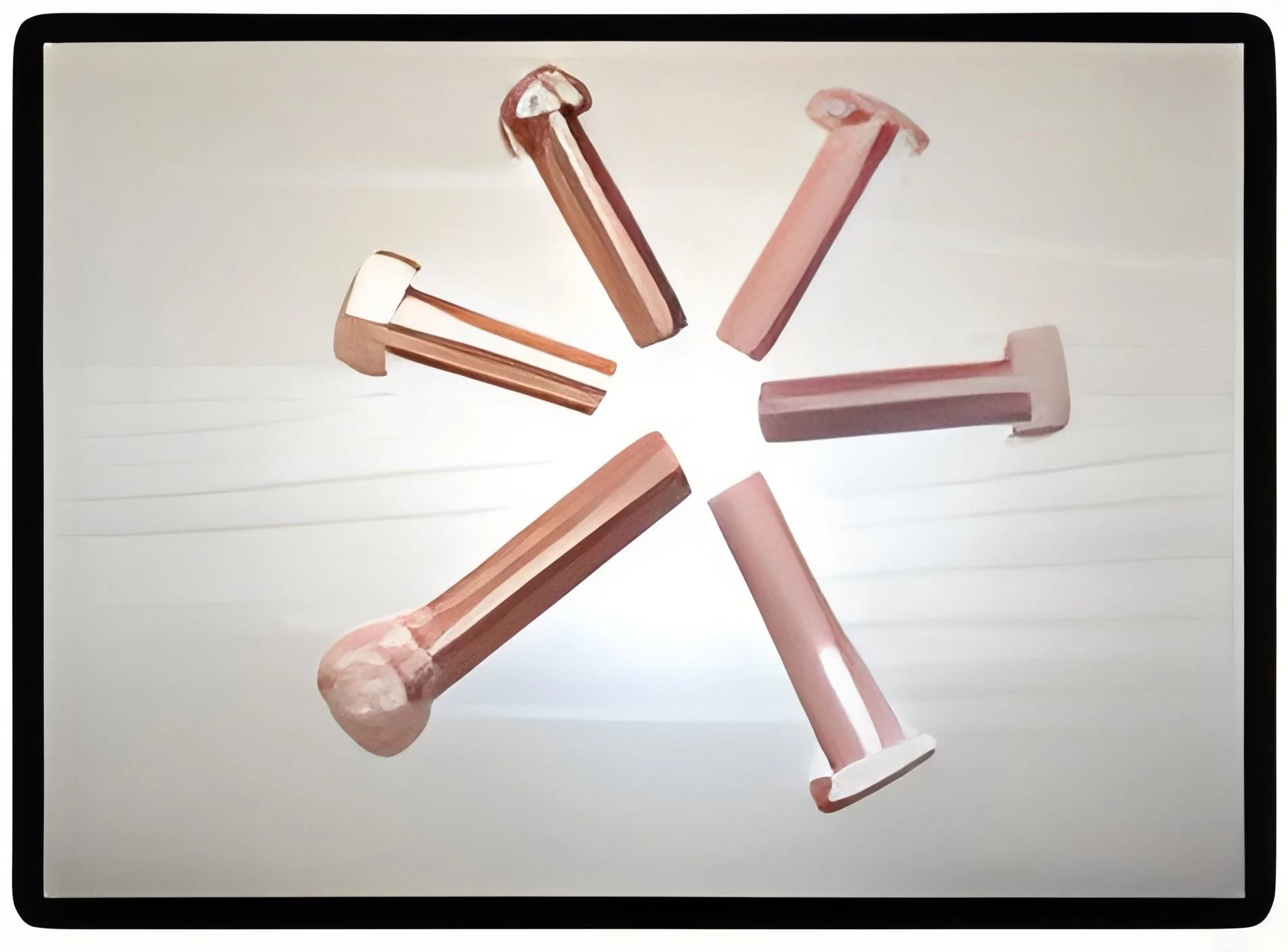
Copper Hexagonal Bars: Hexagonal bars are commonly used in fasteners and fittings. Their unique shape allows for better grip and torque in mechanical applications.
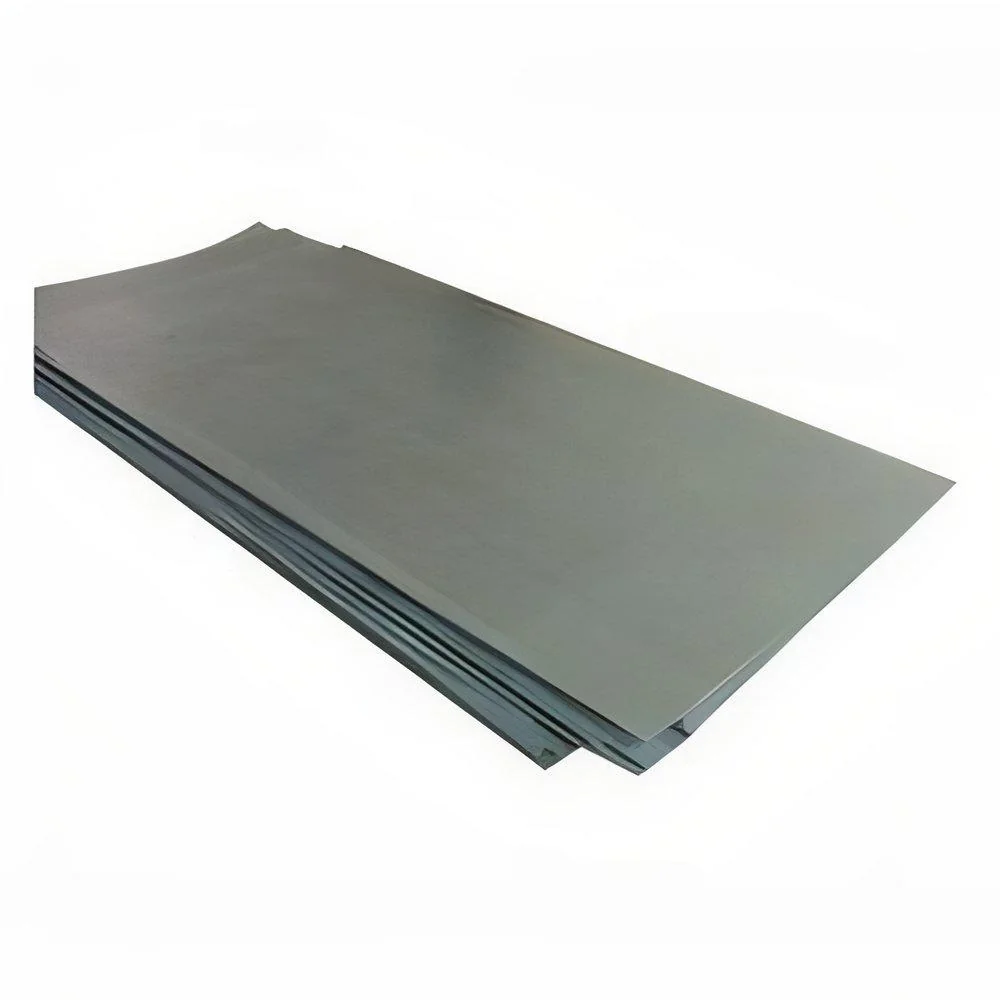
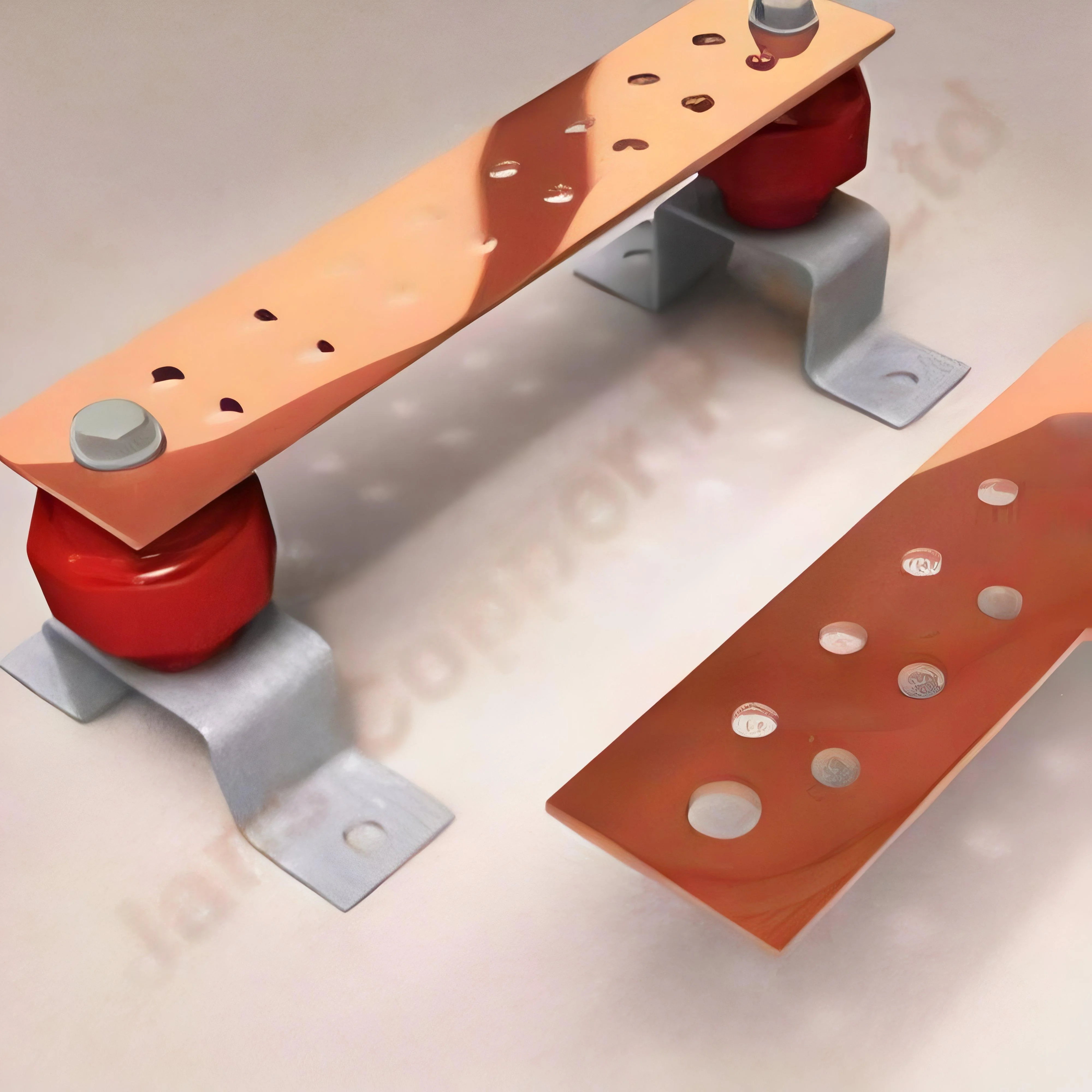
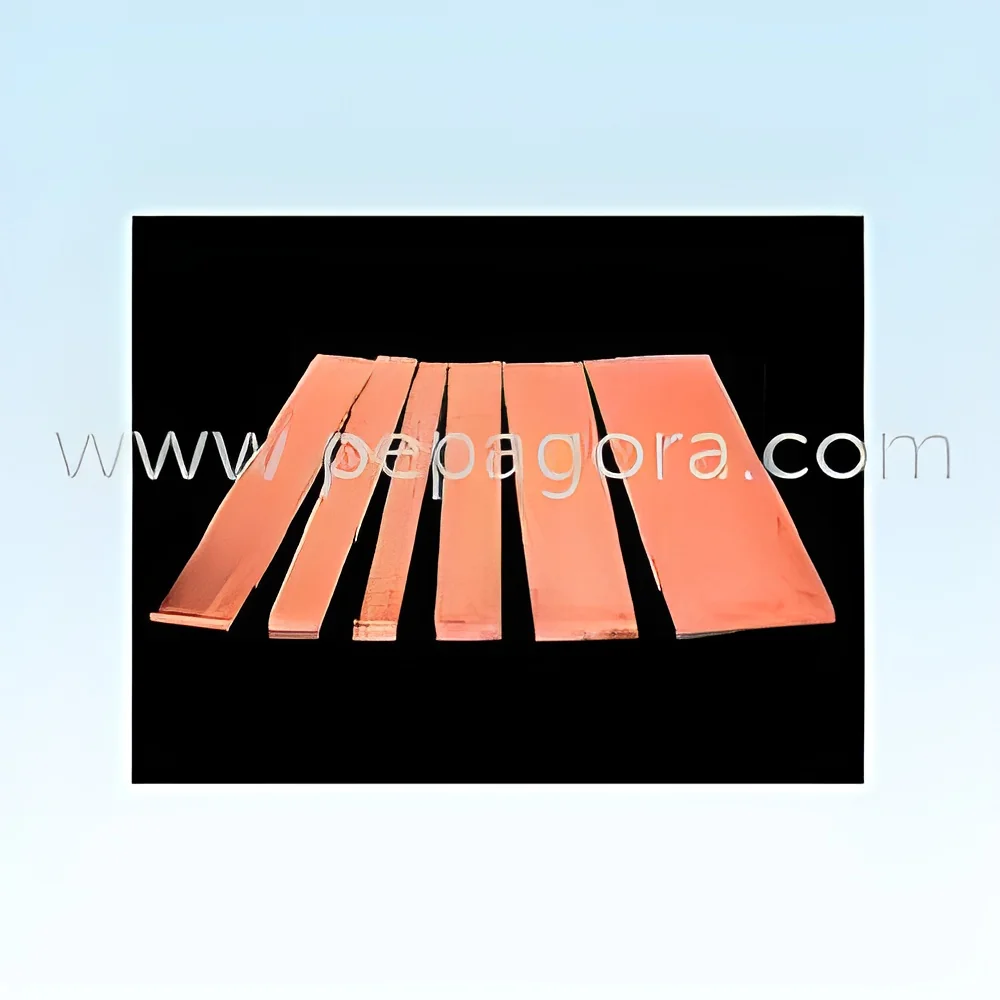
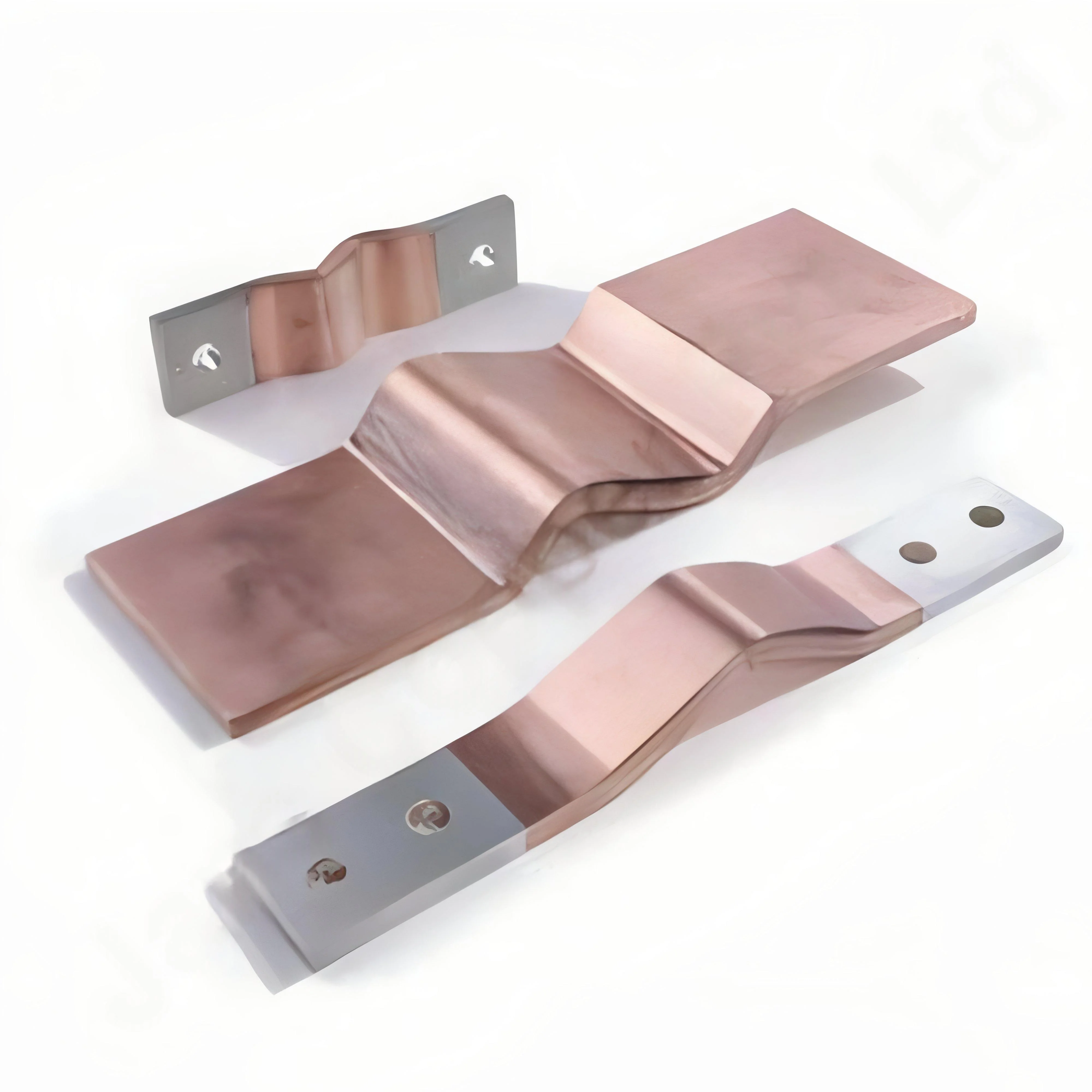
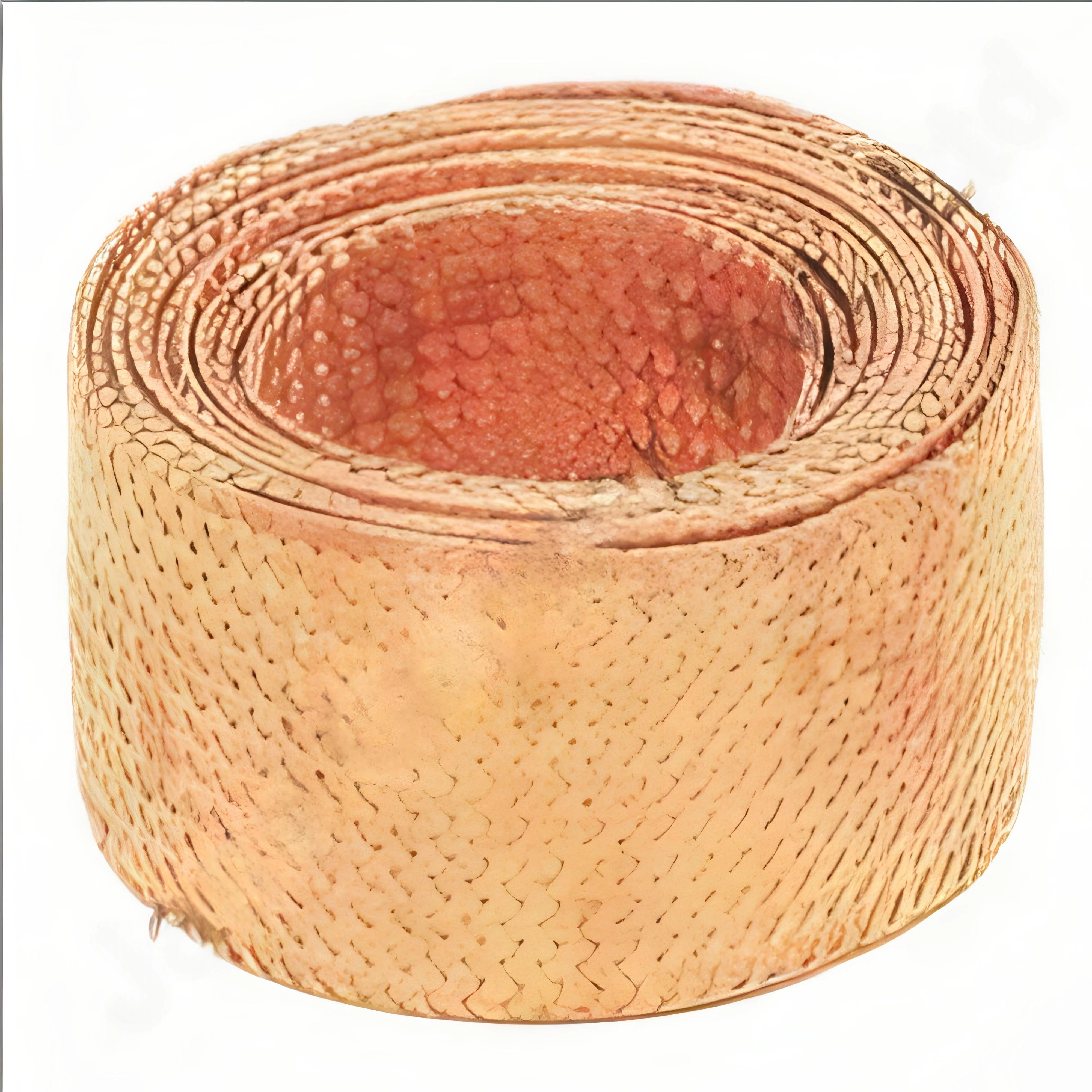
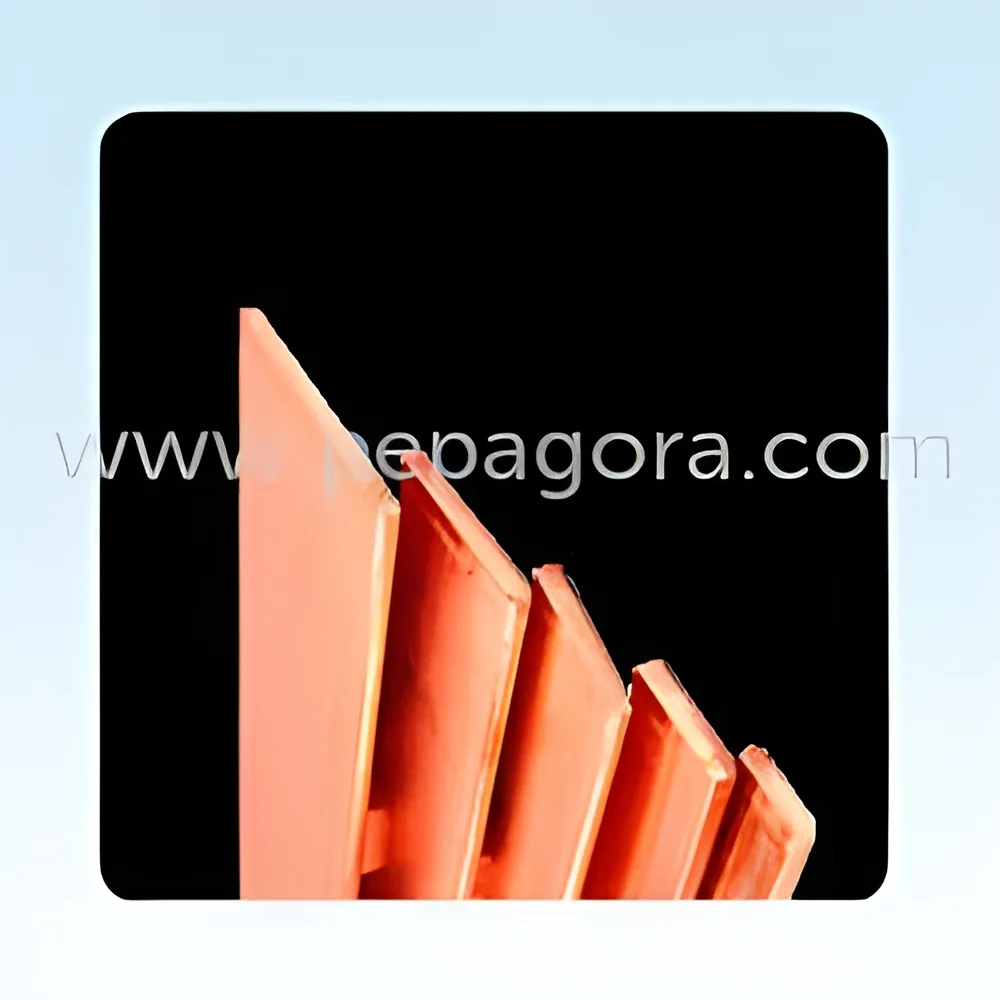
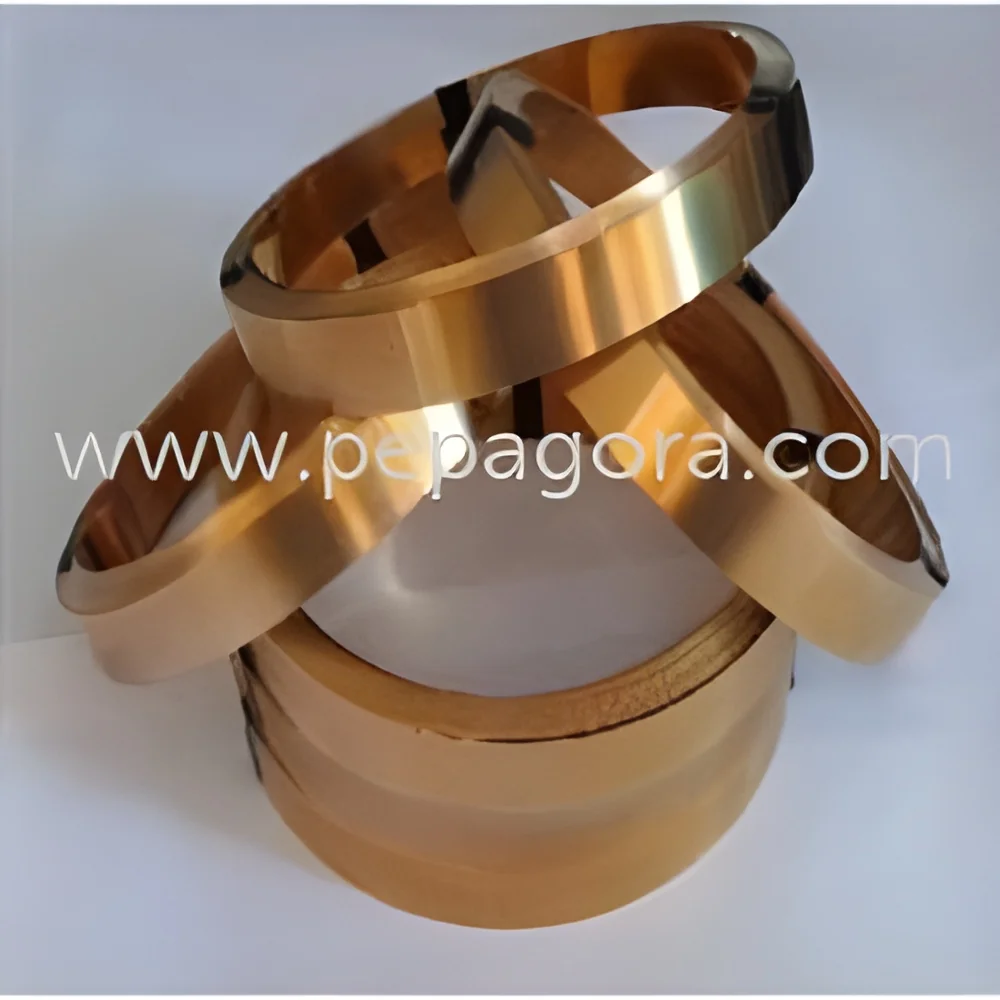
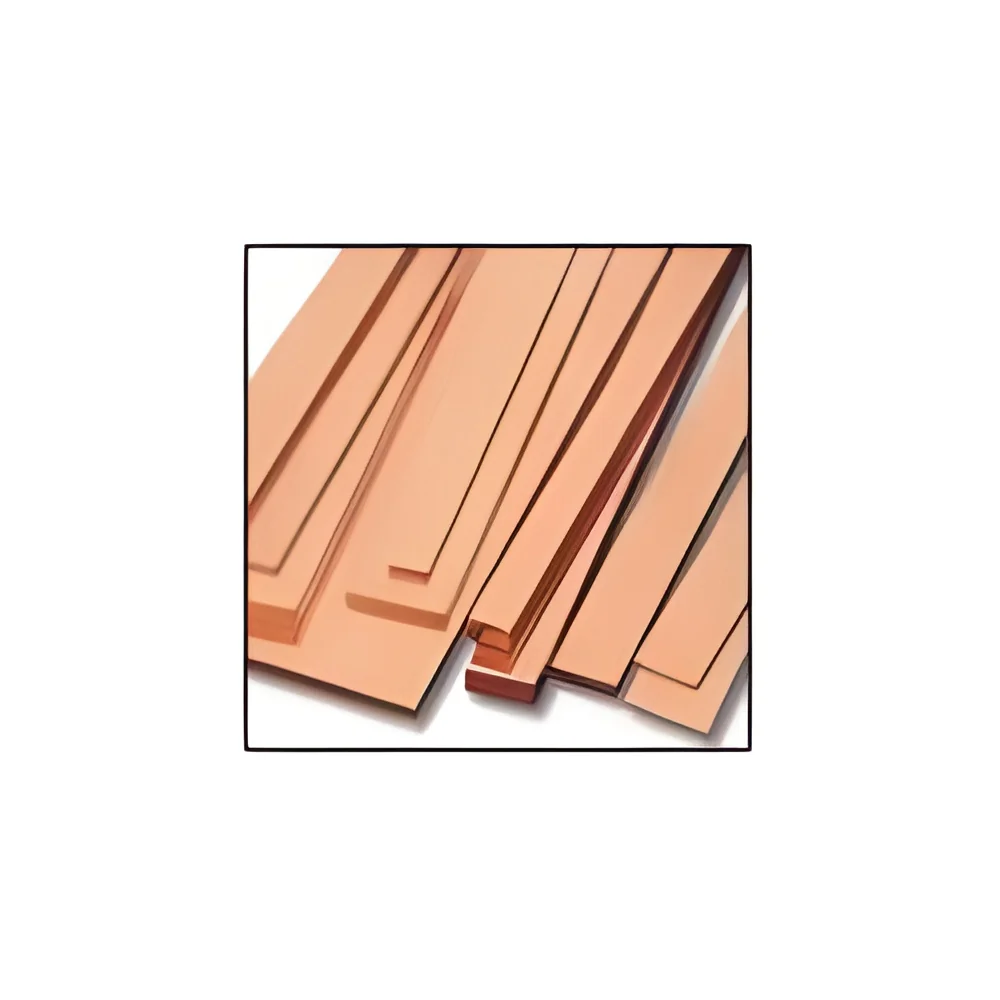
Copper Flat Bars: Flat bars are versatile products used in various fabrication processes. They can be bent or shaped for specific applications, including brackets and supports.
Benefits and Advantages
Copper rods and bars offer several benefits that make them a popular choice for many industries.
1. High Conductivity: Copper’s superior electrical and thermal conductivity ensures efficient energy transfer, making it ideal for electrical applications.
2. Durability: The corrosion resistance of copper enhances the longevity of products, reducing the need for frequent replacements and repairs.
3. Versatility: Available in various shapes and sizes, copper rods and bars can be customized for numerous applications across different industries.
4. Malleability: Copper’s malleable nature allows for easy fabrication and shaping, providing flexibility in manufacturing processes.
5. Cost-Effectiveness: Although copper can be more expensive than other metals, its durability and efficiency can lead to cost savings over time.
6. Aesthetic Appeal: The natural look of copper adds an attractive finish to products, making it suitable for both functional and decorative uses.
Buying Guide for B2B Buyers
When sourcing copper rods and bars, several factors should be taken into consideration to ensure the best purchase decisions.
1. Quality Assessment: Evaluate the quality of the copper rods and bars by reviewing certifications and compliance with industry standards. Look for suppliers who guarantee material integrity.
2. Supplier Verification: Vet potential suppliers by checking their reputation, customer reviews, and production capabilities. A reliable supplier should have a track record of delivering quality products.
3. Pricing and MOQ: Understand the pricing structure of copper rods and bars, including minimum order quantities (MOQ). Compare prices from different suppliers to ensure competitive rates.
4. Delivery and Lead Times: Inquire about delivery schedules and lead times. Timely delivery is crucial for maintaining production schedules and meeting project deadlines.
5. Compliance Requirements: Ensure that the copper products meet regional compliance regulations and safety standards to avoid legal issues and maintain quality assurance.
Compliance and Certifications
Copper rods and bars must adhere to various compliance and certification standards to ensure quality and safety. Relevant quality standards such as ISO 9001 help guarantee that the manufacturing processes meet international requirements for quality management systems.
Industry certifications, including CE marking, indicate that the products comply with European health, safety, and environmental protection standards. Safety and testing requirements are also essential, as they ensure that the materials used are safe for their intended applications.
Regional compliance considerations must also be taken into account. Different regions may have specific regulations regarding the use of copper materials, and it is crucial to ensure that all products sourced meet these local standards to avoid penalties and ensure smooth operations.
Why Source Copper Rods & Bars from Pepagora?
Pepagora provides a trusted platform for sourcing copper rods and bars, offering several key advantages to B2B buyers.
Verified Supplier Network: Pepagora boasts a network of verified suppliers, ensuring that buyers have access to reliable partners who meet industry standards. This verification process helps mitigate risks associated with sourcing.
Streamlined RFQ Process: The Request for Quotation (RFQ) process on Pepagora is designed to be user-friendly, allowing buyers to quickly and efficiently obtain quotes from multiple suppliers. This streamlining saves time and enhances decision-making.
Trade Assurance and Support: Pepagora offers trade assurance and support, giving buyers peace of mind through buyer protection policies. This support fosters trust between buyers and suppliers, ensuring a smooth transaction process.
Regional Coverage: With a strong presence in India, the GCC, and Southeast Asia, Pepagora provides regional coverage that connects buyers with local suppliers. This geographic reach facilitates faster delivery times and better communication, enhancing the overall sourcing experience.

 IN
IN