IN
IN₹
Description
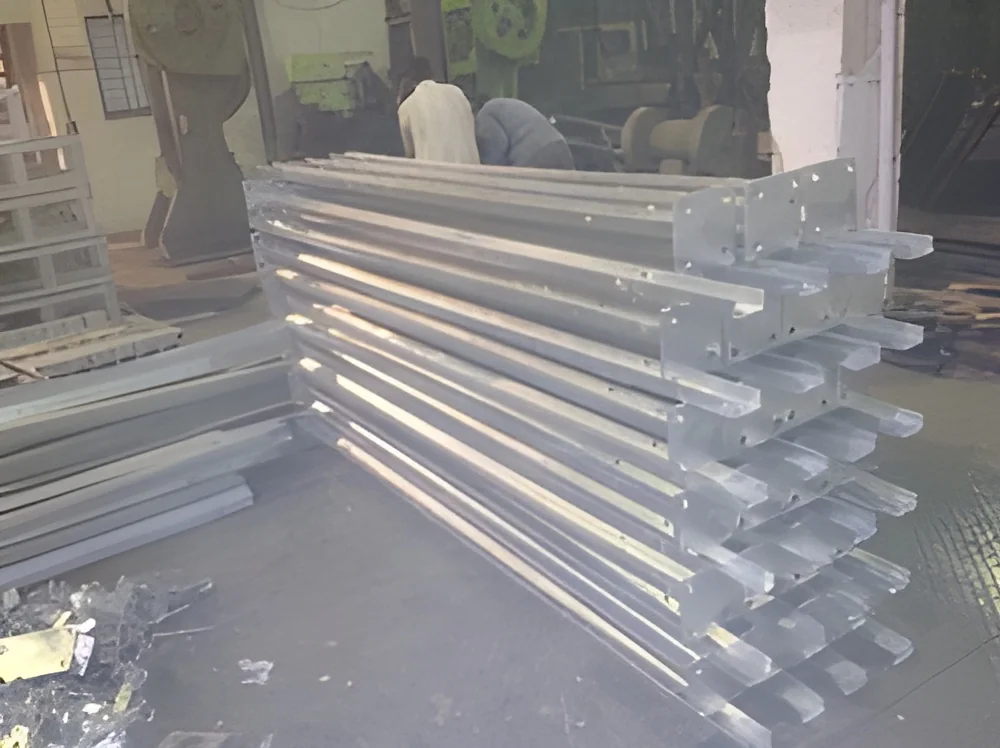
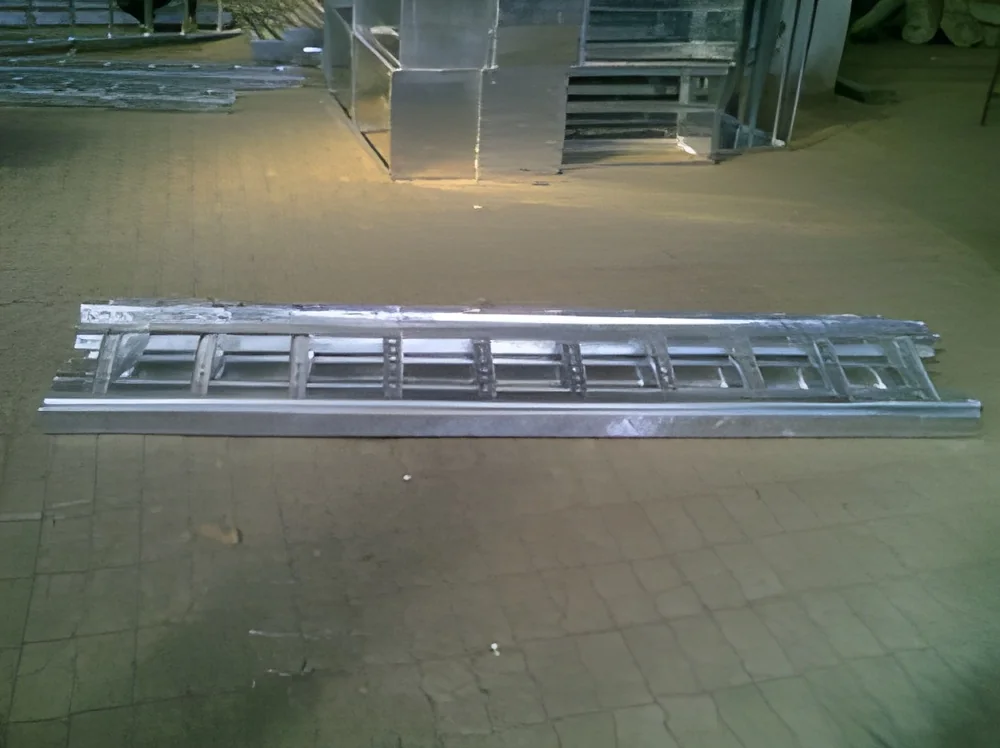
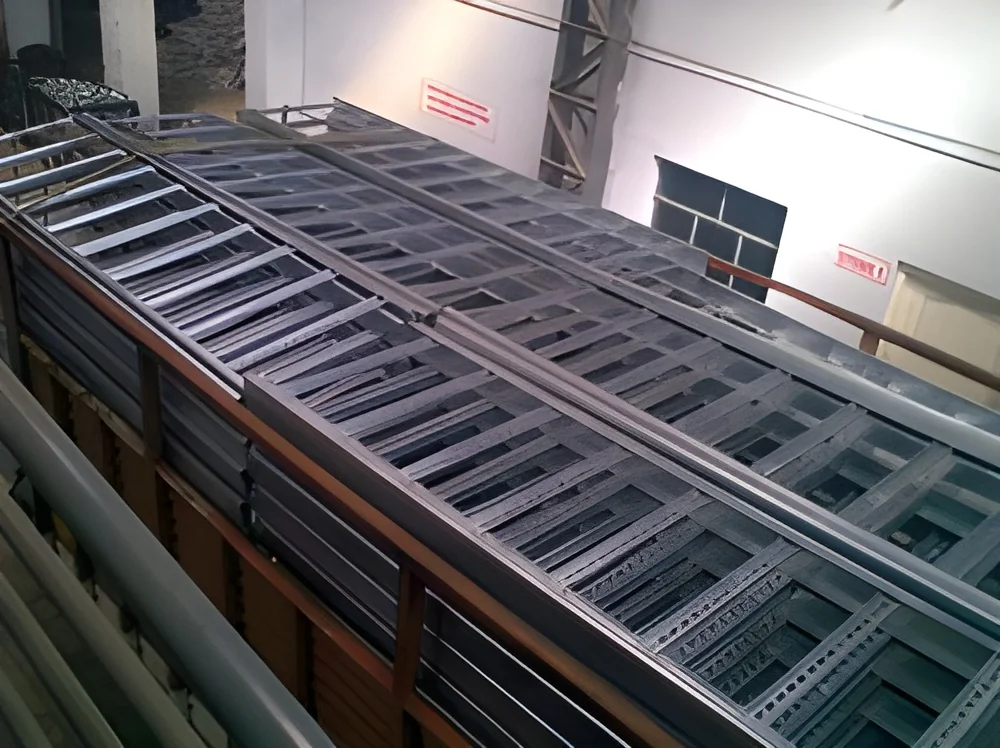
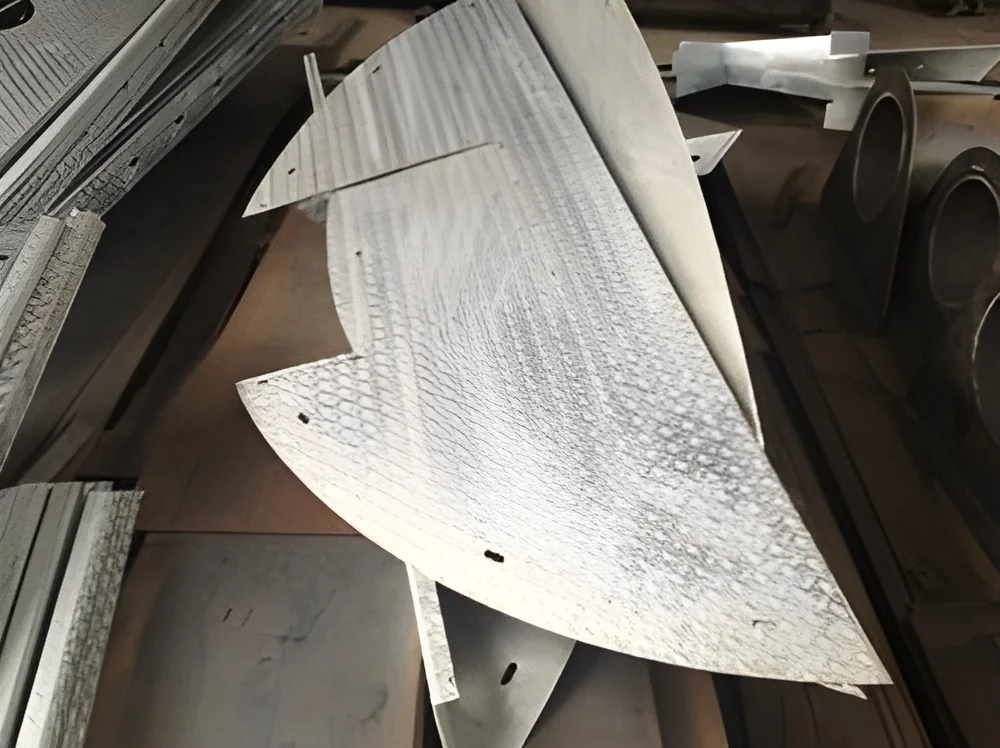
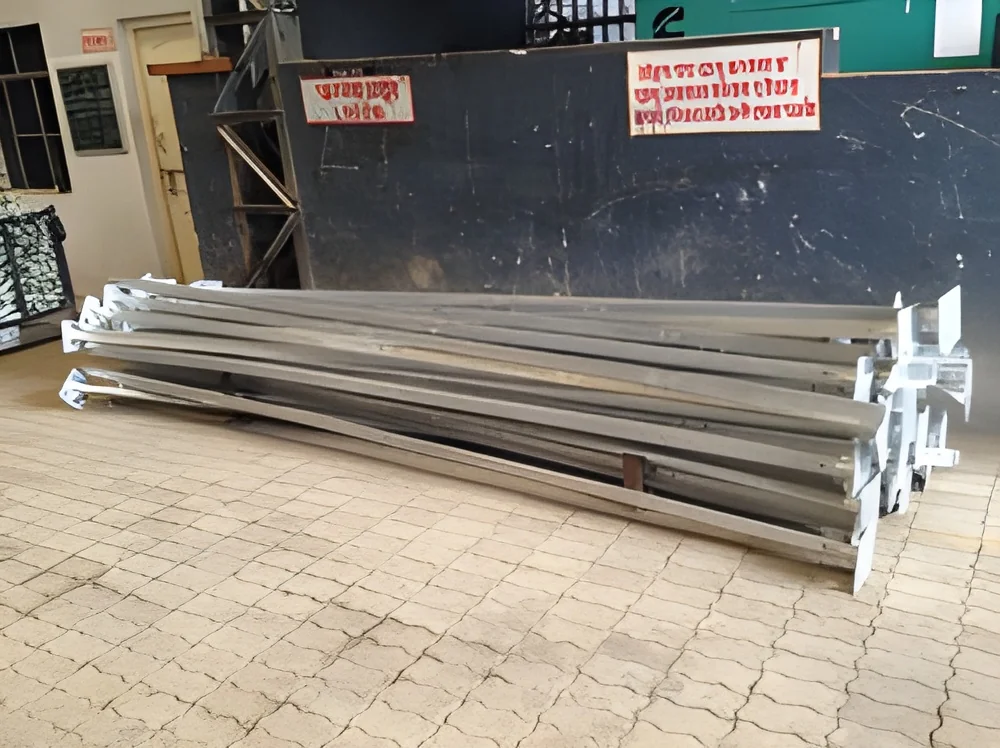
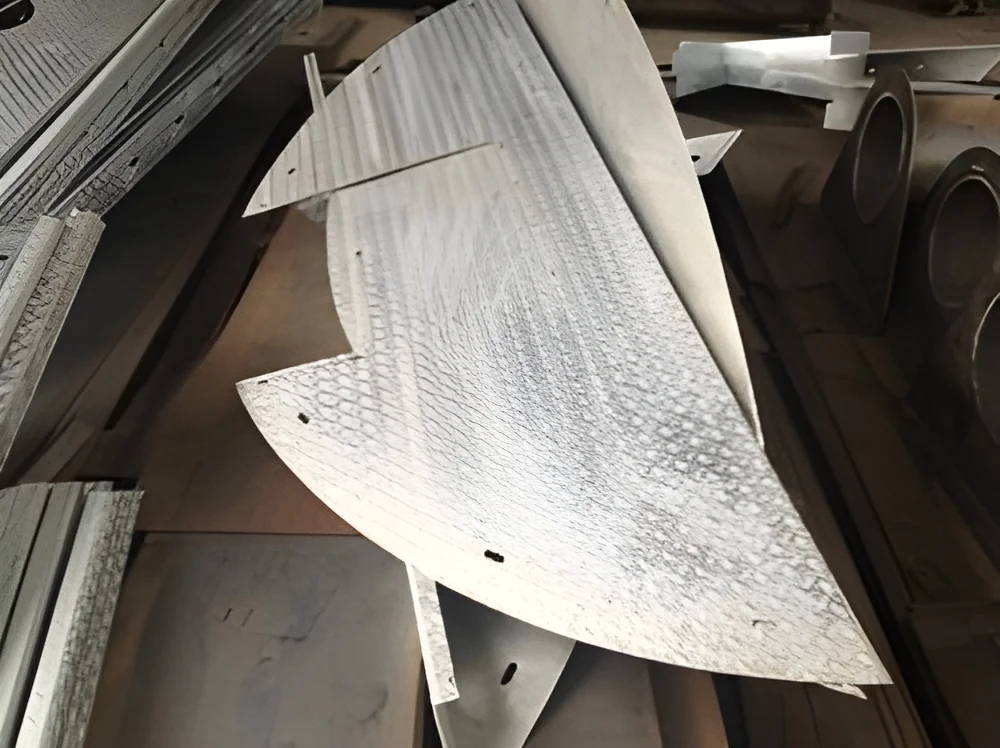
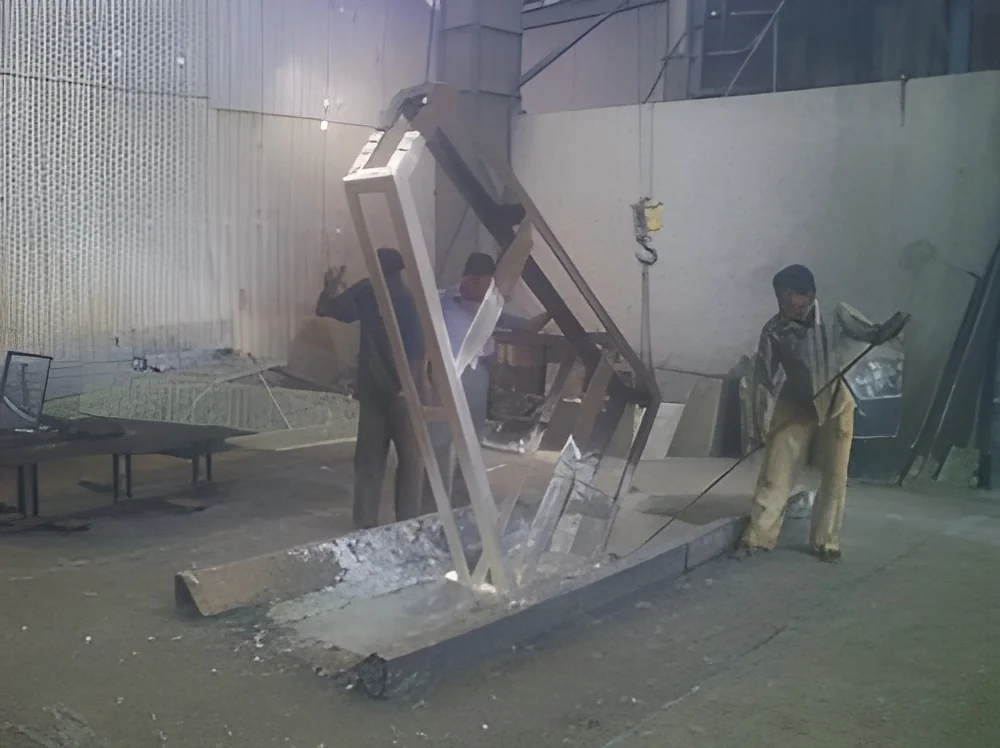
Our industrial galvanizing process with water quenching and chromic passivation represents a sophisticated approach to metal protection. This treatment begins after the standard hot-dip galvanizing, where components undergo controlled water quenching to optimize the zinc coating's microstructure and hardness. The subsequent chromic acid passivation creates a conversion layer that effectively seals the surface, preventing the formation of white rust during storage and transportation. This dual-stage approach ensures that galvanized products maintain their protective qualities from production through installation and throughout their service life, offering a robust defense against corrosion initiation and spread.

This specialized galvanizing treatment serves critical needs across multiple sectors where metal failure is not an option. Construction and civil engineering firms utilize it for structural elements in bridges, industrial facilities, and commercial buildings that must withstand...
Our industrial galvanizing process with water quenching and chromic passivation represents a sophisticated approach to metal protection. This treatment begins after the standard hot-dip galvanizing, where components undergo controlled water quenching to optimize the zinc coating's microstructure and hardness. The subsequent chromic acid passivation creates a conversion layer that effectively seals the surface, preventing the formation of white rust during storage and transportation. This dual-stage approach ensures that galvanized products maintain their protective qualities from production through installation and throughout their service life, offering a robust defense against corrosion initiation and spread.

This specialized galvanizing treatment serves critical needs across multiple sectors where metal failure is not an option. Construction and civil engineering firms utilize it for structural elements in bridges, industrial facilities, and commercial buildings that must withstand decades of environmental exposure. Manufacturers of heavy equipment and machinery apply this protection to frames, chassis, and operational components that face constant wear and corrosive agents. The energy sector relies on this process for transmission towers, substation structures, and pipeline supports that require minimal maintenance in remote locations. Additionally, transportation infrastructure, from railway components to port facilities, benefits from the extended durability this treatment provides, ensuring safety and reducing lifecycle costs.

Choosing this advanced galvanizing process delivers measurable business value through enhanced asset protection and operational efficiency. The reliability of the chromic passivation treatment means components arrive on-site ready for immediate use without surface degradation, streamlining project timelines. The consistent quality across production batches provides predictability in performance, allowing engineers and project managers to specify materials with confidence. This translates to reduced inspection requirements, fewer replacements due to premature corrosion, and lower total cost of ownership over the asset's lifespan. The process's effectiveness across various steel grades and component geometries makes it a versatile solution that supports diverse project requirements while maintaining protection standards.

Key Features:
- Post-galvanizing water quenching for controlled cooling and enhanced coating adhesion
- Chromic acid passivation treatment that creates a protective conversion layer on zinc surfaces
- Prevention of white rust formation during storage, handling, and transportation
- Consistent application across various component sizes, shapes, and steel specifications
- Process parameters optimized for industrial-scale production and quality consistency

Benefits:
- Extended service life for metal components through superior corrosion resistance
- Reduced maintenance requirements and associated labor costs over the asset lifecycle
- Protection against environmental factors including moisture, chemicals, and temperature variations
- Improved surface quality that maintains appearance and functional integrity
- Enhanced reliability for critical infrastructure and industrial applications
Specifications
| Additional Information | |
|---|---|
| Country of Origin | India |
Application
This advanced galvanizing treatment is engineered to protect metal assets from aggressive environmental factors. The combination of water quenching and chromic acid passivation creates a resilient barrier that prevents oxidation and white rust, significantly extending the functional lifespan of treated components across demanding industrial applications.
The process delivers reliable, long-term corrosion resistance for structural elements, fabricated parts, and machinery components. It is particularly effective for products that face constant exposure to moisture, chemicals, or temperature variations, providing consistent protection that reduces maintenance needs and replacement costs for businesses prioritizing asset longevity.
- Structural steel beams, columns, and frameworks for commercial and industrial building construction
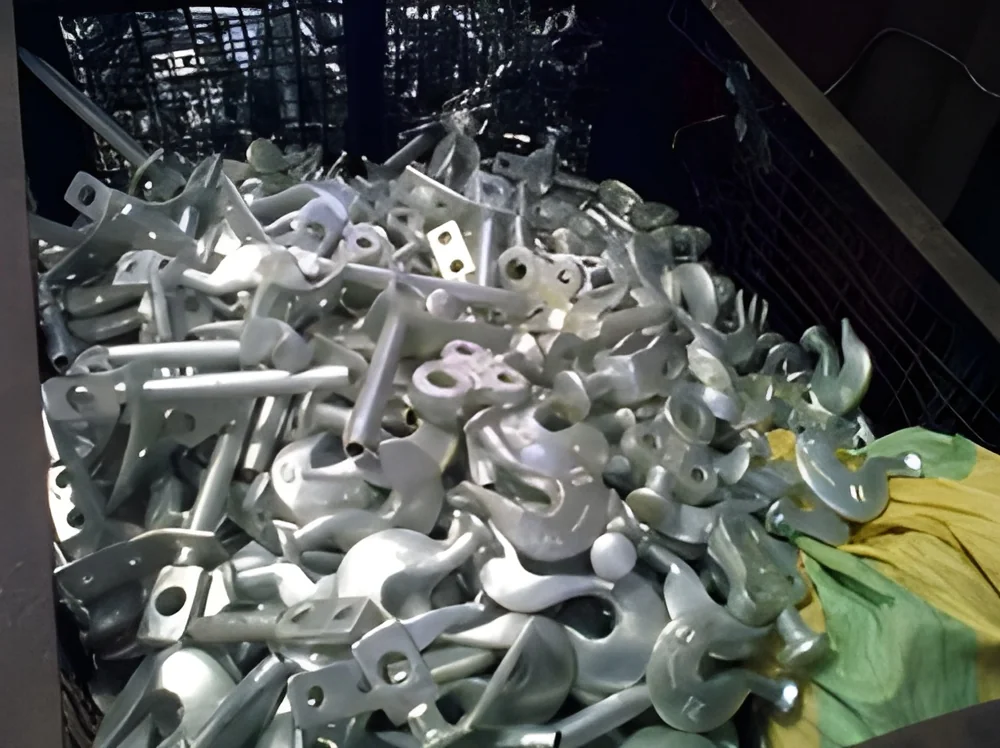
- Fasteners, brackets, and hardware used in infrastructure projects like bridges and highway systems
- Components for agricultural machinery and equipment operating in wet, corrosive outdoor conditions
- Parts for material handling systems, conveyor frames, and industrial plant equipment
- Metal products for utility and telecommunications infrastructure requiring decades of reliable service
Trade Details
| Available Stock | In Stock |
| Sample Availability | No |
Payment Terms
| Payment Terms |
|
Company Profile
Bharati- AHS Powertech Private Limited, Maharashtra
 Maharashtra, India
Maharashtra, IndiaRaw Materials & Chemicals•Manufacturer•Distributor / Wholesaler
Factory Details
Factory SizeBelow 1000 sqm
Annual Production Capacity0
Main Markets
Domestic
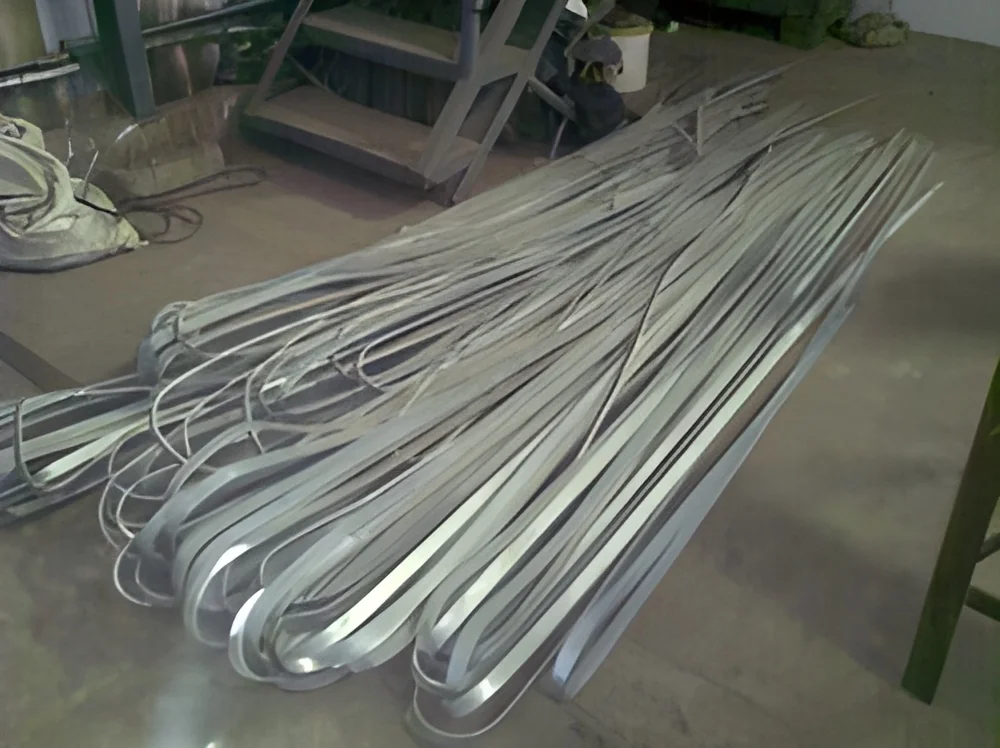
Industrial Galvanizing Process With Water Quenching And Chromic Passivation
Industrial galvanizing process with water quenching and chromic passivation provides superior corrosion protection for metal components, ensuring durability for structural steel, fasteners, and industrial parts exposed to harsh environments.
Min. Order Quantity: 1 unit
Shipping
Shipping fee and delivery date to be negotiated. Contact supplier now for more details.
Bharati- AHS Powertech Private Limited
 Maharashtra, India
Maharashtra, IndiaRaw Materials & ChemicalsManufacturer