IN
IN₹
Apparel & Fashion
Description
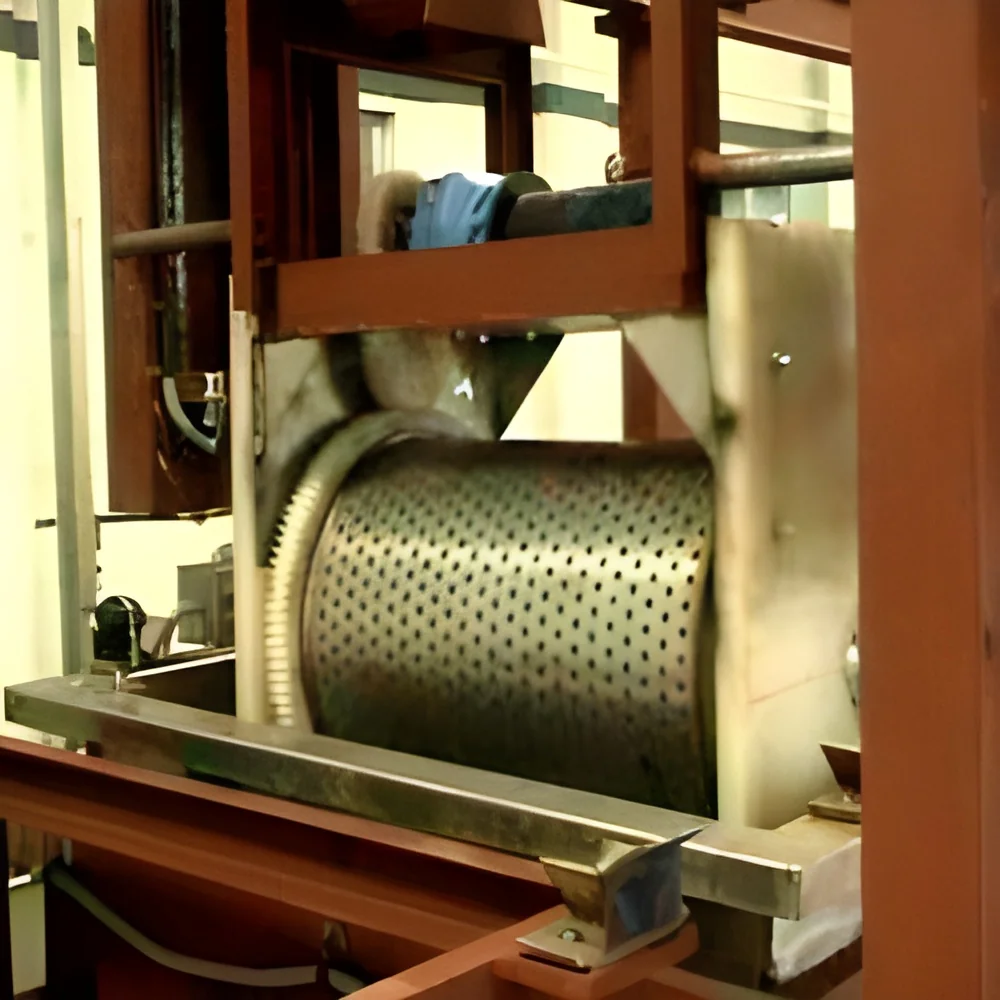
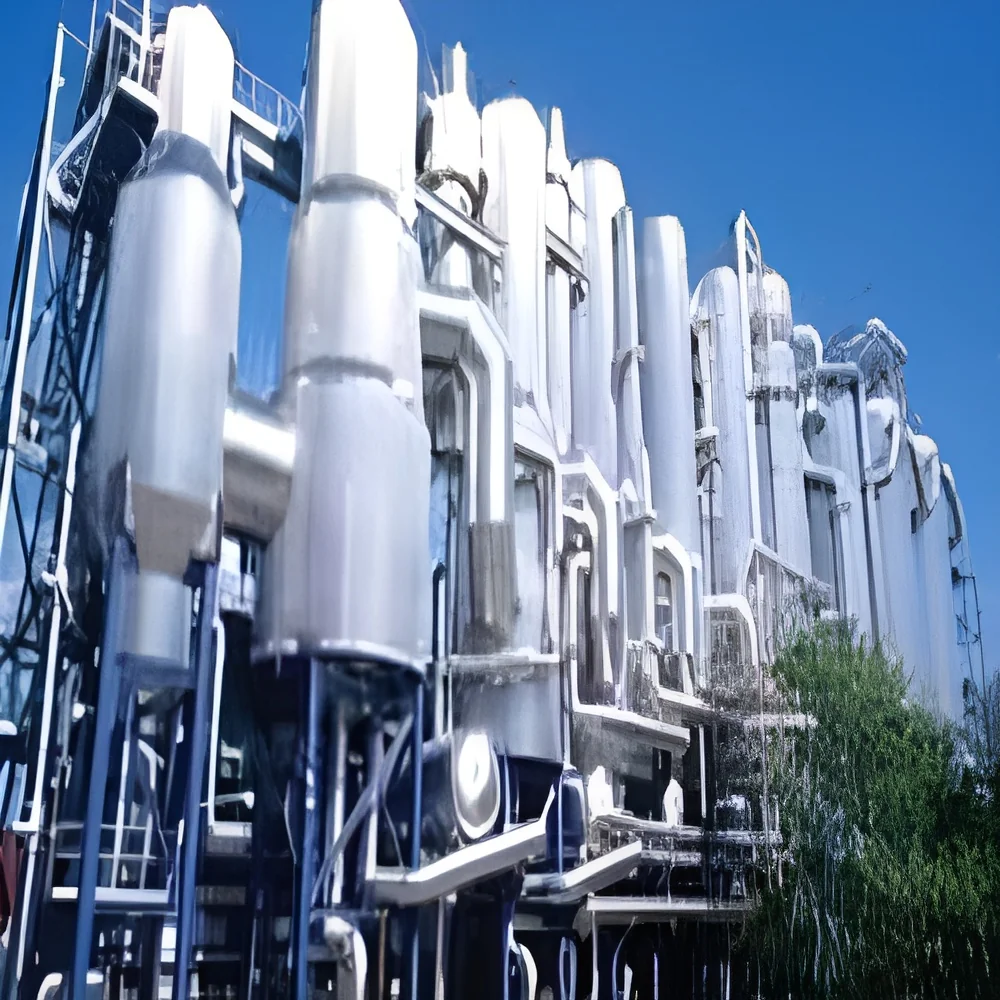
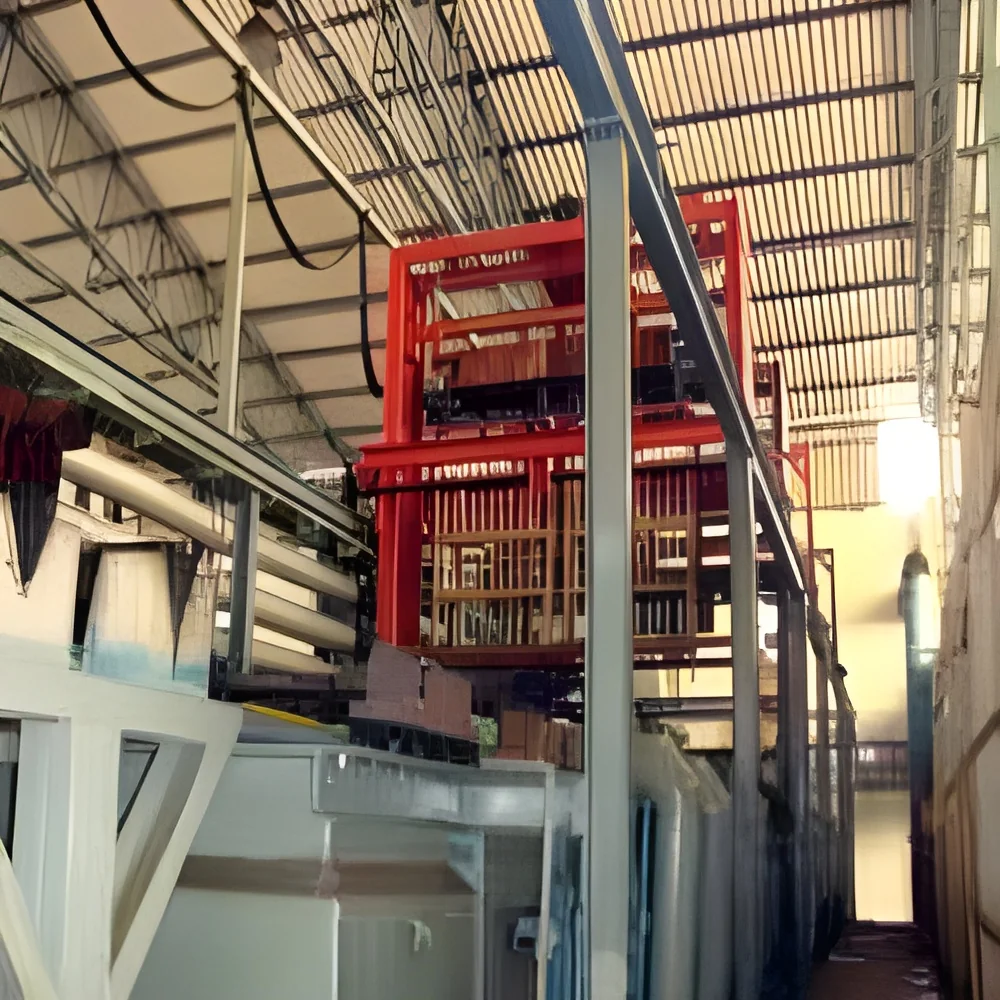
Industrial electroplating plants represent advanced metal finishing solutions designed for precision coating applications across manufacturing sectors. These systems utilize electrochemical processes to deposit uniform metal layers onto component surfaces, transforming base materials into high-performance parts with enhanced properties. Each plant is engineered for operational efficiency and consistent results, delivering reliable metal deposition through controlled electrical currents in specialized electrolyte solutions. The technology accommodates various plating metals including zinc, nickel, chromium, copper, and precious metals, providing flexibility for different application requirements and finish qualities. This process creates bonded metallic coatings that improve surface characteristics without compromising the underlying material integrity, making it suitable for components where both base material properties and surface enhancements are critical.

Electroplating technology...
Industrial electroplating plants represent advanced metal finishing solutions designed for precision coating applications across manufacturing sectors. These systems utilize electrochemical processes to deposit uniform metal layers onto component surfaces, transforming base materials into high-performance parts with enhanced properties. Each plant is engineered for operational efficiency and consistent results, delivering reliable metal deposition through controlled electrical currents in specialized electrolyte solutions. The technology accommodates various plating metals including zinc, nickel, chromium, copper, and precious metals, providing flexibility for different application requirements and finish qualities. This process creates bonded metallic coatings that improve surface characteristics without compromising the underlying material integrity, making it suitable for components where both base material properties and surface enhancements are critical.

Electroplating technology serves essential functions across industries where surface enhancement directly impacts product performance, longevity, and reliability. Automotive manufacturers depend on these systems for corrosion-resistant coatings on fasteners, brackets, and engine components that must endure harsh environmental conditions and chemical exposure. Electronics producers utilize precision plating for connectors, circuits, and contacts requiring improved conductivity, solderability, and protection against oxidation. Aerospace applications demand high-performance coatings for turbine blades, landing gear, and structural components that must maintain integrity under extreme stress, temperature fluctuations, and corrosive atmospheres. Additional sectors include industrial machinery for wear-resistant surfaces on moving parts, consumer goods manufacturing for both functional and aesthetic improvements, and specialized equipment production where surface properties determine operational success.

The value of these electroplating plants extends beyond equipment investment to encompass long-term operational advantages and quality consistency. These systems deliver reliable performance with minimal downtime, reducing production interruptions and maintenance costs while ensuring consistent coating quality across production batches. The technology supports manufacturing efficiency through precise process control, enabling manufacturers to meet exact specifications with reduced material waste and lower rejection rates. This reliability translates to improved customer satisfaction through consistently meeting performance requirements and delivery specifications. The investment supports business growth by enabling expansion into markets requiring specialized finishing capabilities while maintaining cost-effective operation through efficient design and controlled processes.

Key Features:
- Precision current and voltage control systems for consistent coating thickness and uniform metal deposition
- Corrosion-resistant construction using materials that withstand harsh chemical environments and extended operation
- Automated process monitoring and control for reduced operator intervention and minimized human error
- Compatibility with multiple plating metals and chemistries for zinc, nickel, chromium, copper, and precious metals
- Flexible configuration options to accommodate different production volumes, part sizes, and facility layouts

Benefits:
- Enhanced component durability and extended service life through superior corrosion and wear resistance
- Consistent coating quality and uniform thickness across production batches for reliable performance
- Reduced maintenance requirements and operational downtime through robust system construction
- Improved manufacturing efficiency with automated controls and repeatable process parameters
- Versatile application across multiple industries and component types with flexible plating options
Specifications
| Additional Information | |
|---|---|
| Country of Origin | India |
Application
Industrial electroplating plants apply precise metal coatings to components using controlled electrical currents. This process deposits metals like zinc, nickel, chromium, or precious metals onto substrates, creating uniform layers that bond securely to the base material. The technology ensures consistent thickness and coverage even on complex part geometries, making it essential for manufacturing where surface properties determine performance.
These systems are engineered for diverse production environments, handling various batch sizes and plating specifications. Manufacturers can achieve specific coating thicknesses, surface finishes, and material properties tailored to component requirements. The process enhances multiple surface characteristics simultaneously, including corrosion protection, wear resistance, electrical conductivity, and visual appearance, all while maintaining dimensional accuracy of the finished parts.
- Automotive component plating for corrosion-resistant fasteners, brackets, and engine parts that withstand road salts and environmental exposure
- Aerospace manufacturing for critical coatings on turbine blades, landing gear, and structural components requiring extreme temperature and stress resistance
- Electronics production for gold, silver, and tin plating of connectors, circuit boards, and semiconductor parts to ensure reliable electrical performance
- Industrial machinery part coating for hydraulic components, valves, and tools needing extended service life and reduced maintenance intervals
- Decorative and functional finishing for consumer goods, hardware, and specialized equipment requiring both aesthetic appeal and surface protection
Trade Details
| Available Stock | In Stock |
| Sample Availability | No |
Payment Terms
| Payment Terms |
|
Company Profile
Biosafe Solutions, Karnataka
 Karnataka, India
Karnataka, IndiaIndustrial Equipment & Machinery•Manufacturer•Distributor / Wholesaler
Factory Details
Factory SizeBelow 1000 sqm
Annual Production Capacity0
Industrial Electroplating Plants For Metal Finishing And Corrosion Resistance
Industrial electroplating plants for metal finishing provide corrosion resistance, enhanced durability, and improved aesthetics. These reliable systems serve automotive, aerospace, and electronics manufacturing with consistent, high-quality metal deposition.
Min. Order Quantity: 1 unit
Shipping
Shipping fee and delivery date to be negotiated. Contact supplier now for more details.
Biosafe Solutions
 Karnataka, India
Karnataka, IndiaIndustrial Equipment & MachineryManufacturer