IN
IN₹
Apparel & Fashion
Description
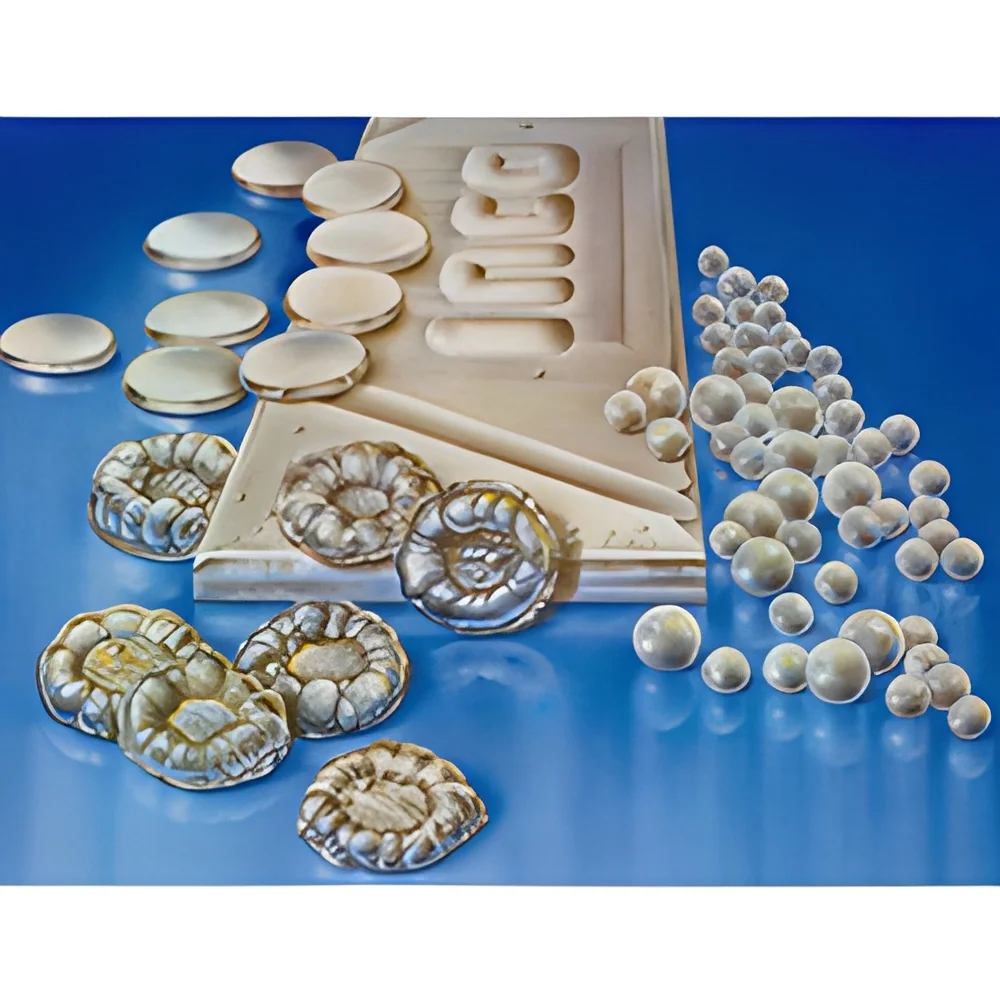
Industrial Electroplating Nickel Anodes are high-purity metal components specifically engineered for electroplating processes, serving as the primary source of nickel ions for deposition onto various substrates. These anodes are designed in forms like pellets or disks to ensure efficient dissolution and consistent plating performance. They play a vital role in creating durable, corrosion-resistant, and high-quality nickel coatings on metals and plastics. The electroplating process involves submerging the anode and substrate in an electrolyte solution, where an electric current facilitates the transfer of nickel ions onto the target surface. This results in a uniform, adherent coating that significantly enhances the substrate's properties, making it suitable for rigorous industrial applications. The reliability and quality of these nickel anodes directly influence the efficiency and success of the plating process, underscoring the importance of using premium materials for optimal outcom...
Industrial Electroplating Nickel Anodes are high-purity metal components specifically engineered for electroplating processes, serving as the primary source of nickel ions for deposition onto various substrates. These anodes are designed in forms like pellets or disks to ensure efficient dissolution and consistent plating performance. They play a vital role in creating durable, corrosion-resistant, and high-quality nickel coatings on metals and plastics. The electroplating process involves submerging the anode and substrate in an electrolyte solution, where an electric current facilitates the transfer of nickel ions onto the target surface. This results in a uniform, adherent coating that significantly enhances the substrate's properties, making it suitable for rigorous industrial applications. The reliability and quality of these nickel anodes directly influence the efficiency and success of the plating process, underscoring the importance of using premium materials for optimal outcomes.

These nickel anodes are extensively utilized across industries such as automotive, aerospace, electronics, and jewelry manufacturing. In the automotive sector, they are applied to plate components like bumpers, trim, and engine parts, providing essential corrosion resistance and a polished finish. The aerospace industry depends on nickel plating for critical parts that require protection against extreme conditions and mechanical wear. Electronics manufacturers employ these anodes to plate connectors, circuits, and enclosures, ensuring reliable conductivity and effective shielding. Additionally, the jewelry and decorative industries use these anodes to achieve bright, durable finishes on accessories and household items. Their versatility also extends to industrial machinery, where plated components benefit from reduced friction and an extended operational lifespan, supporting long-term performance.

The business value of Industrial Electroplating Nickel Anodes lies in their ability to deliver consistent, high-quality results, which reduces plating defects and minimizes rework costs. Their reliability ensures smooth, uninterrupted production processes, lowering downtime and boosting operational efficiency. These anodes offer excellent dissolution rates and uniform plating thickness, leading to material savings and cost-effectiveness over time. By selecting premium nickel anodes, companies can achieve superior product finishes, comply with industry standards, and enhance customer satisfaction. Their durability and efficiency contribute to long-term savings and improved profitability for plating operations, making them a smart investment for businesses focused on quality and performance.

Key Features:
- High-purity nickel composition for reliable and consistent plating performance.
- Pellet or disk shapes designed for efficient dissolution and user convenience.
- Uniform dissolution rates that ensure even plating thickness across substrates.
- Compatibility with various electroplating solutions and industrial processes.
- Robust construction for durability and long-lasting use in demanding environments.

Benefits:
- Enhanced corrosion resistance and surface quality for plated components.
- Reduced plating defects and rework, leading to lower operational costs.
- Improved process efficiency with consistent dissolution and uniform results.
- Long-term cost savings through material efficiency and extended anode life.
- Support for meeting industry standards and customer quality expectations.
Specifications
| Additional Information | |
|---|---|
| Country of Origin | India |
Application
Industrial Electroplating Nickel Anodes provide a consistent source of pure nickel ions for deposition onto various substrates during electroplating processes. These anodes are essential for achieving durable, corrosion-resistant, and aesthetically pleasing metal finishes across multiple industries. Their reliability and efficiency make them indispensable for both functional and decorative applications, ensuring uniform plating thickness and superior adhesion.
These nickel anodes are particularly valued in sectors like automotive, aerospace, and electronics manufacturing due to their high purity and performance consistency. They ensure optimal results in harsh environments and demanding applications, meeting specific industrial standards and requirements. Their design supports efficient dissolution and reliable operation in diverse plating setups, enhancing overall process efficiency and output quality.
- Automotive components plating for corrosion resistance and extended durability.
- Electronics manufacturing for conductive and protective coatings on parts.
- Aerospace industry for surface protection on engine and structural components.
- Jewelry and decorative items for achieving bright, long-lasting finishes.
- Industrial machinery parts to reduce wear and prolong service life.
Trade Details
| Available Stock | In Stock |
| Sample Availability | No |
Payment Terms
| Payment Terms |
|
Company Profile

Anil Trading Company, New Delhi
 New Delhi, India
New Delhi, IndiaRaw Materials & Chemicals•Manufacturer•Distributor / Wholesaler•Importer / Exporter
Factory Details
Factory SizeBelow 1000 sqm
Annual Production Capacity0
Main Markets
Domestic
Industrial Electroplating Nickel Anodes High Purity Durable Performance
Industrial Electroplating Nickel Anodes deliver high-purity durable performance for corrosion-resistant plating on metals and plastics, ensuring enhanced surface quality in industrial applications.
Min. Order Quantity: 1 unit
Shipping
Shipping fee and delivery date to be negotiated. Contact supplier now for more details.
Anil Trading Company
 New Delhi, India
New Delhi, IndiaRaw Materials & ChemicalsManufacturer