
 IN
LDPE Tubes
10 products available
What are LDPE Tubes?
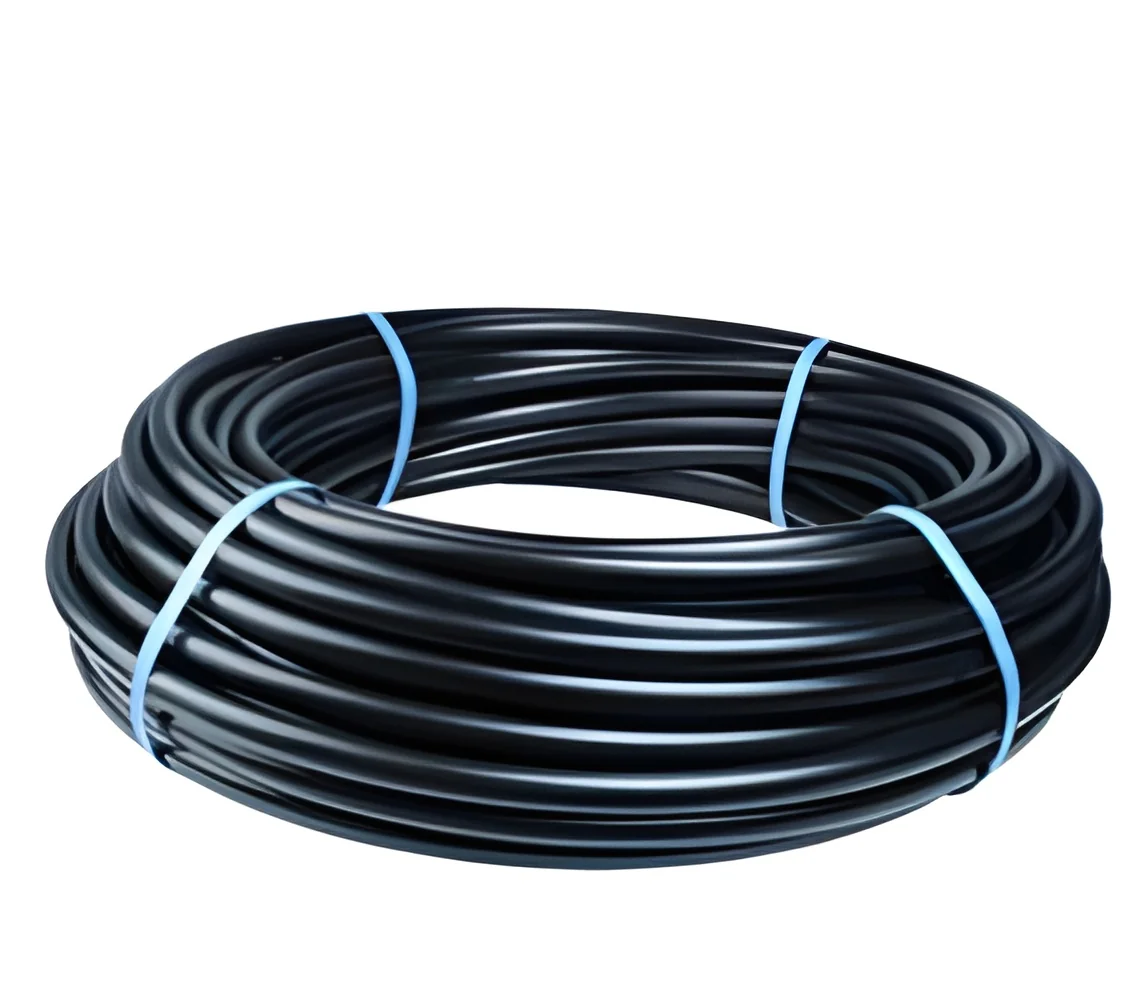
LDPE tubes, or Low-Density Polyethylene tubes, are flexible plastic tubes made from low-density polyethylene resin. This type of tubing is characterized by its lightweight nature, excellent chemical resistance, and high flexibility, making it suitable for various applications across multiple industries. The manufacturing process typically involves extrusion, where heated LDPE is forced through a die to create long, continuous tubes.
These tubes are widely used in sectors such as packaging, medical, and agriculture. In packaging, LDPE tubes serve as containers for liquids and other products. In the medical field, they are utilized for various applications, including IV lines and sample collection. Their chemical resistance allows for safe transport and storage of different substances. Given their versatility, LDPE tubes have become a staple in many industrial processes, contributing to efficiency and safety in operations.
Key Features and Specifications
LDPE tubes offer a range of features that make them suitable for diverse applications. They are known for their durability, flexibility, and resistance to chemicals. Additionally, LDPE tubes can be produced in various diameters and lengths, catering to specific customer needs.
Key specifications include:
1. Diameter Range
- Available in various diameters, typically from 4 mm to 100 mm
- Custom sizes can be manufactured upon request
2. Wall Thickness
- Standard wall thickness ranges from 0.5 mm to 5 mm
- Thickness can be adjusted based on application requirements
3. Temperature Resistance
- Generally withstands temperatures from -60°C to 80°C
- Suitable for both cold and warm environments
4. Chemical Resistance
- Excellent resistance to acids, bases, and various solvents
- Ideal for applications in chemical processing
5. Color Options
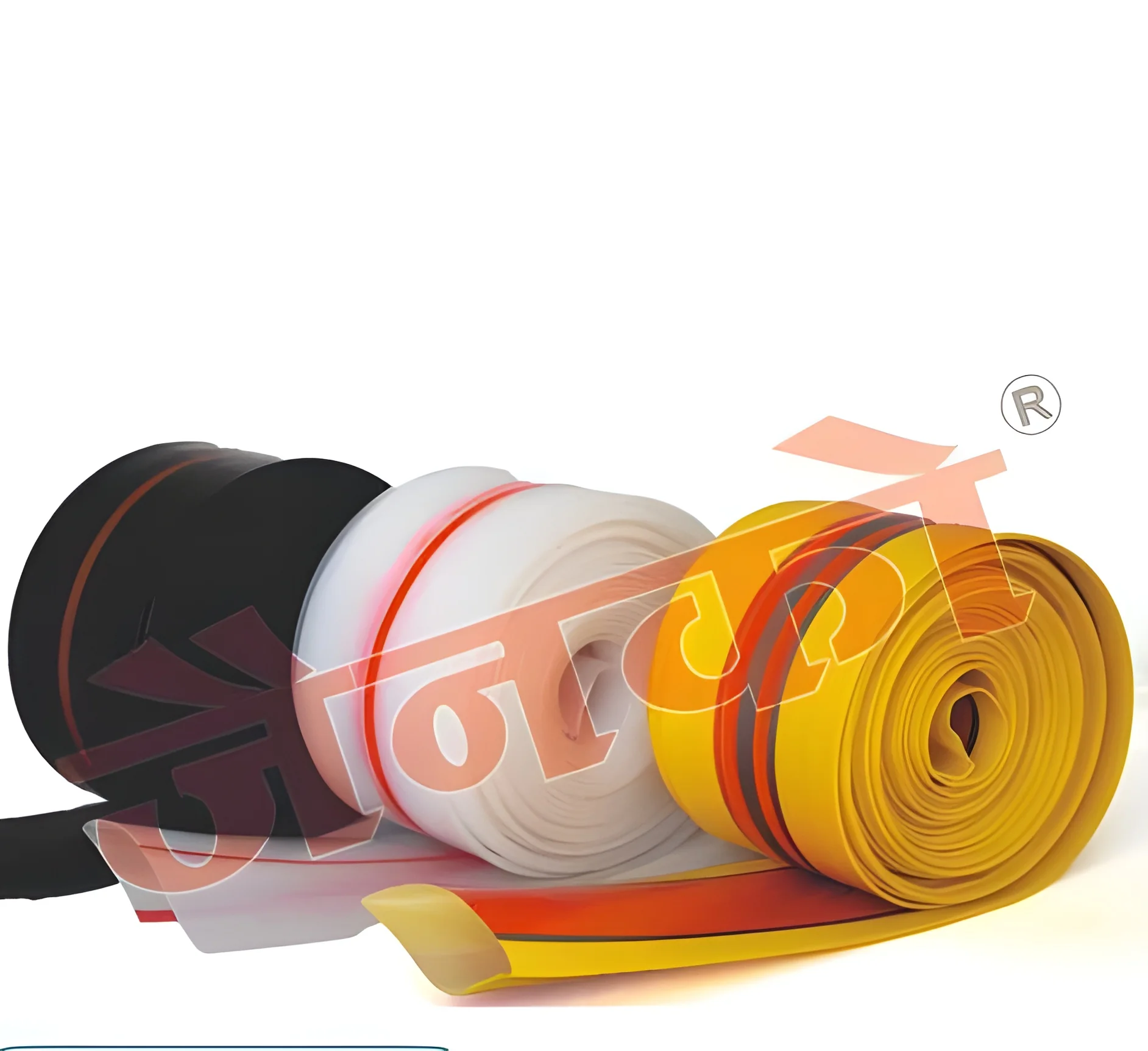
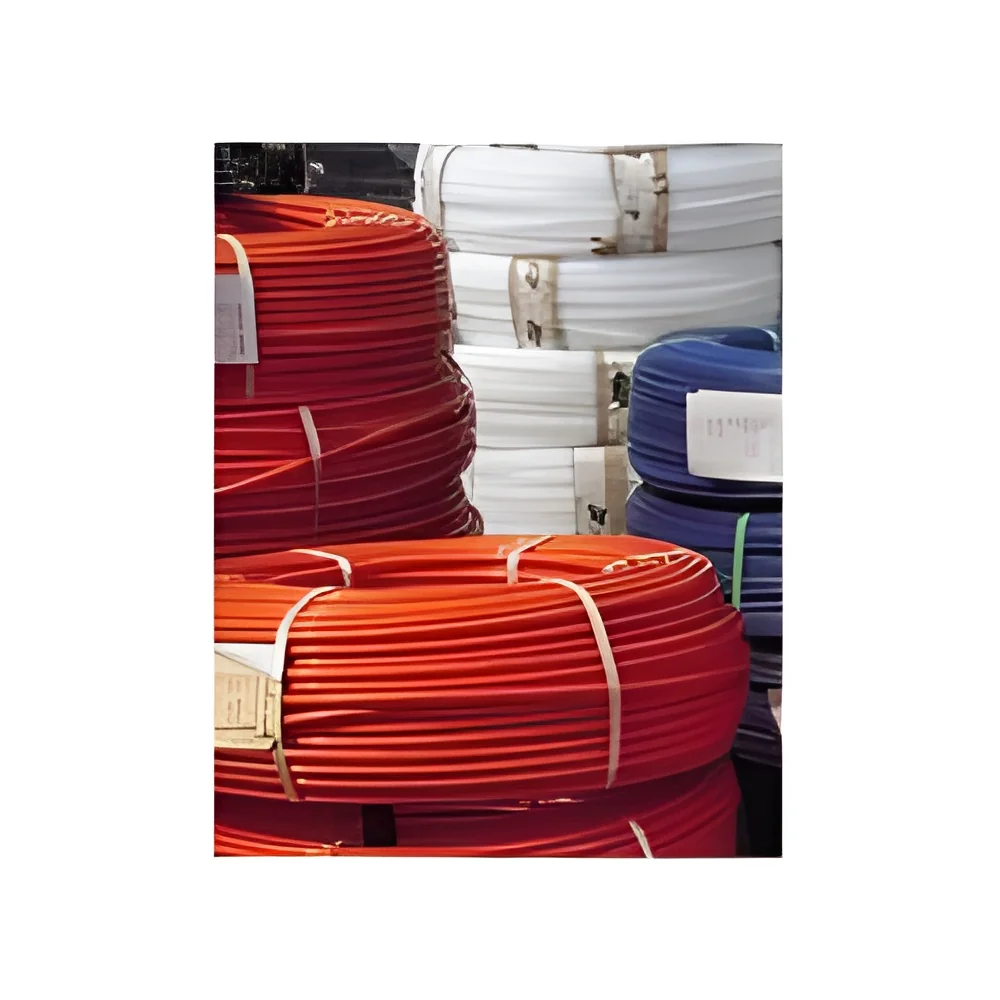
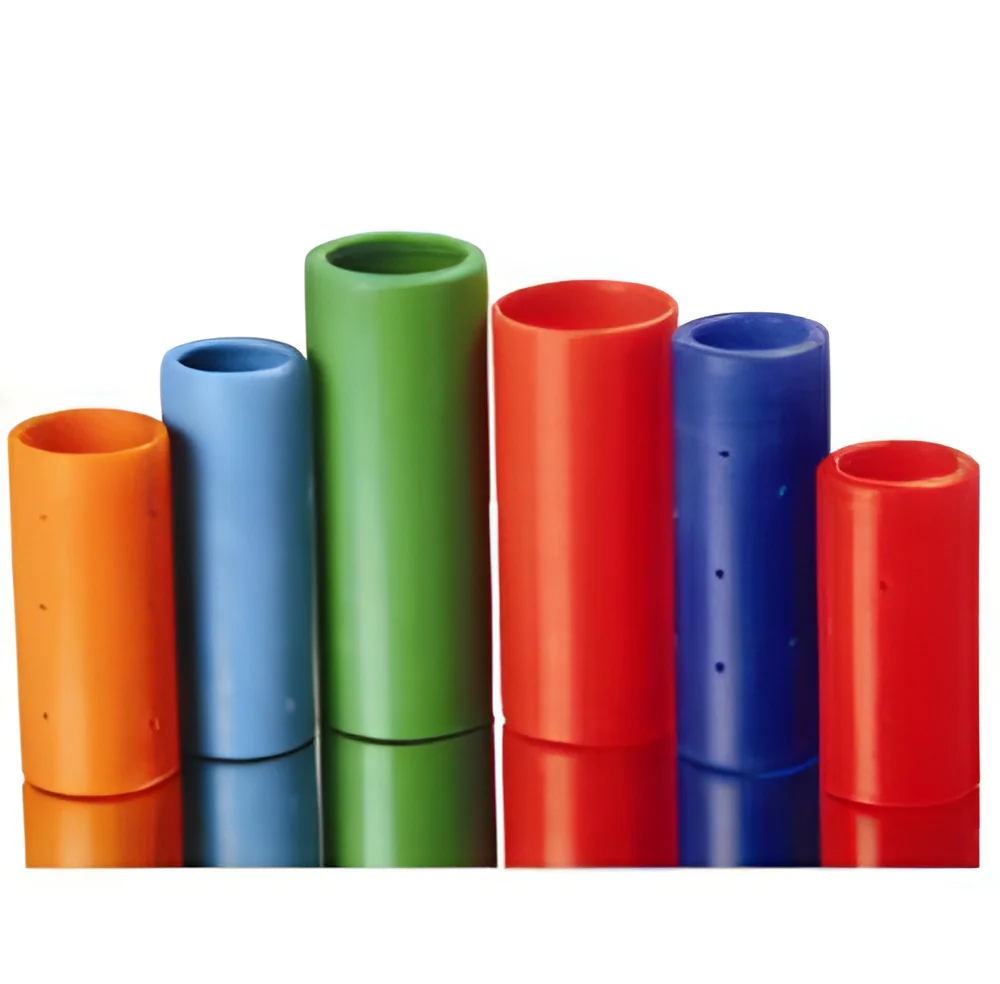
- Available in various colors for identification and branding
- Custom color matching can be offered
6. Compliance with Standards
- Meets relevant industry standards such as CE certification
- Ensures quality and safety in applications
7. Flexibility
- Highly flexible, allowing for easy manipulation and installation
- Reduces the risk of breakage during transport
In summary, LDPE tubes are an adaptable solution for numerous industrial needs, supported by their varied specifications and features.
Common Applications and Use Cases
LDPE tubes are utilized across multiple industries due to their versatile properties.
1. Packaging: LDPE tubes are commonly used for packaging liquids and semi-solids, providing a secure and lightweight option for manufacturers.
2. Medical: In the healthcare sector, LDPE tubes are used for intravenous lines and sample collection, ensuring safe transport of fluids.
3. Agriculture: These tubes serve in irrigation systems, allowing for efficient water distribution in farming applications.
4. Automotive: LDPE tubes can be found in fuel and air lines, contributing to effective automotive systems.
5. Food and Beverage: Used for packaging and dispensing food products, LDPE tubes comply with safety standards for food contact materials.
Product Variants and Subcategories
LDPE tubes come in various forms to meet specific application requirements.
Standard LDPE Tubes
These are the most common type of LDPE tubes, used in general applications such as packaging and conveying fluids. They are available in multiple diameters and wall thicknesses.
Custom LDPE Tubes
These tubes are tailored to meet specific customer needs, including unique dimensions, colors, and features. They are ideal for specialized applications across different industries.
Benefits and Advantages
LDPE tubes offer numerous benefits that enhance operational efficiency.
1. Lightweight: Their lightweight nature makes them easy to handle and transport, reducing shipping costs.
2. Flexibility: The flexibility of LDPE tubes allows for easy installation in tight spaces without the risk of breaking.
3. Chemical Resistance: LDPE tubes resist various chemicals, making them suitable for transporting a wide range of substances safely.
4. Cost-Effectiveness: These tubes are often more affordable than other materials, providing budget-friendly options for businesses.
5. Customization: The ability to customize sizes and colors allows businesses to tailor products to their specific needs.
6. Compliance: LDPE tubes often meet industry standards, ensuring safety and reliability in applications.
Buying Guide for B2B Buyers
When sourcing LDPE tubes, it is essential for buyers to consider several key factors to ensure they meet their requirements.
1. Quality Assessment: Evaluate the quality of the tubes based on material properties and manufacturer certifications. Look for compliance with industry standards to ensure reliability.
2. Supplier Verification: Vet suppliers by checking their reputation, experience, and customer feedback. A reliable supplier should have a proven track record in providing quality LDPE tubes.
3. Pricing and MOQ: Understand the pricing structure and minimum order quantities. Compare quotes from different suppliers to find the best value for your needs.
4. Delivery and Lead Times: Inquire about delivery schedules and lead times to ensure timely availability of the tubes for your projects.
5. Compliance Requirements: Be aware of any regulatory compliance required for your specific industry, such as safety and environmental standards.
Compliance and Certifications
LDPE tubes must adhere to various quality standards to ensure safe and reliable use in different applications. ISO 9001 is a recognized standard that focuses on quality management systems and ensures that manufacturers maintain high-quality processes.
Additionally, certifications such as CE mark indicate that the product meets European safety, health, and environmental protection standards. This is crucial for industries like food and pharmaceuticals, where safety is paramount.
Testing requirements should be in place to verify that the LDPE tubes meet relevant performance specifications. Furthermore, regional compliance considerations may vary, so it is essential to ensure that the tubes meet local regulations.
Why Source LDPE Tubes from Pepagora?
Pepagora provides a trusted platform for sourcing LDPE tubes, offering several key advantages for B2B buyers.
Verified Supplier Network: Pepagora connects buyers with verified suppliers who have undergone thorough vetting. This ensures that businesses source their LDPE tubes from reputable manufacturers with a commitment to quality.
Streamlined RFQ Process: The platform features a user-friendly request for quotation system that simplifies the process of obtaining multiple quotes from different suppliers. This allows buyers to make informed decisions based on competitive pricing.
Trade Assurance and Support: Pepagora offers trade assurance, providing buyers with protection throughout the purchasing process. This feature enhances confidence in transactions and ensures that buyers receive the products as specified.
Regional Coverage: With a focus on regions like India, the GCC, and Southeast Asia, Pepagora ensures that businesses can access LDPE tubes tailored to their market needs. This geographic reach supports local industries and facilitates efficient sourcing.

 India

 India

 India
 India
 India
Frequently Asked Questions
What are LDPE Tubes?
LDPE Tubes, or Low-Density Polyethylene Tubes, are flexible plastic tubes made from low-density polyethylene. They are widely used in various applications, including packaging, chemical transfer, and medical uses, due to their excellent resistance to chemicals and moisture.
What are the different types of LDPE Tubes?
LDPE Tubes come in various types based on their thickness, diameter, and intended application. Common types include clear tubes, colored tubes, and tubes with specific wall thicknesses designed for different pressure levels.
How do I choose the right LDPE Tubes?
To choose the right LDPE Tubes, consider factors such as the intended application, required flexibility, diameter, and wall thickness. It's also important to assess the environmental conditions and substances that the tubes will be exposed to.
What are the standard specifications for LDPE Tubes?
Standard specifications for LDPE Tubes typically include dimensions such as diameter and wall thickness, as well as material properties like tensile strength and elongation at break. Certifications and compliance with industry standards may also be important.
What is the price range for LDPE Tubes?
The price range for LDPE Tubes can vary significantly based on factors like size, quality, and quantity ordered. Generally, prices can range from a few rupees per meter for basic types to higher costs for specialized applications.
What quality standards apply to LDPE Tubes?
Quality standards for LDPE Tubes often include compliance with ISO standards, food safety regulations, and specific industry requirements. Manufacturers may also implement their own quality control measures to ensure product reliability.
Where can I find LDPE Tubes suppliers in India?
You can find LDPE Tubes suppliers in India through B2B marketplaces like Pepagora, industry trade shows, and online directories. Additionally, contacting manufacturers directly can provide information on local suppliers.
Can LDPE Tubes be customized?
Yes, LDPE Tubes can often be customized in terms of size, thickness, color, and printing options. Customization is typically available through manufacturers who can tailor products to meet specific customer requirements.
What is the typical minimum order quantity for LDPE Tubes?
The typical minimum order quantity (MOQ) for LDPE Tubes can vary by supplier but generally ranges from 100 meters to several thousand meters. It is advisable to check with individual suppliers for their specific MOQs.
What is the typical lead time for LDPE Tubes?
The typical lead time for LDPE Tubes can range from a few days to several weeks, depending on factors such as order size, customization requirements, and supplier capabilities. It's best to confirm lead times with the supplier before placing an order.
Why Businesses Trust Pepagora
Thousands of companies trust Pepagora to source smarter and sell faster
Expand Your Sales Globally

Source Smarter,Grow Faster
