
 IN
Laboratory Reagents
22 products available
What are Laboratory Reagents?
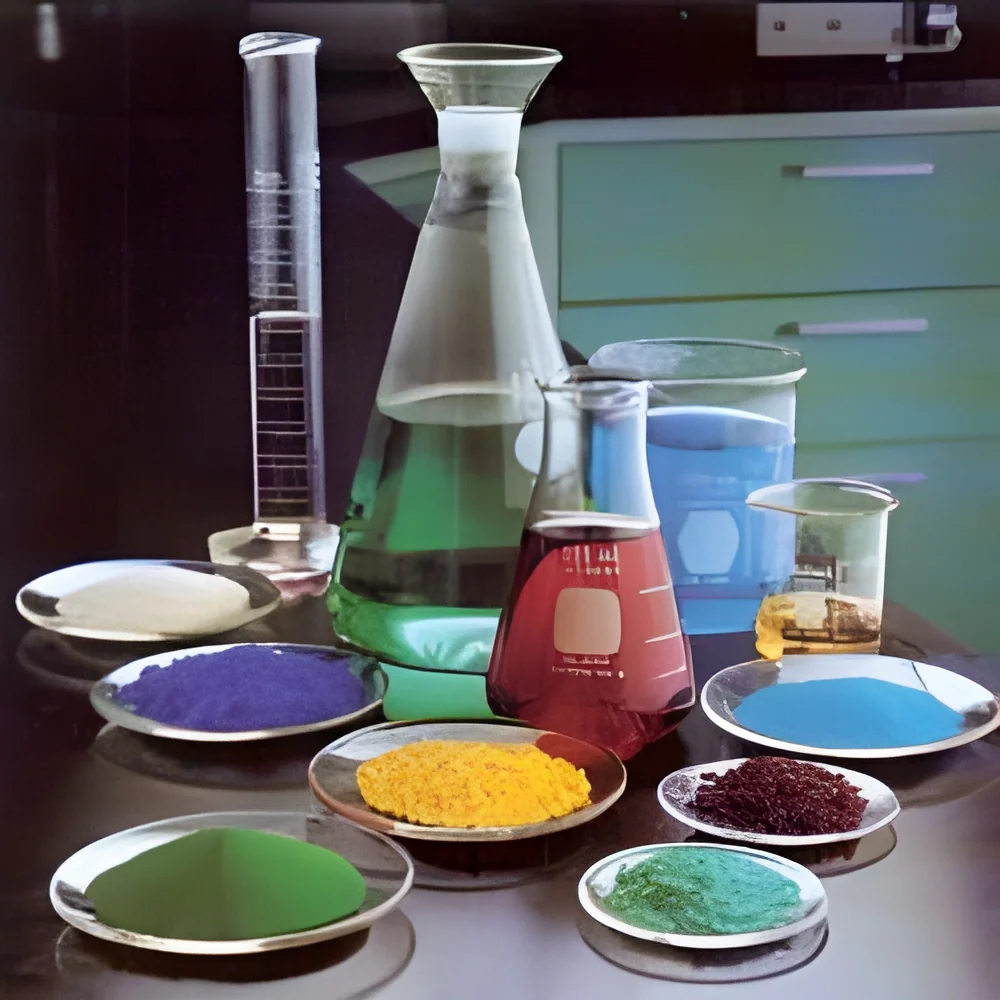
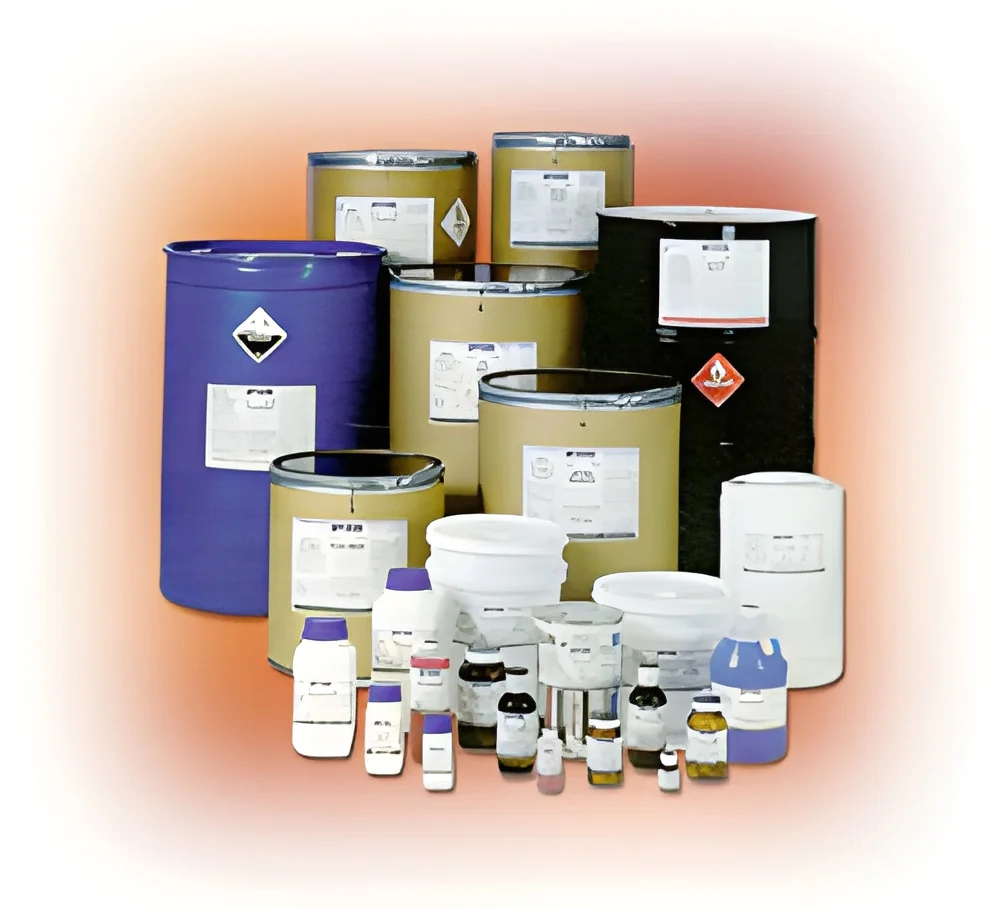
Laboratory reagents are chemical substances or compounds that are used in laboratory analyses, experiments, and processes. They play a crucial role in a wide range of scientific activities, including research, quality control, and product testing. Each reagent is designed to react in specific ways with other substances, enabling scientists to make accurate measurements and observations.
The primary uses of laboratory reagents span various industries, including pharmaceuticals, biotechnology, environmental testing, and education. These reagents can be used for tasks such as chemical synthesis, biological testing, and analytical chemistry. In business applications, they are essential for quality assurance and regulatory compliance, ensuring that products meet safety and efficacy standards.
In the current market context, laboratory reagents hold significant importance across sectors. The demand for high-quality reagents continues to grow as industries become more reliant on precise scientific methods. As a result, the laboratory reagent market is evolving, with innovations aimed at improving reliability and performance.
Key Features and Specifications
Laboratory reagents come with a variety of features and specifications that are vital for their effectiveness in scientific applications. Understanding these specifications helps businesses choose the right products for their needs.
Key specifications include:
1. Purity Level
- The degree of purity can significantly affect the performance of the reagent.
- Purity levels are typically expressed as a percentage, with high-purity reagents often exceeding 99%.
2. Storage Conditions
- Proper storage conditions are necessary to maintain reagent stability and efficacy.
- Some reagents may require refrigeration or specific humidity control.
3. Shelf Life
- Shelf life indicates how long a reagent can be stored before it deteriorates.
- This can range from several months to years, depending on the chemical composition.
4. Reactivity
- Reactivity defines how the reagent interacts with other substances.
- It is crucial for determining the suitability of a reagent for specific applications.
5. Packaging Options
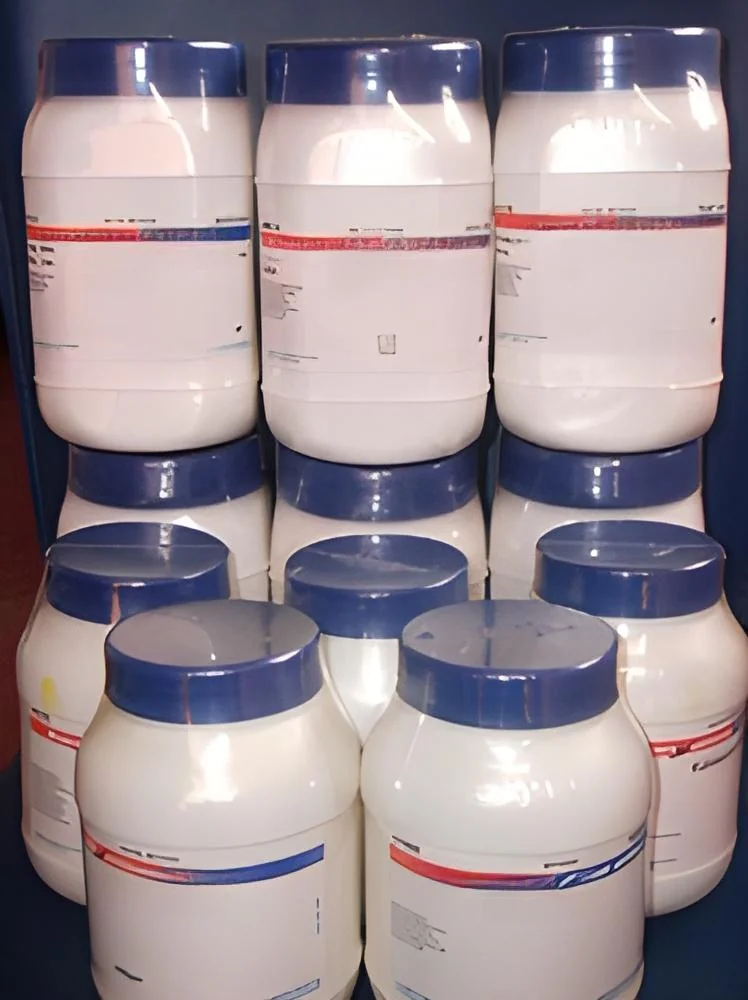
- Laboratory reagents are available in various packaging sizes and types to meet different needs.
- Options may include single-use vials, bulk containers, or specially designed bottles.
6. Compliance Standards
- Many reagents adhere to industry standards for quality and safety, such as ISO and CE certification.
- Compliance ensures that reagents meet regulatory requirements for specific applications.
In summary, the key features and specifications of laboratory reagents are essential for ensuring their effectiveness in laboratory settings. Understanding these details can aid in selecting the right reagents for diverse applications.
Common Applications and Use Cases
Laboratory reagents are utilized across multiple industries for various applications.
1. Pharmaceutical Industry: Reagents are used in drug development and quality control testing. They help in synthesizing active pharmaceutical ingredients and testing for purity.
2. Biotechnology: In this sector, reagents are crucial for DNA analysis, protein purification, and other molecular biology techniques. They enable researchers to conduct experiments that lead to innovative biotechnological solutions.
3. Environmental Testing: Reagents are employed to test water, soil, and air samples for contaminants. They help ensure compliance with environmental regulations and safety standards.
4. Education: In educational institutions, laboratory reagents are used in chemistry and biology classes. They facilitate hands-on experiments that enhance learning experiences.
5. Food and Beverage: Reagents are critical in testing food products for safety and quality. They help detect contaminants and verify nutritional content.
6. Clinical Laboratories: Laboratory reagents are essential for diagnostic testing. They aid in the analysis of blood, urine, and other samples for medical diagnoses.
Product Variants and Subcategories
Laboratory reagents come in a variety of forms to meet specific needs across different applications. This diversity allows businesses to select the most suitable reagents for their requirements.
Analytical Reagents
These reagents are specifically designed for analytical chemistry applications. They are used in qualitative and quantitative analysis, ensuring accurate results in laboratory testing.
Biochemical Reagents
Biochemical reagents are tailored for biological applications, including enzyme assays and cell culture. They support research and development in the life sciences.
Reagents for Chromatography
These specialized reagents are used in chromatography techniques to purify and analyze compounds. They are essential for achieving accurate separation and identification of substances.
Benefits and Advantages
Sourcing high-quality laboratory reagents offers several key benefits to businesses.
1. Enhanced Accuracy: High-quality reagents contribute to more precise results in laboratory analyses, reducing the likelihood of errors.
2. Improved Efficiency: Reliable reagents can streamline laboratory processes, saving time and resources during experimentation.
3. Regulatory Compliance: Sourcing certified reagents ensures adherence to industry regulations, which is crucial for maintaining product quality and safety.
4. Cost-Effectiveness: Investing in quality reagents can reduce waste and re-testing, leading to overall cost savings.
5. Versatility: Many laboratory reagents are designed for multiple applications, making them suitable for various industries and reducing the need for extensive inventories.
6. Technical Support: Reputable suppliers often provide technical support, helping businesses optimize reagent usage and troubleshoot issues.
Buying Guide for B2B Buyers
When sourcing laboratory reagents, businesses should take several critical factors into account.
1. Quality Assessment: Evaluate the purity and performance of reagents based on supplier specifications. Look for products that meet recognized industry standards.
2. Supplier Verification: Vet potential suppliers to ensure they have a proven track record of delivering high-quality reagents. Check for certifications and customer reviews.
3. Pricing and MOQ: Understand the pricing structure and minimum order quantities (MOQ) for reagents. Compare prices across suppliers to find the best value.
4. Delivery and Lead Times: Consider logistics, including delivery times and shipping costs. Ensure that suppliers can meet your timelines for laboratory needs.
5. Compliance Requirements: Be aware of any regulatory requirements specific to your industry. Ensure that the reagents you choose comply with relevant safety and quality standards.
Compliance and Certifications
Laboratory reagents must meet various compliance and certification standards to ensure safety and reliability. Quality standards such as ISO 9001 are vital for ensuring consistent product quality and performance. These standards guide manufacturers in maintaining quality control processes throughout production.
Industry certifications, such as CE, indicate that the reagents comply with European safety standards. These certifications are essential for businesses operating in regulated markets, as they provide assurance of product safety and efficacy.
Safety requirements are also critical when sourcing laboratory reagents. Suppliers should adhere to safety protocols during production and provide Material Safety Data Sheets (MSDS) for handling instructions. Additionally, regional compliance considerations may vary, so businesses should be aware of local regulations that could impact reagent usage.
Why Source Laboratory Reagents from Pepagora?
Pepagora provides a trusted platform for sourcing laboratory reagents, offering several key advantages to businesses.
Verified Supplier Network: Pepagora has established a robust network of verified suppliers, ensuring that buyers have access to high-quality reagents from reputable sources. This verification process helps mitigate risks associated with sourcing.
Streamlined RFQ Process: The request for quotation (RFQ) process on Pepagora is designed to simplify sourcing. Buyers can easily compare multiple suppliers and receive competitive quotes, facilitating informed decision-making.
Trade Assurance and Support: Pepagora offers trade assurance programs that protect buyers throughout the purchasing process. This includes support for logistics and resolution of disputes, enhancing buyer confidence.
Regional Coverage: With a focus on regions such as India, the GCC, and Southeast Asia, Pepagora ensures that businesses can source reagents tailored to their specific market needs. This geographic reach provides flexibility and responsiveness to regional demands.





 India

 India
 India

 India
 India
 India

Frequently Asked Questions
What are Laboratory Reagents?
Laboratory reagents are chemical substances or compounds used in laboratory experiments and analyses. They are essential for carrying out various chemical reactions, tests, and procedures in both research and industrial labs.
What are the different types of Laboratory Reagents?
Laboratory reagents can be classified into several categories, including acids, bases, salts, solvents, and indicators. Each type serves a specific purpose, such as facilitating reactions, maintaining pH levels, or indicating the presence of certain substances.
How do I choose the right Laboratory Reagents?
Selecting the appropriate laboratory reagents involves considering the specific requirements of your experiment, such as the desired reaction or analysis. It's also important to evaluate the purity, compatibility, and concentration of the reagents with other materials used in your processes.
What are the standard specifications for Laboratory Reagents?
Standard specifications for laboratory reagents typically include criteria such as purity level, chemical composition, storage conditions, and shelf life. These specifications ensure that the reagents meet the necessary quality and performance standards for scientific work.
What is the price range for Laboratory Reagents?
The price of laboratory reagents can vary widely depending on factors like the type, purity, and quantity required. Generally, prices can range from a few hundred to several thousand Indian Rupees per unit, depending on the supplier and the specific reagents.
What quality standards apply to Laboratory Reagents?
Laboratory reagents are often manufactured under strict quality standards such as ISO 9001 or other relevant certification processes. Compliance with these standards ensures that the reagents are reliable, safe, and suitable for their intended applications.
Where can I find Laboratory Reagents suppliers in India?
Laboratory reagents suppliers can be found through various channels, including online B2B marketplaces, industry directories, and trade shows. Websites like Pepagora.com offer a comprehensive list of reputable suppliers and manufacturers in India.
Can Laboratory Reagents be customized?
Yes, many manufacturers offer customization options for laboratory reagents to meet specific requirements. Customization can include alterations in concentration, formulation, or packaging based on the unique needs of the buyer.
What is the typical minimum order quantity for Laboratory Reagents?
The typical minimum order quantity (MOQ) for laboratory reagents can vary by supplier and product type. Generally, MOQs can range from a few grams to several kilograms, depending on the nature of the reagent and the manufacturer's policies.
What is the typical lead time for Laboratory Reagents?
The lead time for laboratory reagents can vary based on the supplier and the complexity of the order. Typically, lead times can range from a few days to several weeks, especially for customized or bulk orders.
Why Businesses Trust Pepagora
Thousands of companies trust Pepagora to source smarter and sell faster
Expand Your Sales Globally

Source Smarter,Grow Faster
