
 IN
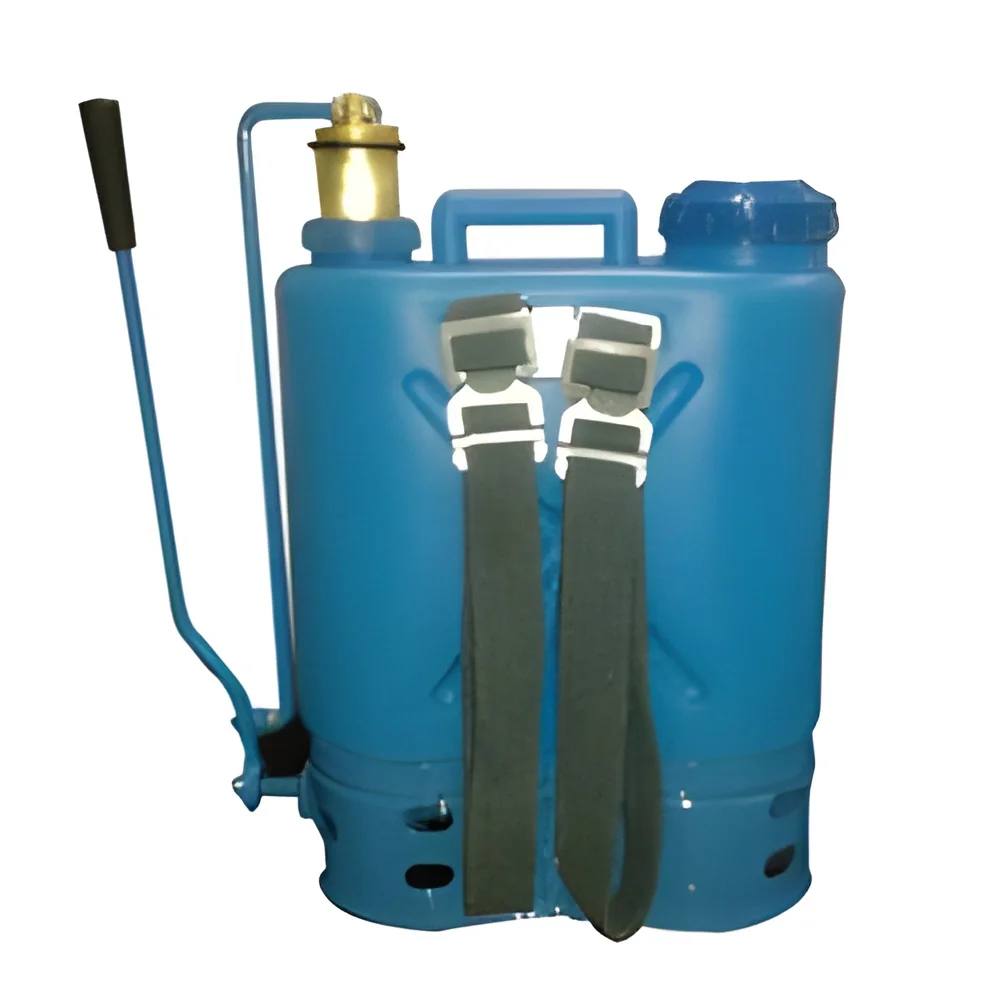
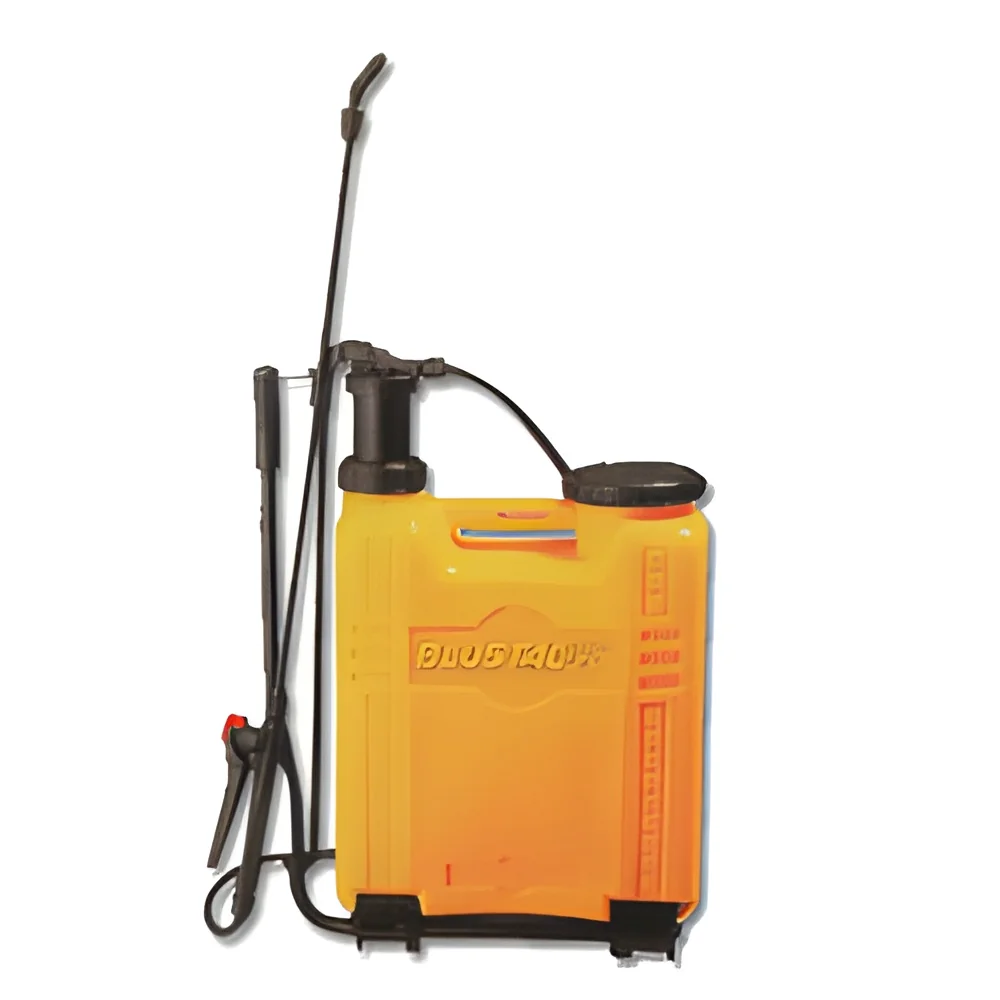
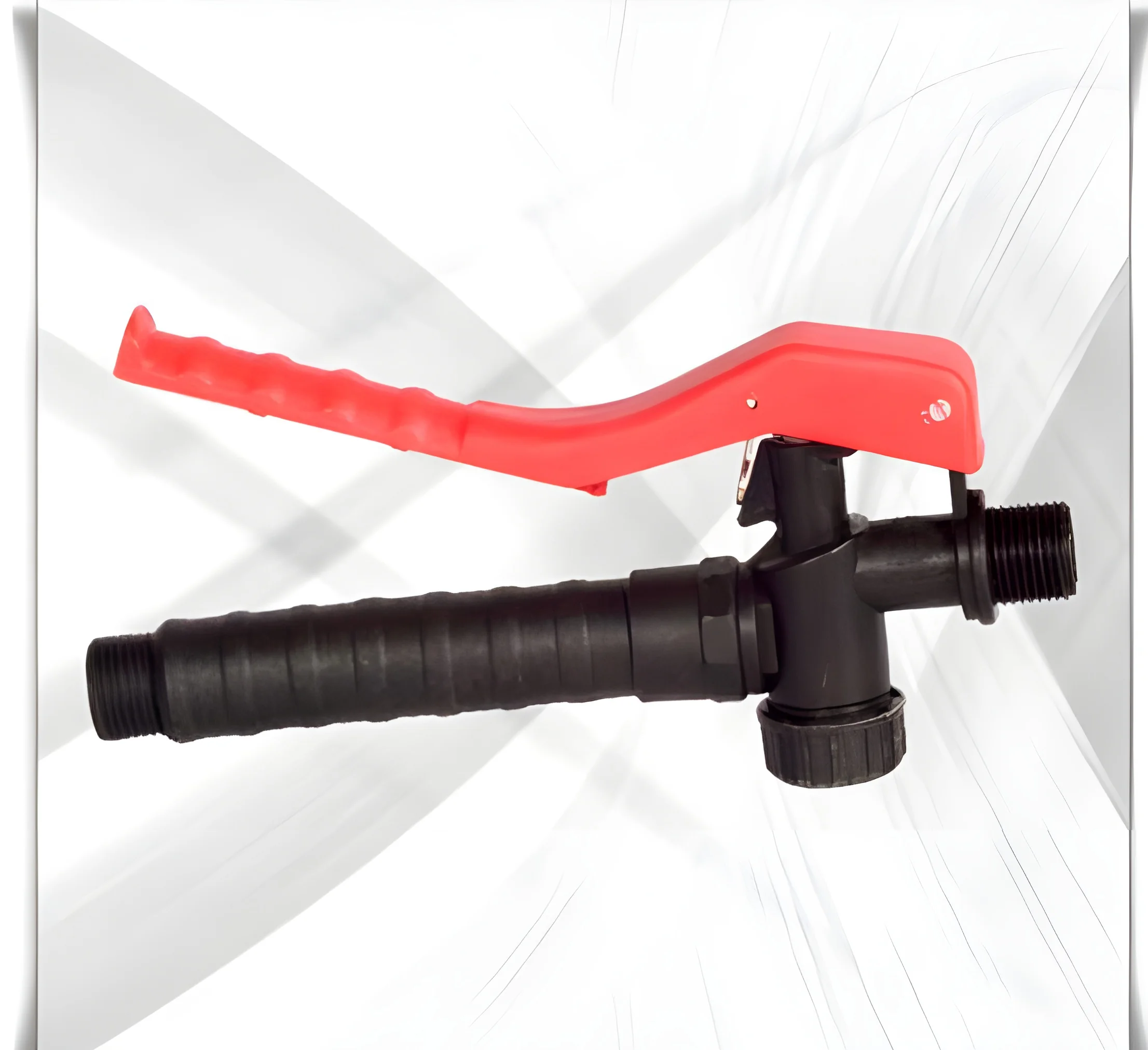
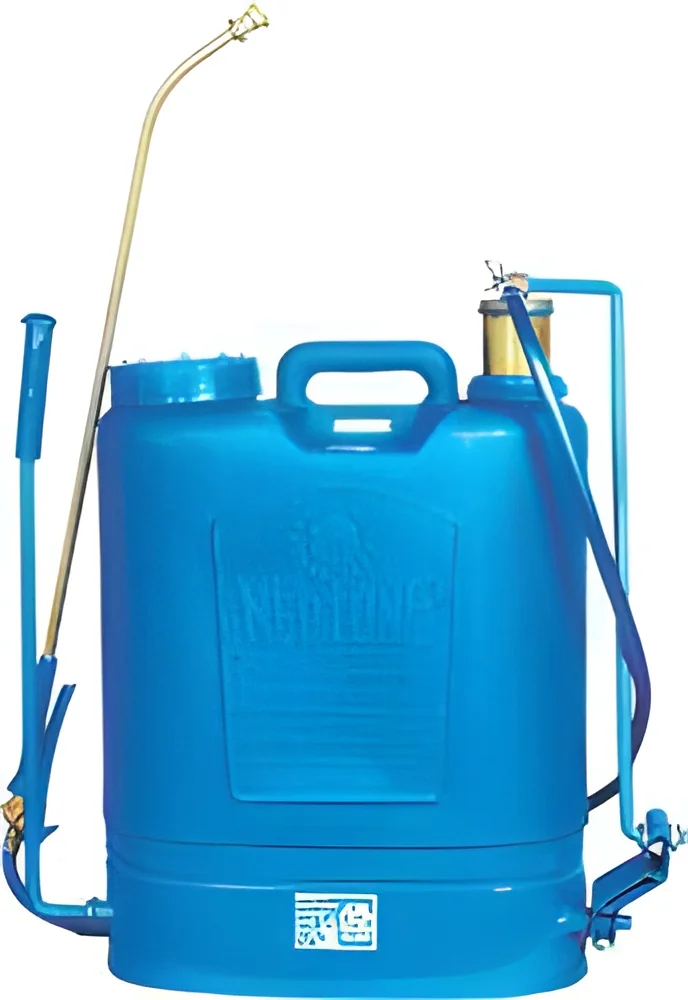
Knapsack Sprayers (Manual, Battery)
18 products available
Key Features and Specifications
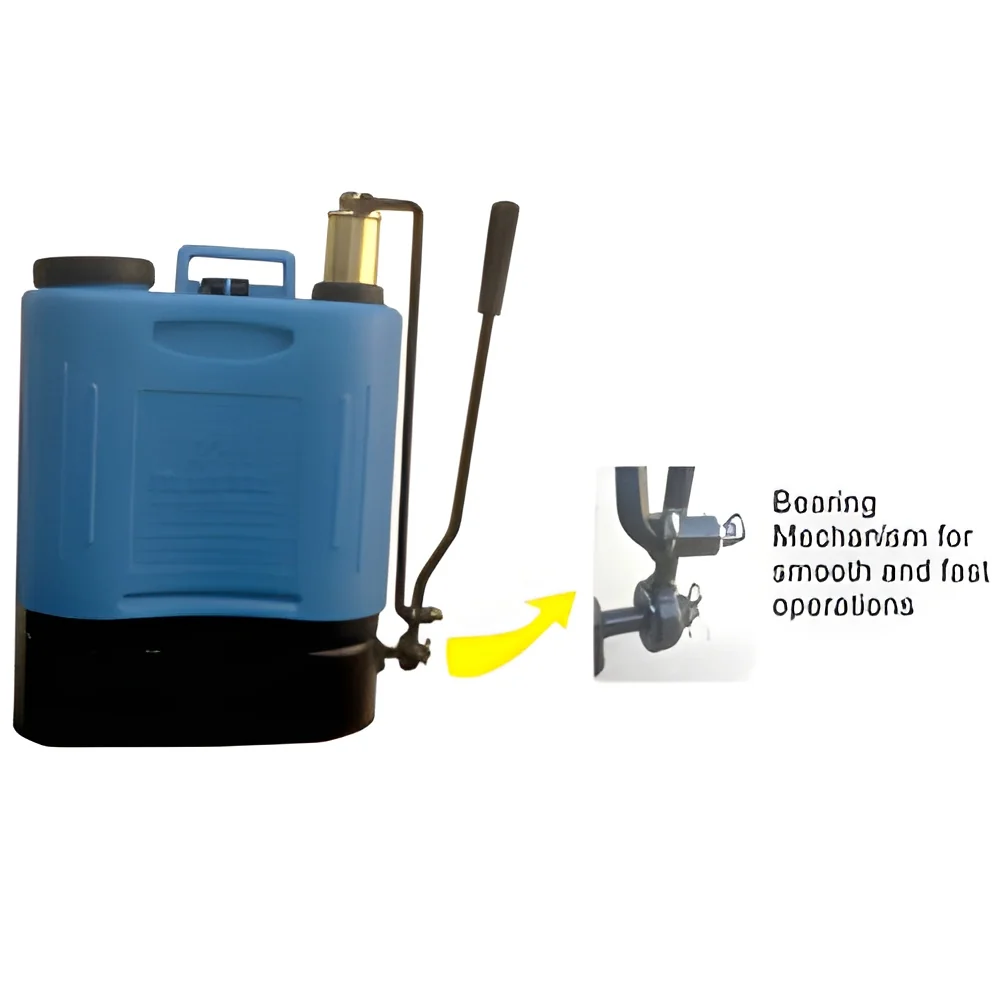
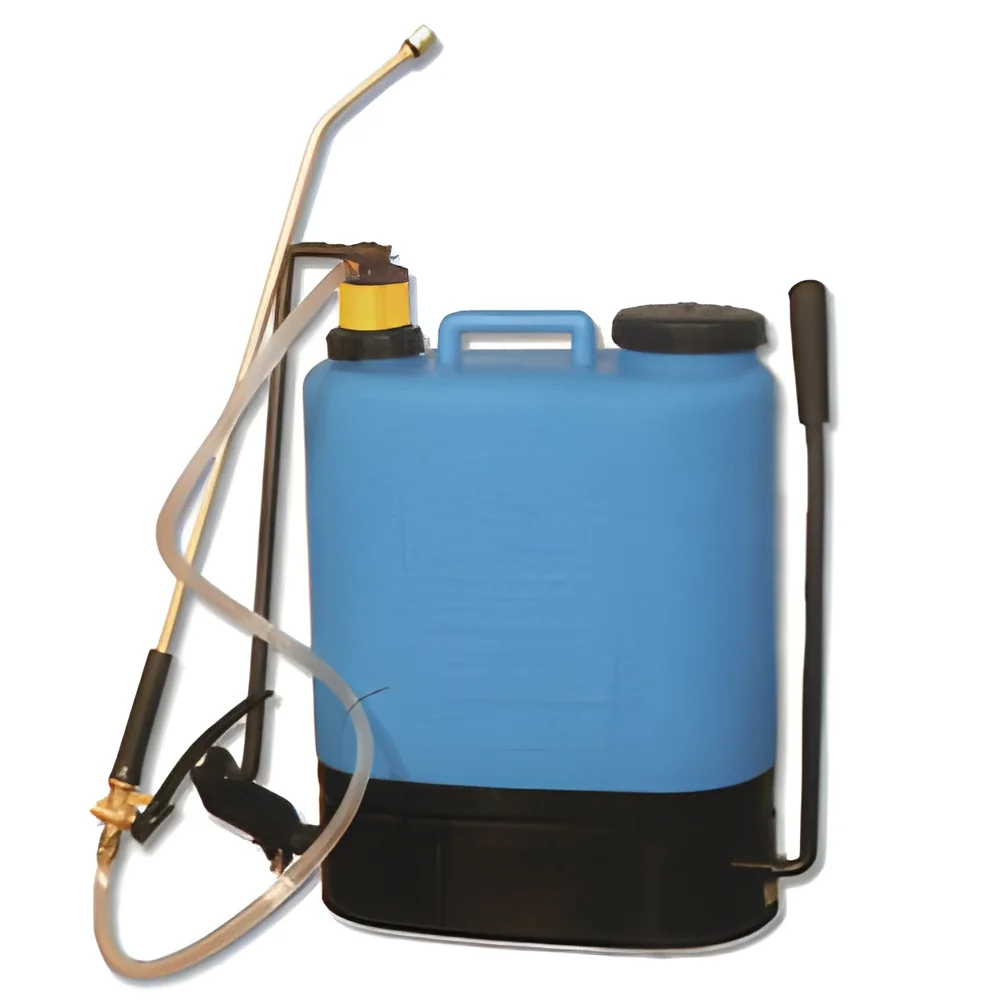
Knapsack sprayers come equipped with various features designed to enhance usability and efficiency. Understanding these specifications is crucial for selecting the right sprayer for specific applications.
Key specifications include:
1. Capacity
- This refers to the tank size, typically ranging from 15 to 20 liters.
- Larger capacities reduce the need for frequent refills, suitable for extensive spraying tasks.
2. Pressure Range
- Manual sprayers generally offer pressure ranges of 0 to 4 bar.
- Battery sprayers can provide more consistent pressures, often up to 2-3 bar.
3. Material
- Tanks are usually made of high-density polyethylene or other durable plastics.
- These materials are resistant to chemicals and UV exposure.
4. Weight
- Manual sprayers typically weigh between 5 to 7 kg when full.
- Battery sprayers may weigh slightly more due to the additional components.
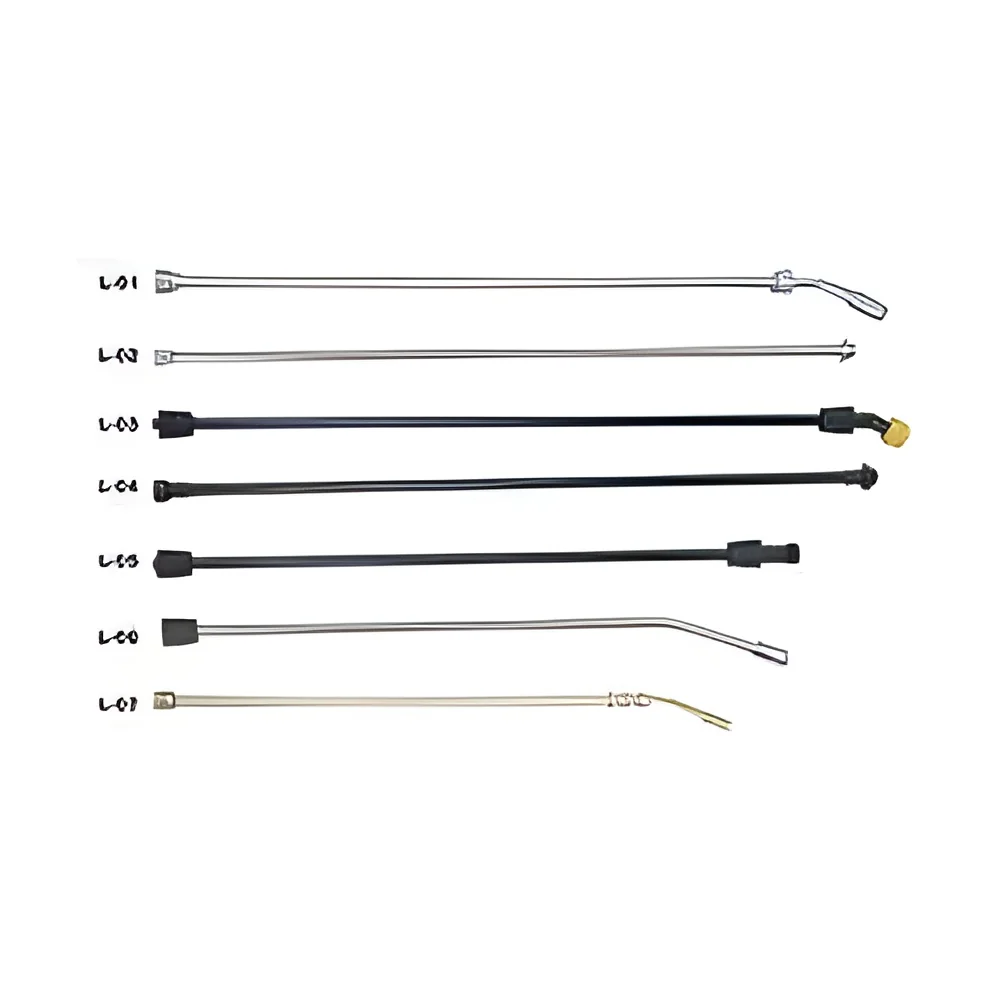
5. Nozzle Types
- Various nozzle options are available, including flat fan, cone, and adjustable nozzles.
- Different nozzles cater to specific spraying needs and coverage areas.
6. Battery Life
- Battery sprayers generally have a run time of 4 to 6 hours on a single charge.
- Quick charging capabilities enhance operational efficiency.
7. Ergonomics
- Many models feature padded shoulder straps and back support for comfort.
- Adjustable features ensure a better fit for different users.
8. Maneuverability
- Lightweight designs allow for easier movement across various terrains.
- Some sprayers include wheels for enhanced mobility.
In summary, understanding the key features and specifications of knapsack sprayers helps businesses make informed decisions when selecting the right equipment for their spraying needs.
Common Applications and Use Cases
Knapsack sprayers are utilized across various industries, addressing diverse applications.
1. Agriculture: Farmers use knapsack sprayers for applying fertilizers, pesticides, and herbicides on crops, ensuring optimal growth and protection against pests.
2. Horticulture: Gardeners rely on these sprayers for maintaining flower beds and vegetable gardens, effectively managing weed growth and plant diseases.
3. Forestry: Professionals in forestry use knapsack sprayers for controlling invasive species and managing forest health through targeted applications.
4. Pest Control: Public health organizations use these sprayers for mosquito control and other pest management efforts, especially in urban areas.
5. Landscaping: Landscapers employ knapsack sprayers to evenly distribute herbicides and fertilizers across large areas, promoting healthy plant growth.
6. Vineyards: Winemakers use knapsack sprayers to treat grapevines, protecting them from pests and diseases while ensuring quality production.
7. Greenhouses: Operators in greenhouses utilize these sprayers for precise applications of nutrients and pest control within a controlled environment.
Product Variants and Subcategories
Knapsack sprayers are available in diverse variants, catering to the specific needs of different users.
Manual Knapsack Sprayers: These models require manual pumping to build pressure and are ideal for small to medium-sized operations. They are cost-effective and straightforward, making them popular among budget-conscious users.
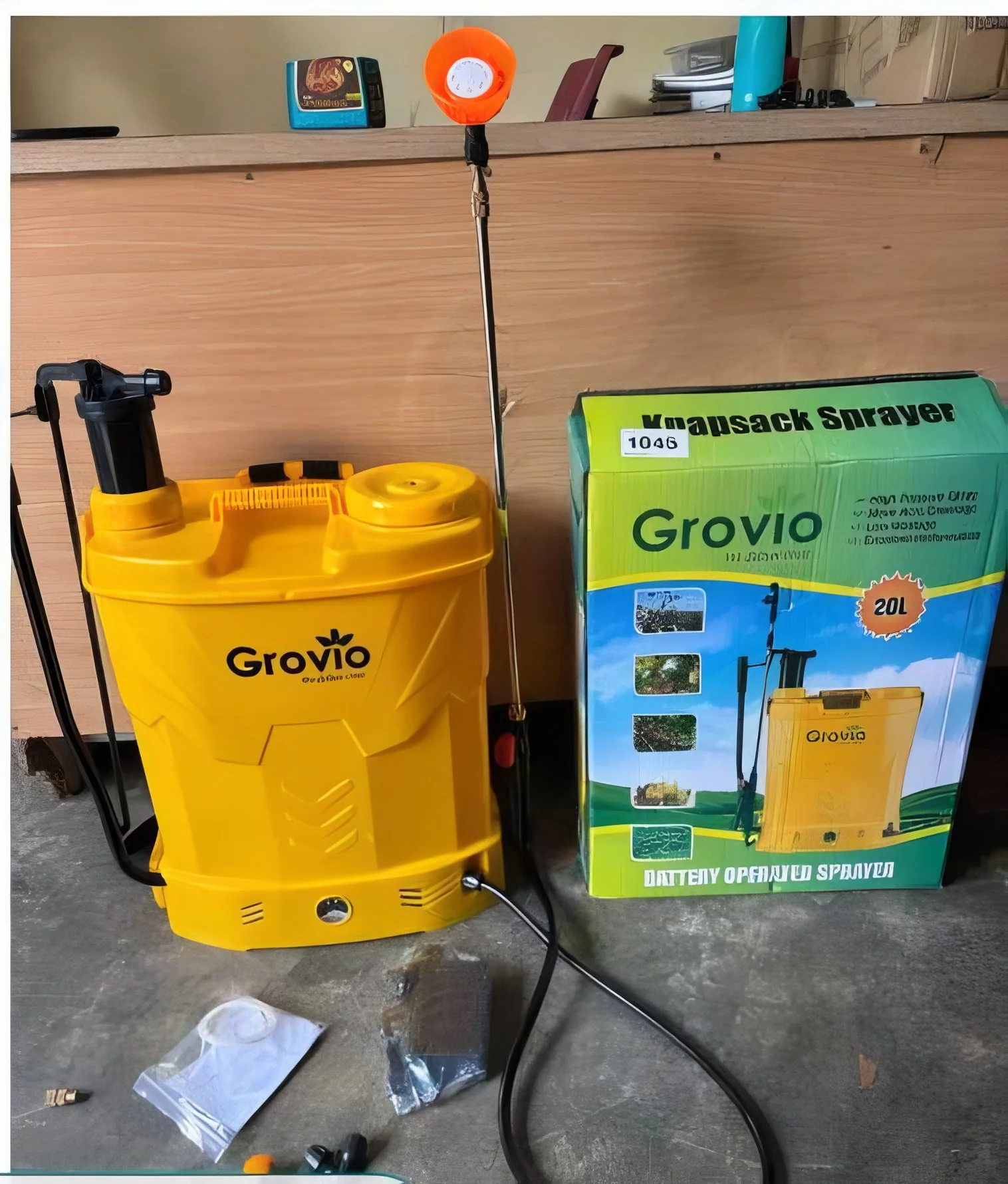
Battery-Operated Knapsack Sprayers: These sprayers feature electric pumps and rechargeable batteries, allowing for continuous spraying without manual effort. They are well-suited for larger applications where efficiency is paramount.
Benefits and Advantages
Investing in knapsack sprayers offers numerous benefits for businesses.
1. Efficiency: Knapsack sprayers allow for quick and efficient application of liquids, reducing the time and labor required for large areas.
2. Versatility: These sprayers can be used for various applications, from agriculture to pest control, making them a valuable tool across industries.
3. Cost-Effectiveness: Manual models provide an affordable solution for small-scale operations, while battery-operated versions save time and increase productivity.
4. Comfort: Ergonomic designs and adjustable features enhance user comfort during extended use, reducing fatigue.
5. Precision Application: With adjustable nozzles and pressure settings, users can achieve targeted applications, minimizing waste and maximizing effectiveness.
6. Environmentally Friendly: By enabling precise applications, knapsack sprayers help reduce chemical runoff and promote sustainable practices.
Buying Guide for B2B Buyers
When sourcing knapsack sprayers, businesses should consider several key factors to make informed purchasing decisions.
1. Quality Assessment: Evaluate the construction materials and overall design of the sprayer. Ensure it meets industry standards for durability and chemical resistance.
2. Supplier Verification: Research potential suppliers to confirm their reputation and reliability. Look for reviews and testimonials from previous clients.
3. Pricing and MOQ: Compare pricing from different suppliers and consider the minimum order quantity. Ensure that pricing aligns with budget constraints while meeting quality expectations.
4. Delivery and Lead Times: Inquire about shipping options and lead times to ensure timely delivery that aligns with operational needs.
5. Compliance Requirements: Familiarize yourself with local regulations and compliance standards that may apply to knapsack sprayers, ensuring your purchases meet necessary guidelines.
Compliance and Certifications
Compliance and certifications are essential considerations in the manufacturing and sourcing of knapsack sprayers.
Relevant quality standards, such as ISO 9001, ensure that products are designed and produced consistently, meeting customer and regulatory requirements. Adherence to these standards demonstrates a commitment to quality management.
Industry certifications like CE indicate that knapsack sprayers meet European safety, health, and environmental protection requirements. This certification is critical for ensuring that products are safe for use in various applications.
Safety and testing requirements must also be met, including rigorous testing for durability and performance under different conditions. Suppliers should provide evidence of compliance with these standards to ensure the safety and reliability of the products.
Regional compliance considerations may vary, so it is essential to understand the specific regulations that apply within your area to avoid potential legal issues and maintain operational integrity.
Why Source Knapsack Sprayers (Manual, Battery) from Pepagora?
Pepagora offers a trusted platform for sourcing knapsack sprayers, providing several key advantages for B2B buyers.
Verified Supplier Network: Pepagora ensures that all listed suppliers are thoroughly vetted, providing buyers with confidence in their sourcing decisions.
Streamlined RFQ Process: The platform streamlines the Request for Quotation (RFQ) process, allowing buyers to easily compare options and obtain competitive pricing.
Trade Assurance and Support: Buyers are protected through trade assurance, which guarantees that orders are fulfilled as agreed, providing peace of mind with every transaction.
Regional Coverage: Pepagora's extensive network covers India, the Gulf Cooperation Council (GCC) countries, and Southeast Asia, enabling buyers to access a wide range of suppliers and products tailored to their regional needs.




 India
 India
 India

 India
 India
 India
Frequently Asked Questions
What are Knapsack Sprayers (Manual, Battery)?
Knapsack sprayers are portable spraying devices designed for agricultural purposes, allowing users to apply pesticides, herbicides, and fertilizers. They come in two main types: manual sprayers that require human power to operate, and battery-operated sprayers that utilize electric power for ease of use.
What are the different types of Knapsack Sprayers (Manual, Battery)?
Knapsack sprayers can be categorized into two main types: manual knapsack sprayers, which rely on the user's pumping action to create pressure, and battery-operated knapsack sprayers, which use rechargeable batteries to power the pump. Each type serves different user preferences and application needs.
How do I choose the right Knapsack Sprayers (Manual, Battery)?
Choosing the right knapsack sprayer involves considering factors such as the type of crops, the area to be sprayed, and the type of chemicals used. It's also important to evaluate the sprayer's capacity, weight, and ease of use to ensure it meets your specific requirements.
What are the standard specifications for Knapsack Sprayers (Manual, Battery)?
Standard specifications for knapsack sprayers generally include tank capacity, spray range, pressure output, and weight. Additionally, battery-operated models will have specifications related to battery life and charging time, while manual models will highlight the ease of pumping.
What is the price range for Knapsack Sprayers (Manual, Battery)?
The price range for knapsack sprayers can vary significantly based on features and specifications. Generally, manual knapsack sprayers can range from INR 1,500 to INR 5,000, while battery-operated models typically range from INR 5,000 to INR 15,000.
What quality standards apply to Knapsack Sprayers (Manual, Battery)?
Quality standards for knapsack sprayers may include compliance with national and international safety and manufacturing standards. In India, the Bureau of Indian Standards (BIS) provides guidelines to ensure that the sprayers meet safety and performance requirements.
Where can I find Knapsack Sprayers (Manual, Battery) suppliers in India?
You can find knapsack sprayers suppliers in India through various channels, including online B2B marketplaces like Pepagora, local agricultural equipment stores, and trade exhibitions focused on agriculture. Researching suppliers' reviews and ratings can also help you identify reliable sources.
Can Knapsack Sprayers (Manual, Battery) be customized?
Yes, many manufacturers offer customization options for knapsack sprayers to meet specific needs. Customizations can include variations in tank size, nozzle types, and additional features to enhance usability.
What is the typical minimum order quantity for Knapsack Sprayers (Manual, Battery)?
The minimum order quantity (MOQ) for knapsack sprayers can vary by supplier and product type, typically ranging from 5 to 50 units. It's advisable to confirm the MOQ with the supplier before placing an order.
What is the typical lead time for Knapsack Sprayers (Manual, Battery)?
The typical lead time for knapsack sprayers can vary depending on the supplier and the order size but usually ranges from 1 to 4 weeks. Factors such as customization requests and shipping logistics may also affect delivery times.
Why Businesses Trust Pepagora
Thousands of companies trust Pepagora to source smarter and sell faster
Expand Your Sales Globally

Source Smarter,Grow Faster
