
 IN
Impact Sprinklers
17 products available
What are Impact Sprinklers?
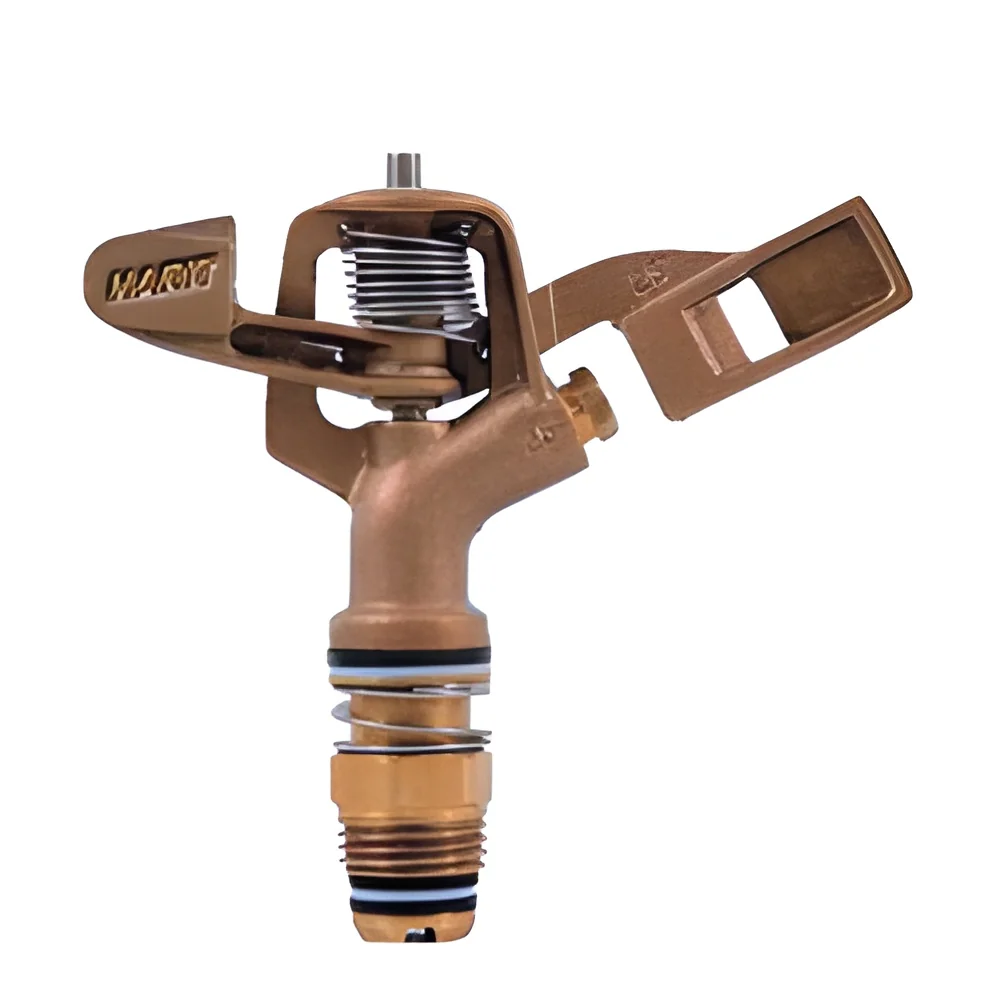
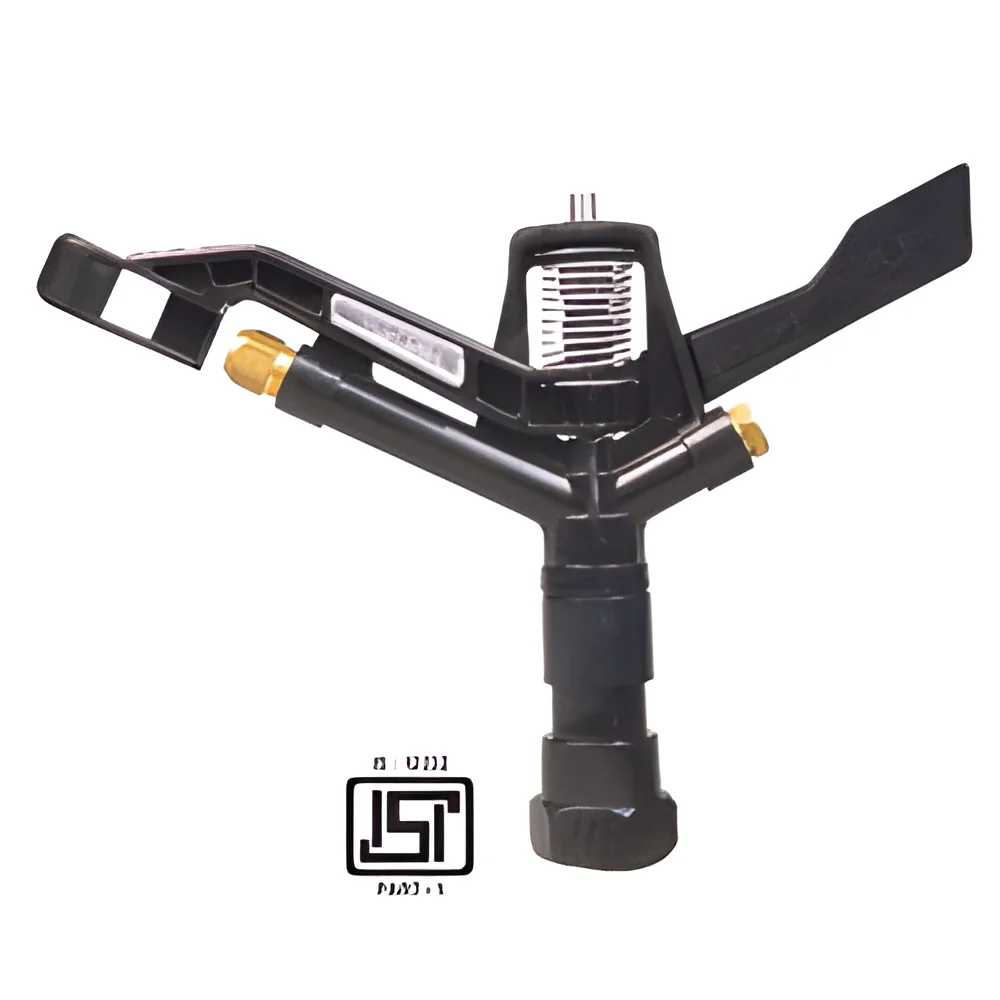
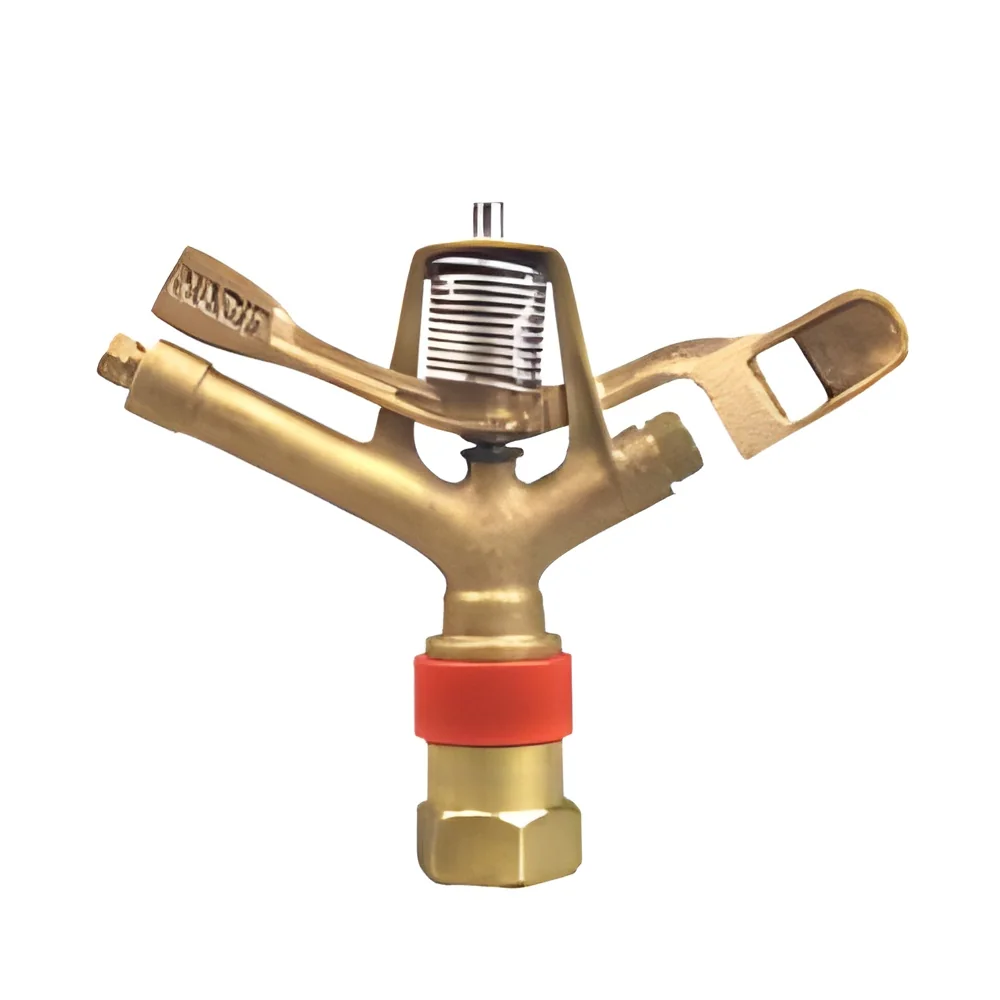
Impact sprinklers are a type of irrigation device designed to distribute water over a wide area, making them essential for effective agricultural and landscape irrigation. They operate using a rotating arm that creates a spray pattern, delivering water in a manner that ensures even coverage. The mechanism typically includes a spring-loaded hammer that strikes the nozzle, generating a consistent water spray while minimizing waste.
These sprinklers find their primary use in various agricultural settings, including farms, nurseries, and parks. They are particularly valuable in large-scale operations where efficient water distribution is critical. Impact sprinklers can be adjusted to cover different areas and are suitable for both permanent and temporary irrigation systems. Their durability and reliability make them a preferred choice in the industry.
In the context of a growing focus on sustainable water management, impact sprinklers remain relevant, as they help optimize water usage. The market for these devices is expanding, driven by the increasing need for effective irrigation solutions in agriculture and landscaping, as well as advancements in technology that improve their efficiency and ease of use.
Key Features and Specifications
Impact sprinklers are characterized by several key features that enhance their performance and usability. Understanding these specifications is crucial for businesses looking to implement effective irrigation systems.
Key specifications include:
1. Spray Radius
- Typical ranges from 20 to 50 feet, depending on the model.
- Adjustable settings allow for customized coverage.
2. Operating Pressure
- Commonly operates between 20 to 100 PSI.
- Enables efficient water distribution across various terrains.
3. Flow Rate
- Varies from 1 to 10 gallons per minute.
- Determines the amount of water applied over time.
4. Material Construction
- Often made from durable materials like brass or plastic.
- Resistance to corrosion and UV damage extends product lifespan.
5. Adjustment Features
- Includes options for altering spray pattern and distance.
- Flexibility in operation to meet specific irrigation needs.
6. Compatibility
- Designed to work with various hose sizes and connectors.
- Easy integration into existing irrigation systems.
7. Installation Type
- Available in both stationary and portable configurations.
- Versatility for different application environments.
In summary, understanding these specifications helps businesses select the right impact sprinklers for their irrigation needs, ensuring optimal performance and water efficiency.
Common Applications and Use Cases
Impact sprinklers are versatile and serve various industries effectively.
1. Agriculture: In farming, impact sprinklers are used for crop irrigation, ensuring that water reaches the root zone efficiently. They help in maintaining soil moisture, thus supporting healthy plant growth.
2. Landscaping: For commercial landscaping, these sprinklers are ideal for watering lawns, gardens, and green spaces. Their adjustable spray patterns make them suitable for different plant types and layouts.
3. Sports Fields: Impact sprinklers are commonly used on athletic fields to maintain turf quality. They ensure even water distribution, essential for the health of grass used in sports activities.
4. Nurseries: In plant nurseries, impact sprinklers support the growth of young plants by providing consistent moisture. This is vital for maintaining the quality of ornamental plants and seedlings.
5. Golf Courses: Golf course maintenance utilizes impact sprinklers to manage water resources efficiently. Proper irrigation helps maintain lush greens and fairways.
6. Commercial Greenhouses: In greenhouse operations, impact sprinklers help regulate humidity and provide adequate water supply to various plants, enhancing growth conditions.
7. Public Parks: Municipal parks benefit from impact sprinklers for landscape maintenance. They ensure that public green spaces remain healthy and visually appealing.
Product Variants and Subcategories
Impact sprinklers come in various variants to suit different irrigation needs.
Standard Impact Sprinkler
This variant is widely used in agriculture and landscaping. It features a robust design, adjustable spray radius, and is ideal for both small and large areas.
Gear-Driven Impact Sprinkler
This variant offers a more uniform spray pattern and reduced water waste. It is suitable for applications requiring precision and efficiency, such as golf courses and sports fields.
Mini Impact Sprinkler
Designed for smaller areas, this variant is perfect for home gardens and small agricultural plots. It provides flexible installation options and is easy to adjust.
Heavy-Duty Impact Sprinkler
This variant is built for durability in harsh conditions. It is ideal for commercial applications where reliability and performance are essential.
Benefits and Advantages
Impact sprinklers provide numerous advantages for businesses considering their use.
1. Water Efficiency: Impact sprinklers are designed to minimize water wastage, ensuring that more water reaches the plants while reducing overall consumption.
2. Cost-Effectiveness: Investing in impact sprinklers can lead to lower water bills, as they optimize water distribution and reduce the need for frequent irrigation.
3. Durability: Made from high-quality materials, impact sprinklers offer long-lasting performance, saving businesses on replacement costs.
4. Versatility: With adjustable settings, these sprinklers can be tailored to meet the specific needs of different crops or landscaping designs.
5. Easy Maintenance: Impact sprinklers require minimal maintenance, making them a convenient choice for busy agricultural and landscaping operations.
6. Reliable Performance: Their proven design ensures consistent water coverage, essential for maintaining healthy crops and landscapes.
Buying Guide for B2B Buyers
When sourcing impact sprinklers, businesses should consider several important factors to ensure they select the right products for their needs.
1. Quality Assessment: Evaluate the quality of materials and construction. Look for reputable brands that meet industry standards to ensure longevity and performance.
2. Supplier Verification: Vet potential suppliers to confirm their reliability and track record. Check customer reviews and request references to assess their reputation.
3. Pricing and MOQ: Understand the price range and minimum order quantity. Compare quotes from multiple suppliers to find competitive pricing that aligns with your budget.
4. Delivery and Lead Times: Inquire about logistics and delivery schedules. Ensure that the supplier can meet your timelines to avoid disruptions in your irrigation plans.
5. Compliance Requirements: Check for any regulatory needs specific to your region. Ensure that the sprinklers comply with local standards to avoid legal issues.
Compliance and Certifications
Impact sprinklers must meet various compliance standards to ensure safety and performance. Quality standards such as ISO 9001 apply, ensuring that manufacturing processes are controlled and consistent. This standard focuses on quality management, which enhances product reliability.
The CE certification is also relevant for impact sprinklers, indicating that the products meet European safety, health, and environmental protection standards. This certification is crucial for businesses looking to market their products within the EU market.
Safety and testing requirements should be adhered to, ensuring that the sprinklers operate effectively and do not pose risks to users or the environment. Regional compliance considerations may vary, making it essential for businesses to understand local regulations and standards applicable to their specific areas.
Why Source Impact Sprinklers from Pepagora?
Pepagora offers a trusted platform for sourcing impact sprinklers, featuring several key advantages that benefit B2B buyers.
Verified Supplier Network: Pepagora has established a network of verified suppliers, ensuring that buyers can trust the quality and reliability of the products offered. This reduces the risk associated with sourcing from unknown vendors.
Streamlined RFQ Process: The platform simplifies the request for quotation process, allowing buyers to easily compare offers from multiple suppliers. This efficiency saves time and helps secure the best prices.
Trade Assurance and Support: Pepagora provides trade assurance, offering protection for buyers throughout the purchasing process. This support includes dispute resolution and guarantees on product quality.
Regional Coverage: Pepagora serves a wide geographic area, including India, GCC, and Southeast Asia. This extensive reach ensures that buyers can access impact sprinklers suited to their specific regional needs and preferences.


Frequently Asked Questions
What are Impact Sprinklers?
Impact sprinklers are a type of irrigation device that distributes water in a circular pattern. They operate using a spring-loaded mechanism that creates a rotating action, allowing for even coverage of large areas such as lawns, gardens, and agricultural fields.
What are the different types of Impact Sprinklers?
Impact sprinklers come in various types, including stationary, rotating, and oscillating models. Each type is designed for specific applications, with some suited for large agricultural fields while others are more suitable for residential gardens.
How do I choose the right Impact Sprinklers?
Choosing the right impact sprinkler involves considering factors such as the area size, water pressure, and the type of vegetation being irrigated. It's important to match the sprinkler's range and spray pattern to your specific irrigation needs.
What are the standard specifications for Impact Sprinklers?
Standard specifications for impact sprinklers include flow rate, operating pressure, spray radius, and material durability. These specifications can vary widely, so it is essential to check the manufacturer's details for specific models.
What is the price range for Impact Sprinklers?
The price range for impact sprinklers typically varies from INR 500 to INR 5000, depending on the type, size, and brand. Bulk purchasing or sourcing from manufacturers may offer better pricing options.
What quality standards apply to Impact Sprinklers?
Impact sprinklers must adhere to quality standards related to material durability, performance efficiency, and safety regulations. Common standards include ISI certification for products sold in India.
Where can I find Impact Sprinklers suppliers in India?
You can find impact sprinkler suppliers in India through online marketplaces, agricultural supply stores, or industry trade shows. Websites like Pepagora.com provide listings of reputable manufacturers and suppliers.
Can Impact Sprinklers be customized?
Yes, many manufacturers offer customization options for impact sprinklers to meet specific agricultural or landscaping needs. Customizations may include adjustments in size, spray patterns, and materials used.
What is the typical minimum order quantity for Impact Sprinklers?
The typical minimum order quantity (MOQ) for impact sprinklers can vary by supplier, but it often ranges from 50 to 100 units. It's advisable to check with individual suppliers for their specific MOQ requirements.
What is the typical lead time for Impact Sprinklers?
The typical lead time for impact sprinklers is usually between 2 to 4 weeks, depending on the supplier's inventory and manufacturing capabilities. Custom orders may take longer, so it's essential to confirm with the supplier.
Why Businesses Trust Pepagora
Thousands of companies trust Pepagora to source smarter and sell faster
Expand Your Sales Globally

Source Smarter,Grow Faster
