
 IN
Hydrogen Peroxide
2 products available
What are Hydrogen Peroxide?
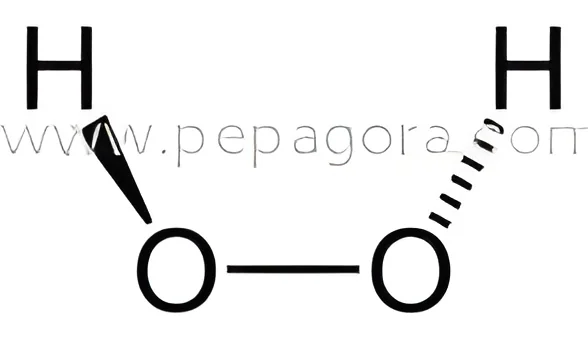
Hydrogen peroxide is a pale blue liquid that appears colorless in dilute solutions. It is a powerful oxidizing agent with the chemical formula H2O2. Its unique properties make it effective as a disinfectant, bleaching agent, and oxidizer. Hydrogen peroxide is commonly used in various applications due to its ability to break down into water and oxygen, making it an environmentally friendly choice.
In the business sector, hydrogen peroxide finds extensive use across different industries. It is used for disinfection in healthcare, as a bleaching agent in textiles, and as a cleaning agent in food processing. Its versatility allows it to be utilized in many applications, including water treatment, pharmaceuticals, and personal care products. The demand for hydrogen peroxide continues to grow as industries seek more efficient and eco-friendly solutions.
The market for hydrogen peroxide is significant, driven by the rising awareness of health and safety standards across various industries. As companies focus on sustainable practices, hydrogen peroxide's role in promoting environmental safety becomes increasingly relevant. The global demand indicates a robust market context, with many businesses looking to source high-quality hydrogen peroxide for their operations.
Key Features and Specifications
Hydrogen peroxide is characterized by several key features that make it suitable for industrial applications. Understanding these specifications is essential for businesses looking to incorporate hydrogen peroxide into their processes.
Key specifications include:
1. Purity Level
- High purity levels are essential for effective applications.
- Purity typically ranges from 30% to 90% depending on the intended use.
2. Concentration
- Different concentrations are available for specific applications.
- Common concentrations include 3%, 6%, 30%, and 50%.
3. Packaging Options
- Hydrogen peroxide is available in various packaging formats.
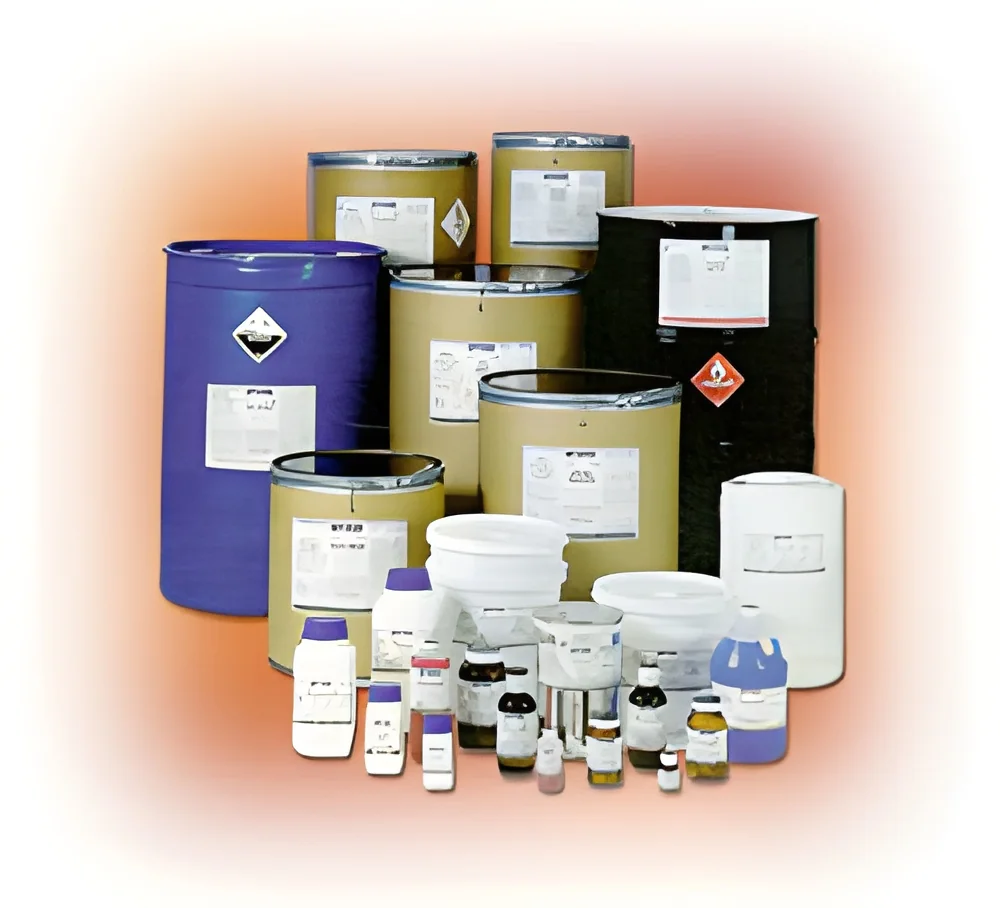
- Common options include drums, bottles, and bulk containers.
4. Stability
- Stability is crucial for ensuring safety and effectiveness.
- Proper storage conditions can maintain stability for extended periods.
5. Regulatory Compliance
- Compliance with industry standards is vital.
- Many suppliers adhere to certifications such as CE.
6. Safety Features
- Safety data sheets (SDS) provide essential handling information.
- Protective measures are always recommended during usage.
In summary, understanding the specifications of hydrogen peroxide is crucial for businesses to ensure they select the right product for their needs.
Common Applications and Use Cases
Hydrogen peroxide serves various industries due to its versatile properties and effectiveness.
1. Healthcare: It is widely used for sterilizing medical instruments and disinfecting surfaces to prevent the spread of infections.
2. Food Processing: Hydrogen peroxide is utilized in food sanitation processes, particularly for washing fruits and vegetables to eliminate harmful bacteria.
3. Textile Industry: It acts as a bleaching agent for fabrics, enhancing the brightness and whiteness of textiles.
4. Water Treatment: Hydrogen peroxide is employed to treat and purify water by breaking down pollutants and disinfecting water supplies.
5. Personal Care: In cosmetics and personal care products, it serves as an antiseptic and bleaching agent in formulations like hair dye.
6. Pharmaceutical Industry: Hydrogen peroxide is used in the production of various pharmaceuticals and as an antiseptic for topical use.
7. Environmental Applications: It is used in waste treatment processes to reduce pollution and improve water quality.
Product Variants and Subcategories
Hydrogen peroxide is available in several variants to cater to different industrial needs. Each variant has unique features and applications.
Hydrogen Peroxide 3%
This variant is commonly used for household cleaning and personal care applications. It is effective as a mild disinfectant and can be used in skin antiseptics.
Hydrogen Peroxide 30%
Ideal for industrial applications, this higher concentration is often used for water treatment and as a bleaching agent in various manufacturing processes.
Hydrogen Peroxide 50%
This concentrated form is used in specialized applications, including the textile industry and environmental remediation processes. It provides powerful oxidation properties.
Benefits and Advantages
Hydrogen peroxide offers numerous benefits and advantages for businesses seeking effective solutions.
1. Eco-Friendly: Hydrogen peroxide breaks down into water and oxygen, minimizing environmental impact compared to other chemicals.
2. Versatility: It can be used across various industries, making it a valuable addition to many applications.
3. Effective Disinfection: Its strong oxidizing properties provide efficient disinfection, helping businesses maintain hygiene standards.
4. Cost-Effective: Hydrogen peroxide is generally affordable, providing a budget-friendly option for various industrial uses.
5. Safety: When handled properly, hydrogen peroxide is relatively safe compared to many other chemical agents.
6. Ease of Use: Its availability in various concentrations and forms makes it easy to incorporate into existing processes.
Buying Guide for B2B Buyers
When sourcing hydrogen peroxide, businesses should consider several key factors to ensure they make informed decisions.
1. Quality Assessment: Evaluate the purity and concentration of hydrogen peroxide. High-quality products are essential for effective applications and compliance with industry standards.
2. Supplier Verification: Conduct thorough research on suppliers to ensure they have a reputable track record and meet necessary certifications.
3. Pricing and MOQ: Understand the pricing structure and minimum order quantities (MOQ) to align with budget and supply needs.
4. Delivery and Lead Times: Confirm delivery schedules and lead times to ensure timely availability of hydrogen peroxide for operations.
5. Compliance Requirements: Verify that the hydrogen peroxide meets relevant regulatory and safety standards to avoid compliance issues.
Compliance and Certifications
Compliance and certifications are critical considerations when sourcing hydrogen peroxide. Many suppliers adhere to established quality standards, such as ISO 9001, which ensures consistent quality management practices.
In addition, certifications like CE indicate that the product meets European safety, health, and environmental protection standards. It is essential for businesses to verify that their chosen hydrogen peroxide complies with these relevant standards.
Safety and testing requirements must also be met to ensure product safety during handling and application. Suppliers should provide safety data sheets (SDS) that outline necessary precautions and emergency measures.
Lastly, regional compliance considerations should be taken into account, as different regions may have specific regulations governing the use and transportation of hydrogen peroxide.
Why Source Hydrogen Peroxide from Pepagora?
Pepagora provides a trusted platform for sourcing hydrogen peroxide, offering numerous advantages for B2B buyers.
Verified Supplier Network: Pepagora connects buyers with a network of verified suppliers, ensuring that businesses can source high-quality hydrogen peroxide with confidence. This network is built on stringent vetting processes to guarantee reliability.
Streamlined RFQ Process: The platform features a streamlined request for quotation (RFQ) process, allowing buyers to easily submit inquiries and receive competitive quotes from multiple suppliers. This efficiency saves time and enhances procurement processes.
Trade Assurance and Support: Pepagora offers trade assurance, providing buyers with protection and support throughout the sourcing process. This commitment to buyer satisfaction helps foster long-term partnerships.
Regional Coverage: Pepagora has a broad geographic reach, covering regions such as India, the GCC, and Southeast Asia. This extensive network ensures that businesses can find suitable suppliers regardless of their location, enhancing accessibility to hydrogen peroxide.


 India
 India
Frequently Asked Questions
What are Hydrogen Peroxide?
Hydrogen Peroxide (H<sub>2</sub>O<sub>2</sub>) is a colorless, thick liquid that is widely used as an oxidizing agent, bleaching agent, and disinfectant. It is known for its strong oxidative properties which make it effective for various industrial applications.
What are the different types of Hydrogen Peroxide?
Hydrogen Peroxide is available in several concentrations, with the most common being 3%, 6%, 30%, and 35%. Industrial-grade Hydrogen Peroxide may also come in higher concentrations, depending on its intended use, such as in textile bleaching or pulp and paper production.
How do I choose the right Hydrogen Peroxide?
Selecting the right Hydrogen Peroxide depends on your specific application needs. Consider factors such as the concentration required, the intended use (e.g., cleaning, bleaching, or disinfecting), and any regulatory requirements that may apply to your industry.
What are the standard specifications for Hydrogen Peroxide?
Standard specifications for Hydrogen Peroxide typically include concentration, purity levels, pH, and the presence of stabilizers. Most industrial-grade Hydrogen Peroxide adheres to specifications outlined by organizations such as the American Chemical Society (ACS) or the European Pharmacopoeia.
What is the price range for Hydrogen Peroxide?
The price of Hydrogen Peroxide can vary based on concentration and quantity purchased. Generally, prices can range from ₹50 to ₹200 per liter for lower concentrations, while higher concentrations may cost more depending on market demand and supplier.
What quality standards apply to Hydrogen Peroxide?
Quality standards for Hydrogen Peroxide include compliance with ISO 9001 and other relevant industry-specific standards. The product must meet certain purity and concentration levels to ensure safety and efficacy in its applications.
Where can I find Hydrogen Peroxide suppliers in India?
Hydrogen Peroxide suppliers in India can be found through various B2B marketplaces, chemical supply companies, and industrial distributors. Websites like Pepagora.com provide a platform to connect with reliable manufacturers and suppliers across the country.
Can Hydrogen Peroxide be customized?
Yes, Hydrogen Peroxide can be customized in terms of concentration and packaging based on specific customer requirements. Many manufacturers offer tailored solutions to meet the diverse needs of various industries.
What is the typical minimum order quantity for Hydrogen Peroxide?
The typical minimum order quantity (MOQ) for Hydrogen Peroxide varies by supplier and can range from 100 liters to several tons. It is advisable to check with individual suppliers for their specific MOQs.
What is the typical lead time for Hydrogen Peroxide?
The typical lead time for Hydrogen Peroxide orders can range from a few days to several weeks, depending on the supplier's inventory and production capacity. It is best to confirm lead times directly with the supplier when placing an order.
Why Businesses Trust Pepagora
Thousands of companies trust Pepagora to source smarter and sell faster
Expand Your Sales Globally

Source Smarter,Grow Faster
