IN
₹
Apparel & Fashion
Description
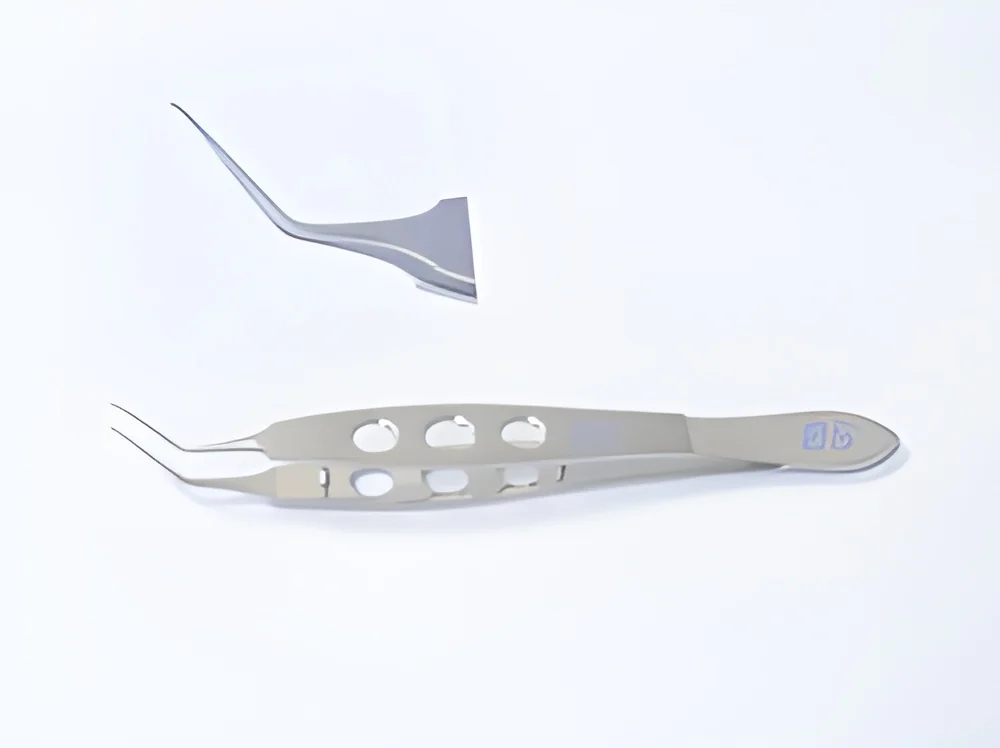
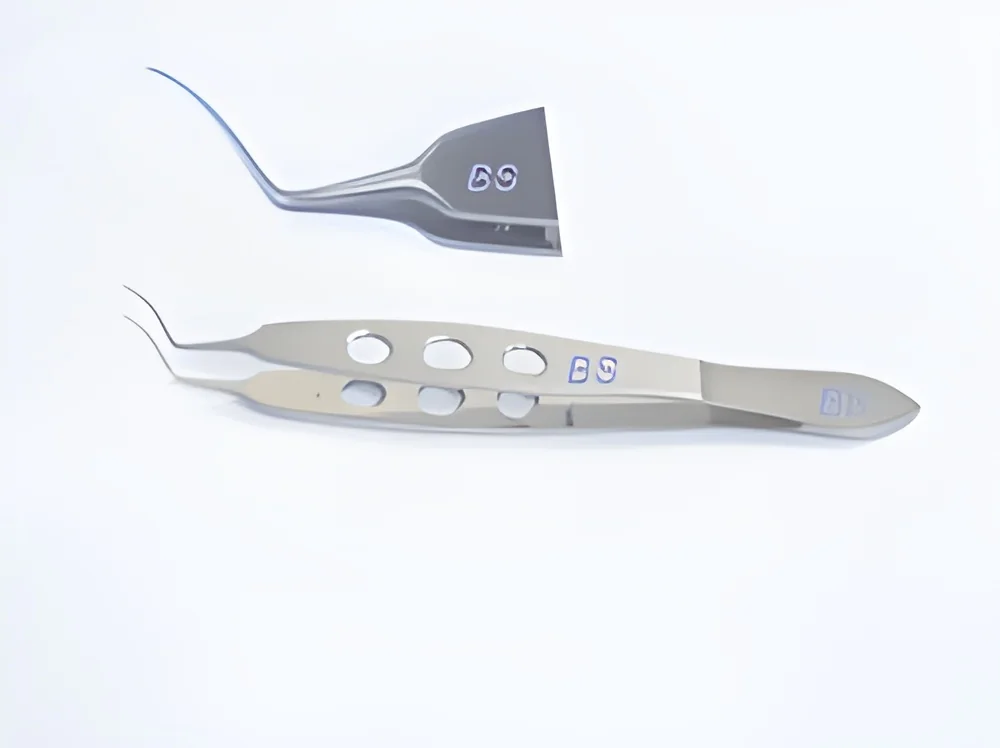
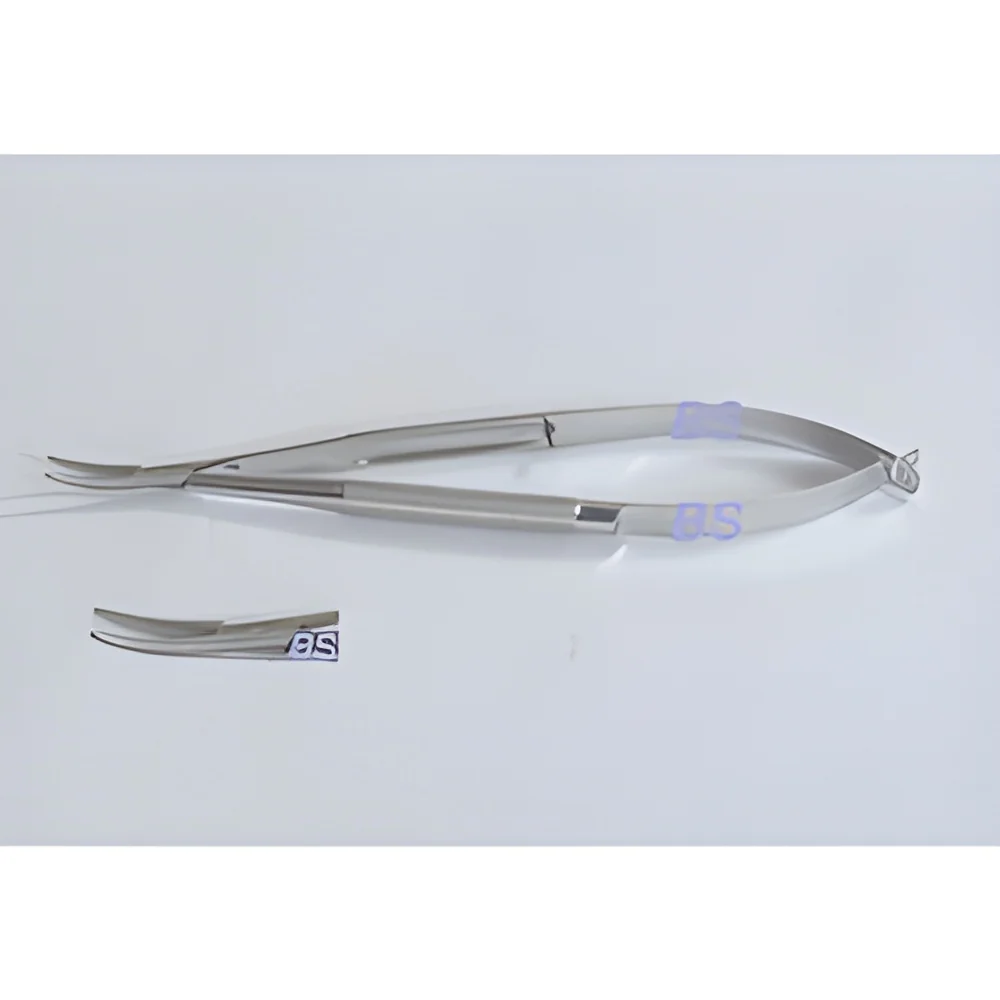
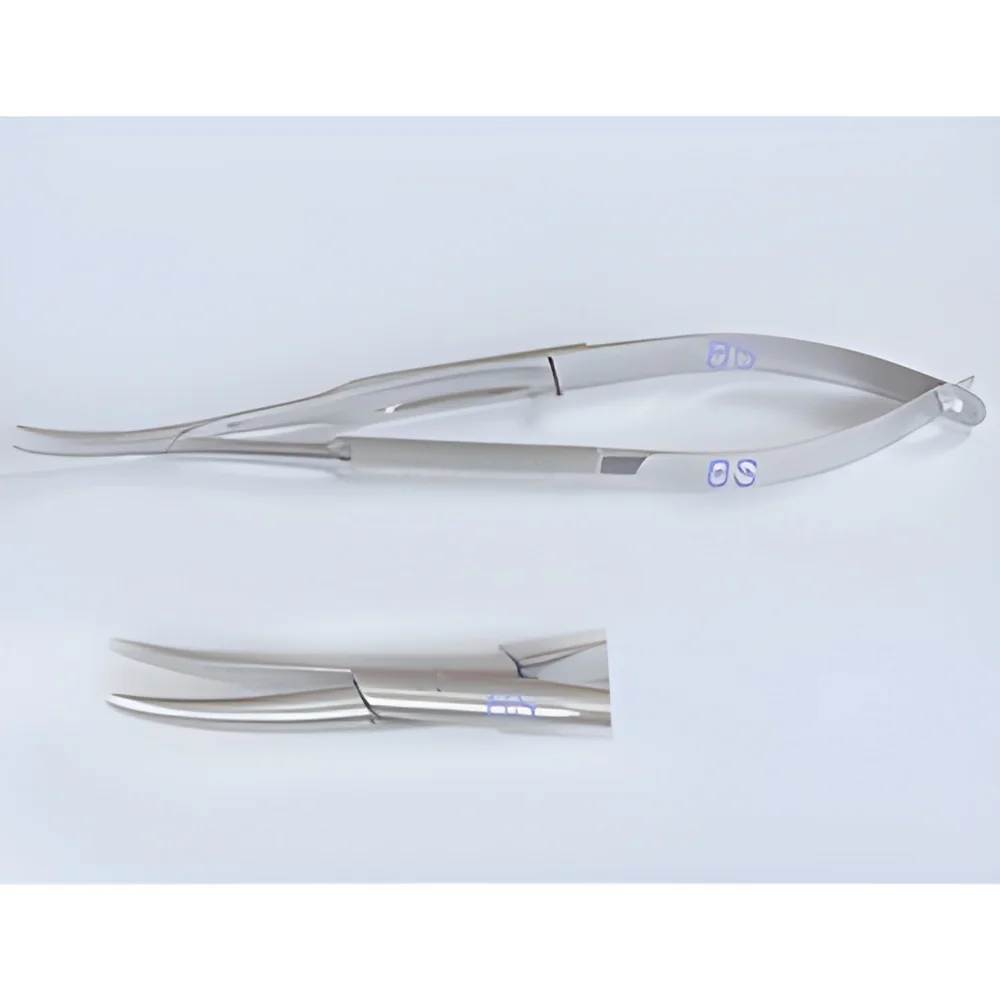
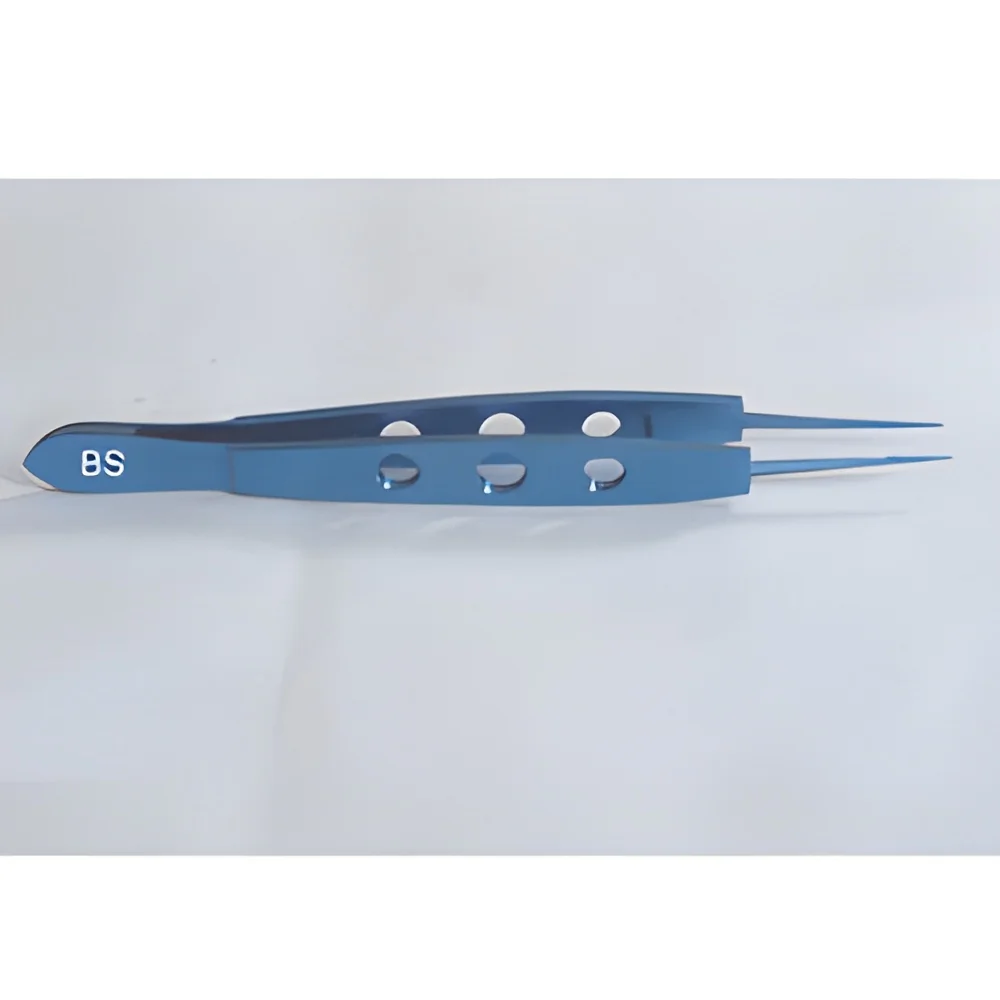
The Surgical Harms Tying Forceps represent a pinnacle of surgical instrument design, specifically created for procedures demanding utmost precision and control. Manufactured from medical-grade titanium, these forceps feature a carefully engineered curved profile with finely serrated jaws that provide surgeons with exceptional tactile feedback and secure grip during delicate tissue handling and suture tying. The smooth jaw surfaces minimize trauma to biological tissues while maintaining reliable purchase on sutures, making them indispensable for operations where millimeter-level accuracy directly impacts patient outcomes. Every instrument undergoes rigorous quality verification to ensure consistent performance, meeting the exacting standards required in modern surgical environments where reliability cannot be compromised.

These tying forceps find essential application across a spectrum of medical specialties, each with unique technical demands. In ophthalmic surgery, they facilitate pr...
The Surgical Harms Tying Forceps represent a pinnacle of surgical instrument design, specifically created for procedures demanding utmost precision and control. Manufactured from medical-grade titanium, these forceps feature a carefully engineered curved profile with finely serrated jaws that provide surgeons with exceptional tactile feedback and secure grip during delicate tissue handling and suture tying. The smooth jaw surfaces minimize trauma to biological tissues while maintaining reliable purchase on sutures, making them indispensable for operations where millimeter-level accuracy directly impacts patient outcomes. Every instrument undergoes rigorous quality verification to ensure consistent performance, meeting the exacting standards required in modern surgical environments where reliability cannot be compromised.

These tying forceps find essential application across a spectrum of medical specialties, each with unique technical demands. In ophthalmic surgery, they facilitate precise suture placement in the confined spaces of the eye during corneal transplants and retinal procedures. Cardiovascular surgeons rely on them for vascular anastomosis work where secure knot tying on delicate vessels is critical. Plastic and reconstructive surgeons utilize their precision for tissue approximation in facial reconstruction and hand surgery. Neurosurgical teams value their ability to manipulate tissues with minimal trauma during brain and spinal procedures. General surgeons employ them for ligation tasks in abdominal, thoracic, and orthopedic operations, demonstrating their versatility as fundamental surgical tools across the medical field.

The business value of these forceps extends beyond their immediate surgical function to encompass long-term operational efficiency and cost-effectiveness for healthcare facilities. Their titanium construction provides exceptional durability and corrosion resistance, ensuring extended service life despite repeated sterilization cycles, thereby reducing replacement frequency and associated costs. The consistent performance minimizes the risk of instrument failure during critical procedures, supporting surgical teams in maintaining workflow efficiency and patient safety. Medical facilities benefit from reduced procedural interruptions and enhanced surgical outcomes, making these forceps a sound investment that contributes to overall healthcare service quality while supporting positive patient care experiences through reliable instrumentation.

Key Features:
- Medical-grade titanium construction offering superior strength-to-weight ratio and corrosion resistance
- Curved serrated jaw design providing enhanced control and secure grip in confined surgical spaces
- Smooth jaw surfaces engineered to minimize tissue trauma during delicate procedures
- Precision manufacturing ensuring consistent instrument balance, tension, and handling characteristics
- Rigorous quality control processes meeting international standards for surgical instruments

Benefits:
- Exceptional durability and longevity reducing replacement costs and supporting budget management
- Enhanced surgical precision and control contributing to improved procedural outcomes
- Reduced tissue trauma supporting faster patient recovery and better healing results
- Consistent performance across procedures minimizing learning curves for surgical teams
- Reliable construction ensuring instrument integrity through repeated sterilization cycles
Specifications
| Additional Information | |
|---|---|
| Country of Origin | India |
Application
The Harms Tying Forceps are engineered for exceptional control during intricate surgical tasks where precision is non-negotiable. Their curved serrated titanium jaws provide a secure grip on sutures and delicate tissues while minimizing trauma, making them ideal for operations in confined anatomical spaces. The instrument's design balances fine manipulation with reliable performance, supporting surgeons through complex procedures with consistent handling characteristics.
These specialized forceps serve across numerous surgical disciplines, from microsurgery to general operating theaters. The titanium material ensures durability without adding weight, reducing hand fatigue during lengthy operations. Their construction resists corrosion from repeated sterilization, maintaining performance across countless procedures. The serrated jaws offer tactile feedback while preventing slippage, crucial when working with fine sutures and fragile biological structures.
- Ophthalmic surgery for precise suture placement in corneal transplants and cataract procedures
- Cardiovascular operations for tying delicate vessels during bypass and anastomosis surgeries
- Plastic and reconstructive procedures for meticulous tissue approximation and wound closure
- Neurosurgical interventions requiring minimal manipulation of neural tissues
- General surgical ligation tasks in abdominal, thoracic, and orthopedic operations
Trade Details
| Available Stock | In Stock |
| Sample Availability | No |
Payment Terms
| Payment Terms |
|
Company Profile

Bharati Surgical Co, Maharashtra
 Maharashtra, India
Health & Personal Care•Manufacturer•Distributor / Wholesaler•Importer / Exporter
Factory Details
Factory SizeBelow 1000 sqm
Annual Production Capacity0
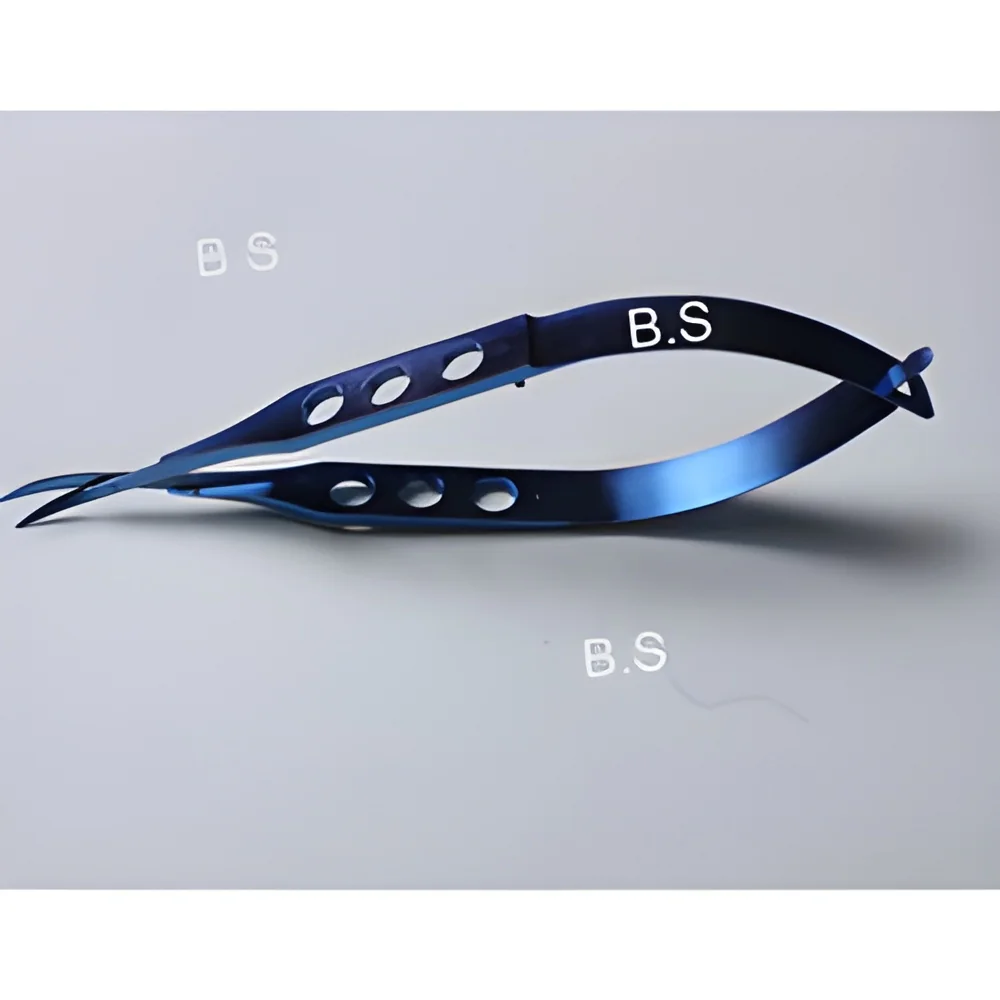
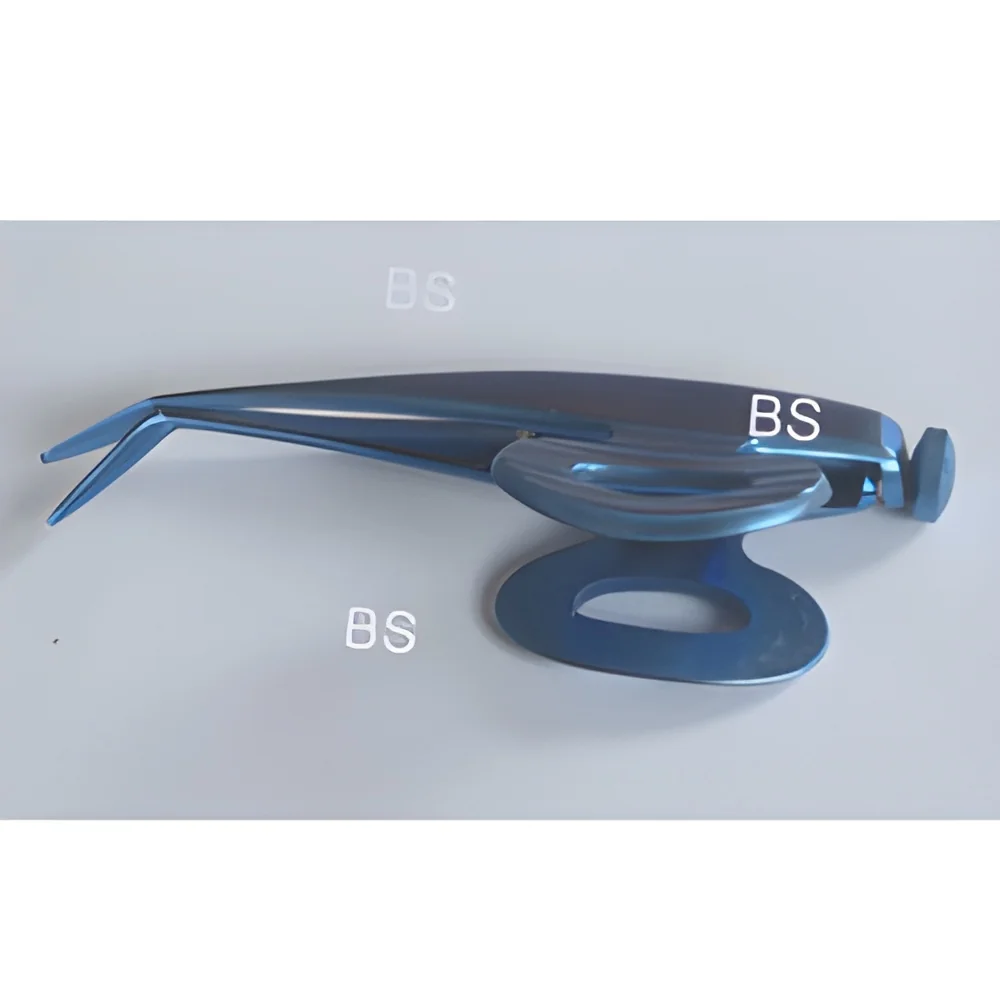
Surgical Harms Tying Forceps Titanium Curved Serrated Jaws
Surgical Harms Tying Forceps feature titanium construction with curved serrated jaws for precise tissue handling and suture tying in delicate medical procedures, offering reliable quality for healthcare professionals.
Min. Order Quantity: 1 unit
Shipping
Shipping fee and delivery date to be negotiated. Contact supplier now for more details.
Bharati Surgical Co
 Maharashtra, India
Health & Personal CareManufacturer