IN
IN₹
Apparel & Fashion
Description
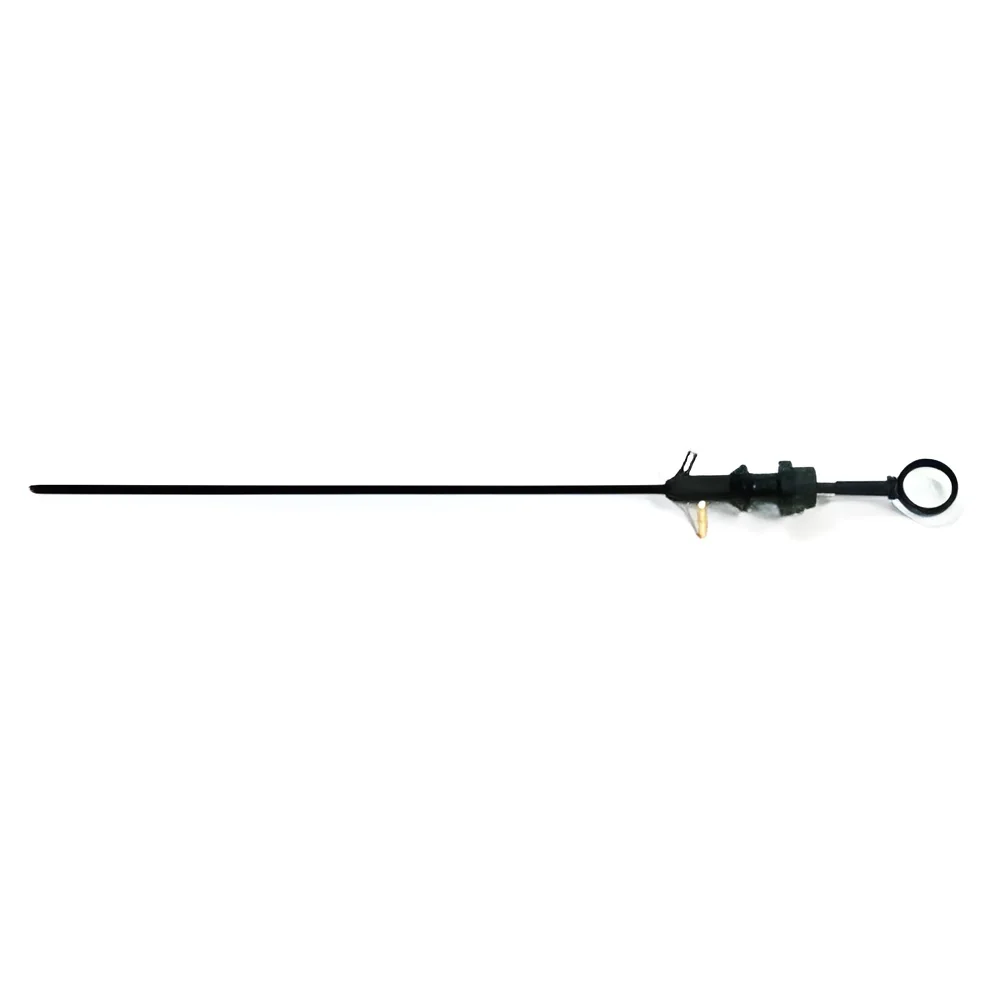
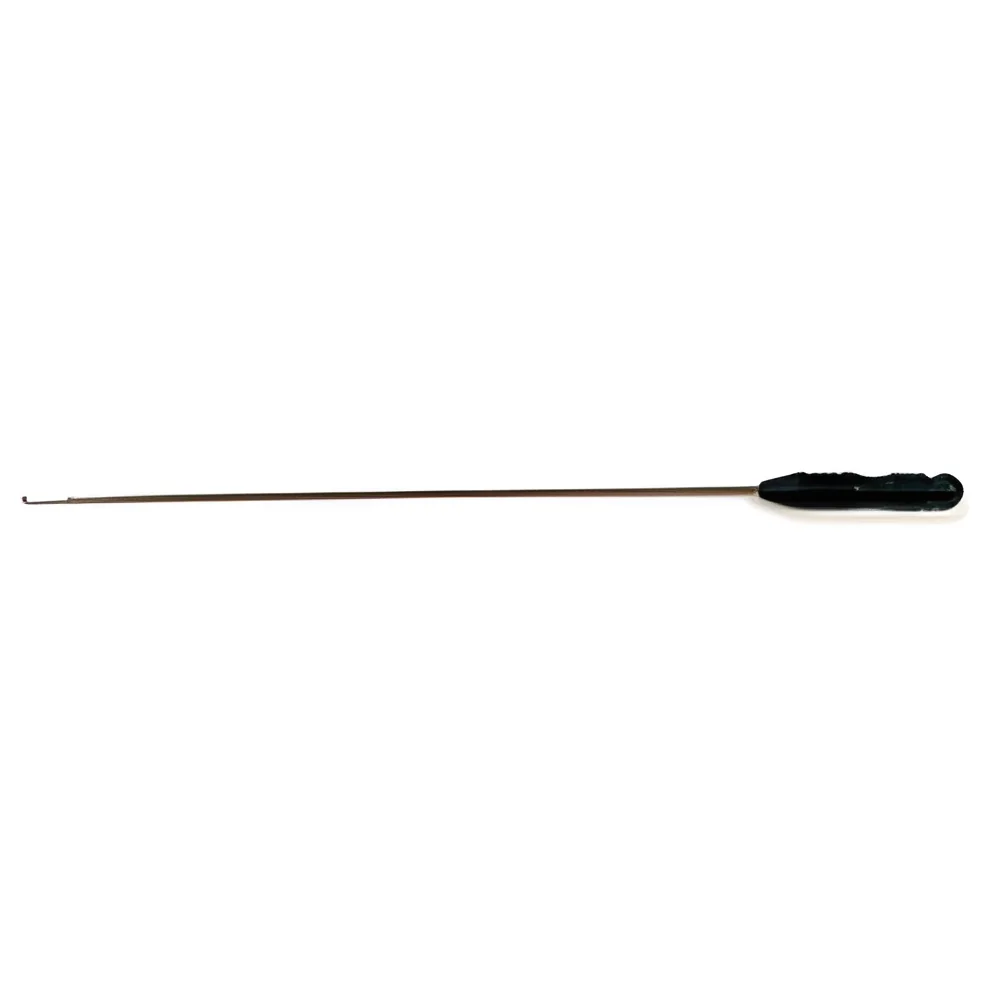
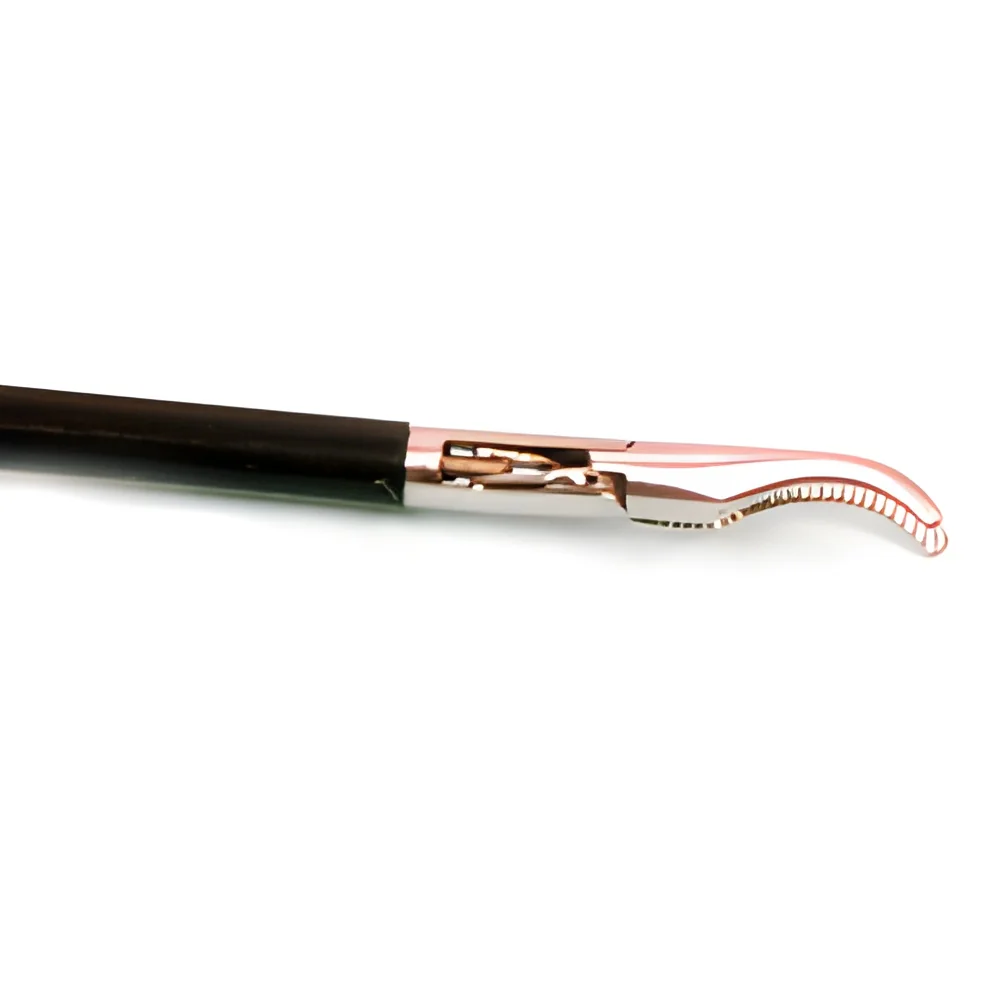
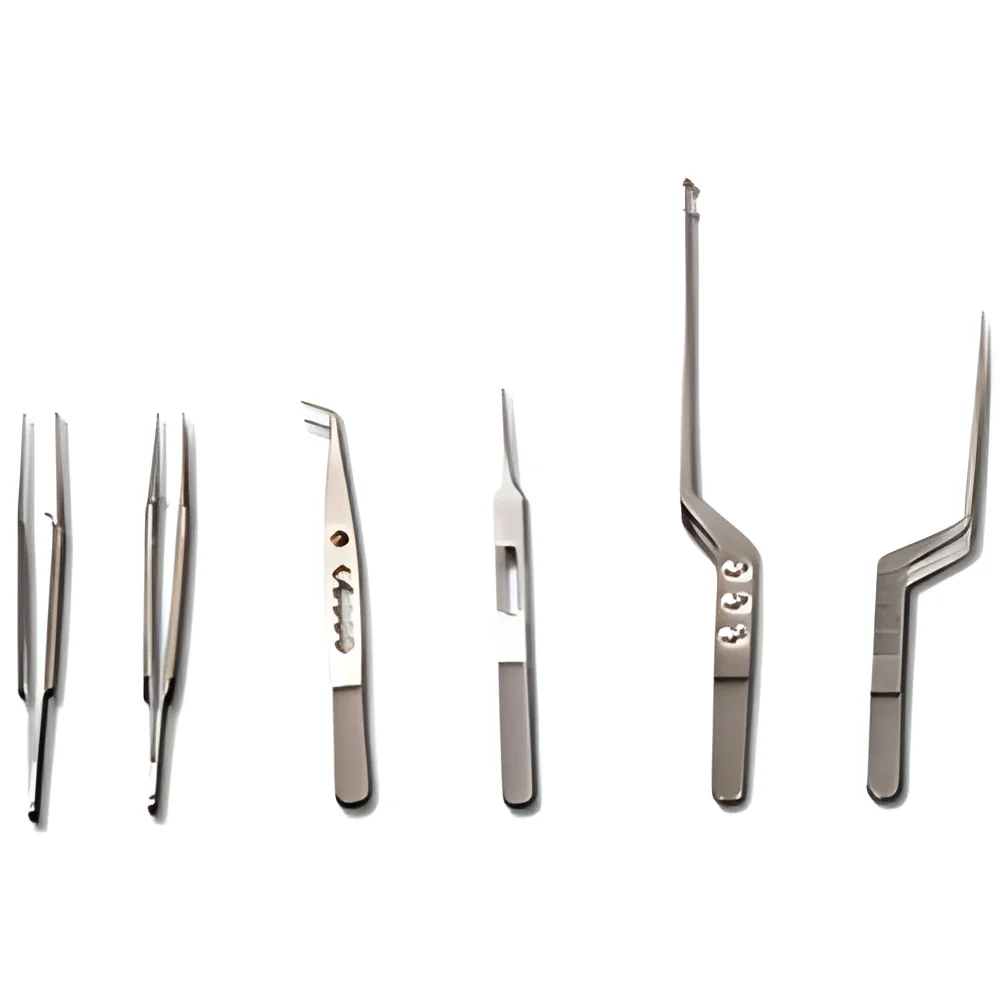
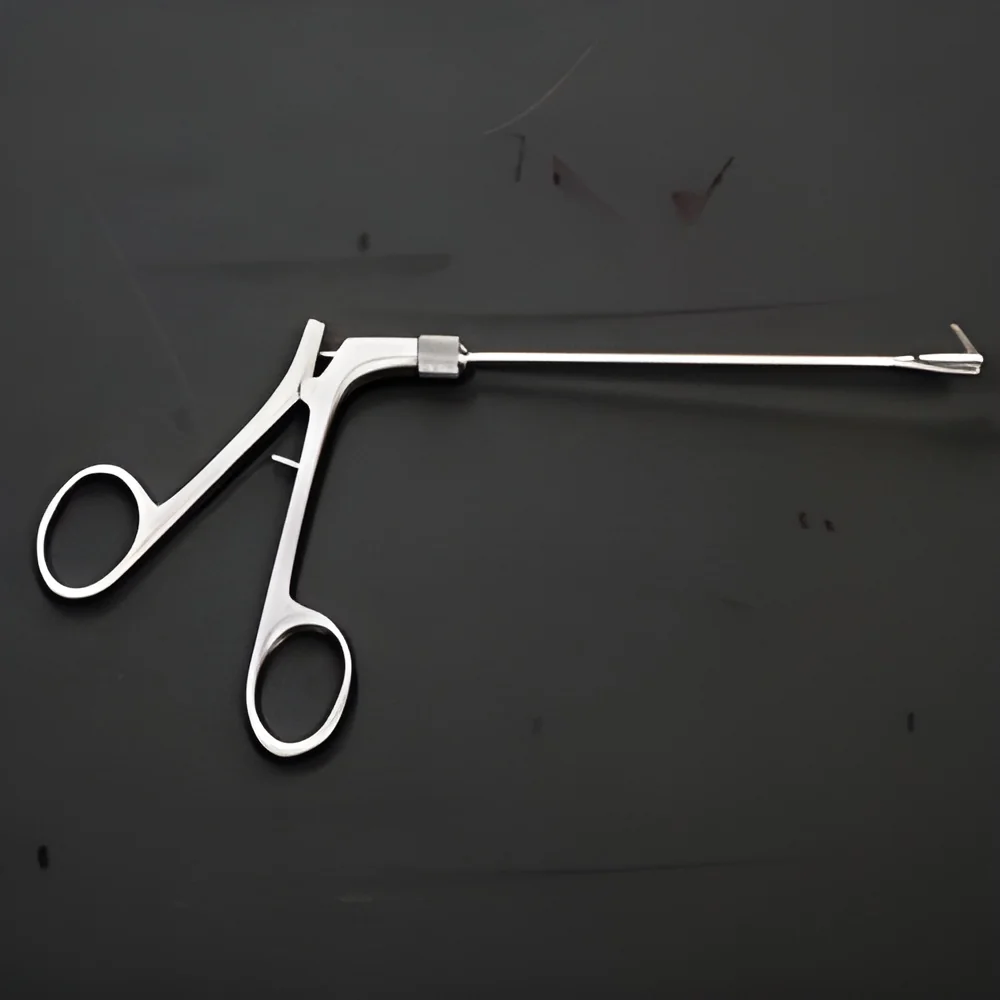
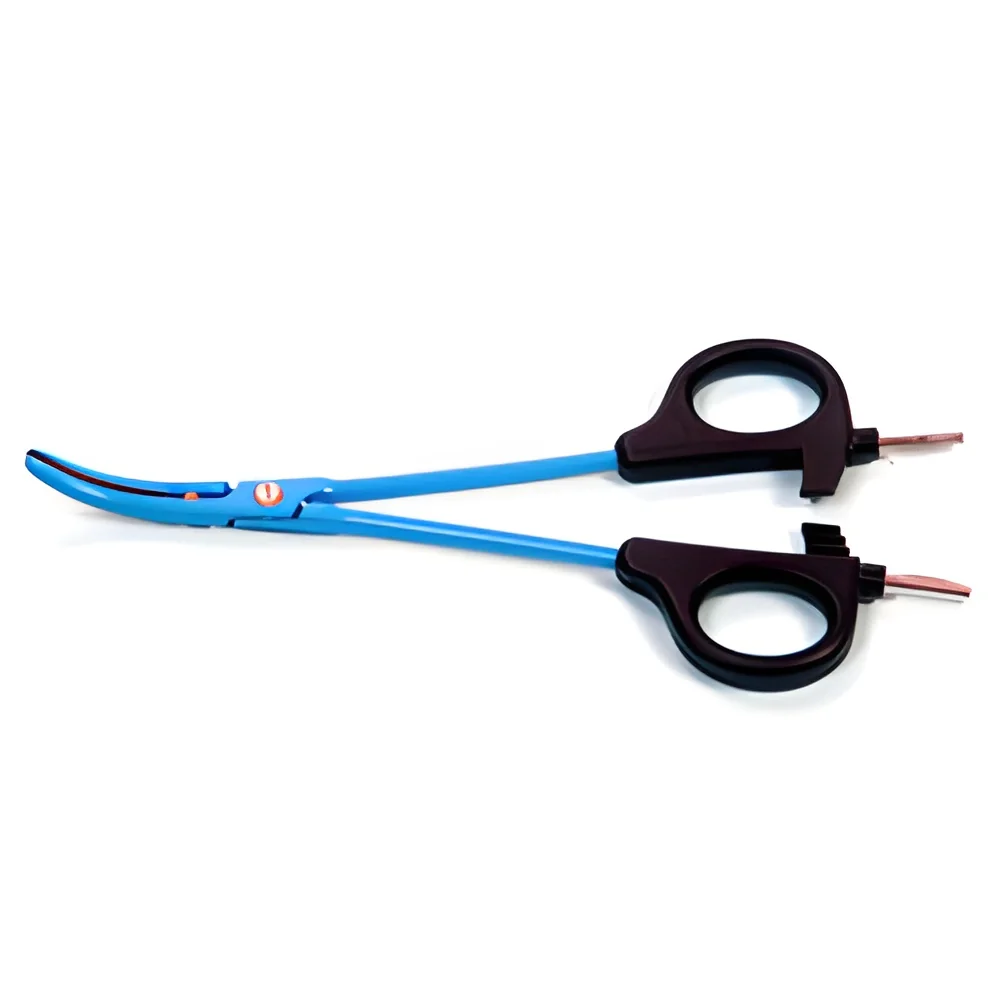
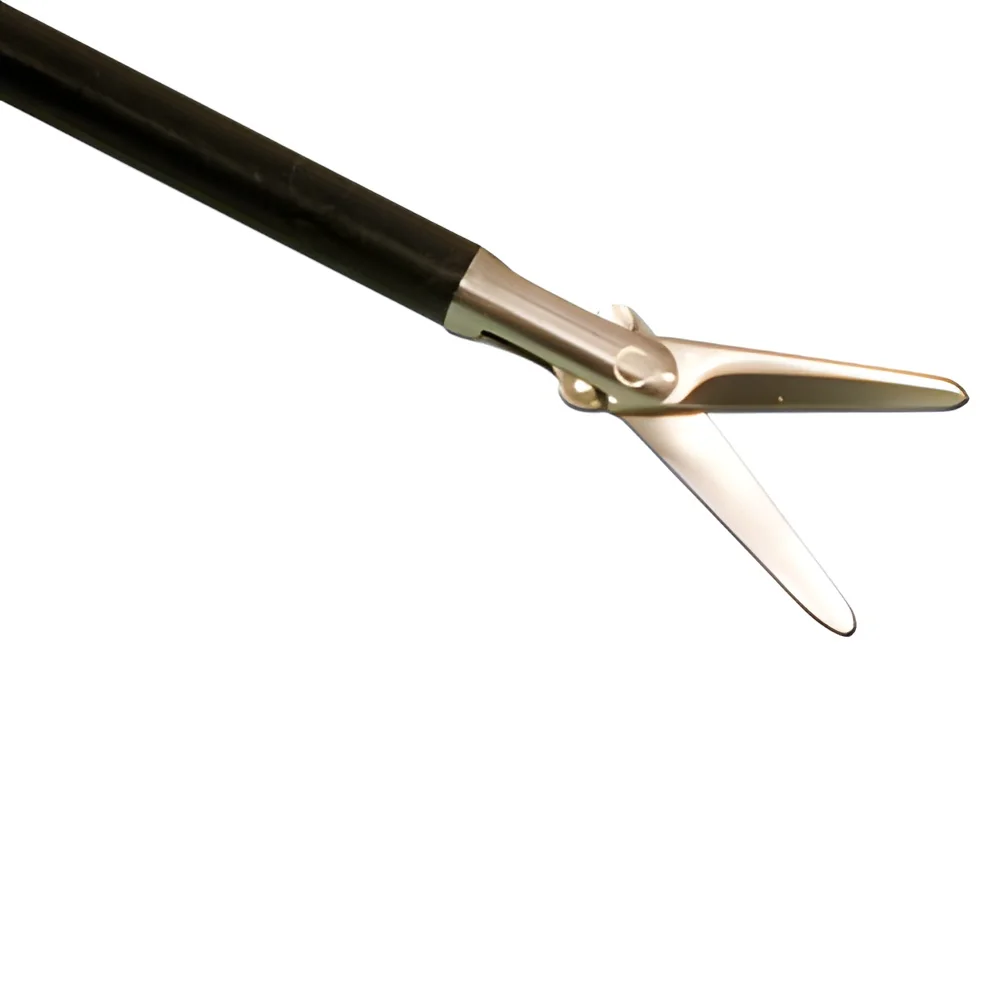
Surgical dissecting forceps represent essential instruments for professionals requiring absolute precision in tissue manipulation. Manufactured from premium materials including medical-grade stainless steel, carbon steel, or titanium, each pair undergoes comprehensive quality control processes to ensure flawless performance. The instruments are designed with meticulous attention to detail, from the precise alignment of tips to the balanced weight distribution in the handles. This commitment to quality results in tools that provide consistent, reliable performance procedure after procedure, meeting the exacting standards of modern medical and laboratory environments. The materials selected offer distinct advantages: stainless steel for excellent corrosion resistance, carbon steel for superior edge retention, and titanium for exceptional strength-to-weight ratio.

These forceps serve critical functions across numerous professional sectors. In hospital operating rooms and outpatient surgi...
Surgical dissecting forceps represent essential instruments for professionals requiring absolute precision in tissue manipulation. Manufactured from premium materials including medical-grade stainless steel, carbon steel, or titanium, each pair undergoes comprehensive quality control processes to ensure flawless performance. The instruments are designed with meticulous attention to detail, from the precise alignment of tips to the balanced weight distribution in the handles. This commitment to quality results in tools that provide consistent, reliable performance procedure after procedure, meeting the exacting standards of modern medical and laboratory environments. The materials selected offer distinct advantages: stainless steel for excellent corrosion resistance, carbon steel for superior edge retention, and titanium for exceptional strength-to-weight ratio.

These forceps serve critical functions across numerous professional sectors. In hospital operating rooms and outpatient surgical centers, they facilitate delicate dissections during procedures ranging from general surgery to specialized fields like ophthalmology and neurosurgery. Research institutions and diagnostic laboratories utilize them for precise sample preparation, histological work, and experimental procedures where accuracy directly impacts results. Educational facilities incorporate them into anatomy and biology curricula to train future medical professionals. Veterinary clinics and animal research facilities rely on their durability for procedures on various species. Additionally, pharmaceutical companies and forensic laboratories employ these tools for detailed examinations where precision handling is paramount to success and safety.

Choosing these dissecting forceps delivers tangible operational advantages through enhanced reliability and reduced long-term costs. The superior material construction and manufacturing precision minimize instrument failure during critical moments, supporting better procedural outcomes and reducing risks. Their durability translates to fewer replacements and consistent performance over extended periods, providing excellent return on investment. The ergonomic design promotes user comfort during lengthy procedures, potentially reducing hand fatigue and improving precision. These instruments support efficient workflows by performing reliably under demanding conditions, allowing professionals to focus on their work with confidence in their tools.

Key Features:
- Constructed from medical-grade stainless steel, carbon steel, or titanium for optimal performance characteristics.
- Precision-engineered tips ensure accurate tissue grasping and manipulation without slippage.
- Ergonomic handle design with textured grip reduces hand fatigue during prolonged procedures.
- Compatible with standard sterilization methods including autoclaving for infection control.
- Rigorous quality testing at multiple production stages guarantees consistency and reliability.

Benefits:
- Enhanced procedural precision through reliable instrument performance and control.
- Reduced long-term costs due to durable construction and resistance to wear.
- Improved user comfort during extended procedures through ergonomic design considerations.
- Consistent sterilization compatibility supports infection control protocols.
- Trustworthy performance in critical applications minimizes procedural risks.
Specifications
| Additional Information | |
|---|---|
| Country of Origin | India |
Application
These precision dissecting forceps are engineered for delicate tissue handling in critical environments where accuracy is non-negotiable. Their robust construction from medical-grade materials ensures they withstand repeated sterilization cycles and maintain sharpness for consistent performance across countless procedures. The ergonomic design minimizes operator fatigue during extended use, making them suitable for complex surgical operations and detailed laboratory work.
Versatile across multiple professional fields, these instruments meet the demanding requirements of modern healthcare and scientific research. From intricate surgical dissections to precise sample preparation, they provide the control needed for successful outcomes. Their reliability makes them indispensable tools for professionals who cannot afford instrument failure during sensitive tasks, supporting workflows in both routine and specialized applications.
- General and specialized surgical procedures requiring fine tissue dissection and manipulation.
- Research laboratory applications for precise handling and preparation of biological specimens.
- Medical and biological education programs for teaching anatomy and dissection techniques.
- Veterinary surgical practices for delicate procedures on various animal species.
- Forensic pathology and examination where meticulous evidence handling is essential.
Trade Details
| Available Stock | In Stock |
| Sample Availability | No |
Payment Terms
| Payment Terms |
|
Company Profile

Bharat Surgical Co, Maharashtra
 Maharashtra, India
Maharashtra, IndiaManufacturer•Distributor / Wholesaler
Factory Details
Factory SizeBelow 1000 sqm
Annual Production Capacity0
Surgical Dissecting Forceps Stainless Steel Carbon Steel Titanium
Surgical dissecting forceps crafted from stainless steel, carbon steel, or titanium for precise tissue manipulation in medical and laboratory procedures, featuring rigorous quality testing for reliable performance.
Min. Order Quantity: 1 unit
Shipping
Shipping fee and delivery date to be negotiated. Contact supplier now for more details.
Bharat Surgical Co
 Maharashtra, India
Maharashtra, IndiaManufacturer