
 IN
Energy Meters (Single/Three Phase)
31 products available
Key Features and Specifications
Energy meters offer a range of features and specifications that cater to various industrial needs. These devices are designed to provide precise measurements and facilitate effective energy management. Understanding these specifications is essential for B2B buyers looking to invest in reliable energy meters.
Key specifications include:
1. Voltage Range
- Typically ranges from 220V to 480V for single-phase and three-phase meters.
- Allows compatibility with different electrical systems.
2. Current Rating
- Standard ratings can vary from 5A to 100A.
- Ensures accurate measurement across different load conditions.
3. Accuracy Class
- Common classes include 1.0 and 2.0, indicating the level of precision.
- Higher accuracy classes are preferred for critical applications.
4. Communication Protocol
- Supports various protocols such as Modbus and RS-485.
- Facilitates integration with building management systems.
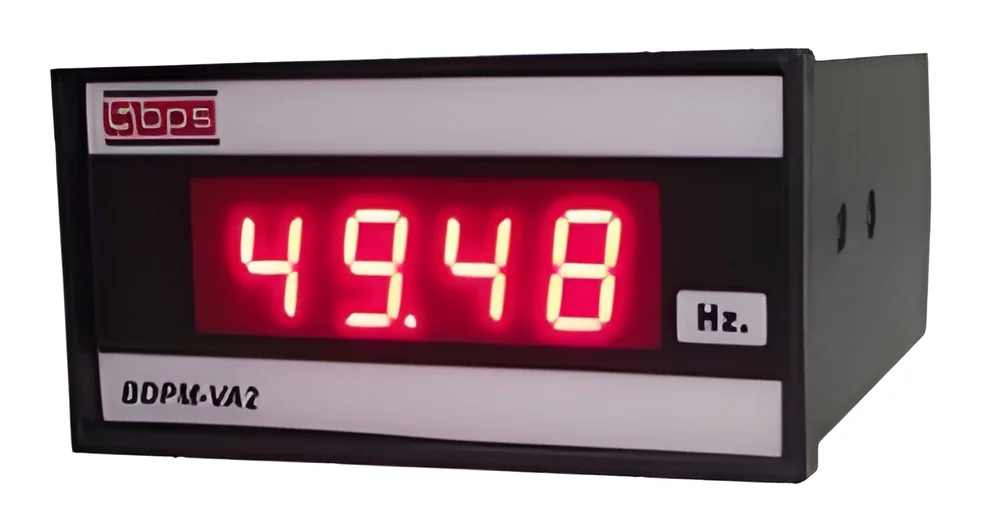
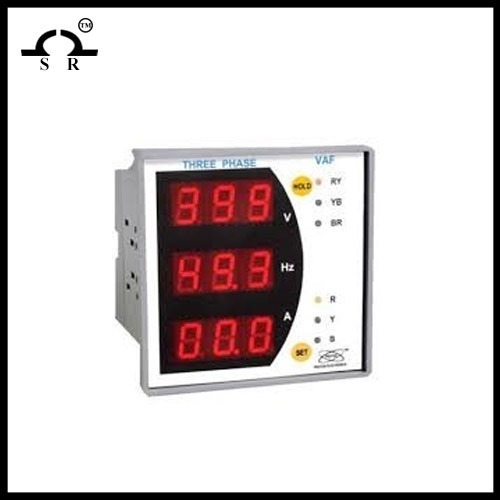
5. Display Type
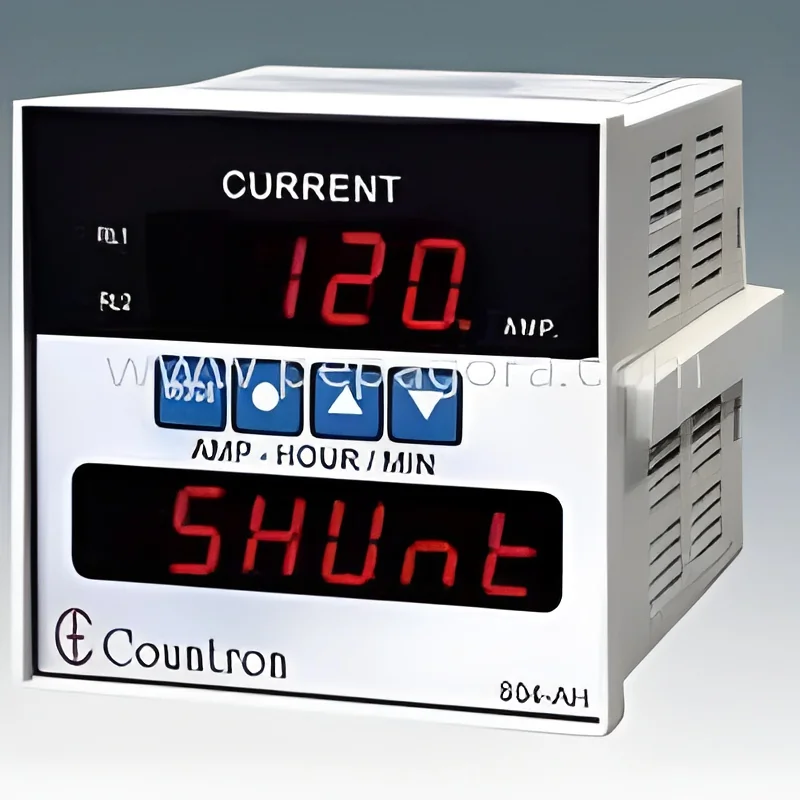
- Options include digital LCD and LED displays.
- Provides clear visibility of energy consumption data.
6. Measurement Parameters
- Includes voltage, current, power factor, and total energy.
- Enables comprehensive energy analysis.
7. Installation Type
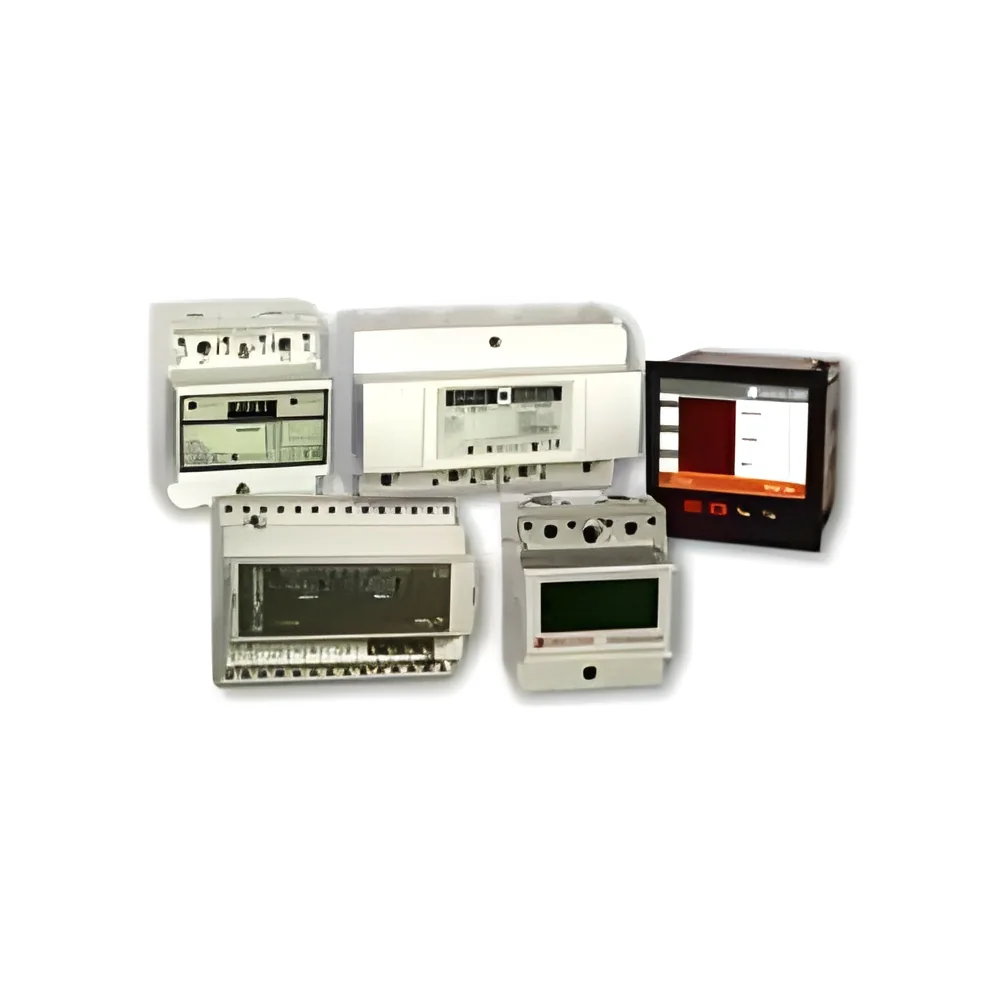
- Available in both panel-mounted and din-rail formats.
- Offers flexibility in installation based on user requirements.
8. Operating Temperature
- Standard operating temperature ranges from -10°C to 60°C.
- Ensures reliable performance in diverse environments.
These features make energy meters a crucial component of energy management systems, providing businesses with the tools needed to monitor and optimize their energy use.
Common Applications and Use Cases
Energy meters are utilized across various industries, each leveraging the technology to enhance energy management and efficiency.
1. Manufacturing: In manufacturing facilities, energy meters help monitor machine performance and energy consumption, allowing for timely maintenance and operational improvements.
2. Construction: Construction sites use energy meters to track power usage on-site, ensuring budget adherence and identifying areas for energy savings during the building process.
3. Utilities: Utility companies rely on energy meters for accurate billing and to monitor energy distribution, which helps in demand forecasting and grid management.
4. Commercial Buildings: In office buildings, energy meters play a critical role in energy reporting and tenant billing, promoting energy conservation practices among occupants.
5. Agriculture: Agricultural facilities utilize energy meters to monitor irrigation systems and equipment, ensuring efficient energy usage and reducing operational costs.
6. Data Centers: Data centers require precise energy monitoring to ensure optimal performance and reliability, with energy meters providing insights into power consumption patterns.
7. Retail: Retail establishments use energy meters to manage energy consumption of lighting and HVAC systems, contributing to cost savings and sustainability efforts.
Product Variants and Subcategories
Energy meters come in various variants designed to meet specific needs and applications.
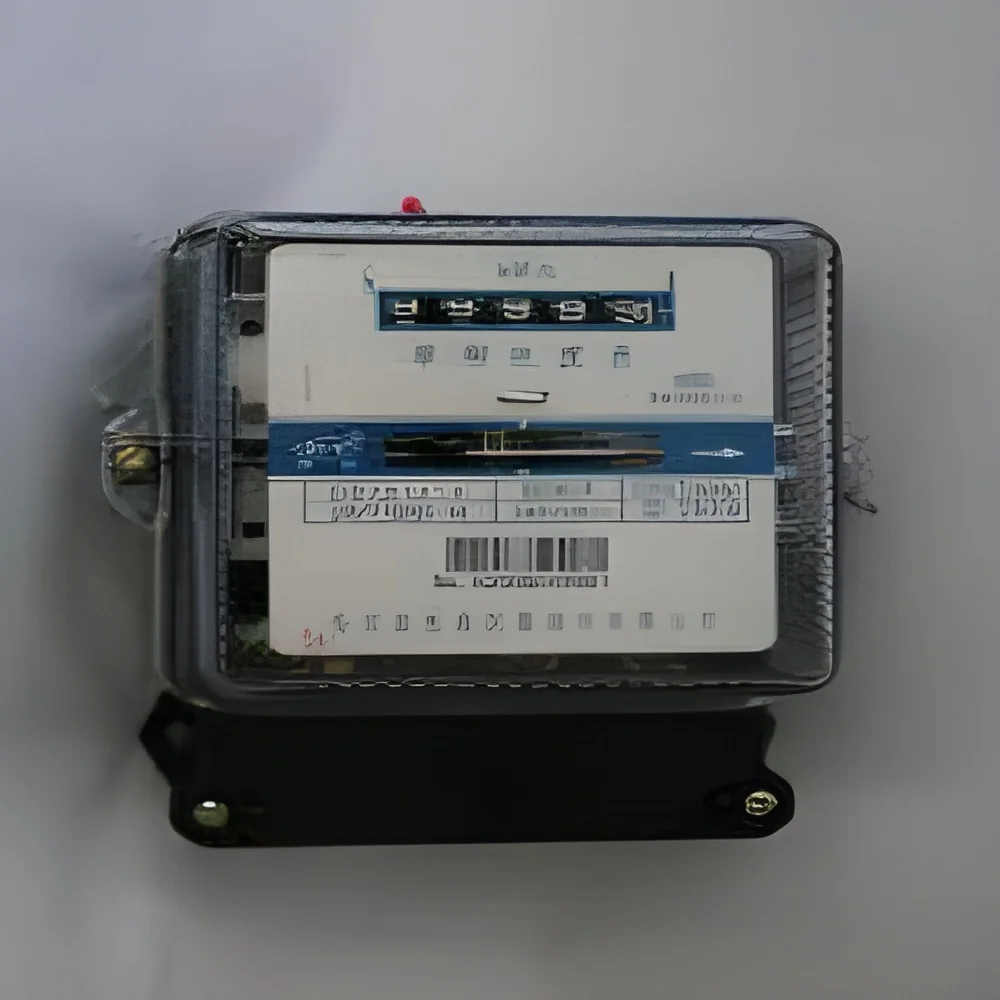
Single-Phase Energy Meters: These meters are designed for residential and small commercial applications. They measure energy consumption accurately and are generally easy to install.
Three-Phase Energy Meters: Ideal for larger industrial and commercial applications, these meters provide comprehensive monitoring of three-phase power systems, offering detailed insights into energy consumption patterns.
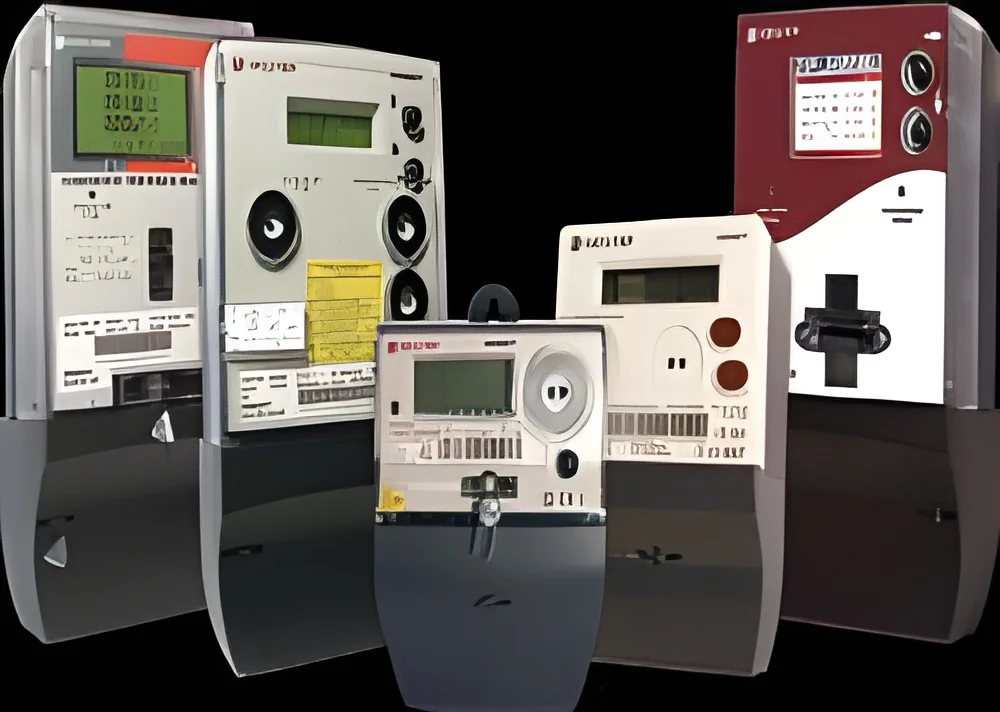
Smart Energy Meters: These advanced meters feature connectivity options, allowing for remote monitoring and data analysis. They support energy management systems and promote energy efficiency initiatives.
Digital Energy Meters: These meters provide clear digital displays of energy consumption, making it easier for users to read and understand their energy usage.
Analog Energy Meters: Though less common today, analog meters are still used in some applications for their simplicity and reliability.
Benefits and Advantages
Investing in energy meters brings several key benefits for businesses looking to enhance their energy management.
1. Enhanced Efficiency: Energy meters enable businesses to identify inefficiencies in energy usage, allowing for targeted improvements.
2. Cost Savings: By monitoring energy consumption closely, businesses can reduce waste and lower their utility bills.
3. Regulatory Compliance: Accurate energy measurement helps businesses comply with energy regulations and reporting requirements.
4. Data-Driven Decisions: Energy meters provide critical data that supports informed decision-making regarding energy usage and management strategies.
5. Sustainability Goals: With precise monitoring, businesses can track their progress towards sustainability and carbon reduction goals.
6. Improved Maintenance: Continuous monitoring of energy usage can help identify equipment issues early, allowing for proactive maintenance and reducing downtime.
Buying Guide for B2B Buyers
When sourcing energy meters, B2B buyers should consider several essential factors to ensure they make informed purchasing decisions.
1. Quality Assessment: Evaluate the quality of energy meters based on manufacturer reputation and product reviews. Look for devices that meet industry standards for accuracy and reliability.
2. Supplier Verification: Conduct thorough research on potential suppliers. Check for certifications, customer feedback, and their history in the market to ensure they are trustworthy.
3. Pricing and MOQ: Compare pricing across different suppliers while considering the minimum order quantity (MOQ). Ensure that the cost aligns with your budget and needs.
4. Delivery and Lead Times: Inquire about the expected delivery times for your order. Timely delivery is crucial to prevent disruptions in operations.
5. Compliance Requirements: Verify that the energy meters comply with relevant local and international standards. This ensures safety and reliability in their operation.
Compliance and Certifications
Energy meters must adhere to various quality standards and certifications to ensure their reliability and accuracy. Common standards include ISO 9001, which outlines quality management systems, and CE marking, indicating compliance with European safety requirements.
Safety and testing requirements are critical in the manufacturing of energy meters. These devices undergo rigorous testing to ensure they operate safely under specified conditions. Compliance with regional regulations is also essential, as different areas may have specific requirements for electrical devices.
Buyers should ensure that the energy meters they source meet these compliance standards, as it reflects the quality and reliability of the product. This is vital for industries where precise energy measurement is necessary for operational efficiency and regulatory adherence.
Why Source Energy Meters (Single/Three Phase) from Pepagora?
Pepagora offers a trusted platform for sourcing energy meters with numerous advantages for B2B buyers.
Verified Supplier Network: Pepagora ensures that all suppliers are thoroughly vetted, providing buyers with confidence in the quality and reliability of the products offered.
Streamlined RFQ Process: The request for quotation (RFQ) process is designed to be user-friendly, allowing buyers to easily request quotes from multiple suppliers to compare pricing and features.
Trade Assurance and Support: Pepagora provides trade assurance, protecting buyers from potential risks associated with transactions. Support teams are available to assist buyers throughout the purchasing process.
Regional Coverage: With a strong presence in India, the GCC, and Southeast Asia, Pepagora connects buyers with suppliers across these regions, facilitating access to a wide variety of energy meters tailored to local market needs.
By choosing Pepagora, businesses can enhance their energy management strategies while ensuring they source high-quality energy meters effectively.


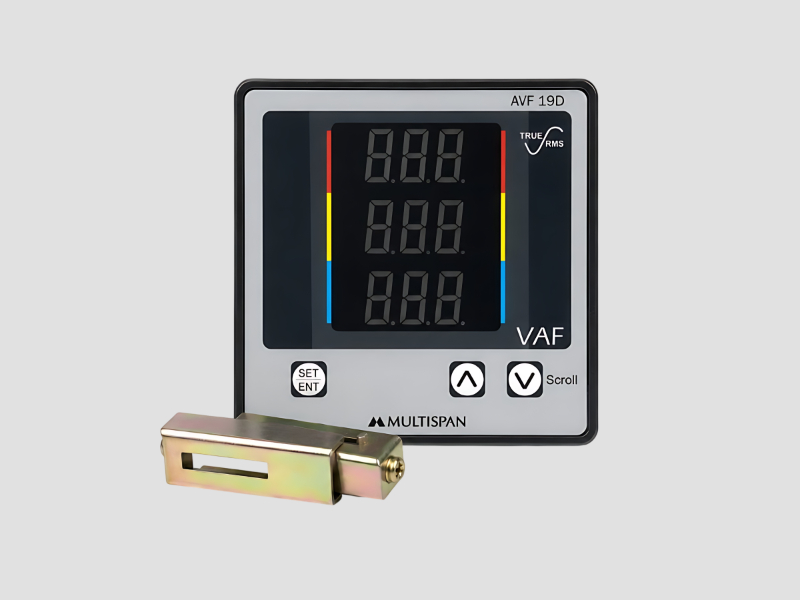
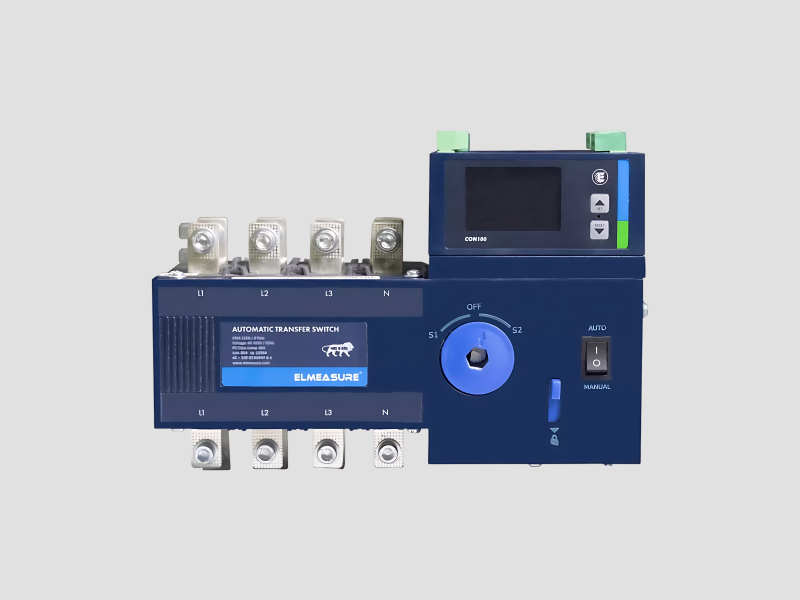


 India
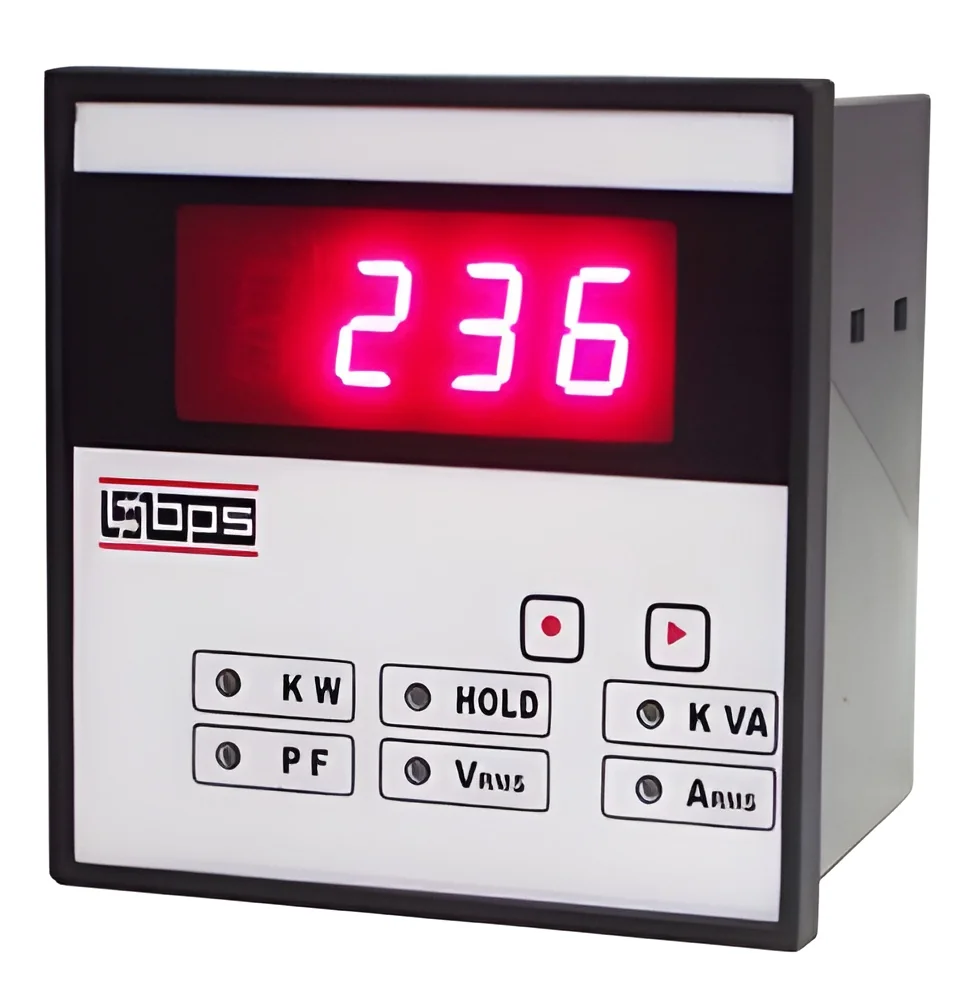
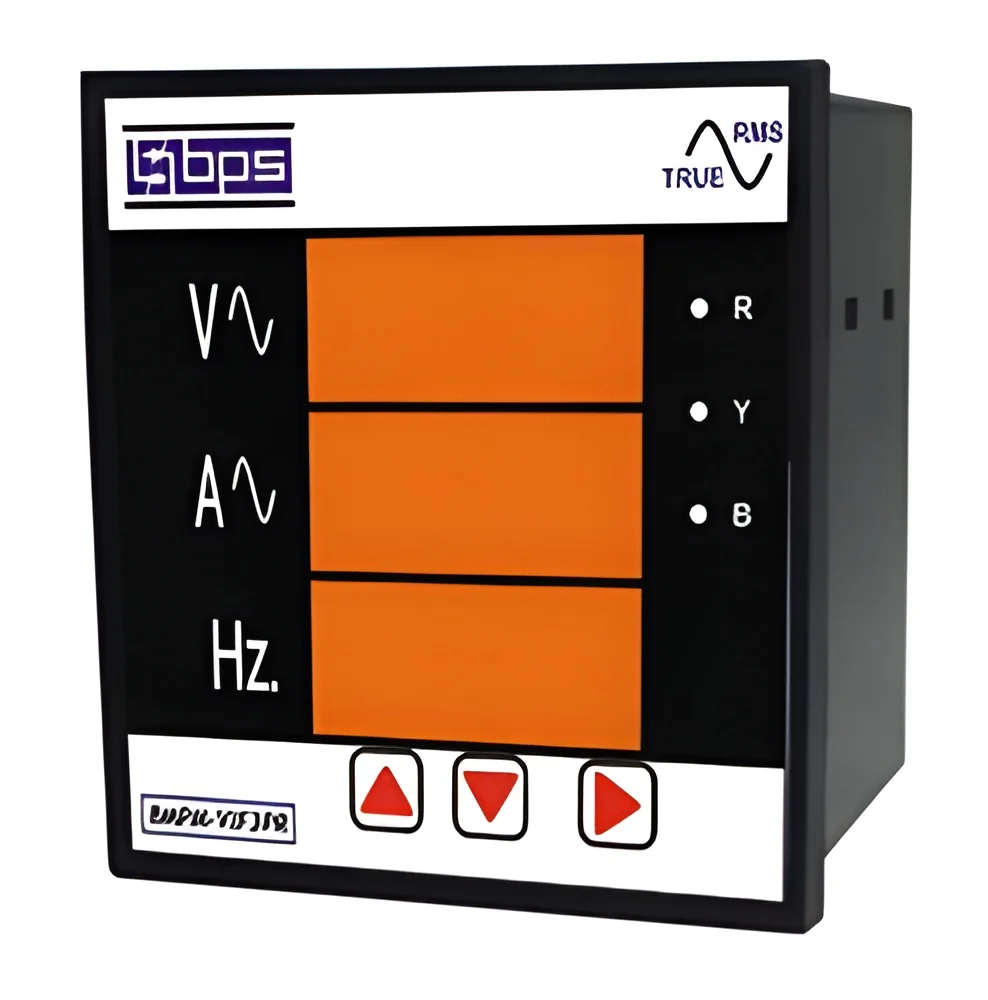
 India
 India
 India
 India
 India
 India
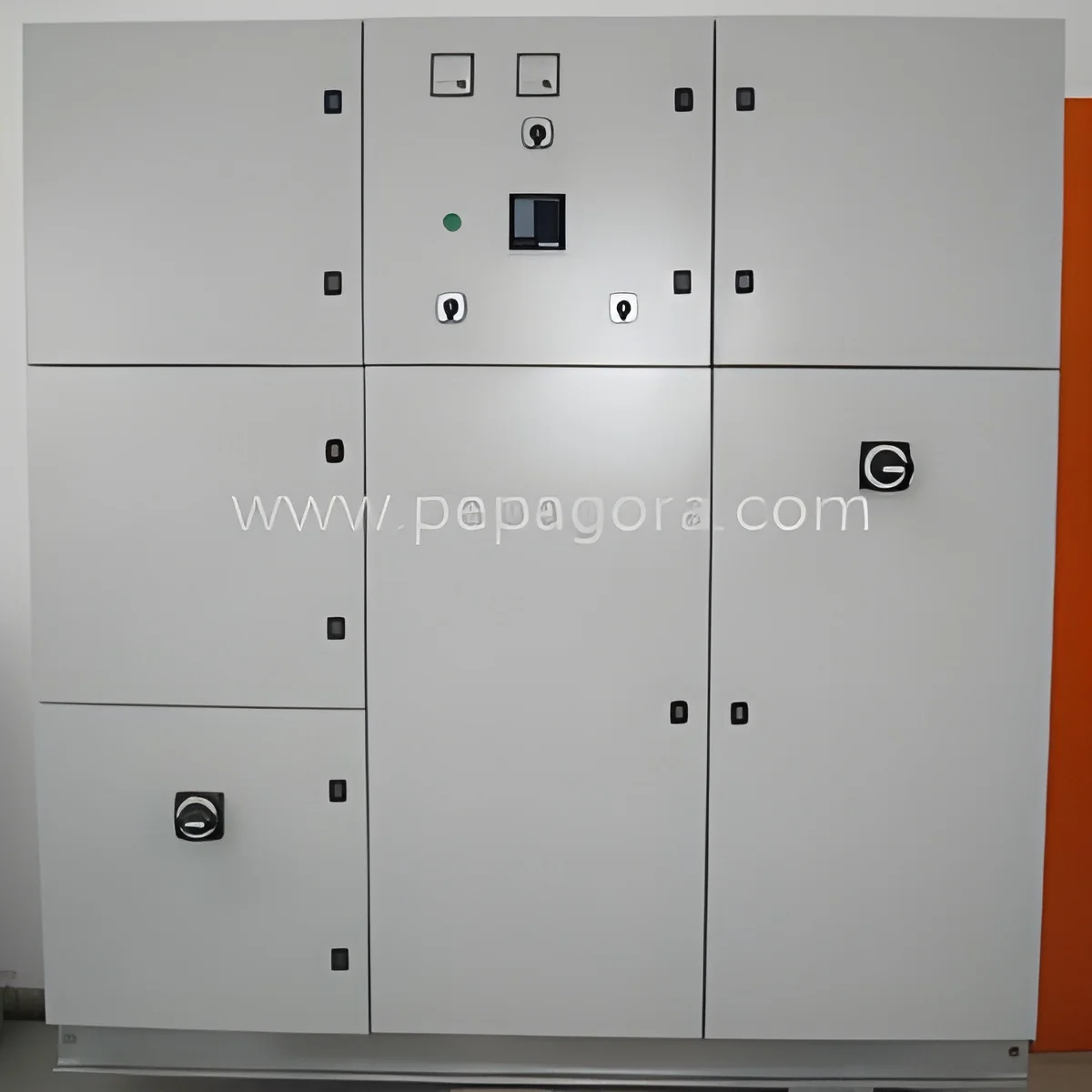 India
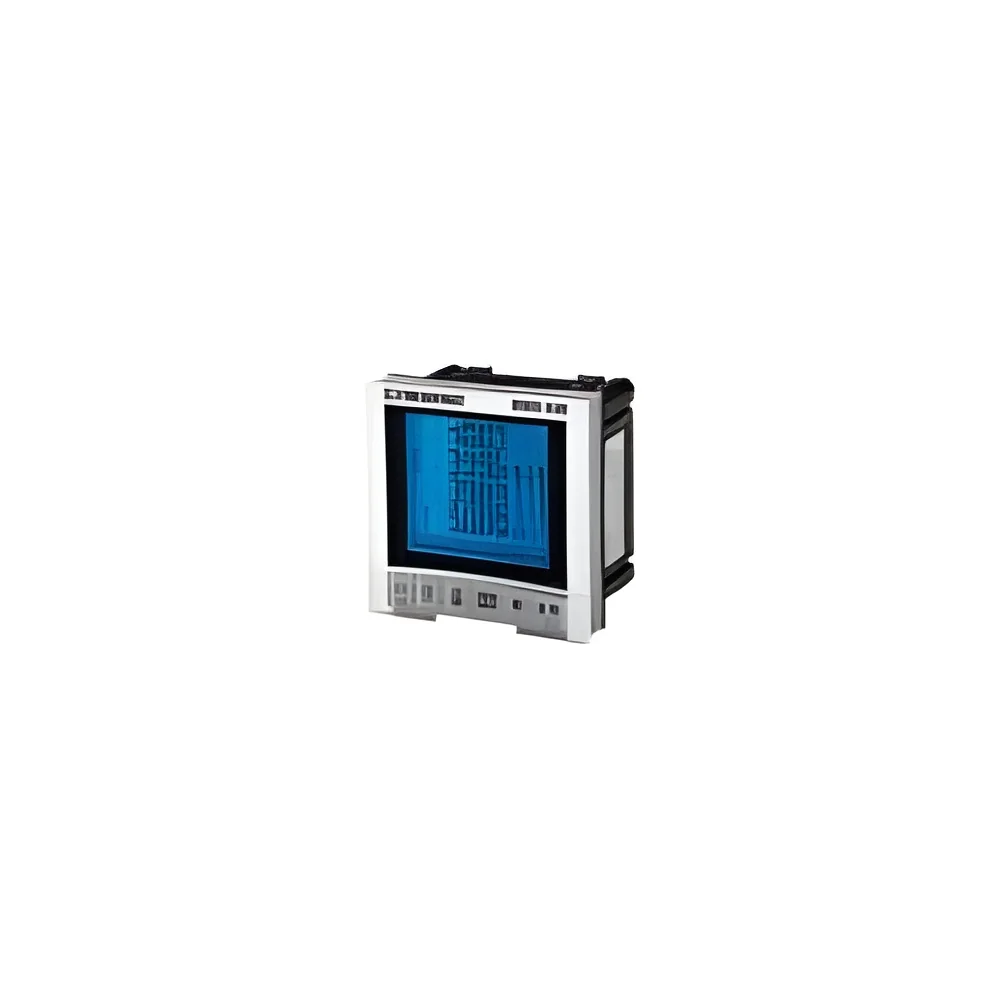 India
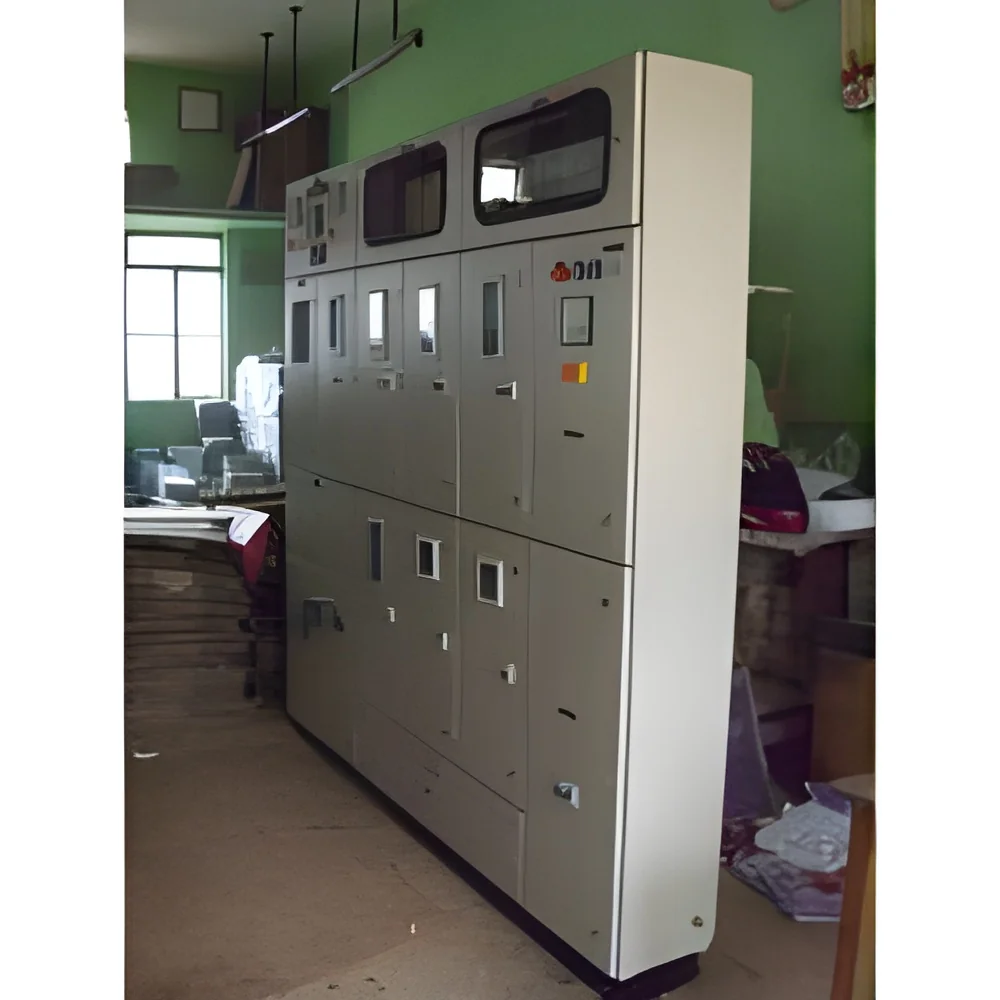
 India
 India
 India

Frequently Asked Questions
What are Energy Meters (Single/Three Phase)?
Energy meters (Single/Three Phase) are devices that measure the amount of electrical energy consumed by a residence, business, or an electrical device. Single-phase meters are generally used for residential and small commercial applications, while three-phase meters are utilized in larger commercial and industrial settings to measure energy usage more efficiently.
What are the different types of Energy Meters (Single/Three Phase)?
The primary types of energy meters are analog and digital meters. Analog meters use a dial to display energy consumption, while digital meters provide a numeric display and often include advanced features such as remote monitoring and data logging. Additionally, there are smart meters that allow for two-way communication between the meter and the utility provider.
How do I choose the right Energy Meters (Single/Three Phase)?
Choosing the right energy meter depends on factors like the type of electrical system, the load requirements, and the specific features needed. For residential purposes, a single-phase meter may suffice, whereas three-phase meters are suitable for industries with higher power demands. Additionally, consider the meter's accuracy, durability, and any regulatory compliance requirements.
What are the standard specifications for Energy Meters (Single/Three Phase)?
Standard specifications for energy meters typically include voltage rating, current rating, frequency, accuracy class, and temperature range. For three-phase meters, specifications may also involve phase configuration and connection type. It's essential to ensure that the chosen meter meets the requirements set by local regulations and standards.
What is the price range for Energy Meters (Single/Three Phase)?
The price range for energy meters can vary widely based on type, features, and manufacturer. Single-phase meters generally range from INR 1,000 to INR 5,000, while three-phase meters can range from INR 5,000 to INR 20,000 or more, depending on the specifications and functionalities offered.
What quality standards apply to Energy Meters (Single/Three Phase)?
Energy meters must comply with international and national quality standards, such as ISO 9001 for quality management systems and IEC standards for electrical equipment. In India, the Bureau of Indian Standards (BIS) sets specific standards that energy meters must meet to ensure safety and accuracy in measurement.
Where can I find Energy Meters (Single/Three Phase) suppliers in India?
You can find suppliers of energy meters in India through various online B2B marketplaces, trade shows, and industry directories. Websites like Pepagora.com offer a comprehensive platform to connect with verified manufacturers and suppliers of energy meters, allowing you to compare products and pricing.
Can Energy Meters (Single/Three Phase) be customized?
Yes, energy meters can often be customized to meet specific requirements of different applications. Customization may include features such as data logging capabilities, communication interfaces, and specific design modifications to fit unique installation environments.
What is the typical minimum order quantity for Energy Meters (Single/Three Phase)?
The typical minimum order quantity (MOQ) for energy meters can vary by manufacturer, but it generally ranges from 10 to 50 units for commercial orders. Smaller quantities may be available for retail purchases, but bulk orders often provide better pricing and availability.
What is the typical lead time for Energy Meters (Single/Three Phase)?
The typical lead time for energy meters can range from a few days to several weeks, depending on factors such as the manufacturer’s production capacity, the complexity of the order, and customization requirements. It's advisable to confirm lead times with the supplier before placing an order.
Why Businesses Trust Pepagora
Thousands of companies trust Pepagora to source smarter and sell faster
Expand Your Sales Globally

Source Smarter,Grow Faster
