Key Features and Specifications
Enclosures (Metal/Plastic IP-rated) come with a variety of features and specifications tailored to meet the needs of different applications. These specifications help businesses choose the right enclosure for their requirements.
Key specifications include:
1. Ingress Protection Rating
- Defines the level of protection against dust and moisture.
- Common ratings include IP65, IP66, and IP67.
2. Material Type
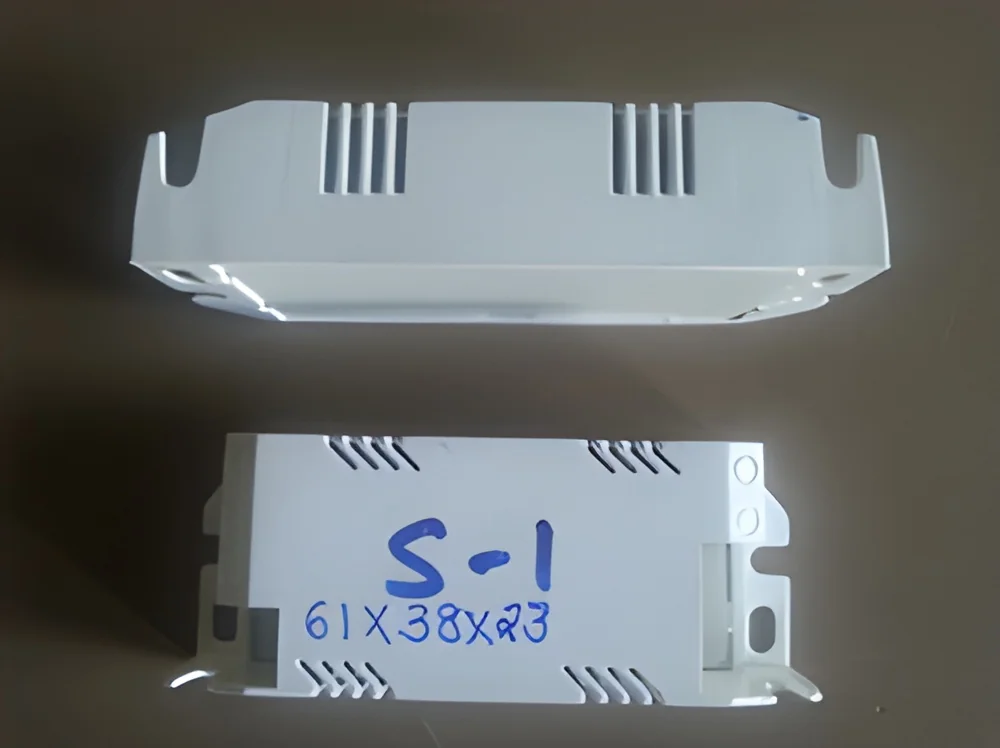
- Options include metal (such as aluminum or stainless steel) and plastic (such as polycarbonate).
- Each material offers distinct benefits like corrosion resistance or lightweight properties.
3. Dimensions
- Various sizes are available to accommodate different components.
- Custom sizes can often be requested to meet specific needs.
4. Operating Temperature Range
- Enclosures are designed to operate effectively within specified temperature limits.
- Typical ranges may vary from -40°C to +70°C.
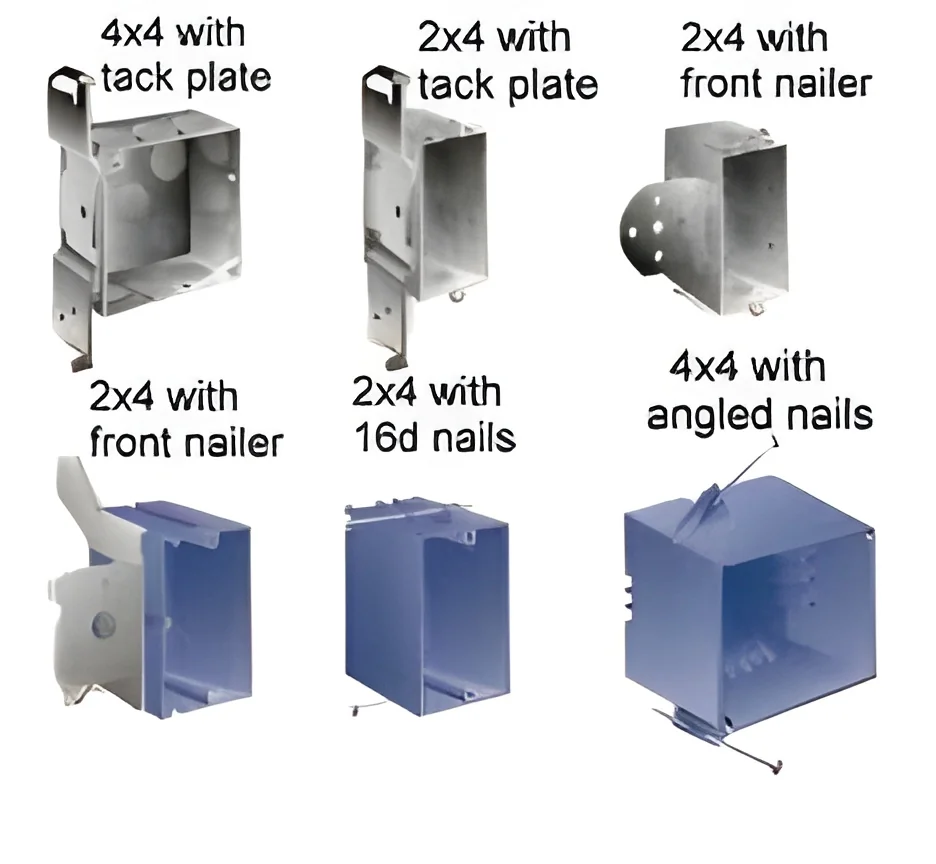
5. Mounting Options
- Enclosures can come with several mounting configurations, such as wall-mounted or rack-mounted.
- This flexibility allows for easy installation in various settings.
6. Ventilation Features
- Some enclosures include built-in ventilation to manage heat dissipation.
- This feature is vital for preventing overheating of electronic components.
7. Color and Finish
- Available in different colors and finishes to suit aesthetic or branding requirements.
- Options may include powder coating or anodized finishes for metal enclosures.
8. Additional Features
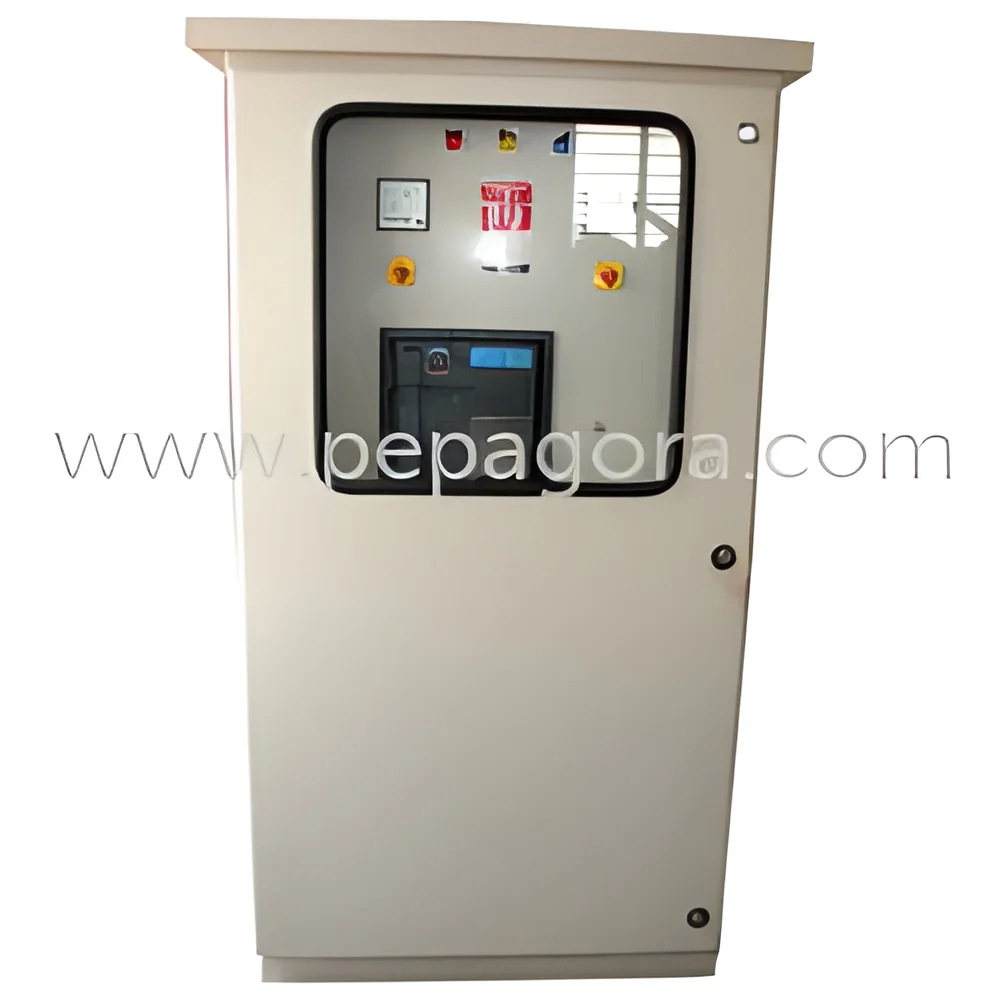
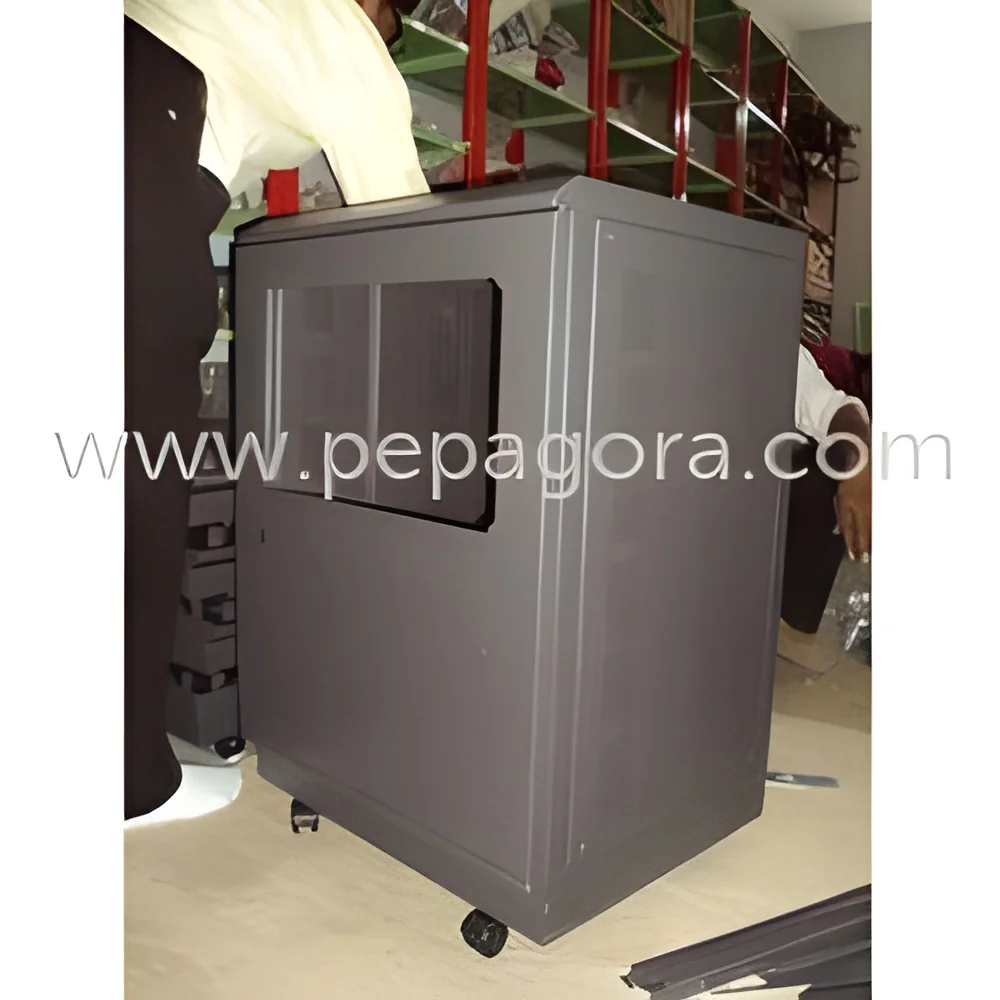
- Options for locking mechanisms, viewing windows, or cable entry points are often available.
- These features enhance usability and security.
In summary, understanding the key features and specifications of enclosures is essential for selecting the best product for specific applications.
Common Applications and Use Cases
Enclosures (Metal/Plastic IP-rated) are utilized in a variety of industries, each with unique requirements.
1. Manufacturing: These enclosures protect control systems and equipment from dust and moisture, ensuring operational efficiency in factories.
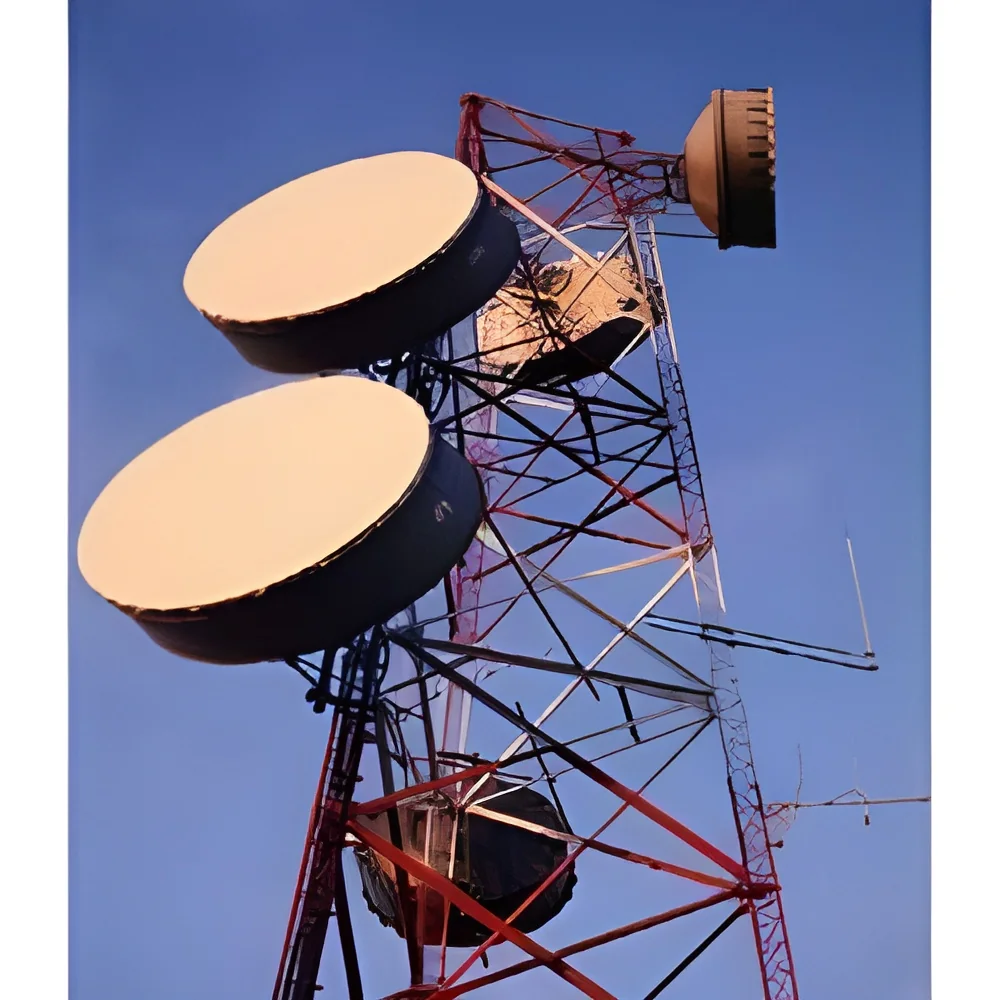
2. Telecommunications: Enclosures safeguard sensitive communication devices from environmental factors, thus maintaining signal integrity and performance.
3. Automation: Used in robotics and automated systems, these enclosures provide protection against harmful elements while ensuring reliable system operation.
4. Energy: In renewable energy sectors, such as solar and wind, enclosures protect inverters and controllers from the elements, enhancing their durability.
5. Transportation: Enclosures are critical for securing electronic systems in vehicles, ensuring they are protected from vibrations and weather conditions.
6. Food and Beverage: Enclosures designed to meet hygiene standards are used in food processing plants to protect electrical equipment from moisture and contamination.
7. Healthcare: In medical equipment, enclosures provide necessary protection against environmental factors, ensuring safety and compliance with regulations.
Product Variants and Subcategories
The market offers a diverse range of Enclosures (Metal/Plastic IP-rated) to cater to different needs.
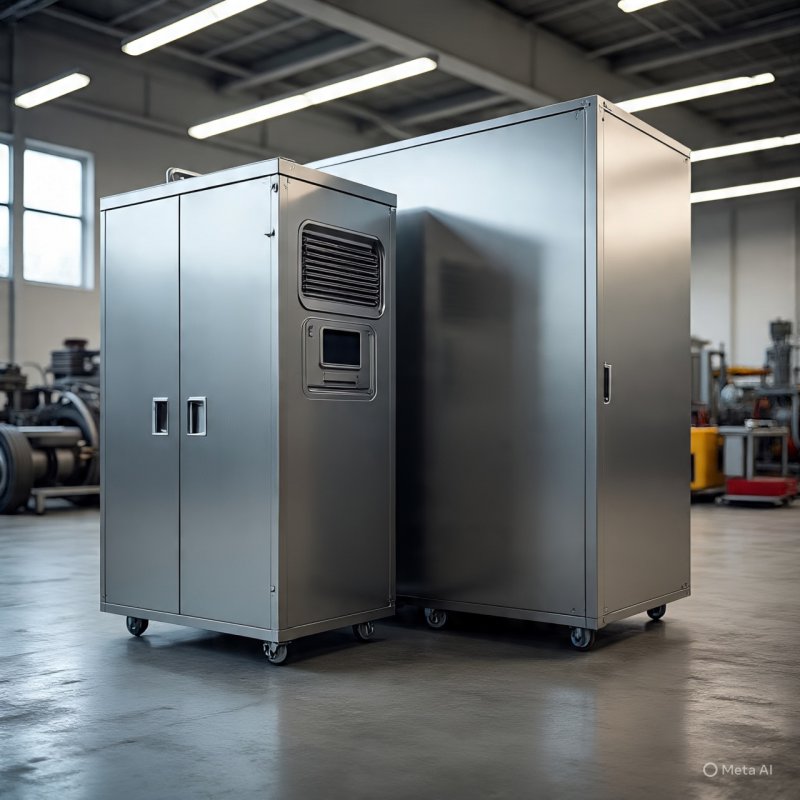
Metal Enclosures
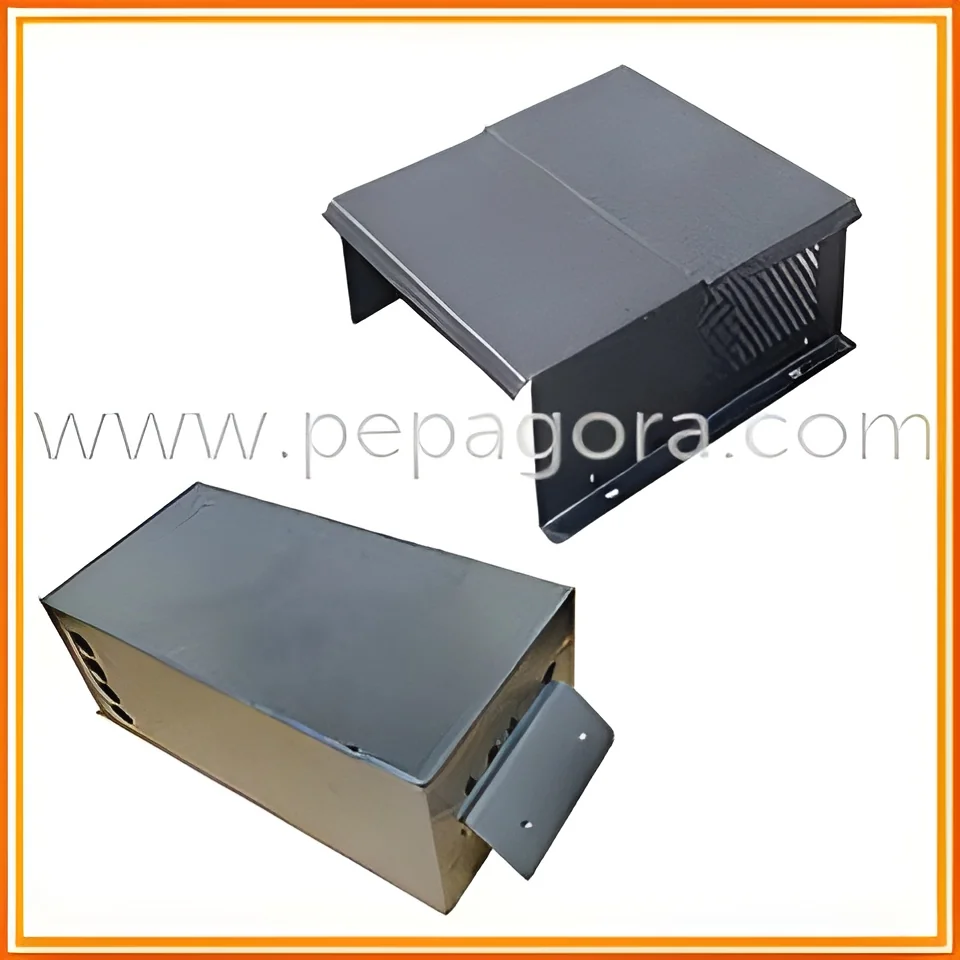
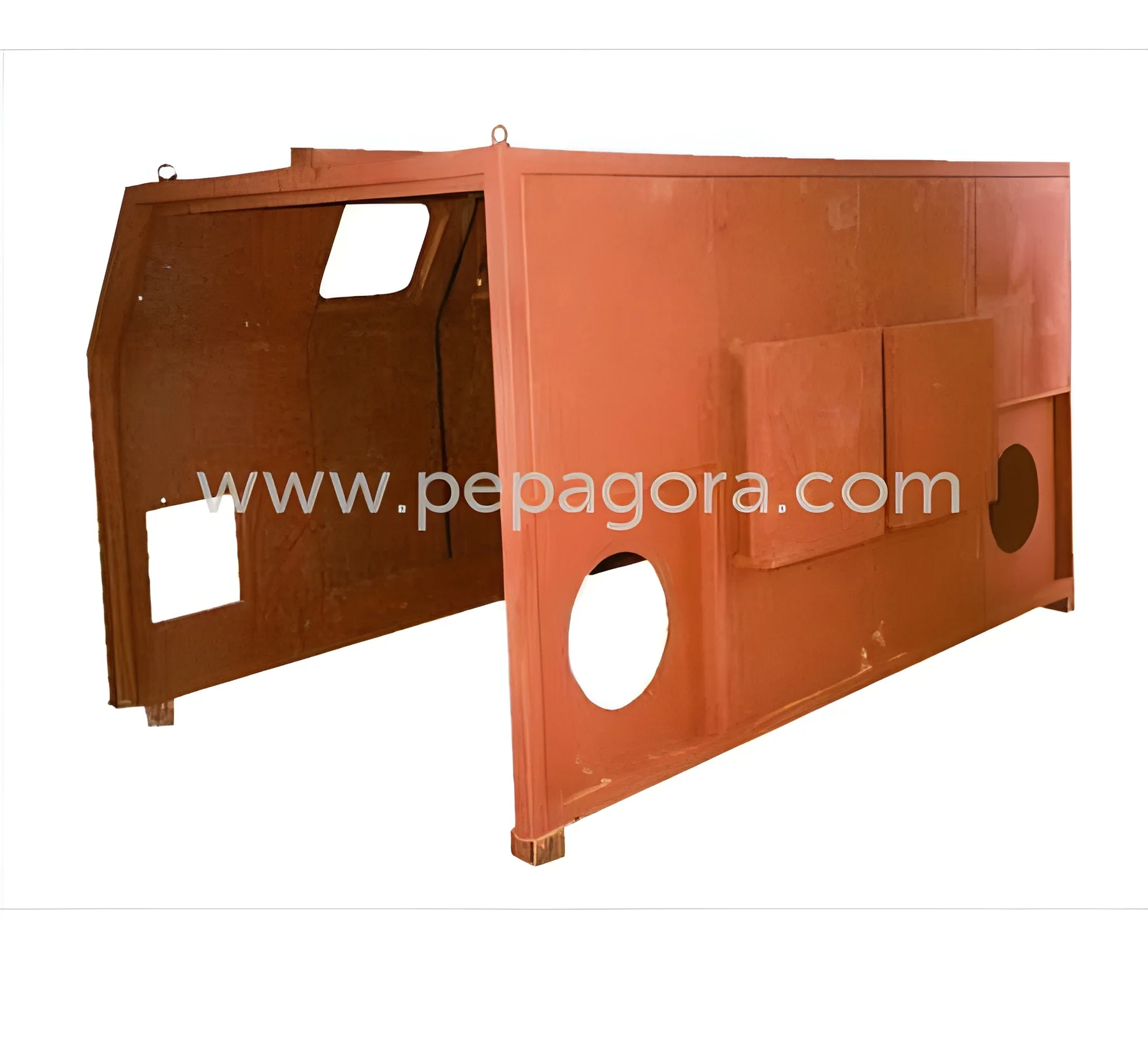
These enclosures are built from materials like aluminum or stainless steel, offering superior strength and durability. They are ideal for harsh environments, providing excellent protection against impact and corrosion.
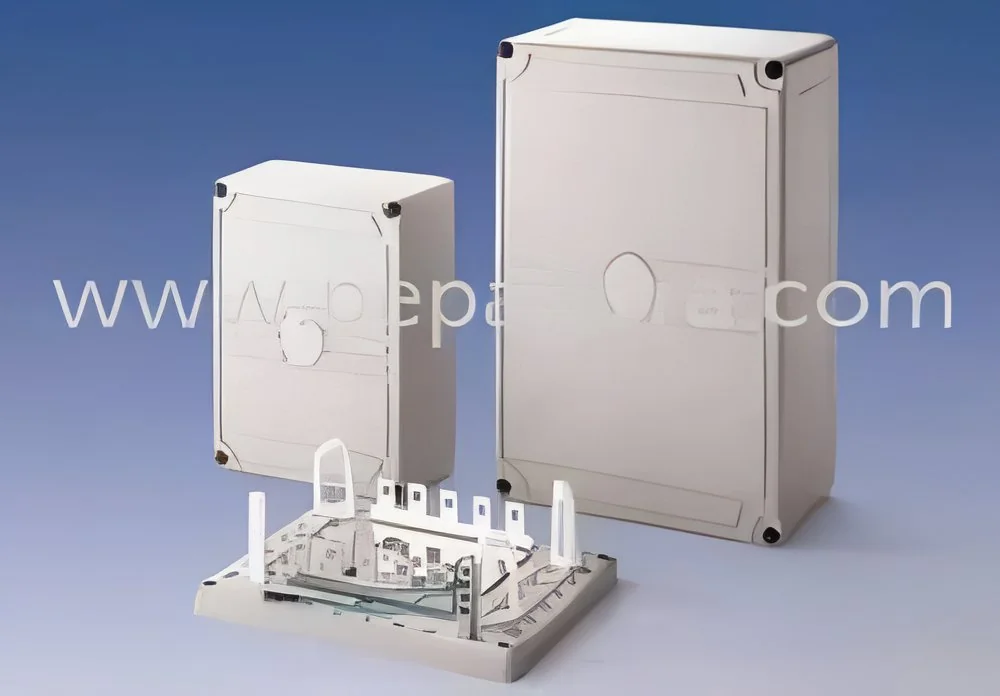
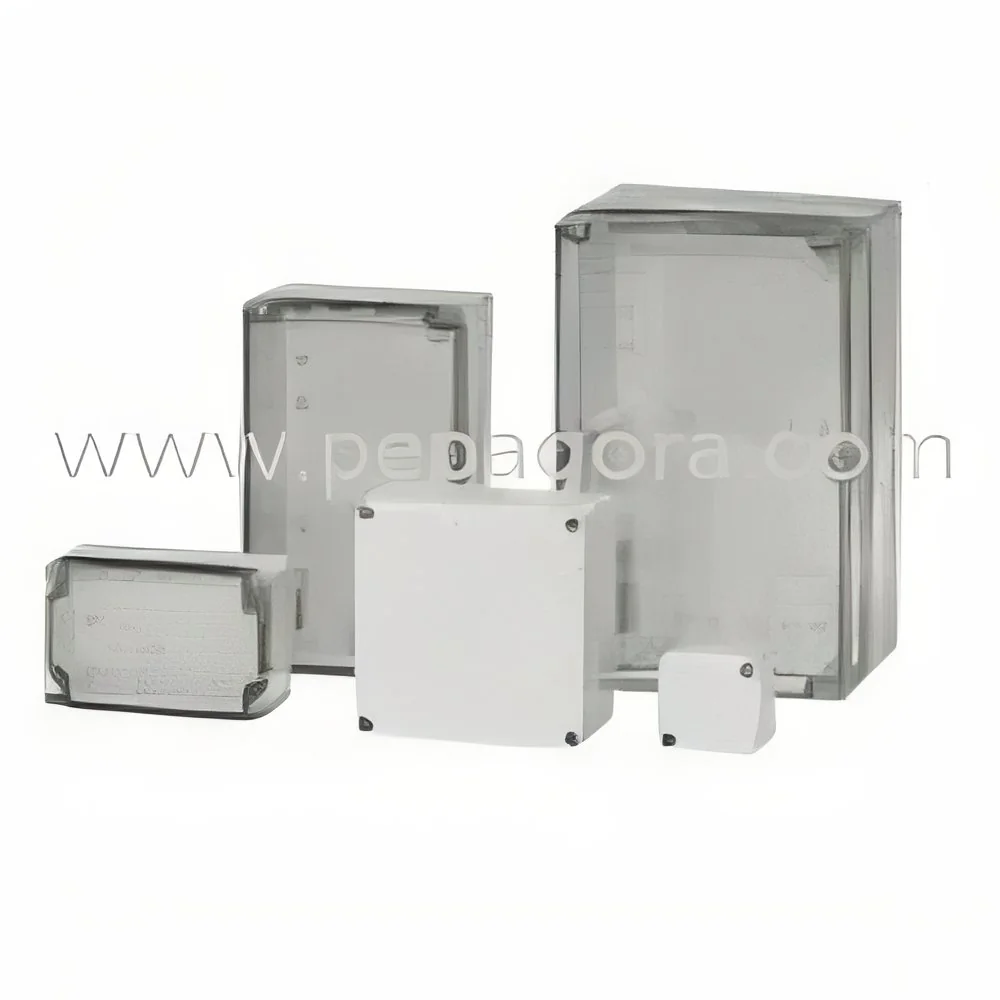
Plastic Enclosures
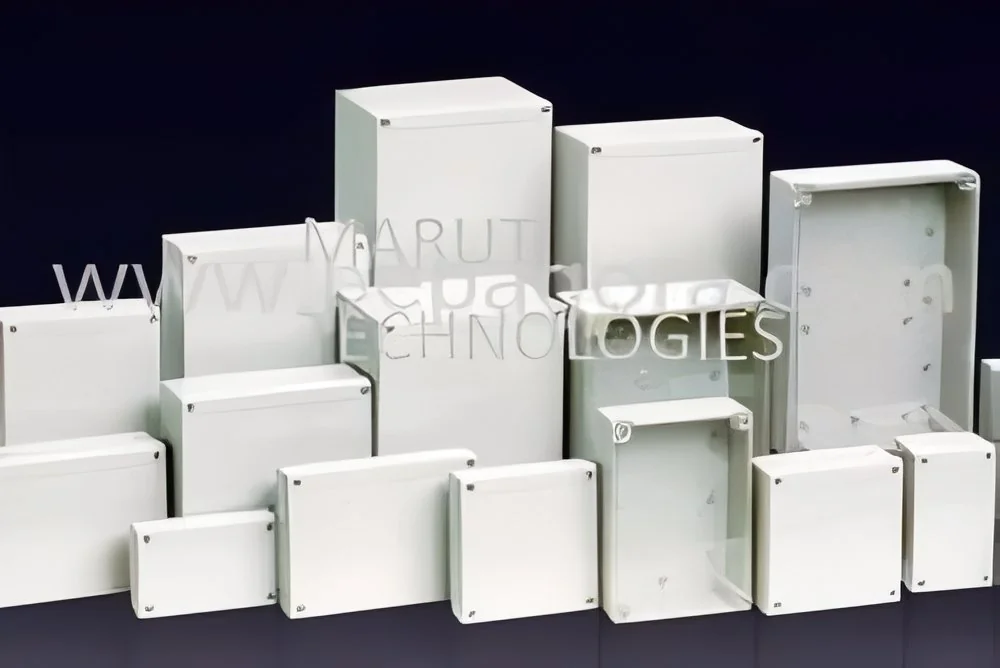
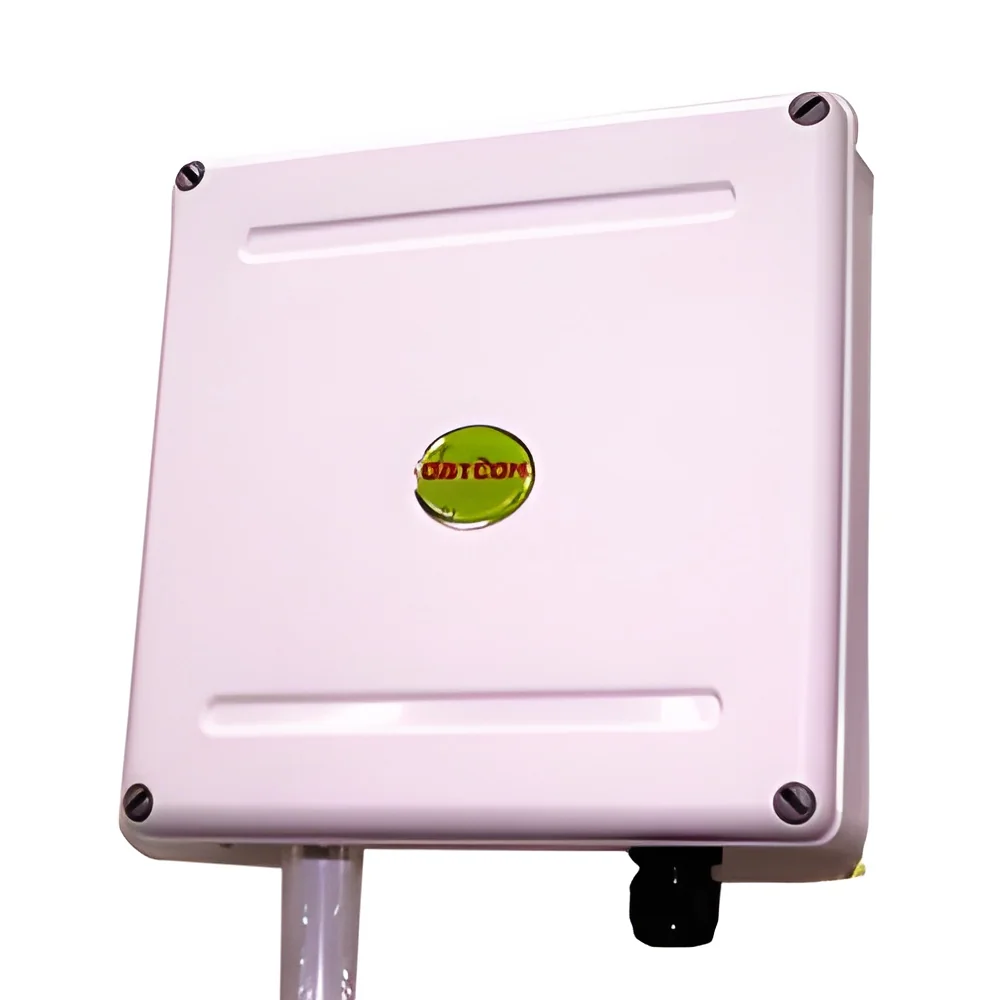
Constructed from high-quality plastics such as polycarbonate, these enclosures are lightweight and resistant to corrosion. They are suitable for indoor applications and environments where moisture resistance is essential.
Benefits and Advantages
Utilizing Enclosures (Metal/Plastic IP-rated) brings several advantages to businesses.
1. Enhanced Protection: They shield sensitive equipment from environmental hazards, prolonging the lifespan of components.
2. Compliance with Standards: Many enclosures meet industry standards, ensuring safety and reliability in operations.
3. Versatility: Available in various materials and designs, they can be used in multiple applications across different sectors.
4. Cost Efficiency: Protecting equipment leads to reduced maintenance costs and downtime, resulting in improved overall efficiency.
5. Customization Options: Many manufacturers offer customizable solutions to meet specific business needs.
6. Quick Installation: Most enclosures are designed for easy installation, reducing setup time and labor costs.
Buying Guide for B2B Buyers
When sourcing Enclosures (Metal/Plastic IP-rated), buyers should consider several key factors to ensure they make informed decisions.
1. Quality Assessment: Evaluate the materials and construction quality to ensure durability and reliability. Look for certifications and compliance with industry standards.
2. Supplier Verification: Vet suppliers for their reputation, reliability, and experience in the market. Check for customer reviews and industry references to gauge their credibility.
3. Pricing and MOQ: Understand the pricing structure and minimum order quantities. Compare costs among different suppliers to find the best value without compromising quality.
4. Delivery and Lead Times: Discuss logistics and delivery timelines with suppliers. Ensure they can meet your project deadlines to avoid disruptions.
5. Compliance Requirements: Familiarize yourself with any regulatory standards that may apply to your industry. Ensure that the enclosures meet necessary safety and compliance requirements.
Compliance and Certifications
Enclosures (Metal/Plastic IP-rated) must adhere to various quality standards and certifications to ensure safety and reliability.
One of the relevant standards is ISO 9001, which outlines the criteria for a quality management system. This standard helps ensure consistent product quality across manufacturing processes.
Additionally, industry certifications such as CE mark signify compliance with European safety standards. This certification is crucial for products being sold in the European market, indicating that they meet essential health, safety, and environmental protection requirements.
Testing requirements also play a critical role in ensuring the enclosures can withstand environmental factors. Manufacturers must conduct rigorous testing for factors like impact resistance, water ingress, and temperature fluctuations.
Furthermore, regional compliance considerations may vary. It's important for buyers to understand local regulations and standards that may impact the selection and use of enclosures in their specific markets.
Why Source Enclosures (Metal/Plastic IP-rated) from Pepagora?
Pepagora offers a trusted platform for sourcing Enclosures (Metal/Plastic IP-rated) with several key advantages for B2B buyers.
Verified Supplier Network: The platform features a comprehensive network of verified suppliers, ensuring that buyers can access high-quality enclosures from reputable manufacturers. This verification process builds trust and confidence in sourcing decisions.
Streamlined RFQ Process: Pepagora simplifies the Request for Quotation (RFQ) process, allowing buyers to easily submit their requirements and receive competitive quotes from multiple suppliers. This efficiency saves time and effort in sourcing.
Trade Assurance and Support: Buyers benefit from trade assurance measures that protect their orders. Pepagora provides support throughout the purchasing process, ensuring that buyers can resolve any issues that may arise.
Regional Coverage: With a strong presence in markets like India, the GCC, and Southeast Asia, Pepagora connects buyers to suppliers across diverse geographical locations. This regional reach facilitates better sourcing options and localized support.

 IN
IN