What are Chloroform?
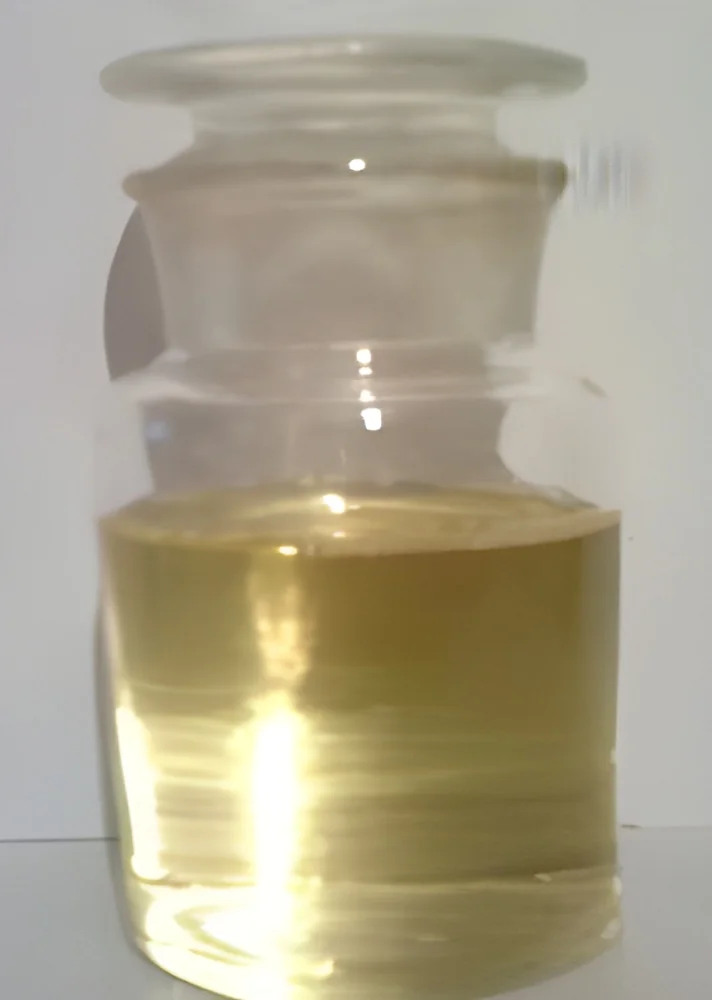
Chloroform is a colorless, volatile liquid that is used as a solvent and analytical reagent in various industrial applications. With the chemical formula CHCl3, it is known for its distinct sweet odor. Chloroform has historically been used in the production of refrigerants and as an anesthetic, although its applications have shifted over time due to safety concerns. It is important to handle chloroform with care due to its potential health risks.
In the industrial context, chloroform serves multiple purposes, primarily as a solvent in laboratories and chemical manufacturing. It is used in the synthesis of other chemicals and compounds, playing a crucial role in pharmaceuticals and agrochemicals. Its ability to dissolve a wide range of organic compounds makes it invaluable in chemical analysis and formulation. The demand for chloroform continues to grow as industries seek efficient solutions for various applications, confirming its relevance in today’s market.
Key Features and Specifications
Chloroform is characterized by several key features that make it suitable for a wide range of applications. Its unique properties include high solubility for organic compounds, stability under normal conditions, and a low boiling point, which facilitates easy evaporation.
Key specifications include:
1. Purity Level
- Typically available in grades such as analytical and industrial.
- Purity levels can range from 95% to 99.9%.
2. Appearance
- Clear, colorless liquid.
- Distinct sweet odor.
3. Boiling Point
- Approximately 61.2 degrees Celsius.
- Low boiling point aids in evaporation processes.
4. Density
- Density of about 1.48 g/cm³.
- This property is significant for formulation and usage calculations.
5. Solubility
- Soluble in alcohol and ether.
- Insoluble in water, making it suitable for organic applications.
6. Flash Point
- Flash point of 11.7 degrees Celsius.
- Important for safety and handling considerations.
7. Melting Point
- Melting point of -63.5 degrees Celsius.
- This low melting point ensures it remains in liquid form under typical conditions.
In summary, the properties and specifications of chloroform make it a versatile and essential product in various industrial applications.
Common Applications and Use Cases
Chloroform finds extensive use across multiple industries due to its unique properties and capabilities.
1. Pharmaceuticals: Chloroform is commonly used as a solvent in drug formulation and chemical synthesis, facilitating the development of various medications.
2. Chemical Manufacturing: It serves as a solvent in chemical reactions, aiding in the production of agrochemicals and industrial chemicals.
3. Laboratories: Chloroform is frequently utilized in laboratories for extractions and as a solvent for various analytical techniques.
4. Food Industry: It is used in analytical chemistry to extract flavor compounds and test for contaminants.
5. Forensics: Chloroform is employed in the extraction of substances in forensic analysis, helping in case investigations.
6. Oil and Gas: It is used in the extraction and purification of substances in oil and gas applications.
7. Textiles: Chloroform is utilized in the textile industry for dyeing processes and fabric treatment.
Product Variants and Subcategories
While specific subcategories of chloroform are not available, it is typically offered in various grades to meet different industrial needs.
Analytical Grade Chloroform
This variant is highly purified and used primarily in laboratory applications for precise chemical analysis. It ensures high reliability and accuracy in results.
Industrial Grade Chloroform
This variant is less pure than analytical grade and is used for broader applications, such as solvent use in manufacturing processes. It is cost-effective for bulk applications.
Benefits and Advantages
Chloroform offers multiple advantages that make it a preferred choice for various industrial applications.
1. Versatility: Chloroform can dissolve a wide range of compounds, making it suitable for diverse applications across different industries.
2. Efficiency: Its low boiling point allows for quick evaporation, streamlining processes that require solvent removal.
3. Cost-Effective: Chloroform is relatively affordable, particularly in bulk purchases, providing economic benefits to businesses.
4. High Purity Options: Analytical grade chloroform offers high purity levels, essential for laboratory and pharmaceutical applications.
5. Established History: Chloroform has a long history of use in various industries, ensuring reliability and trust among users.
6. Chemical Stability: Chloroform remains stable under typical conditions, reducing the risk of degradation during storage and use.
Buying Guide for B2B Buyers
When sourcing chloroform, it is essential for B2B buyers to consider several key factors to ensure they make informed decisions.
1. Quality Assessment: Evaluate the purity levels and grades available to ensure they meet your specific application requirements. Looking for certifications can also help in assessing quality.
2. Supplier Verification: It is crucial to vet suppliers for credibility and reliability. Check for certifications and industry experience to ensure you are partnering with a trustworthy source.
3. Pricing and MOQ: Understand the pricing structure and minimum order quantities (MOQ) from suppliers. This will help in budgeting and ensure that you can meet your operational needs without overcommitting.
4. Delivery and Lead Times: Consider logistics and the supplier's ability to meet delivery schedules. Timely delivery is critical for maintaining production timelines.
5. Compliance Requirements: Ensure that the chloroform sourced meets all regulatory and safety standards applicable in your region. This includes checking for certifications such as CE.
Compliance and Certifications
Chloroform is subject to various compliance and certification standards that ensure its safe and effective use in industrial applications.
Relevant quality standards include ISO 9001, which outlines the requirements for a quality management system. Adhering to this standard helps ensure that suppliers maintain high-quality practices.
Industry certifications such as CE indicate that the product meets European safety and health requirements. This certification is crucial for buyers looking to ensure compliance with regional regulations.
In addition to quality standards, safety and testing requirements are essential. Chloroform must be tested for purity and contaminants to ensure it is safe for its intended applications.
Regional compliance considerations vary, so it is vital for buyers to be aware of local regulations that govern the use and handling of chloroform in their specific areas.
Why Source Chloroform from Pepagora?
Pepagora provides a trusted platform for sourcing chloroform, offering several key advantages to B2B buyers.
Verified Supplier Network: Pepagora has established a network of verified suppliers, ensuring that businesses can access high-quality chloroform from reputable sources. This network reduces the risks associated with sourcing chemicals.
Streamlined RFQ Process: The platform features a user-friendly Request for Quotation (RFQ) system that enables buyers to obtain competitive pricing and options quickly. This efficiency saves time and facilitates better decision-making.
Trade Assurance and Support: Pepagora offers trade assurance, providing buyers with protection during transactions. This support fosters confidence and security in the sourcing process.
Regional Coverage: With a broad geographic reach, including India, the GCC, and Southeast Asia, Pepagora connects buyers to suppliers across different regions, enhancing accessibility and choice for businesses looking to procure chloroform.

 IN
IN

 India
India