
 IN
Cable Trays (Perforated, Ladder)
138 products available
Key Features and Specifications
Cable trays are essential for efficient cable management, and their key features and specifications distinguish them in the market. A proper understanding of these specifications aids businesses in selecting the right product for their needs.
Key specifications include:
1. Material Composition
- Commonly made from steel, aluminum, or fiberglass
- Provides durability and resistance to corrosion
2. Load Capacity
- Varies based on design and material
- Typically ranges from 50 lbs to 1000 lbs, depending on the application
3. Width and Height
- Available in various widths, generally from 4 inches to 24 inches
- Height can vary, impacting cable capacity and airflow
4. Finish Options
- Galvanized, painted, or powder-coated finishes
- Enhances resistance to environmental factors
5. Installation Type
- Can be mounted on walls, ceilings, or directly on the floor
- Flexible installation options to meet project requirements
6. Compliance Standards
- Must adhere to industry standards such as CE
- Ensures safety and reliability in various applications
7. Customization Options
- Available in custom lengths and configurations
- Allows for tailored solutions for specific installations
8. Ventilation Features
- Perforated designs allow for airflow
- Reduces heat build-up and enhances cable longevity
In summary, understanding these key features and specifications helps businesses choose the right type of cable tray for their unique applications, ensuring safety and efficiency.
Common Applications and Use Cases
Cable trays find application across various industries due to their versatility and effectiveness in cable management. This product serves various industries:
1. Electrical Utilities: Used for organizing and securing power cables in substations and distribution centers, ensuring safety and easy access for maintenance.
2. Telecommunications: Essential in data centers for managing network cables, reducing clutter and improving airflow around equipment.
3. Manufacturing: Employed in factories to manage power and control cables, facilitating safe operations and efficient workflow.
4. Commercial Buildings: Utilized in offices and retail spaces for distributing electrical wiring, enhancing aesthetics while ensuring compliance with safety standards.
5. Oil and Gas: Critical for managing cables in harsh environments, including offshore platforms, ensuring reliability and safety in operations.
6. Transportation: Used in airports and rail systems for efficiently routing electrical and communication cables, enhancing operational safety.
7. Healthcare: Important in hospitals for organizing cables in operating rooms and medical equipment areas, ensuring safe and efficient operations.
Product Variants and Subcategories
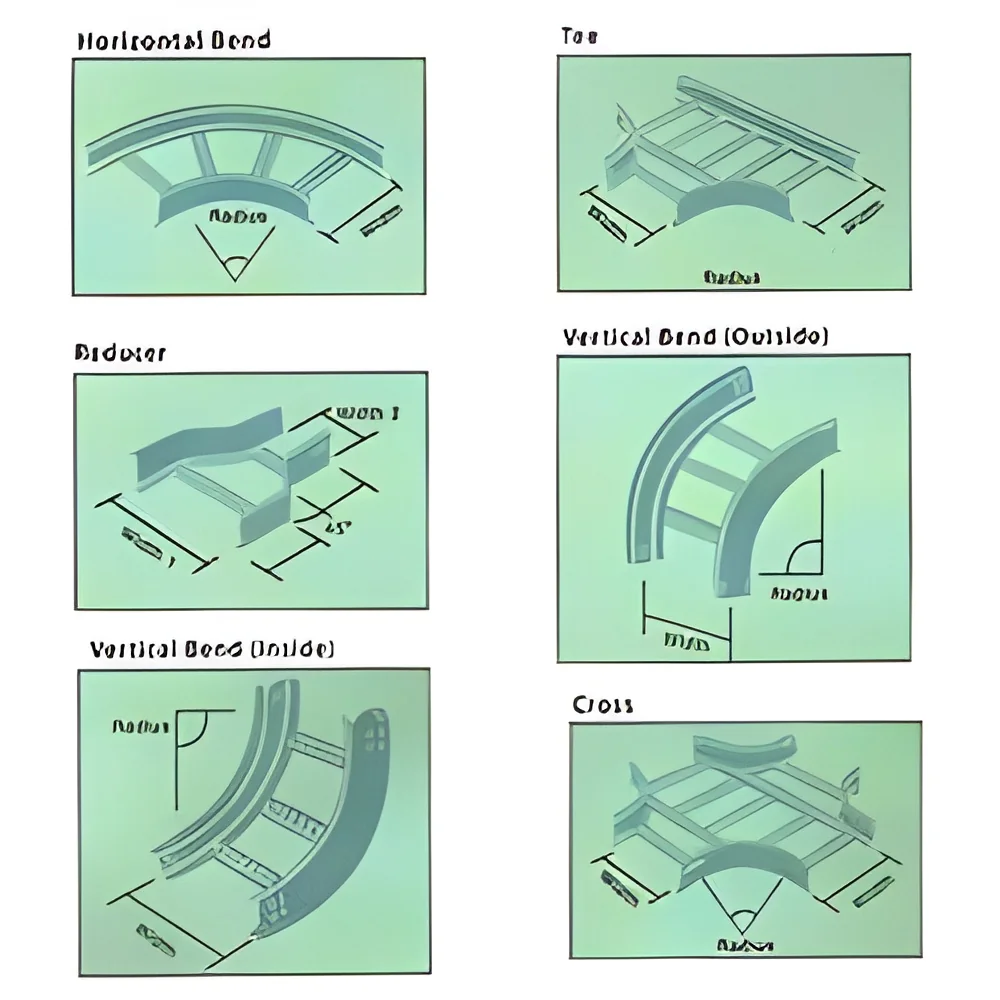
Cable trays come in various designs to cater to different needs and applications.
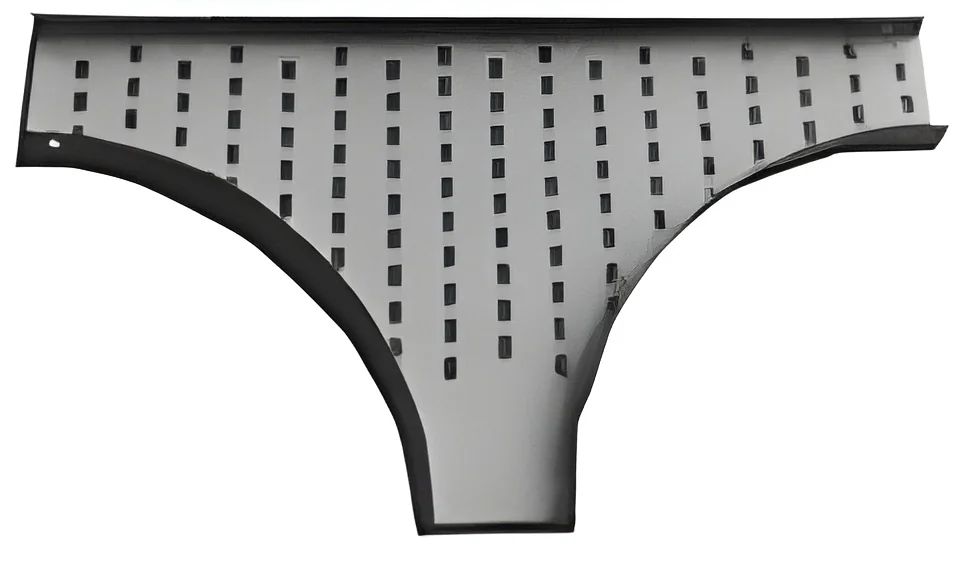
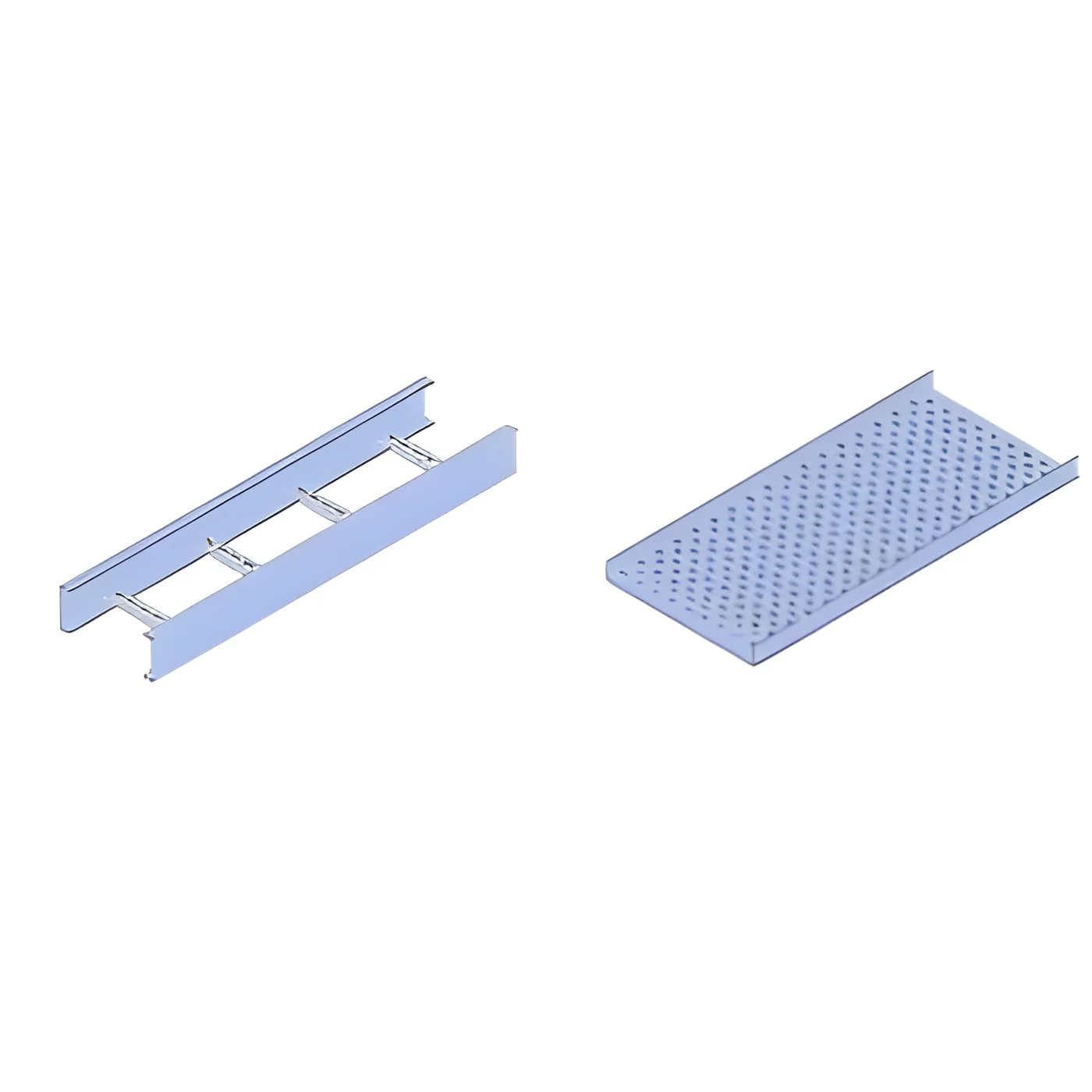
Perforated Cable Trays
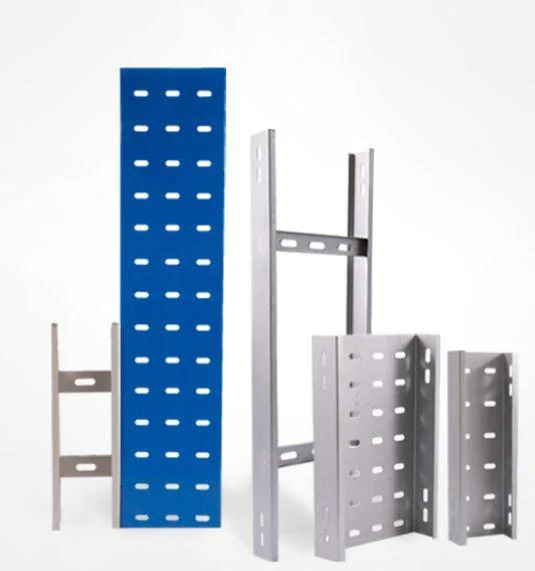
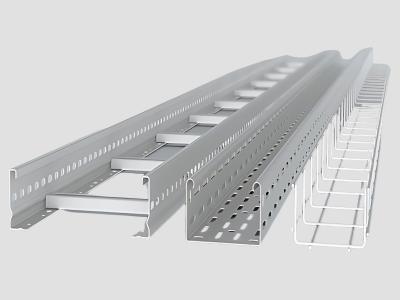
These trays feature a series of holes along the base, allowing for ventilation and drainage. They are ideal for environments where moisture management is critical, such as in industrial settings.
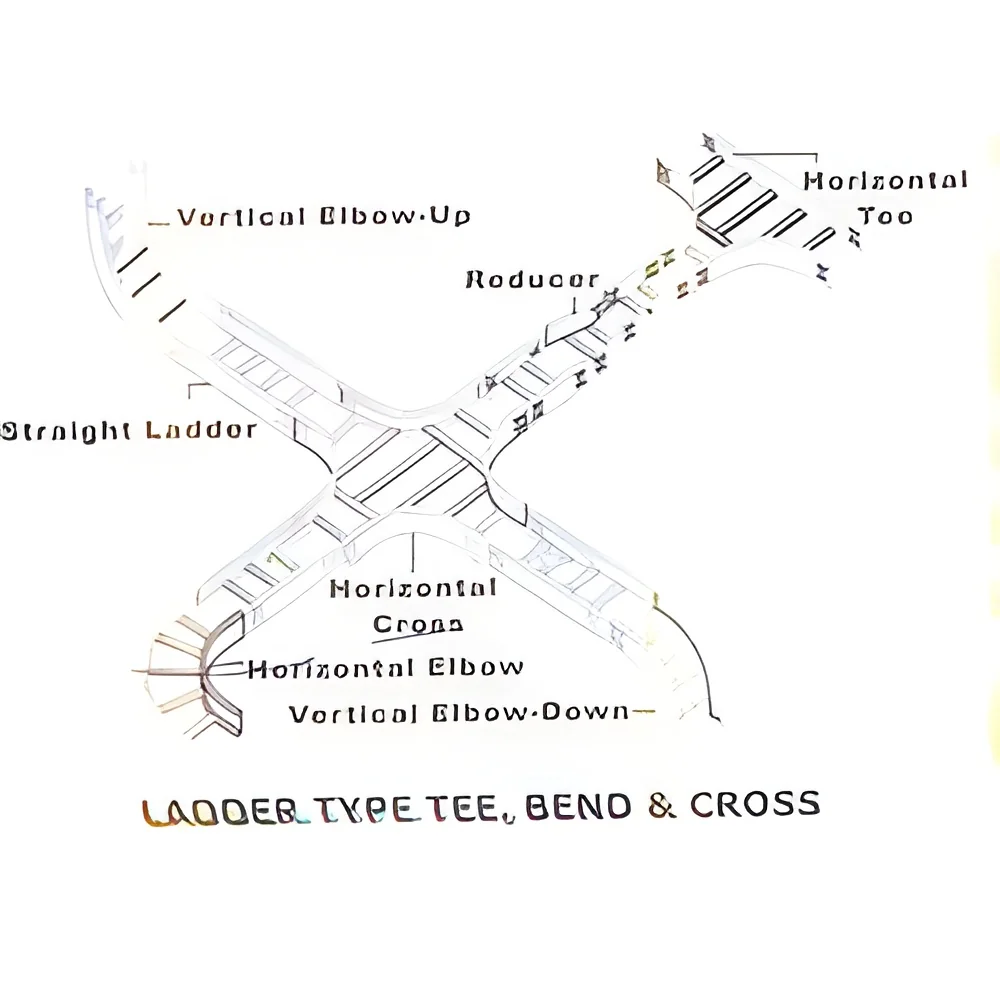
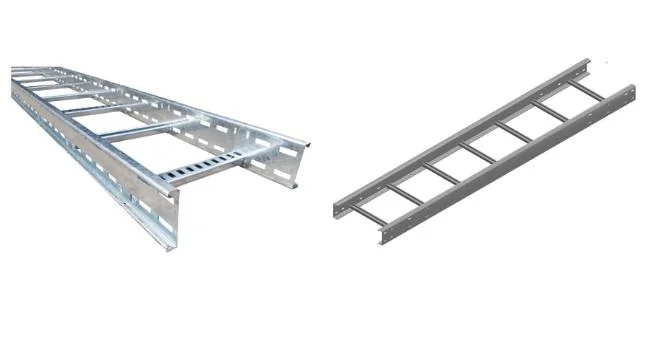
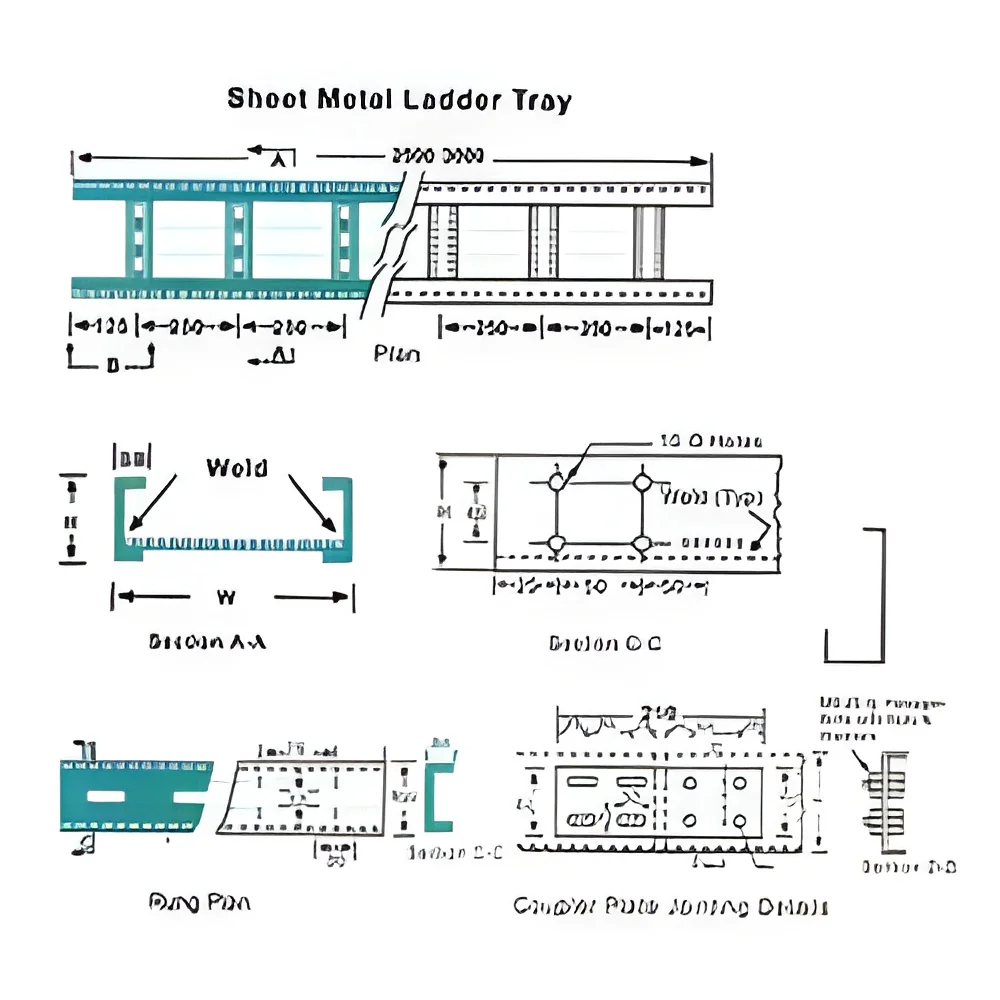
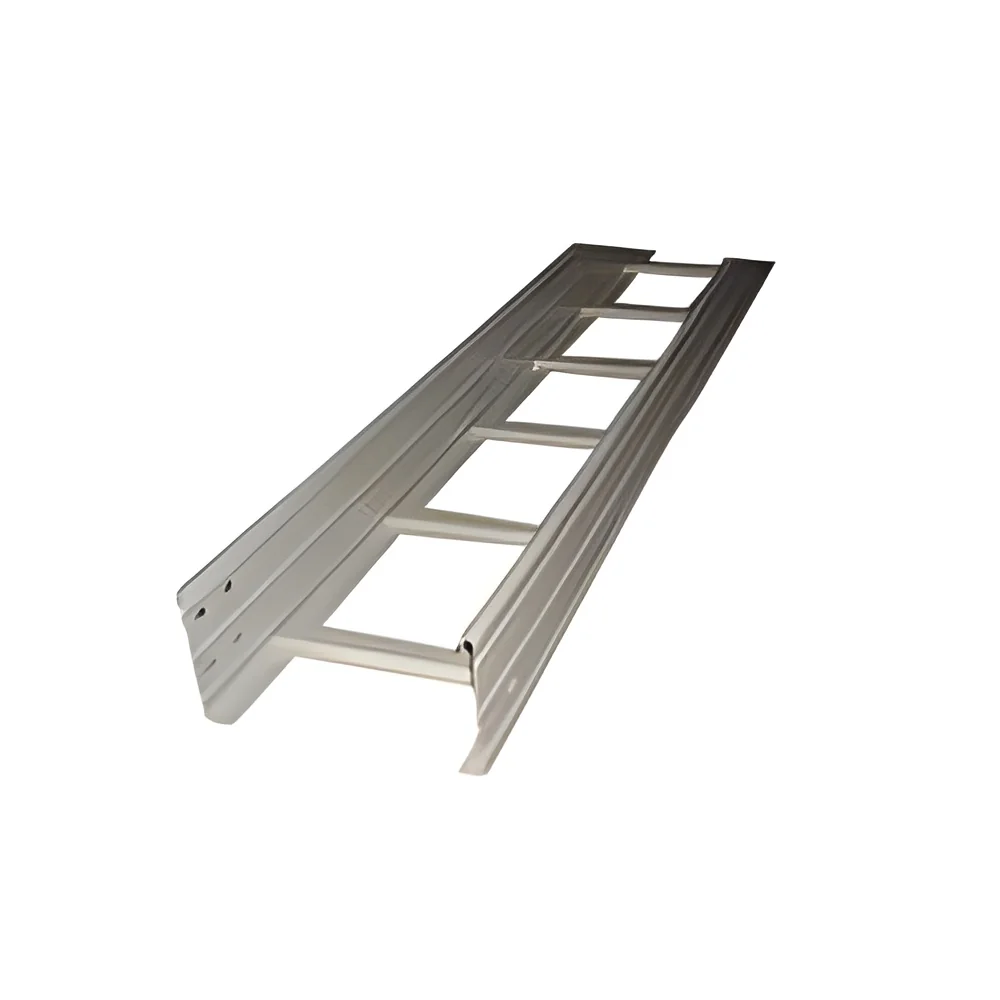
Ladder Cable Trays
Characterized by their ladder-like structure, these trays provide robust support for heavy cables. They are commonly used in installations where a high load capacity is necessary, such as in power plants and large commercial buildings.
Benefits and Advantages
Cable trays offer numerous advantages that enhance their appeal across various industries.
Key benefits include:
1. Enhanced Safety: Proper cable management reduces the risk of electrical hazards and fire risks associated with tangled or improperly routed cables.
2. Improved Accessibility: Cable trays allow for easy access to wiring, simplifying maintenance and reducing downtime for repairs.
3. Cost-Effectiveness: Using cable trays can lower installation and maintenance costs by promoting organized cable management and minimizing potential damage.
4. Versatility: Available in various designs and materials, cable trays can be customized to suit specific industry requirements and environments.
5. Compliance Assurance: Adhering to industry standards ensures that installations meet safety regulations, promoting peace of mind for businesses.
6. Aesthetic Appeal: Organized cable routing enhances the appearance of workspaces, contributing to a professional environment.
Buying Guide for B2B Buyers
When sourcing Cable Trays (Perforated, Ladder), businesses should consider several critical factors to make informed purchasing decisions.
1. Quality Assessment: Evaluate the quality of materials used in the cable trays. Look for products that comply with industry standards for durability and safety.
2. Supplier Verification: Research potential suppliers to ensure they have a good reputation and a history of reliable service. Check for certifications and customer feedback.
3. Pricing and MOQ: Understand the pricing structure and minimum order quantities. Compare different suppliers to find the best value while considering the quality.
4. Delivery and Lead Times: Inquire about delivery schedules and lead times to ensure timely project completion. Reliable suppliers should provide clear timelines.
5. Compliance Requirements: Be aware of local and industry-specific regulations that the products must meet. Ensure that the chosen trays comply with all necessary standards.
Compliance and Certifications
Compliance with industry standards is crucial for the safety and reliability of cable trays. Relevant quality standards such as ISO 9001 address quality management systems, ensuring that manufacturers maintain high production standards.
Certifications like CE indicate that the products meet European safety requirements, providing assurance to buyers about the quality and safety of the trays. It is also essential for manufacturers to conduct thorough safety testing to confirm that their products can withstand the environmental conditions they are designed for.
Additionally, regional compliance considerations may vary, so it is vital to understand local regulations that may affect installation and usage. This awareness ensures that businesses remain compliant, reducing legal risks and enhancing operational safety.
Why Source Cable Trays (Perforated, Ladder) from Pepagora?
Pepagora provides a trusted platform for sourcing Cable Trays (Perforated, Ladder) with several key advantages.
Verified Supplier Network: Pepagora ensures that all suppliers are thoroughly vetted, providing buyers with confidence in the quality and reliability of the products offered. This network helps businesses identify trustworthy manufacturers.
Streamlined RFQ Process: The request for quotation process on Pepagora is designed to be efficient, allowing buyers to quickly gather multiple quotes from various suppliers. This streamlines procurement and helps businesses make informed decisions.
Trade Assurance and Support: Pepagora offers trade assurance, safeguarding buyers against potential issues such as delays or quality discrepancies. This support enhances the purchasing experience and builds trust.
Regional Coverage: With a strong presence in India, the GCC, and Southeast Asia, Pepagora connects buyers with suppliers across these regions, facilitating easy access to high-quality cable trays and supporting local businesses.




Frequently Asked Questions
What are Cable Trays (Perforated, Ladder)?
Cable trays (perforated, ladder) are structural support systems used to manage and support electrical cables and wires. They come in two common designs: perforated trays, which feature holes for ventilation and cable management, and ladder trays, which resemble a ladder structure providing easy access for installation and maintenance.
What are the different types of Cable Trays (Perforated, Ladder)?
The main types of cable trays include perforated cable trays, ladder cable trays, and solid bottom trays. Perforated trays are designed with holes to facilitate airflow, while ladder trays consist of two side rails connected by rungs, ideal for heavy cabling. Solid bottom trays are also available for specific applications requiring additional protection.
How do I choose the right Cable Trays (Perforated, Ladder)?
Choosing the right cable tray involves considering factors such as the type and quantity of cables to be supported, the environment where the tray will be installed, and any specific load-bearing requirements. Additionally, evaluating the material of the tray, whether it's steel, aluminum, or fiberglass, is crucial for durability and compatibility with your project.
What are the standard specifications for Cable Trays (Perforated, Ladder)?
Standard specifications for cable trays typically include dimensions such as width, height, and length, as well as load capacity, which varies based on material and design. Common materials include galvanized steel and aluminum, with specifications often adhering to industry standards like NEMA or IEC for safety and performance.
What is the price range for Cable Trays (Perforated, Ladder)?
The price range for cable trays can vary significantly based on materials, dimensions, and manufacturer. Generally, you can expect prices to range from INR 100 to INR 1000 per meter, depending on the specifications and quality of the product.
What quality standards apply to Cable Trays (Perforated, Ladder)?
Quality standards for cable trays often include compliance with national and international standards such as ISO, NEMA, and IEC. These standards ensure the trays meet certain criteria for material strength, durability, and safety, which are essential for reliable performance in electrical installations.
Where can I find Cable Trays (Perforated, Ladder) suppliers in India?
You can find cable tray suppliers in India through various channels, including B2B marketplaces, industrial supply companies, and local manufacturers. Online platforms like Pepagora.com also provide a comprehensive directory of reliable suppliers and manufacturers of cable trays.
Can Cable Trays (Perforated, Ladder) be customized?
Yes, cable trays can often be customized to meet specific project requirements. Customization may include adjustments in size, material, and additional features like special coatings or finishes to enhance their functionality and aesthetic appeal.
What is the typical minimum order quantity for Cable Trays (Perforated, Ladder)?
The typical minimum order quantity (MOQ) for cable trays can vary by supplier but is often around 50 to 100 meters. It is advisable to check with individual manufacturers or suppliers for their specific MOQ policies based on your purchasing needs.
What is the typical lead time for Cable Trays (Perforated, Ladder)?
The lead time for cable trays typically ranges from 2 to 6 weeks, depending on factors such as the supplier's inventory, order volume, and customization requirements. It's important to communicate with your supplier to get an accurate estimate based on your specific order.
Why Businesses Trust Pepagora
Thousands of companies trust Pepagora to source smarter and sell faster
Expand Your Sales Globally

Source Smarter,Grow Faster
