IN
IN₹
Apparel & Fashion
Description
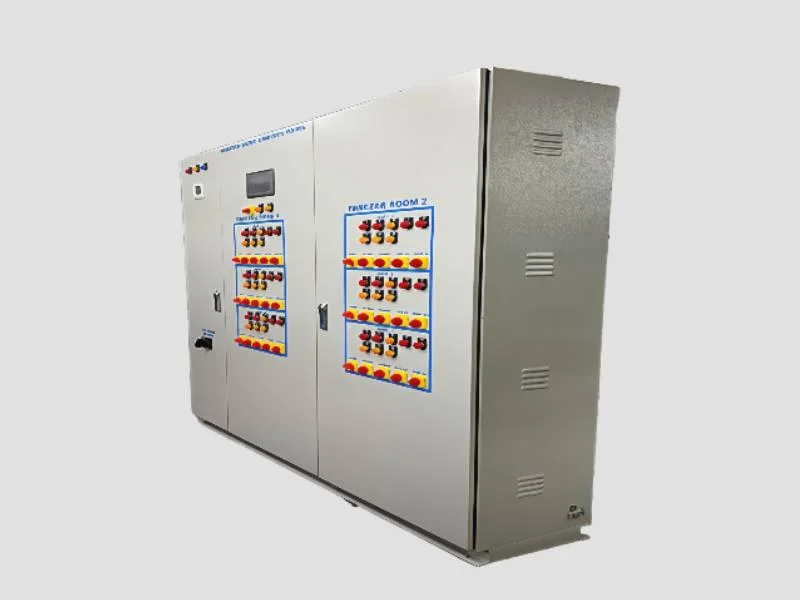
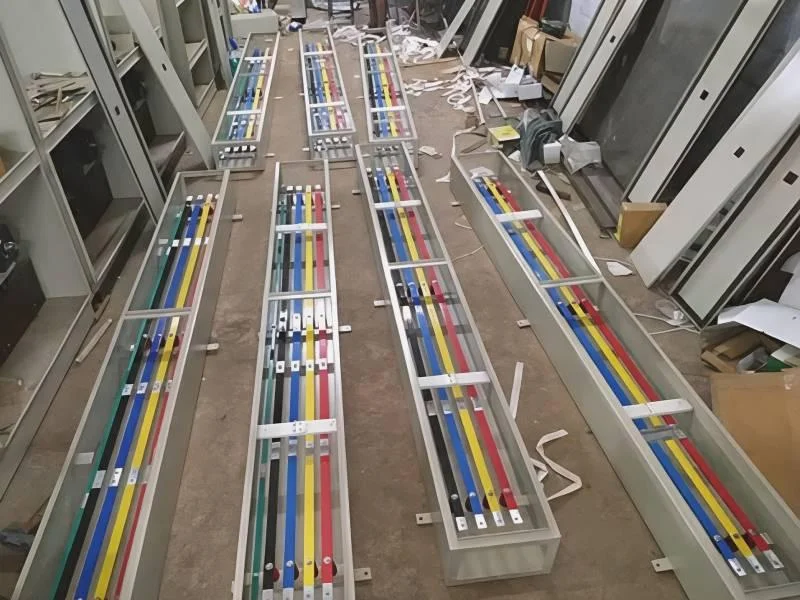
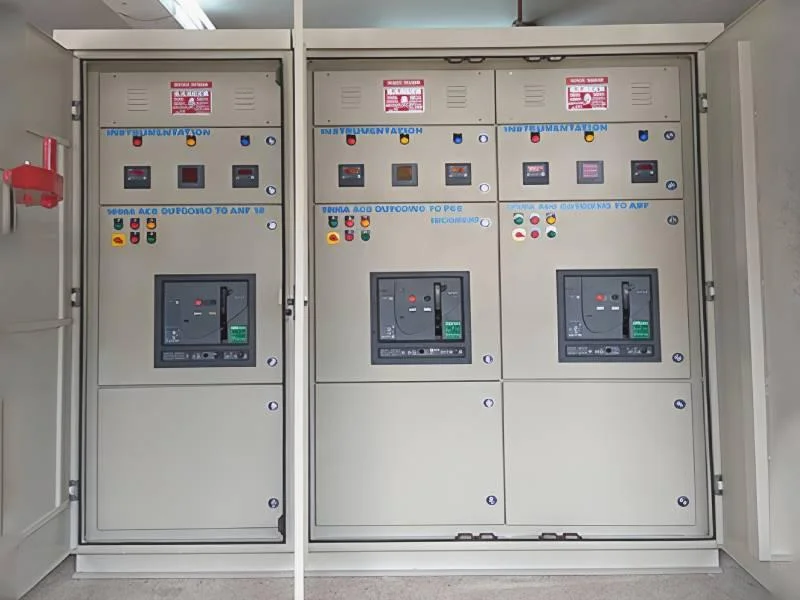
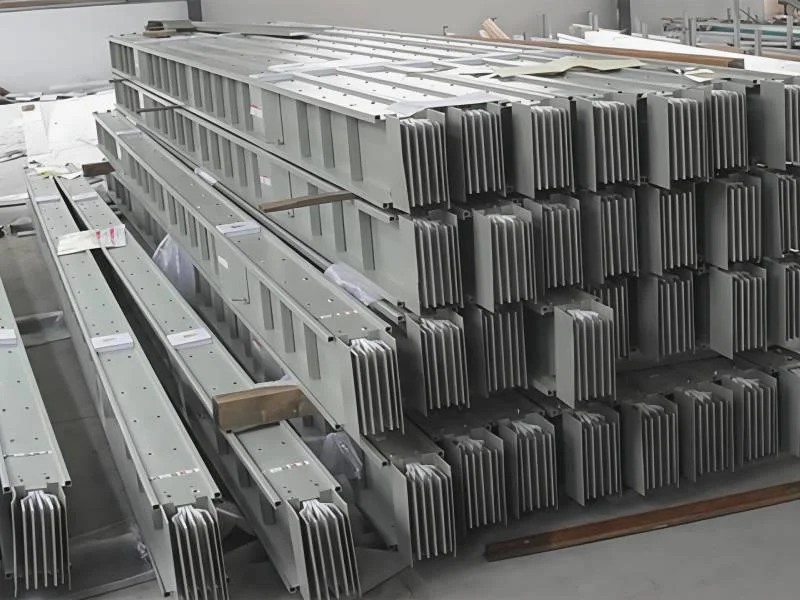
Industrial Commercial Electrical Power Distribution Bus Ducts represent advanced electrical infrastructure components designed for efficient power transmission in demanding environments. These systems provide a structured approach to distributing electrical energy from central sources to multiple endpoints, offering superior performance compared to traditional cable-based methods. Engineered with precision and durability in mind, they ensure consistent power delivery while minimizing energy losses and maintaining electrical safety standards. The modular design allows for flexible configurations that adapt to various spatial constraints and power requirements, making them suitable for both new installations and facility upgrades where electrical capacity needs enhancement.

These bus ducts find extensive application across multiple industries where reliable power distribution is critical to operations. Manufacturing plants utilize them to supply electricity to production lines, machiner...
Industrial Commercial Electrical Power Distribution Bus Ducts represent advanced electrical infrastructure components designed for efficient power transmission in demanding environments. These systems provide a structured approach to distributing electrical energy from central sources to multiple endpoints, offering superior performance compared to traditional cable-based methods. Engineered with precision and durability in mind, they ensure consistent power delivery while minimizing energy losses and maintaining electrical safety standards. The modular design allows for flexible configurations that adapt to various spatial constraints and power requirements, making them suitable for both new installations and facility upgrades where electrical capacity needs enhancement.

These bus ducts find extensive application across multiple industries where reliable power distribution is critical to operations. Manufacturing plants utilize them to supply electricity to production lines, machinery, and automated systems that require stable power for continuous operation. Commercial buildings implement these solutions for vertical and horizontal power distribution between floors and across large spaces. Infrastructure projects including airports, railway stations, and ports rely on their robust performance for mission-critical electrical systems. The healthcare sector employs them in hospitals where uninterrupted power is essential for medical equipment and patient care facilities.

The business value of these power distribution systems lies in their long-term reliability and operational efficiency. By reducing installation time and maintenance requirements compared to conventional wiring, they lower total cost of ownership while enhancing system uptime. Their compact design optimizes space utilization in crowded electrical rooms and conduits, allowing for better facility management. The inherent safety features protect both equipment and personnel from electrical hazards, while their scalability supports future expansion without major infrastructure modifications. These characteristics make them a prudent investment for organizations prioritizing electrical system resilience and operational continuity.

Key Features:
- High-conductivity copper or aluminum busbars for efficient power transmission
- Modular construction allowing easy installation and future expansion
- Robust enclosures providing protection against environmental factors and physical damage
- Flexible configurations supporting various electrical layouts and spatial requirements
- Integrated safety features including proper insulation and grounding systems

Benefits:
- Reduced installation time and labor costs compared to traditional cable systems
- Lower energy losses through efficient power transmission design
- Enhanced electrical safety for personnel and equipment protection
- Space optimization in crowded electrical rooms and conduits
- Simplified maintenance and easier troubleshooting access
Specifications
| Additional Information | |
|---|---|
| Country of Origin | India |
Application
Industrial Commercial Electrical Power Distribution Bus Ducts serve as the backbone for electrical systems in demanding environments. Their robust design ensures continuous power flow to critical equipment, minimizing downtime and supporting operational efficiency across various sectors. These bus ducts are engineered to handle high electrical loads while maintaining safety standards, making them ideal for installations where space optimization and reliable performance are paramount requirements.
From manufacturing plants to large commercial complexes, these power distribution solutions adapt to diverse electrical layouts. They facilitate organized power routing from main sources to multiple endpoints, reducing installation complexity compared to conventional wiring methods. This versatility supports both new construction projects and facility upgrades where electrical capacity needs expansion without major infrastructure overhauls.
Real-world applications:
- Distributing power from main transformers to production machinery in manufacturing facilities
- Routing electrical supply between floors in high-rise commercial buildings and office towers
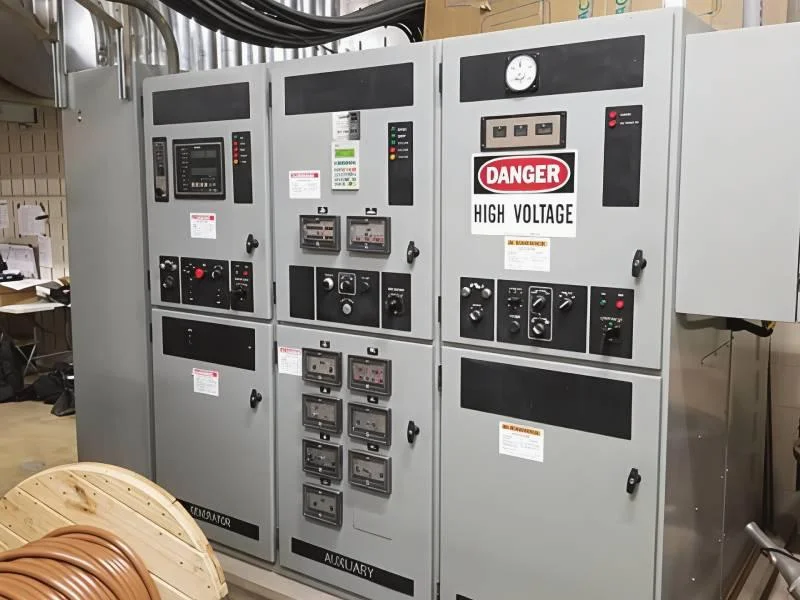
- Connecting backup generators to critical systems in hospitals and data centers
- Supplying consistent power to heavy equipment in mining operations and industrial plants
- Managing electrical distribution in shopping malls and large retail complexes
Trade Details
| Available Stock | In Stock |
| Sample Availability | No |
Payment Terms
| Payment Terms |
|
| Payment Methods |
|
Company Profile
AnandM, Tamil Nadu
 Tamil Nadu, India
Tamil Nadu, IndiaManufacturer
Factory Details
Factory SizeBelow 1000 sqm
Industrial Commercial Electrical Power Distribution Bus Ducts For Factories Buildings
Industrial Commercial Electrical Power Distribution Bus Ducts provide safe, efficient power transmission for factories and commercial buildings, offering reliable, compact alternatives to traditional cabling with high-quality construction.
Min. Order Quantity: 1 ton
Shipping
Shipping fee and delivery date to be negotiated. Contact supplier now for more details.
AnandM
 Tamil Nadu, India
Tamil Nadu, IndiaManufacturer