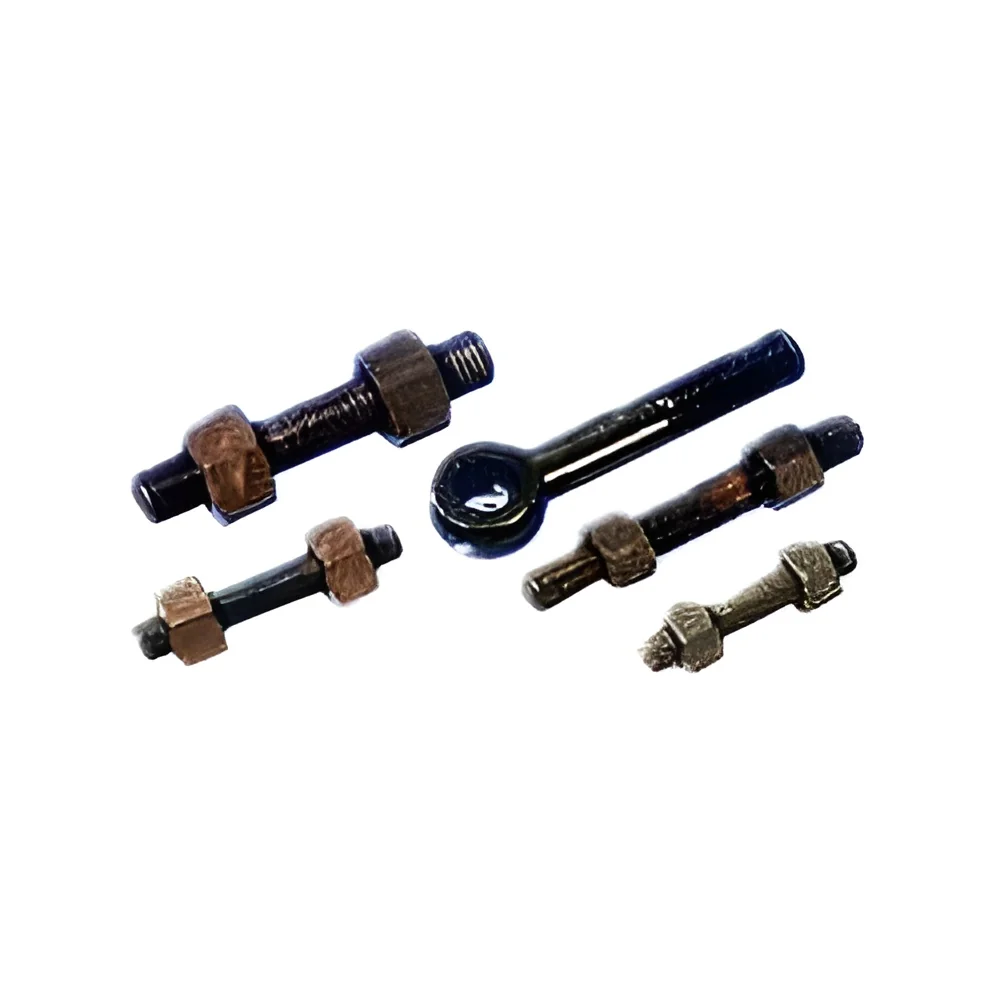
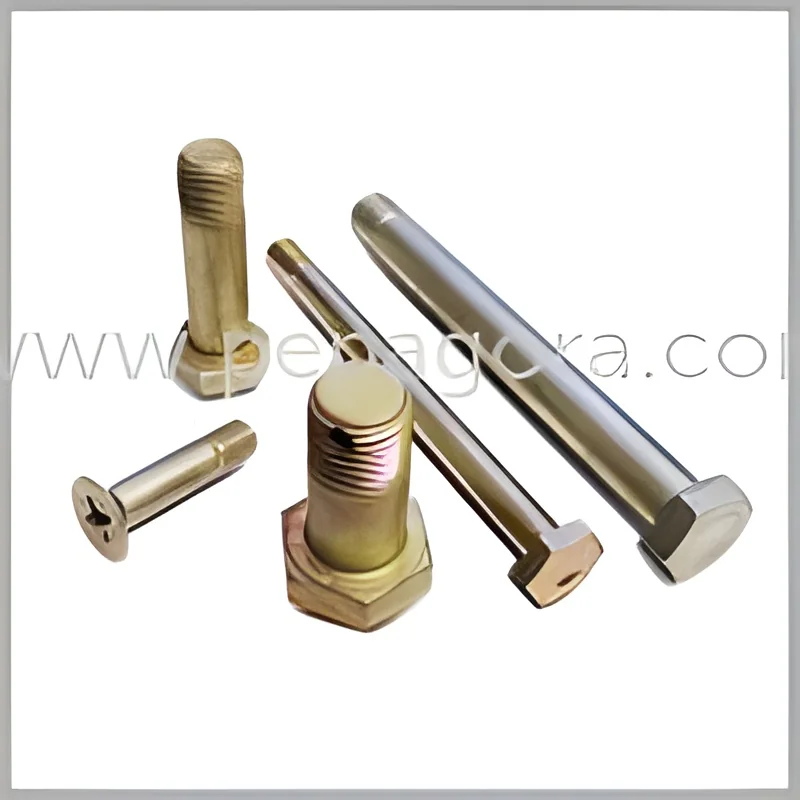
What are Bolts?
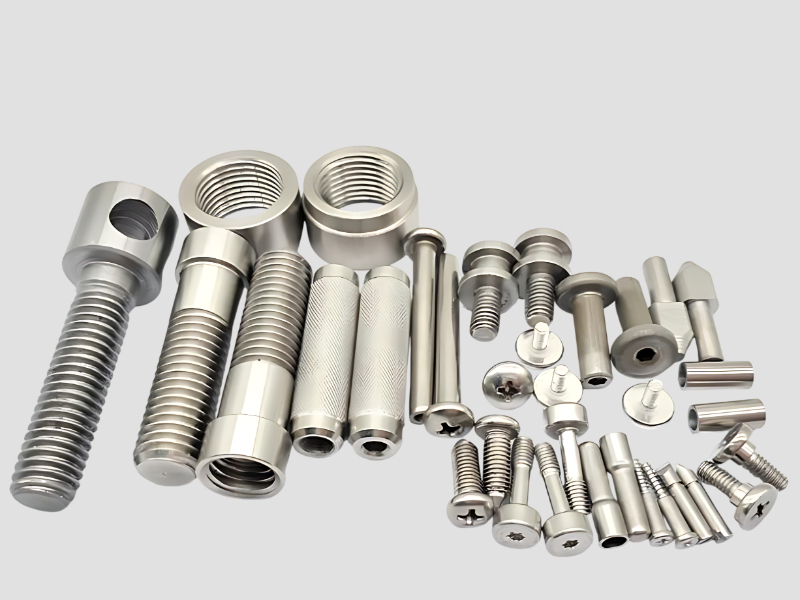
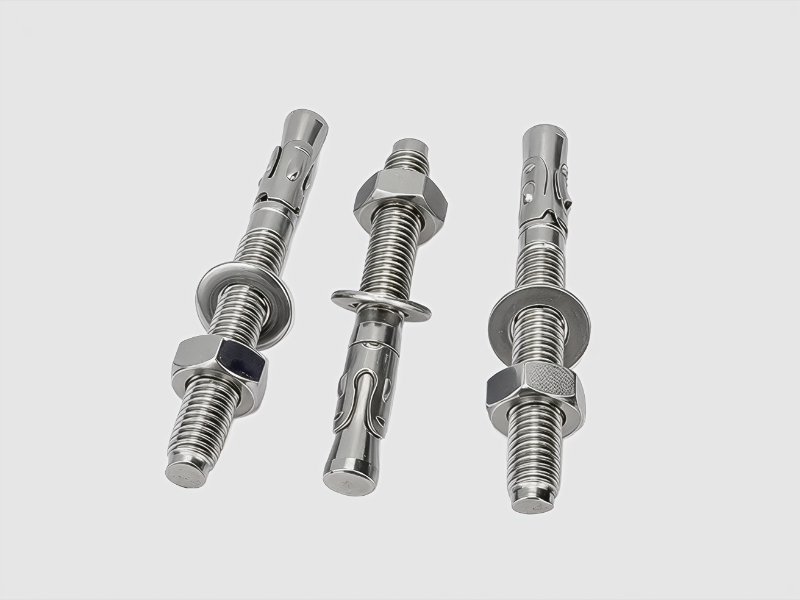
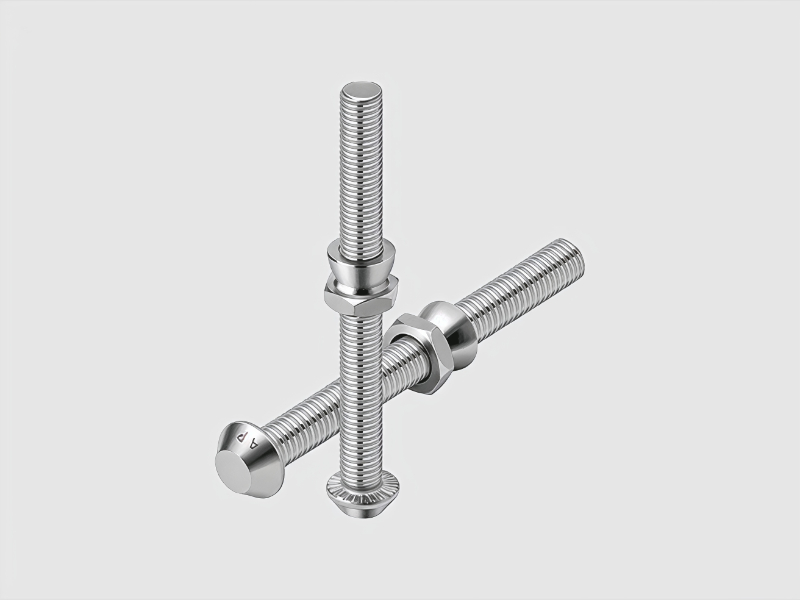
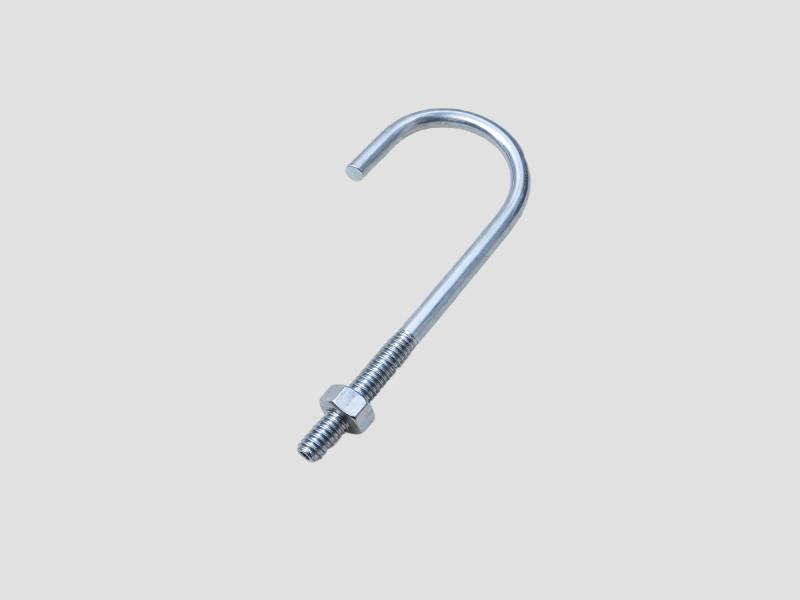
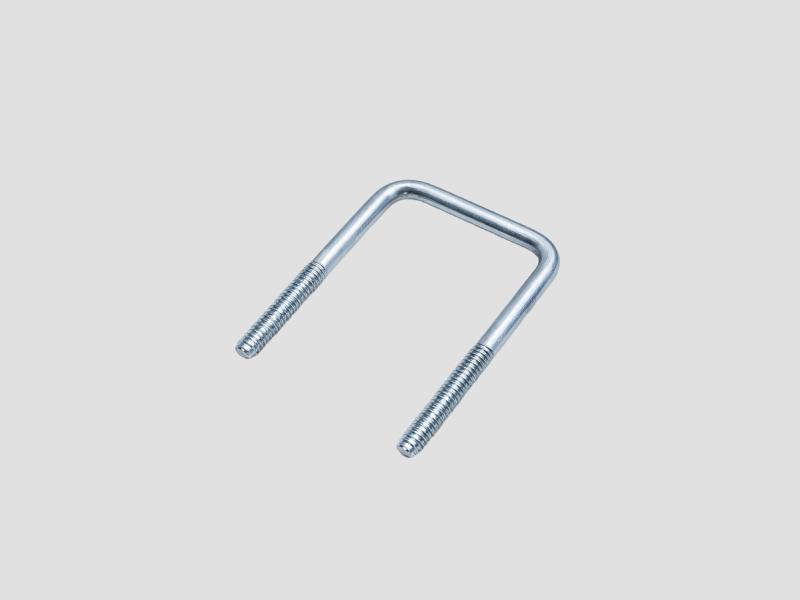
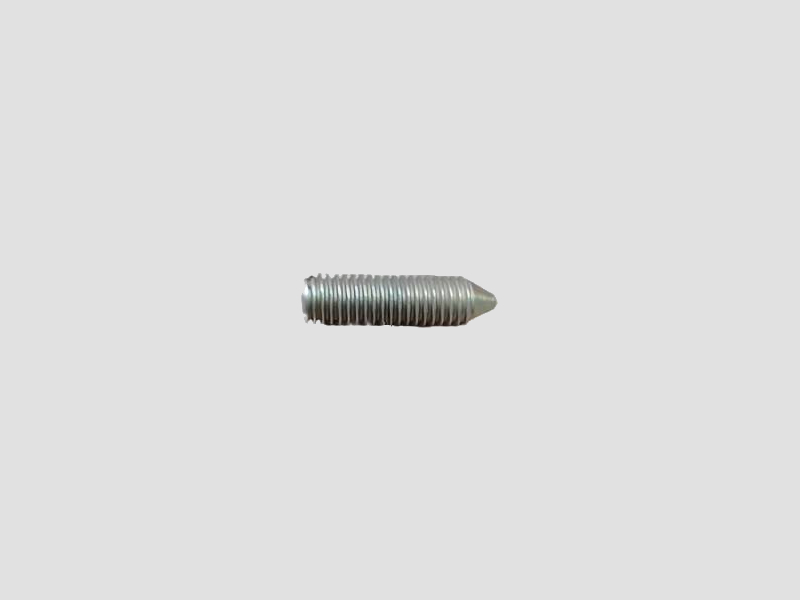
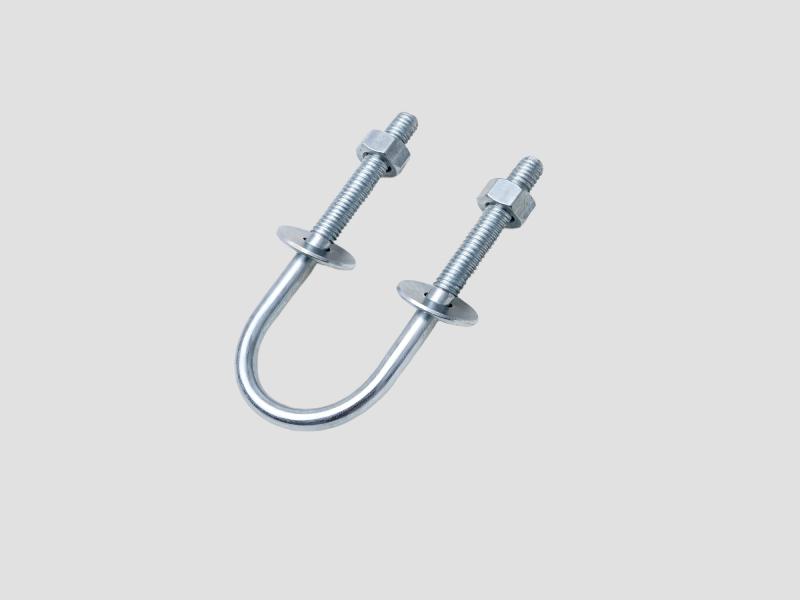
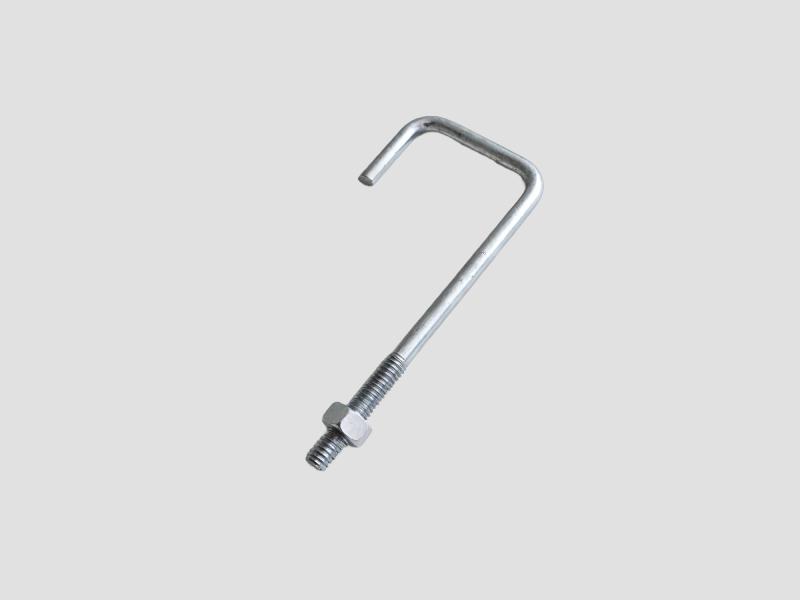
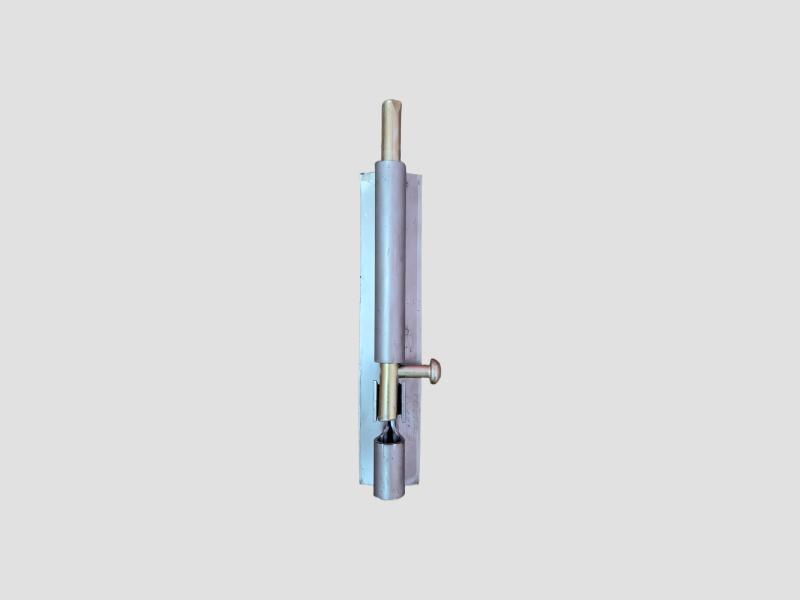
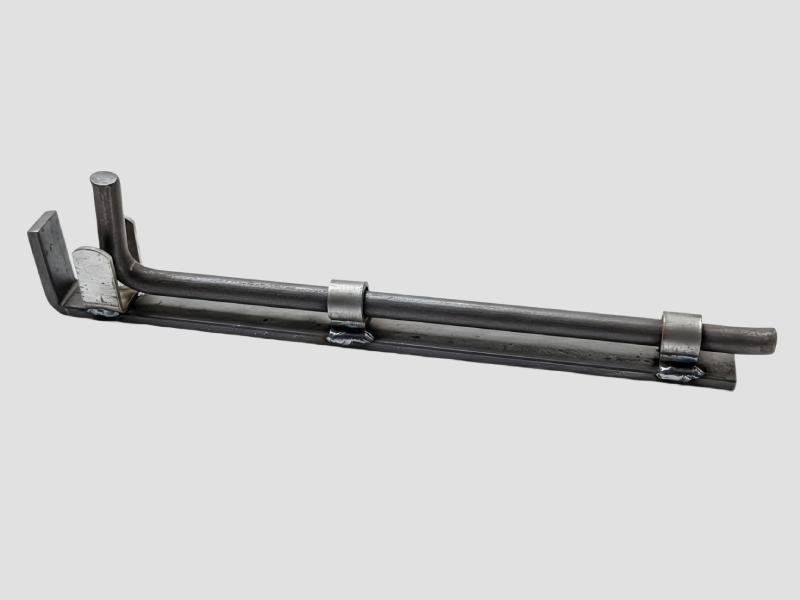
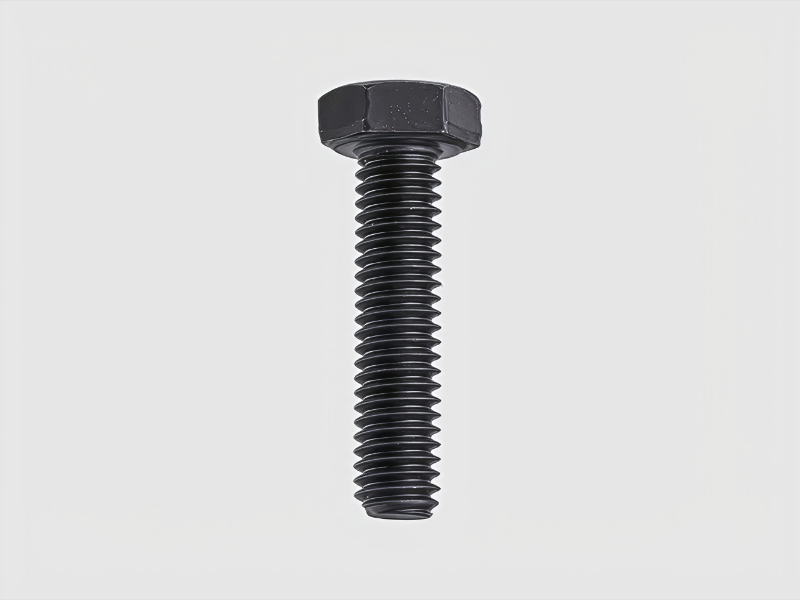
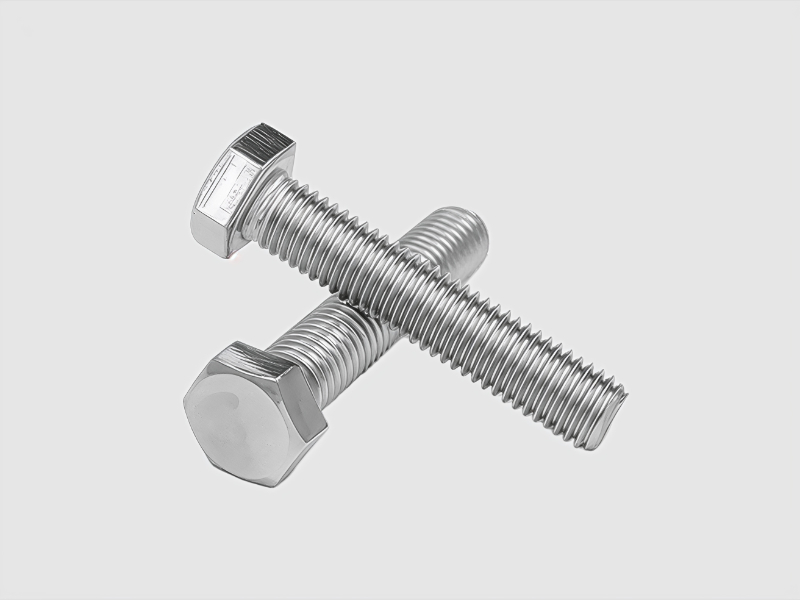
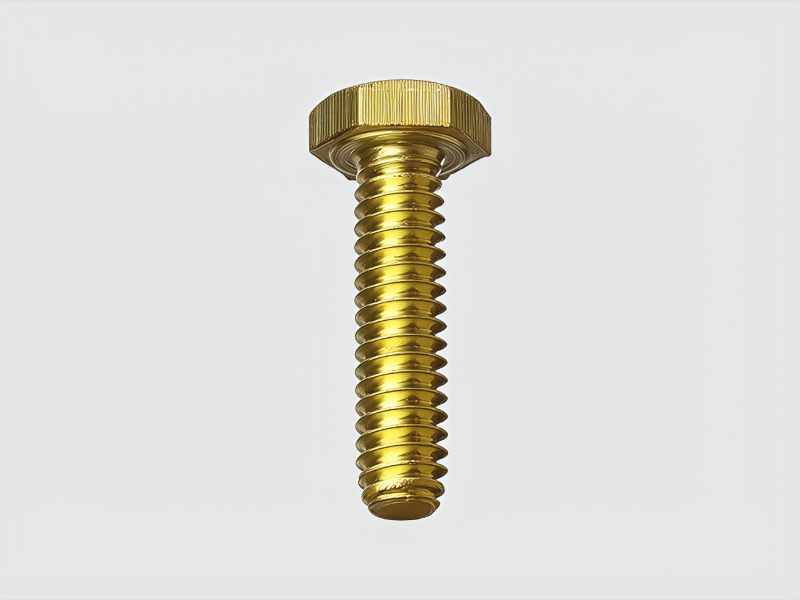
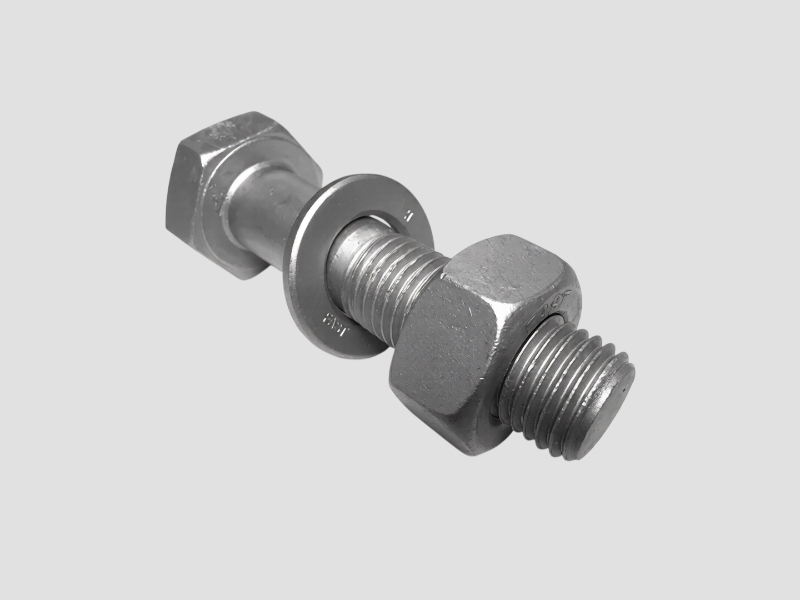
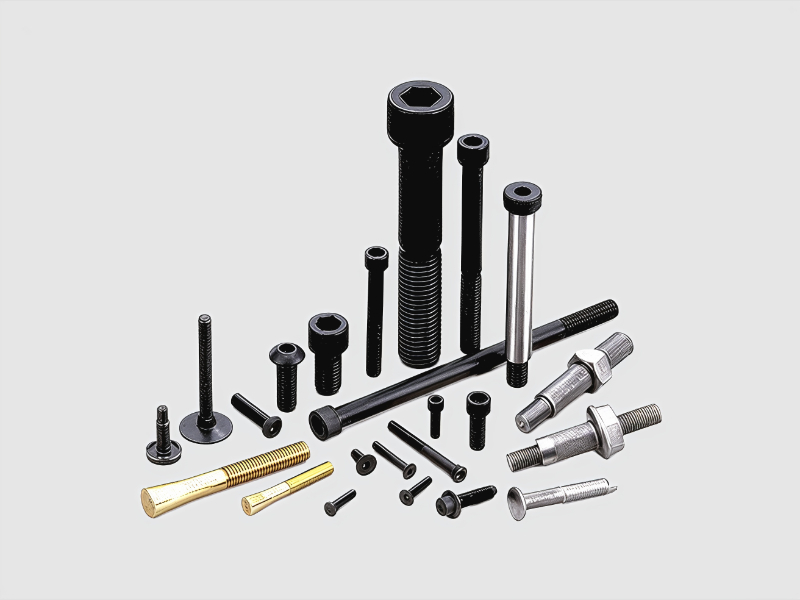
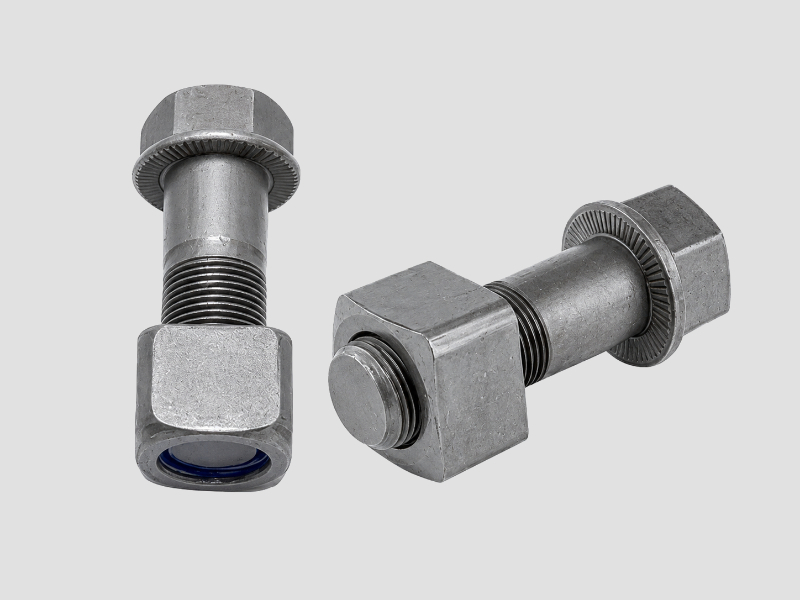
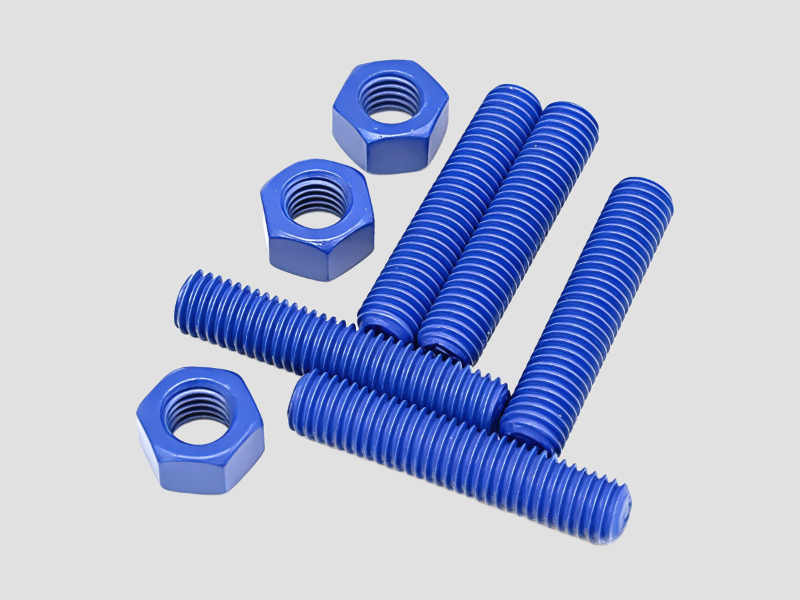
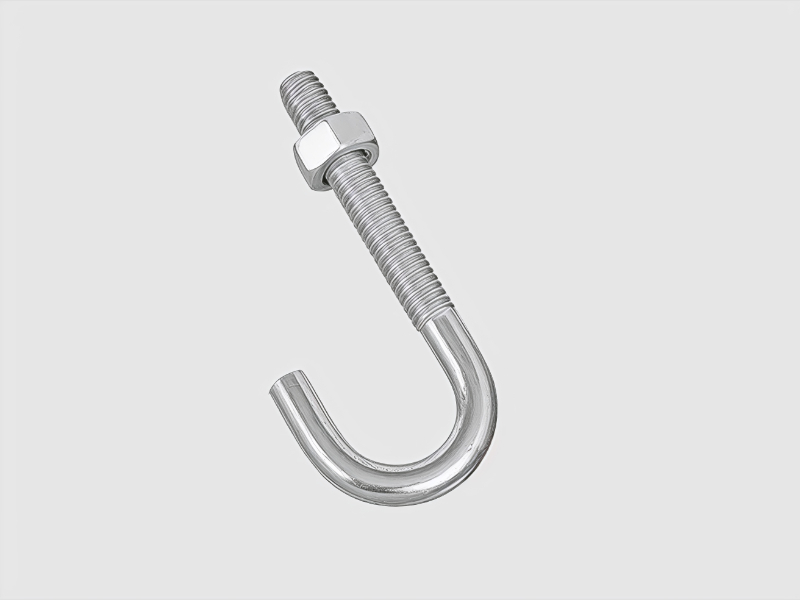
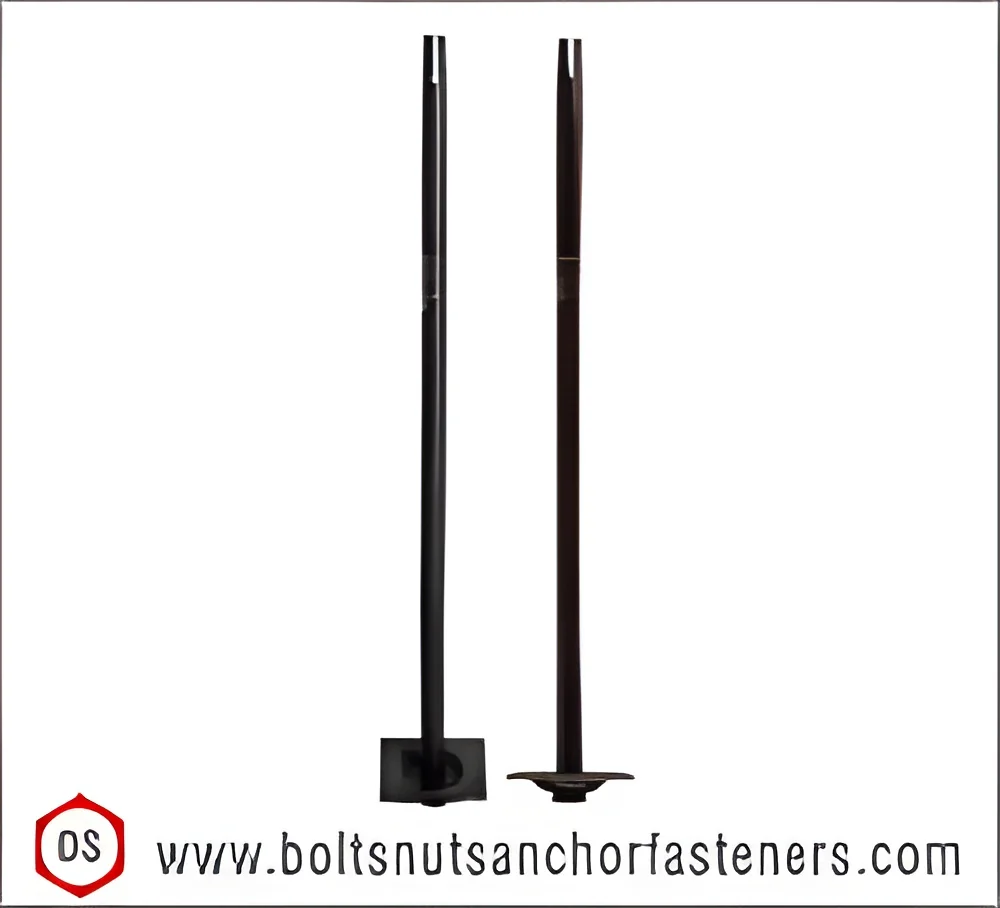
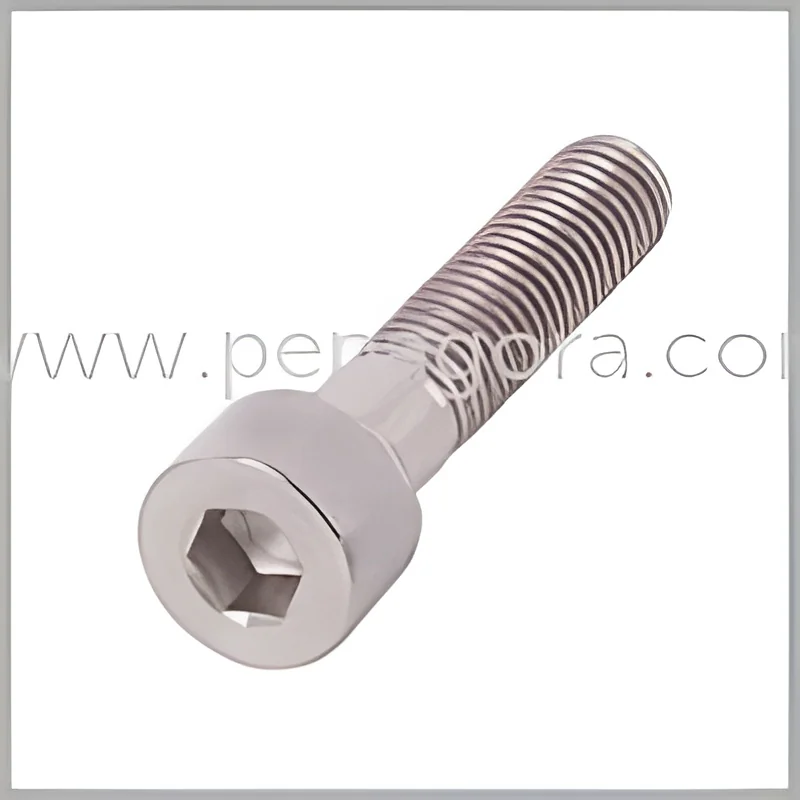
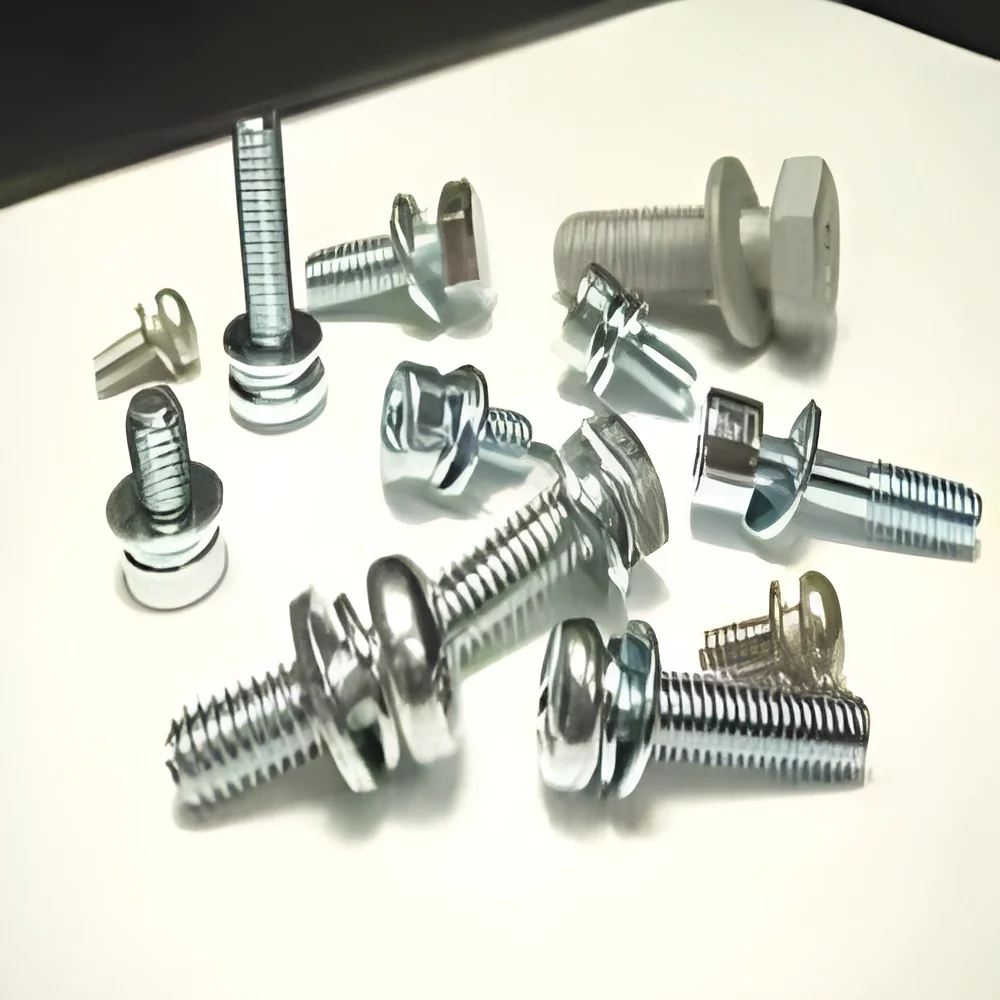
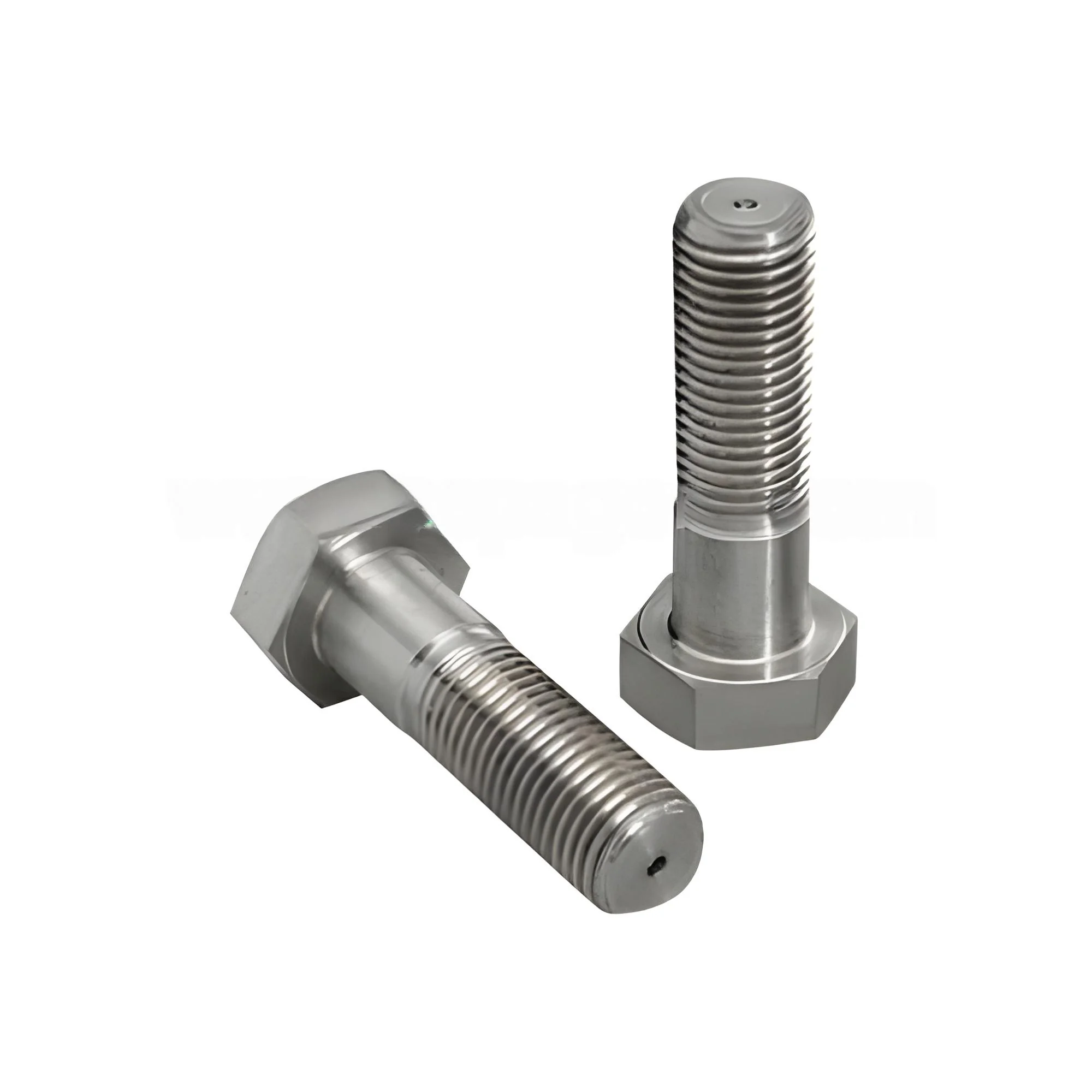
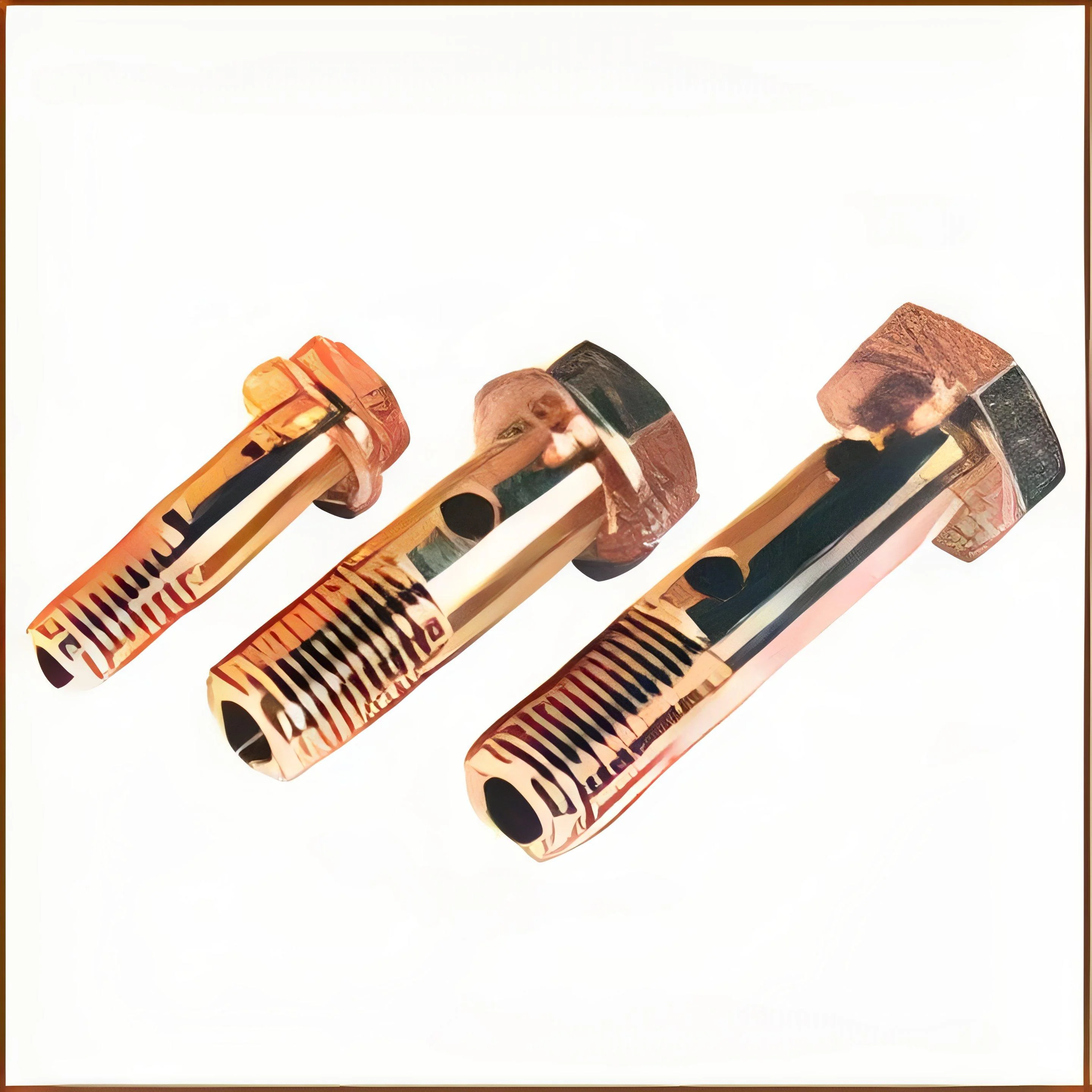
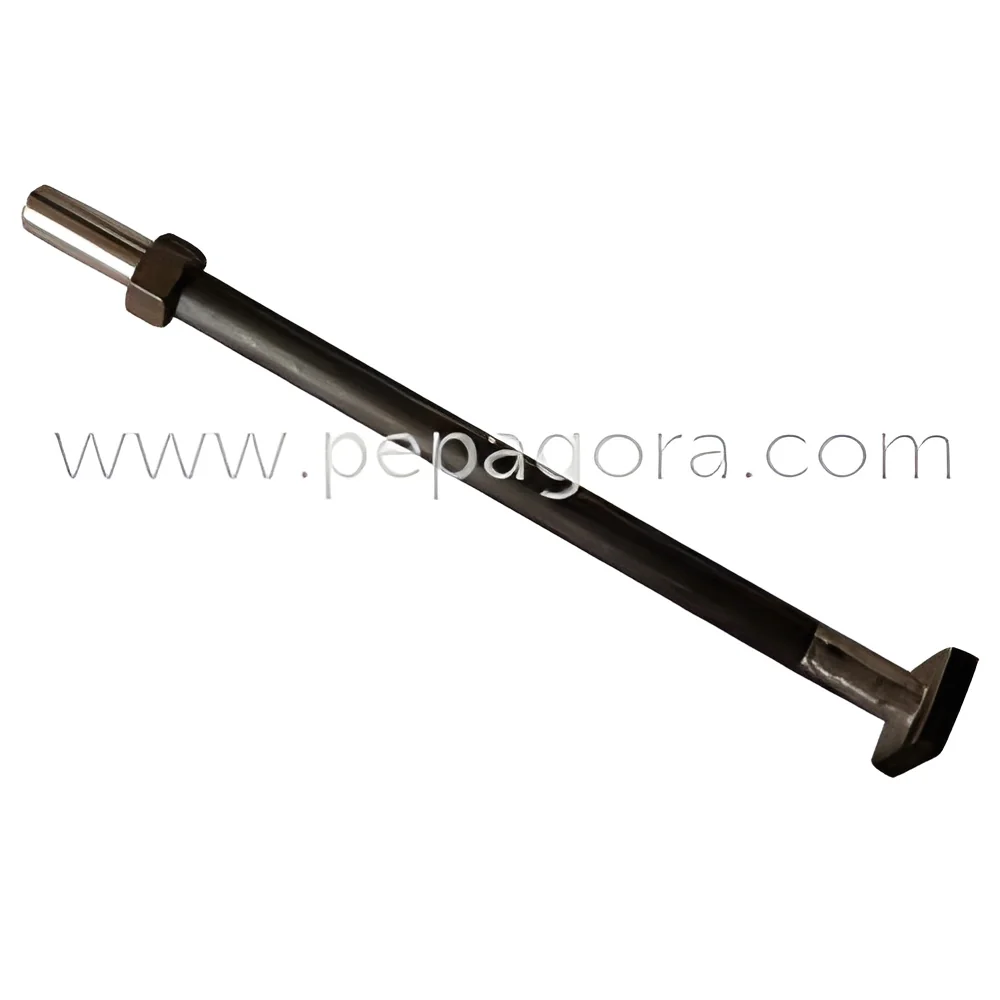
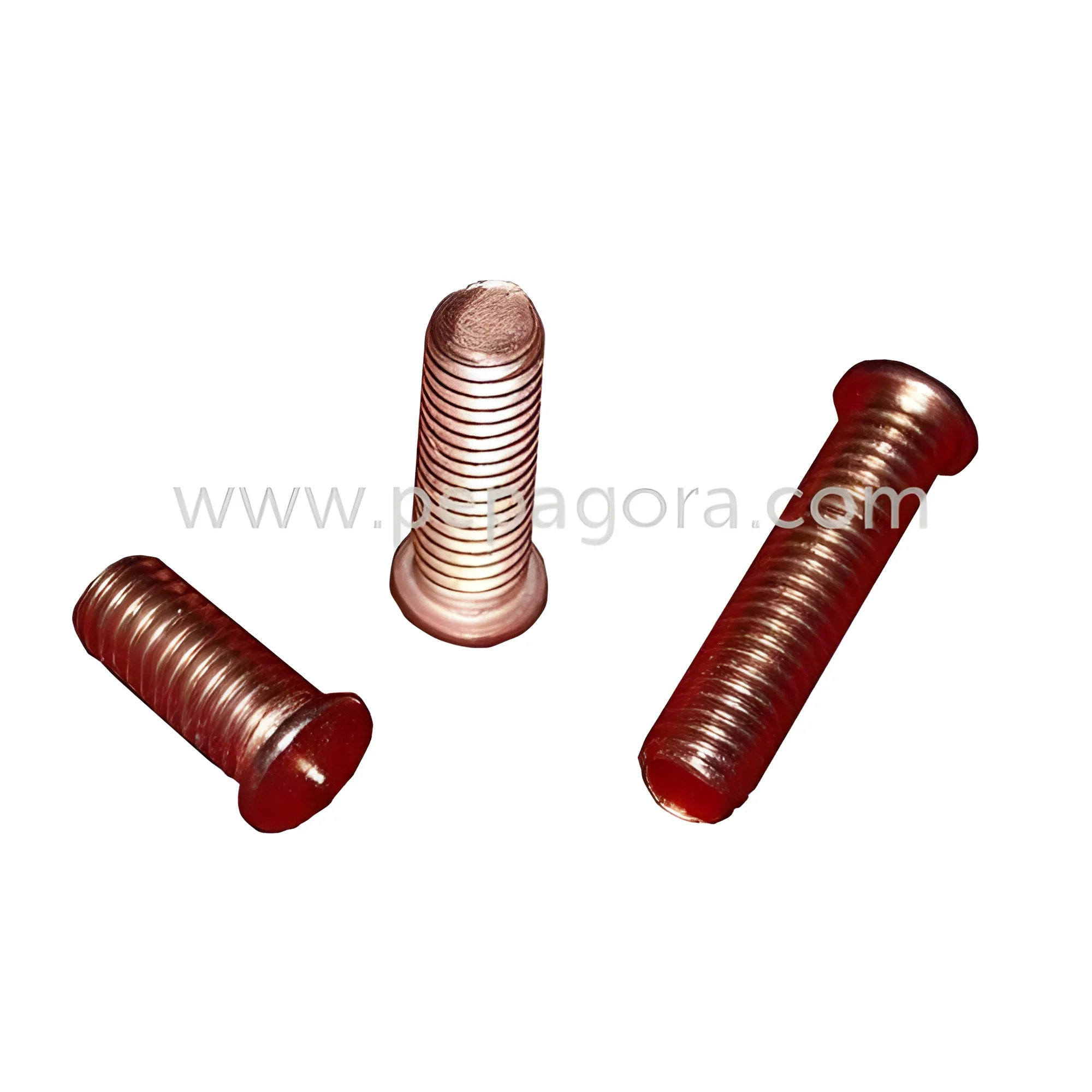
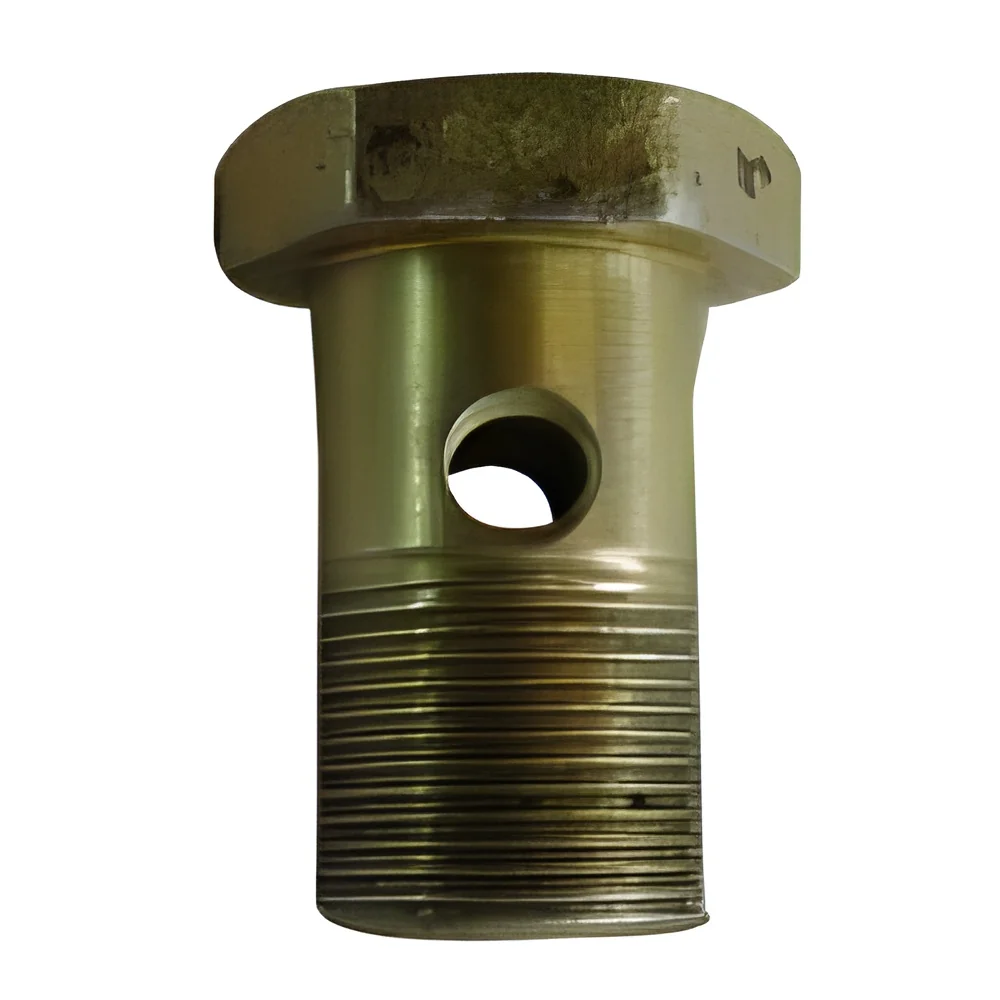
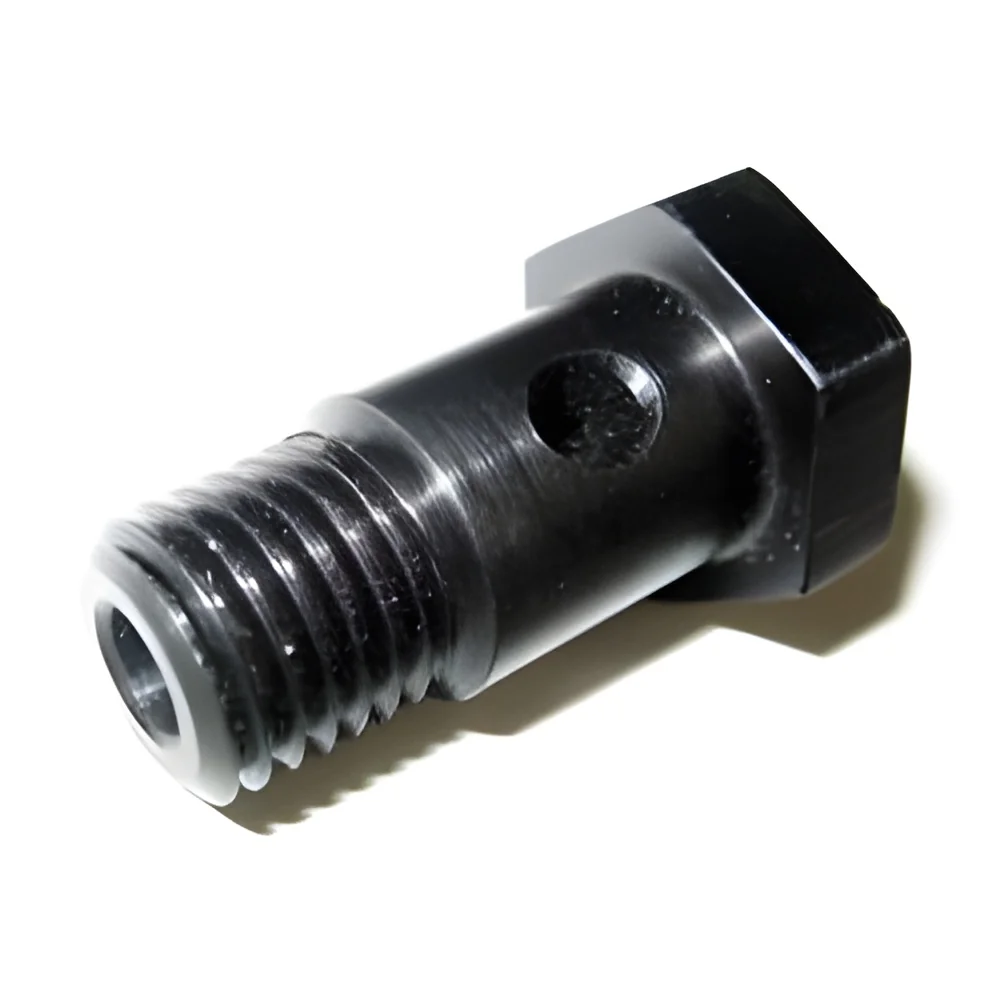
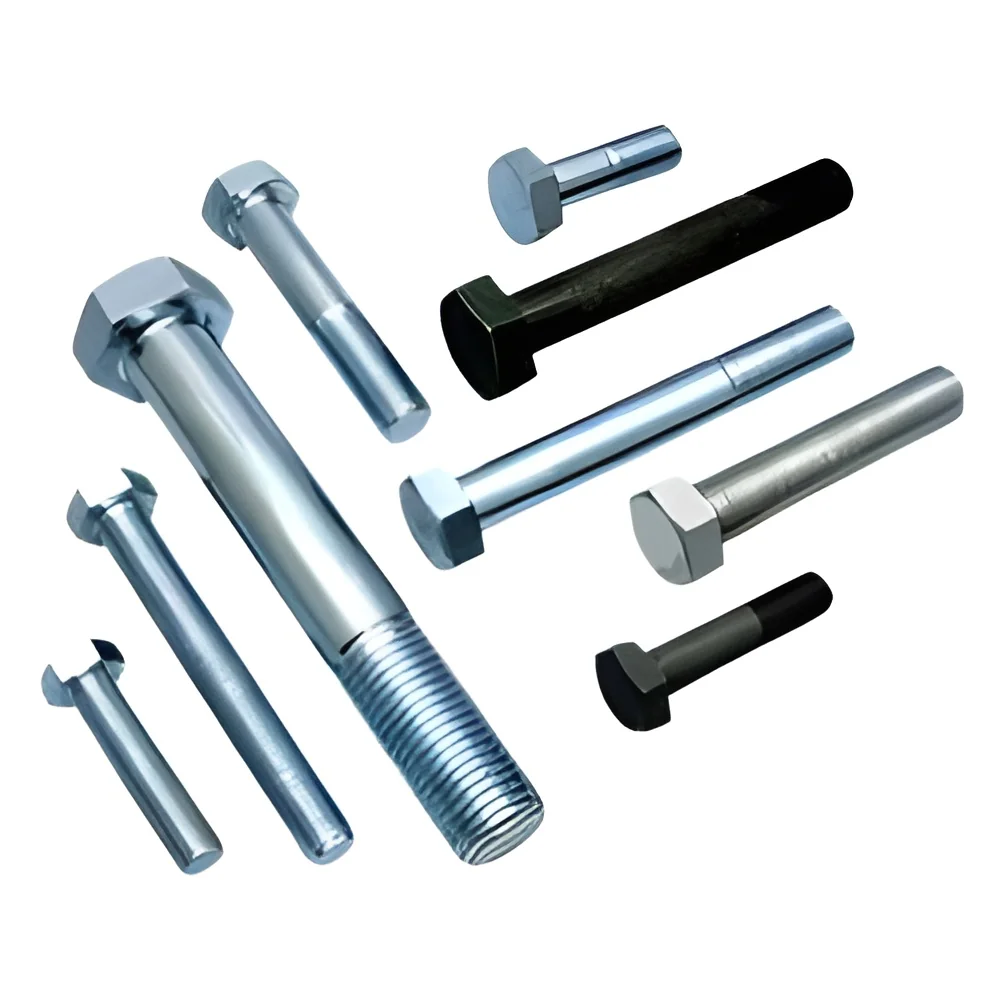
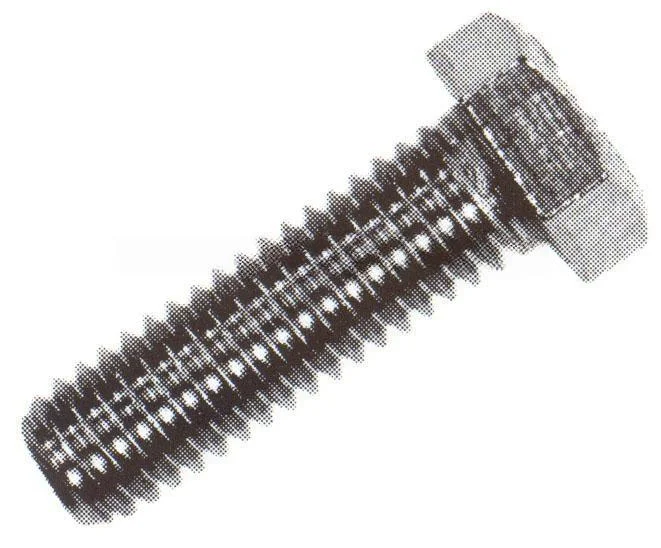
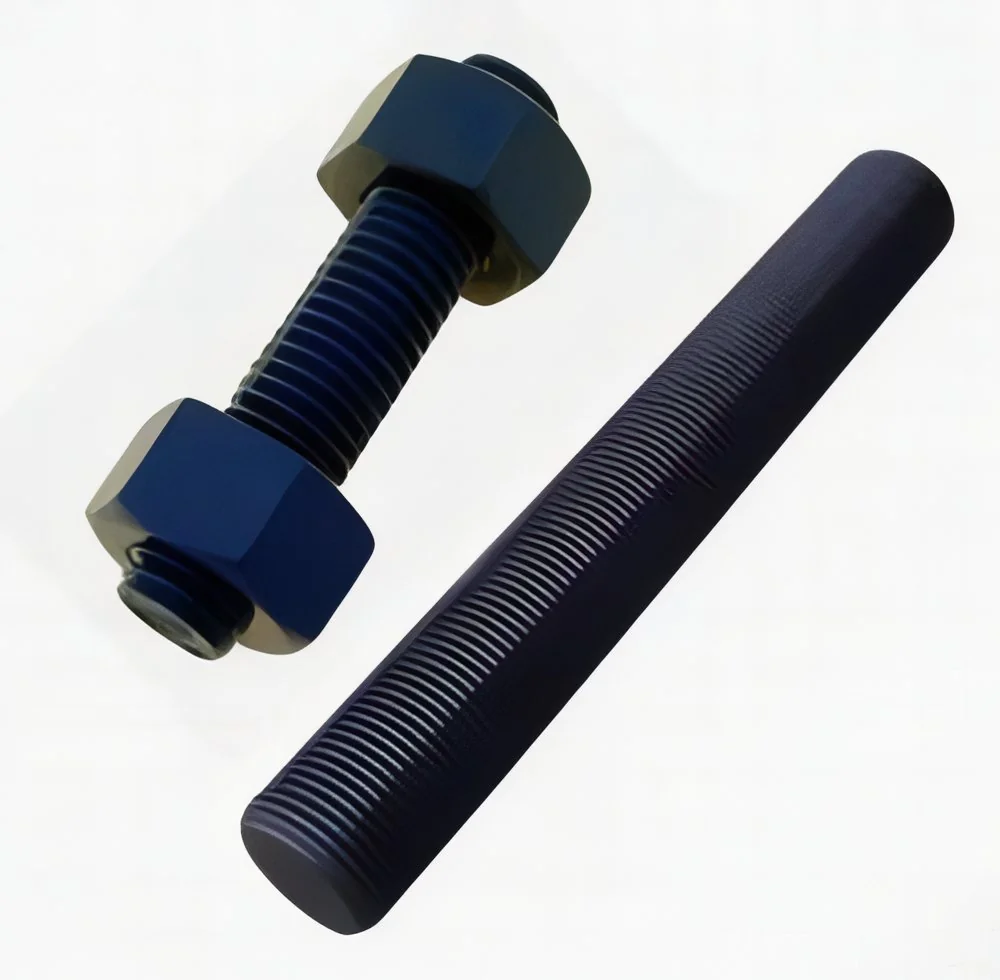
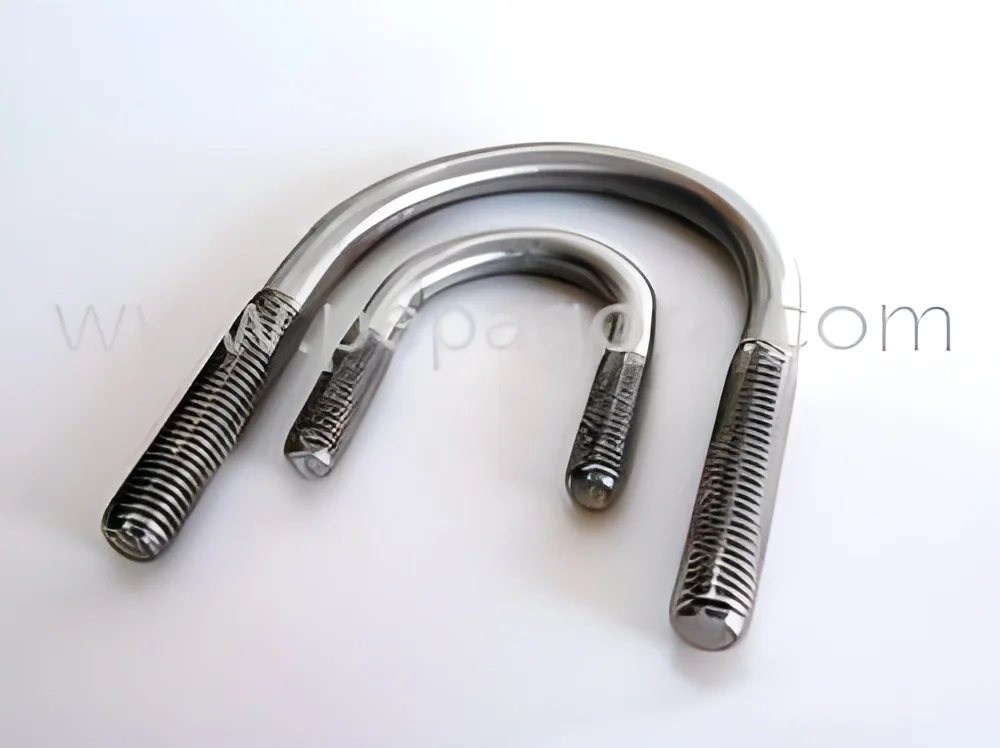
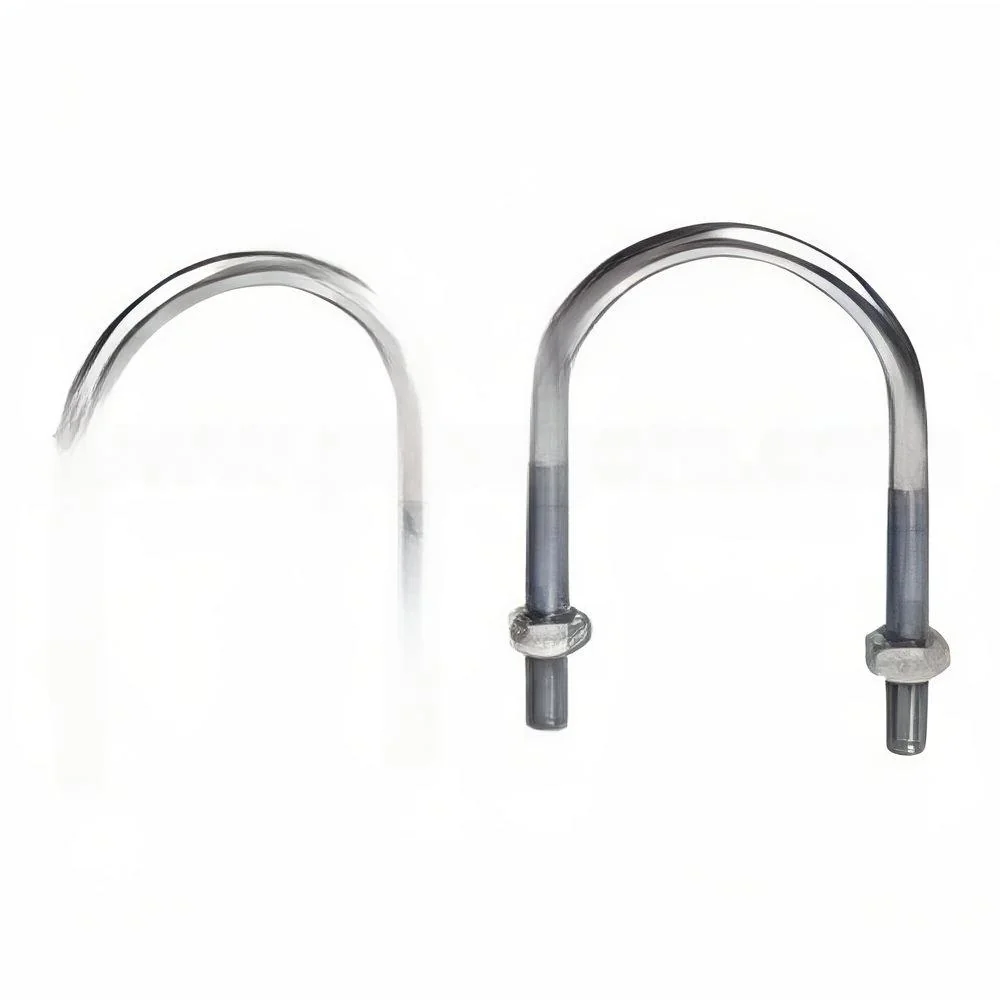
Bolts are mechanical fasteners that consist of a cylindrical body with a head at one end and a threaded shaft on the other. They are designed to hold together two or more components by being inserted through aligned holes and secured with a nut. Bolts come in various sizes, materials, and designs, making them essential for numerous applications in construction, manufacturing, and assembly processes.
The primary uses of bolts span across many industries including automotive, aerospace, construction, and machinery. They are critical in ensuring the integrity and safety of structures and machines. Bolts can be used to join metal plates, secure structural components, and assemble machinery parts. Their versatility makes them a staple in any industrial setting, where reliability and durability are paramount.
In the context of the market, the bolt industry is vast and competitive, driven by the constant demand for high-quality fasteners in various sectors. As industries evolve, the need for innovative and high-performance bolts has increased, demanding manufacturers to adhere to strict quality standards and certifications.
Key Features and Specifications
Bolts are characterized by specific features and specifications that determine their performance and suitability for various applications. Understanding these specifications is crucial for selecting the right bolt for a project.
Key specifications include:
1. Material Composition
- Common materials include steel, stainless steel, and aluminum.
- Different materials offer varying levels of strength, corrosion resistance, and weight.
2. Thread Type
- Threads can be coarse or fine, influencing the bolt's grip and load capacity.
- Common thread standards include UNC, UNF, and metric threads.
3. Diameter
- Bolts come in various diameters, typically ranging from a few millimeters to several inches.
- The diameter impacts the bolt's load-bearing capacity.
4. Length
- Lengths can vary widely, depending on application needs.
- Standard lengths are available, but custom lengths can often be ordered.
5. Grade and Strength
- Bolts are categorized by strength grades, which indicate their load-bearing capabilities.
- Common grades include Grade 2, Grade 5, and Grade 8 for steel bolts.
6. Finish and Coating
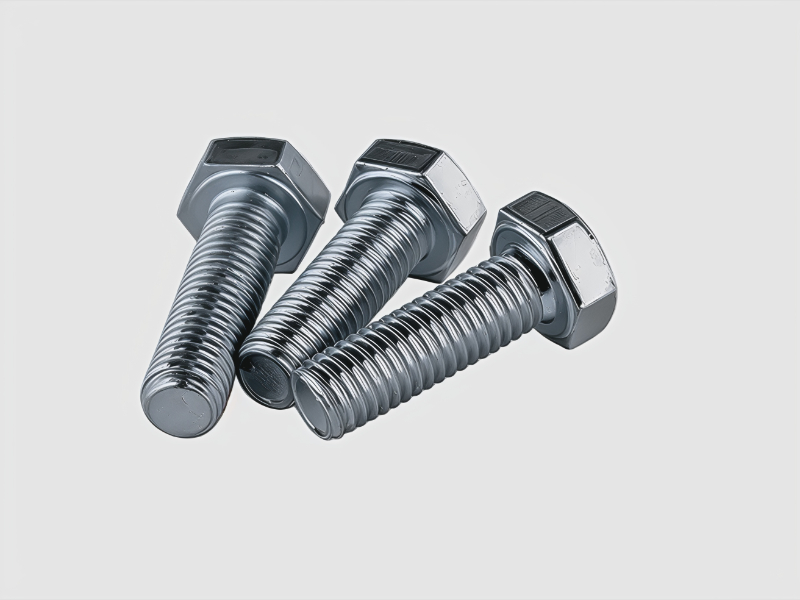
- Surface treatments such as zinc plating, galvanizing, or black oxide enhance corrosion resistance.
- The finish can also affect appearance and friction.
7. Head Styles
- Various head styles include hex, square, and round to suit different fastening needs.
- Head style can impact the tool required for installation.
8. Certifications
- Compliance with industry standards such as CE is crucial for ensuring product quality and safety.
In summary, understanding the features and specifications of bolts is essential for ensuring their suitability for specific applications, thus enhancing the reliability of assembled structures and machinery.
Common Applications and Use Cases
Bolts are utilized in a wide array of industries and applications, emphasizing their importance in industrial operations.
1. Automotive: In the automotive industry, bolts are used to assemble components such as engines, transmissions, and chassis. Their reliability is essential for vehicle safety and performance.
2. Construction: Bolts play a crucial role in the construction of buildings and infrastructure. They secure beams, columns, and other structural elements, ensuring stability and strength.
3. Aerospace: In the aerospace sector, high-strength bolts are used to assemble aircraft and spacecraft. These bolts must meet stringent safety and performance standards due to their critical applications.
4. Machinery: Bolts are vital in manufacturing machinery and equipment. They hold various parts together, ensuring operational efficiency and safety.
5. Electronics: In electronics, bolts are used for assembling components in devices such as computers and appliances. Their small size and precision are key for effective performance.
6. Energy: The energy sector employs bolts in wind turbines, solar panels, and power plants. They are essential for securing components that withstand harsh environmental conditions.
7. Marine: In marine applications, bolts secure components in ships and offshore structures. They must be resistant to corrosion due to exposure to seawater.
Product Variants and Subcategories
Bolts come in various variants that cater to specific needs and applications within industries.
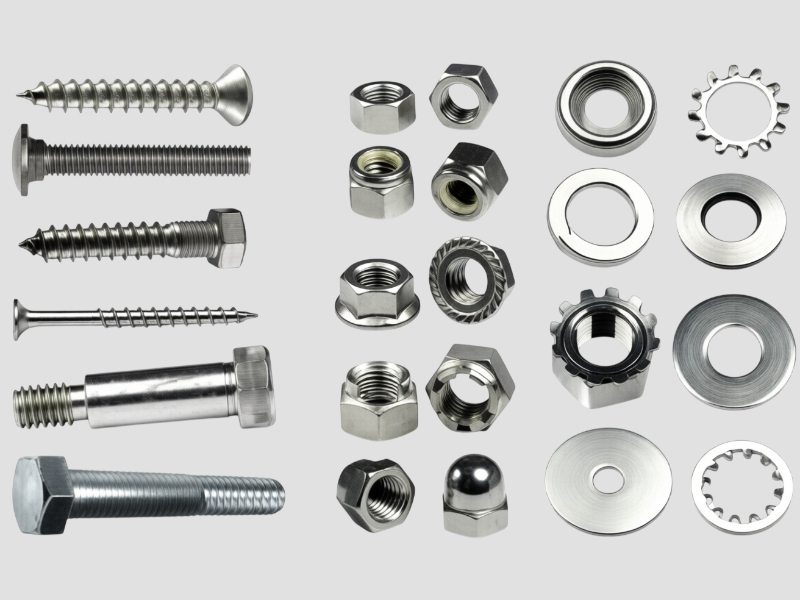
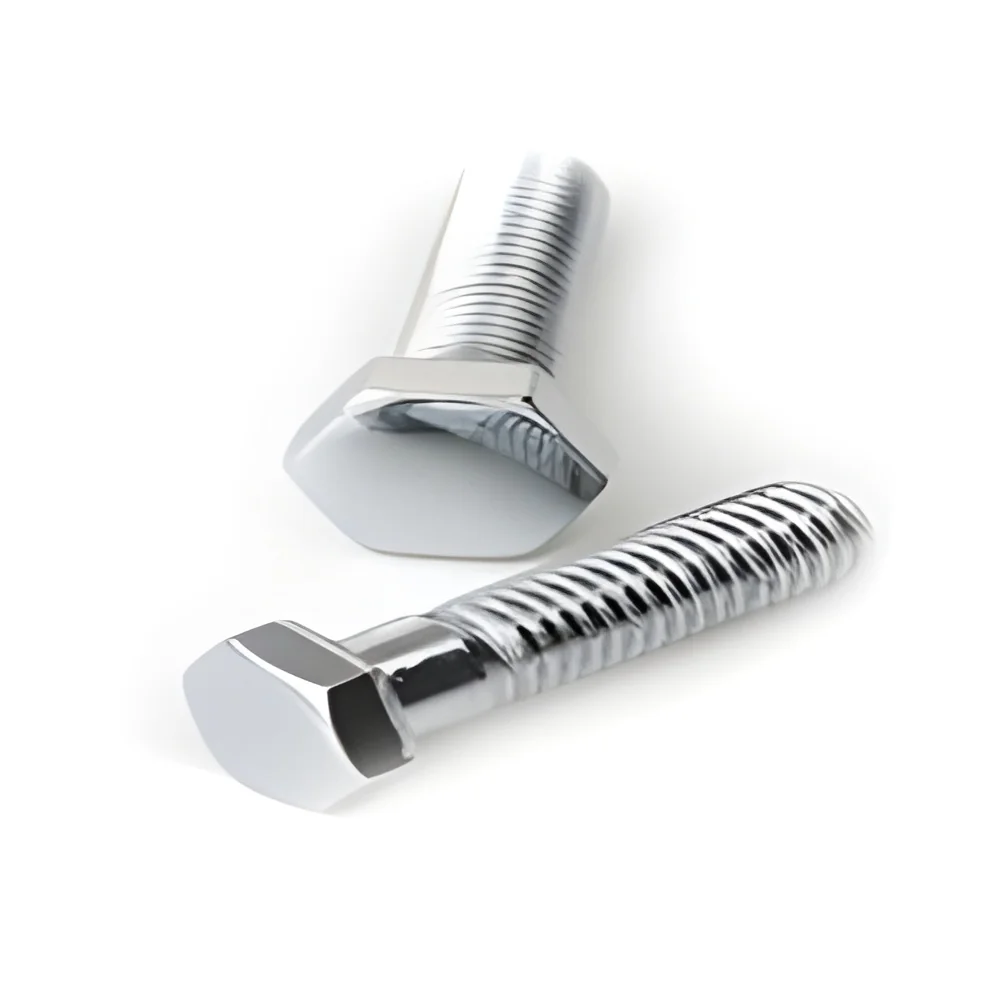
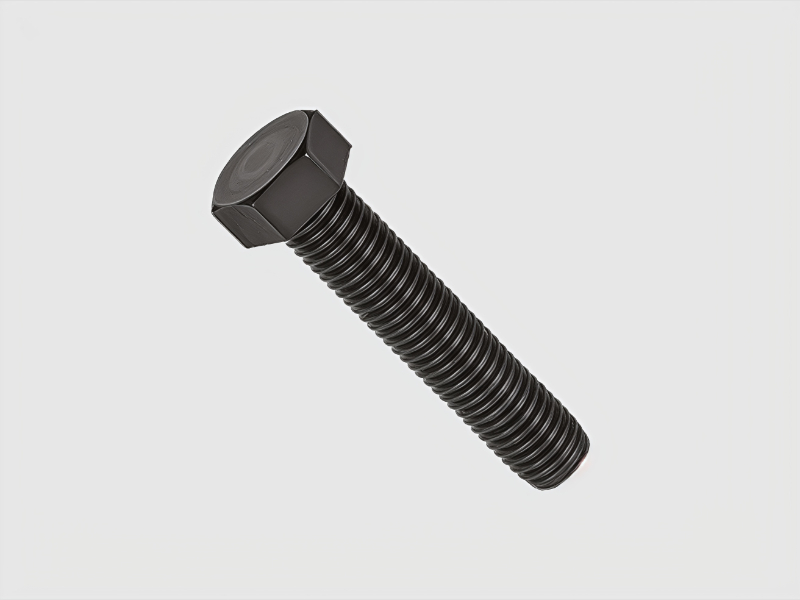
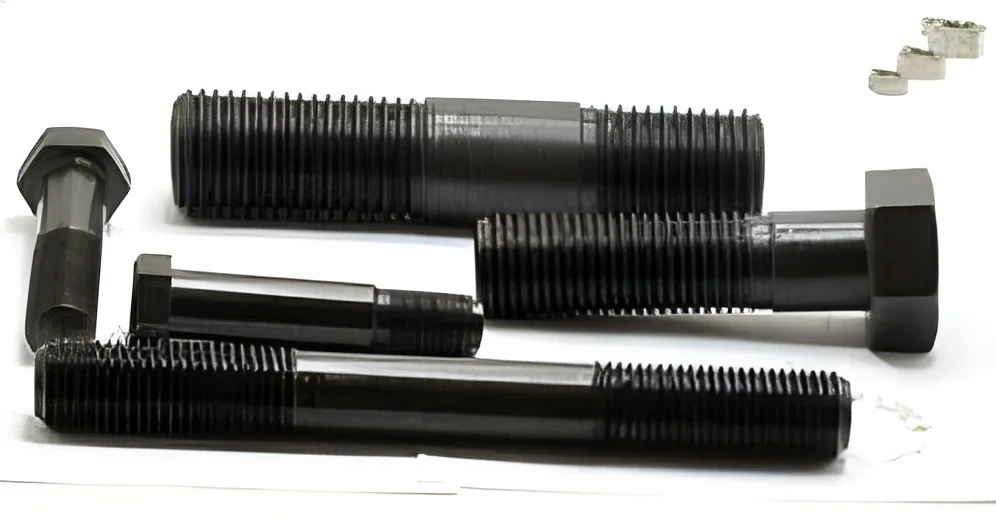
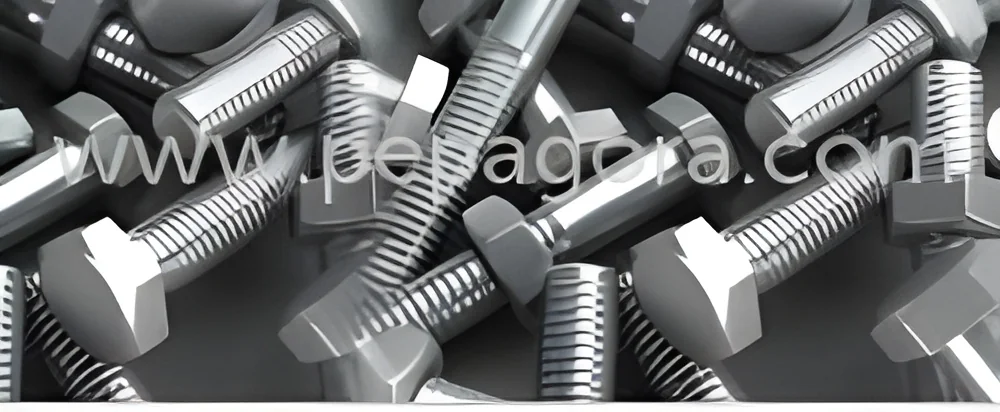
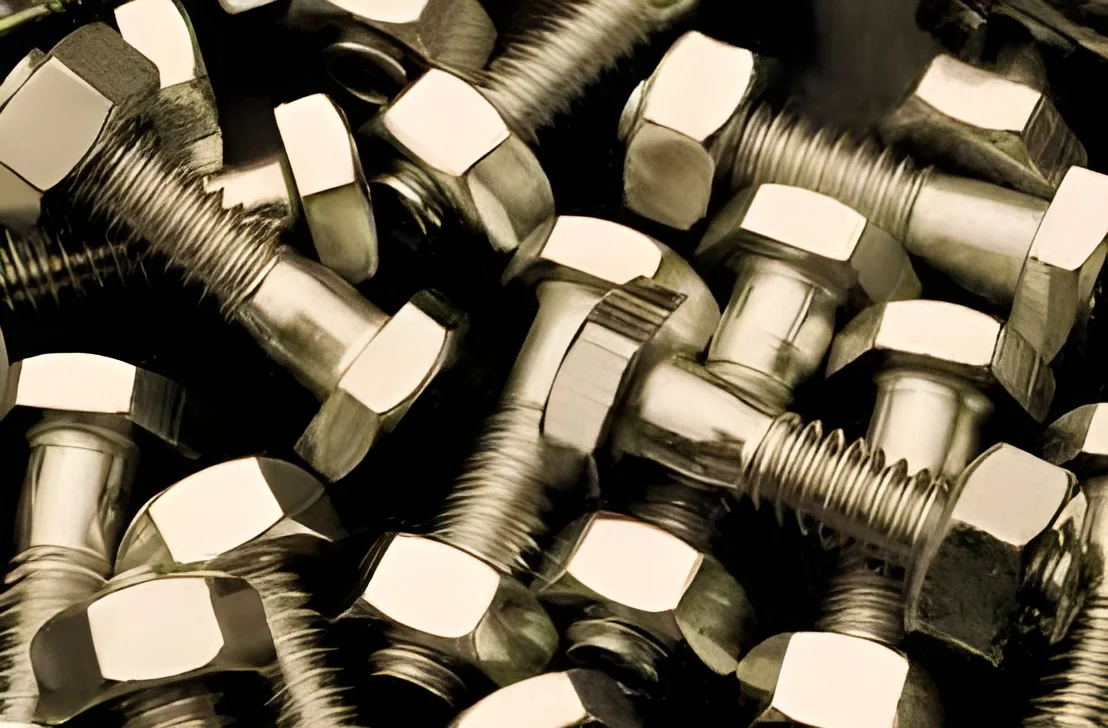
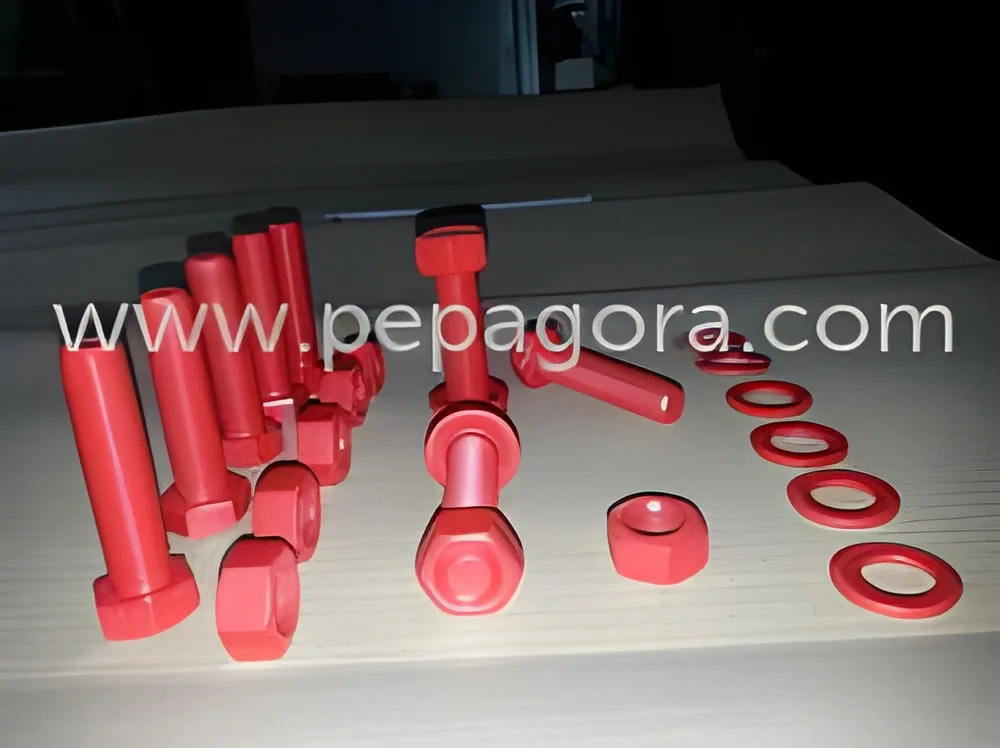
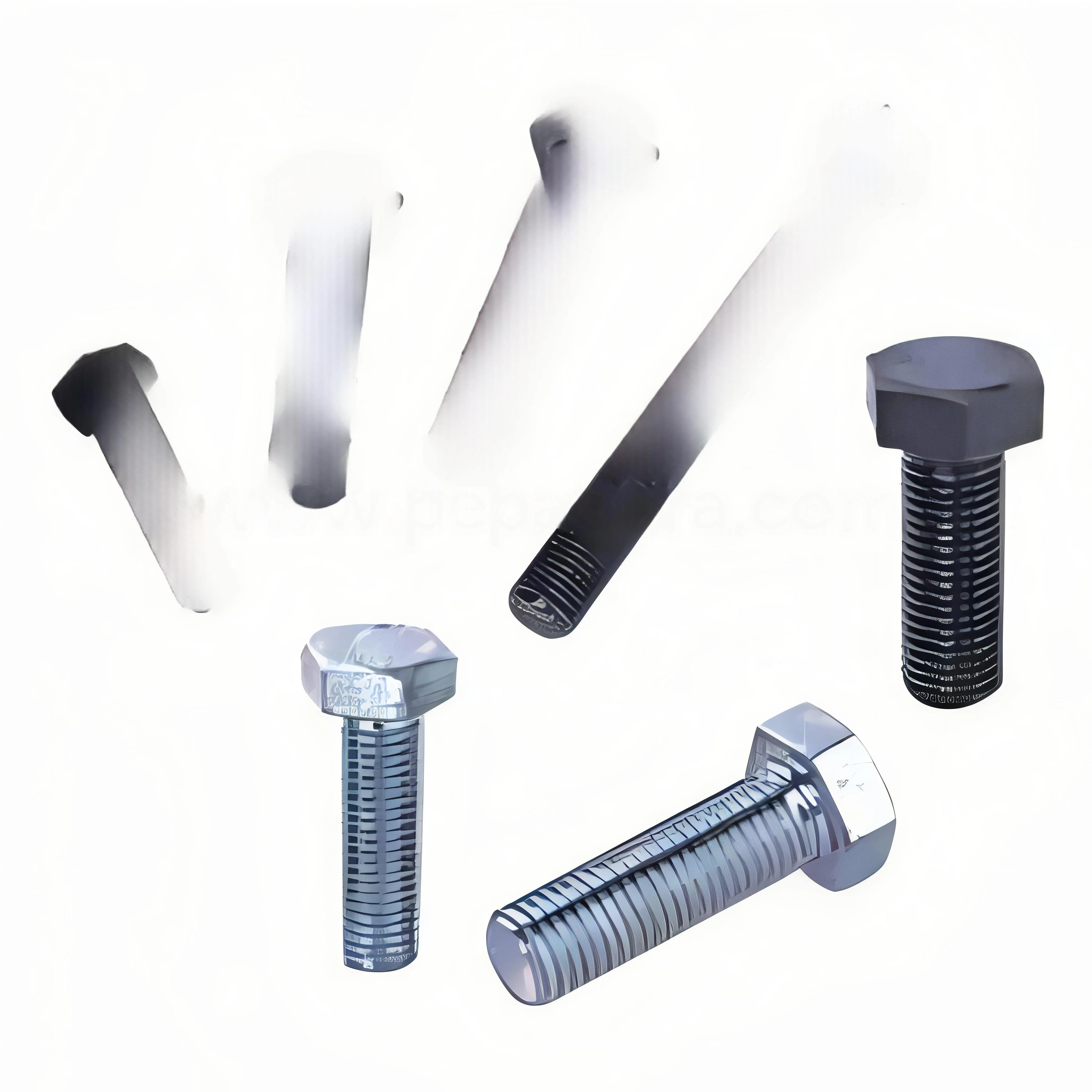
Hex Bolts: These bolts feature a hexagonal head that allows for easy tightening with a wrench. They are widely used in construction and machinery due to their strength and versatility.
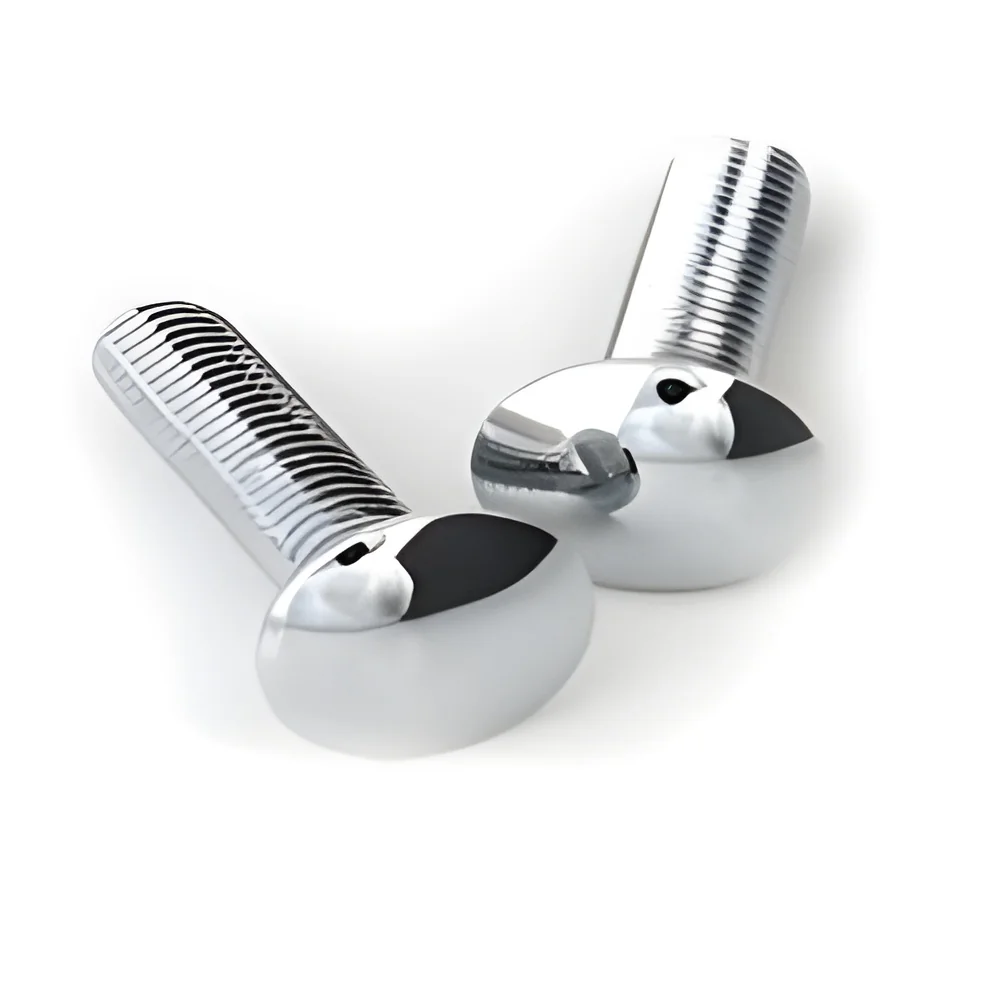
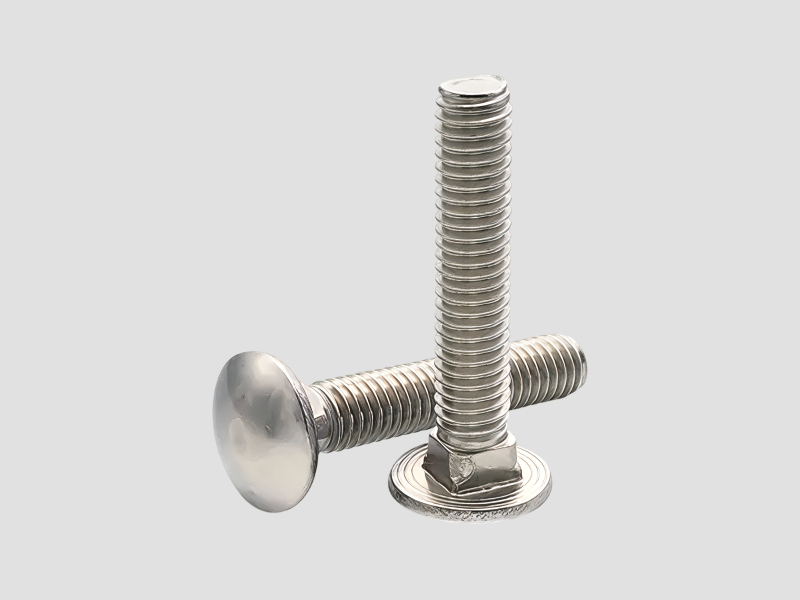
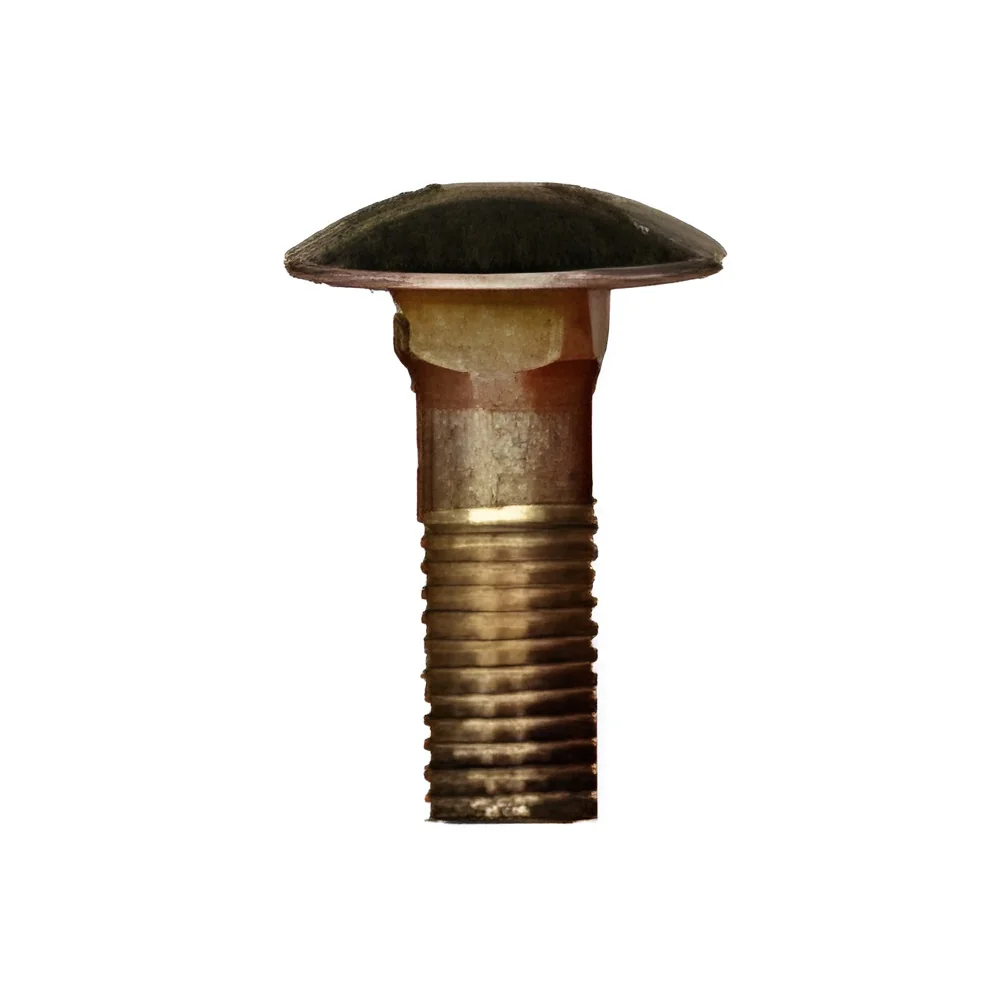
Carriage Bolts: Carriage bolts have a rounded head and a square neck that prevents rotation during installation. They are commonly used in wood applications, especially in outdoor furniture.
Lag Bolts: Also known as lag screws, these heavy-duty bolts are used to fasten wood and other materials. They are ideal for applications requiring a strong hold.
Shoulder Bolts: Shoulder bolts have a smooth cylindrical shoulder that provides a pivot point. They are used in applications requiring rotation or movement.
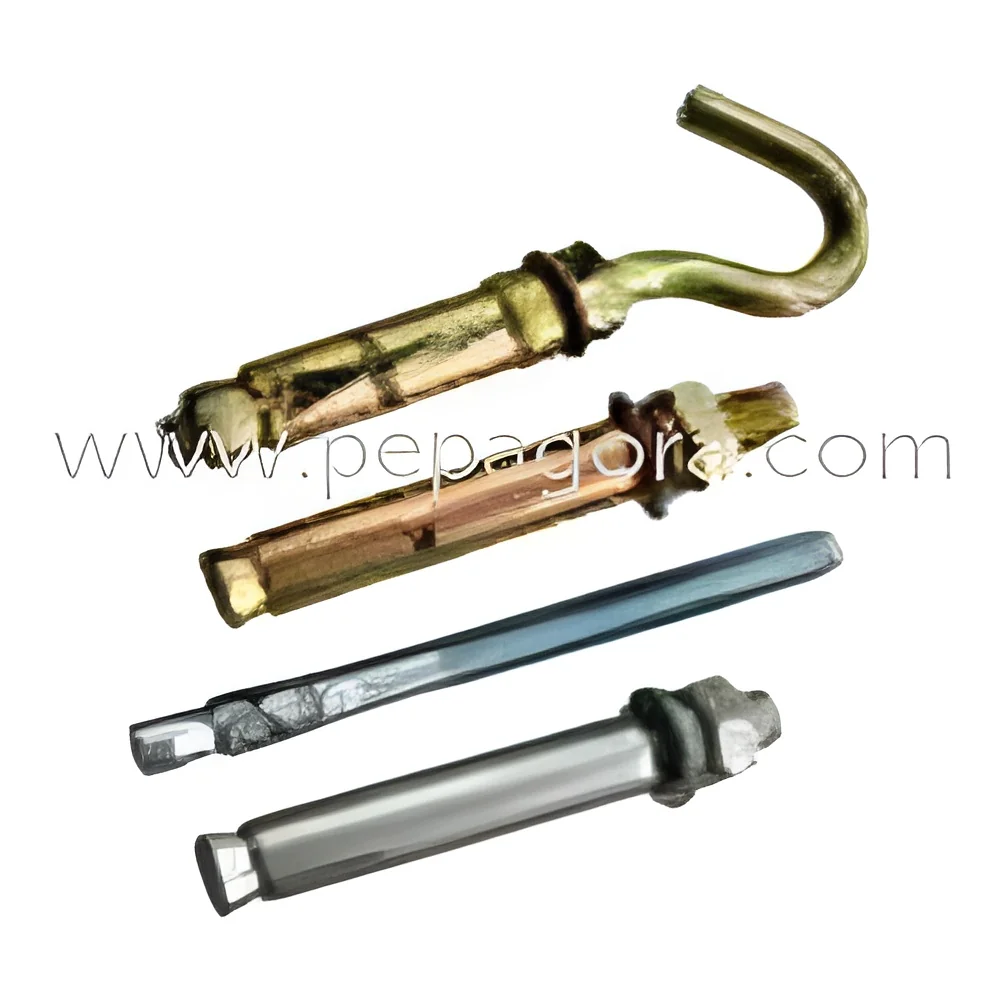
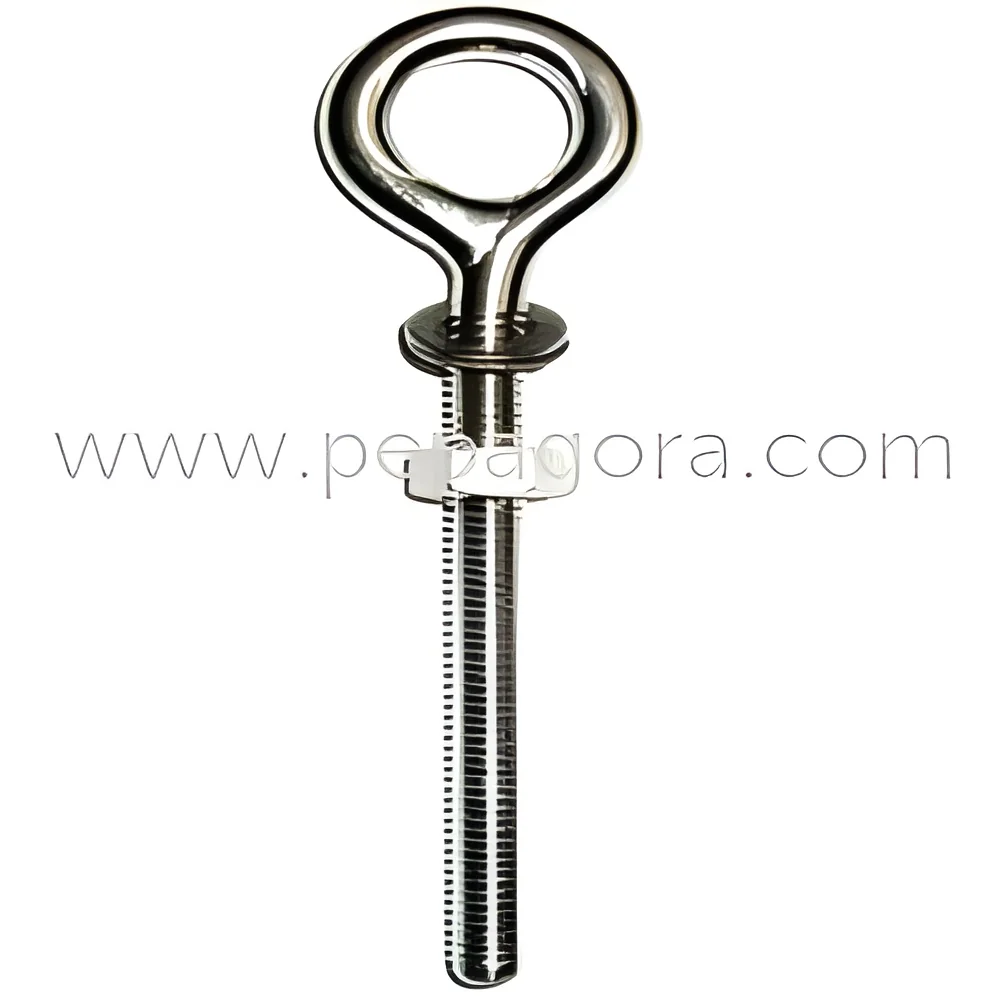
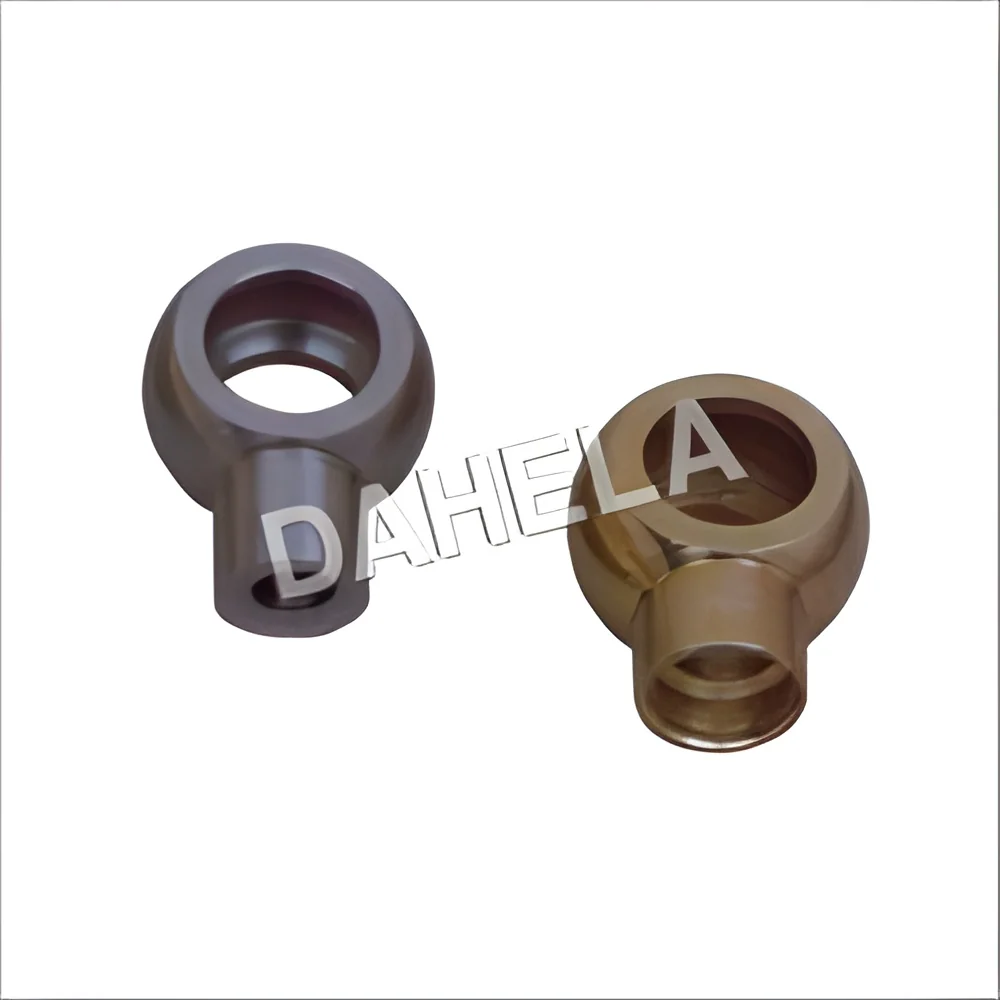
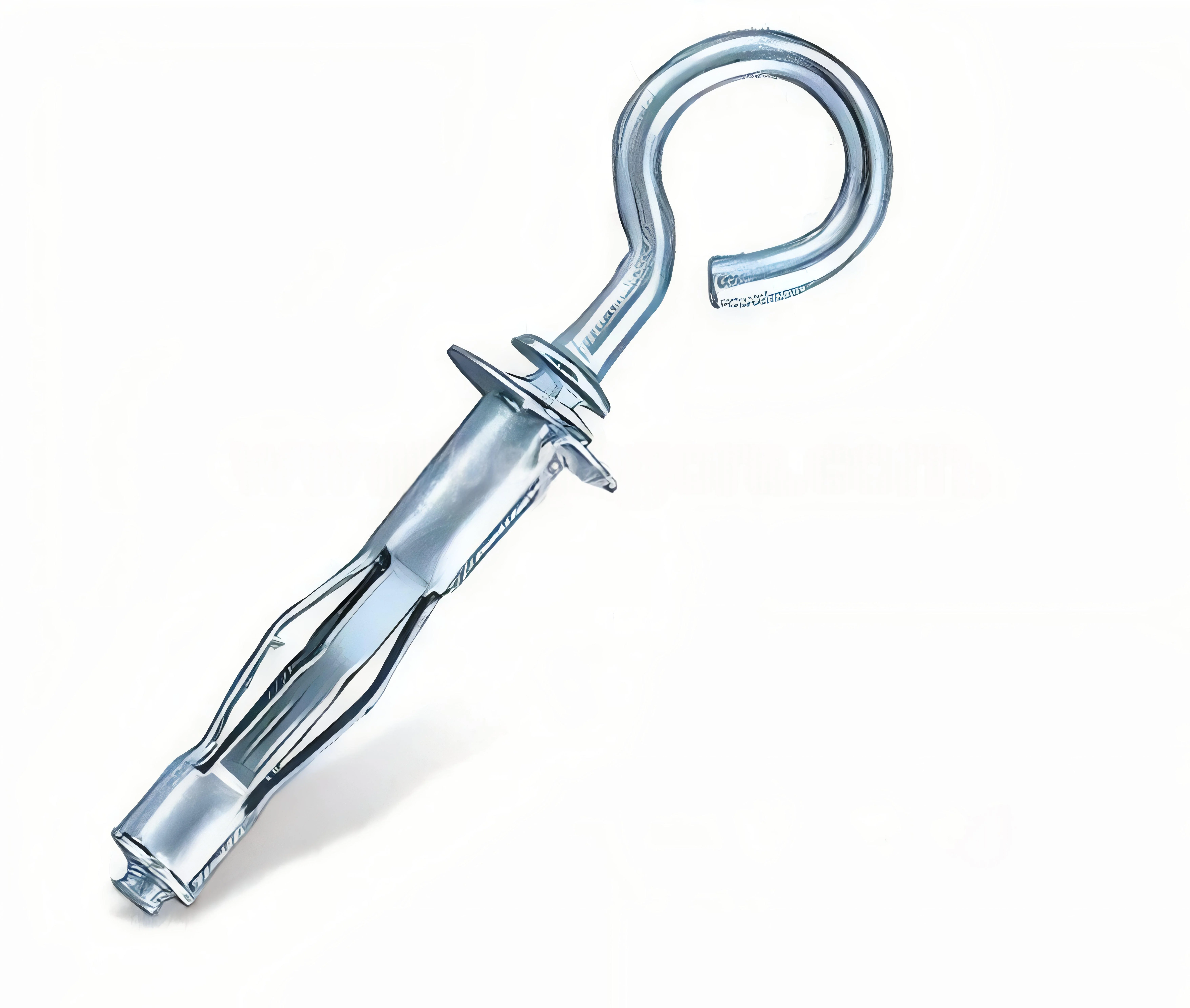
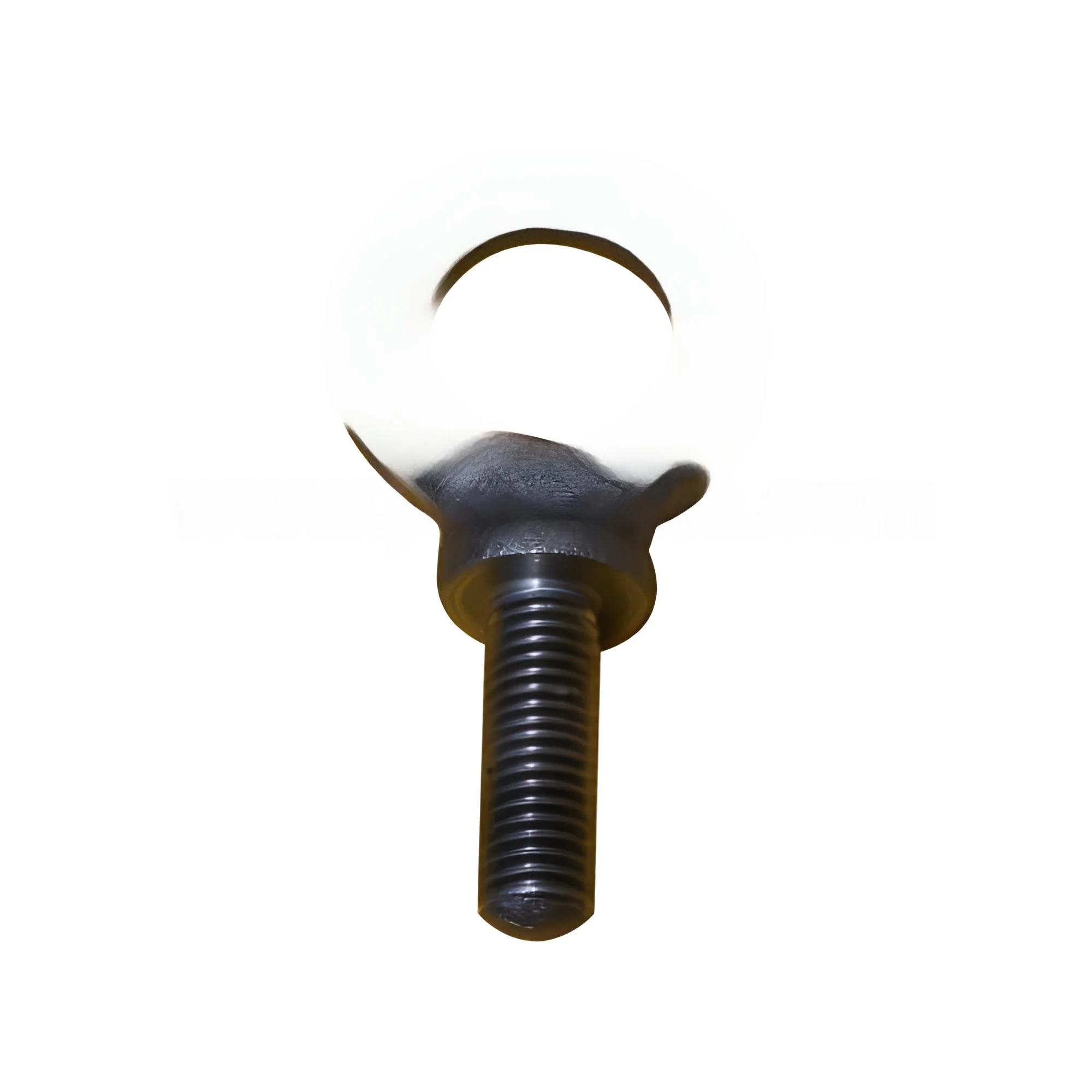
Eye Bolts: These bolts have a looped head and are often used for lifting and securing loads. They are common in rigging and construction.
Benefits and Advantages
Bolts offer a range of benefits that make them essential in industrial applications.
1. Strength and Durability: Bolts provide strong connections that can withstand high loads and stresses, ensuring longevity and reliability.
2. Versatility: With various sizes, materials, and thread types, bolts can be used in an array of applications across multiple industries.
3. Easy Installation: Bolts can be quickly and easily installed using basic tools, facilitating efficient assembly processes.
4. Reusability: Many bolts can be reused, making them a cost-effective choice for temporary or permanent installations.
5. High Load Capacity: Designed to bear significant loads, bolts are essential for safety in structural and mechanical applications.
6. Customization: Bolts can often be customized in terms of length, diameter, and material to meet specific project requirements.
Buying Guide for B2B Buyers
When sourcing bolts for industrial applications, there are several key factors to consider to ensure an effective purchase.
1. Quality Assessment: Evaluate the quality of bolts based on material composition, strength grades, and finishes. High-quality bolts are essential for safety and reliability.
2. Supplier Verification: Vet suppliers for reliability and reputation in the industry. Look for those with certifications and a proven track record of delivering quality products.
3. Pricing and MOQ: Understand pricing structures and minimum order quantities (MOQ) that suppliers offer. This will help in budgeting and planning your procurement needs.
4. Delivery and Lead Times: Consider the logistics of delivery and lead times. Timely delivery is crucial for maintaining project schedules.
5. Compliance Requirements: Ensure that the bolts meet any regulatory standards relevant to your industry. Compliance with quality standards ensures safety and reliability.
Compliance and Certifications
Compliance with industry standards and certifications is vital for ensuring the quality and safety of bolts. Relevant quality standards, such as ISO 9001, ensure that manufacturers maintain high-quality management systems. Additionally, certifications like CE indicate that products meet European safety and environmental standards.
Safety and testing requirements often involve evaluating the strength, durability, and performance of bolts under various conditions. It is essential for manufacturers to conduct rigorous testing to ensure that their products can withstand the demands of their intended applications.
Regionally, compliance considerations may vary, so it is important for buyers to understand local regulations and standards applicable to bolts in their area. Adhering to these requirements helps mitigate risks and assures product reliability.
Why Source Bolts from Pepagora?
Pepagora offers a trusted platform for sourcing bolts, providing several key advantages for B2B buyers.
Verified Supplier Network: Pepagora connects buyers with a network of verified suppliers who have been screened for quality and reliability. This reduces the risk of sourcing inferior products.
Streamlined RFQ Process: The request for quotation (RFQ) process on Pepagora is designed to be efficient, allowing buyers to compare multiple offers and select the best option for their needs.
Trade Assurance and Support: Pepagora provides trade assurance, protecting buyers from potential issues and ensuring that transactions are secure. In addition, dedicated support is available to assist throughout the purchasing process.
Regional Coverage: With a strong presence in India, the GCC, and Southeast Asia, Pepagora offers geographic reach that facilitates sourcing bolts across various markets. This extensive coverage helps buyers find the right products, regardless of their location.

 IN
IN