What are Wire Nails?
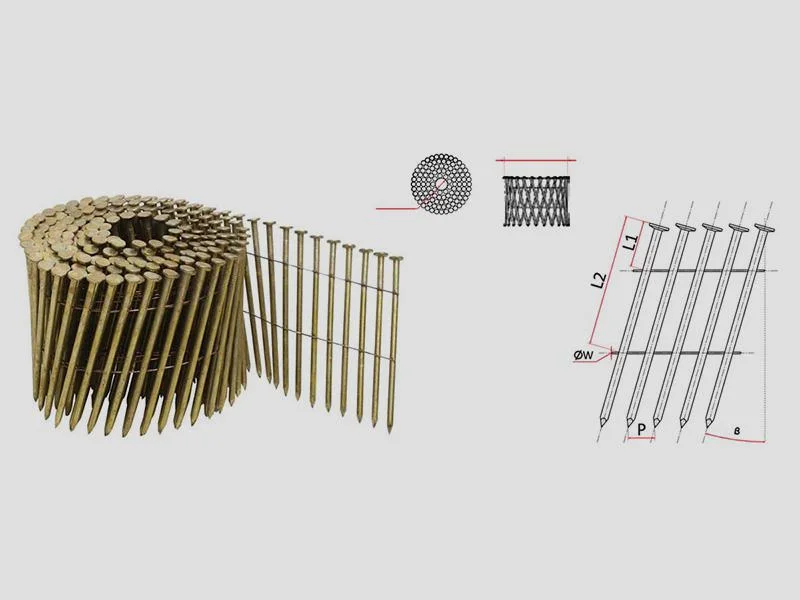
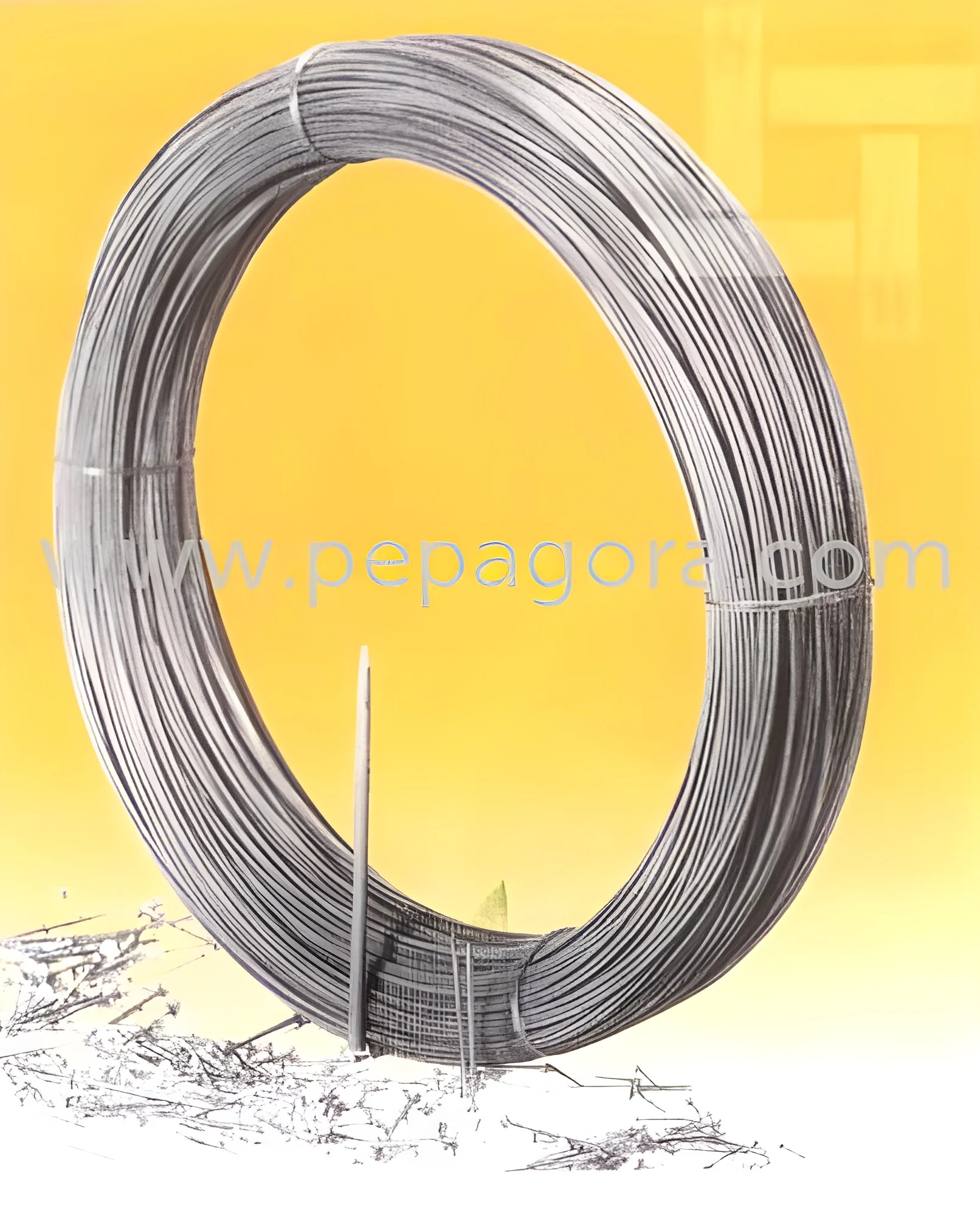
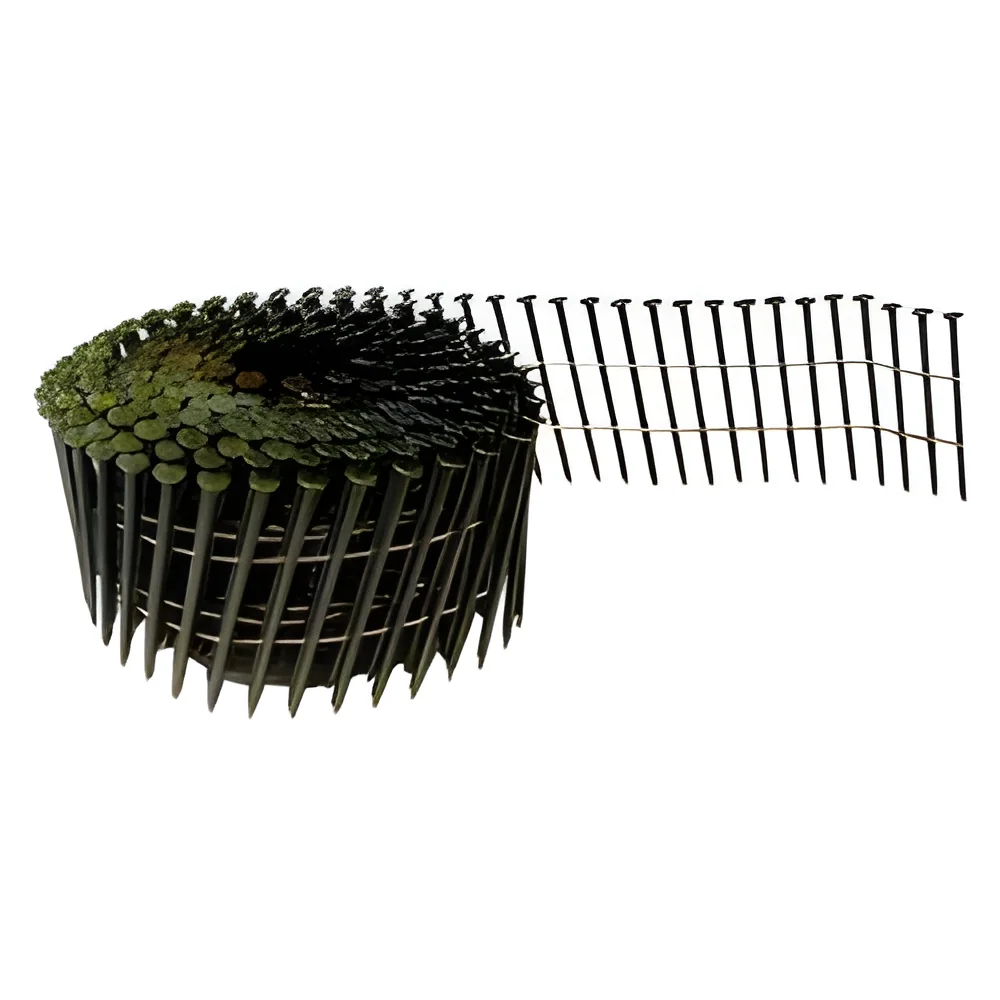
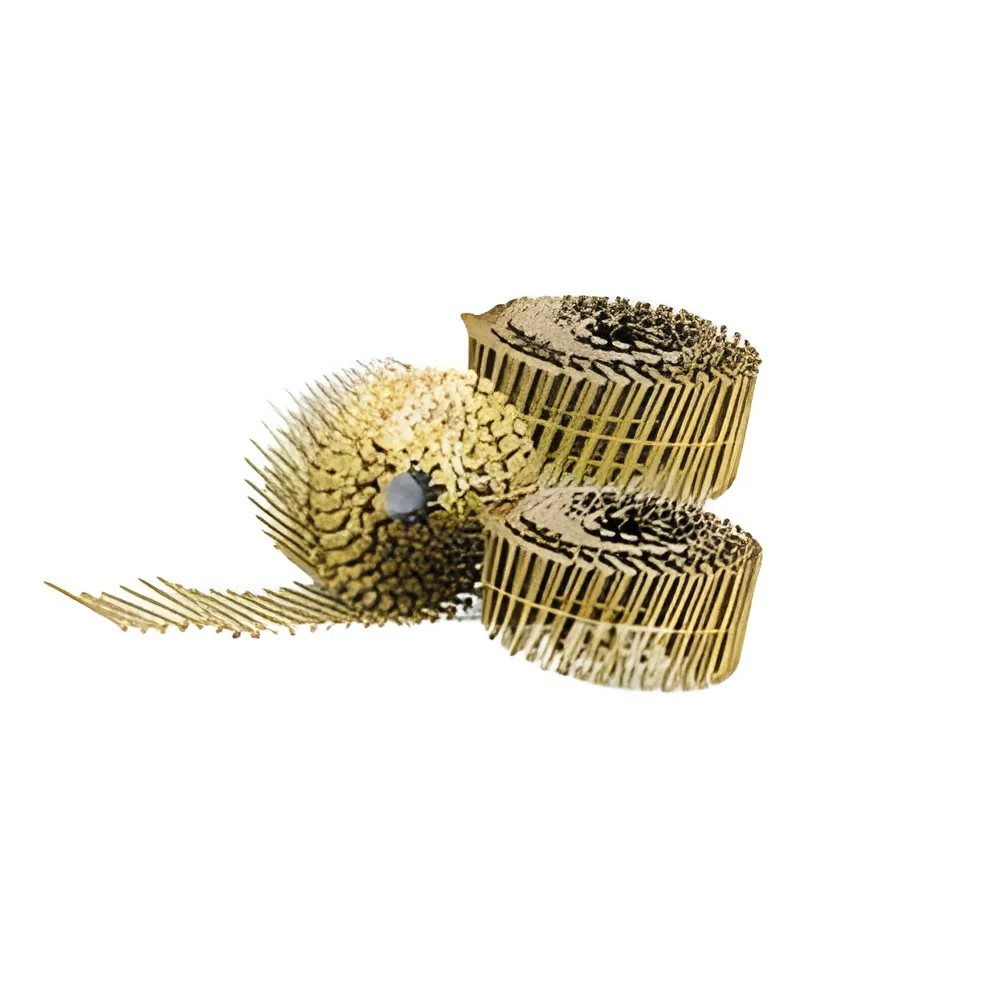
Wire nails are fasteners made from metal wire, typically steel, that are used for joining materials together. They are characterized by their slender, elongated shape and pointed ends, which allow them to penetrate various surfaces easily. Wire nails are manufactured through a process of drawing wire and then cutting it into specific lengths. They are available in different gauges and lengths, providing versatility for various applications.
Primarily, wire nails are used in construction, woodworking, and furniture assembly. They serve as a crucial component in framing, roofing, and general carpentry tasks. Businesses across these sectors rely on wire nails for their strength and reliability, making them essential for structural integrity. The wire nail market continues to grow, driven by construction activities and the demand for durable fastening solutions.
Key Features and Specifications
Wire nails come with several key features that make them suitable for a wide range of applications. Their specifications can vary based on intended use and industry requirements.
Key specifications include:
1. Gauge
- Refers to the thickness of the wire nail
- Common ranges from 12 to 18 gauge
2. Length
- Measurement from the head to the tip of the nail
- Typically ranges from 1 inch to 6 inches
3. Material
- Most commonly made from steel
- Can also be galvanized or coated for corrosion resistance
4. Head Type
- Available in flat, round, or countersunk designs
- Ensures secure fastening and optimal surface finish
5. Point Type
- Options include diamond point or blunt point
- Affects ease of penetration and holding power
6. Finish
- Available in bright, galvanized, or painted finishes
- Affects aesthetic and protective properties
7. Packaging
- Often sold in bulk or in boxes
- Quantity can vary, with common packaging sizes between 100 to 500 nails
In summary, wire nails are versatile fasteners available in various specifications, making them suitable for multiple industrial applications.
Common Applications and Use Cases
Wire nails are widely used in several industries due to their strength and versatility.
1. Construction: Wire nails are essential for framing structures, securing roof sheathing, and attaching drywall.
2. Furniture Manufacturing: They are frequently used in assembling wooden furniture, providing strong joints without compromising aesthetics.
3. Carpentry: Carpenters rely on wire nails for general woodworking tasks, including cabinetry and trim work.
4. Packaging: Wire nails are used in wooden crates and pallets for securing packaging materials.
5. Agriculture: They are employed in fencing and barn construction, ensuring durability in outdoor applications.
6. DIY Projects: Home improvement enthusiasts utilize wire nails for various crafting and construction projects.
7. Automotive: Wire nails can be found in vehicle interiors and assembly processes, contributing to structural integrity.
Product Variants and Subcategories
Wire nails come in various forms to meet different application needs.
Common Wire Nails
These are the standard type used in most applications, offering a balance of strength and versatility. They are suitable for general construction and woodworking tasks.
Galvanized Wire Nails
These nails are coated with a layer of zinc to enhance resistance to corrosion. They are ideal for outdoor applications where moisture exposure is common.
Ring Shank Wire Nails
Designed with ridges along the shaft, these nails provide superior holding power and are commonly used in roofing and decking.
Benefits and Advantages
Sourcing wire nails comes with several key benefits for businesses.
1. Strong Holding Power: Wire nails provide reliable fastening, reducing the risk of loosening over time.
2. Cost-Effective: They are generally available at competitive prices, making them an economical choice for bulk purchases.
3. Versatility: Wire nails can be used across multiple applications, from construction to furniture making, catering to diverse industries.
4. Easy Installation: Their pointed ends allow for easy penetration into materials, enabling quick assembly.
5. Wide Availability: Wire nails are readily available from numerous suppliers, ensuring that businesses can easily source them.
6. Compatibility: They can be used in conjunction with various materials, including wood, drywall, and metal, enhancing their usability.
Buying Guide for B2B Buyers
When sourcing wire nails, businesses should consider several critical factors.
1. Quality Assessment: Evaluate the quality of wire nails based on material strength and finishing. Ensure they meet industry standards for durability.
2. Supplier Verification: Vet suppliers to confirm their reliability and track record. Check for customer reviews and certifications.
3. Pricing and MOQ: Understand the pricing structure and minimum order quantities. Compare prices from different suppliers to ensure a fair deal.
4. Delivery and Lead Times: Discuss logistics with suppliers to determine delivery timelines and shipping options to avoid project delays.
5. Compliance Requirements: Ensure that the wire nails comply with relevant industry standards and certifications, such as CE, to meet legal and safety requirements.
Compliance and Certifications
Compliance and quality standards play a significant role in the wire nails industry. Many manufacturers adhere to ISO 9001 for quality management systems, ensuring that their products meet consistent quality benchmarks. This standard helps organizations enhance customer satisfaction through effective process management.
In addition, wire nails may comply with European certifications such as CE, indicating that they meet essential health and safety requirements. This is crucial for businesses operating in markets that require compliance with strict safety regulations.
Furthermore, safety and testing requirements are critical. Manufacturers often conduct tests for tensile strength, corrosion resistance, and other performance metrics to ensure their products are fit for use in demanding environments. Regional compliance considerations may also apply, depending on local regulations regarding construction and manufacturing practices.
Why Source Wire Nails from Pepagora?
Pepagora provides a trusted platform for sourcing wire nails, offering several key advantages to businesses.
Verified Supplier Network: Pepagora connects buyers with a network of verified suppliers. This ensures that businesses can source high-quality wire nails from reputable manufacturers, minimizing risk.
Streamlined RFQ Process: The platform features an efficient request for quotation process, allowing buyers to receive competitive quotes from multiple suppliers quickly. This saves time and enhances purchasing efficiency.
Trade Assurance and Support: Pepagora offers buyer protection through trade assurance measures. This provides peace of mind for businesses, knowing that their transactions are secure.
Regional Coverage: With a broad geographic reach, Pepagora serves businesses in India, the GCC, and Southeast Asia. This ensures that companies can find local suppliers who understand regional requirements and can deliver products promptly.

 IN
IN