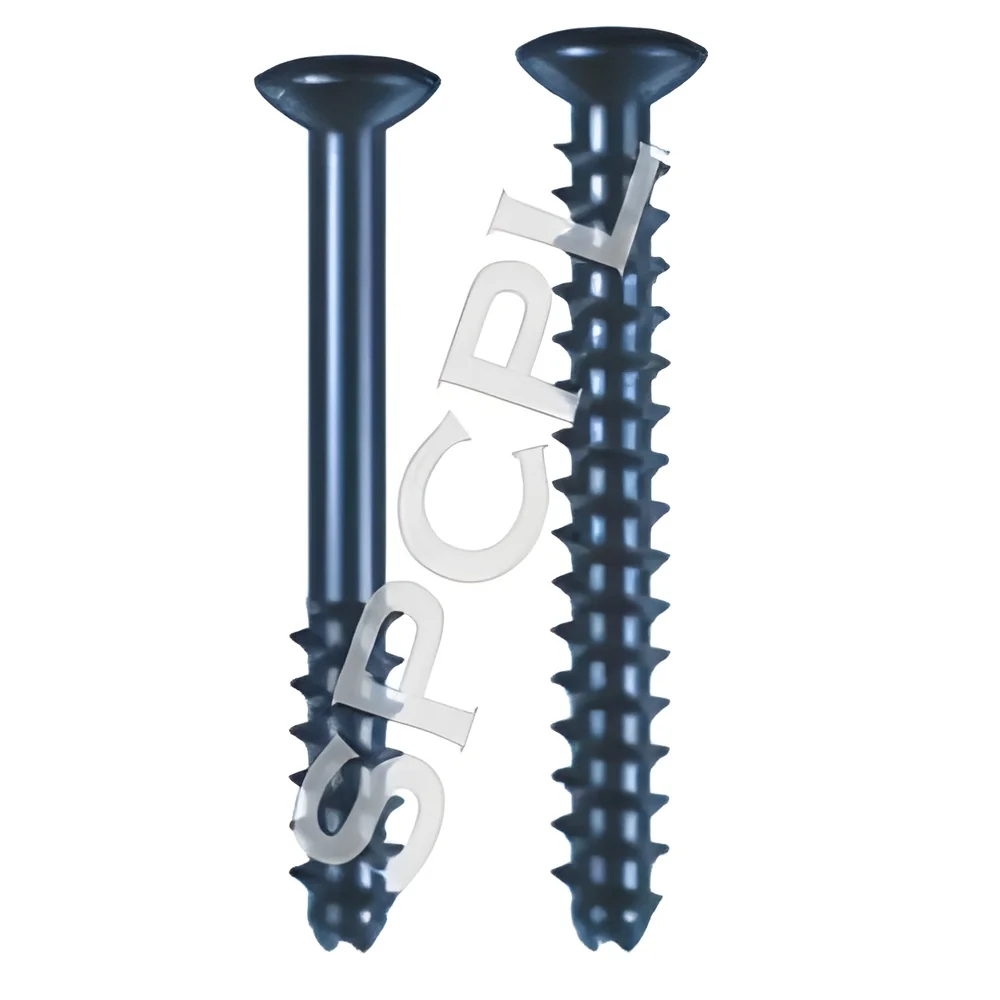
What are Stainless Steel Fasteners?
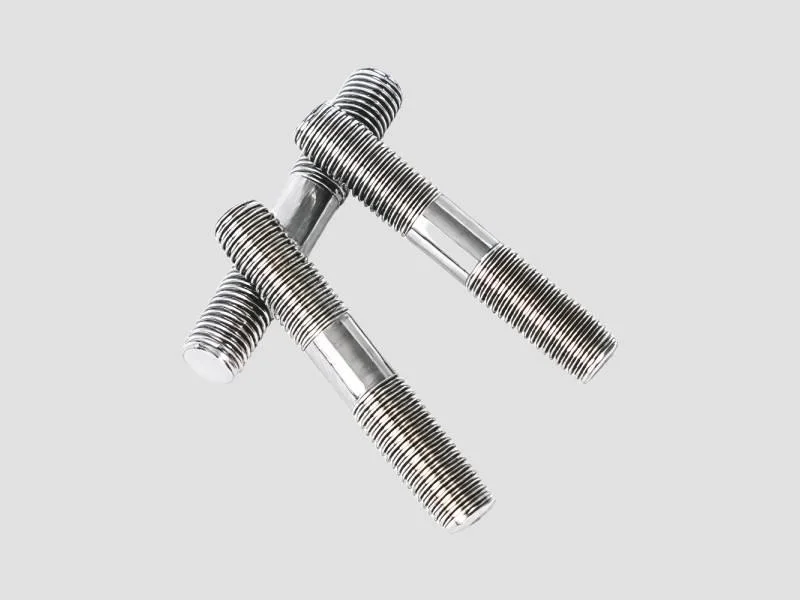
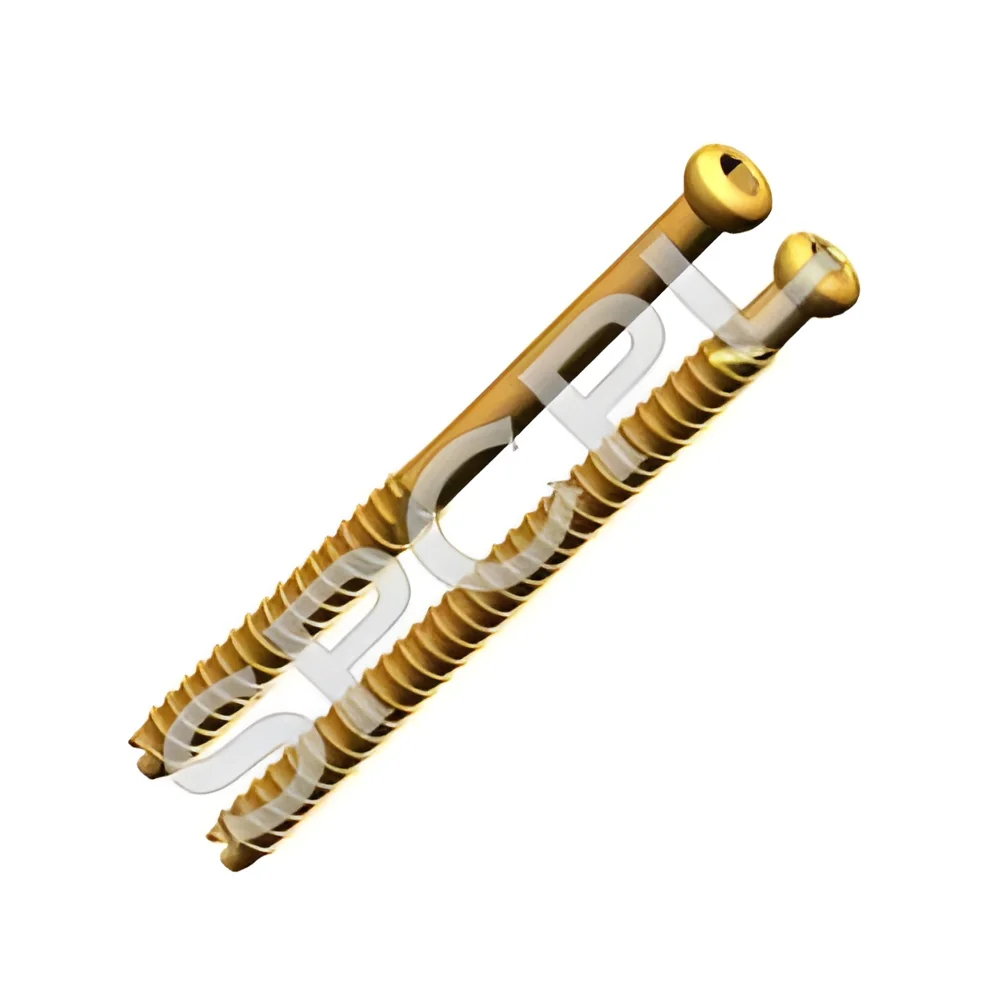
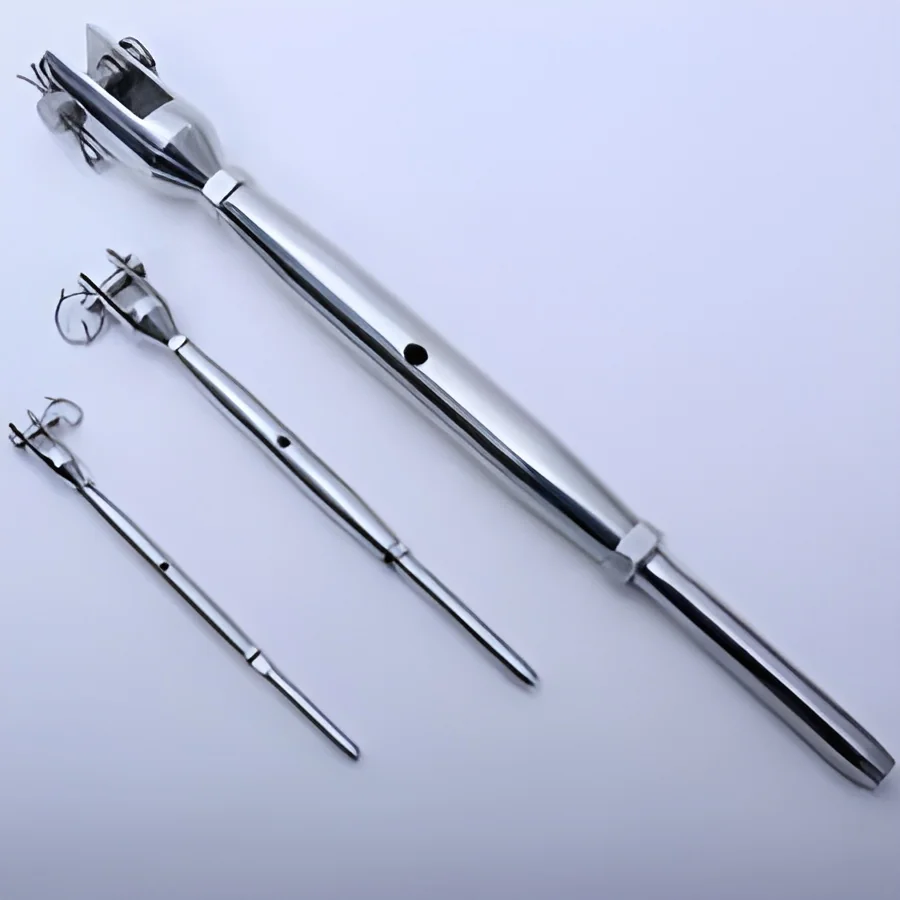
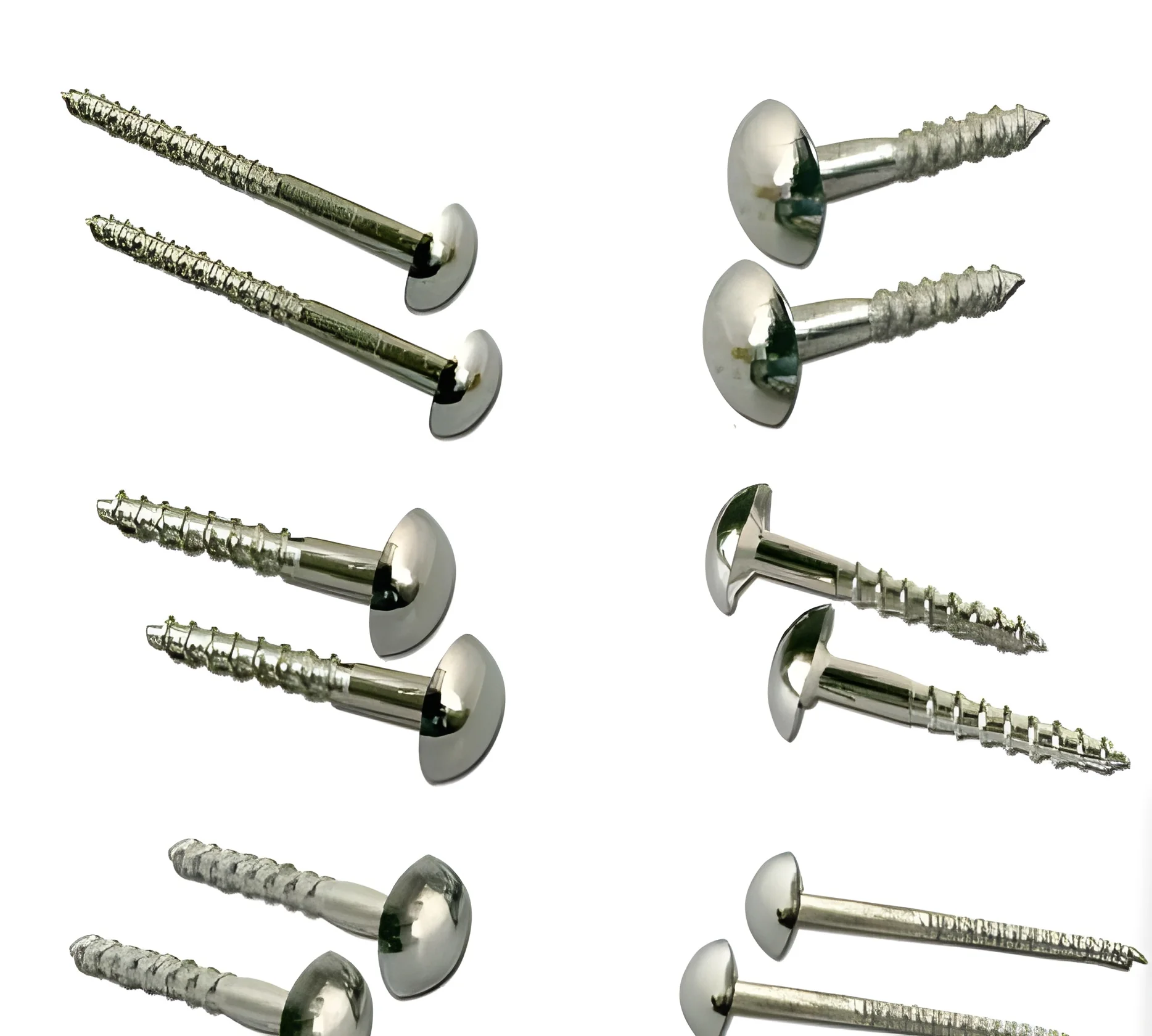
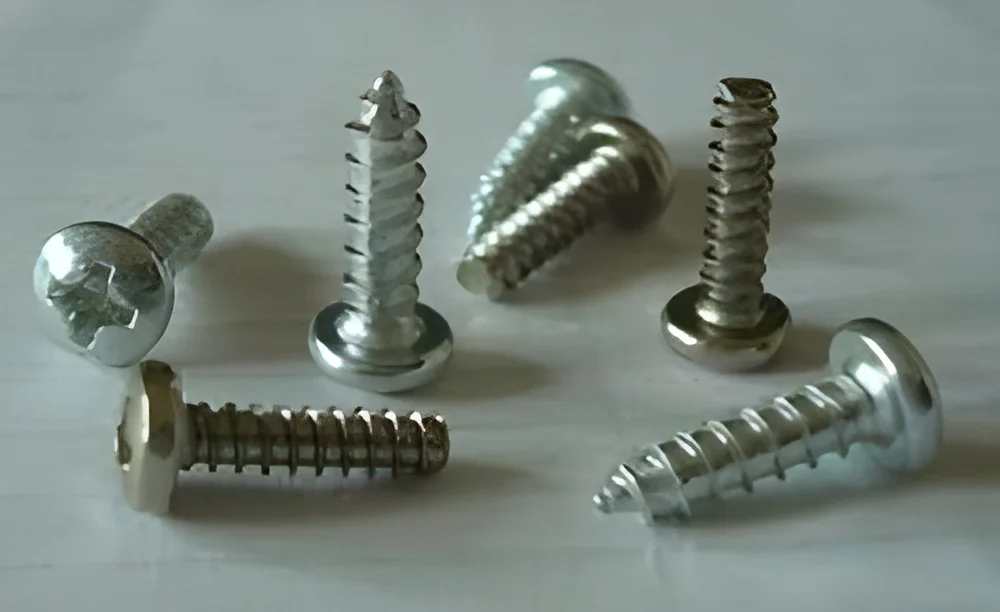
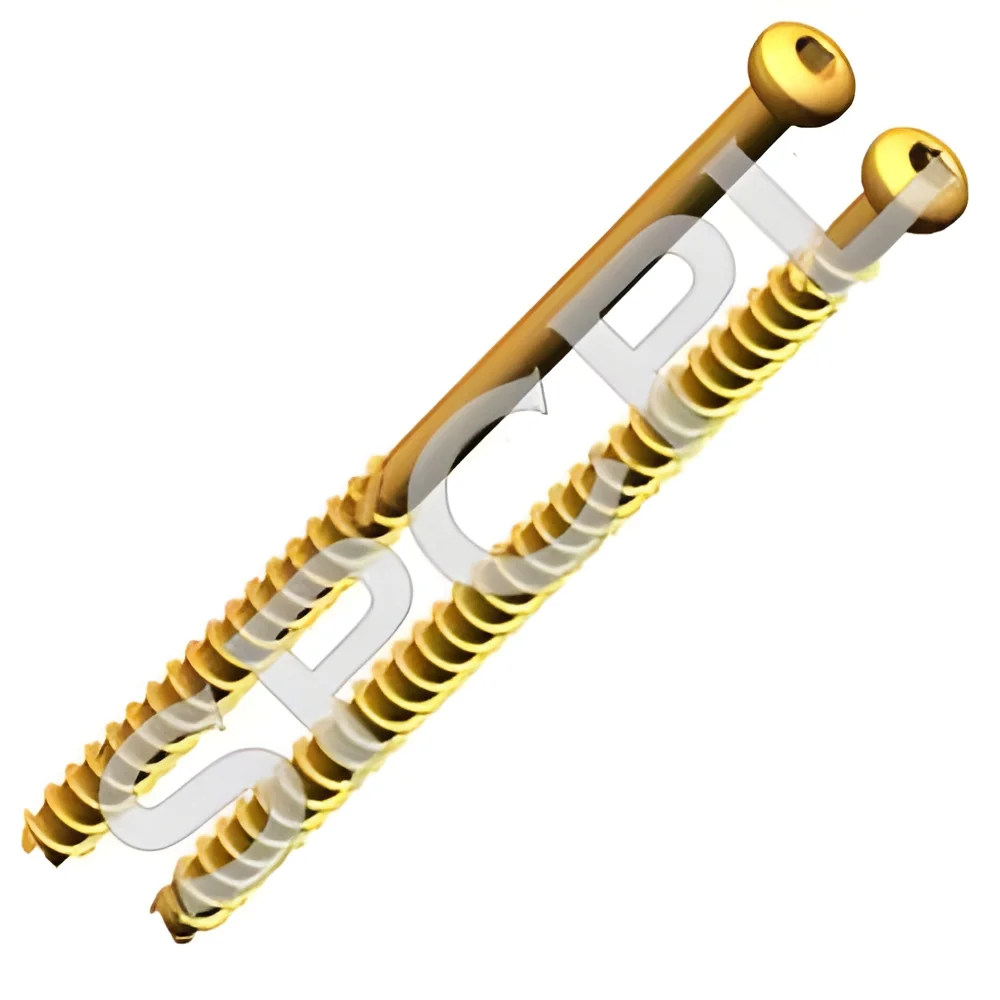
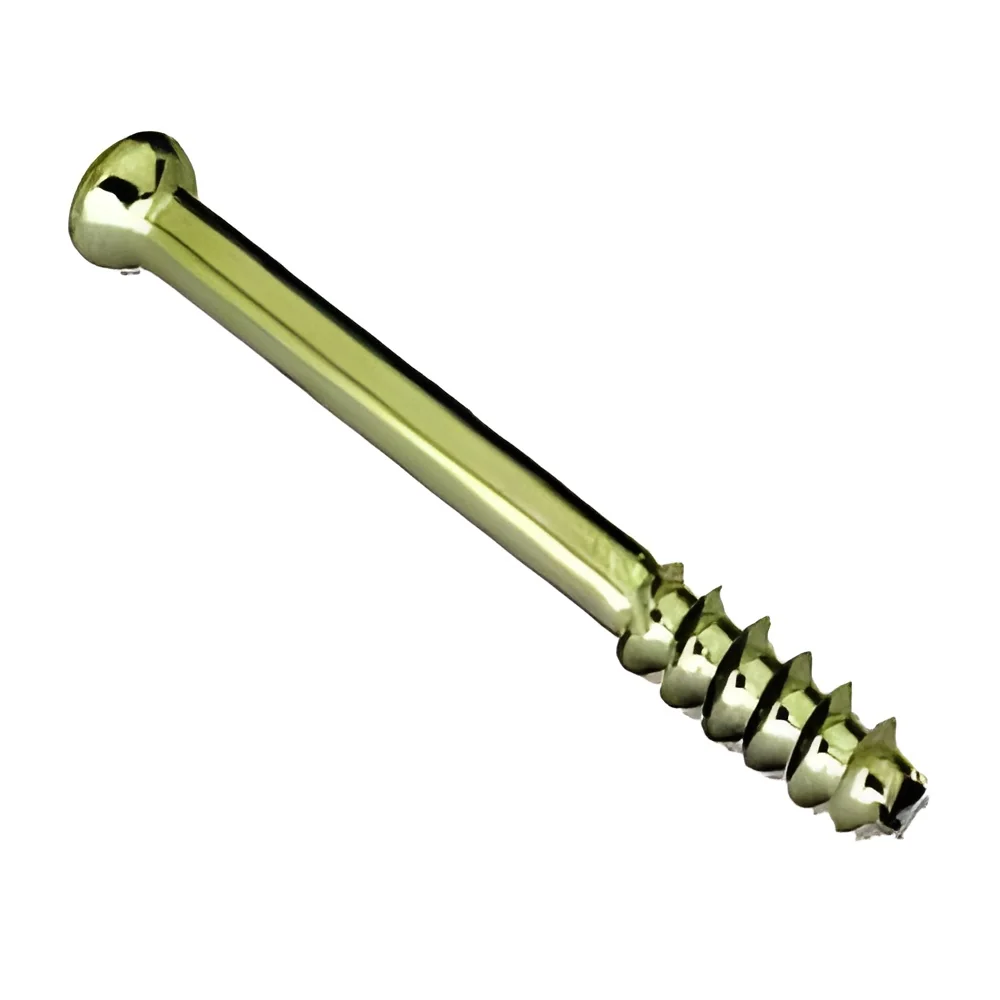
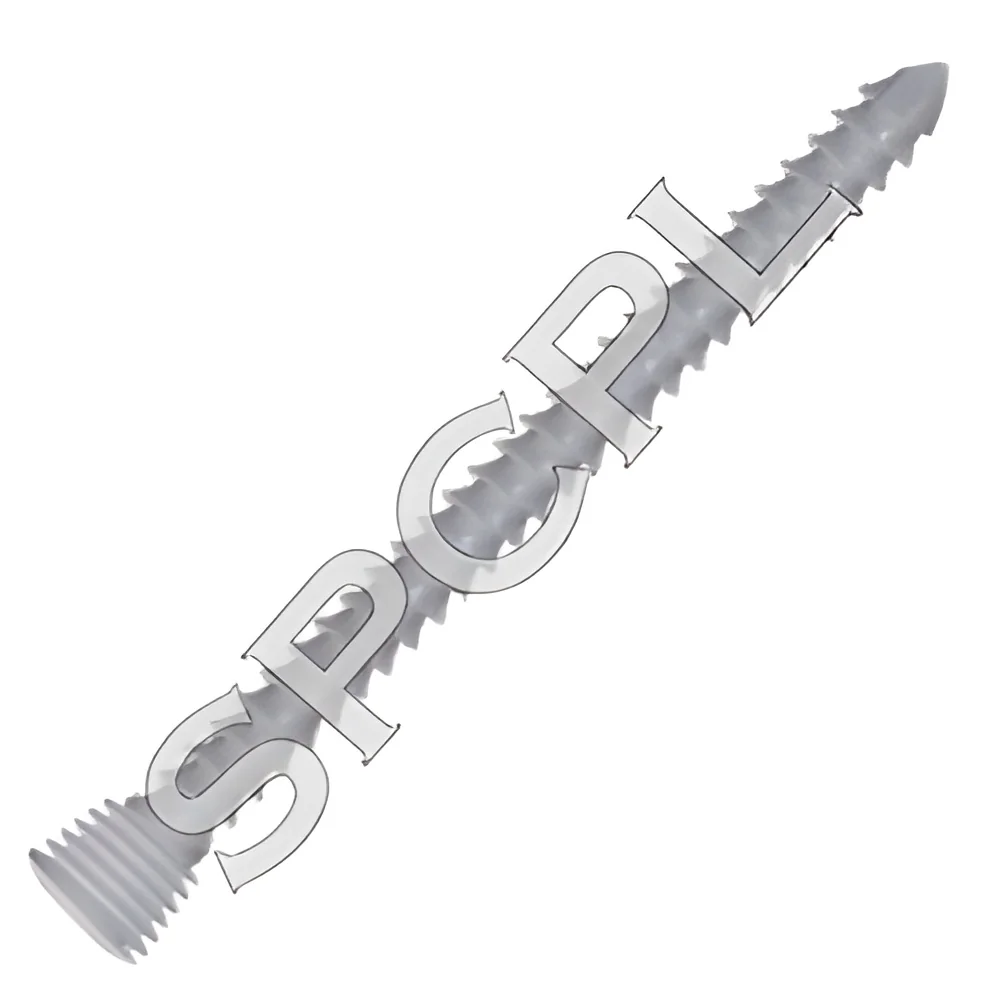
Stainless steel fasteners are hardware devices that are used to join or secure objects together. Made from stainless steel, these fasteners are known for their corrosion resistance, strength, and durability. They are commonly used in various industrial applications, making them an essential component in many manufacturing and construction processes.
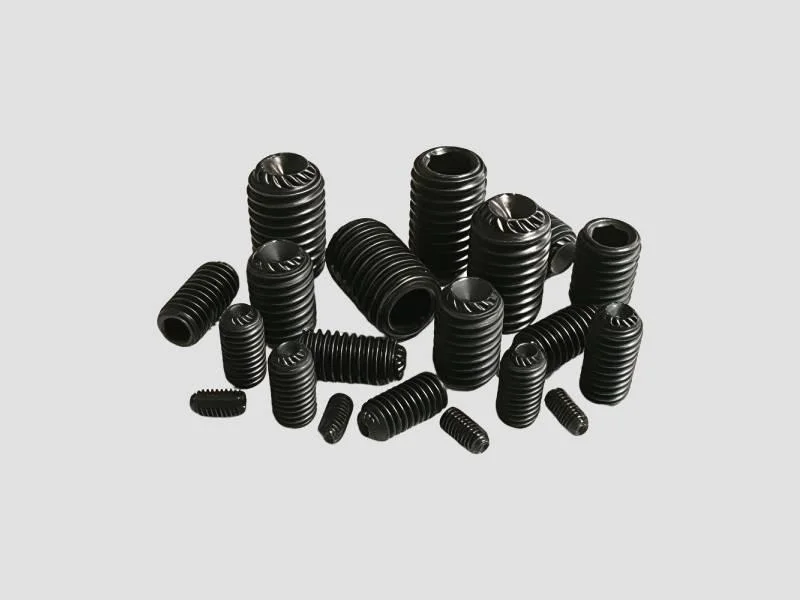
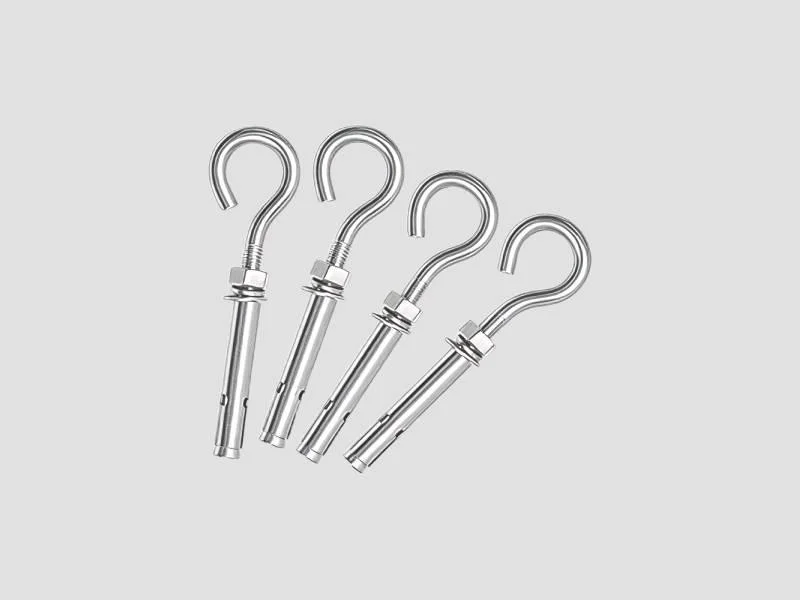
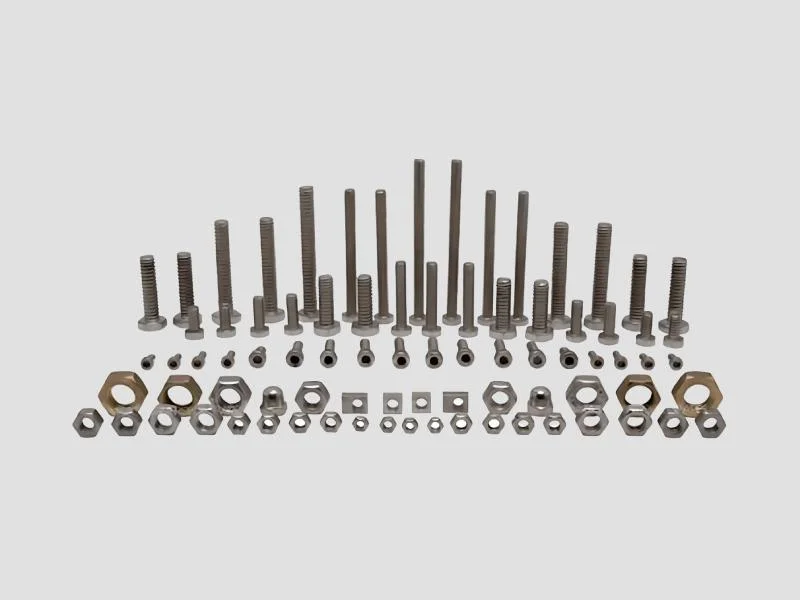
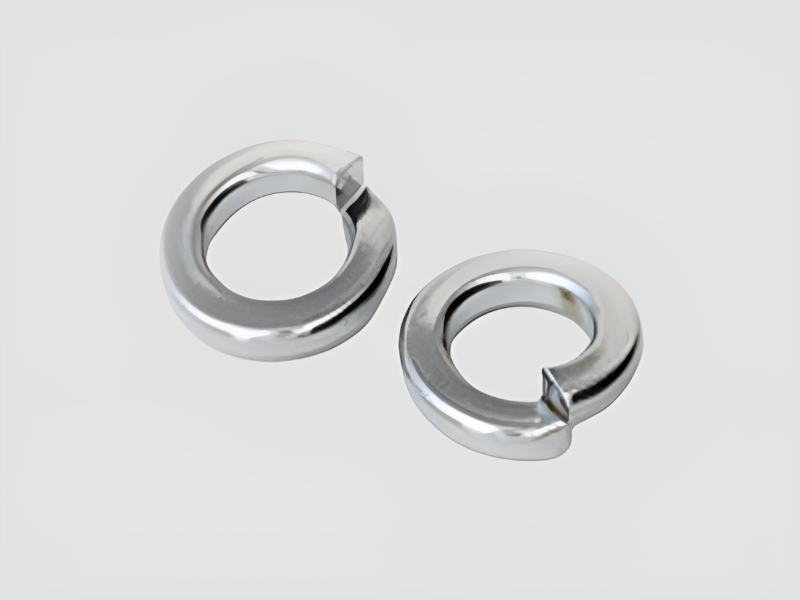
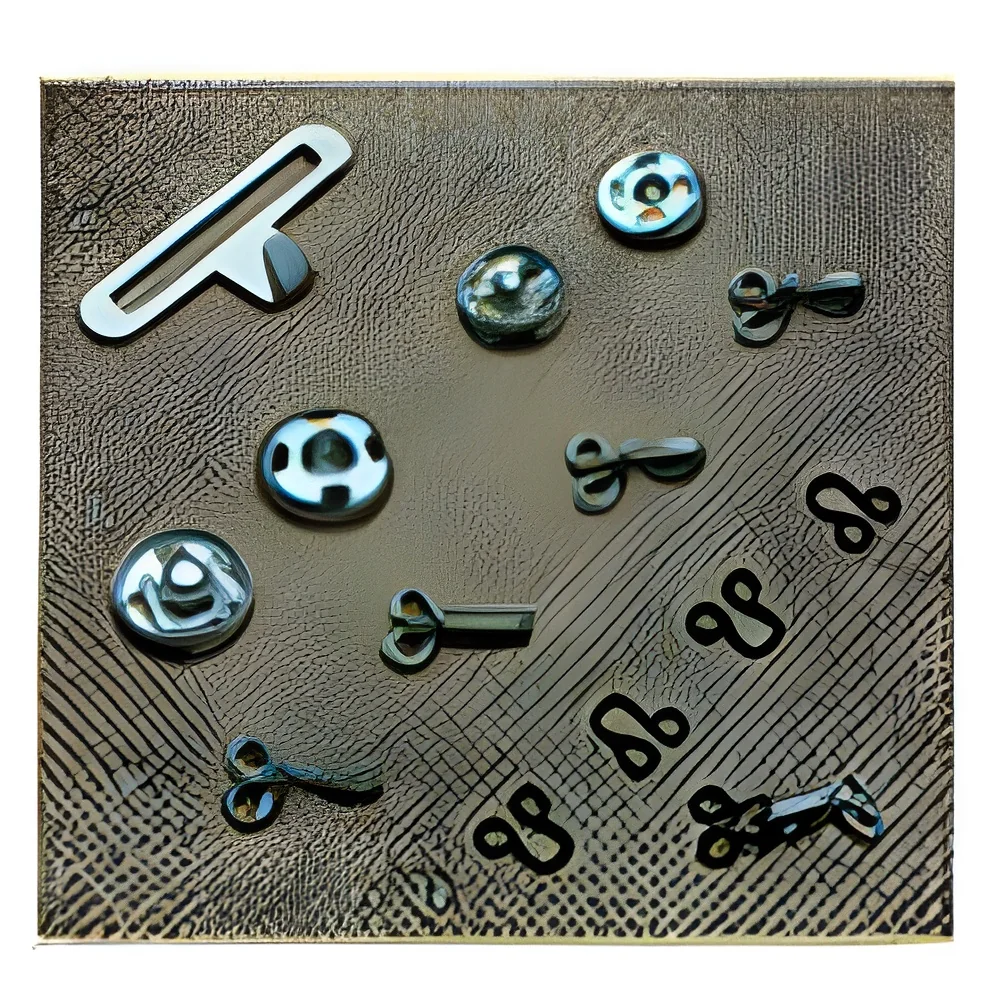
These fasteners typically include bolts, nuts, screws, washers, and anchors, among others. Their primary uses range from securing structural components in buildings to fastening machinery parts in manufacturing plants. In the automotive and aerospace industries, for example, stainless steel fasteners are crucial for ensuring safety and reliability in vehicle assembly. The growing demand for stainless steel fasteners reflects their importance across various sectors, including construction, automotive, and electronics.
Key Features and Specifications
Stainless steel fasteners offer a range of features that make them suitable for different applications. They are available in various grades and types, each designed to meet specific requirements. Understanding these specifications is vital for selecting the right fasteners for your projects.
Key specifications include:
1. Material Grade
- Stainless steel fasteners are available in different grades, such as 304, 316, and 410.
- Each grade offers distinct properties regarding corrosion resistance, strength, and temperature tolerance.
2. Finish Type
- Fasteners can have different finishes, including passivated, polished, or coated.
- The finish type affects the fasteners' appearance and resistance to environmental factors.
3. Size and Dimensions
- Fasteners come in various sizes, including diameter and length specifications.
- Proper sizing ensures compatibility with specific applications.
4. Thread Type
- Common thread types include fine and coarse threads.
- The choice of thread type impacts the fastening strength and application suitability.
5. Load Capacity
- Stainless steel fasteners are rated for specific load capacities.
- Knowing the load requirements for your application is crucial for safe usage.
6. Corrosion Resistance
- Different grades of stainless steel offer varying levels of corrosion resistance.
- Selection should be based on the environment in which the fasteners will be used.
7. Compliance Standards
- Many stainless steel fasteners meet international standards such as ISO and ASTM.
- Compliance ensures quality and reliability in industrial applications.
8. Customization Options
- Some manufacturers offer customization in terms of size, shape, and finish.
- Custom solutions can meet unique application needs.
In summary, understanding the key features and specifications of stainless steel fasteners is essential for selecting the right products for your industrial needs.
Common Applications and Use Cases
Stainless steel fasteners are versatile and find applications in various industries.
1. Construction: These fasteners are widely used in building frameworks and connecting structural components, ensuring durability and stability.
2. Automotive: In vehicle manufacturing, stainless steel fasteners are critical for securing parts and ensuring safety in operation.
3. Aerospace: Fasteners in this industry must meet strict safety standards and are used in aircraft assembly for critical components.
4. Electronics: Stainless steel fasteners are utilized in electronic devices to ensure secure connections and longevity.
5. Marine: Their corrosion resistance makes them ideal for use in marine environments, where exposure to saltwater is prevalent.
6. Food Processing: Stainless steel fasteners are commonly employed in food manufacturing due to their hygienic properties and resistance to corrosion.
7. Oil and Gas: The industry relies on robust fasteners to secure equipment and components in harsh environments.
Product Variants and Subcategories
Stainless steel fasteners come in a variety of forms to cater to different needs in the market. This diversity allows businesses to select fasteners that best suit their specific applications.
Hex Bolts: These fasteners are characterized by their hexagonal heads, allowing for easy tightening with a wrench. They are commonly used in structural applications.
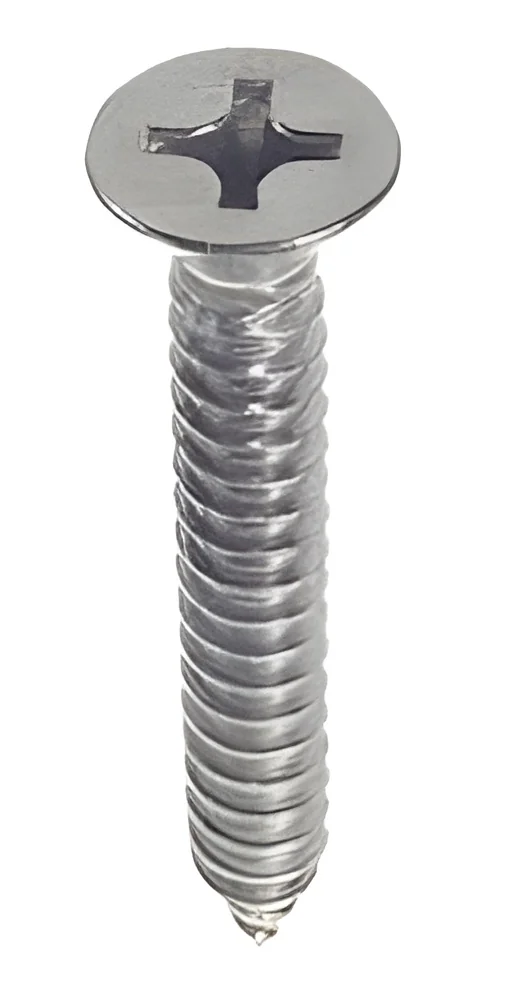
Lag Screws: Known for their large diameter and coarse threads, lag screws are ideal for heavy-duty applications, especially in wood construction.
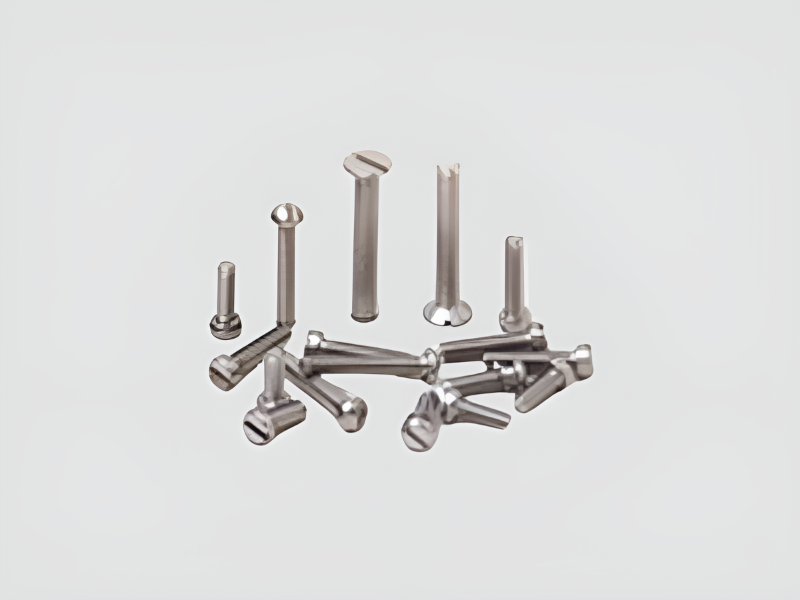
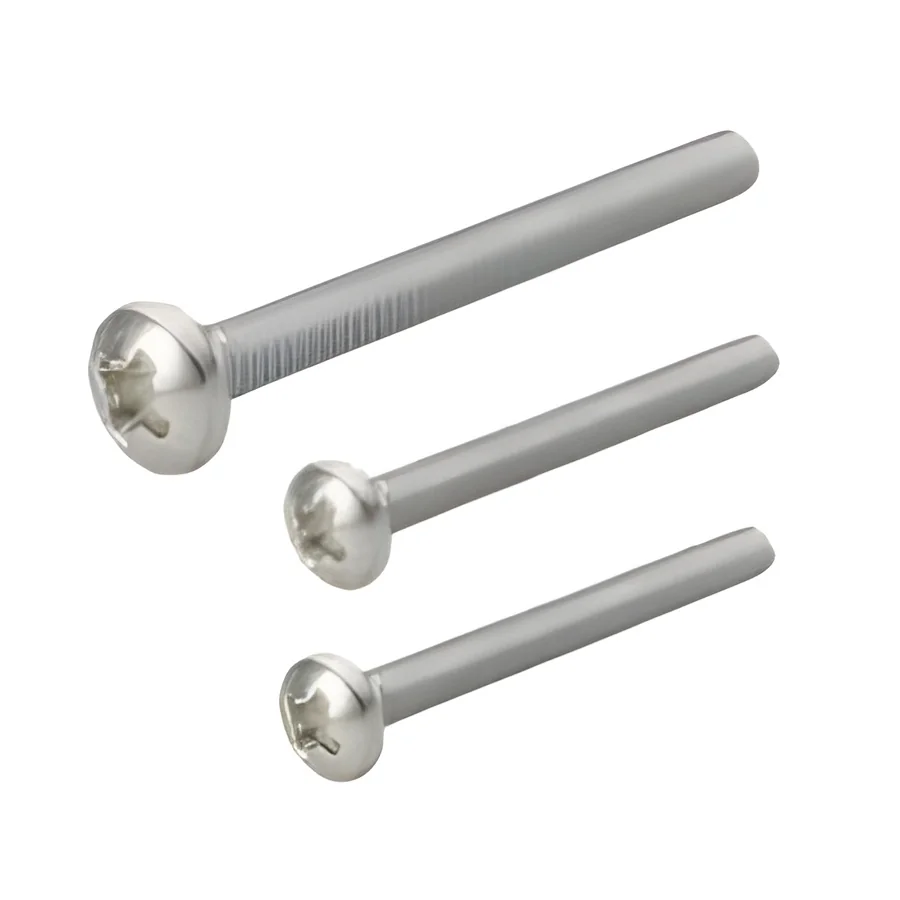
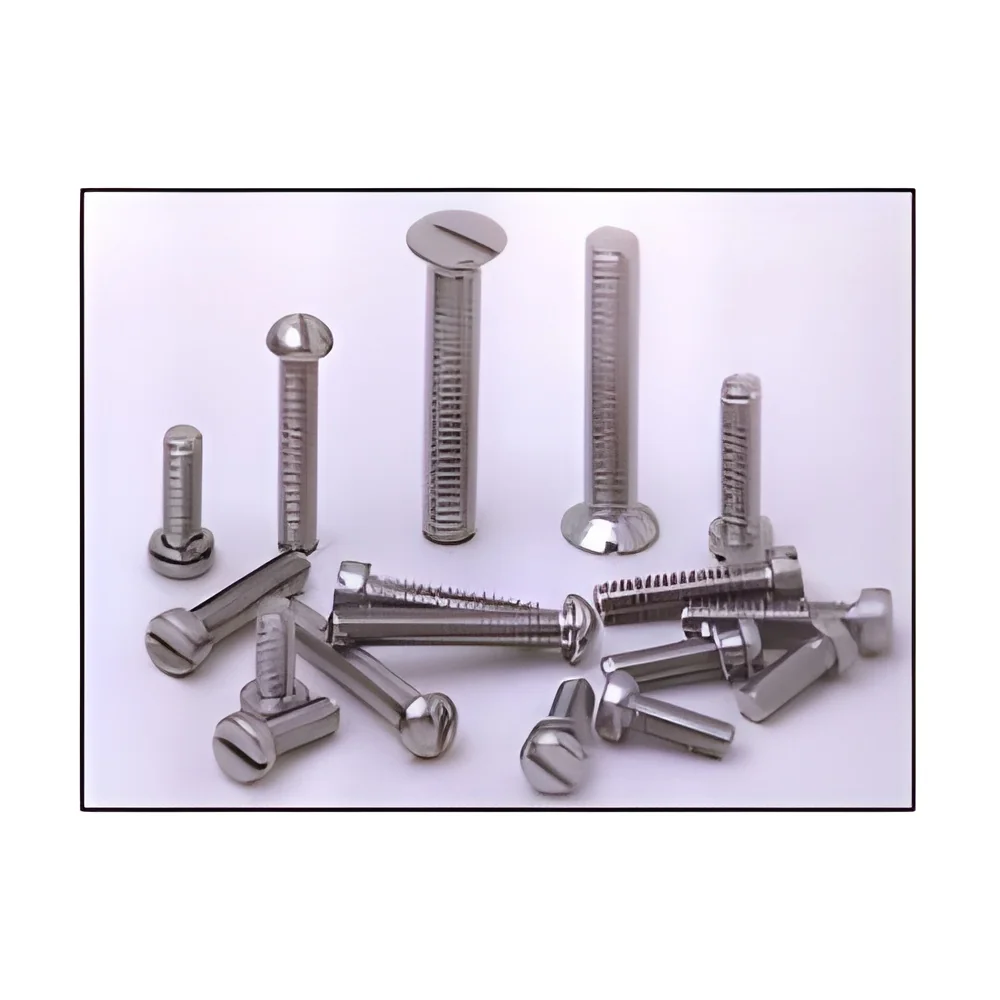
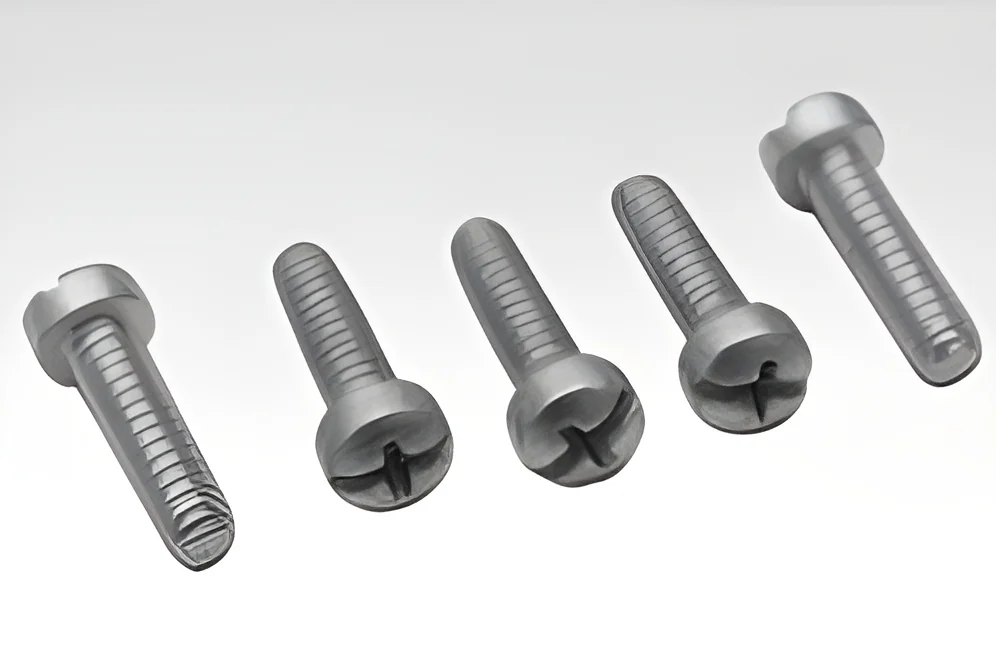
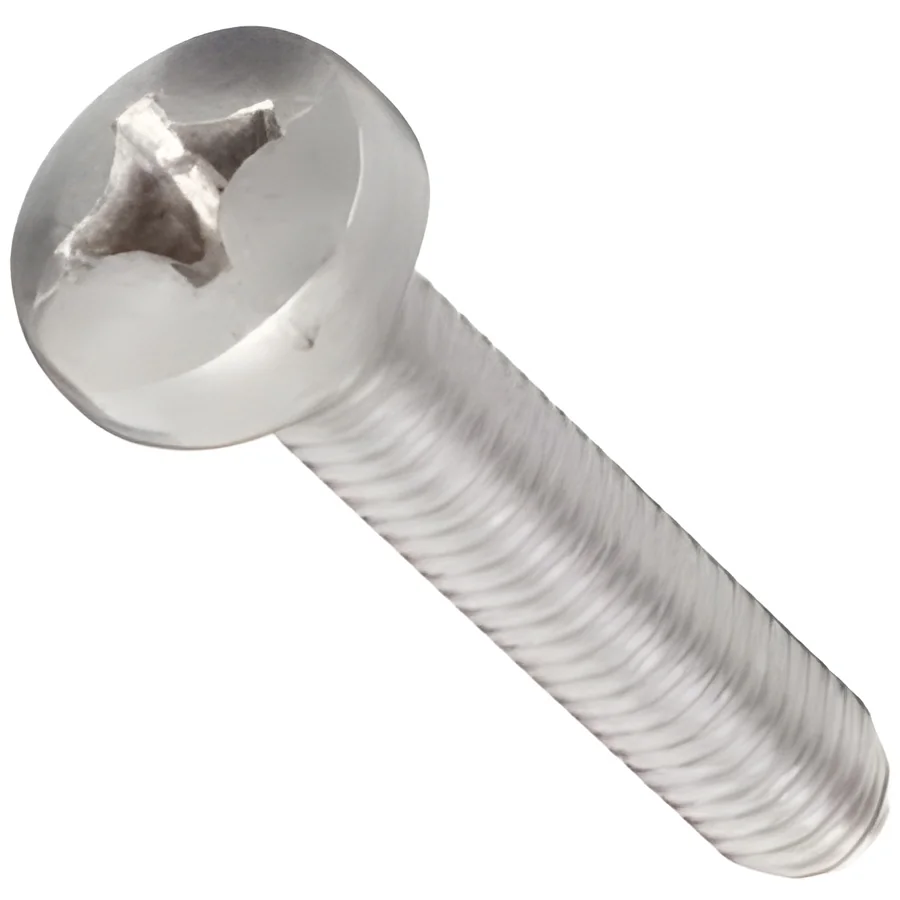
Machine Screws: These screws are designed for fastening metal components and are available in various lengths and thread sizes, making them versatile for many applications.
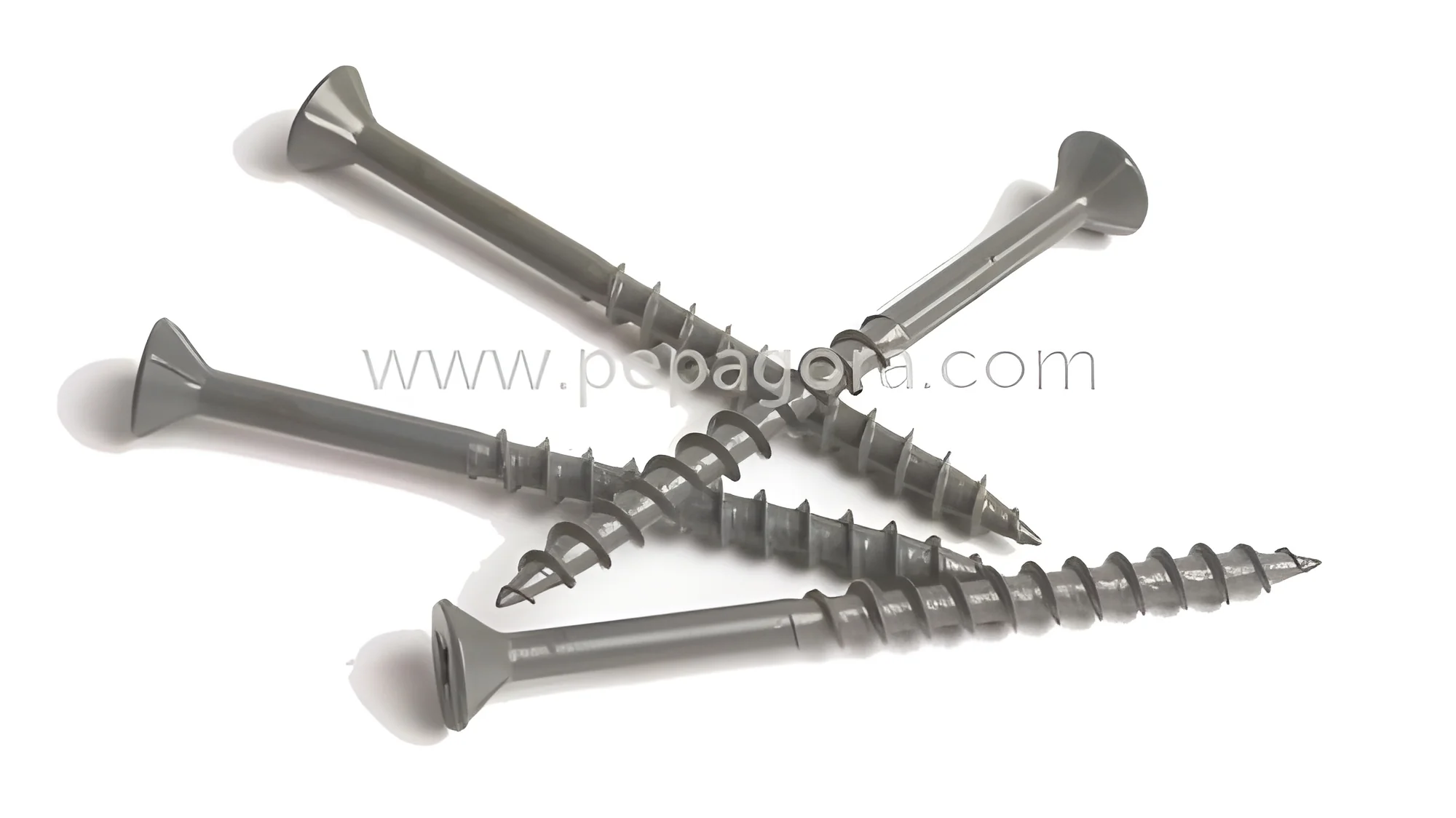
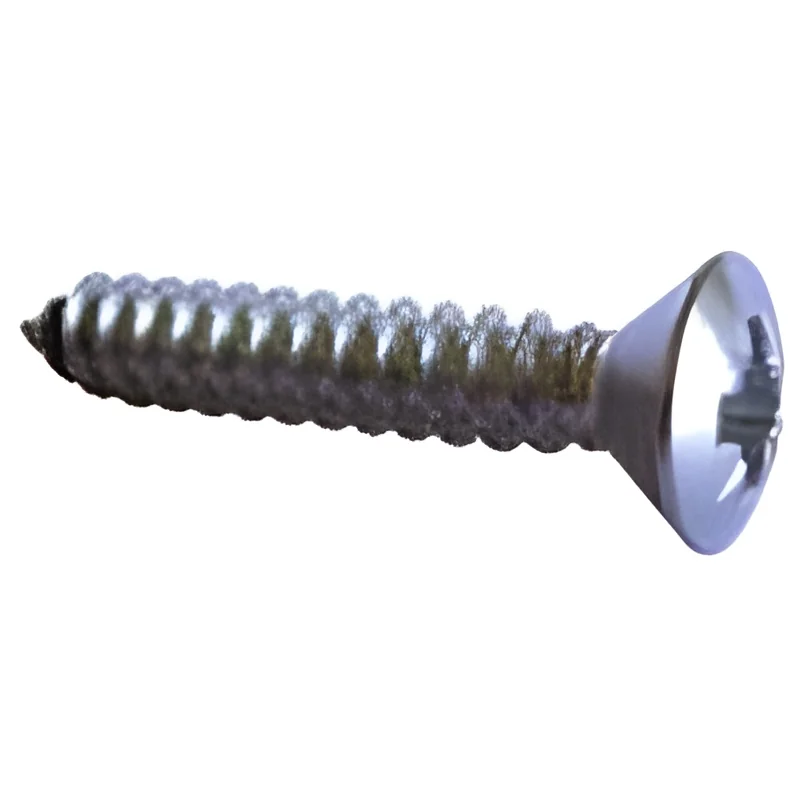
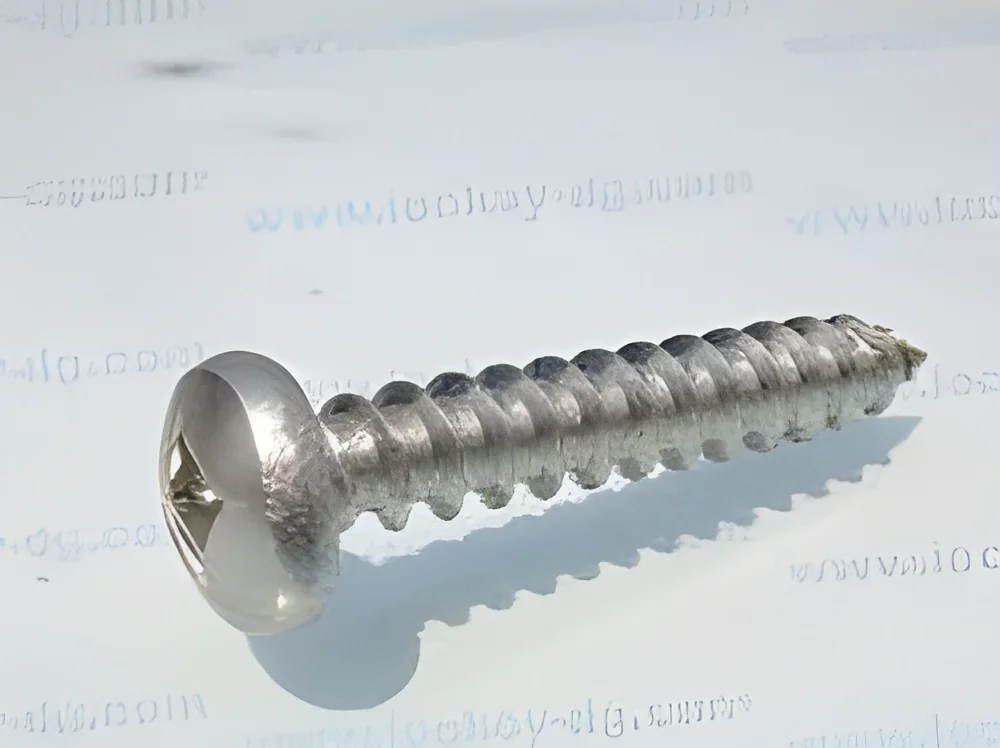
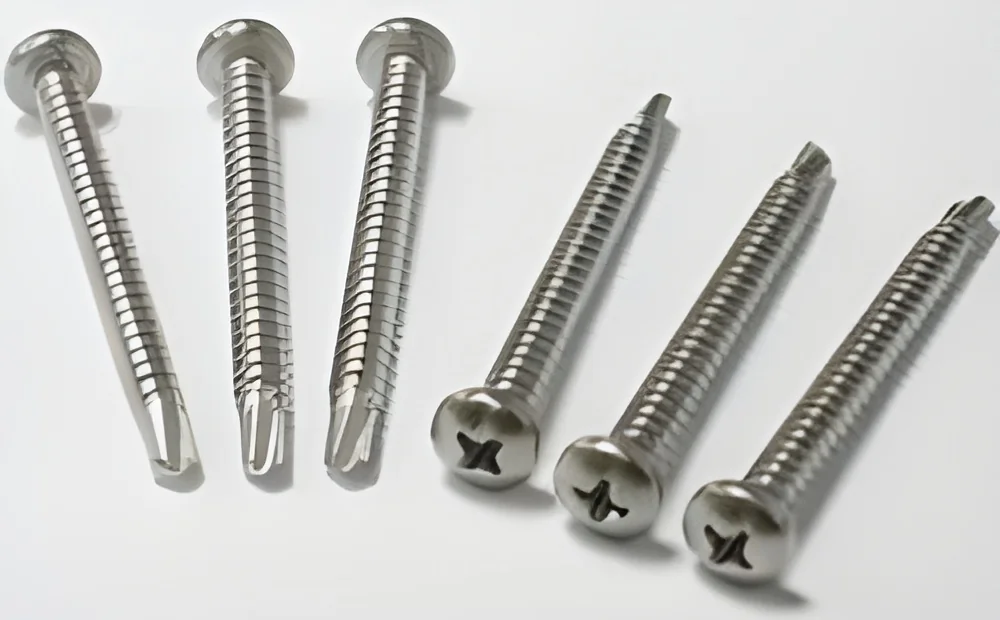
Self-Tapping Screws: These fasteners create their own threads as they are driven into materials, providing a strong hold without needing a pre-drilled hole.
Benefits and Advantages
Choosing stainless steel fasteners offers several notable benefits.
1. Corrosion Resistance: Stainless steel provides excellent resistance to rust and corrosion, making it ideal for various environmental conditions.
2. Strength and Durability: These fasteners are known for their high tensile strength, ensuring long-lasting performance in demanding applications.
3. Aesthetic Appeal: Stainless steel has a clean and polished appearance, improving the overall aesthetics of finished products.
4. Easy Installation: Many stainless steel fasteners are designed for straightforward installation, reducing labor costs and time.
5. Low Maintenance: Due to their durability and corrosion resistance, stainless steel fasteners require minimal maintenance over time.
6. Versatility: They can be used across multiple industries, adapting to various applications and requirements.
Buying Guide for B2B Buyers
When sourcing stainless steel fasteners, it is essential to consider several critical factors to ensure you make informed purchasing decisions.
1. Quality Assessment: Evaluate the quality of fasteners by checking certifications and material grades. Look for products that meet industry standards to ensure reliability.
2. Supplier Verification: Research potential suppliers to verify their reputation and reliability. Check customer reviews and request references to gauge their performance.
3. Pricing and MOQ: Consider the pricing structure and minimum order quantities required by suppliers. Compare quotes from multiple vendors to find the best value.
4. Delivery and Lead Times: Inquire about delivery schedules and lead times. Ensure the supplier can meet your project timelines to avoid delays.
5. Compliance Requirements: Familiarize yourself with any regulatory standards that apply to your industry. Ensure that the fasteners comply with local and international standards.
Compliance and Certifications
Stainless steel fasteners must adhere to various quality standards and certifications to ensure their reliability and safety in industrial applications. Common standards include ISO 9001, which outlines quality management principles, and HACCP for food safety management. Additionally, CE certification indicates that products meet European safety and health requirements.
Testing requirements may include mechanical testing, corrosion resistance evaluations, and dimensional checks to ensure that the fasteners perform as expected under different conditions. Moreover, regional compliance considerations may vary, so it is essential to be aware of local regulations governing materials used in specific industries.
Why Source Stainless Steel Fasteners from Pepagora?
Pepagora offers a reliable platform for sourcing stainless steel fasteners, providing several key advantages for B2B buyers.
Verified Supplier Network: Pepagora collaborates with a network of verified suppliers, ensuring that buyers can access high-quality products from reputable manufacturers.
Streamlined RFQ Process: The platform features a streamlined request-for-quotation (RFQ) system, allowing buyers to receive competitive quotes quickly and efficiently.
Trade Assurance and Support: Pepagora provides trade assurance, offering buyers protection against potential disputes and ensuring a smooth sourcing experience.
Regional Coverage: With a strong presence in India, the GCC, and Southeast Asia, Pepagora connects buyers with suppliers across regions, facilitating international trade and expanding market reach.

 IN
IN