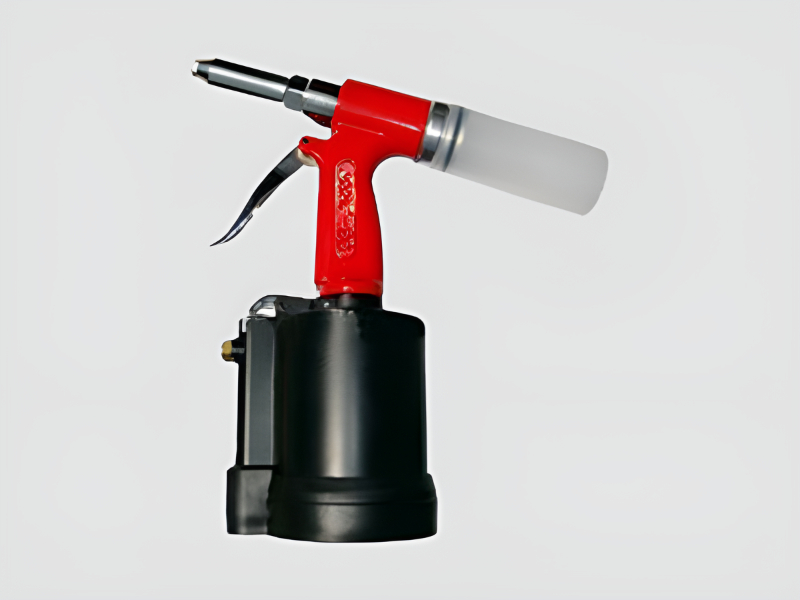
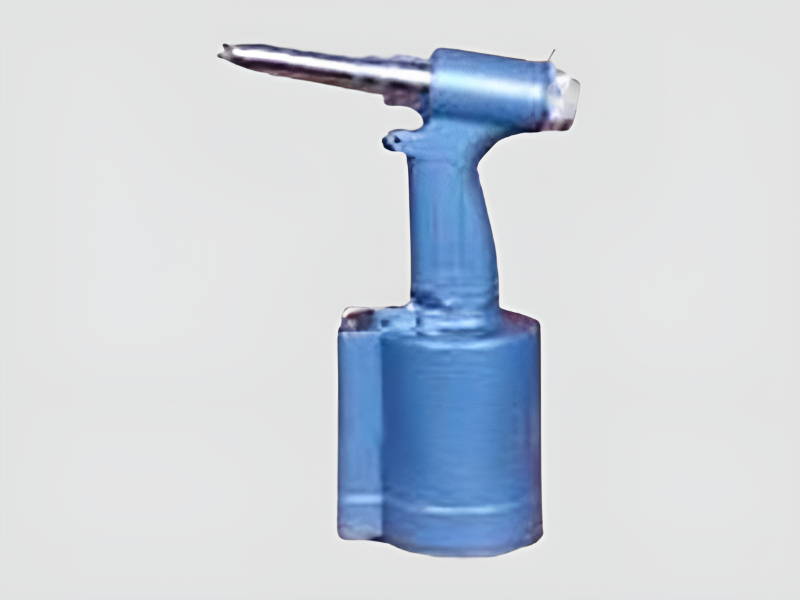
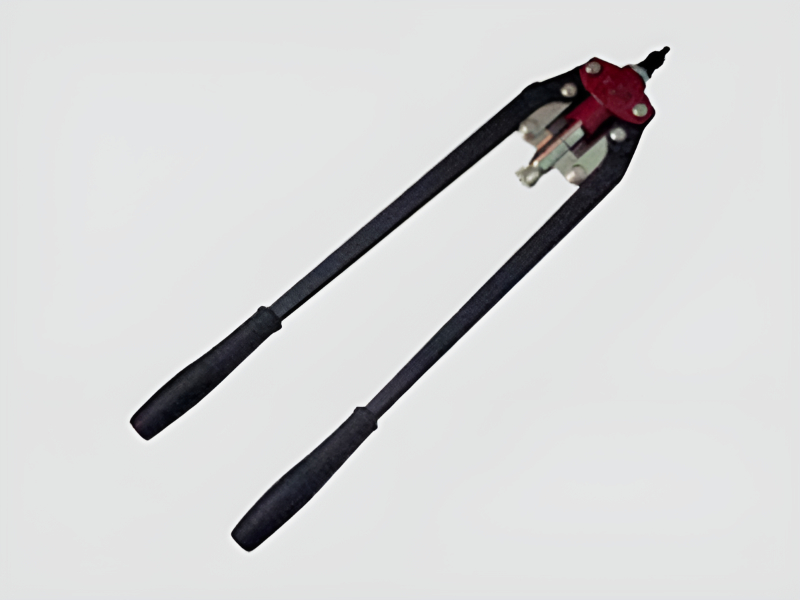
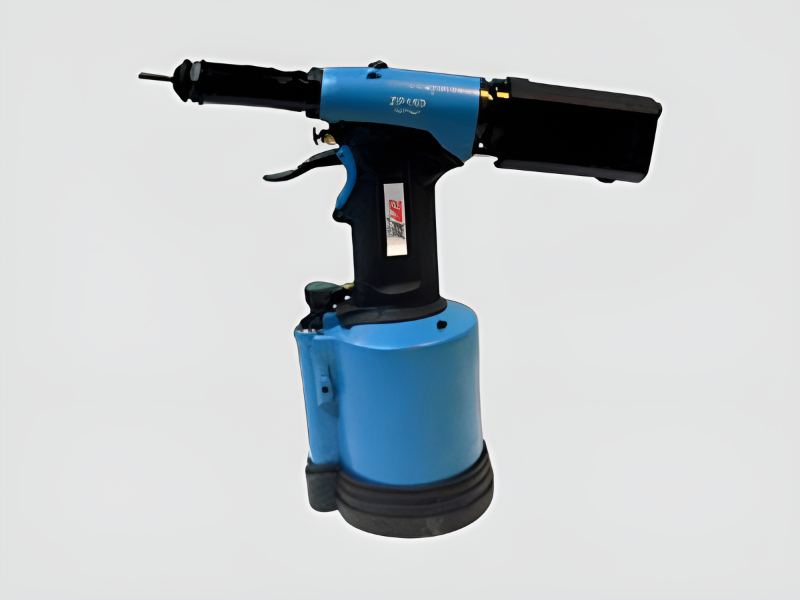
What are Industrial Riveting Tools?
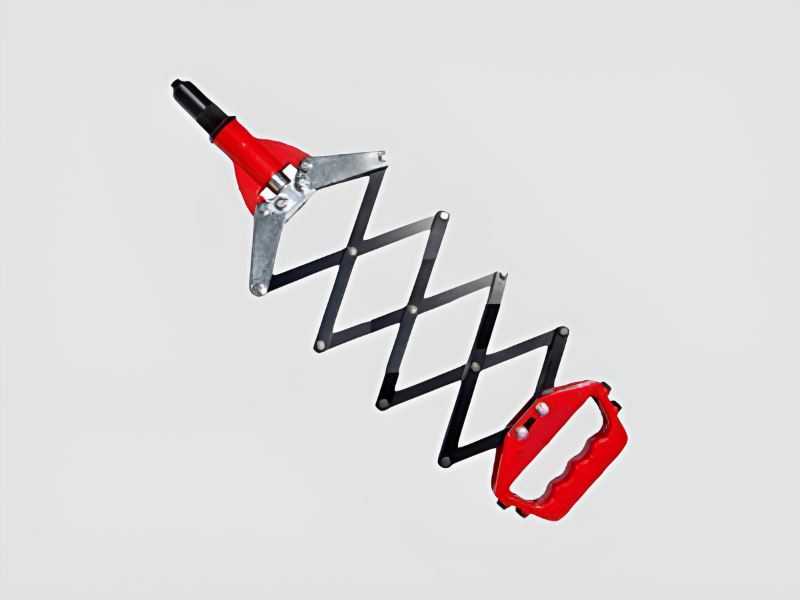
Industrial riveting tools are specialized devices used to fasten materials together by joining them with rivets. These tools apply pressure to deform the ends of a rivet, securing it in place and creating a strong, permanent bond. They are essential in manufacturing and construction environments where durability and structural integrity are paramount.
These tools are primarily used in industries such as automotive, aerospace, shipbuilding, and heavy machinery. In these sectors, riveting is often preferred due to its ability to create strong, lightweight joints that can withstand significant stress and strain. The use of industrial riveting tools helps in assembling components that ensure safety and reliability in finished products.
The market for industrial riveting tools is expanding as more industries adopt automation and advanced manufacturing techniques. With the need for high-quality assembly processes, businesses are increasingly investing in efficient and durable riveting solutions to enhance productivity and maintain competitive advantages.
Key Features and Specifications
Industrial riveting tools come with a variety of features that enhance their functionality and efficiency. Understanding these specifications is crucial for selecting the right tool for your specific needs.
Key specifications include:
1. Type of Tool
- Pneumatic, electric, or manual options available
- Each type offers different levels of power and portability
2. Rivet Size Compatibility
- Designed to handle specific rivet sizes and materials
- Common sizes range from 1/8 inch to 1/2 inch
3. Stroke Length
- Determines the depth of rivet insertion
- Typically ranges from 1 inch to 4 inches
4. Operating Pressure
- Pneumatic tools generally operate between 60 to 100 PSI
- Important for ensuring proper rivet installation
5. Weight
- Tools vary in weight for ease of handling
- Ranges from lightweight models (under 5 lbs) to heavier industrial versions (over 15 lbs)
6. Durability
- Built with high-strength materials to withstand harsh environments
- Resistance to corrosion and wear is critical for longevity
7. Ergonomics
- Designed for comfortable handling to reduce operator fatigue
- Features like padded grips and adjustable handles enhance usability
8. Safety Features
- Equipped with safety mechanisms to prevent accidental operation
- Includes protective guards and emergency shut-off systems
These specifications ensure that industrial riveting tools meet the demands of various applications while providing reliability and efficiency.
Common Applications and Use Cases
Industrial riveting tools serve a wide range of industries due to their ability to create strong, permanent joints.
1. Automotive: Used extensively in vehicle assembly lines for attaching body panels and components, ensuring structural integrity and safety.
2. Aerospace: Critical for assembling aircraft parts, where precision and strength are essential to meet stringent safety standards.
3. Shipbuilding: Employed in the construction of ships and submarines, providing durable connections that can withstand harsh marine environments.
4. Heavy Machinery: Used in manufacturing equipment and machinery, where robust joints are necessary to handle heavy loads and vibrations.
5. Construction: Applied in various building projects, including metal frameworks and roofing systems, where reliable fastening is crucial.
6. Electronics: Utilized in assembling electronic enclosures and components, providing secure connections that protect delicate parts.
7. Furniture Manufacturing: Used for attaching metal parts in furniture assembly, ensuring durability and aesthetic appeal.
Product Variants and Subcategories
Industrial riveting tools come in various forms to cater to different needs and applications.
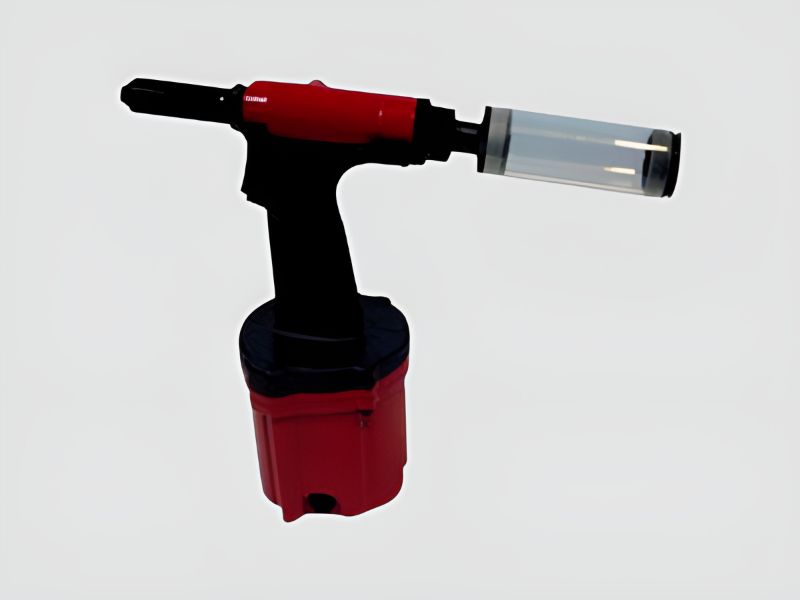
Pneumatic Riveting Tools
These tools utilize compressed air to drive the rivets, offering speed and efficiency for high-volume production. They are ideal for assembly lines where rapid fastening is required.
Electric Riveting Tools
Electric models provide consistent power and are suitable for both light and heavy-duty applications. They are often preferred for their ease of use and flexibility in various settings.
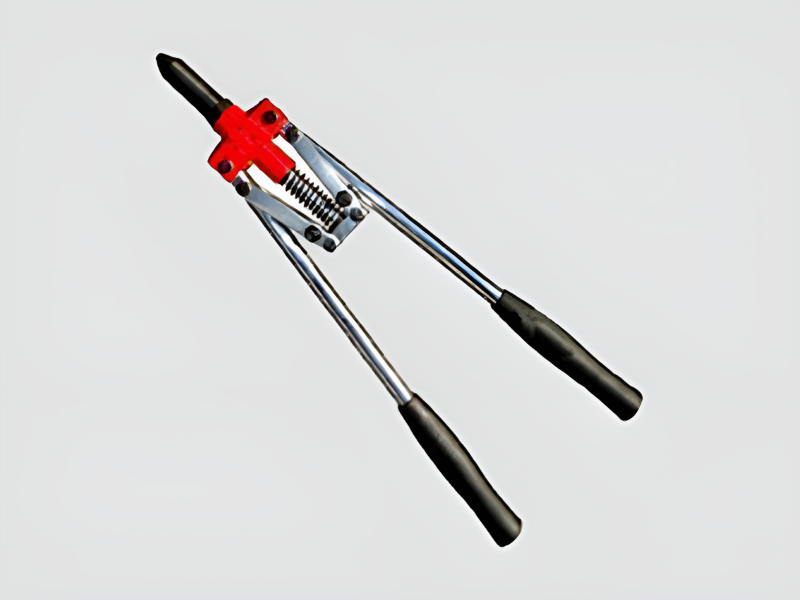
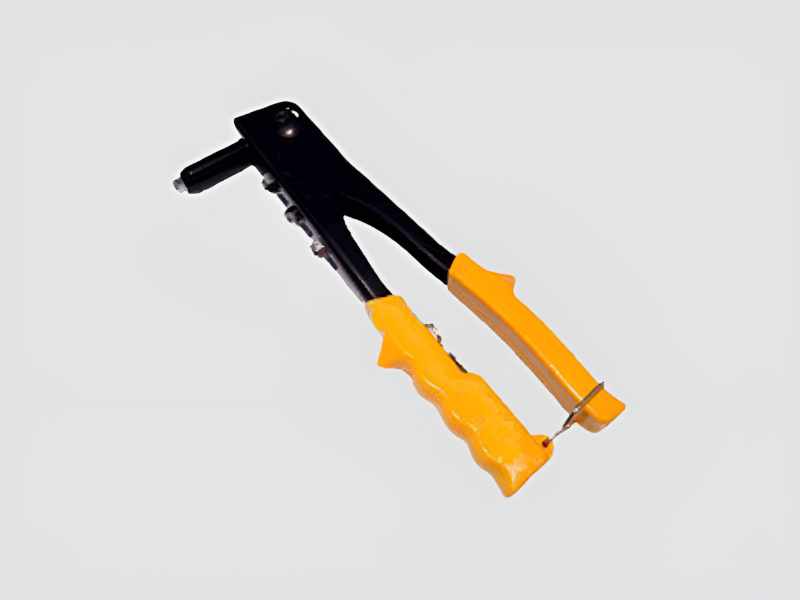
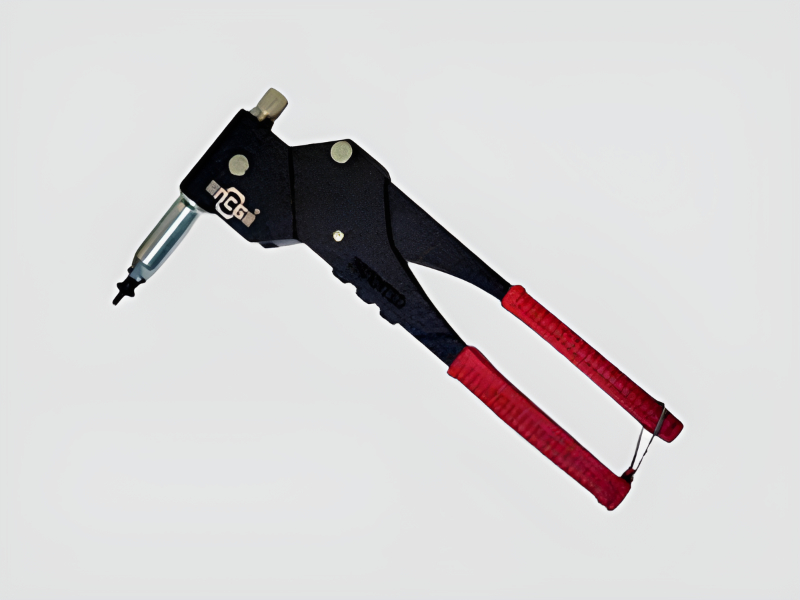
Manual Riveting Tools
Suitable for smaller projects or less frequent use, manual tools rely on human power to install rivets. They are cost-effective and easy to operate, making them ideal for DIY projects or small workshops.
Benefits and Advantages
Investing in industrial riveting tools offers several key benefits for businesses.
1. Enhanced Durability: Riveted joints are known for their strength and longevity, making them ideal for demanding applications.
2. Improved Efficiency: Automated options like pneumatic and electric tools can significantly reduce assembly time, increasing overall productivity.
3. Versatility: These tools can handle a wide range of materials and rivet sizes, making them suitable for various industries.
4. Cost-Effectiveness: Durable joints reduce the need for frequent repairs or replacements, leading to lower long-term costs.
5. Safety Assurance: Properly installed rivets create secure connections that enhance the safety of finished products.
6. Ease of Use: Many modern riveting tools are designed with user-friendly features that simplify operation and reduce training time.
Buying Guide for B2B Buyers
When sourcing industrial riveting tools, several factors should be considered to ensure the best purchase.
1. Quality Assessment: Look for tools that meet industry standards and have a reputation for reliability. Check for reviews and testimonials from other users.
2. Supplier Verification: Vet suppliers thoroughly to ensure they provide quality products and reliable service. Check for certifications and industry experience.
3. Pricing and MOQ: Understand the price range for different tool types and be aware of minimum order quantities to ensure you meet your project needs without overspending.
4. Delivery and Lead Times: Consider logistics and delivery times when planning your procurement to ensure tools arrive when needed for production schedules.
5. Compliance Requirements: Ensure the tools meet relevant safety and quality regulations in your region to avoid legal issues and ensure safe operation.
Compliance and Certifications
Compliance with relevant quality standards is vital for industrial riveting tools. Standards such as ISO 9001 ensure that manufacturers maintain consistent quality management systems. Other certifications, like CE, indicate compliance with European safety and health requirements.
Safety and testing requirements are also critical. Ensuring tools undergo rigorous testing helps verify their performance and reliability under various working conditions. Additionally, regional compliance considerations may vary, so it is essential to understand local regulations that may affect tool usage and safety standards.
Why Source Industrial Riveting Tools from Pepagora?
Pepagora offers a trusted platform for sourcing industrial riveting tools, providing numerous advantages for B2B buyers.
Verified Supplier Network: Pepagora connects buyers with a network of verified suppliers, ensuring that you receive high-quality products from reputable sources.
Streamlined RFQ Process: The platform simplifies the request for quotation process, allowing you to quickly compare offers and select the best option for your needs.
Trade Assurance and Support: Buyers benefit from trade assurance programs that protect transactions, giving you confidence in your purchases and support if issues arise.
Regional Coverage: With a presence in India, GCC, and Southeast Asia, Pepagora facilitates access to a wide range of products and suppliers, catering to diverse market needs and helping you find the right tools for your business.

 IN
IN