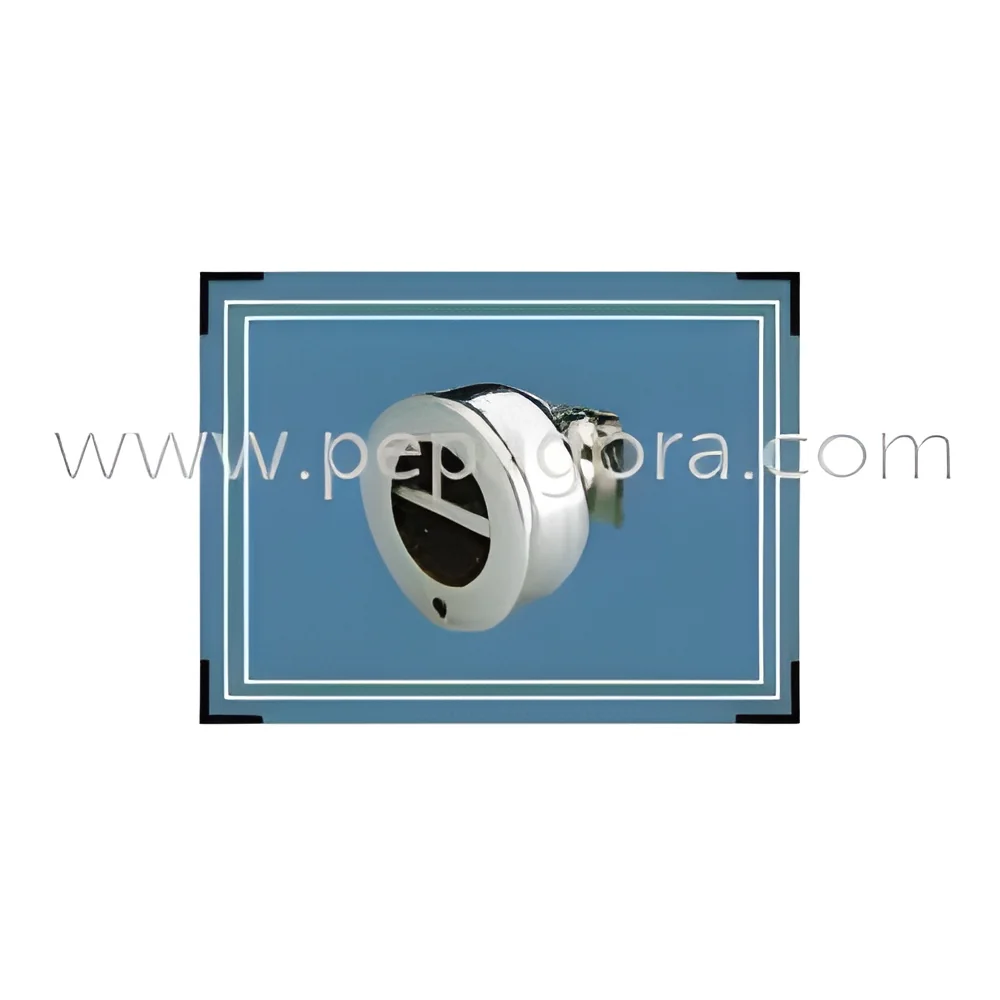
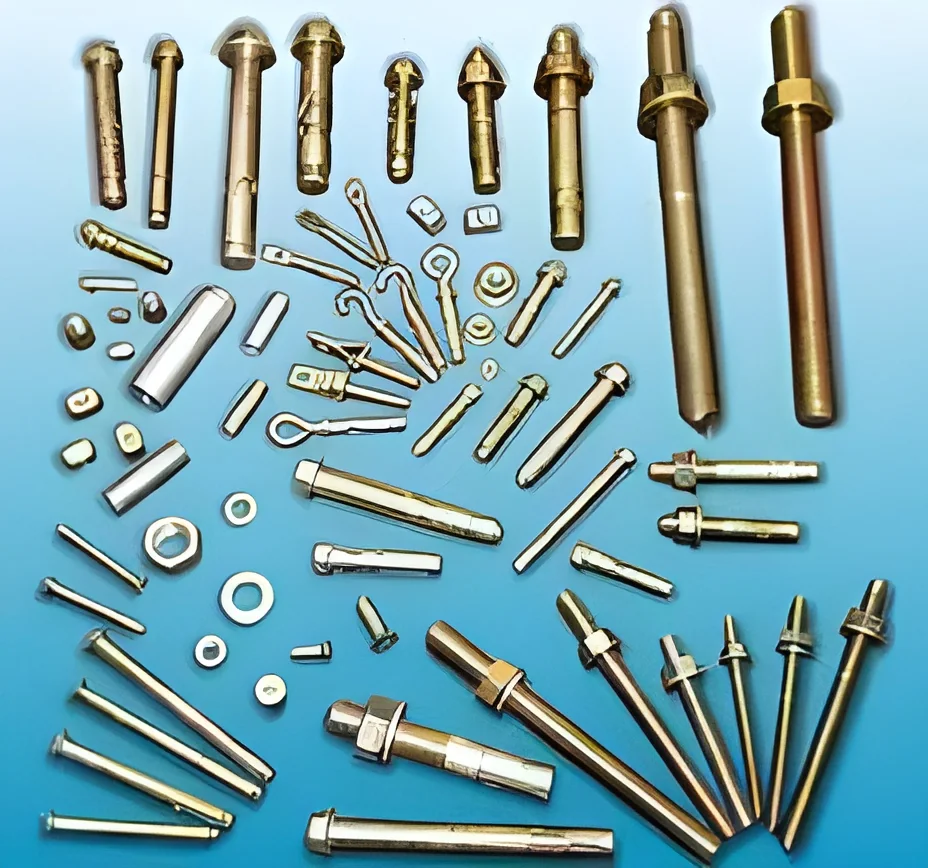
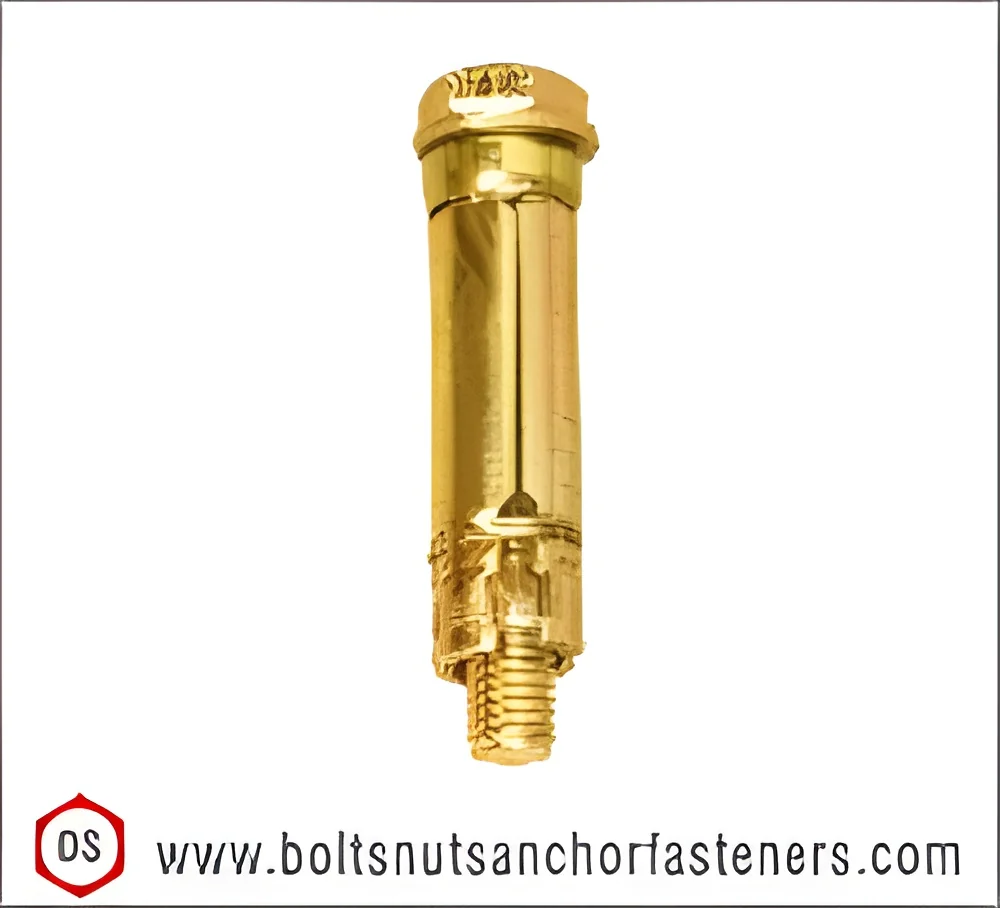
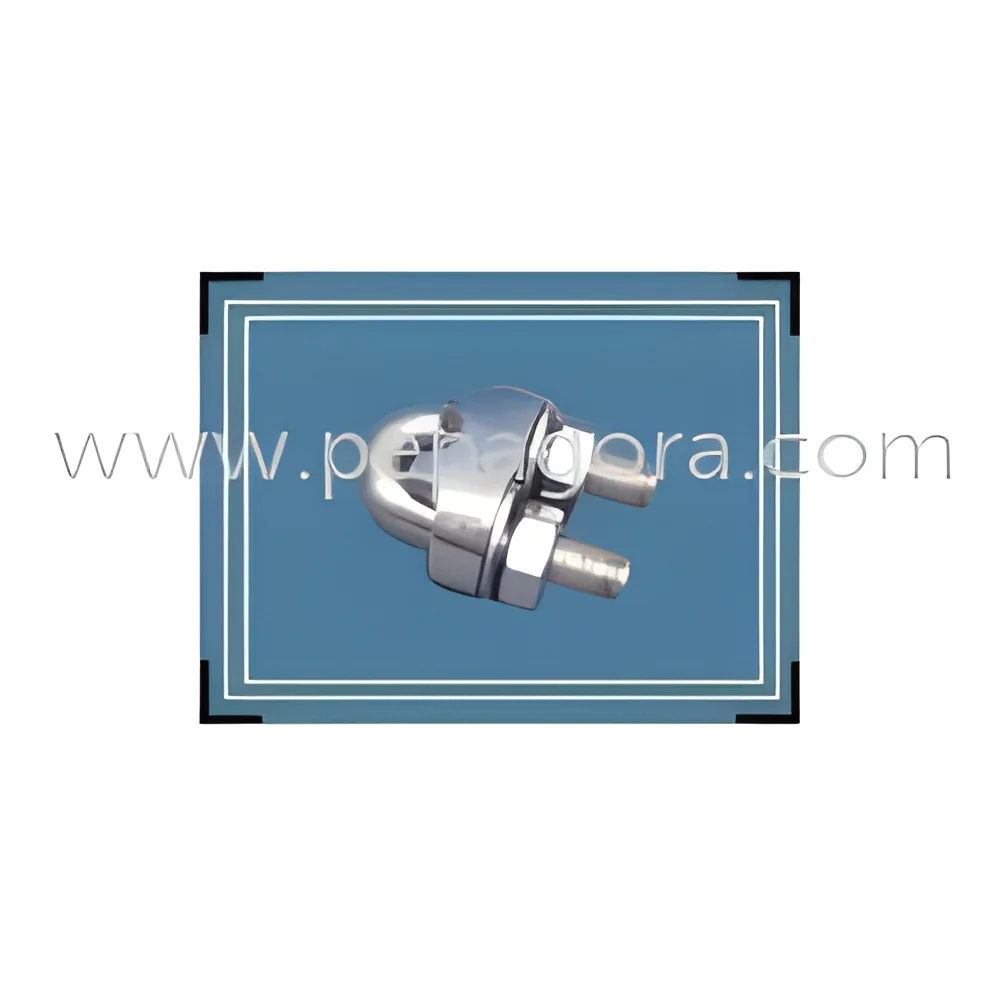
What are Anchors?
Anchors are essential fasteners used in construction and various industrial applications to secure objects to a surface. They provide stability and support by transferring loads to the substrate, whether it is concrete, masonry, or other materials. Anchors come in various types, each designed for specific applications and environmental conditions. Their ability to hold substantial weight makes them critical components in many structures.
The primary uses of anchors include securing structural elements, hanging fixtures, and supporting heavy equipment. They are commonly applied in construction, manufacturing, and maintenance sectors. In construction, anchors are vital for ensuring the safety and integrity of buildings and structures. Industries that rely on heavy machinery also depend on robust anchoring solutions to maintain operational stability and safety. As the construction and industrial markets continue to grow, the demand for reliable and efficient anchoring systems remains high.
Key Features and Specifications
Anchors are designed with specific features that cater to the diverse needs of various industries. Understanding these specifications is crucial for selecting the right product for an application.
Key specifications include:
1. Load Capacity
- Specifies the maximum weight an anchor can securely hold.
- Technical parameters vary based on anchor type and material.
2. Material Composition
- Common materials include steel, stainless steel, and nylon.
- Each material offers different levels of corrosion resistance and strength.
3. Size and Dimensions
- Available in various sizes to suit specific applications.
- Dimensions typically include diameter and length.
4. Installation Method
- Options include mechanical, adhesive, or expansion methods.
- Installation method affects usability in different substrates.
5. Environmental Resistance
- Anchors may be rated for exposure to moisture, chemicals, or temperature variations.
- Important for applications in harsh environments.
6. Compliance Standards
- Anchors may comply with industry standards such as CE certification.
- Ensures quality and safety in construction applications.
In summary, understanding the key features and specifications of anchors is essential for businesses to make informed purchasing decisions that align with their operational requirements.
Common Applications and Use Cases
Anchors serve a wide range of industries that require secure fastening solutions.
1. Construction: Anchors are used to secure structural elements like beams, walls, and ceilings in buildings, ensuring safety and stability.
2. Manufacturing: In manufacturing plants, anchors are crucial for securing machinery and equipment to the floor, preventing movement during operation.
3. Electrical: Anchors are used to mount electrical panels and fixtures, ensuring they remain securely in place.
4. Telecommunications: In the telecom sector, anchors secure antennas and equipment on towers, providing stability against environmental forces.
5. Automotive: Anchors are used in vehicle assembly to secure components and assemblies, contributing to overall vehicle safety.
6. Marine: Anchors designed for marine applications secure boats and equipment to docks and prevent drifting.
In each of these applications, the reliability and strength of anchors play a critical role in operational safety and efficiency.
Product Variants and Subcategories
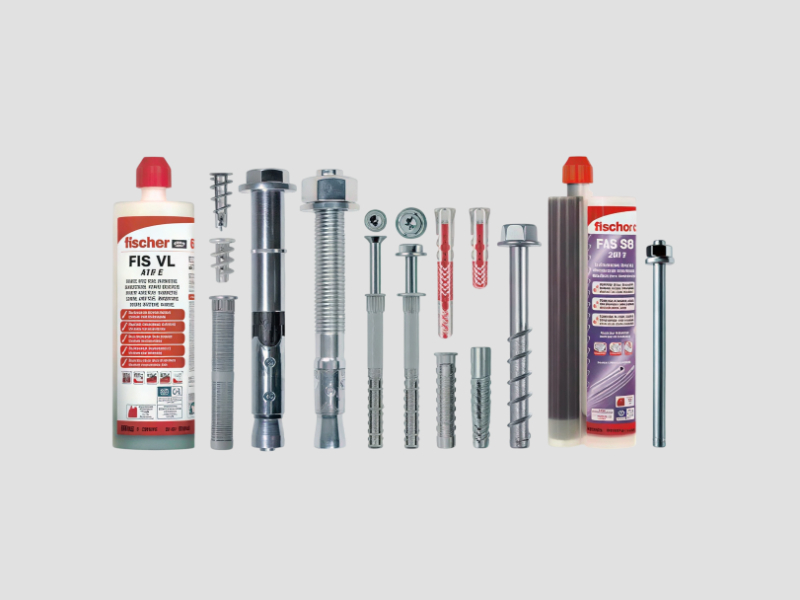
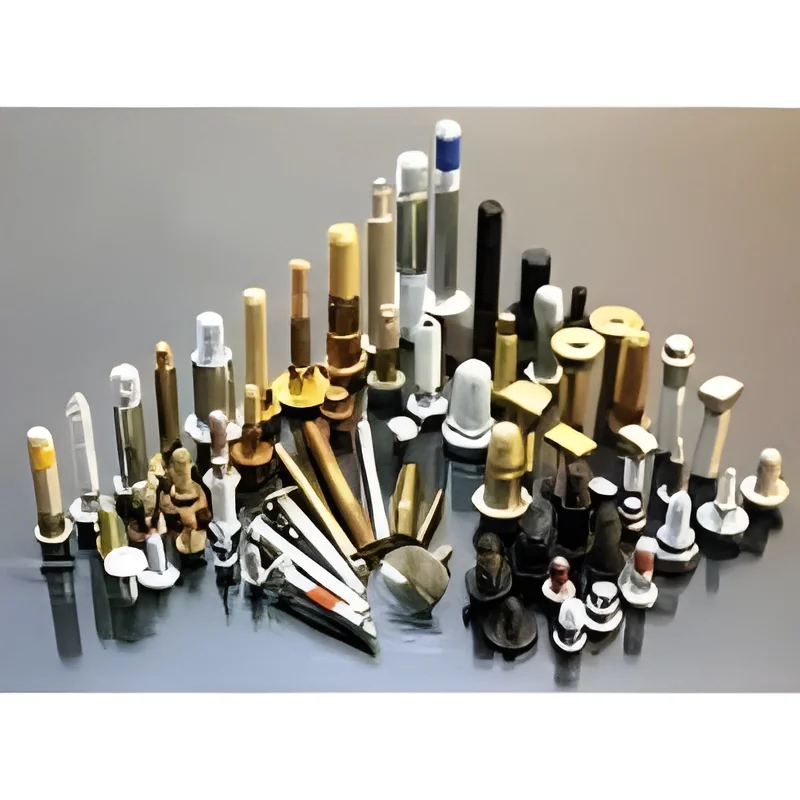
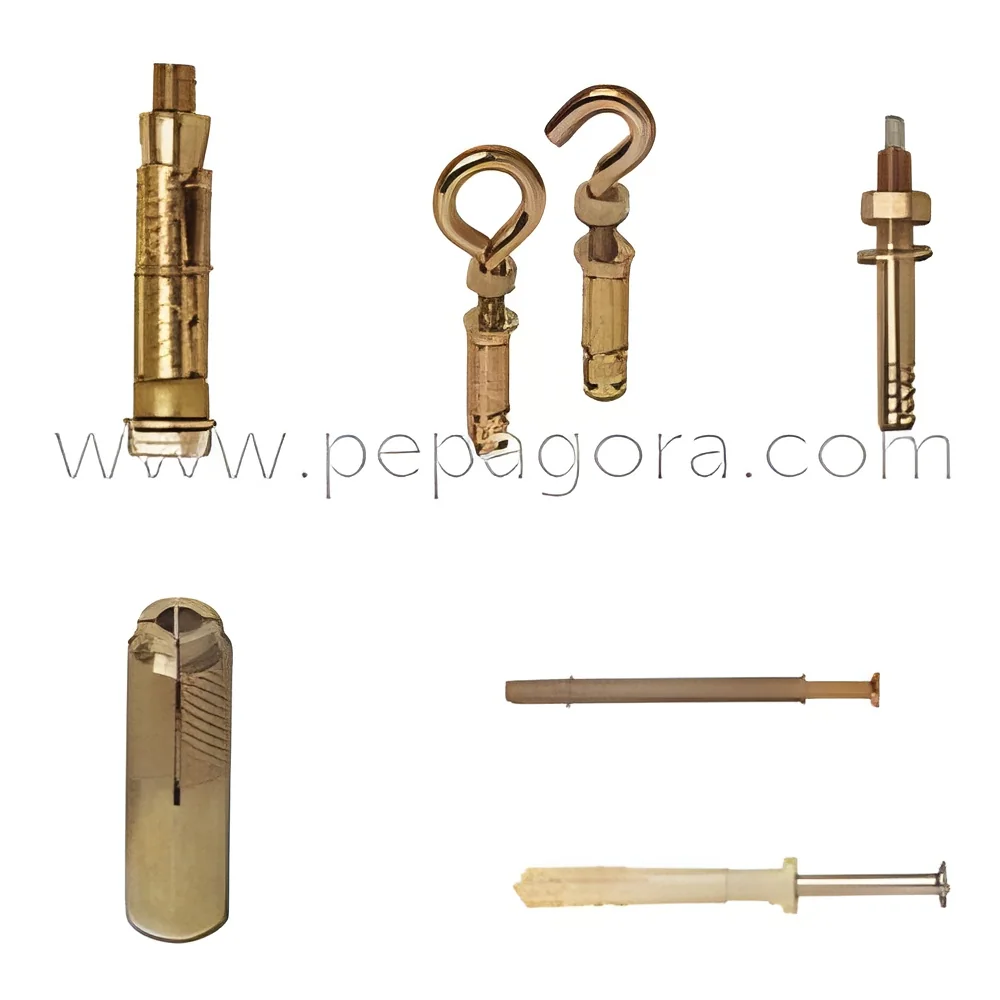
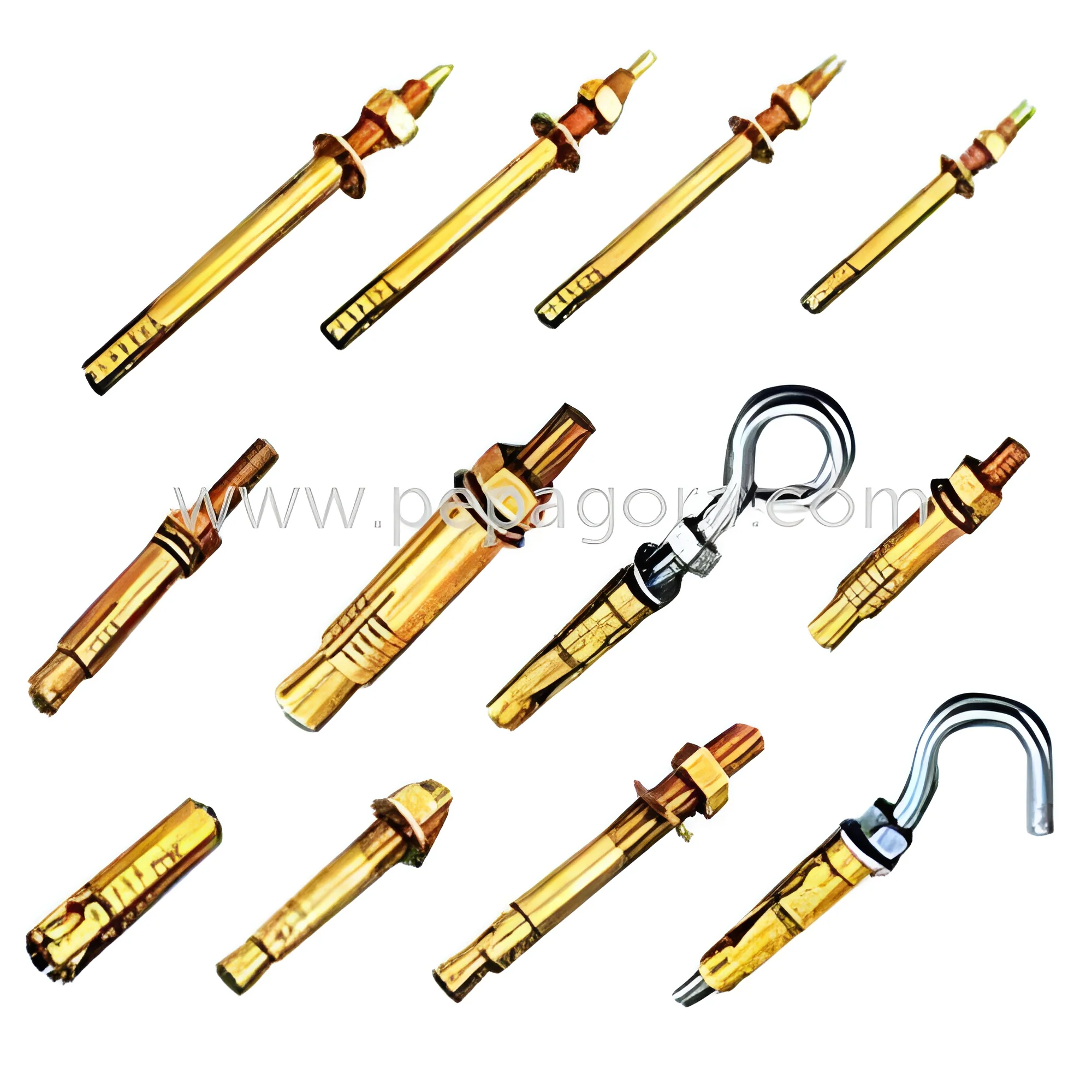
Anchors come in various types to meet different application needs. Each variant is designed with unique features tailored to specific conditions.
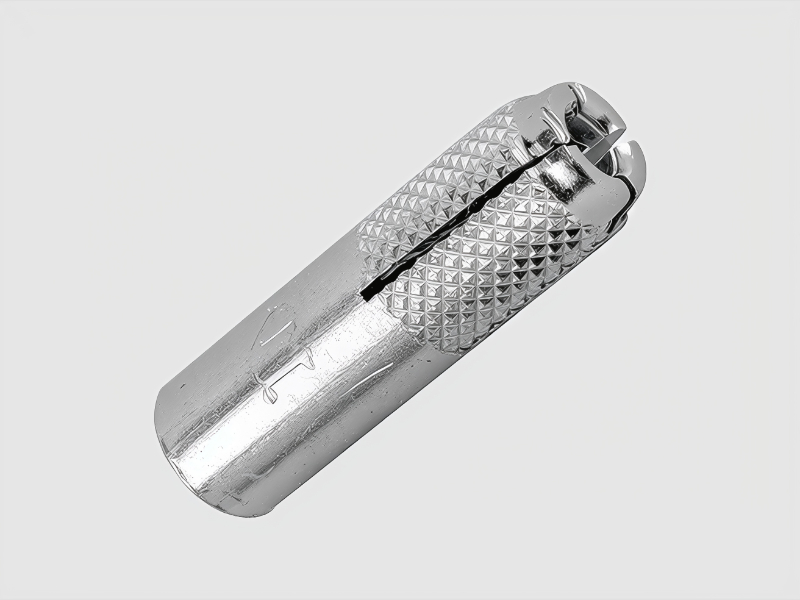
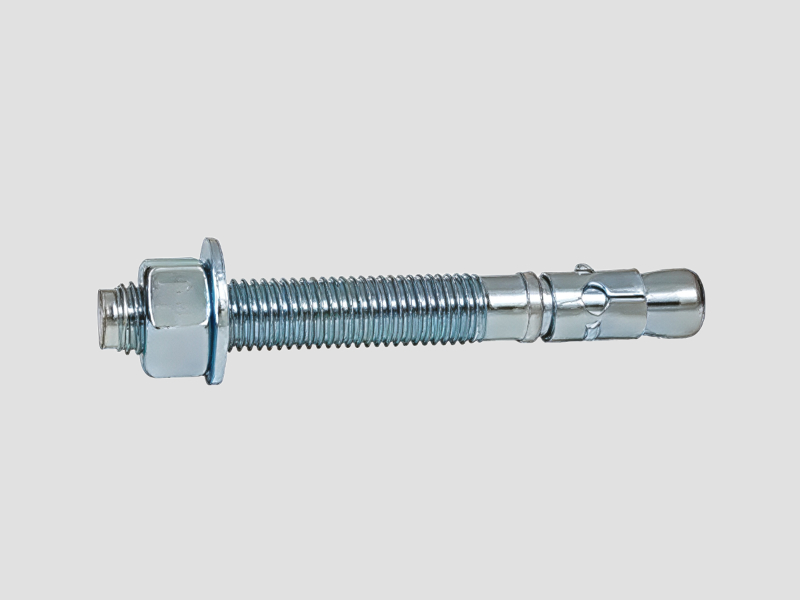
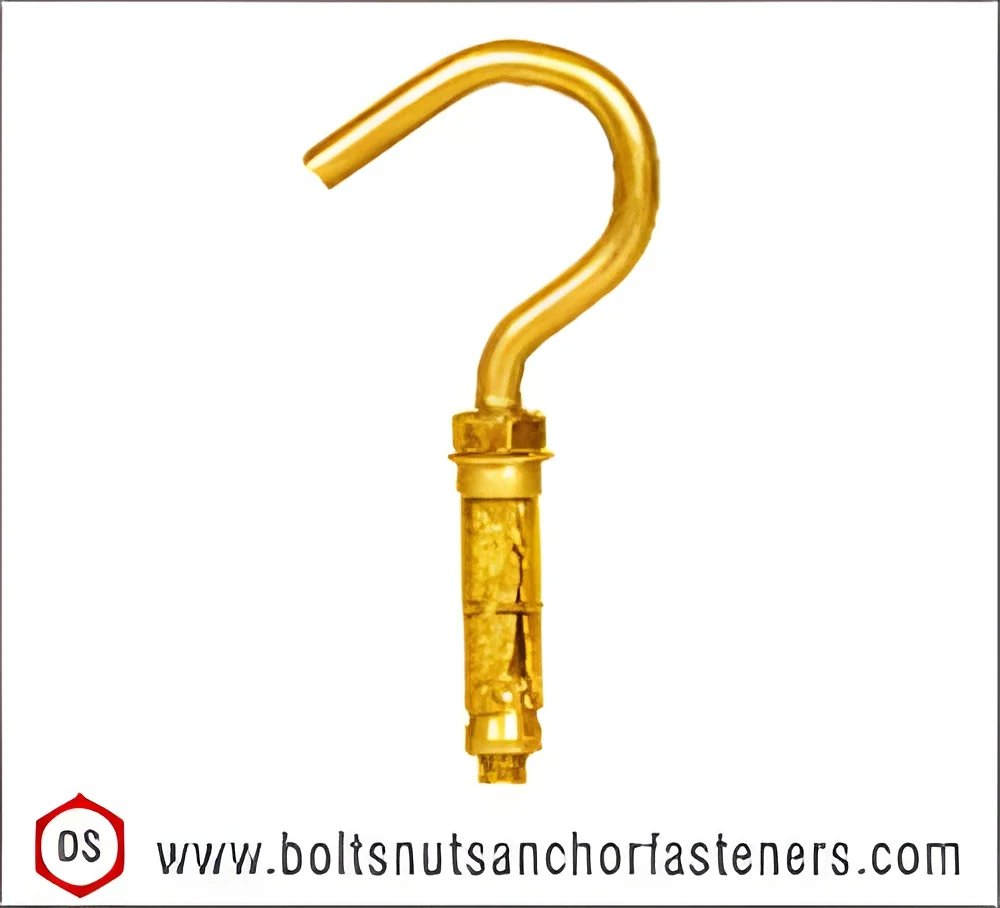
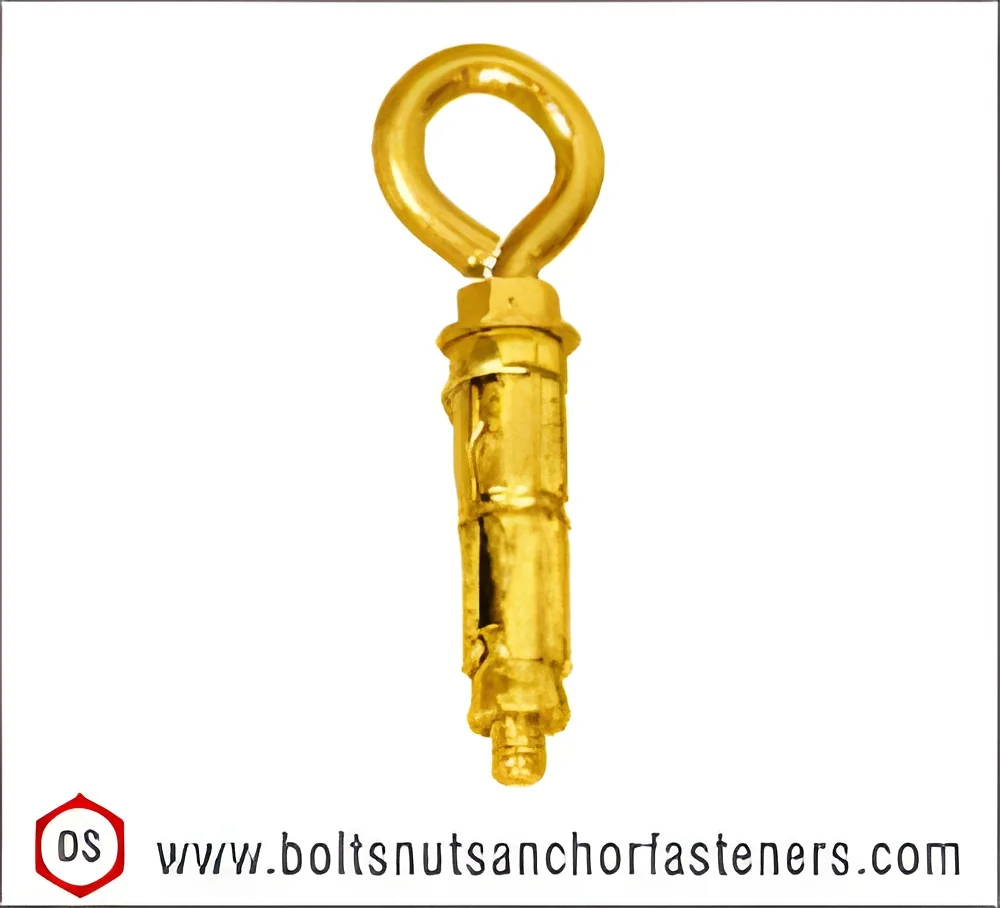
Expansion Anchors: These anchors expand inside the substrate when installed, providing a strong hold in concrete and masonry. They are commonly used in construction and renovation projects.
Concrete Screws: Designed for use in concrete, these screws cut their own threads as they are driven in, offering a secure hold without the need for an anchor sleeve. They are ideal for lightweight fixtures.
Toggle Bolts: Used for hollow walls, toggle bolts consist of a machine screw and a toggle that opens inside the wall, providing a strong anchoring point for heavy items.
Wall Anchors: These are specifically designed for drywall applications, allowing for secure fastening of shelves and other fixtures without damaging the wall.
Self-Drilling Anchors: Also known as drywall anchors, these provide easy installation without pre-drilling and are suitable for lighter loads.
Benefits and Advantages
Anchors provide numerous advantages for businesses seeking reliable fastening solutions.
1. Enhanced Safety: Properly installed anchors ensure that structural elements remain secure, reducing the risk of accidents.
2. Versatility: Anchors can be used in various materials, including concrete, wood, and metal, making them suitable for a wide range of applications.
3. Easy Installation: Many anchor types are designed for quick and straightforward installation, saving time and labor costs.
4. Durability: High-quality anchors are built to withstand harsh environmental conditions, ensuring long-lasting performance.
5. Cost-Effectiveness: Choosing the right anchor can reduce maintenance and replacement costs, offering a better return on investment.
6. Compliance Assurance: Many anchors meet industry standards, providing peace of mind regarding safety and quality.
Buying Guide for B2B Buyers
When sourcing anchors, there are several critical factors to consider to ensure the best purchase decision.
1. Quality Assessment: Evaluate the quality of anchors by checking materials, load ratings, and compliance with industry standards. High-quality anchors offer better performance and safety.
2. Supplier Verification: Vet suppliers thoroughly to ensure they are reputable and reliable. Look for suppliers with experience in the industry and positive customer reviews.
3. Pricing and MOQ: Consider pricing structures and minimum order quantities (MOQ) that suit your budget and project requirements. Compare prices across different suppliers to find the best deal.
4. Delivery and Lead Times: Assess the supplier's ability to deliver on time. Reliable delivery schedules are crucial for maintaining project timelines.
5. Compliance Requirements: Ensure that the anchors comply with relevant regulations and industry standards to avoid potential legal issues and ensure safety.
Compliance and Certifications
Anchors must adhere to various compliance standards to ensure quality and safety. Key quality standards include ISO 9001, ensuring that manufacturing processes meet global quality management criteria.
Industry certifications, such as CE marking, indicate that the product meets European safety, health, and environmental protection standards. These certifications are crucial for businesses operating in regulated markets.
Safety and testing requirements also play a significant role in the anchor industry. Anchors undergo rigorous testing to verify their load-bearing capacities and resistance to environmental factors.
Regional compliance considerations may vary, so businesses should be aware of local regulations that apply to their specific markets. This knowledge ensures that the anchors they purchase will be compliant and safe for use.
Why Source Anchors from Pepagora?
Pepagora provides a trusted platform for sourcing anchors, offering several key advantages to businesses.
Verified Supplier Network: Pepagora collaborates with a network of verified suppliers, ensuring that buyers have access to high-quality anchors from reputable manufacturers. This verification process enhances trust and reliability.
Streamlined RFQ Process: The platform features an efficient request for quotation (RFQ) process, making it easier for buyers to obtain competitive pricing and terms. This simplifies the procurement process and saves time.
Trade Assurance and Support: Pepagora offers trade assurance to protect buyers throughout their purchasing journey. This includes support for resolving any issues that may arise during transactions, ensuring a smooth experience.
Regional Coverage: With a strong presence in regions like India, GCC, and Southeast Asia, Pepagora offers geographic reach that enables businesses to find anchors suited to their local markets. This regional focus enhances the sourcing experience for buyers.

 IN
IN