What are Construction Fasteners?
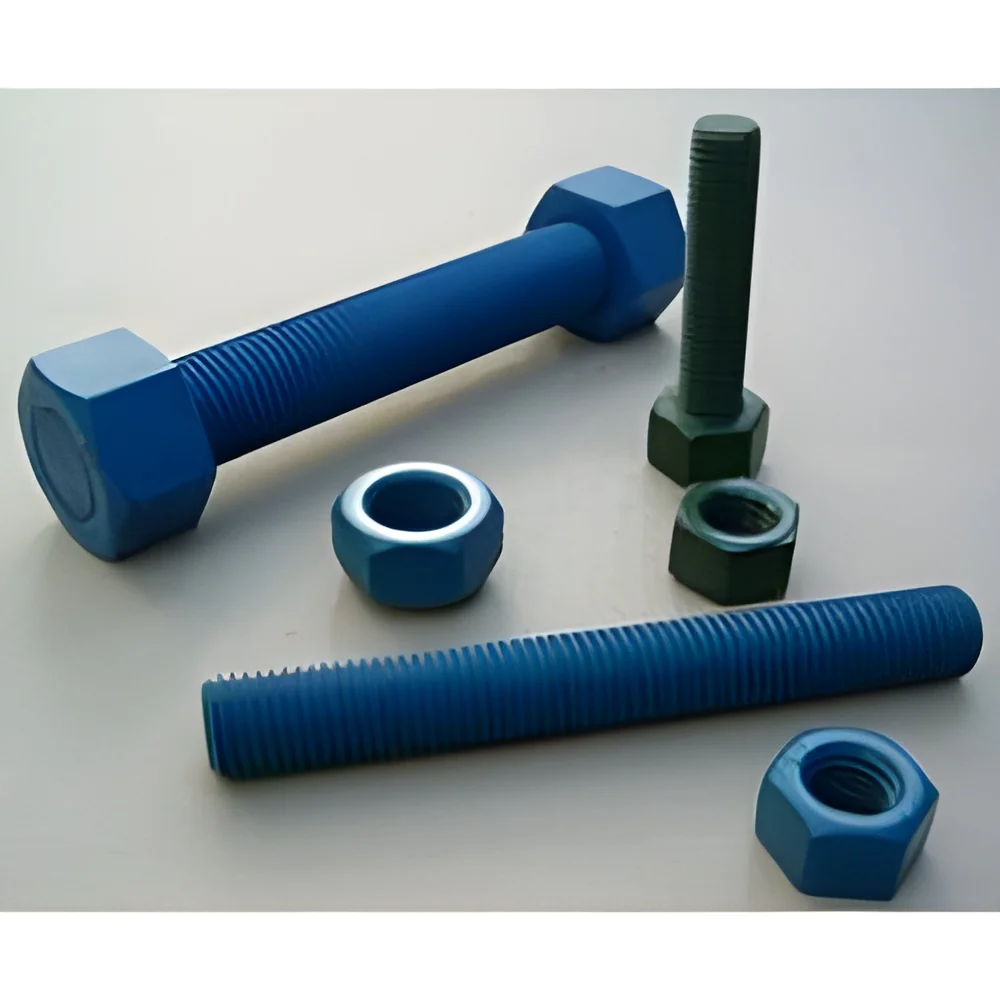
Construction fasteners are essential hardware components used to join, secure, or stabilize various materials in construction projects. They come in a variety of types, including screws, bolts, nuts, anchors, and nails, designed to meet diverse fastening needs across different applications. Made from materials such as steel, aluminum, or plastic, these fasteners vary in size, strength, and corrosion resistance, depending on the specific requirements of a project.
These fasteners are primarily used in the construction of buildings, bridges, and other structures, playing a critical role in ensuring the integrity and longevity of the work. Their applications extend to residential, commercial, and industrial projects, where they provide reliable connections between structural elements. The construction fastener market is significant, driven by ongoing infrastructure developments and the rising demand for residential and commercial buildings globally.
Key Features and Specifications
Construction fasteners are characterized by various features and specifications that determine their suitability for specific applications. Understanding these specifications helps buyers choose the right fasteners for their projects.
Key specifications include:
1. Material Type
- Common materials include steel, stainless steel, and plastic.
- Each material has distinct properties such as strength, corrosion resistance, and weight.
2. Size and Length
- Available in various diameters and lengths to fit specific requirements.
- Standard sizes are often specified based on industry norms.
3. Thread Type
- Fasteners can have coarse or fine threads, impacting how they grip materials.
- Thread type is crucial for load-bearing applications.
4. Load Capacity
- This specification indicates the maximum load a fastener can withstand.
- Load ratings vary depending on material and design.
5. Coating and Finish
- Options include galvanized, zinc-plated, or uncoated finishes.
- Coatings enhance corrosion resistance and aesthetic appeal.
6. Head Type
- Fasteners may feature different head styles like flat, round, or hex.
- Head type affects installation and the tools required.
7. Compliance Standards
- Fasteners may meet various industry standards for quality and safety.
- Certification marks, such as CE, indicate compliance with regulations.
In summary, understanding these features and specifications is essential for selecting the appropriate construction fasteners that meet the needs of any project.
Common Applications and Use Cases
Construction fasteners are utilized across various industries, each with unique applications.
1. Residential Construction: Fasteners are used extensively in framing, roofing, and finishing work to secure structural components and fixtures.
2. Commercial Buildings: In office and retail construction, fasteners play a crucial role in installing partitions, ceilings, and exterior cladding.
3. Infrastructure Projects: Bridges and highways rely on heavy-duty fasteners to ensure structural stability and safety under load.
4. Manufacturing: Fasteners are integral to assembling machinery, equipment, and industrial structures, providing necessary strength and durability.
5. Furniture Production: In the furniture industry, fasteners are used to join components and enhance the product's structural integrity.
6. Electrical Installations: Fasteners secure electrical components and fixtures, ensuring safety and functionality.
7. HVAC Systems: Fasteners are essential for installing ductwork and securing HVAC units in residential and commercial buildings.
Product Variants and Subcategories
Construction fasteners come in various forms to meet specific needs within the industry. The diversity of these products allows for tailored solutions.
Concrete Fasteners: These are designed for anchoring to concrete surfaces, providing a strong hold for various applications, including fixtures and structural components.
Wood Fasteners: Specifically made for wood applications, these fasteners ensure reliable connections in framing and carpentry projects.
Metal Fasteners: Used primarily in metal-to-metal applications, these fasteners offer high strength and durability for industrial settings.
Self-Drilling Fasteners: These fasteners can create their own hole as they are driven into the material, simplifying installation in metal and wood applications.
Benefits and Advantages
Choosing the right construction fasteners offers several advantages for businesses and projects.
1. Enhanced Structural Integrity: Quality fasteners ensure strong connections, contributing to the overall safety and durability of structures.
2. Reduced Installation Time: Fasteners designed for specific applications can streamline the installation process, saving time and labor costs.
3. Corrosion Resistance: Fasteners with protective coatings resist environmental factors, prolonging their lifespan.
4. Versatility: The wide range of fasteners available allows for use in various applications across multiple industries.
5. Cost-Effectiveness: Selecting the right fasteners can minimize material waste and reduce overall project costs.
6. Compliance Assurance: Quality fasteners meet industry standards, ensuring safety and reliability in construction projects.
Buying Guide for B2B Buyers
When sourcing construction fasteners, it is crucial for B2B buyers to consider several factors to ensure they select the best products for their needs.
1. Quality Assessment: Evaluate fasteners based on material properties, strength ratings, and manufacturer reputation to ensure reliability.
2. Supplier Verification: Vet suppliers by checking their certifications, customer reviews, and industry experience to ensure they meet quality standards.
3. Pricing and MOQ: Understand the pricing structure and minimum order quantities to align with budget constraints and project needs.
4. Delivery and Lead Times: Inquire about logistics to ensure timely delivery of fasteners, which is critical for maintaining project schedules.
5. Compliance Requirements: Ensure that fasteners meet necessary regulatory standards and certifications relevant to the specific industry and region.
Compliance and Certifications
Compliance and certifications are essential aspects of construction fasteners that ensure quality and safety in their use. Many fasteners adhere to international quality standards such as ISO 9001, which outlines requirements for a quality management system. Meeting these standards demonstrates a commitment to quality and continual improvement.
In addition, fasteners may carry certifications like CE, indicating their compliance with European safety, health, and environmental protection standards. This certification ensures that the fasteners meet specific performance criteria.
Safety and testing requirements vary by application and region. It is vital for manufacturers and suppliers to conduct rigorous testing to meet these standards, ensuring that fasteners perform reliably under load and environmental conditions.
Regional compliance considerations may also apply, depending on local regulations governing construction materials. Buyers should be aware of these requirements when sourcing fasteners to ensure they are compliant with legal and industry standards.
Why Source Construction Fasteners from Pepagora?
Pepagora provides a trusted platform for sourcing construction fasteners, boasting several key advantages that benefit B2B buyers.
Verified Supplier Network: Pepagora ensures that all suppliers in its network are thoroughly vetted. This process guarantees that buyers have access to quality products from reputable manufacturers.
Streamlined RFQ Process: The request for quotation (RFQ) system on Pepagora simplifies the procurement process. Buyers can easily compare quotes from multiple suppliers, ensuring they find the best prices and terms.
Trade Assurance and Support: Pepagora offers trade assurance, protecting buyers from potential risks associated with transactions. The platform provides support throughout the purchasing process, ensuring a smooth experience.
Regional Coverage: With a strong presence in India, the GCC, and Southeast Asia, Pepagora connects buyers with suppliers across these regions. This extensive coverage facilitates access to a diverse range of construction fasteners tailored to local market needs.

 IN
IN