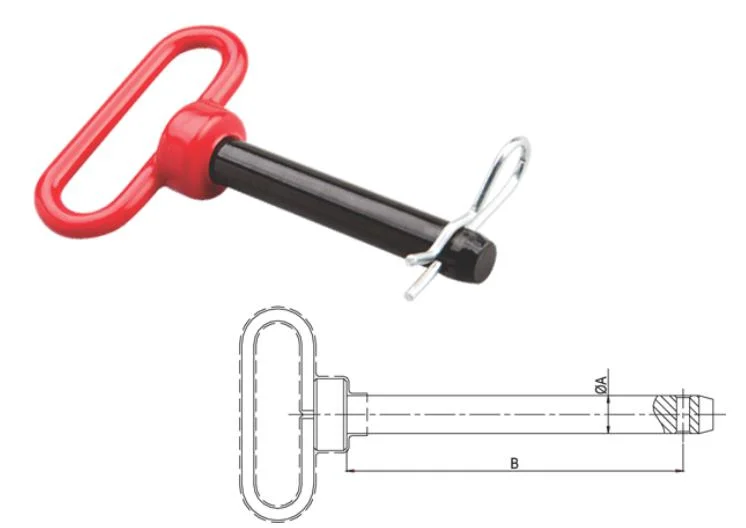
Key Features and Specifications
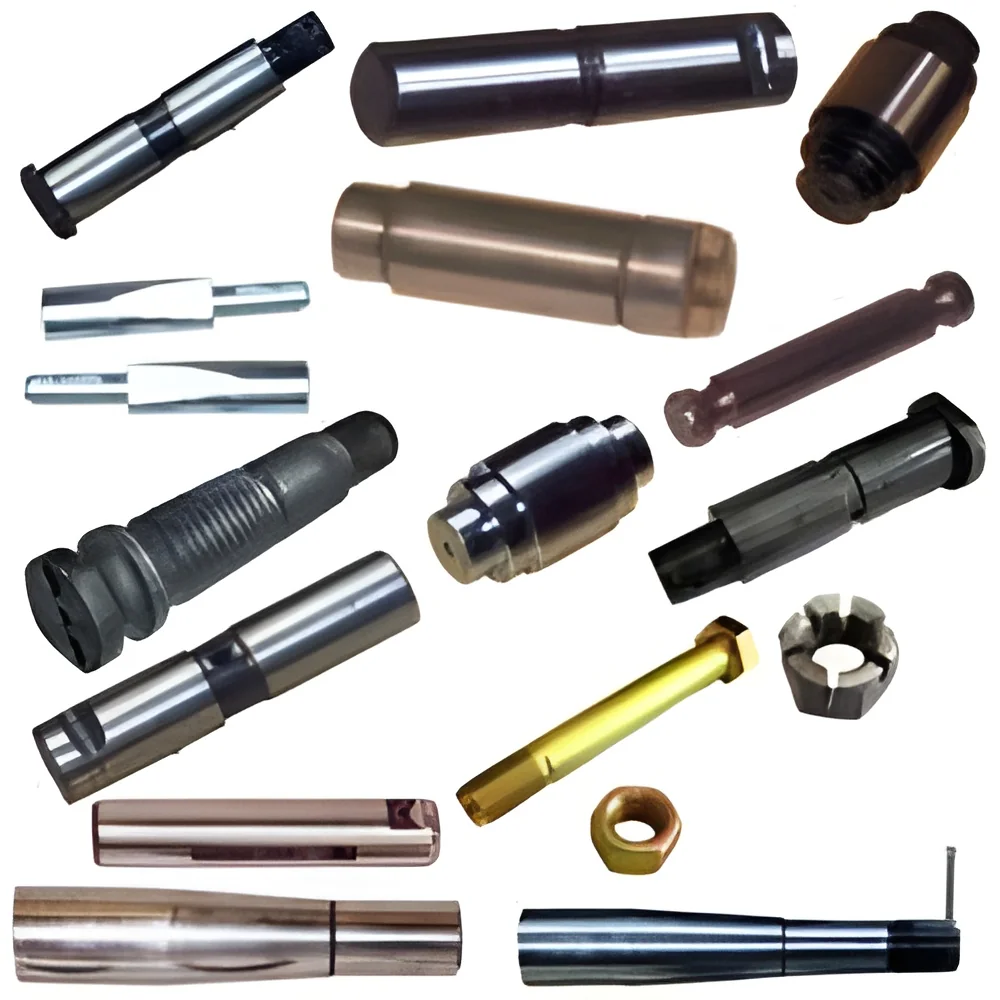
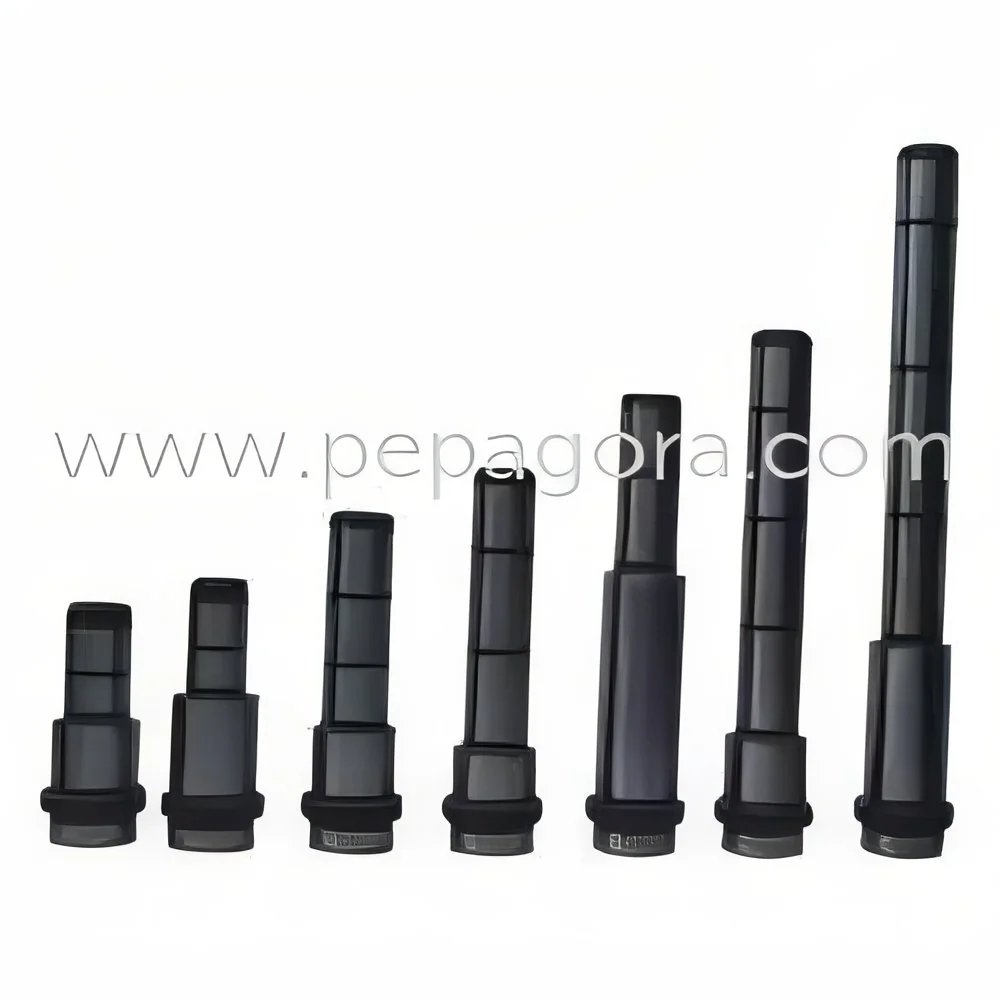
Pins (Dowel, Cotter, Spring) come with various features that cater to specific industrial requirements. Understanding these features is vital for selecting the right pins for different applications.
Key specifications include:
1. Material Composition
- Commonly made from steel, stainless steel, or brass
- Varies based on application requirements, such as strength and corrosion resistance
2. Diameter Sizes
- Available in a range of diameters, typically from 1 mm to 20 mm or larger
- Selection depends on the intended assembly and load requirements
3. Length Options
- Offered in various lengths to accommodate different assembly needs
- Typical lengths range from 5 mm to 100 mm or more
4. Finish Types
- Options include plain, zinc-plated, or coated finishes
- Finishes provide protection against corrosion and enhance aesthetics
5. Load Capacity
- Each pin type has a specified load capacity
- Important to match the load requirements of the application
6. Compliance Standards
- Pins may comply with industry standards like ISO or CE certification
- Ensures quality and reliability in production
7. Tolerance Levels
- Tolerance specifications vary by type and intended use
- Critical for ensuring proper fit and function within assemblies
8. Operating Temperature Range
- Some pins are designed to withstand high or low temperatures
- Essential for applications in extreme environments
In summary, understanding these specifications helps businesses select the appropriate pins for their specific applications, ensuring optimal performance and safety.
Common Applications and Use Cases
Pins (Dowel, Cotter, Spring) are versatile fasteners used across numerous industries. Their unique properties make them suitable for various applications.
1. Manufacturing: In manufacturing settings, dowel pins are often used to align machine parts for assembly. They ensure precision in the fabrication of components, enhancing overall quality.
2. Automotive: Cotter pins are widely used in the automotive industry to secure wheel hubs and other critical components. They provide a reliable fastening solution to keep parts in place during operation.
3. Aerospace: Spring pins are utilized in aerospace applications for their ability to absorb shock and vibration, ensuring the integrity of critical systems during flight.
4. Construction: In the construction sector, dowel pins help join structural elements, ensuring stability and strength in buildings and infrastructure.
5. Electronics: Cotter pins are also found in electronic devices, where they secure components and prevent disassembly due to vibrations.
6. Agriculture: Spring pins are commonly used in agricultural machinery, providing flexible connections that can withstand harsh operating conditions.
7. Furniture: Dowel pins are frequently used in furniture assembly, providing strong joints that are aesthetically pleasing and durable.
Product Variants and Subcategories
Pins (Dowel, Cotter, Spring) come in a variety of forms to meet different needs. Understanding these variants can help businesses choose the most suitable option.
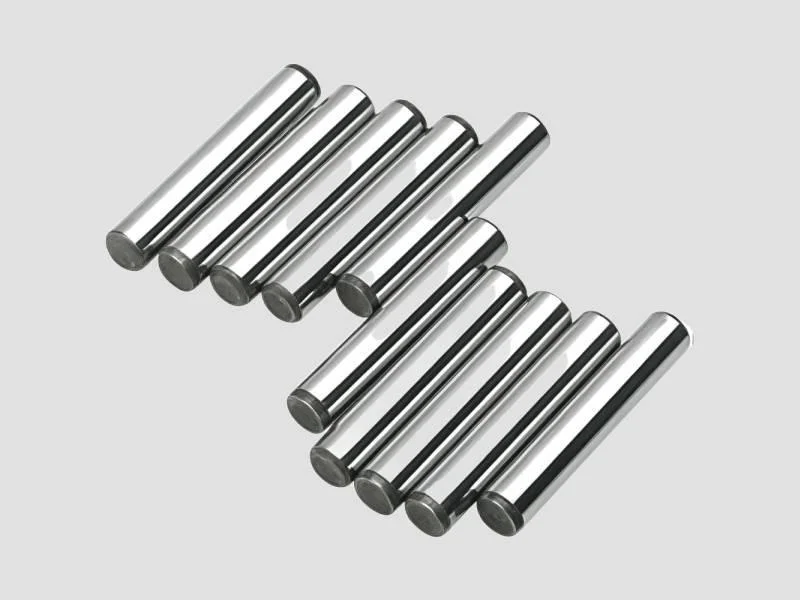
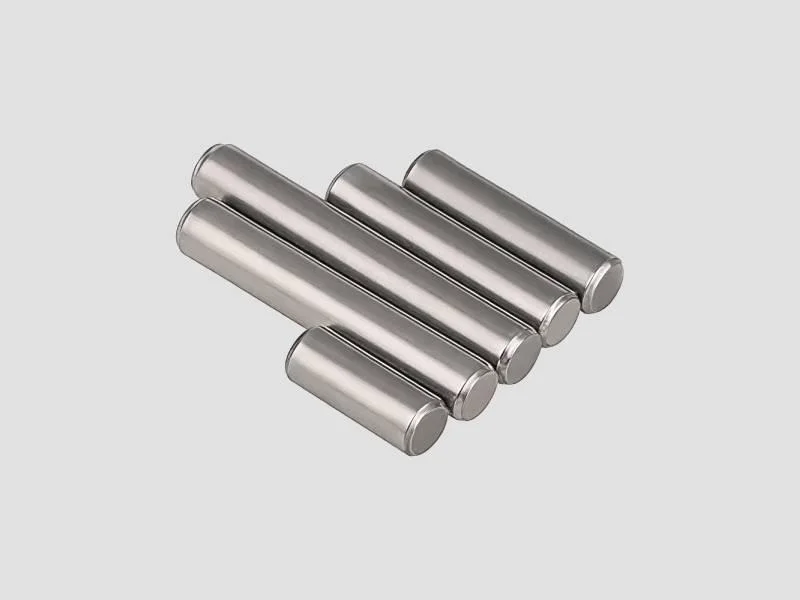
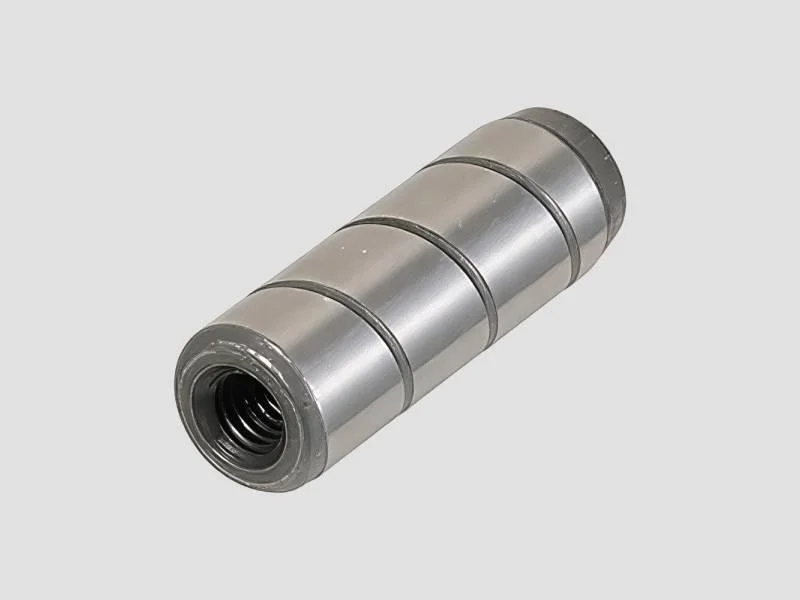
Dowel Pins
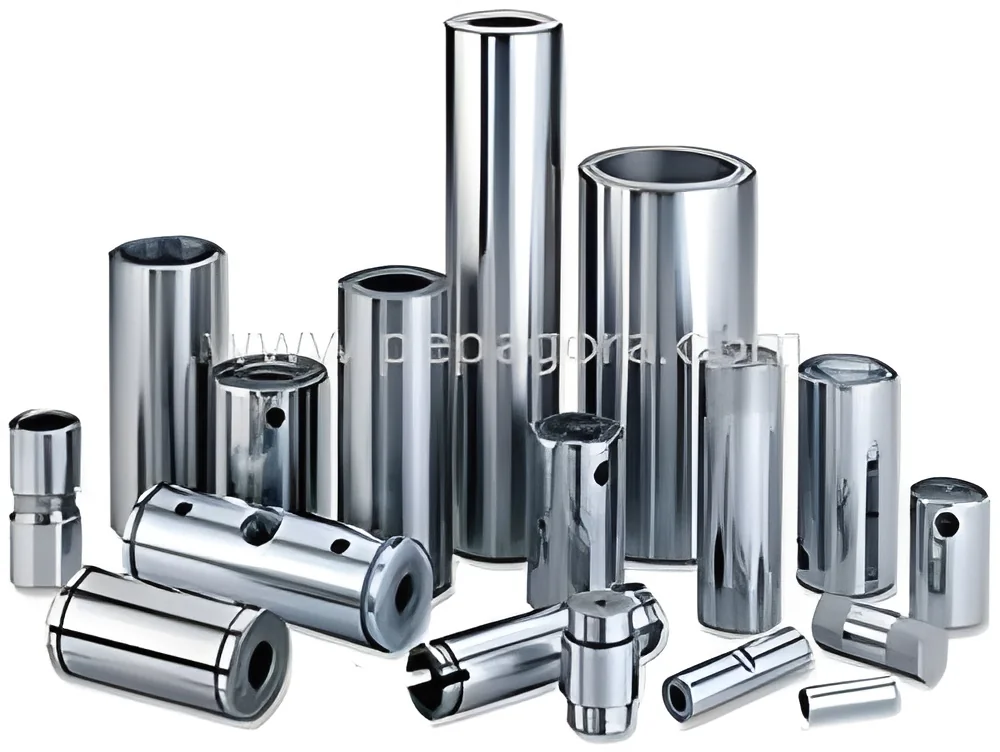
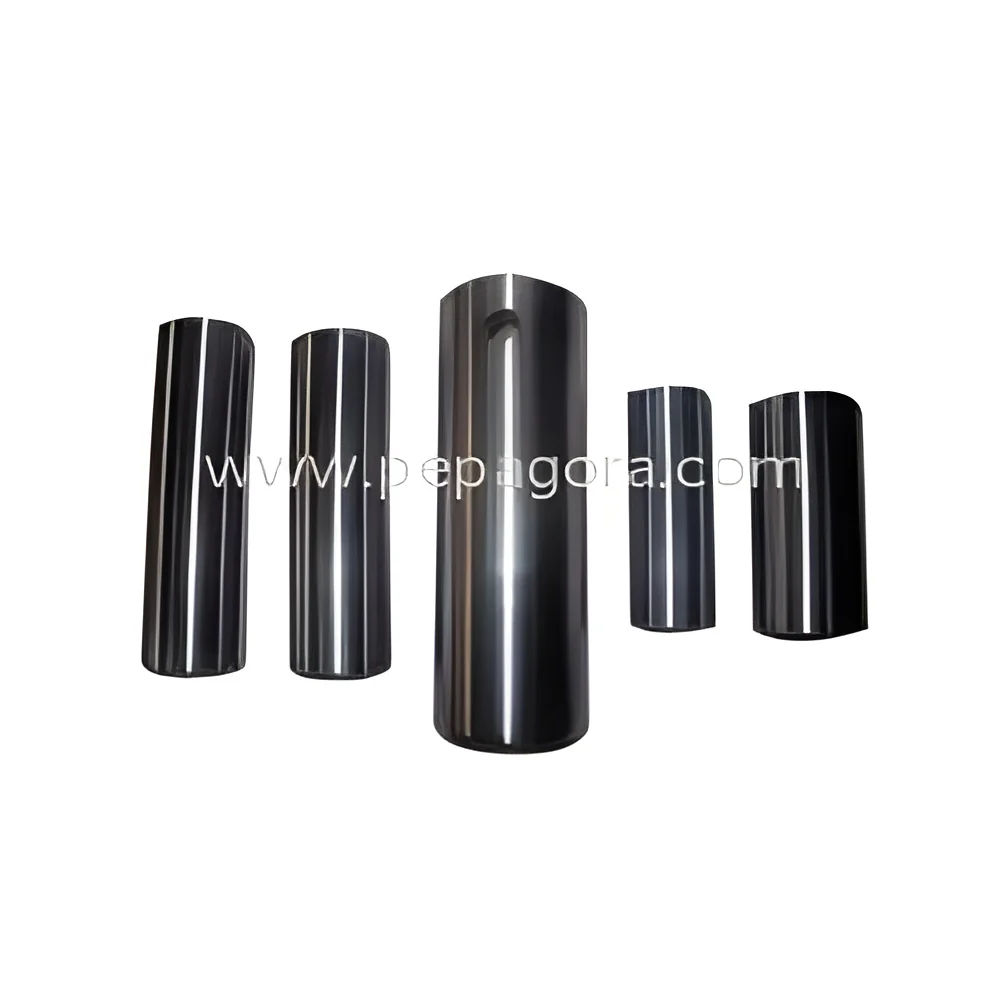
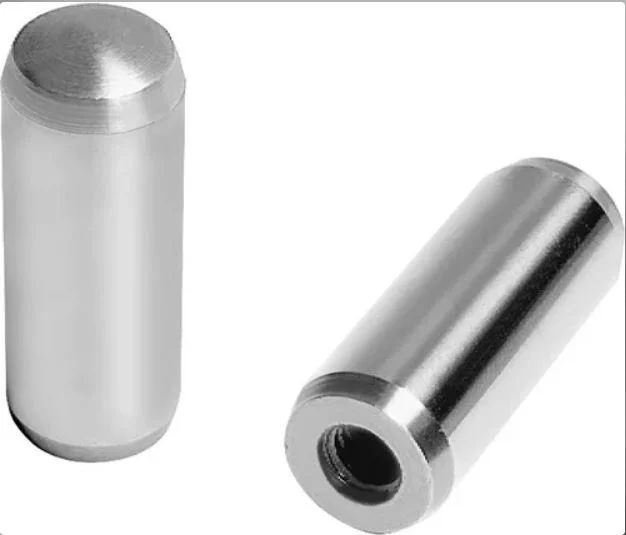
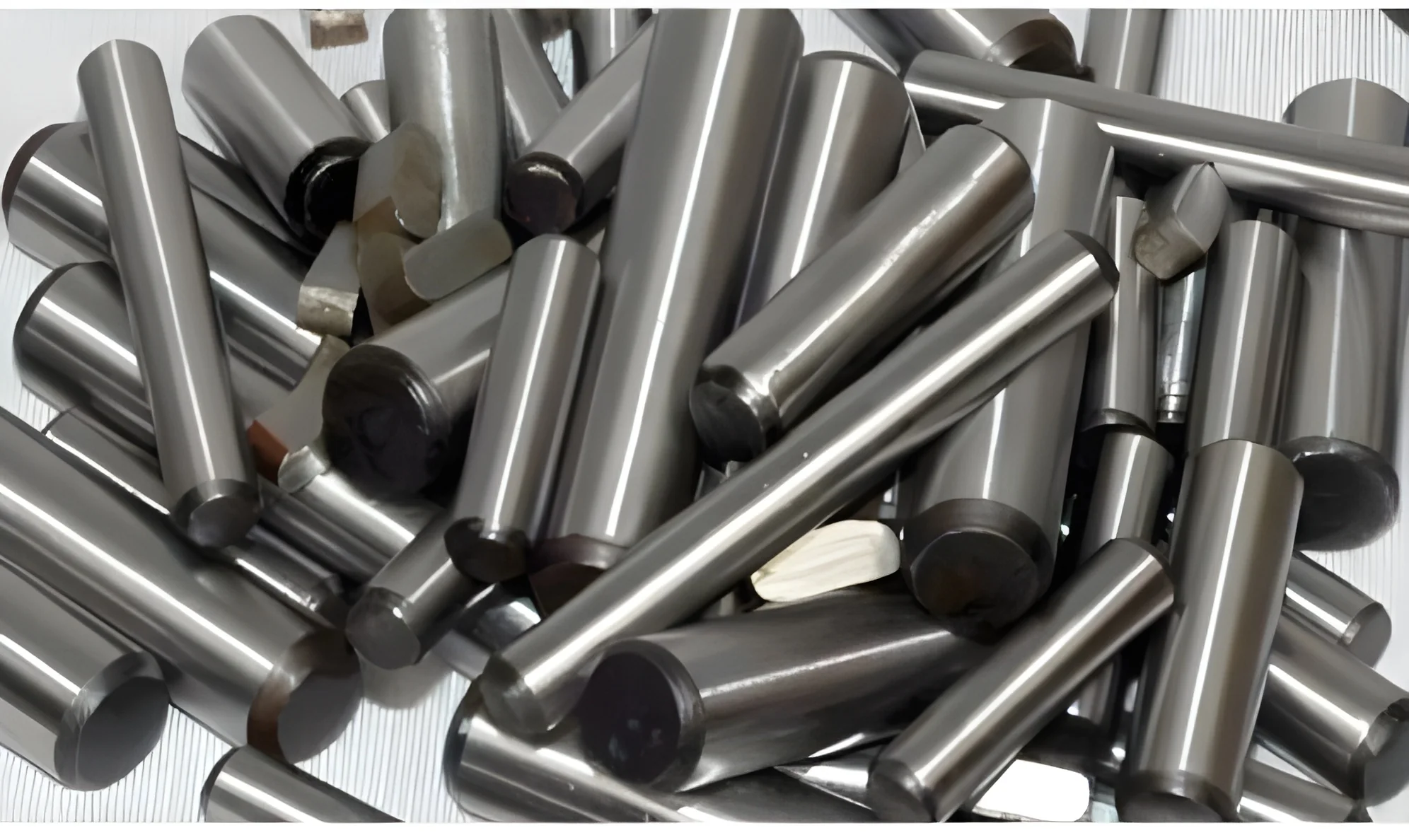
Dowel pins are cylindrical fasteners used for alignment and joining. They are available in various diameters and lengths, providing flexibility for different assembly requirements. Their precision fit allows for easy insertion and removal, making them popular in woodworking and metalworking applications.
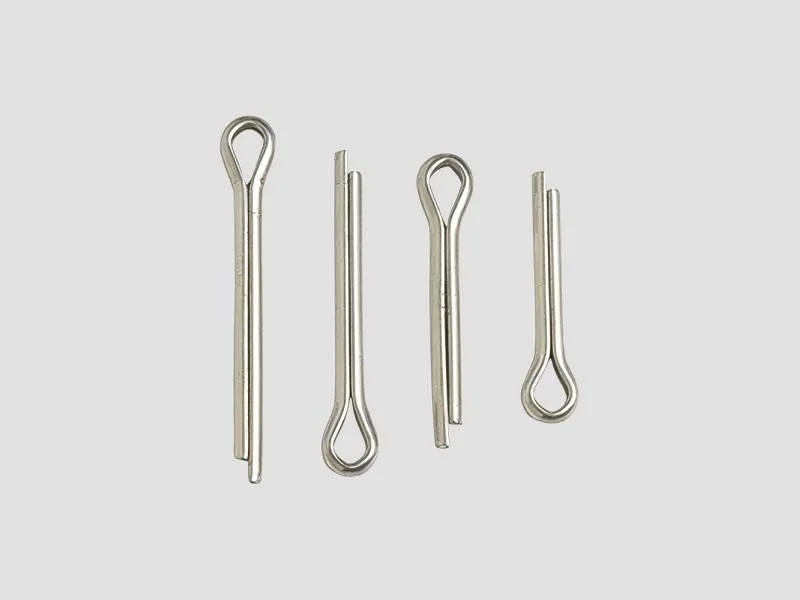
Cotter Pins
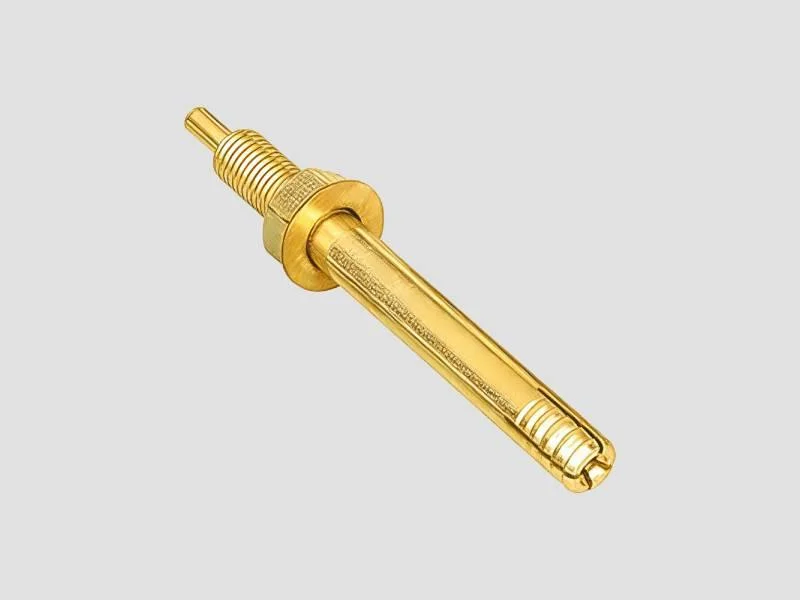
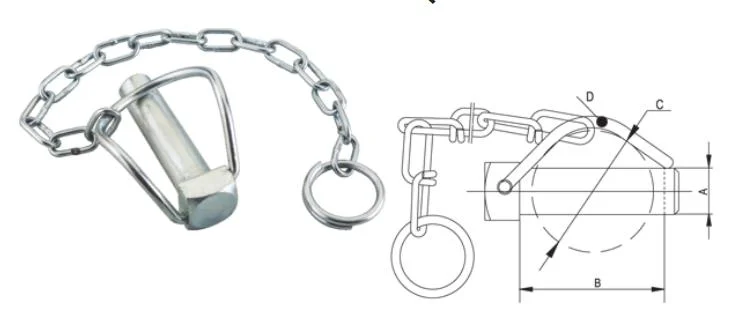
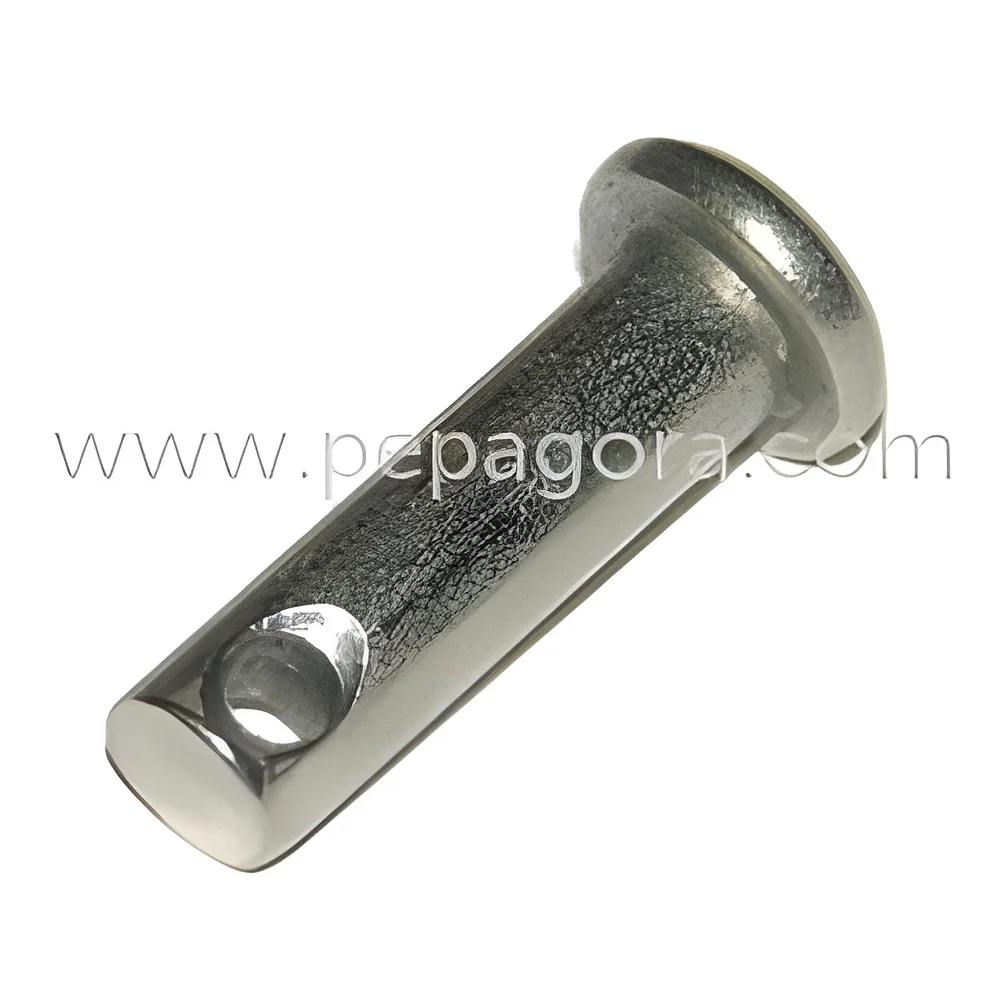
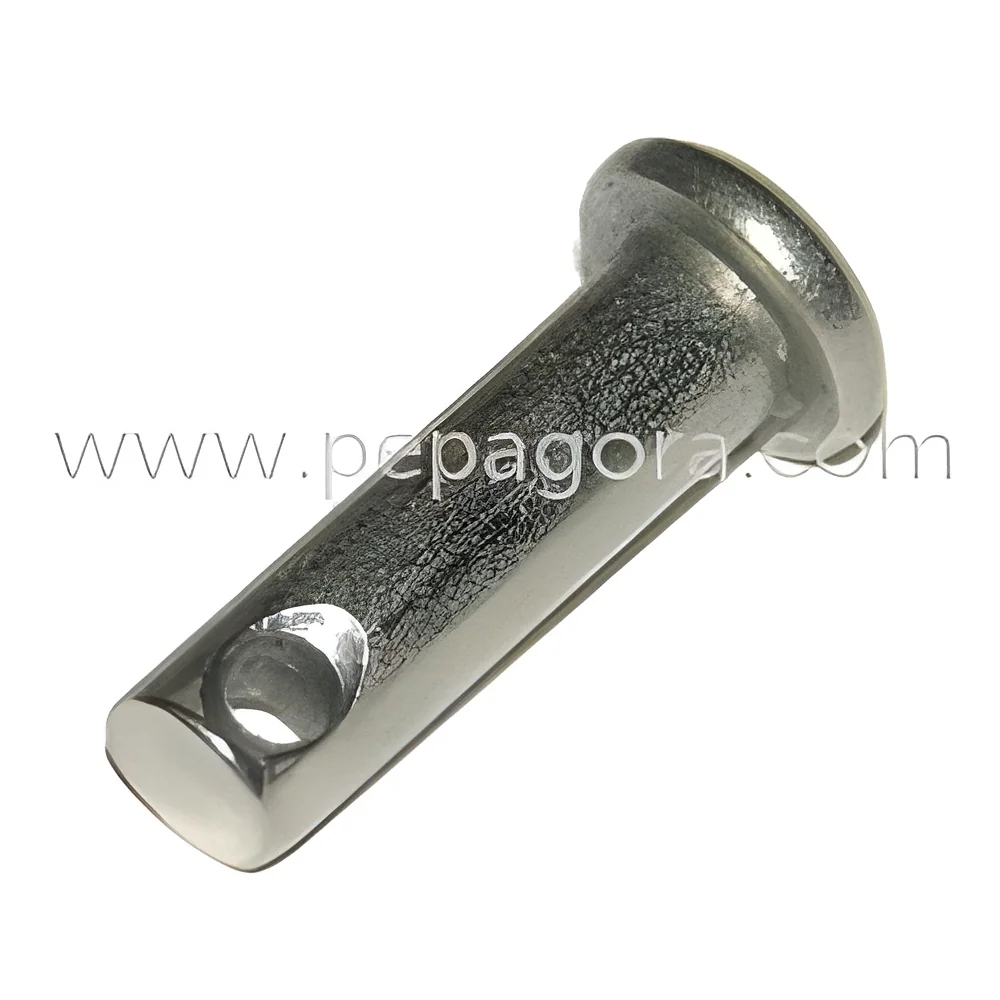
Cotter pins are designed to secure two components together, often used in conjunction with a clevis or fork. They come in various sizes and materials, offering strength and reliability. Cotter pins are commonly found in automotive and machinery applications, ensuring critical components remain securely fastened.
Spring Pins
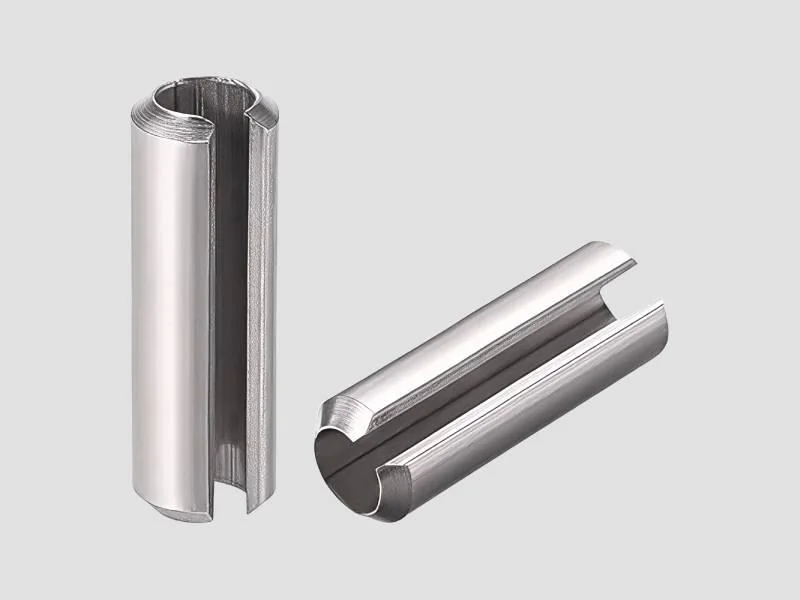
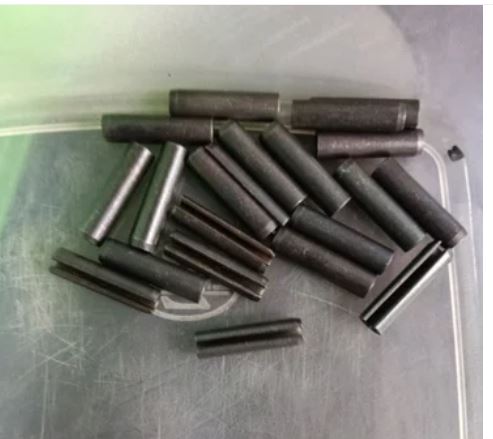
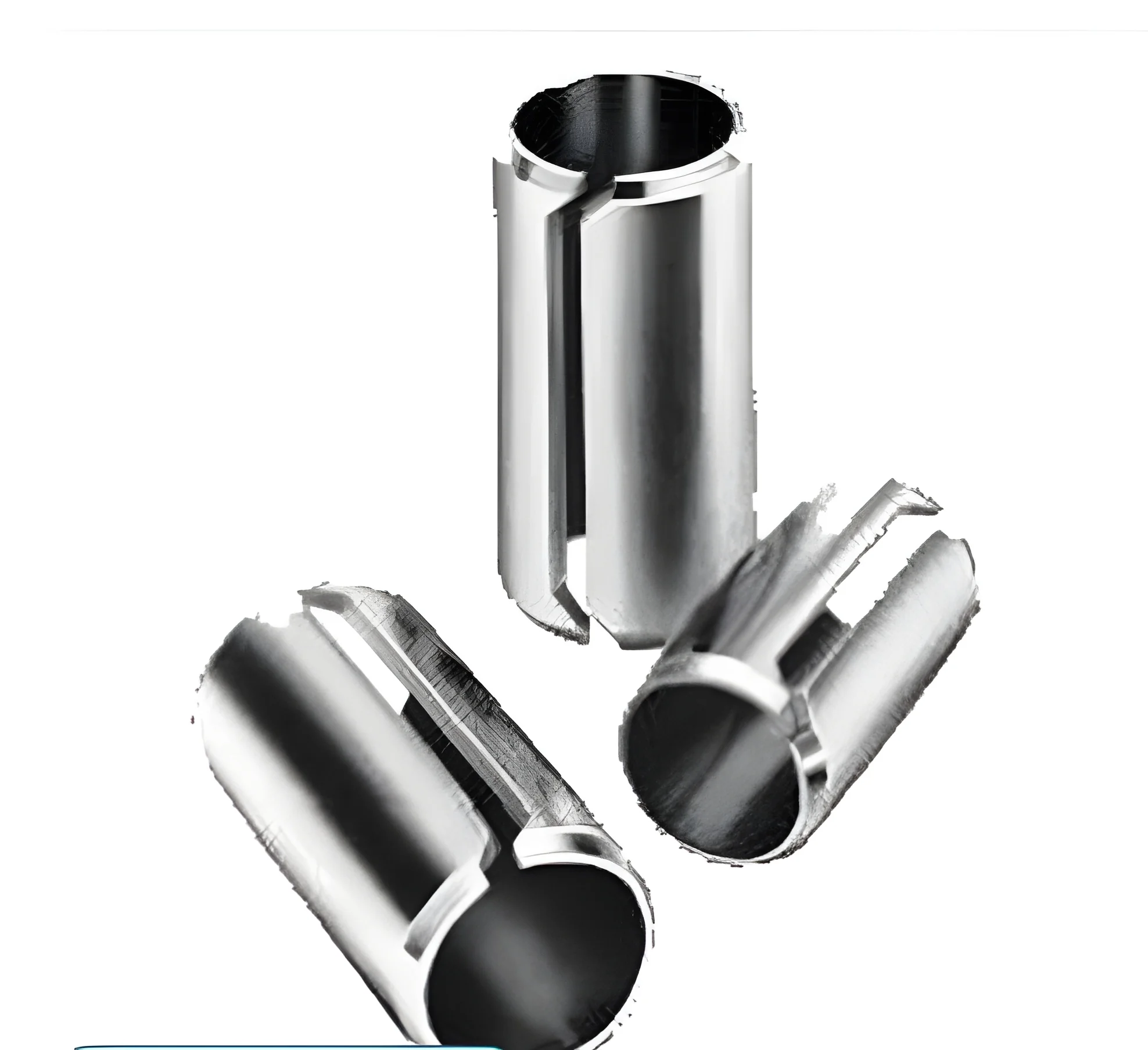
Spring pins are designed to provide tension and flexibility in assemblies. They are especially useful in applications that require vibration resistance. Available in various lengths and diameters, spring pins are widely used in automotive, aerospace, and machinery industries.
Benefits and Advantages
The use of Pins (Dowel, Cotter, Spring) offers numerous advantages that enhance the functionality and reliability of assemblies.
1. Enhanced Stability: Pins provide strong, secure connections that improve the overall stability of assembled products.
2. Easy Installation: Most pins can be quickly and easily installed, reducing assembly time and labor costs.
3. Versatility: Available in various sizes and types, pins can be used across different applications and industries.
4. Cost-Effective: Pins are often a more affordable fastening solution compared to other methods, making them budget-friendly for manufacturers.
5. Durability: High-quality pins are designed to withstand wear and tear, ensuring long-lasting performance in demanding environments.
6. Precision Fit: Many pins are manufactured to tight tolerances, ensuring a snug fit that enhances overall assembly quality.
Buying Guide for B2B Buyers
When sourcing Pins (Dowel, Cotter, Spring), there are several factors to consider to ensure you choose the right products for your needs.
1. Quality Assessment: Evaluate the quality of the pins based on material composition and manufacturing standards. Look for certifications that indicate compliance with industry standards.
2. Supplier Verification: Vet potential suppliers to ensure they have a proven track record of reliability. Check for reviews and industry reputation to gain confidence in their products.
3. Pricing and MOQ: Consider the cost of pins and the minimum order quantity (MOQ) that suppliers require. Ensure pricing aligns with your budget while meeting your quality needs.
4. Delivery and Lead Times: Understand the logistics involved in sourcing pins, including delivery times. Ensure suppliers can meet your timelines to avoid delays in production.
5. Compliance Requirements: Be aware of any regulatory compliance requirements specific to your industry. Ensure the pins sourced meet these standards to avoid potential issues.
Compliance and Certifications
Compliance and certifications play a crucial role in ensuring the quality and safety of Pins (Dowel, Cotter, Spring). Relevant quality standards such as ISO 9001 ensure that manufacturers adhere to strict quality management principles. This certification indicates that the production process meets international standards, which is vital for maintaining product integrity.
Industry certifications, such as CE marking, signify that the pins comply with European health, safety, and environmental protection standards. These certifications enhance the credibility of the products and assure buyers of their quality.
Additionally, safety and testing requirements are essential in various industries. Manufacturers should conduct rigorous testing to ensure that pins can withstand specified loads and environmental conditions. Regional compliance considerations may also vary, necessitating that suppliers be aware of specific regulations in different markets.
Why Source Pins (Dowel, Cotter, Spring) from Pepagora?
Pepagora provides a trusted platform for sourcing Pins (Dowel, Cotter, Spring) with several key advantages.
Verified Supplier Network: Pepagora ensures that all suppliers are thoroughly vetted, guaranteeing that buyers work with reliable manufacturers. This builds trust and confidence in the products sourced through the platform.
Streamlined RFQ Process: The request for quotation (RFQ) process is simplified, allowing buyers to quickly receive competitive quotes from multiple suppliers. This efficiency saves time and helps in making informed purchasing decisions.
Trade Assurance and Support: Pepagora offers trade assurance, providing buyers with protection against potential issues in transactions. This support includes assistance with disputes, ensuring a smoother buying experience.
Regional Coverage: With a strong presence in India, the GCC, and Southeast Asia, Pepagora connects buyers with suppliers across these regions. This geographic reach facilitates access to a wide range of products and enhances supply chain efficiency.

 IN
IN