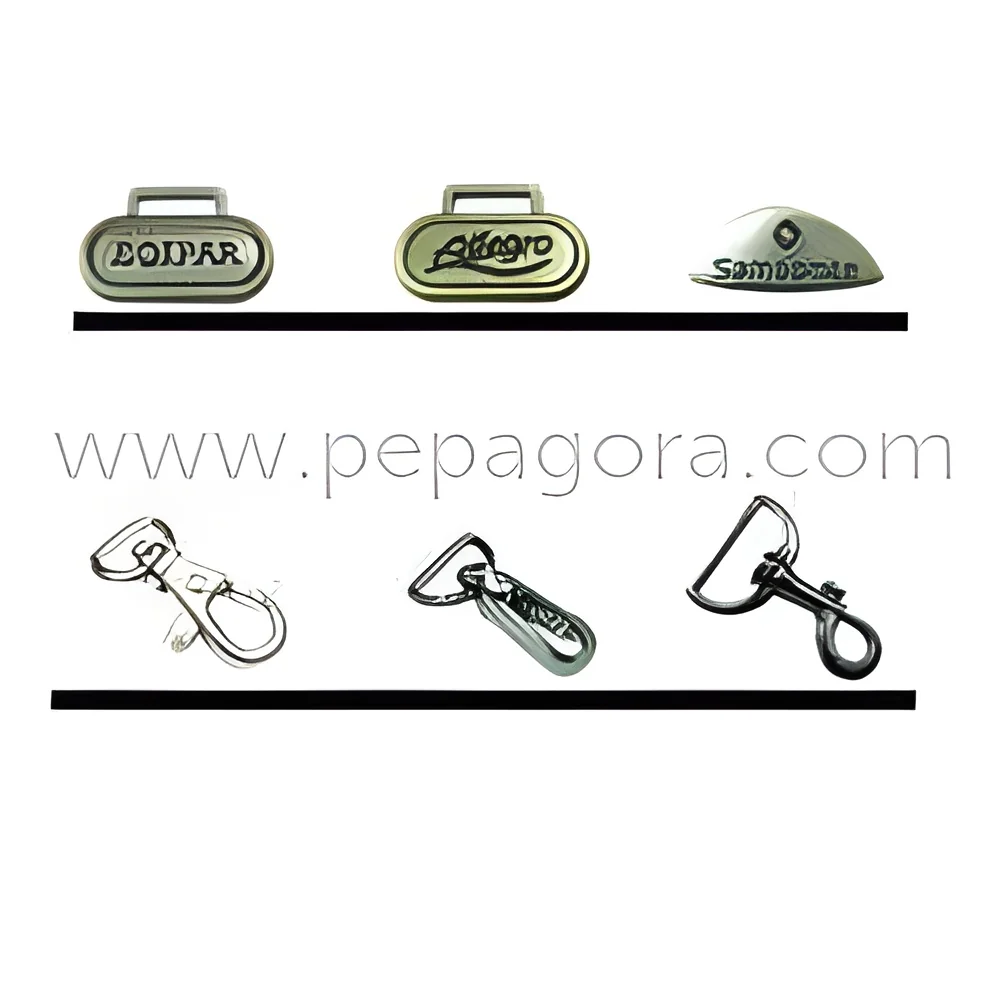
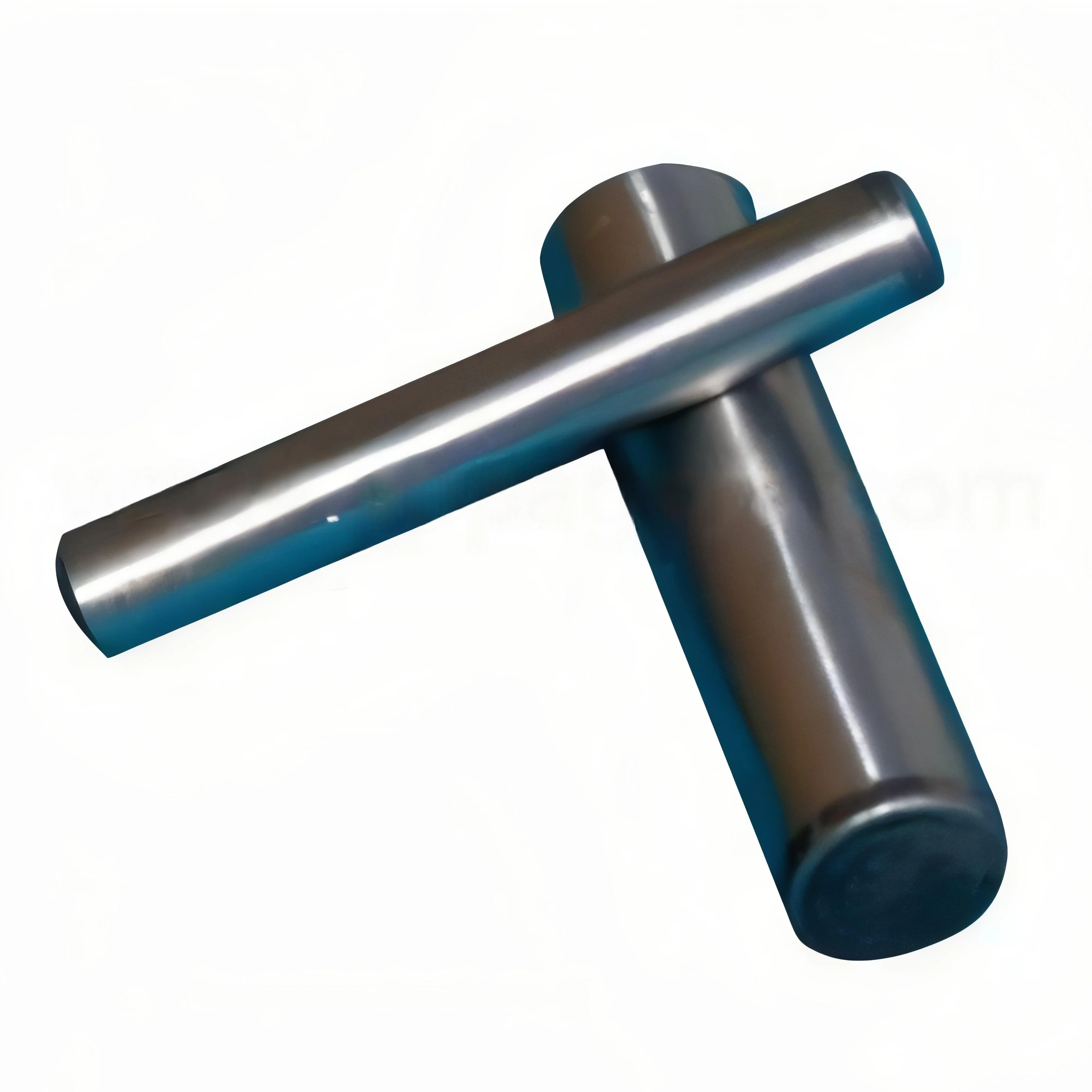
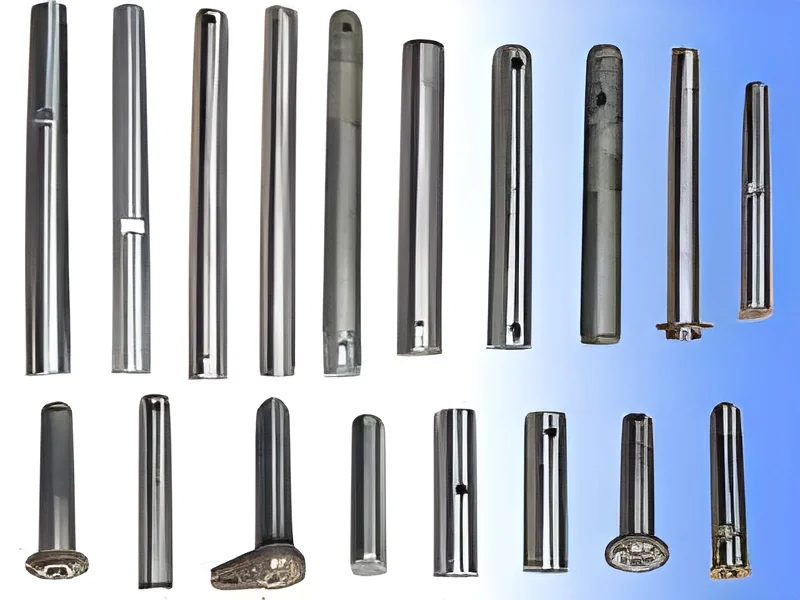
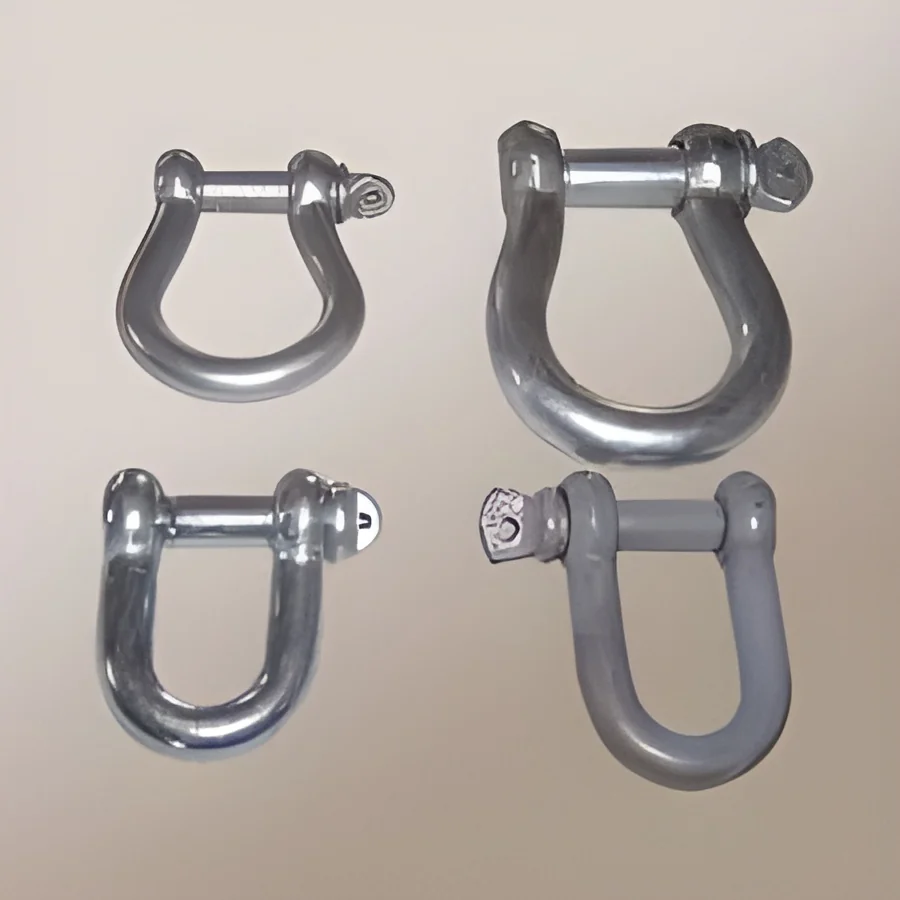
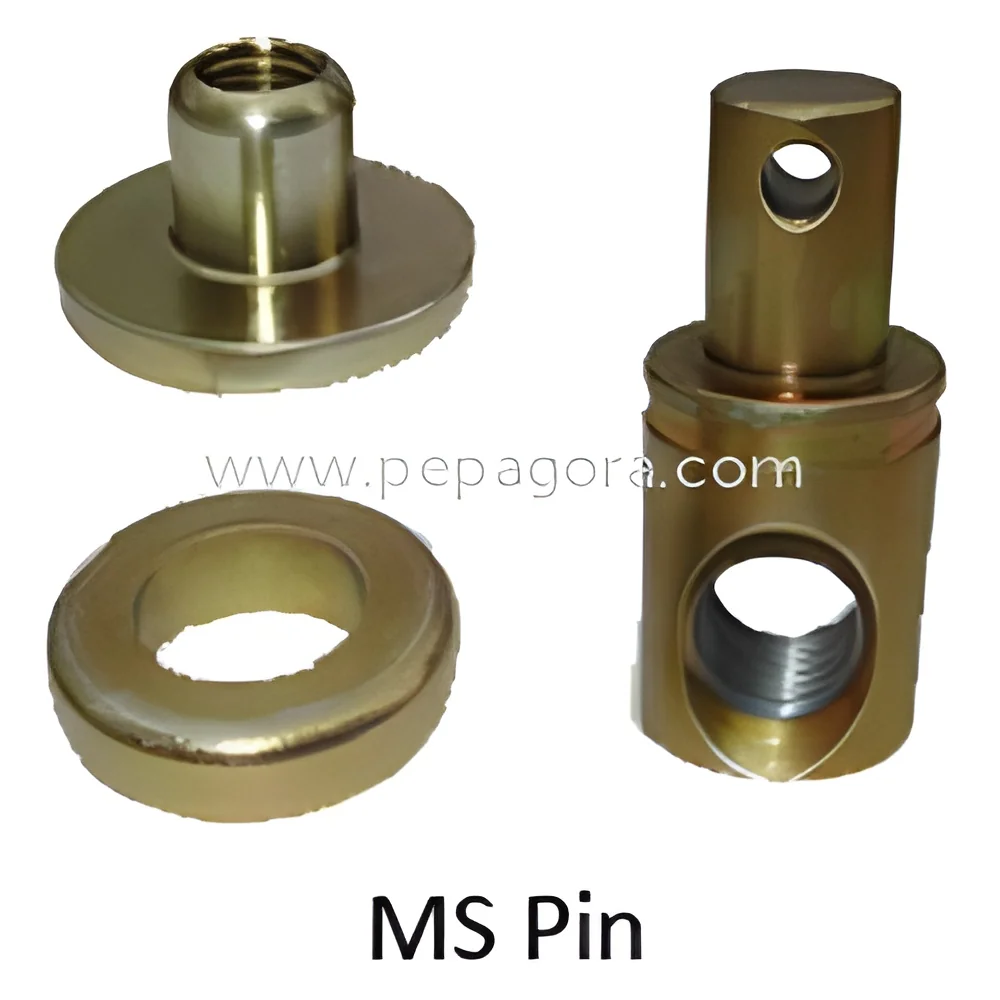
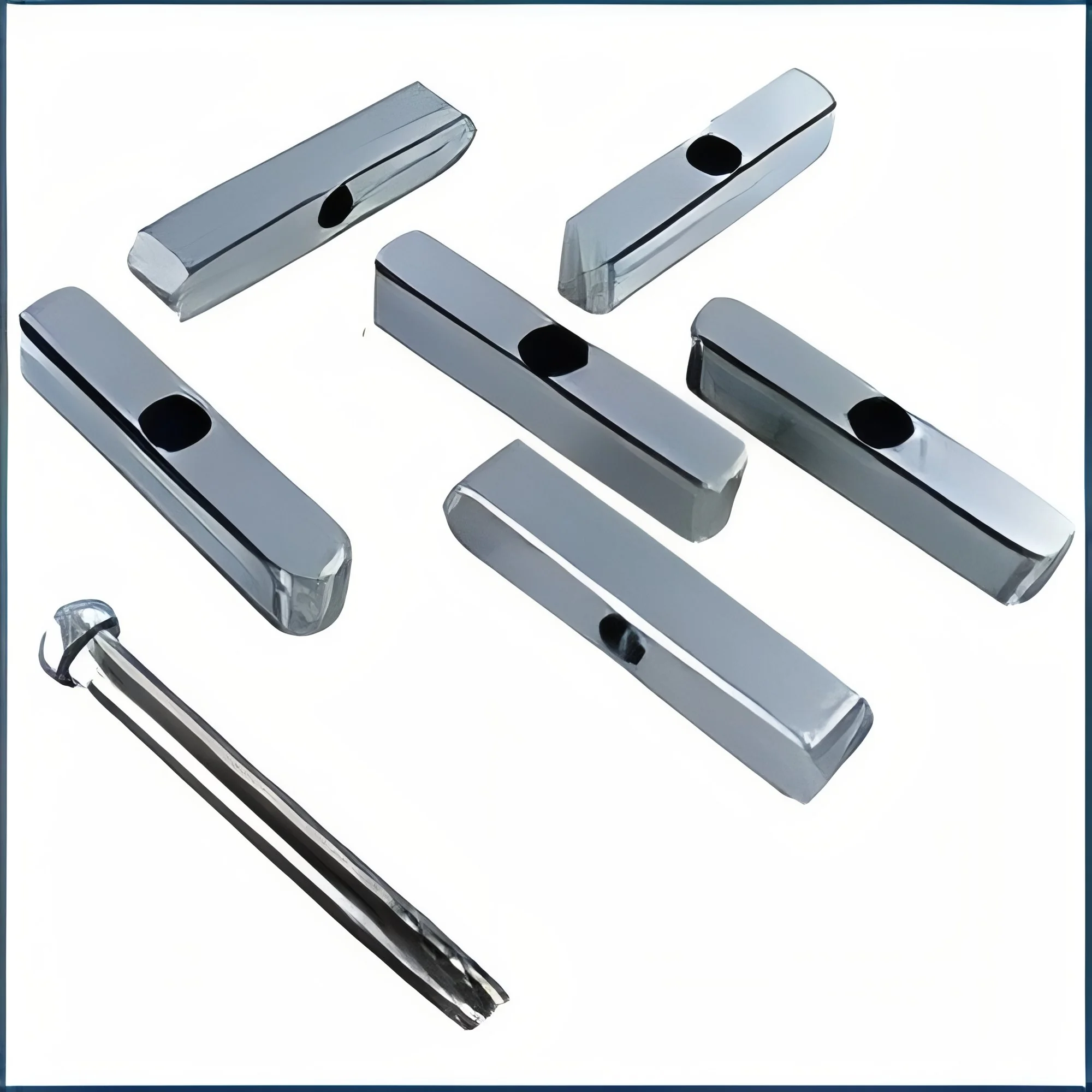
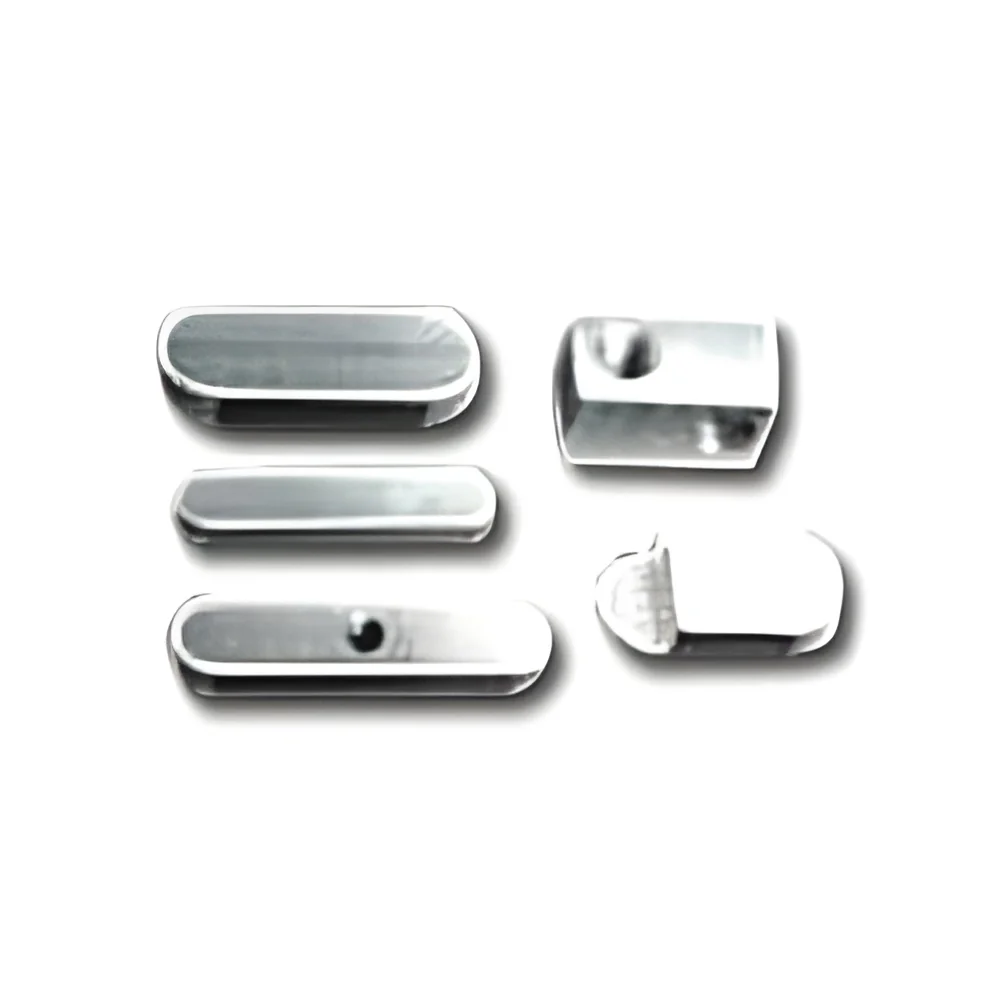
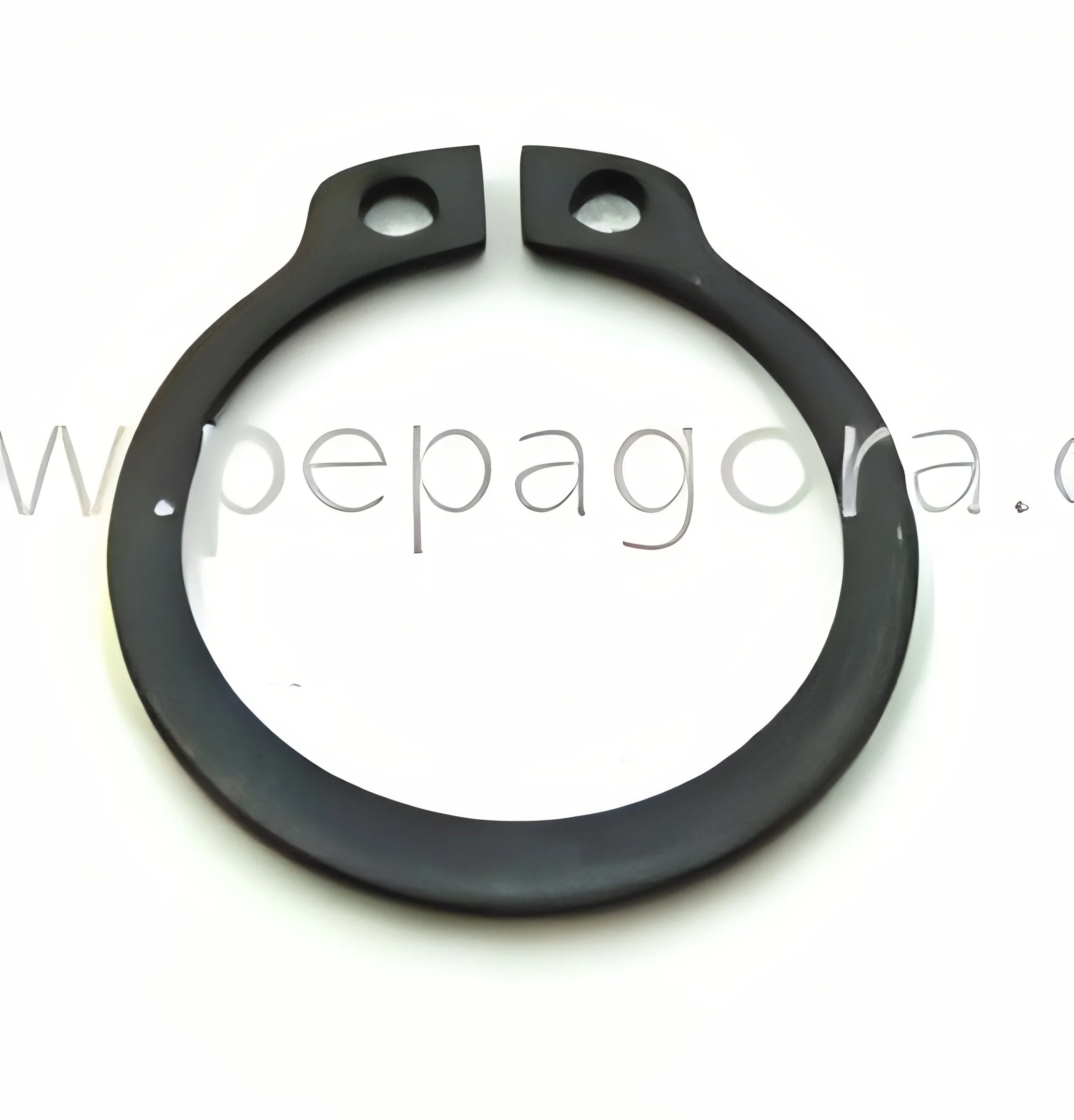
What are Other Fasteners?
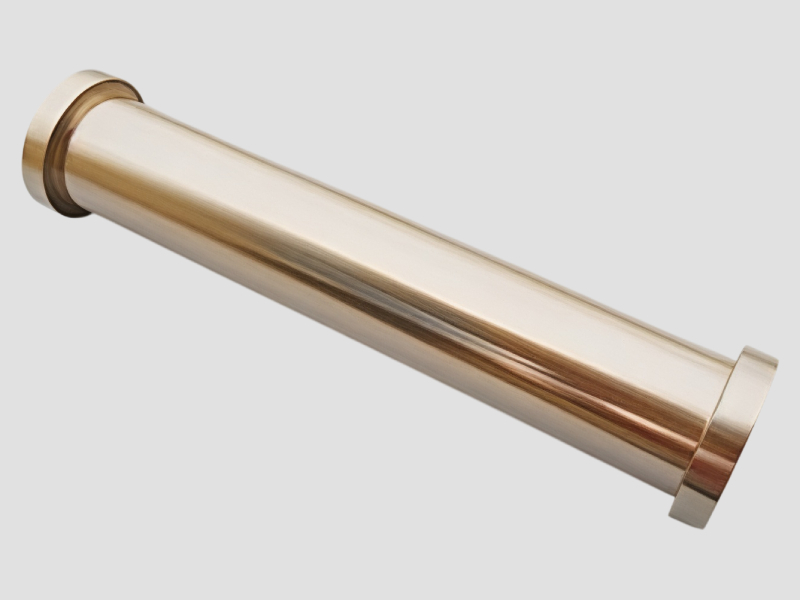
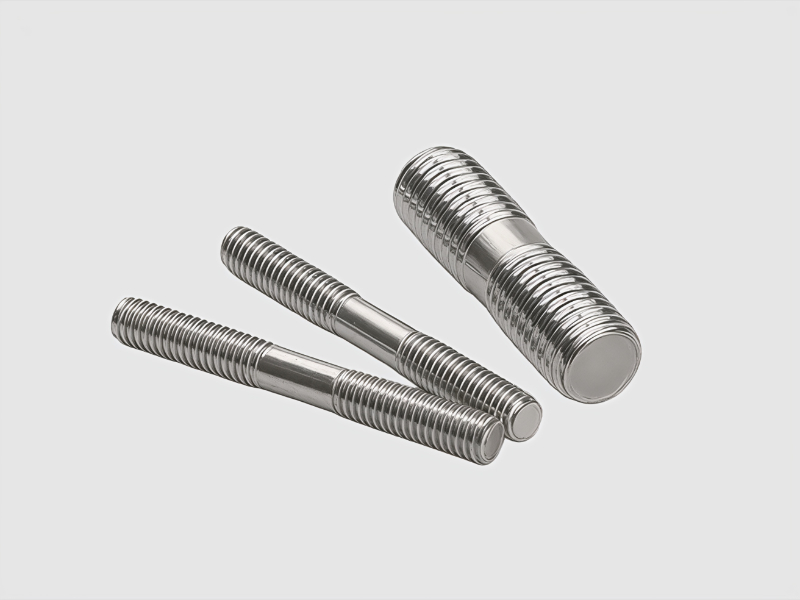
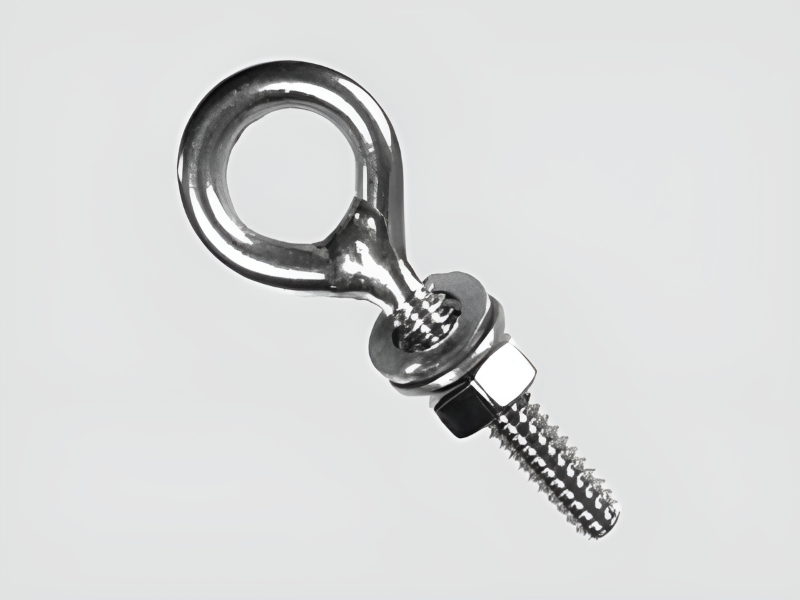
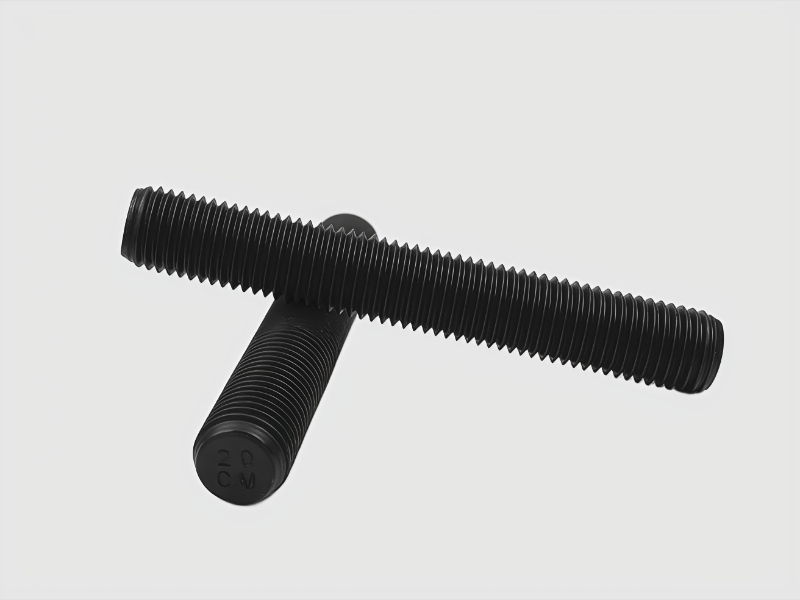
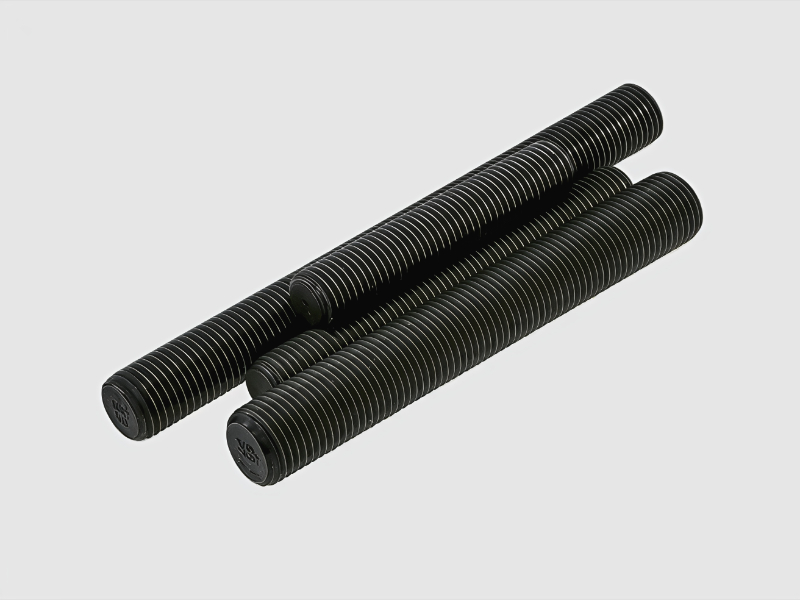
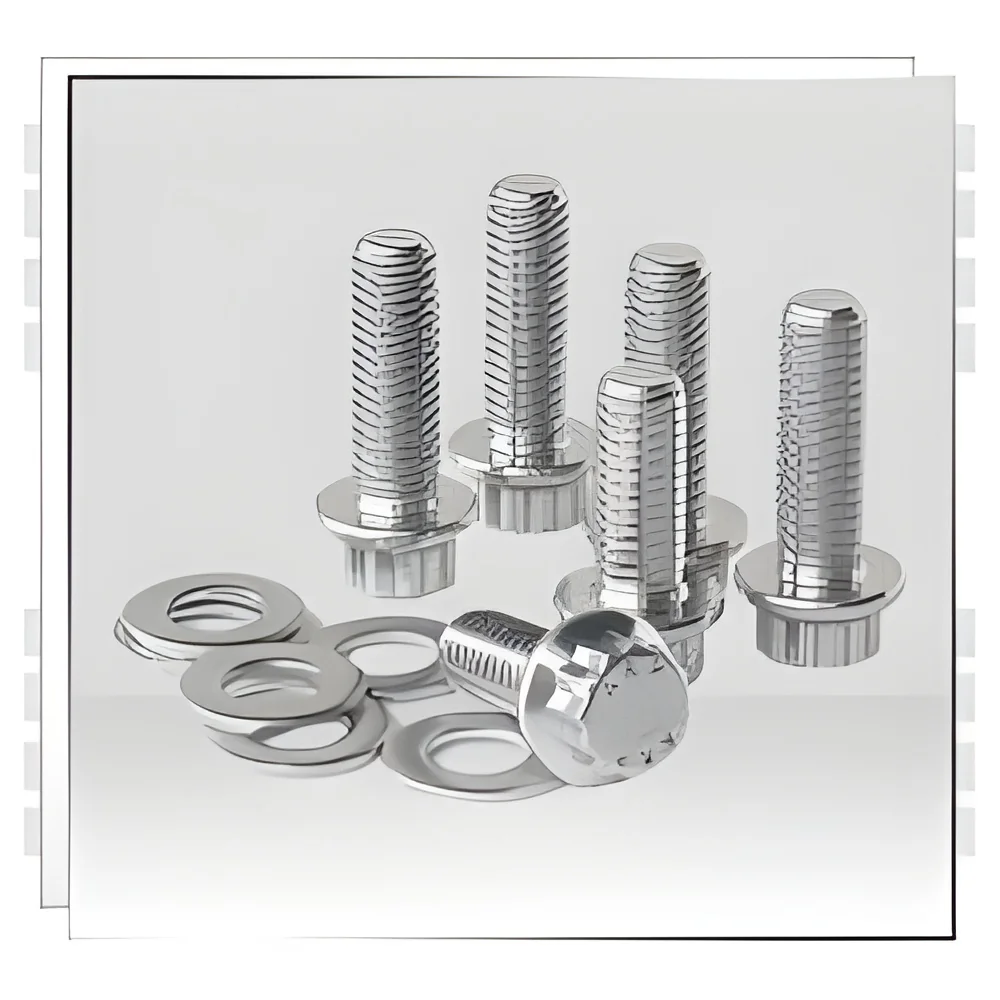
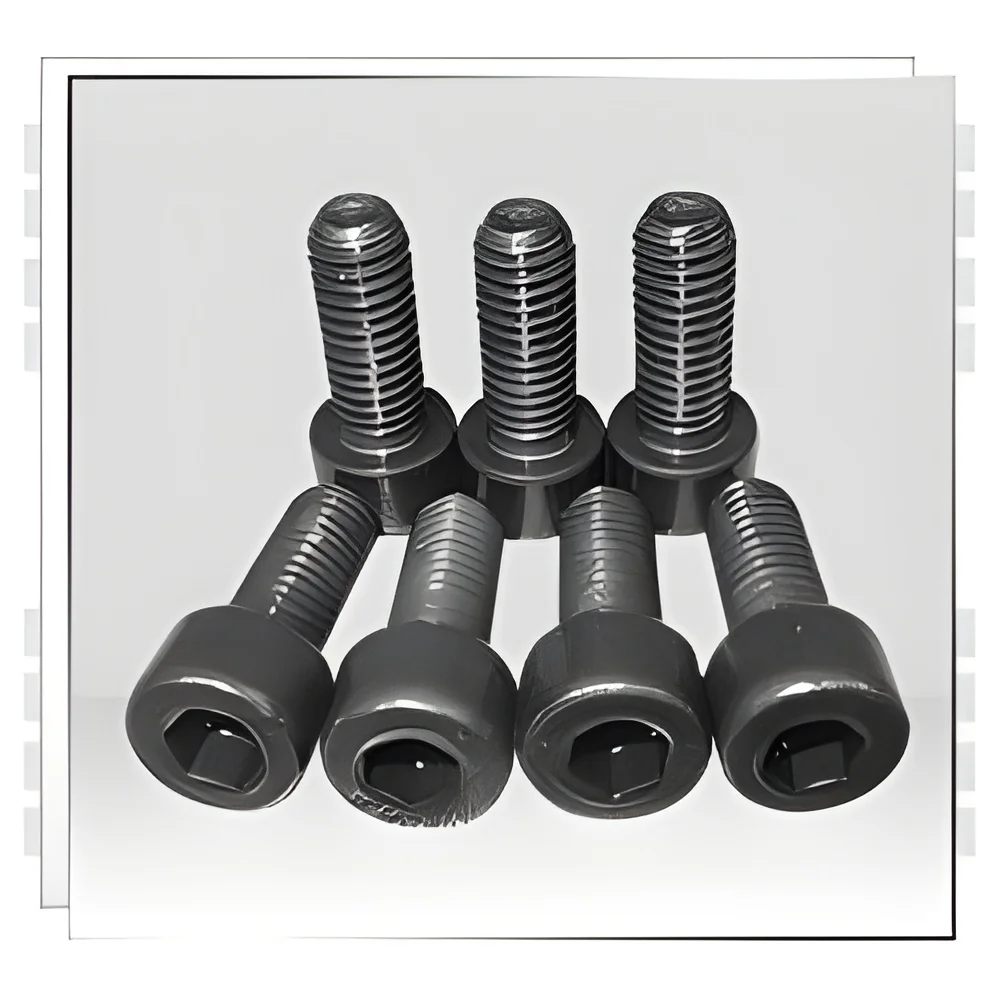
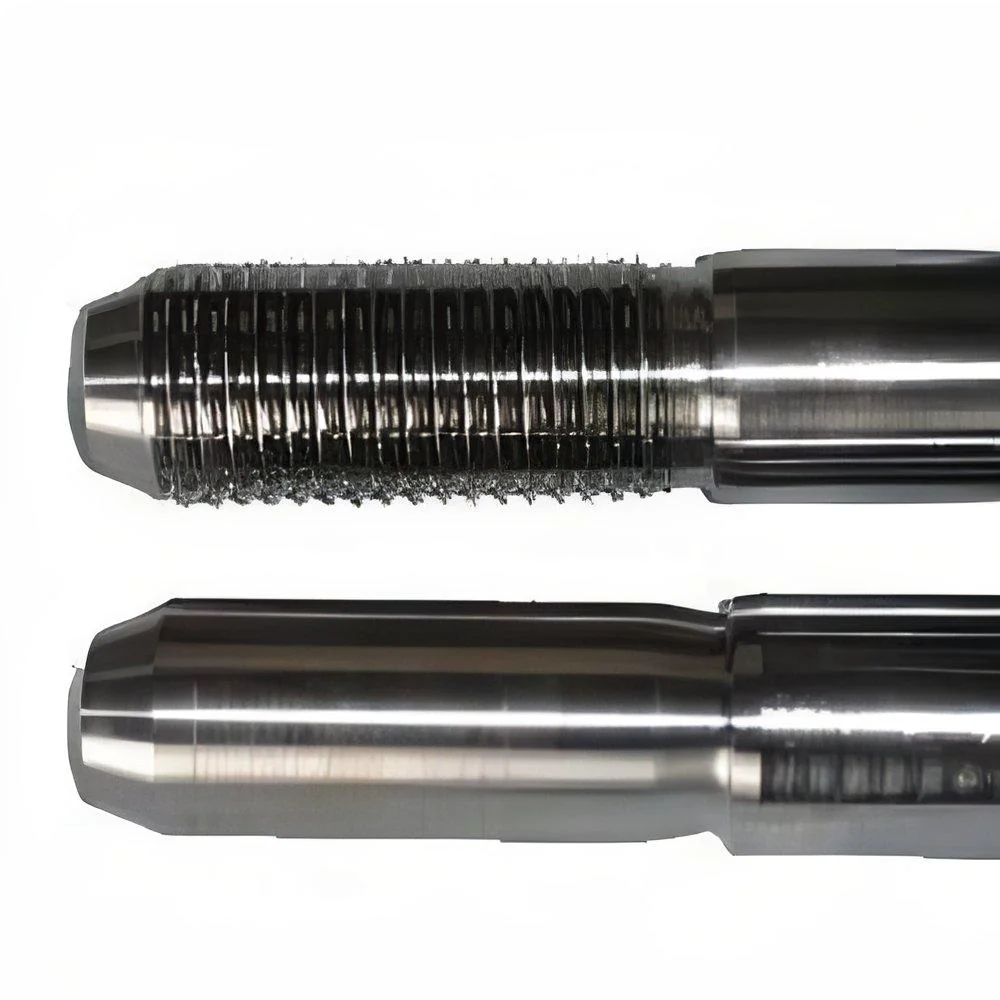
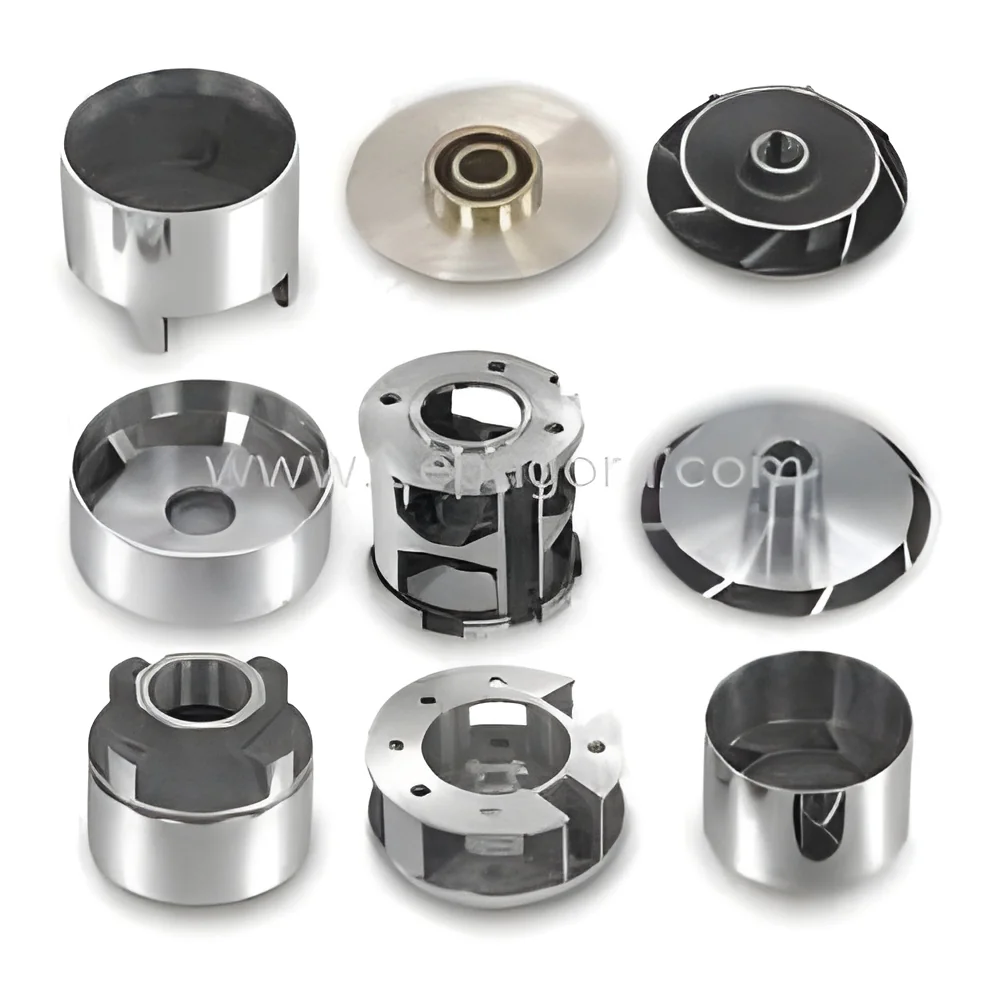
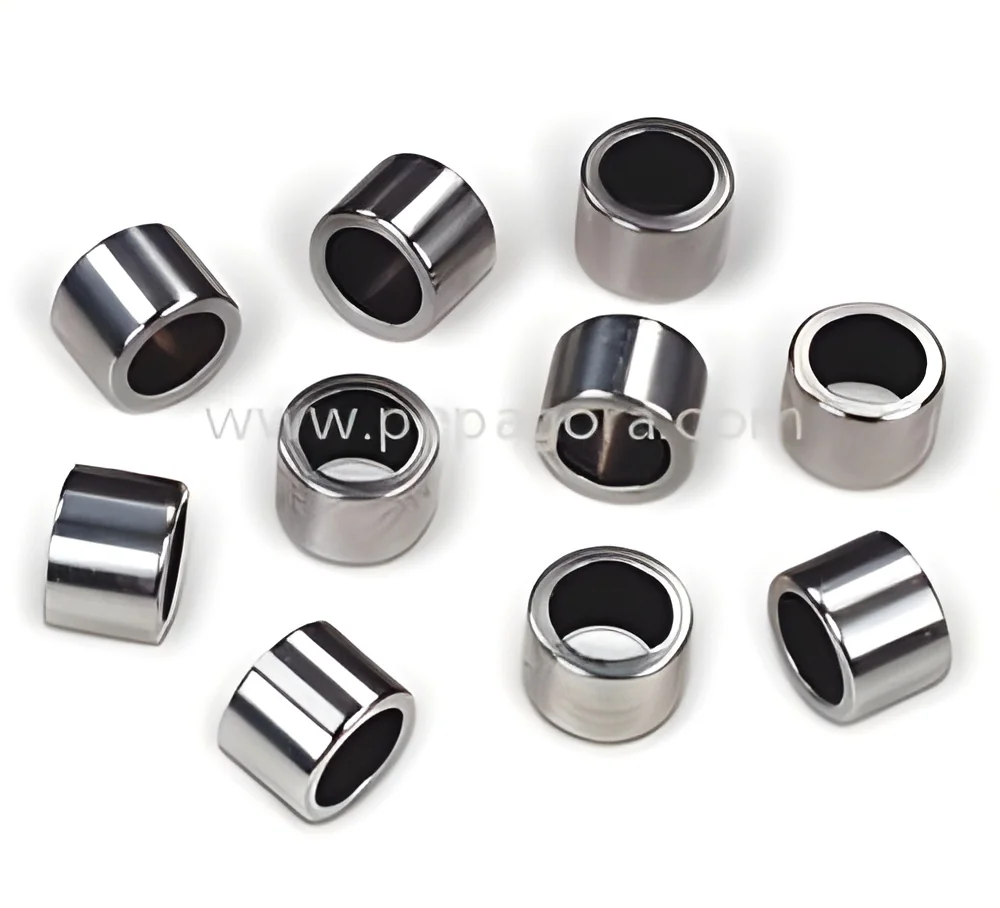
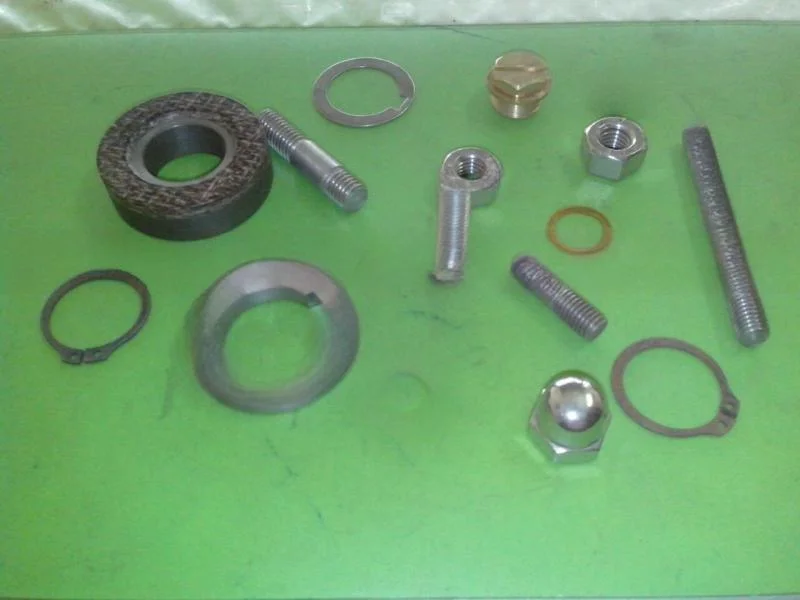
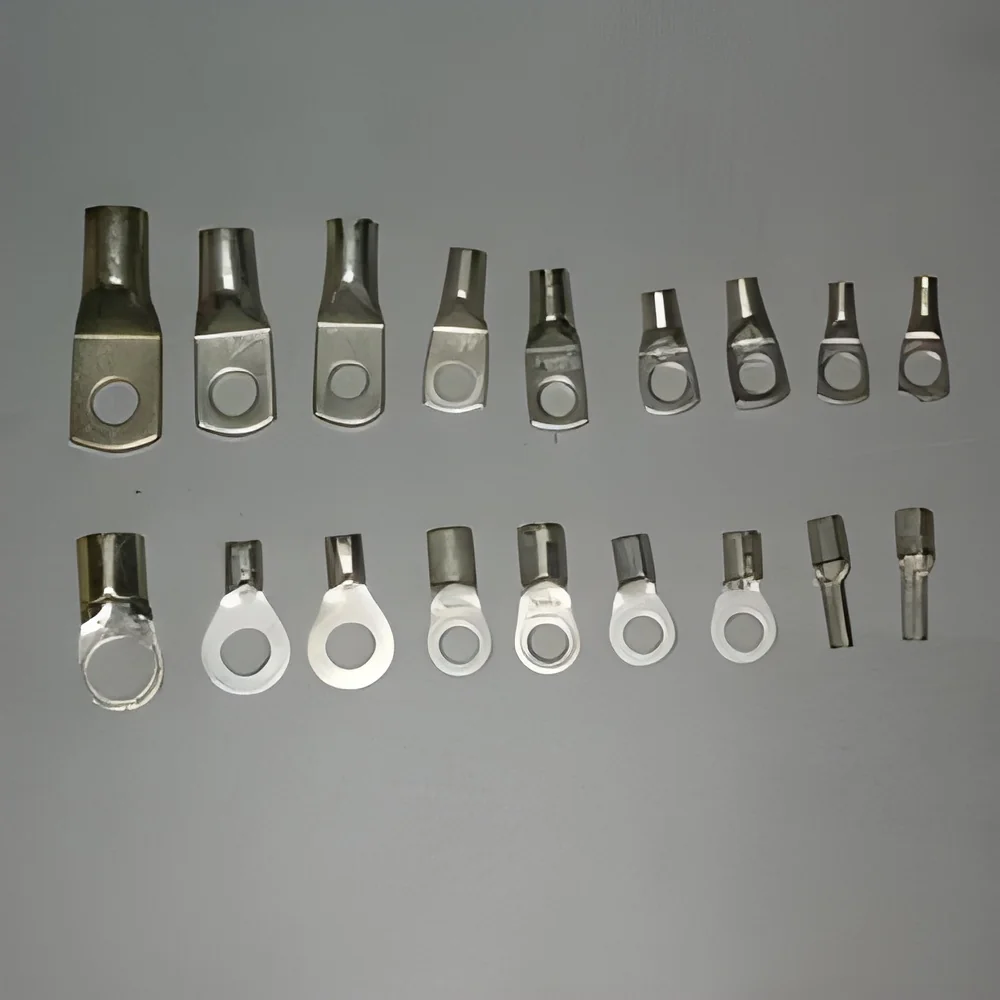
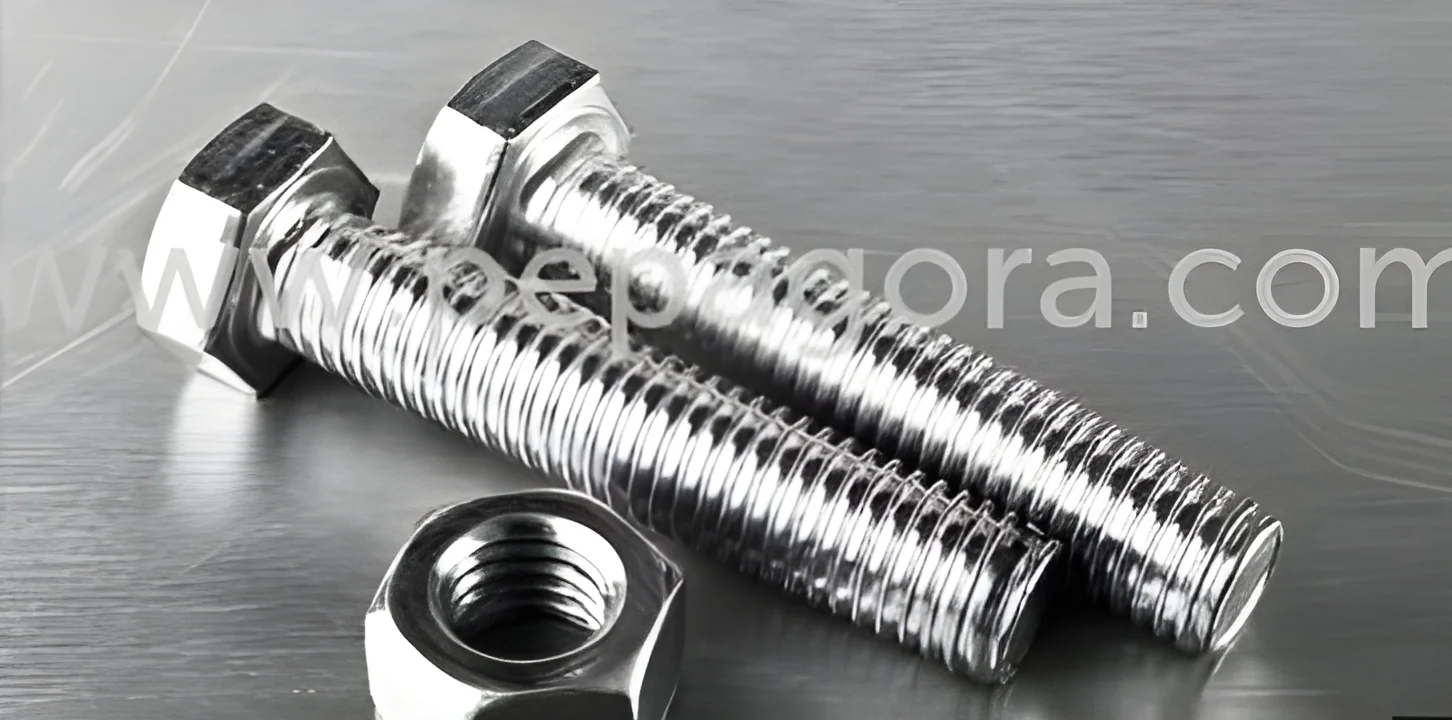
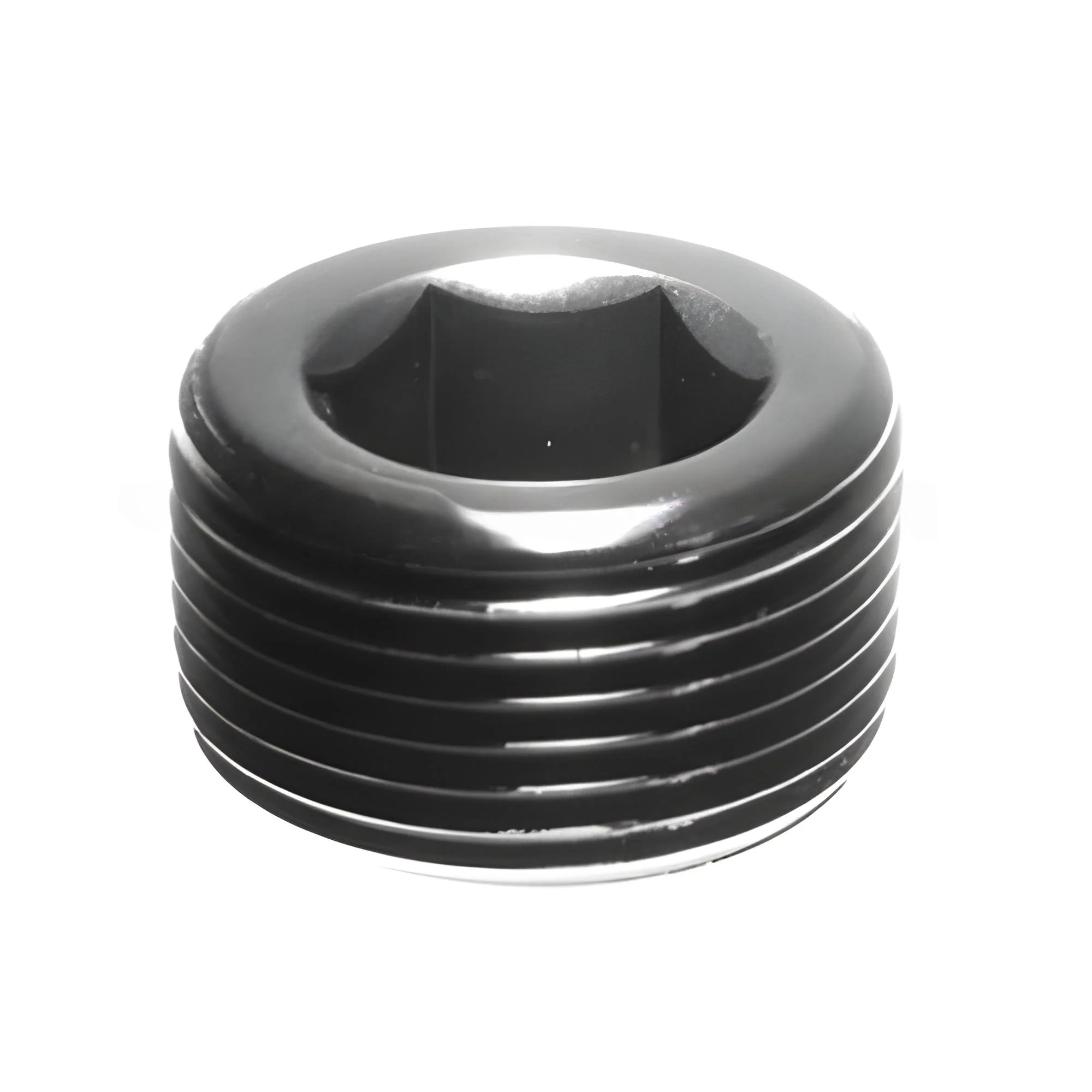
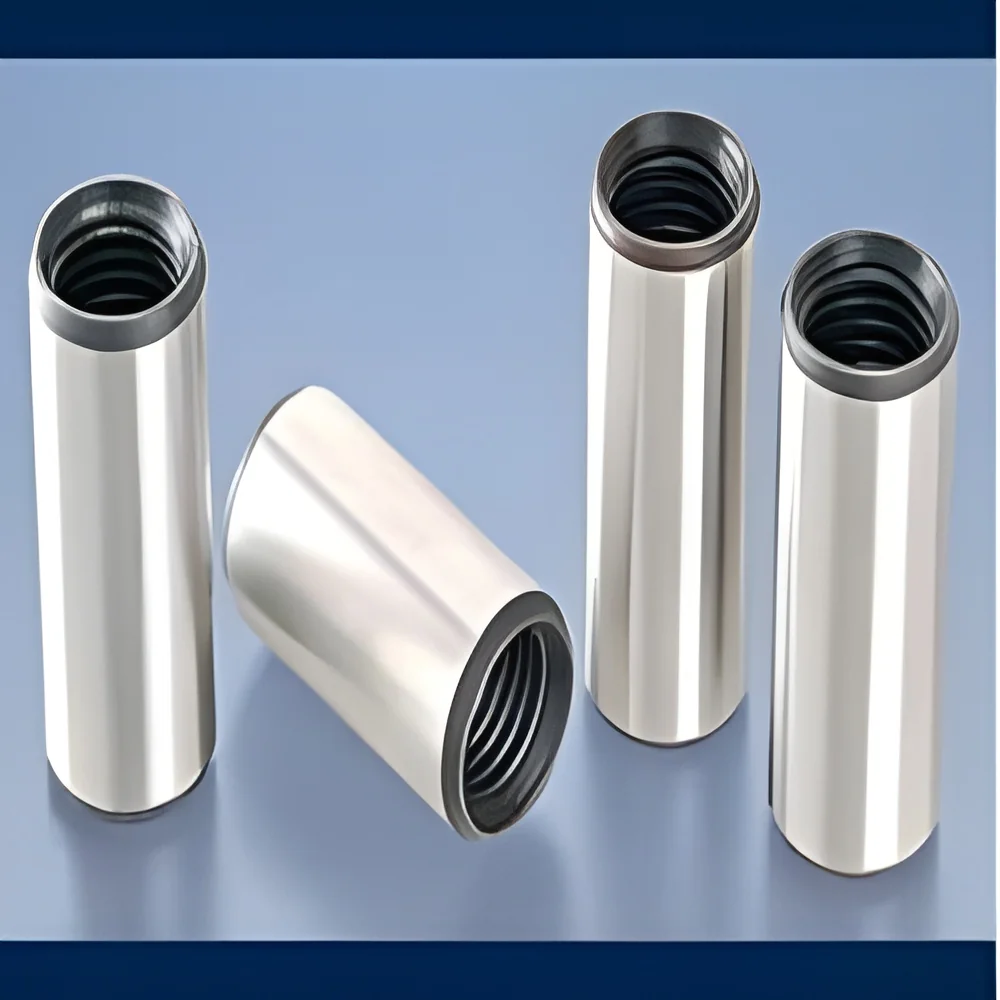
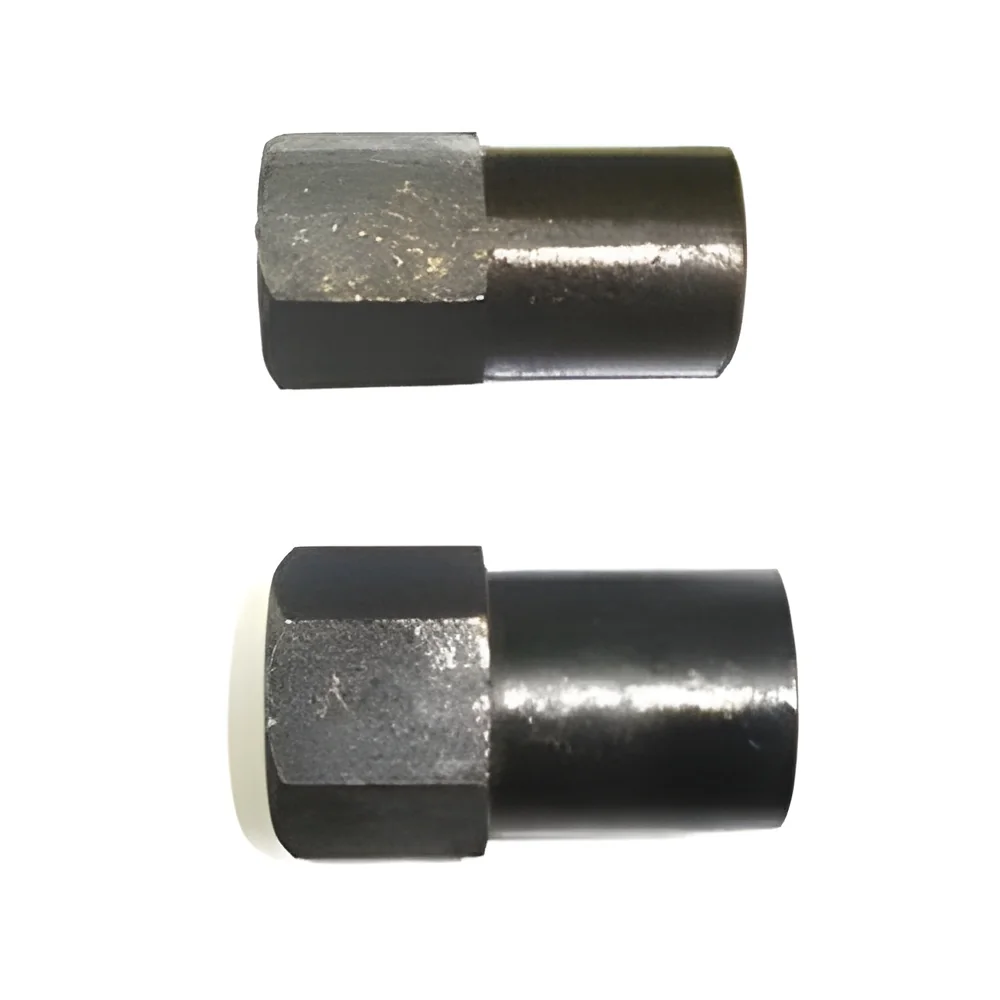
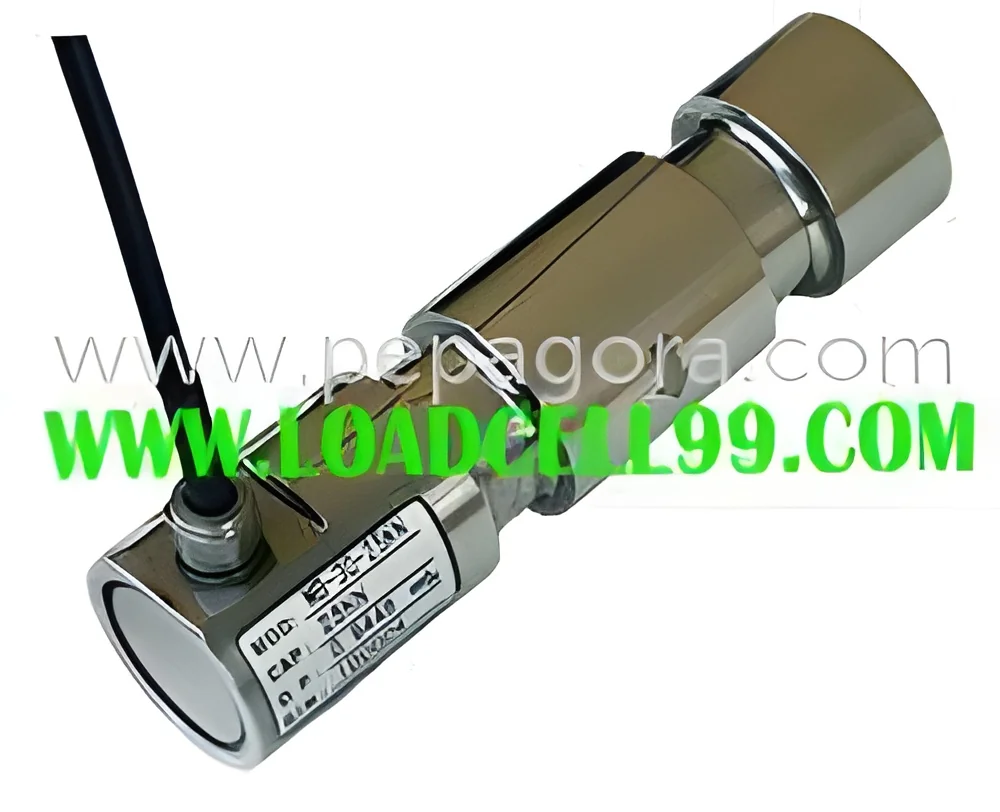
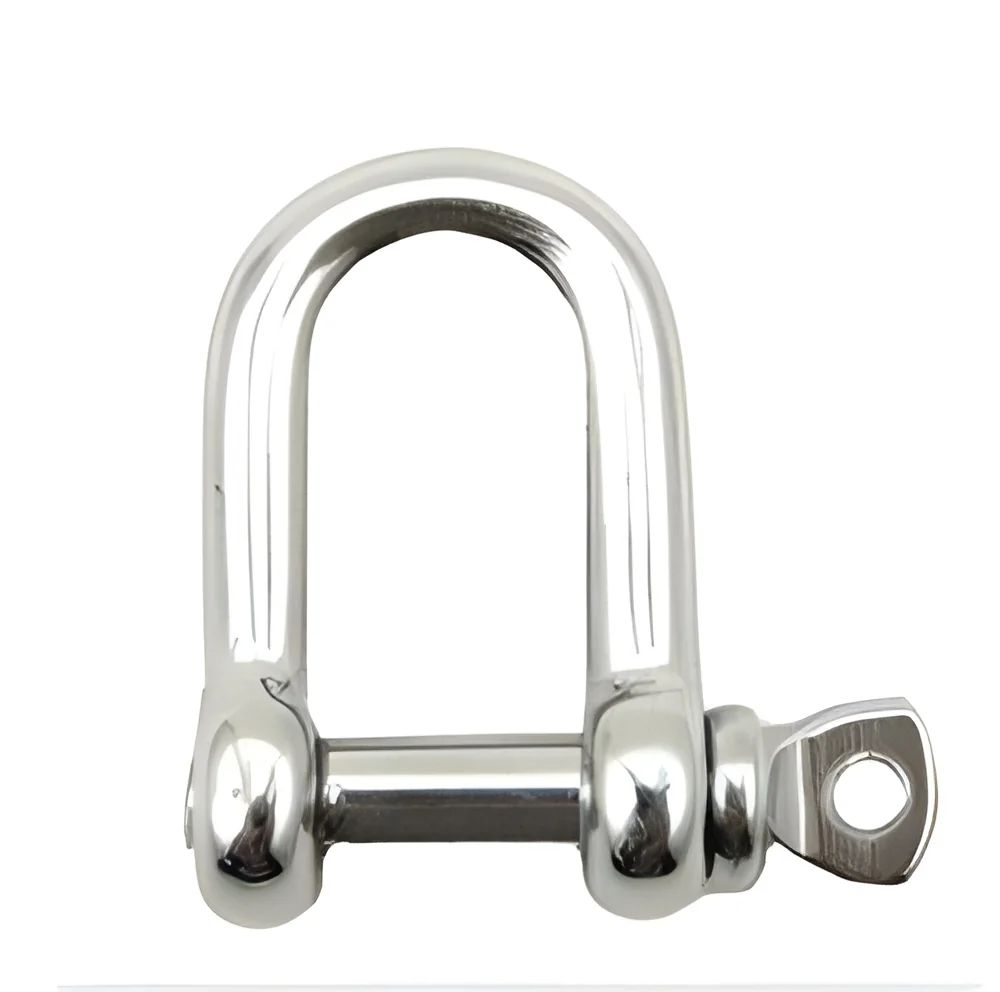
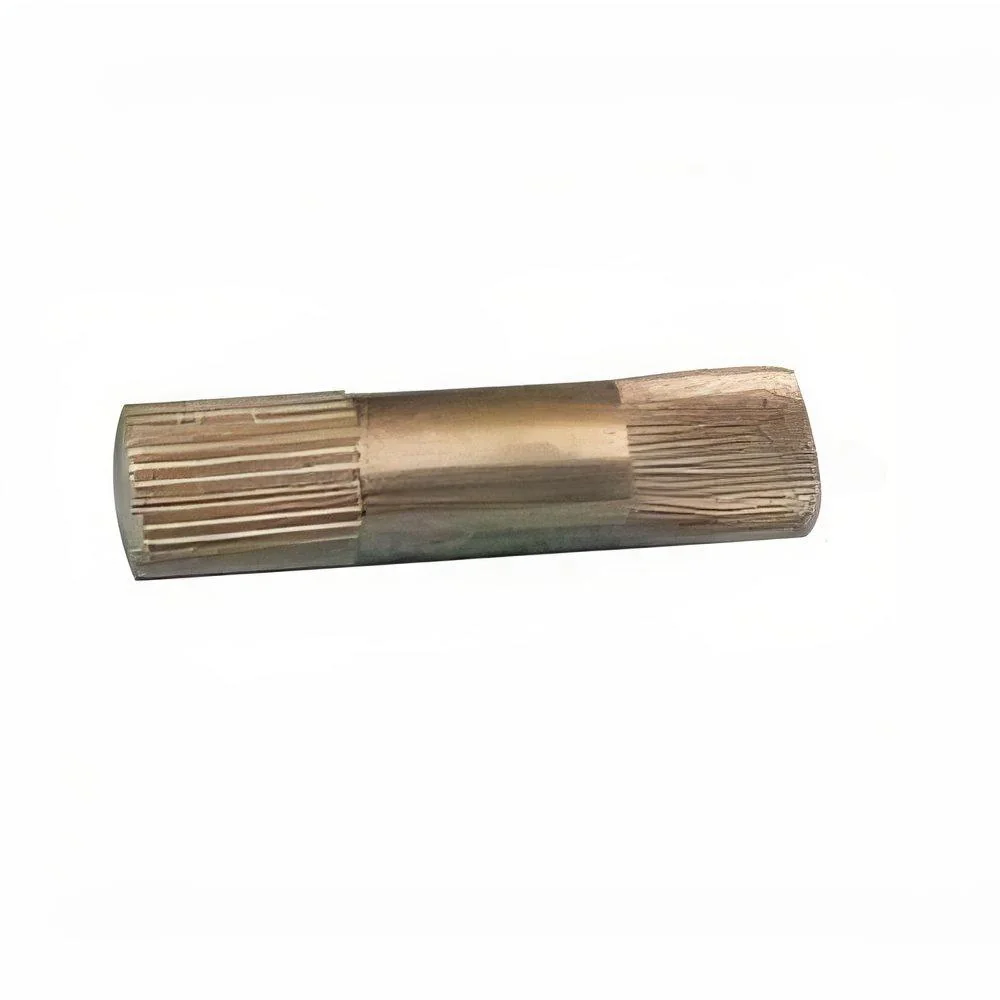
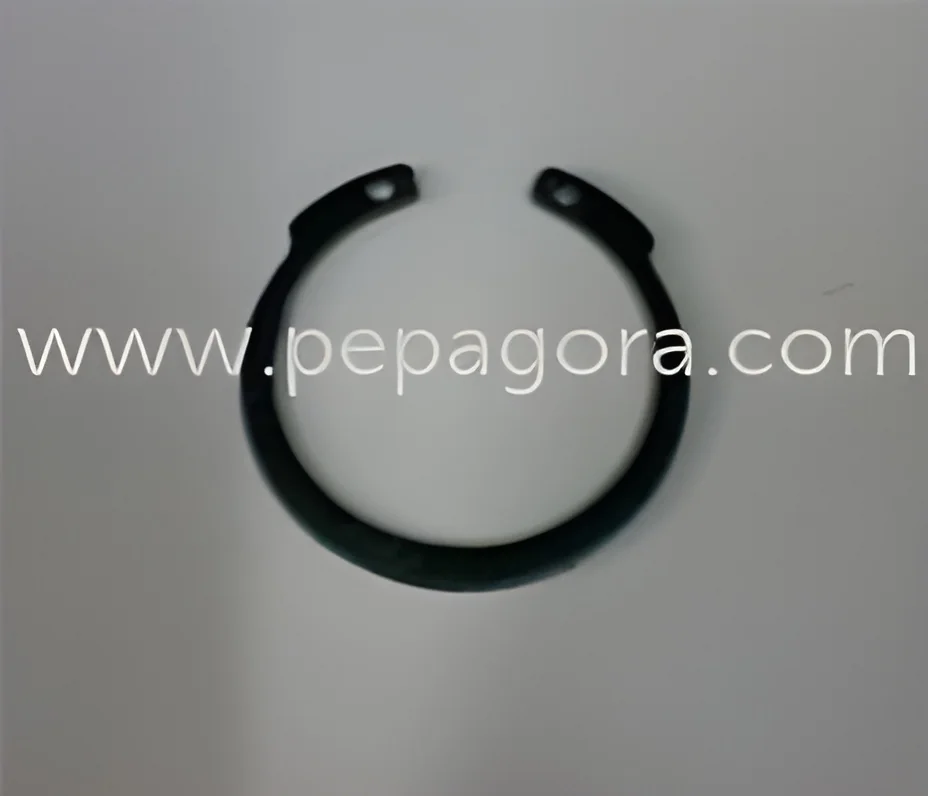
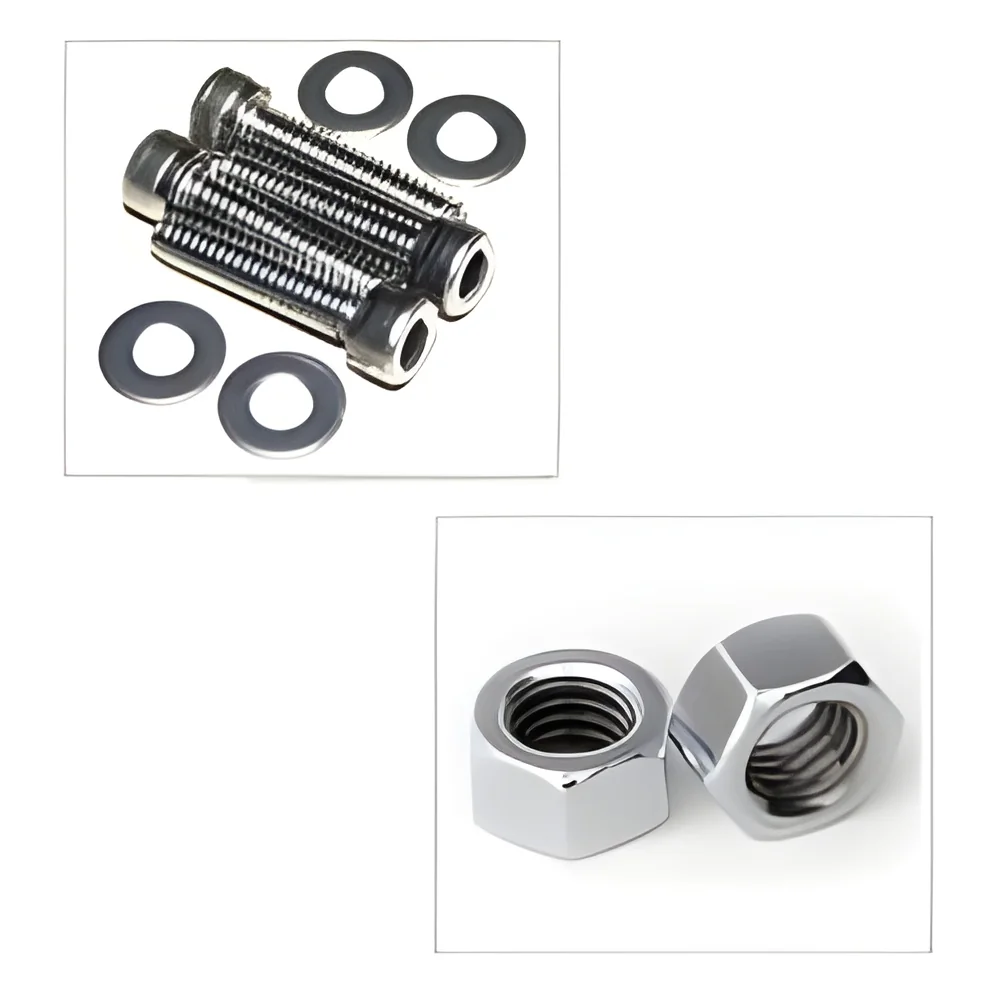
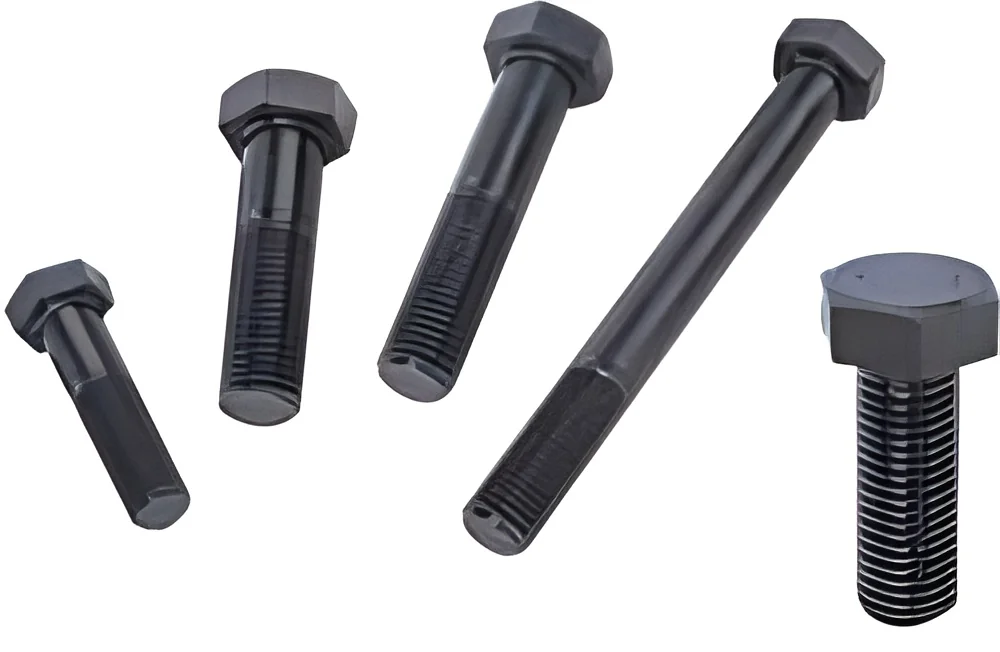
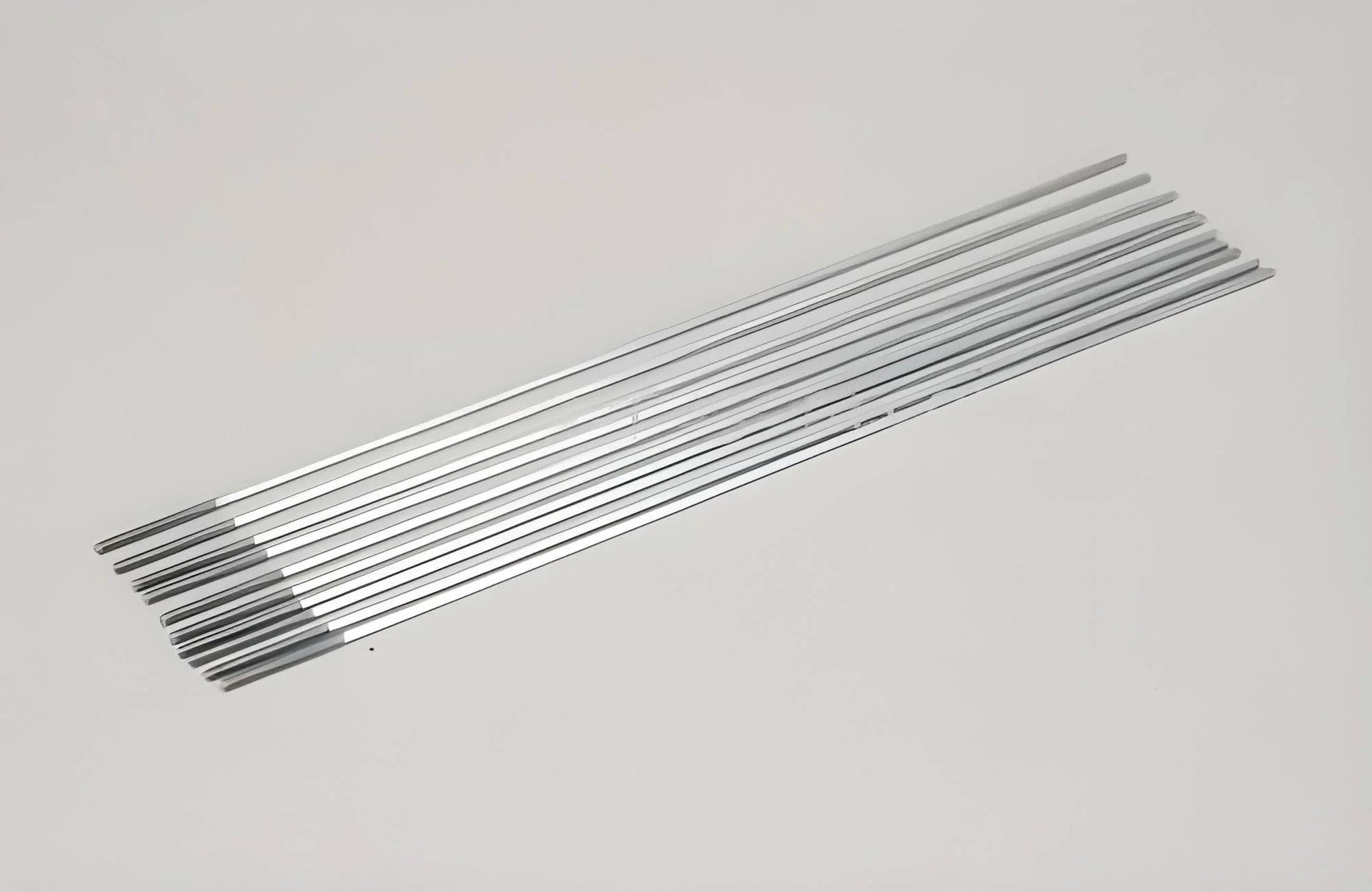
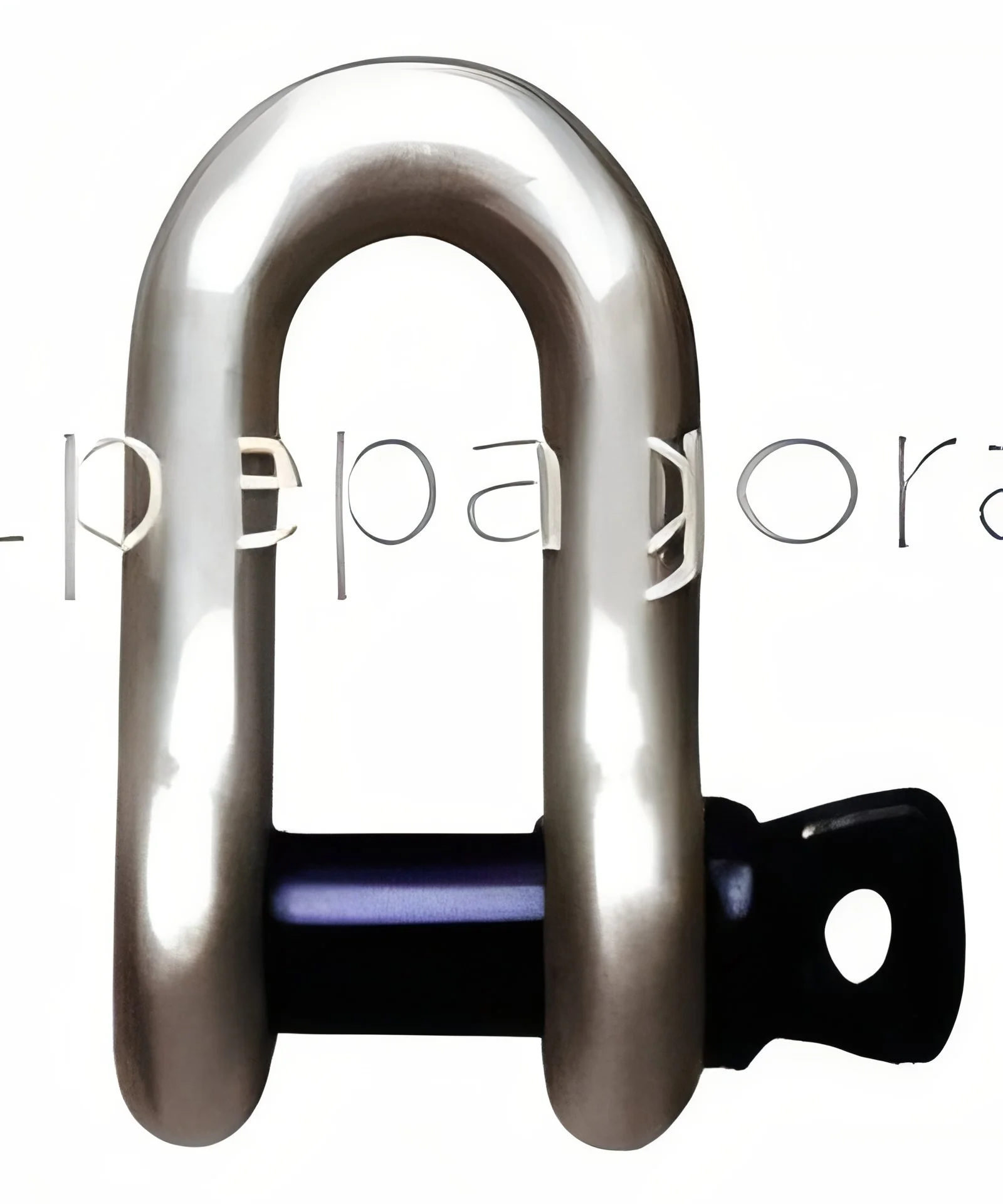
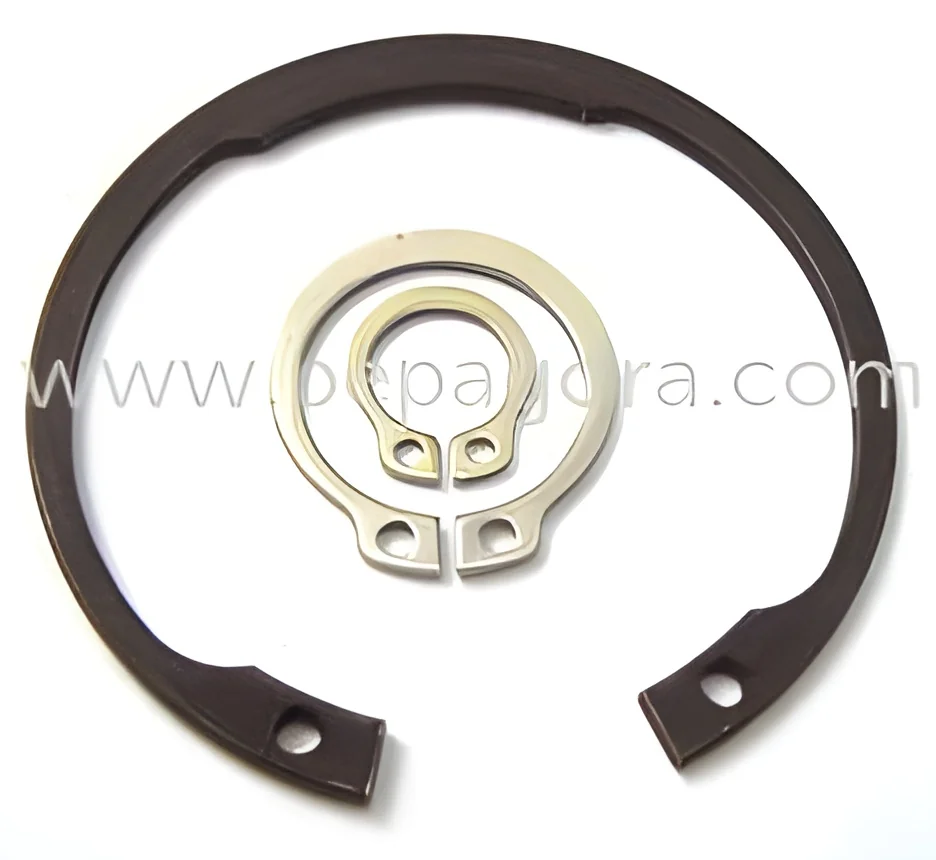
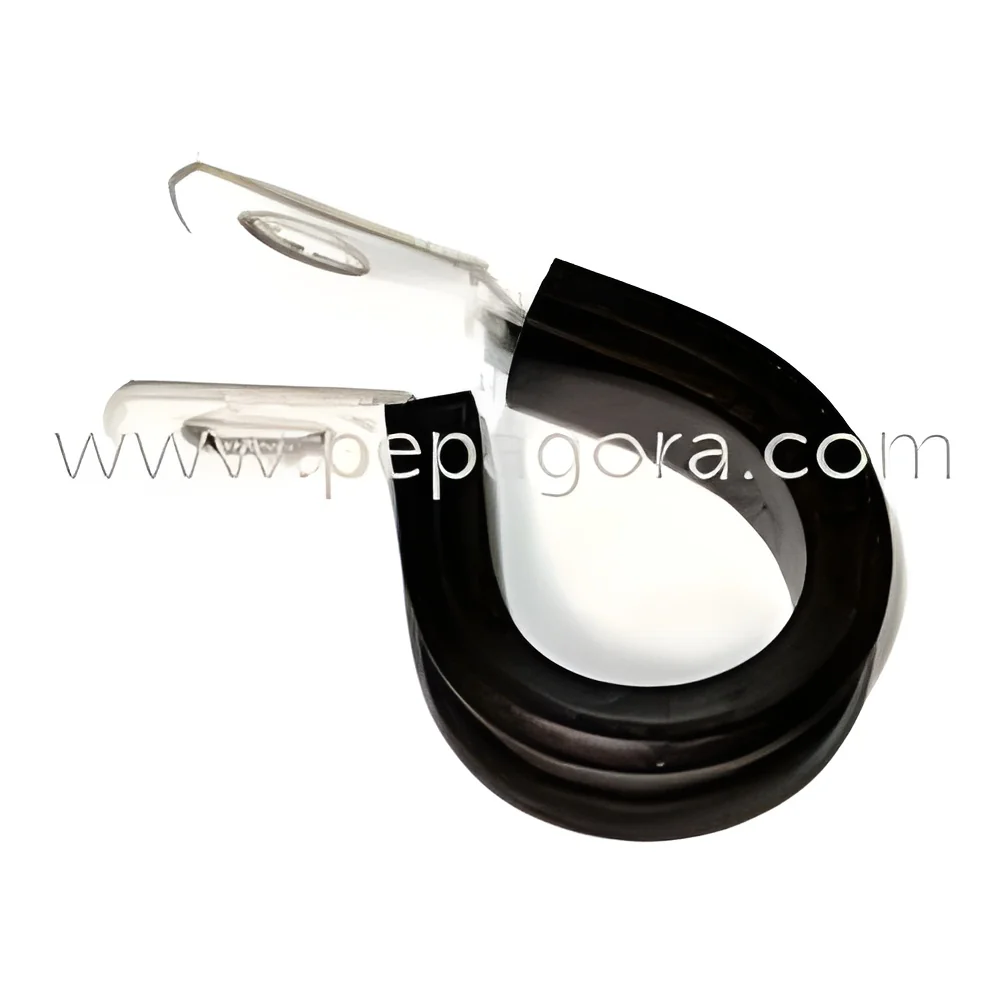
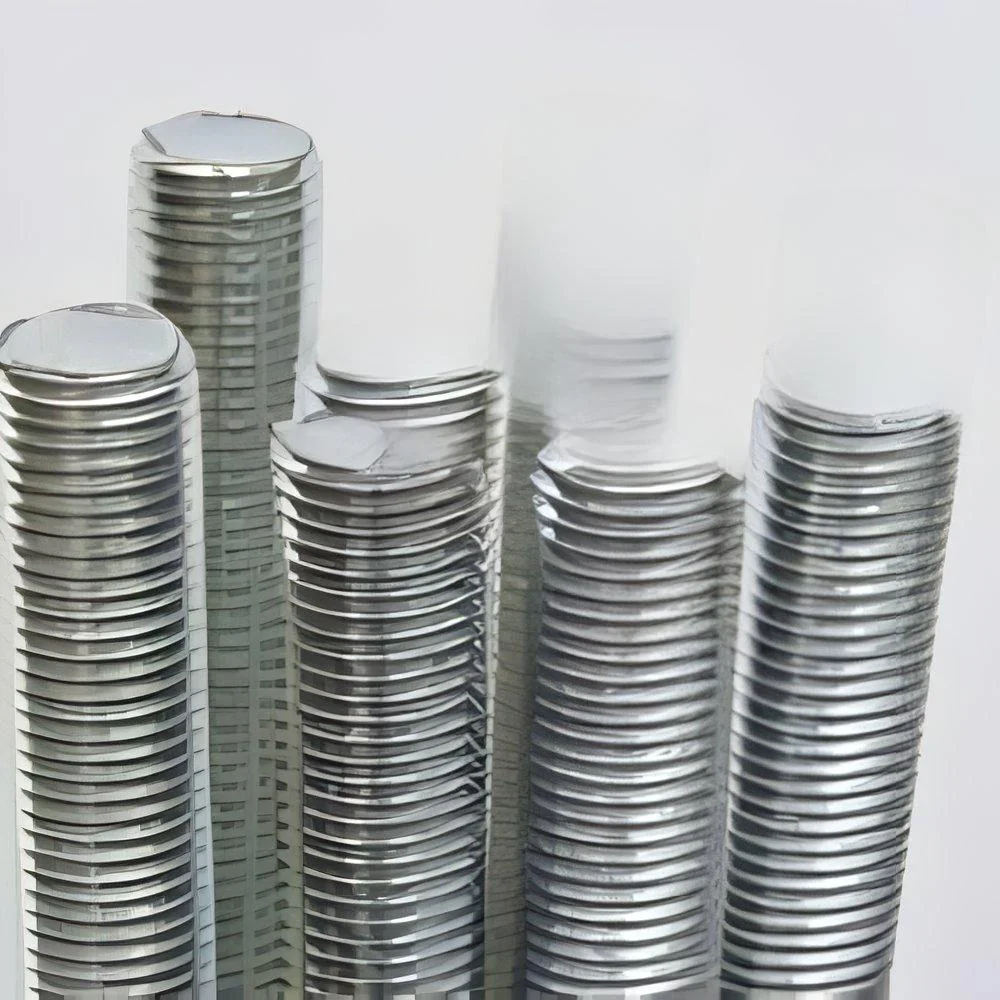
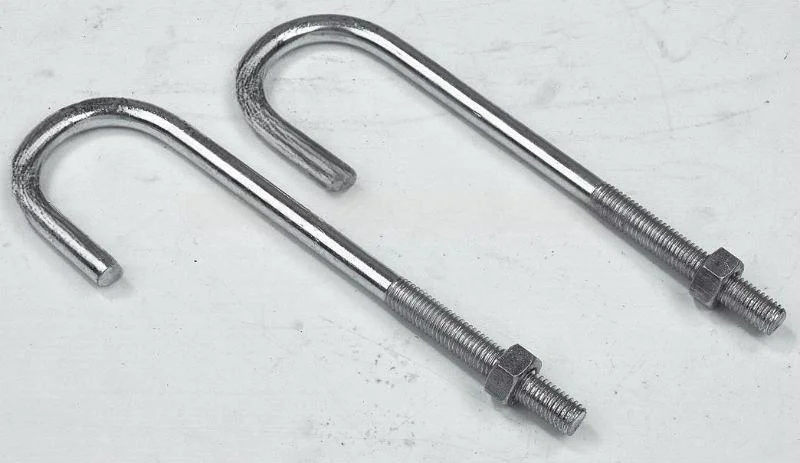
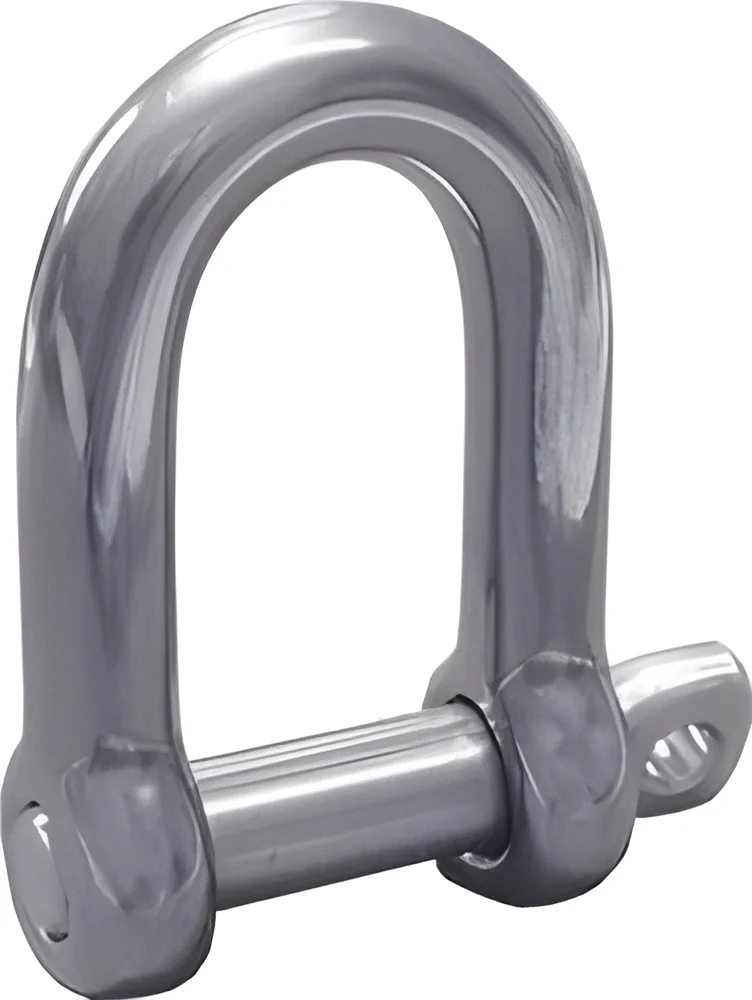
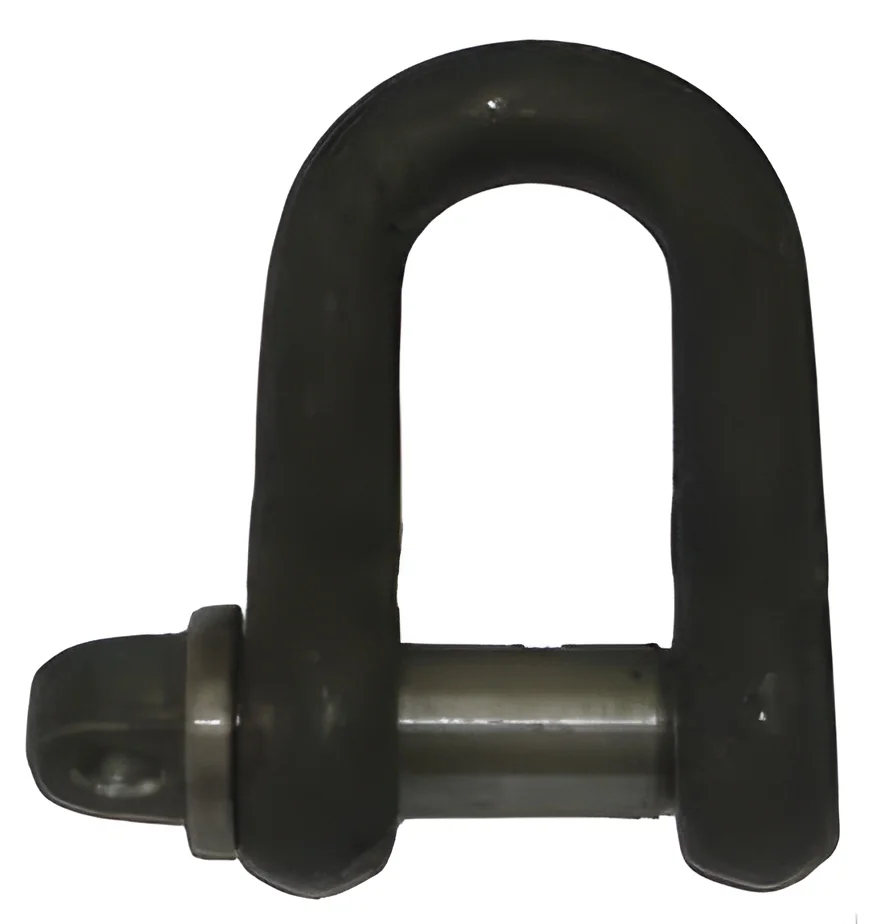
Other fasteners encompass a broad category of devices used to join, secure, or bind materials together in various applications. Unlike standard fasteners such as screws, bolts, and nuts, other fasteners may include items like clips, clamps, rivets, and specialized connectors. These products are essential for ensuring structural integrity, facilitating assembly processes, and enabling disassembly when necessary. The diversity of this category allows for solutions tailored to specific industry needs and construction requirements.
In terms of primary uses, other fasteners are commonly employed in industries such as automotive, aerospace, construction, and electronics. They play a critical role in assembly lines, providing reliable connections that are necessary for performance and safety. For example, in automotive manufacturing, fasteners are vital for securing components to withstand vibrations and stresses. The market for other fasteners continues to expand as industries seek innovative ways to enhance efficiency and product reliability, driving demand for specialized solutions.
Key Features and Specifications
Other fasteners are characterized by their unique features and specifications, which vary based on application requirements. Understanding these specifications is crucial for selecting the right fasteners for specific projects.
Key specifications include:
1. Material Composition
- Common materials include steel, aluminum, plastic, and composites.
- Each material type offers distinct properties such as corrosion resistance, strength, and weight.
2. Size and Dimensions
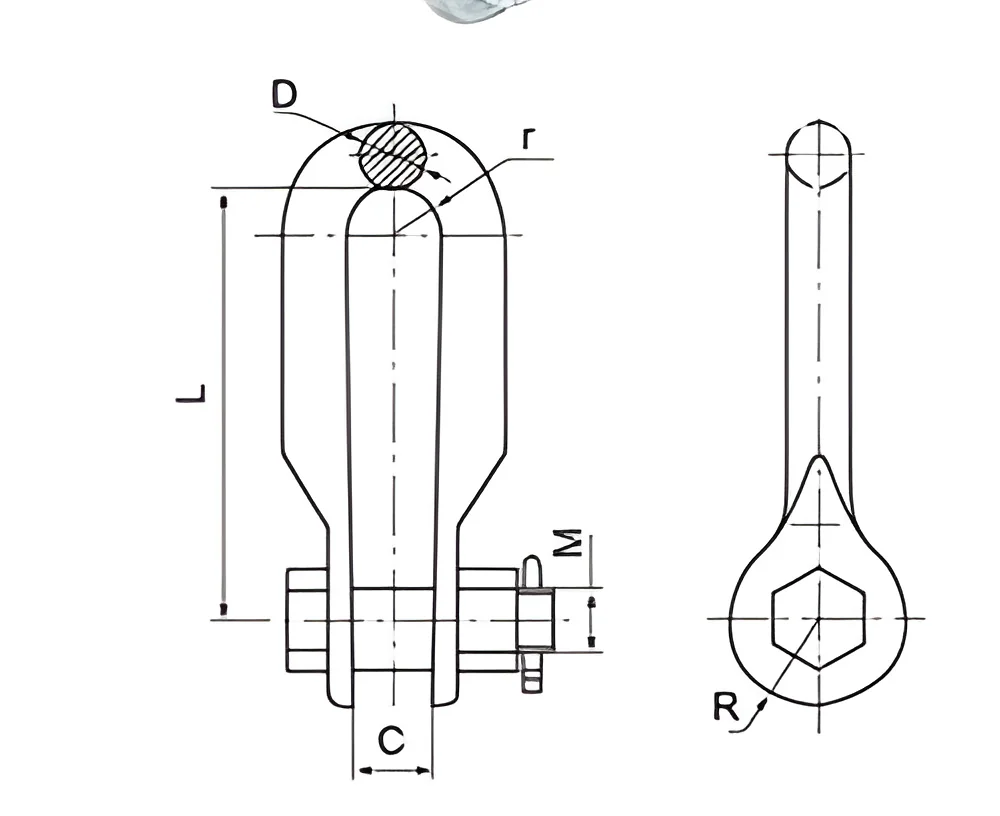
- Available in various sizes, lengths, and diameters to suit different applications.
- Precision in sizing is essential for ensuring compatibility with other components.
3. Load Capacity
- Defined by the maximum weight or force a fastener can withstand without failure.
- Important for applications in load-bearing structures and assemblies.
4. Environmental Resistance
- Fasteners may be designed to resist chemicals, moisture, or extreme temperatures.
- Suitable for outdoor, marine, or industrial environments.
5. Installation Method
- Includes options for manual or automated installation.
- Certain fasteners may require special tools or processes, such as riveting or welding.
6. Compliance Standards
- Fasteners may adhere to industry-specific standards for safety and performance.
- Ensures reliability in critical applications.
In summary, understanding the features and specifications of other fasteners is essential for making informed purchasing decisions and ensuring optimal performance in various applications.
Common Applications and Use Cases
Other fasteners find utility across a wide range of industries, each with unique requirements and applications.
1. Automotive: In the automotive industry, other fasteners are used for securing body panels, engine components, and interior fixtures. Their reliability is crucial for vehicle safety and performance.
2. Aerospace: Aerospace applications require precision fasteners to secure structural components and systems. The weight-to-strength ratio is critical, making advanced materials essential.
3. Construction: In construction, fasteners are vital for joining structural elements, such as beams and trusses, ensuring stability and safety in buildings and infrastructure.
4. Electronics: Other fasteners are used in electronics for securing circuit boards, housing components, and ensuring proper insulation.
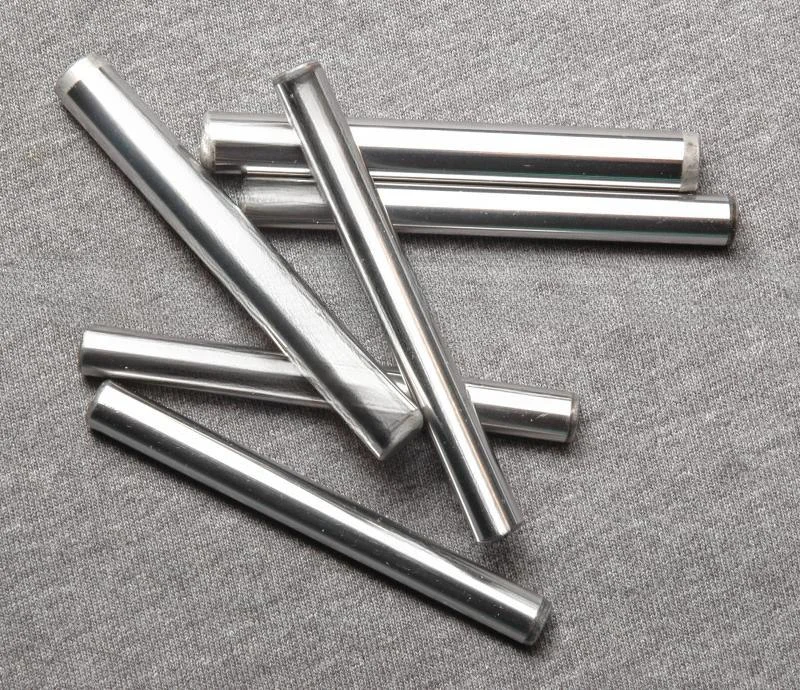
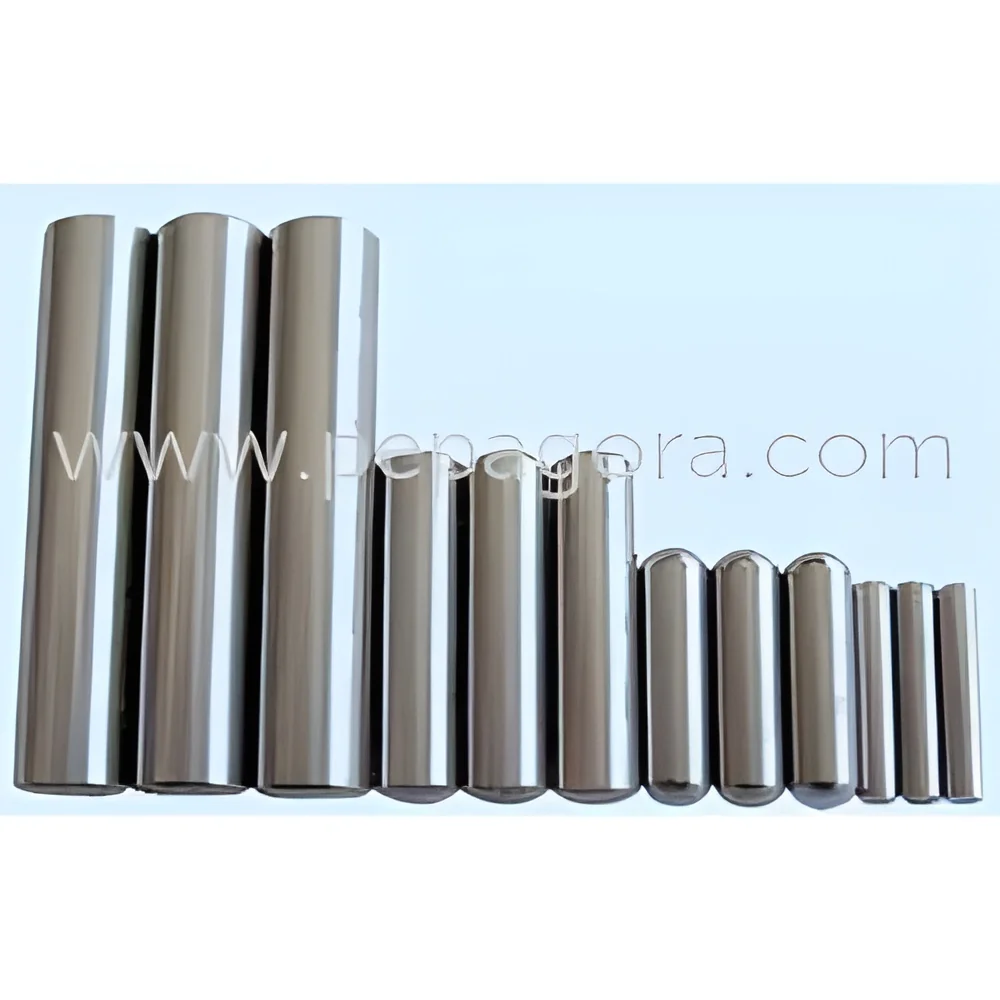
5. Furniture Manufacturing: In furniture production, fasteners like cam locks or dowels are used for assembly, providing strength while allowing for easy disassembly.
6. HVAC Systems: Fasteners are essential in HVAC systems to secure ducts and components, ensuring efficiency and performance.
7. Marine Applications: Fasteners designed for marine environments must withstand saltwater corrosion, making specialized materials necessary for longevity.
Product Variants and Subcategories
The diversity of other fasteners includes several variants tailored to specific applications and industries.
Rivets
Rivets are permanent fasteners that create strong, lasting joints through the deformation of the fastener material. They are commonly used in metal fabrication and structural applications where welding is impractical.
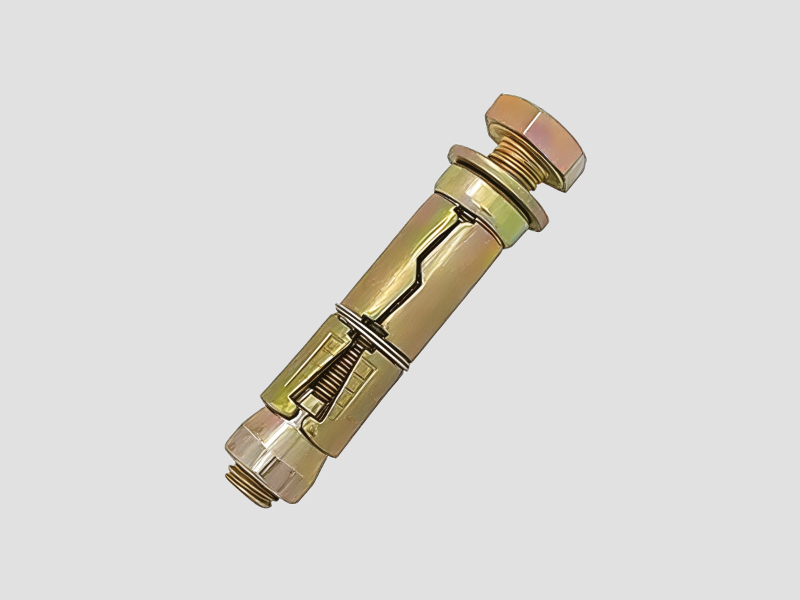
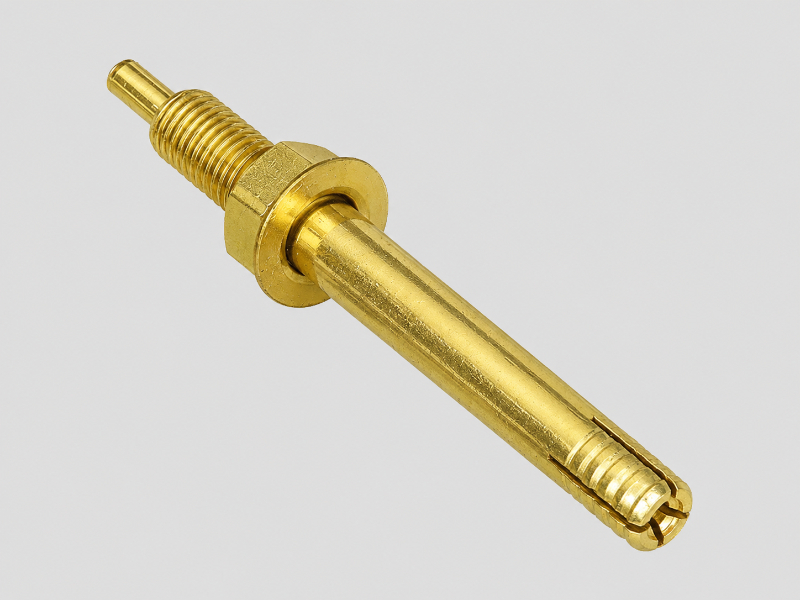
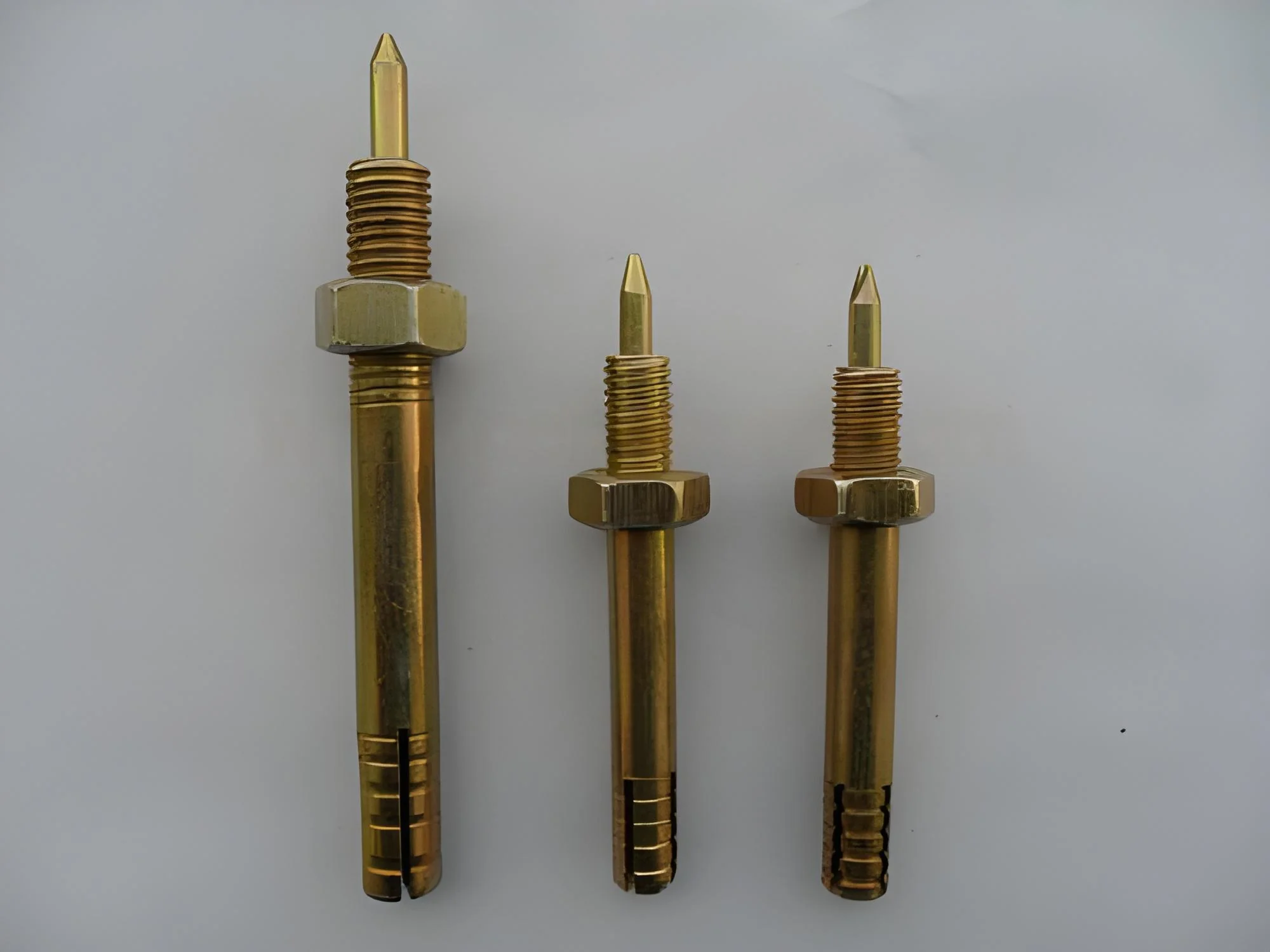
Anchors
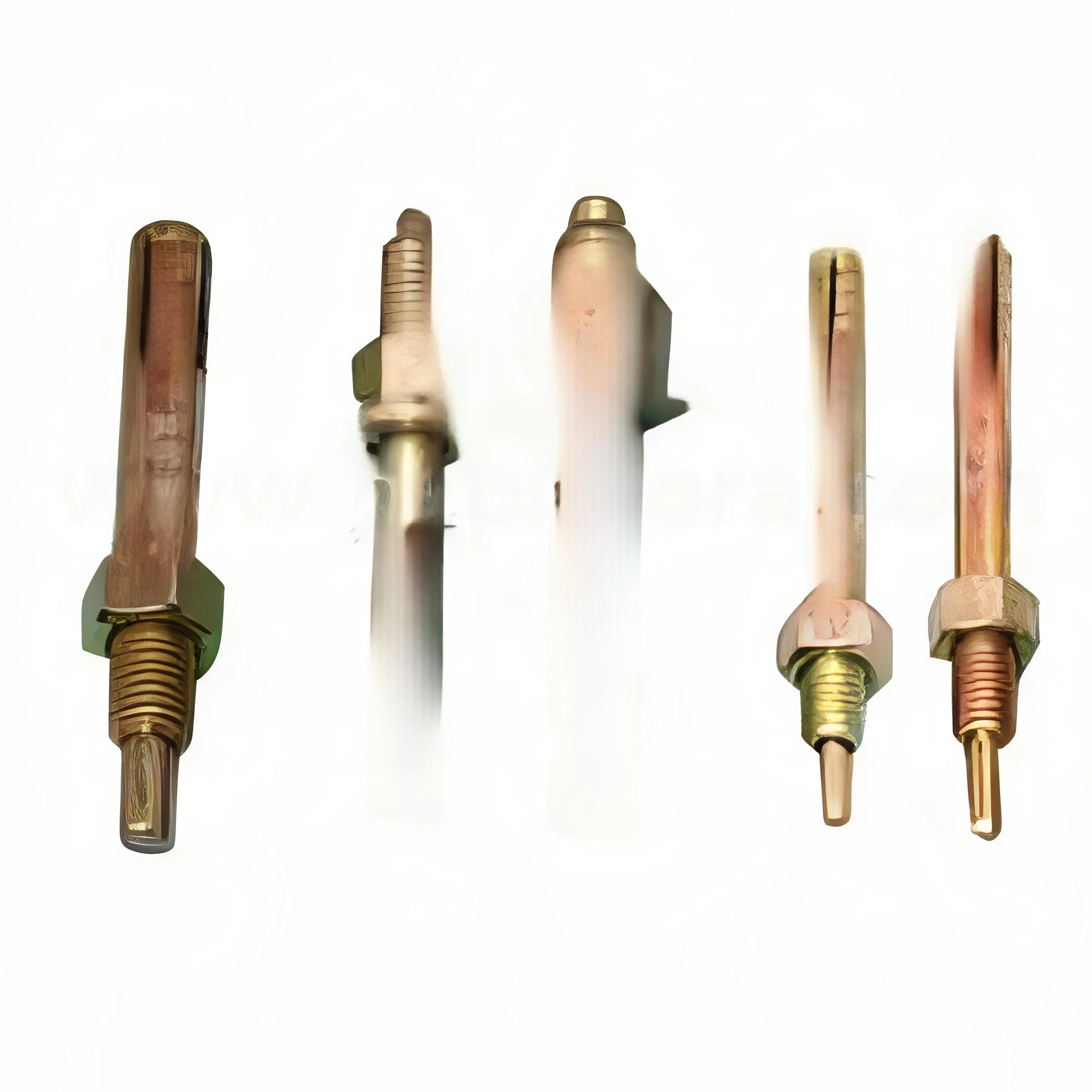
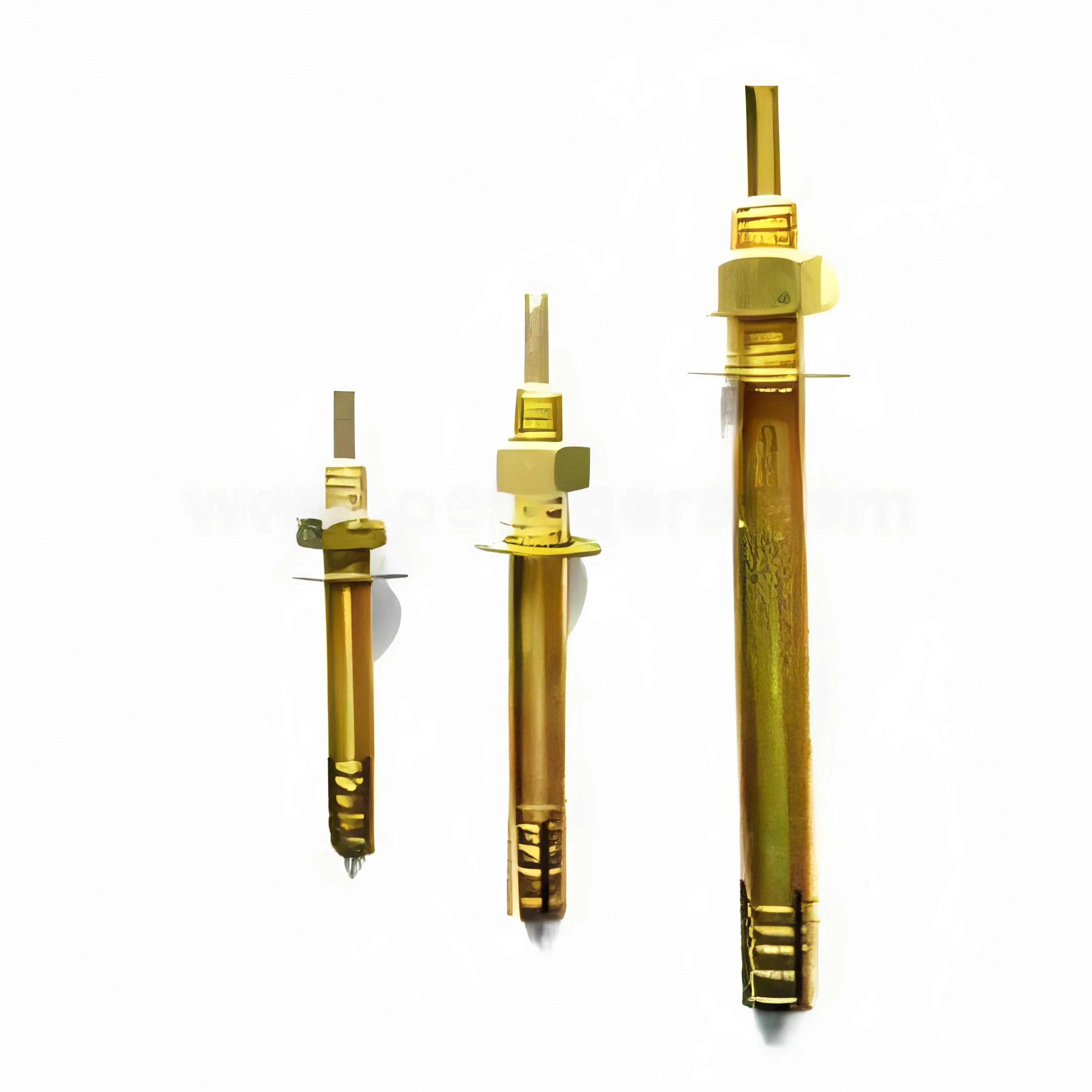
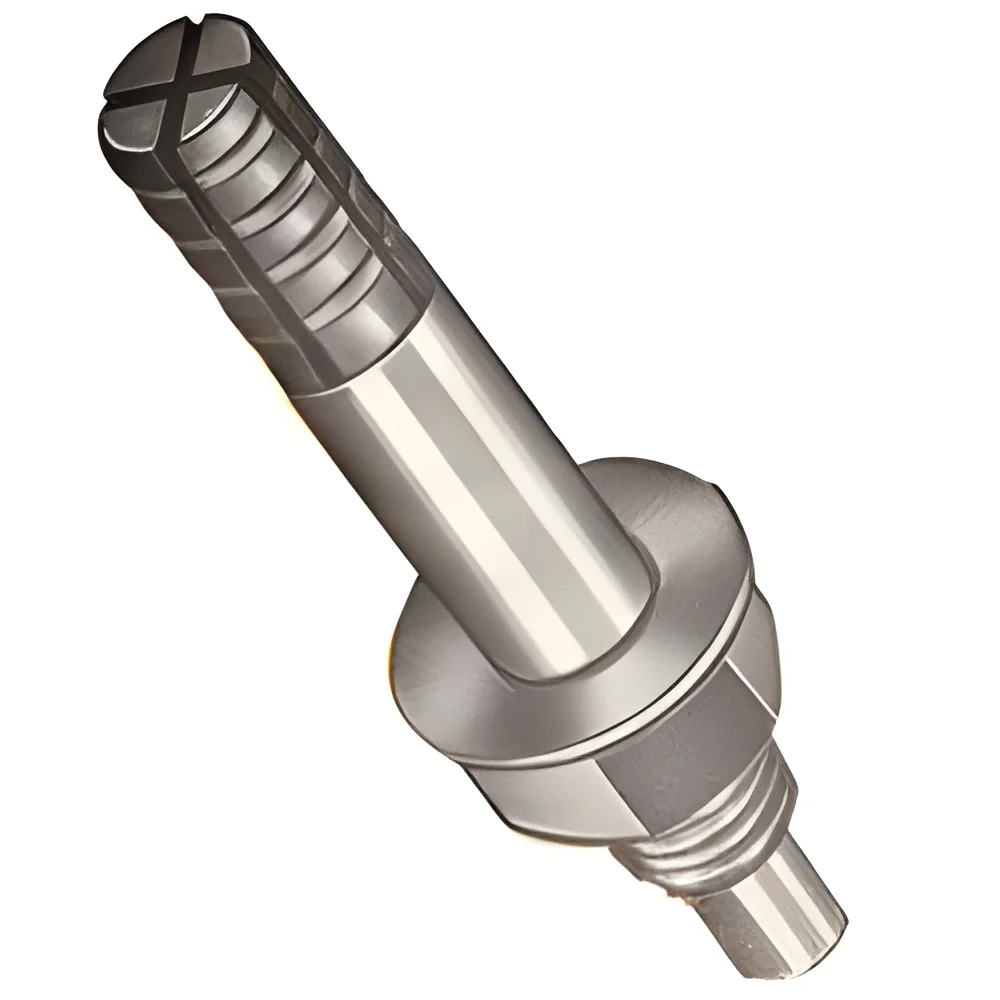
Anchors are designed to secure objects to concrete or masonry. They are essential in construction for safely attaching fixtures, equipment, and structural elements to solid surfaces.
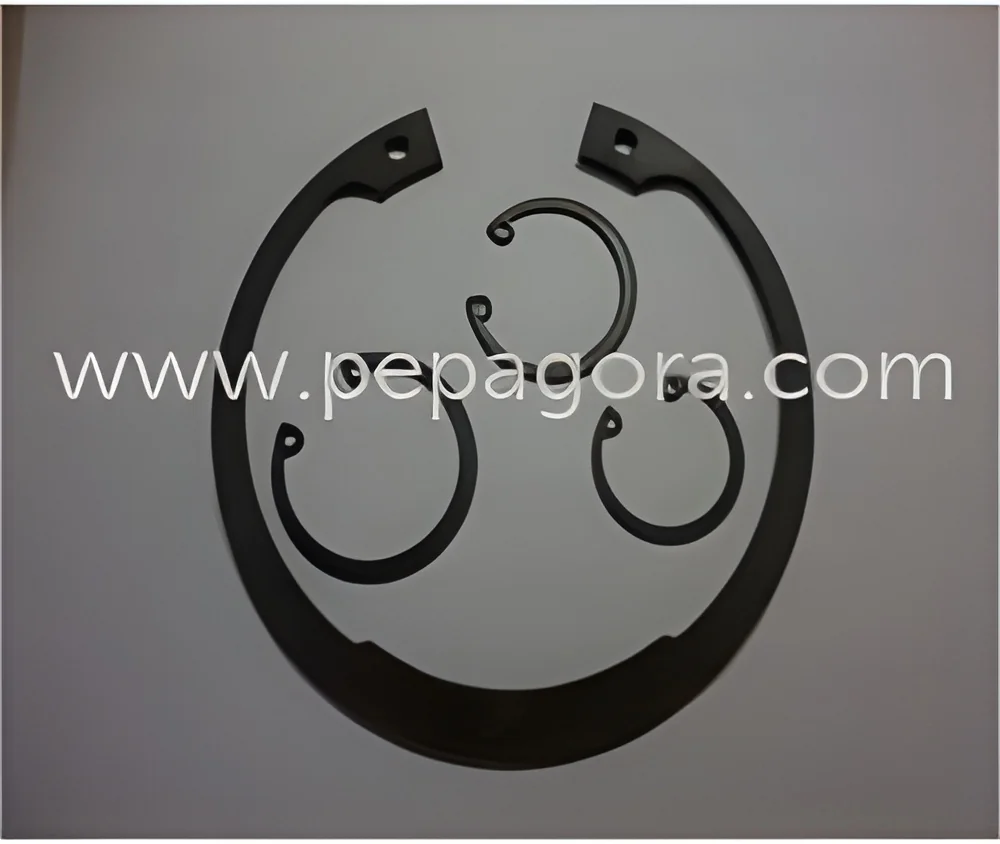
Clips
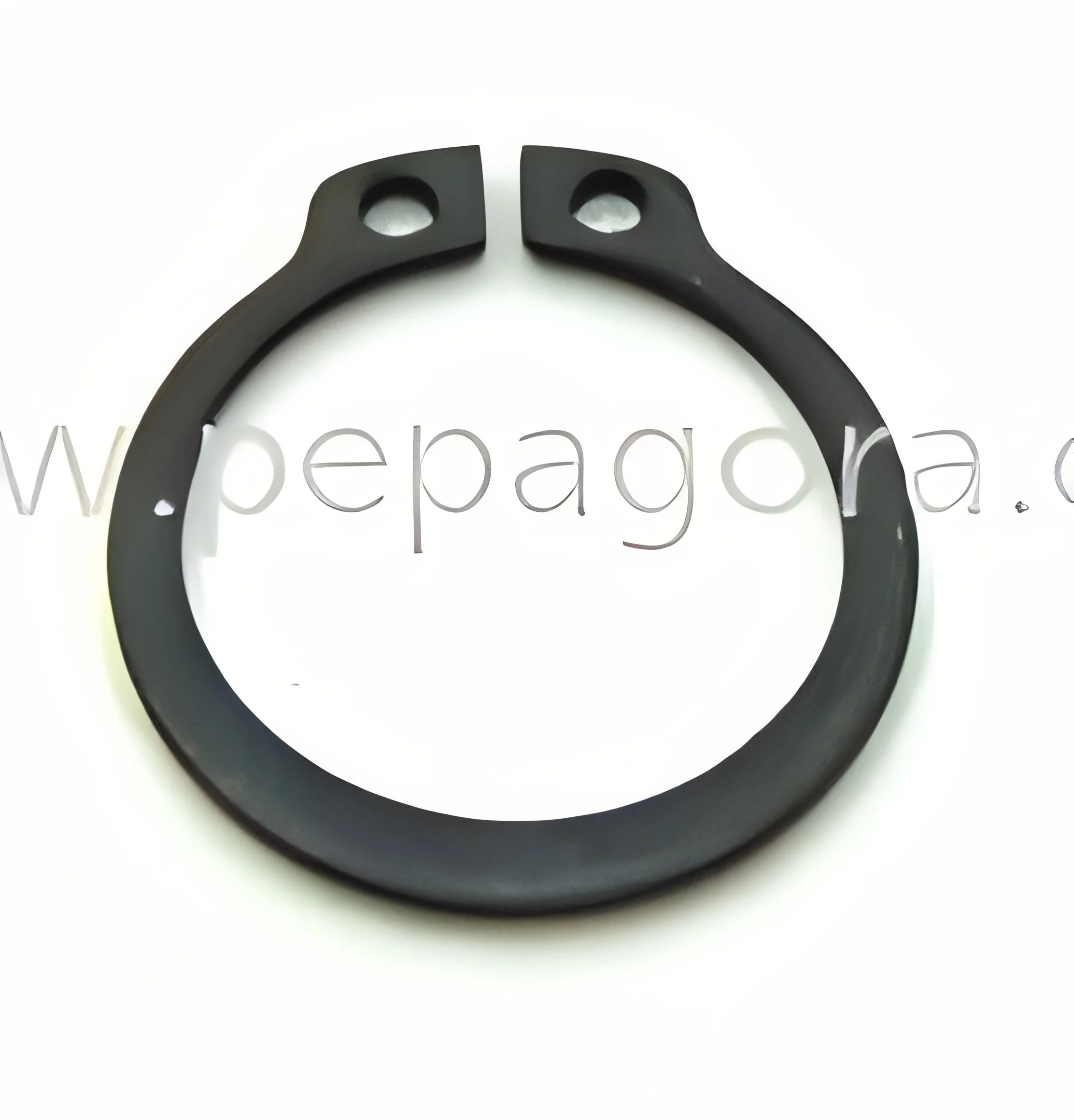
Clips are versatile fasteners used for holding materials together without penetrating them. Common in automotive and electronics, clips facilitate easy installation and removal.
Fasteners with Coatings
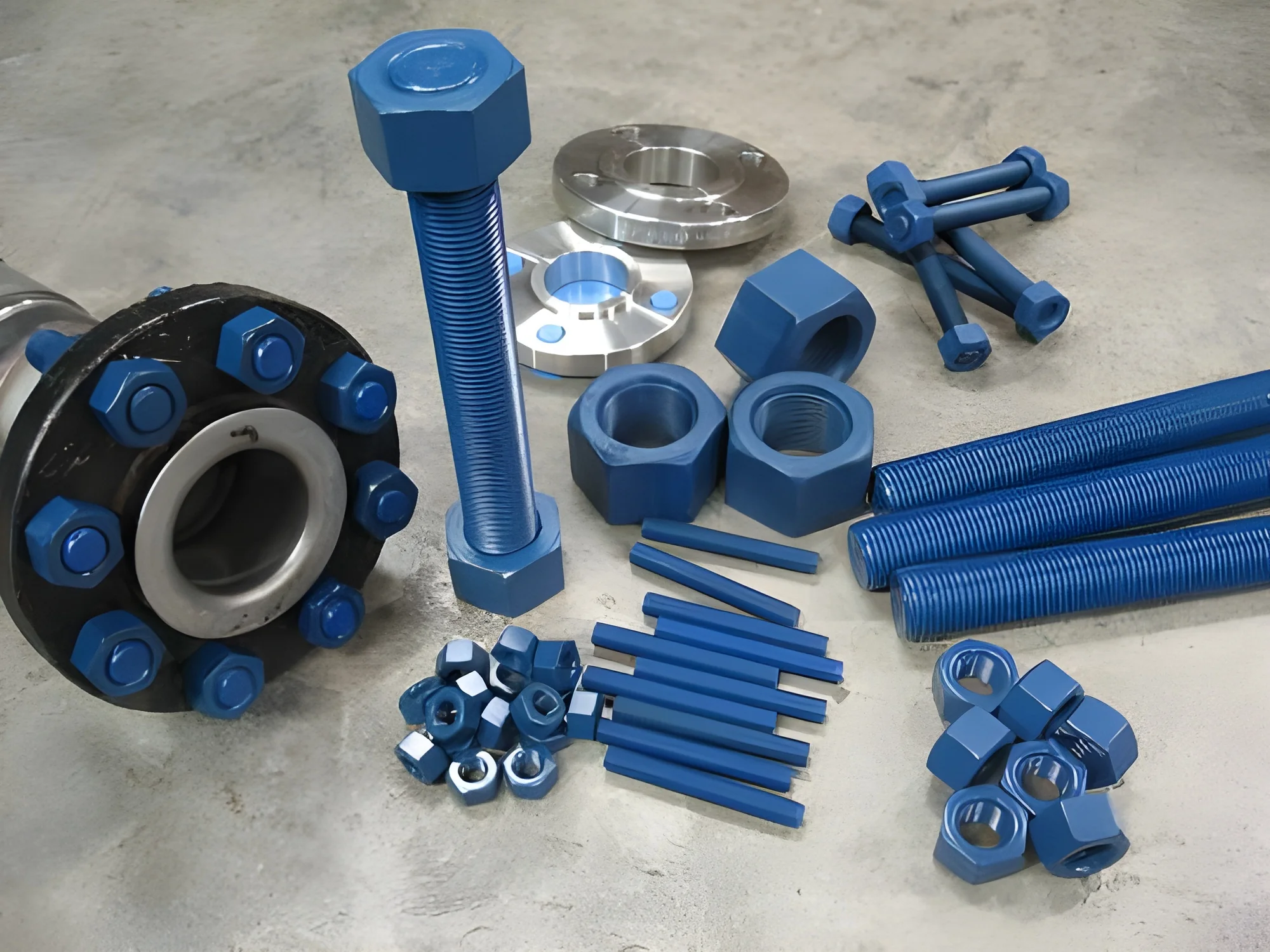
Certain fasteners come with specialized coatings, such as zinc plating or powder coating, to enhance corrosion resistance. These are particularly useful in outdoor or high-humidity environments.
Benefits and Advantages
Sourcing other fasteners offers numerous advantages that can enhance operational efficiency and product performance.
1. Versatility: Other fasteners can be adapted to various applications, providing solutions for diverse industrial needs.
2. Strength and Durability: Many fasteners are designed to withstand high stress and environmental factors, ensuring reliability over time.
3. Ease of Installation: Fasteners can simplify assembly processes, reducing labor costs and time.
4. Customization Options: Many manufacturers offer customization to meet specific requirements, ensuring the right fit and function.
5. Cost-Effectiveness: Proper selection of fasteners can lead to long-term savings by reducing maintenance and replacement needs.
6. Compliance Assurance: Sourcing fasteners that meet industry standards ensures quality and safety, reducing liability risks.
Buying Guide for B2B Buyers
When sourcing other fasteners, it is essential for buyers to consider several factors to ensure they make informed decisions.
1. Quality Assessment: Evaluate fasteners based on material quality, manufacturing processes, and adherence to industry standards. Conducting quality checks can prevent future issues.
2. Supplier Verification: Vet potential suppliers by checking their credentials, reputation, and customer reviews. A reliable supplier is crucial for maintaining consistent quality.
3. Pricing and MOQ: Understand the pricing structure and minimum order quantities (MOQ) to align purchases with budget constraints and project needs.
4. Delivery and Lead Times: Consider logistics and delivery schedules. Fasteners are often needed on tight timelines, so clear communication with suppliers is vital.
5. Compliance Requirements: Ensure that fasteners meet relevant regulatory and safety standards, which can vary by industry and region.
Compliance and Certifications
Compliance and certifications are critical aspects of sourcing other fasteners. Many fasteners adhere to quality standards like ISO 9001, which ensures effective quality management systems. This certification is pivotal for manufacturers aiming for consistency in product quality.
Additionally, industry-specific certifications, such as CE marking, indicate compliance with European safety and health requirements. This certification can enhance marketability and consumer trust.
Safety and testing requirements also play a significant role in fasteners, especially in high-risk industries such as aerospace and automotive. Regular testing ensures that fasteners can withstand the demands of their applications.
Regional compliance considerations may vary, necessitating a thorough understanding of local laws and regulations when sourcing fasteners for specific markets.
Why Source Other Fasteners from Pepagora?
Pepagora provides a trusted platform for sourcing other fasteners, offering several key advantages to B2B buyers.
Verified Supplier Network: Pepagora features a robust network of verified suppliers, ensuring that buyers have access to high-quality products and reputable manufacturers. This verification process builds confidence in selecting reliable partners.
Streamlined RFQ Process: The request for quotation (RFQ) process on Pepagora is designed to be user-friendly, allowing buyers to quickly obtain quotes from multiple suppliers. This efficiency can significantly reduce procurement time.
Trade Assurance and Support: Pepagora offers trade assurance, protecting buyers' interests by ensuring that products meet quality expectations and are delivered on time. This support is crucial for maintaining smooth operations.
Regional Coverage: With a geographical reach that includes India, GCC countries, and Southeast Asia, Pepagora is well-positioned to meet the fastener needs of businesses across diverse markets, ensuring that buyers can find suitable products close to their operations.

 IN
IN