What are Machine Screws?
Machine screws are fasteners that are characterized by their uniform diameter and threaded body. They are designed to be inserted into pre-tapped holes or used with nuts to secure two or more components together. Unlike other types of screws, machine screws are typically used in applications that require a high degree of precision and strength, making them essential in various industrial settings.
These fasteners find primary applications in machinery, electronics, automotive, and construction industries. They are used to assemble components, provide structural integrity, and facilitate repairs. Machine screws are often preferred for their ability to create strong, durable connections, which is crucial in environments where reliability is paramount. As industries evolve, the demand for machine screws continues to grow, reflecting their importance in modern manufacturing and assembly processes.
Key Features and Specifications
Machine screws come with a range of features that cater to diverse industrial needs. Understanding these specifications is vital for businesses looking to select the right fasteners for their applications.
Key specifications include:
1. Thread Type
- Common types include coarse and fine threads.
- Each thread type serves different functions in securing materials.
2. Head Style
- Available styles include flat, pan, round, and hex heads.
- Each style is designed for specific tools and applications.
3. Material Composition
- Common materials include stainless steel, carbon steel, and brass.
- Material choice affects corrosion resistance and strength.
4. Diameter
- Standard diameters range from 2 mm to 12 mm or more.
- Diameter selection impacts load-bearing capacity.
5. Length
- Available lengths typically range from 5 mm to 100 mm or longer.
- Length must suit the thickness of the materials being joined.
6. Coating Options
- Options include zinc plating, black oxide, and uncoated finishes.
- Coatings enhance corrosion resistance and aesthetic appeal.
7. Drive Style
- Common drive types include Phillips, slotted, and Torx.
- Drive style impacts ease of installation and removal.
8. Compliance Standards
- Many machine screws meet international standards like ANSI and ISO.
- Compliance ensures quality and safety in applications.
In summary, machine screws are versatile fasteners with various specifications that cater to specific industrial applications. Understanding these details helps businesses make informed decisions.
Common Applications and Use Cases
Machine screws are integral to numerous industries, serving various applications.
1. Automotive: Machine screws are used in assembling engines, body panels, and interior components. Their reliability is critical for vehicle safety and performance.
2. Electronics: These screws secure circuit boards, casings, and other electronic components. Precision is key to ensure proper functioning.
3. Construction: In building structures, machine screws are used to fasten metal framing and fixtures, providing durability under load.
4. Aerospace: Machine screws play a vital role in assembling aircraft parts where strength and weight are crucial considerations.
5. Machinery: Industrial machines utilize machine screws for assembly and maintenance, ensuring operational efficiency and longevity.
6. Appliances: Home appliances often use machine screws to secure components, enhancing safety and functionality.
7. Medical Devices: In medical equipment, machine screws ensure secure assembly and reliability, which is essential for patient safety.
Product Variants and Subcategories
Machine screws are available in various forms to meet specific application needs.
Hex Head Machine Screws: These screws feature a hexagonal head, allowing for better torque application. They are often used in heavy machinery and construction applications.
Socket Head Cap Screws: Designed for high-strength applications, these screws have a cylindrical head with a hexagonal socket. They are commonly used in machinery and automotive parts.
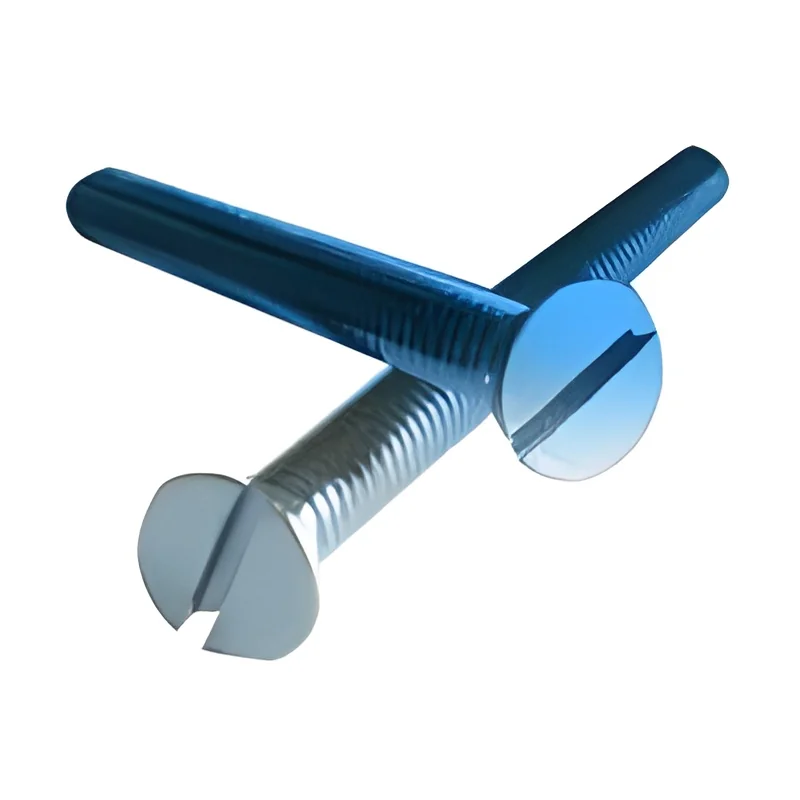
Flat Head Machine Screws: These screws have a flat top and are used where a flush finish is required, such as in woodworking or metalworking applications.
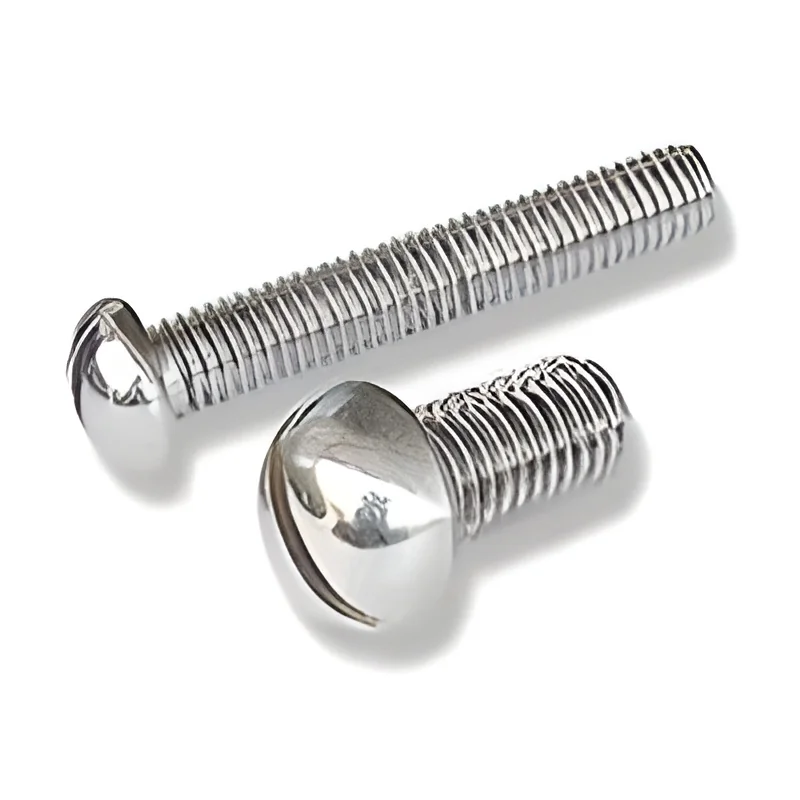
Round Head Machine Screws: With a rounded top, these screws are often used in applications where aesthetic appearance is important, such as in furniture assembly.
Benefits and Advantages
Machine screws offer several advantages that make them essential in various industries.
1. Strength: Machine screws provide strong, secure connections that can withstand heavy loads and stress.
2. Precision: These fasteners are manufactured to exact specifications, ensuring consistent performance in applications.
3. Versatility: With a variety of sizes, materials, and styles available, machine screws can be used across numerous industries and applications.
4. Easy Installation: Machine screws can be easily installed and removed, facilitating maintenance and repairs.
5. Corrosion Resistance: Many machine screws are coated or made from corrosion-resistant materials, enhancing their longevity in harsh environments.
6. Cost-Effectiveness: Machine screws are generally affordable and readily available, making them a cost-effective choice for businesses.
Buying Guide for B2B Buyers
When sourcing machine screws, several key factors should be considered to ensure optimal selection.
1. Quality Assessment: Evaluate the quality of machine screws by checking for compliance with industry standards. Look for certifications that indicate high manufacturing practices.
2. Supplier Verification: Vet suppliers through their history, customer reviews, and adherence to quality standards. Reliable suppliers are essential for consistent product availability.
3. Pricing and MOQ: Understand the pricing structure and minimum order quantities (MOQ) from suppliers. Compare prices to ensure you receive competitive rates without compromising quality.
4. Delivery and Lead Times: Assess the supplier’s ability to meet delivery timelines. Timely delivery is crucial for maintaining production schedules.
5. Compliance Requirements: Ensure that the machine screws meet relevant regulatory and industry-specific compliance standards. This is vital for safety and operational integrity.
Compliance and Certifications
Machine screws must adhere to various quality standards to ensure safety and performance. ISO 9001 is a widely recognized standard that focuses on quality management systems. Compliance with ISO ensures that the manufacturing process meets consistently high standards.
Industry certifications like CE indicate that the products meet European safety requirements, which is essential for businesses operating within that market.
Safety and testing requirements are also critical, as machine screws must be tested for strength and durability. Regional compliance considerations are important, as different regions may have specific regulations that must be met.
Why Source Machine Screws from Pepagora?
Pepagora offers a trusted platform for sourcing machine screws, presenting key advantages for buyers.
Verified Supplier Network: Pepagora's rigorous supplier verification process ensures that buyers connect with reputable manufacturers. This reduces the risk of quality issues and enhances trust in the supply chain.
Streamlined RFQ Process: The platform simplifies the request for quotation (RFQ) process, allowing buyers to easily compare prices and specifications. This efficiency enables quicker decision-making.
Trade Assurance and Support: Pepagora provides trade assurance, protecting buyers from potential issues during transactions. Dedicated support helps resolve any concerns throughout the purchasing process.
Regional Coverage: With a strong presence in India, the GCC, and Southeast Asia, Pepagora offers extensive regional coverage. This geographic reach ensures that buyers have access to a diverse range of machine screws tailored to their specific market needs.

 IN
IN