
 IN
Customized Fasteners
5 products available
What are Customized Fasteners?
Customized fasteners are specially designed fastening solutions tailored to meet the unique specifications and requirements of various industries. Unlike standard fasteners, which come in predefined sizes and materials, customized fasteners can be produced in specific shapes, sizes, and materials to suit particular applications. This customization ensures that the fasteners provide optimal performance, reliability, and durability in their intended use.
These fasteners find applications across a wide range of sectors, including construction, automotive, aerospace, and manufacturing. Businesses often require customized fasteners to address specific challenges, such as high-stress environments or unique assembly processes. By utilizing tailored fasteners, companies can enhance operational efficiency and reduce the risk of equipment failure. The growing demand for customization in various manufacturing processes highlights the importance of these products in today’s competitive market.
Key Features and Specifications
Customized fasteners come with a variety of features and specifications designed to meet specific industrial needs. Understanding these specifications is crucial for businesses looking to procure the right fasteners for their applications.
Key specifications include:
1. Material Type
- Customized fasteners can be made from various materials including stainless steel, carbon steel, aluminum, and plastic.
- The choice of material affects strength, corrosion resistance, and weight.
2. Size and Dimensions
- Fasteners can be produced in a range of sizes and dimensions based on the specific requirements of the application.
- This includes head shape, thread type, and overall length.
3. Strength Ratings
- Customized fasteners can be designed to meet specific strength requirements such as tensile strength and shear strength.
- This ensures they can withstand the necessary loads during operation.
4. Surface Finish
- Options for surface treatments include coatings, plating, and anodization to enhance durability and corrosion resistance.
- The finish can also affect the aesthetic appeal of the fastener.
5. Thread Type
- Customized fasteners can feature various thread types such as coarse, fine, or custom threads to suit different applications.
- Selecting the right thread type is essential for secure fastening.
6. Tolerance Levels
- Precise tolerances can be specified to ensure a proper fit and function in assemblies.
- This is critical for applications requiring high levels of precision.
7. Certification Standards
- Customized fasteners can be manufactured to meet specific industry standards and certifications such as CE.
- Compliance with these standards is important for quality assurance.
8. Packaging Options
- Fasteners can be packaged in various ways based on customer needs, including bulk packaging and individual packing.
- Proper packaging can simplify handling and inventory management.
In summary, understanding the key specifications of customized fasteners is essential for making informed purchasing decisions.
Common Applications and Use Cases
Customized fasteners are vital in numerous industries due to their adaptability and precision.
1. Aerospace: Customized fasteners are used in aircraft assembly, ensuring reliable performance under extreme conditions.
2. Automotive: In the automotive sector, these fasteners are critical for assembling components that require high strength and durability.
3. Construction: They play a significant role in building infrastructure, providing secure fastening solutions for various materials.
4. Electronics: Customized fasteners are utilized in electronic devices, where compact sizes and specific materials are often required.
5. Medical: In medical devices, fasteners are tailored for specific applications, prioritizing hygiene and strength.
6. Marine: Customized fasteners are essential in the marine industry to withstand harsh environments and corrosion.
7. Industrial Machinery: They ensure the structural integrity of machines by providing tailored fastening solutions specific to each machine's needs.
Product Variants and Subcategories
Customized fasteners offer a broad range of variants to cater to different industrial needs.
Hex Bolts
Hex bolts are a popular variant that features a hexagonal head for easy installation with wrenches. They are commonly used in construction and machinery applications due to their strength and reliability.
Socket Cap Screws
These fasteners are designed with a cylindrical head and an internal hex drive, allowing for secure fastening in tight spaces. They are frequently used in automotive and aerospace applications for their robust performance.
Machine Screws
Machine screws are versatile fasteners used in various applications, often requiring specific lengths and diameters. They can be customized with different thread types and materials to suit specific assembly needs.
Self-Tapping Screws
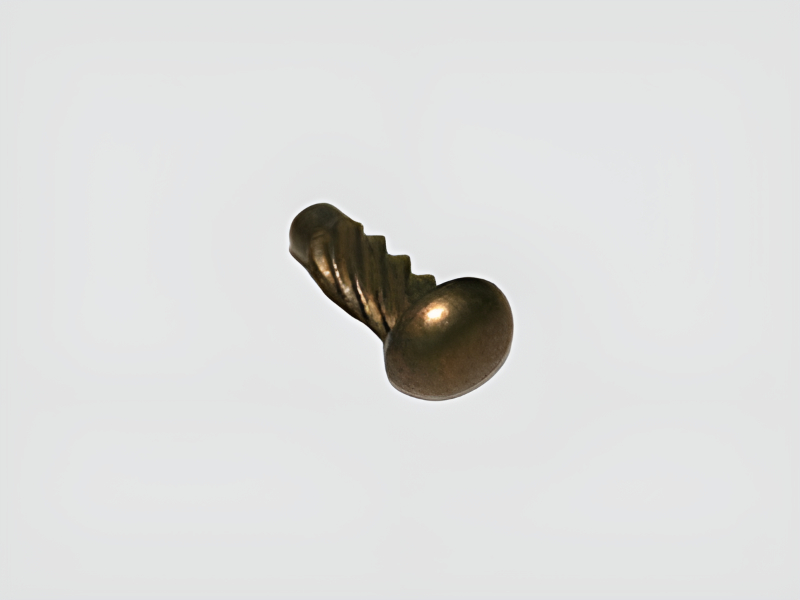
Designed to create their own threads as they are driven into materials, self-tapping screws can be customized for specific applications. They are particularly useful in sheet metal and plastic assemblies.
Benefits and Advantages
Customized fasteners provide numerous advantages for businesses seeking tailored solutions.
1. Enhanced Performance: Customized fasteners are designed to meet specific application requirements, leading to improved performance and reliability.
2. Increased Efficiency: By using fasteners tailored to their needs, companies can streamline assembly processes and reduce installation time.
3. Cost-Effectiveness: Although customized fasteners may have a higher initial cost, they can lead to savings by minimizing failures and downtime.
4. Improved Quality: Customized solutions often adhere to stricter quality standards, ensuring better overall product quality.
5. Flexibility: The ability to customize fasteners allows businesses to adapt to changing needs and specifications as projects evolve.
6. Better Compatibility: Customized fasteners can be designed to fit perfectly within existing systems, reducing the likelihood of compatibility issues.
Buying Guide for B2B Buyers
When sourcing customized fasteners, buyers should consider several critical factors to ensure they make the right choice.
1. Quality Assessment: Evaluate the quality of materials and manufacturing processes used by suppliers. Look for certifications that demonstrate adherence to industry standards.
2. Supplier Verification: Conduct thorough checks on potential suppliers to ensure they have a proven track record in delivering quality products and services.
3. Pricing and MOQ: Understand the pricing structure and minimum order quantities (MOQ) to assess the financial feasibility of your procurement.
4. Delivery and Lead Times: Discuss delivery schedules with suppliers to ensure they can meet your project timelines and operational demands.
5. Compliance Requirements: Be aware of any regulatory compliance requirements relevant to your industry and ensure that suppliers can meet these standards.
Compliance and Certifications
Customized fasteners must adhere to various quality standards to ensure safety and performance. One significant standard is ISO 9001, which outlines requirements for a quality management system. Compliance with this standard helps organizations demonstrate their ability to consistently provide products that meet customer and regulatory requirements.
Additionally, certifications such as CE signify that the fasteners meet European safety and health standards. Obtaining these certifications is crucial for manufacturers seeking to market their products in regulated markets.
Safety and testing requirements are also essential, as they ensure that fasteners can withstand the stresses and conditions they will encounter in their applications. Regional compliance considerations may vary, so it's important for businesses to understand the specific requirements in their target markets.
Why Source Customized Fasteners from Pepagora?
Pepagora offers a reliable platform for sourcing customized fasteners with several key advantages that appeal to B2B buyers.
Verified Supplier Network: Pepagora maintains a network of verified suppliers who have undergone rigorous vetting processes. This helps ensure that buyers can trust the quality of products they receive.
Streamlined RFQ Process: The platform features a user-friendly Request for Quotation (RFQ) process that simplifies the procurement process. Buyers can easily request quotes from multiple suppliers, saving time and effort.
Trade Assurance and Support: Pepagora provides trade assurance features to protect buyers throughout the purchasing process. This includes support for any disputes or issues that may arise.
Regional Coverage: With a broad geographic reach spanning India, the GCC, and Southeast Asia, Pepagora connects buyers with suppliers in multiple regions, allowing for greater flexibility and options in sourcing customized fasteners.


Frequently Asked Questions
What are Customized Fasteners?
Customized fasteners are hardware devices specifically designed to join or secure two or more components together based on unique specifications. They can be tailored in terms of size, shape, material, and performance characteristics to meet the specific needs of various applications.
What are the different types of Customized Fasteners?
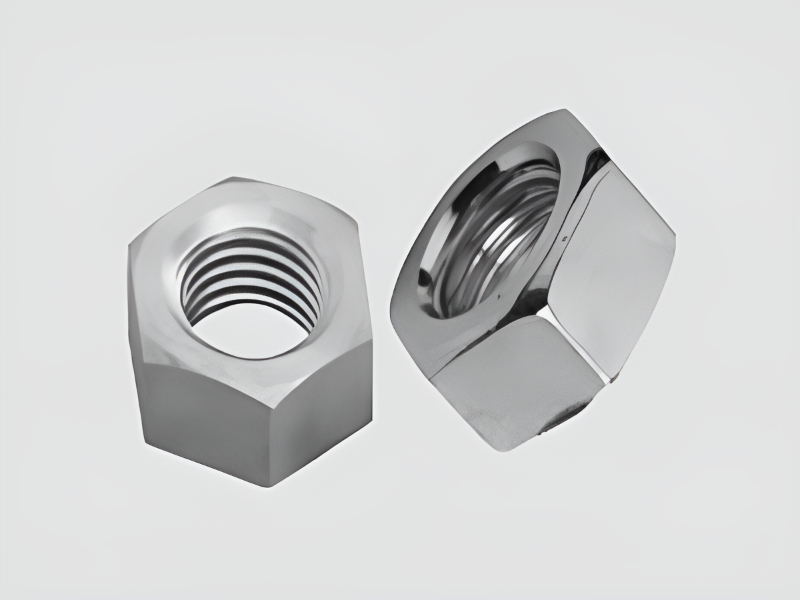
There are several types of customized fasteners, including bolts, screws, nuts, washers, and anchors. Each type can be modified for specific functions, such as different head shapes, thread types, and lengths, to suit particular industrial requirements.
How do I choose the right Customized Fasteners?
Choosing the right customized fasteners involves assessing the application requirements, including load capacity, environmental conditions, and material compatibility. It is also important to consider the manufacturing process, as well as consulting with suppliers to ensure the fasteners meet all necessary specifications.
What are the standard specifications for Customized Fasteners?
Standard specifications for customized fasteners often include dimensions, material grades, tensile strength, and corrosion resistance properties. These specifications are typically based on industry standards such as ASTM, ISO, or DIN, depending on the application's requirements.
What is the price range for Customized Fasteners?
The price range for customized fasteners can vary widely based on factors such as material, design complexity, and order quantity. Generally, prices can start from a few rupees per piece and can go up to several hundred rupees, depending on the level of customization required.
What quality standards apply to Customized Fasteners?
Customized fasteners must comply with various quality standards to ensure reliability and safety. Common standards include ISO 9001 for quality management, as well as specific standards for material properties and performance, such as ASTM or SAE.
Where can I find Customized Fasteners suppliers in India?
You can find customized fasteners suppliers in India through online B2B marketplaces like Pepagora, industry trade shows, and directories. Additionally, contacting local manufacturers or distributors can provide options for sourcing customized solutions.
Can Customized Fasteners be customized?
Yes, customized fasteners can be tailored to meet specific design and performance requirements. Manufacturers often offer various customization options, including material selection, dimensions, and special coatings to enhance functionality.
What is the typical minimum order quantity for Customized Fasteners?
The typical minimum order quantity (MOQ) for customized fasteners can vary by manufacturer but often ranges from 100 to 1000 pieces. It is advisable to check with specific suppliers as they may have different MOQ policies based on the type of fastener and customization involved.
What is the typical lead time for Customized Fasteners?
The typical lead time for customized fasteners can range from a few weeks to several months, depending on the complexity of the order and the manufacturer's production capacity. It is essential to discuss lead times with suppliers upfront to align with project timelines.
Why Businesses Trust Pepagora
Thousands of companies trust Pepagora to source smarter and sell faster
Expand Your Sales Globally

Source Smarter,Grow Faster
