What are Bolts (Hex, Carriage, Eye, U-bolts)?
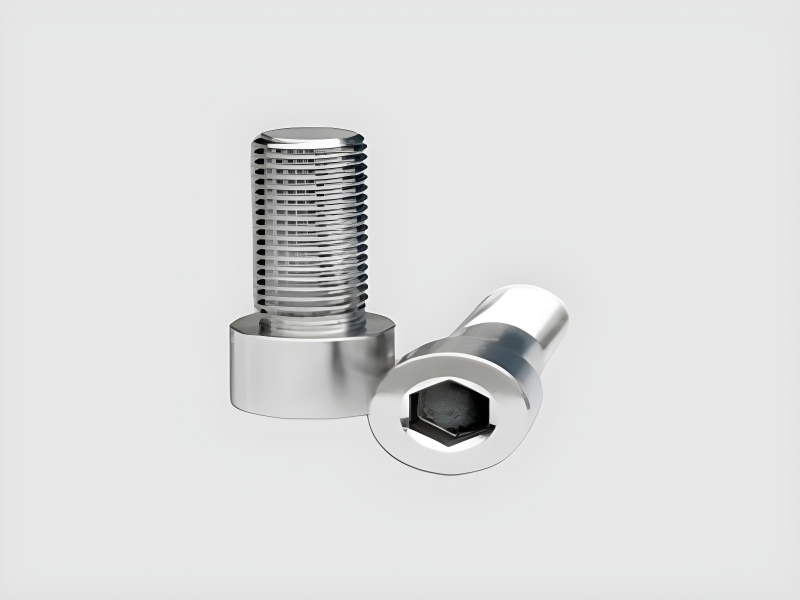
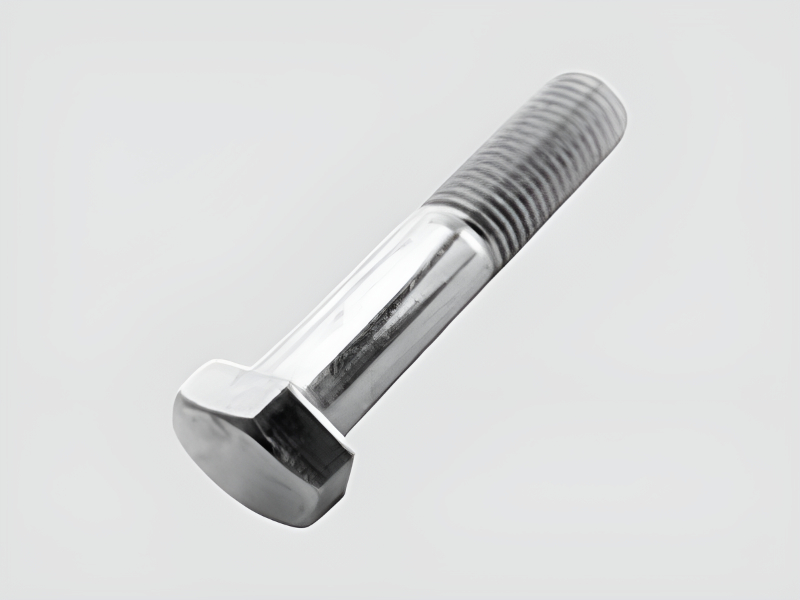
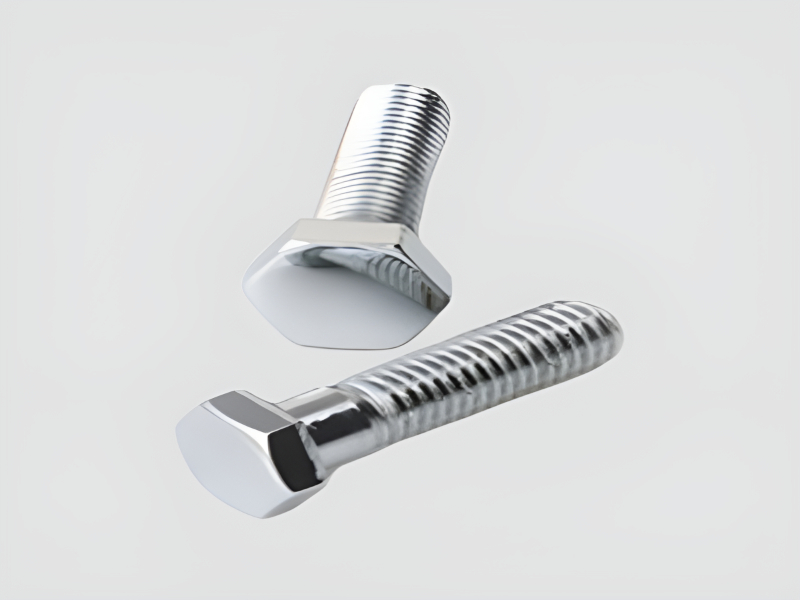
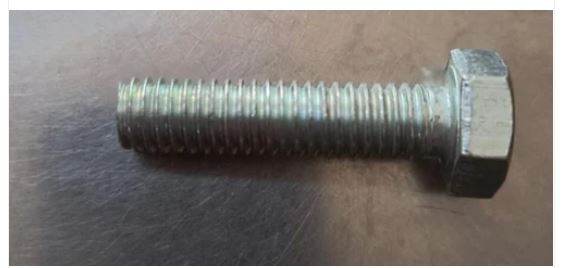
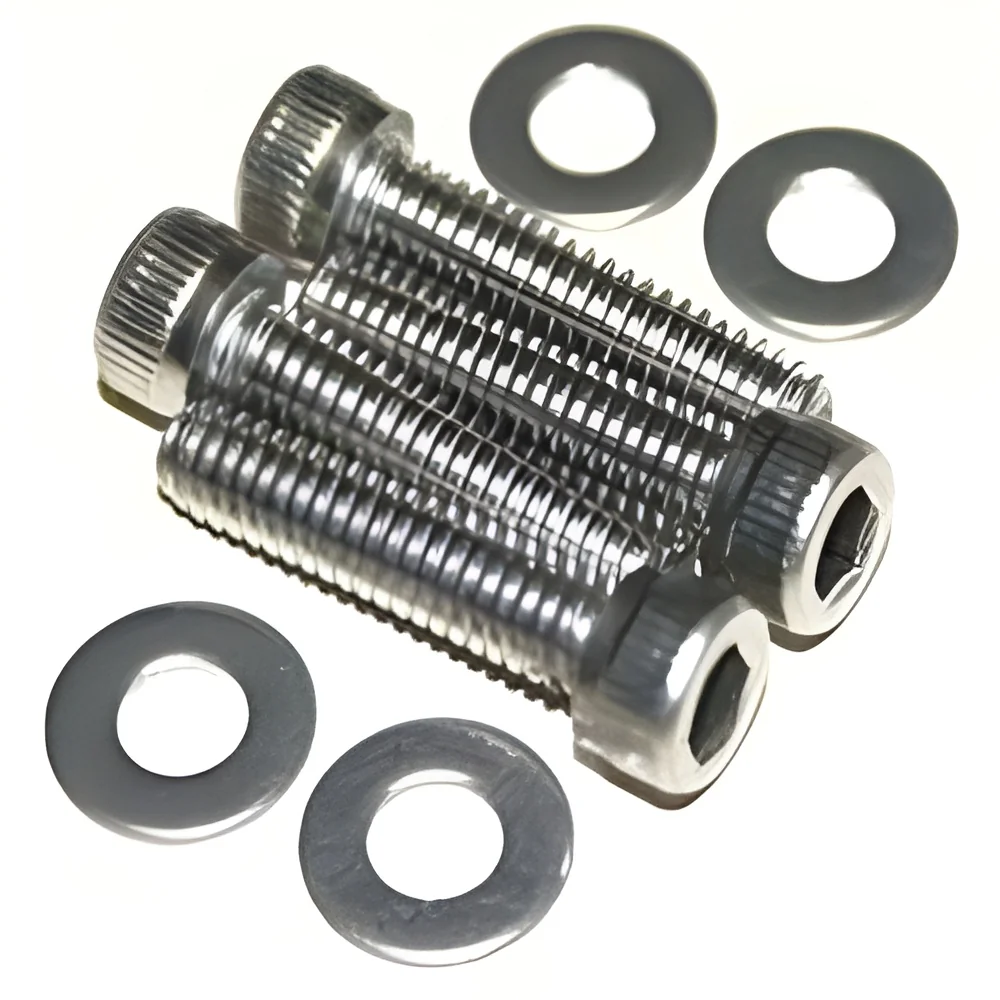
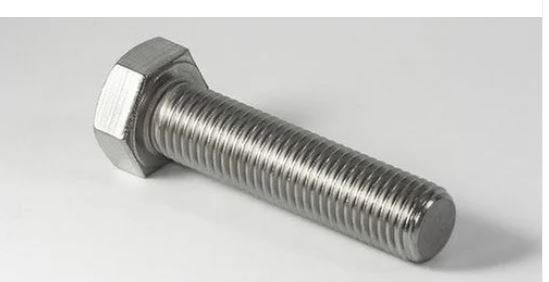
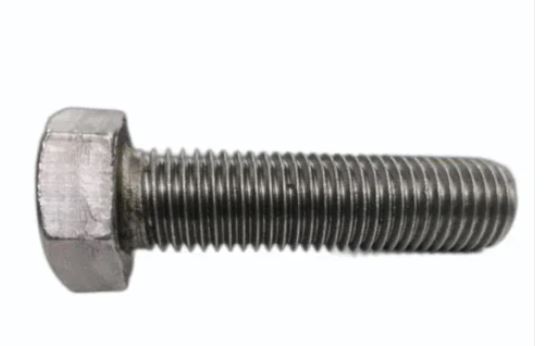
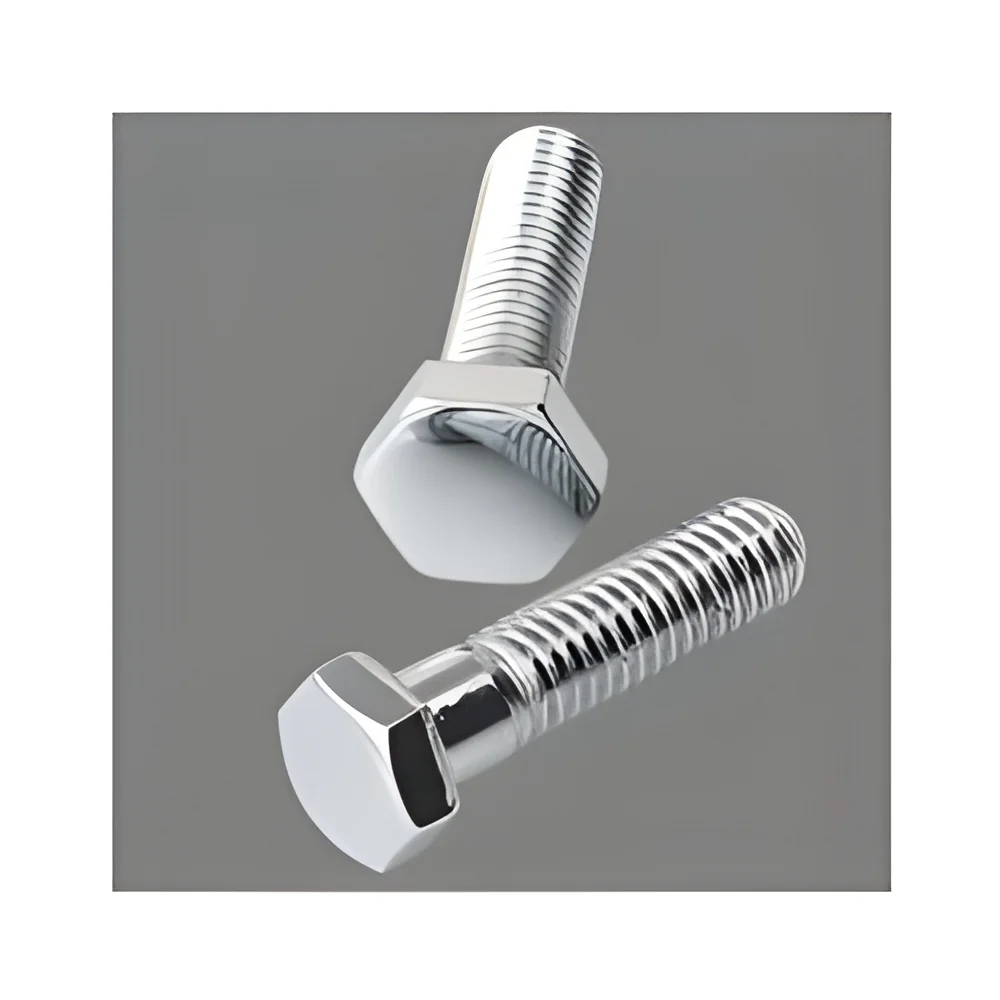
Bolts are essential fasteners used in various industrial applications to connect components securely. They typically consist of a cylindrical shaft with a head at one end. Depending on their design, bolts can serve different functions. Hex bolts have a hexagonal head, carriage bolts have a rounded head with a square neck, eye bolts have a looped end for attaching cables, while U-bolts have a U-shaped design for securing pipes or other objects.
These fasteners are widely used in construction, manufacturing, automotive, and machinery sectors. Their ability to provide a strong and reliable connection makes them integral to structural integrity and safety in various applications. Businesses use these bolts to ensure that machinery and structures can withstand operational stresses and strains.
The market for bolts is substantial, as they are vital components in countless assemblies and constructions. As industries evolve and technology advances, the demand for high-quality bolts that meet specific application requirements continues to grow. This demand drives innovation in materials and manufacturing processes, ensuring that bolts remain a staple in industrial supply chains.
๐๐ฒ๐ ๐๐ฒ๐ฎ๐๐๐ฟ๐ฒ๐ ๐ฎ๐ป๐ฑ ๐ฆ๐ฝ๐ฒ๐ฐ๐ถ๐ณ๐ถ๐ฐ๐ฎ๐๐ถ๐ผ๐ป๐
Bolts come with a variety of features and specifications that cater to different applications. Understanding these specifications is crucial for selecting the right bolt for any project.
Key specifications include:
1. Material Type
- Common materials include steel, stainless steel, and alloy steel
- Each material offers different levels of strength, corrosion resistance, and durability
2. Size and Diameter
- Available in various sizes, typically measured in inches or millimeters
- Diameter affects load-bearing capacity and compatibility with other components
3. Thread Type
- Types include coarse, fine, and self-tapping
- The thread type influences how well the bolt grips into the materials being fastened
4. Head Style
- Variants include hex, carriage, eye, and U-head styles
- Each style serves a specific purpose and operational requirement
5. Finish and Coating
- Options include galvanized, zinc-plated, and black oxide
- Finishes enhance corrosion resistance and aesthetic appeal
6. Load Rating
- Specifies the maximum load the bolt can withstand before failure
- Important for safety in load-bearing applications
7. Compliance Standards
- Must meet industry standards such as ISO and CE
- Ensures quality and safety in manufacturing practices
8. Temperature Resistance
- Some bolts are rated for high-temperature applications
- Essential for environments where thermal expansion is a concern
Understanding these features can help buyers make informed decisions when selecting bolts for their specific applications.
๐๐ผ๐บ๐บ๐ผ๐ป ๐๐ฝ๐ฝ๐น๐ถ๐ฐ๐ฎ๐๐ถ๐ผ๐ป๐ ๐ฎ๐ป๐ฑ ๐จ๐๐ฒ ๐๐ฎ๐๐ฒ๐
Bolts are utilized across various industries, each with its unique applications.
1. Construction: In the construction industry, bolts are crucial for securing beams, columns, and frames. They ensure the structural integrity of buildings and bridges.
2. Automotive: In the automotive sector, bolts are used to assemble engine components, chassis, and other critical parts. Their reliability is essential for vehicle safety.
3. Manufacturing: Manufacturing facilities use bolts in assembly lines to join machinery parts and components. Their strength supports heavy operational loads.
4. Marine: In marine applications, bolts are used to secure equipment and structures against corrosion and harsh environmental conditions.
5. Aerospace: Aerospace applications require high-strength bolts that can withstand extreme conditions. These bolts are critical for aircraft assembly and maintenance.
6. HVAC: Bolts are essential in HVAC systems to secure ductwork and equipment. Their durability ensures efficient operation.
7. Furniture: In furniture manufacturing, bolts are used to assemble pieces securely, providing stability and longevity to products.
๐ฃ๐ฟ๐ผ๐ฑ๐๐ฐ๐ ๐ฉ๐ฎ๐ฟ๐ถ๐ฎ๐ป๐๐ ๐ฎ๐ป๐ฑ ๐ฆ๐๐ฏ๐ฐ๐ฎ๐๐ฒ๐ด๐ผ๐ฟ๐ถ๐ฒ๐
The diversity of bolts allows for a wide range of applications and functionalities.
Hex Bolts: Hex bolts are versatile and widely used in construction and manufacturing. Their hexagonal shape allows for easy tightening with a wrench, making them suitable for a variety of applications.
Carriage Bolts: Carriage bolts feature a rounded head and are often used in wooden structures. The square neck prevents the bolt from turning once installed, providing a secure fit.
Eye Bolts: Eye bolts are designed with a loop at one end, ideal for attaching cables or ropes. They are commonly used in rigging and lifting applications.
U-Bolts: U-bolts are shaped like the letter "U" and are primarily used to secure pipes and other cylindrical objects. They are essential in plumbing and electrical installations.
๐๐ฒ๐ป๐ฒ๐ณ๐ถ๐๐ ๐ฎ๐ป๐ฑ ๐๐ฑ๐๐ฎ๐ป๐๐ฎ๐ด๐ฒ๐
Choosing the right bolts can provide numerous advantages for businesses.
1. Strength and Durability: High-quality bolts offer superior strength, ensuring long-lasting connections in various applications.
2. Versatility: With different types and sizes available, bolts can be used in a wide range of industries and applications.
3. Ease of Installation: Many bolts are designed for straightforward installation, reducing labor time and costs.
4. Corrosion Resistance: Specialized coatings can enhance bolts' resistance to corrosion, extending their life in harsh environments.
5. Cost-Effectiveness: Bulk purchasing options can lead to significant savings, making bolts an economical choice for businesses.
6. Compliance Assurance: Sourcing from reputable suppliers ensures that bolts meet industry standards, enhancing safety and reliability.
๐๐๐๐ถ๐ป๐ด ๐๐๐ถ๐ฑ๐ฒ ๐ณ๐ผ๐ฟ ๐๐ฎ๐ ๐๐๐๐ฒ๐ฟ๐
When sourcing bolts, it is essential to consider several key factors to ensure the right choice.
1. Quality Assessment: Evaluate the quality of bolts by examining material specifications and verifying compliance with industry standards. This ensures reliability in applications.
2. Supplier Verification: Vet potential suppliers by checking their credentials, manufacturing processes, and customer reviews. This helps establish trust and reliability.
3. Pricing and MOQ: Understand pricing structures and minimum order quantities (MOQ) to align purchases with budget and supply needs. This ensures cost-effective sourcing.
4. Delivery and Lead Times: Discuss logistics with suppliers to ensure timely delivery. Understanding lead times is crucial for project planning and execution.
5. Compliance Requirements: Ensure that bolts meet relevant safety and compliance standards. This is vital for regulatory adherence and operational safety.
๐๐ผ๐บ๐ฝ๐น๐ถ๐ฎ๐ป๐ฐ๐ฒ ๐ฎ๐ป๐ฑ ๐๐ฒ๐ฟ๐๐ถ๐ณ๐ถ๐ฐ๐ฎ๐๐ถ๐ผ๐ป๐
Compliance with industry standards is critical for ensuring quality and safety in bolt manufacturing.
Bolts should meet quality standards such as ISO 9001, which outlines effective quality management systems. This certification ensures that products are consistently manufactured to meet customer requirements.
Additionally, industry certifications like CE indicate that the bolts comply with European safety standards. This certification assures buyers of the product's quality and performance.
Safety and testing requirements are fundamental. Manufacturers must conduct rigorous testing to ensure that bolts can withstand specified loads and environmental conditions.
Regional compliance considerations may vary. It is essential for businesses to be aware of local regulations and standards to ensure that their products meet all necessary criteria.
Why Source Bolts (Hex, Carriage, Eye, U-bolts) from Pepagora?
Pepagora offers an exceptional platform for sourcing bolts, presenting several key advantages to buyers.
Verified Supplier Network: Pepagora maintains a network of verified suppliers, ensuring that buyers can trust the quality and reliability of the products they source. This network simplifies the procurement process.
Streamlined RFQ Process: The platform features an efficient Request for Quotation (RFQ) system, allowing buyers to quickly receive competitive quotes from multiple suppliers. This efficiency promotes informed purchasing decisions.
Trade Assurance and Support: Pepagora provides trade assurance to protect buyers, ensuring that transactions are secure and reliable. This support fosters confidence in procurement activities.
Regional Coverage: With extensive geographic reach across India, the GCC, and Southeast Asia, Pepagora connects buyers with suppliers in key markets. This coverage facilitates sourcing across different regions, expanding opportunities for businesses.