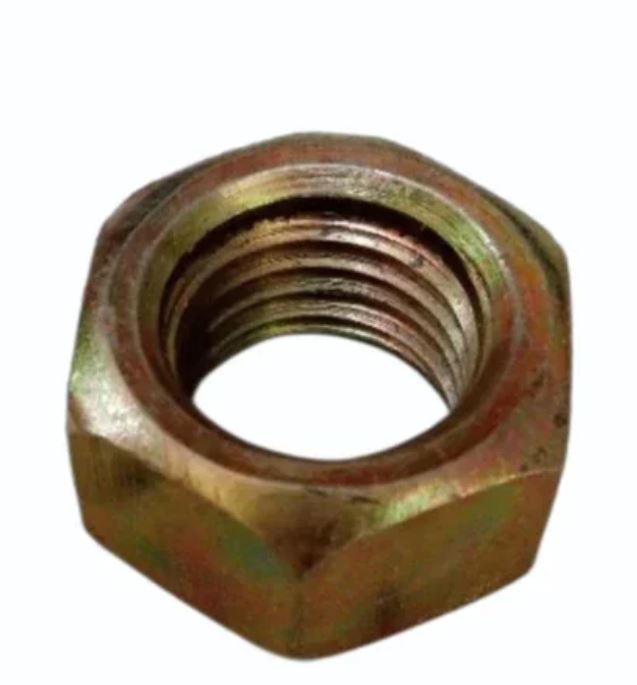
Key Features and Specifications
Nuts are characterized by a variety of features that make them suitable for different applications. Their specifications can vary based on type, material, and intended use. The following are key specifications for nuts:
1. Material Composition
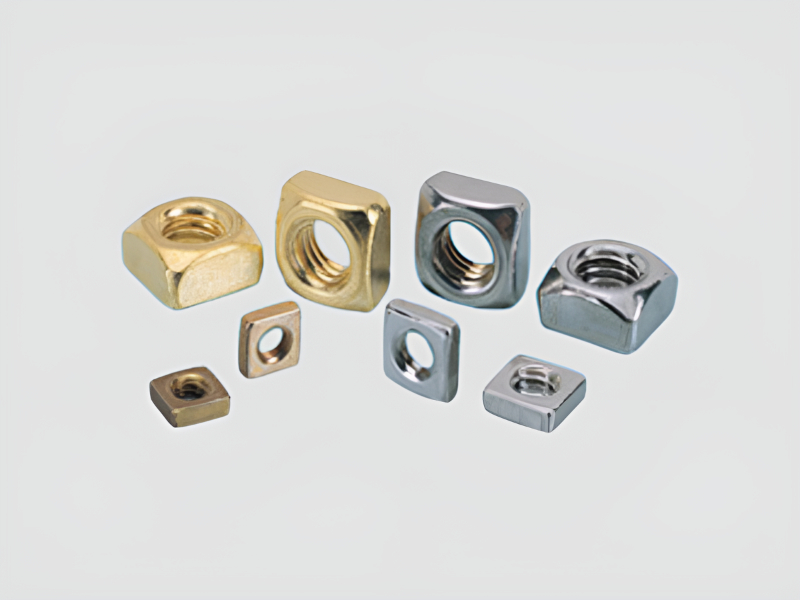
- Common materials include steel, stainless steel, brass, and nylon.
- Each material offers different levels of corrosion resistance and strength.
2. Thread Type
- Available in metric and imperial threads.
- Ensures compatibility with corresponding bolts and screws.
3. Finish
- Options include zinc plating, black oxide, and plain finish.
- Affects corrosion resistance and aesthetic appeal.
4. Size Range
- Available in various sizes, typically from M2 to M30 for metric nuts.
- Ensures versatility for numerous applications.
5. Load Capacity
- Varies based on material and design.
- Important for ensuring the nuts can handle expected loads.
6. Compliance Standards
- Often manufactured to meet ISO or ASTM standards.
- Guarantees quality and reliability.
7. Locking Mechanism
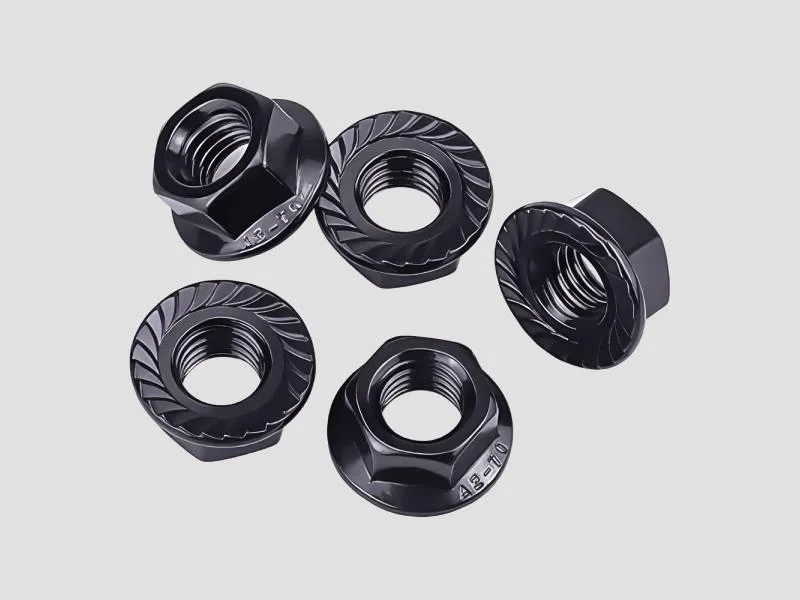
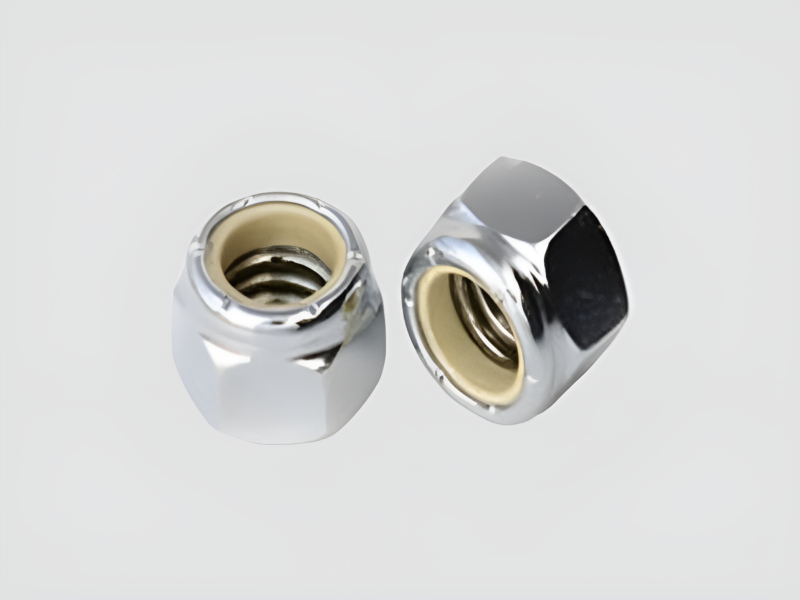
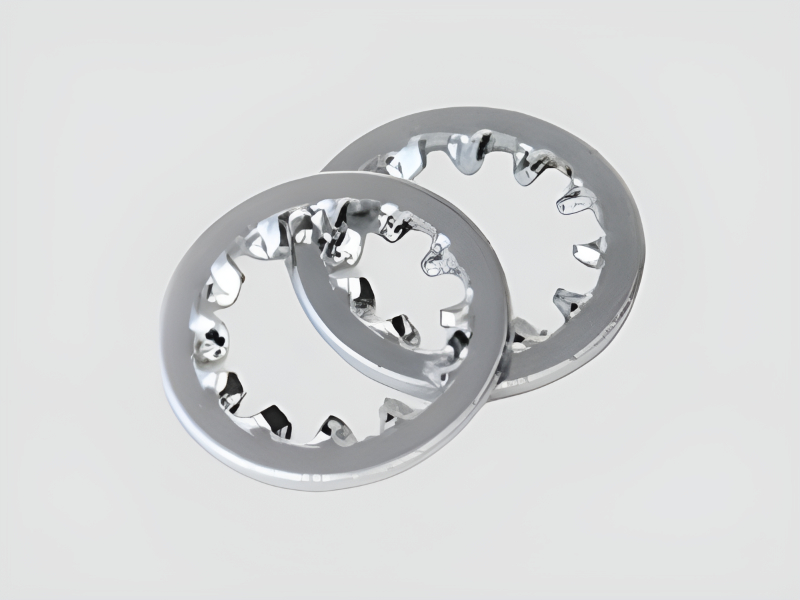
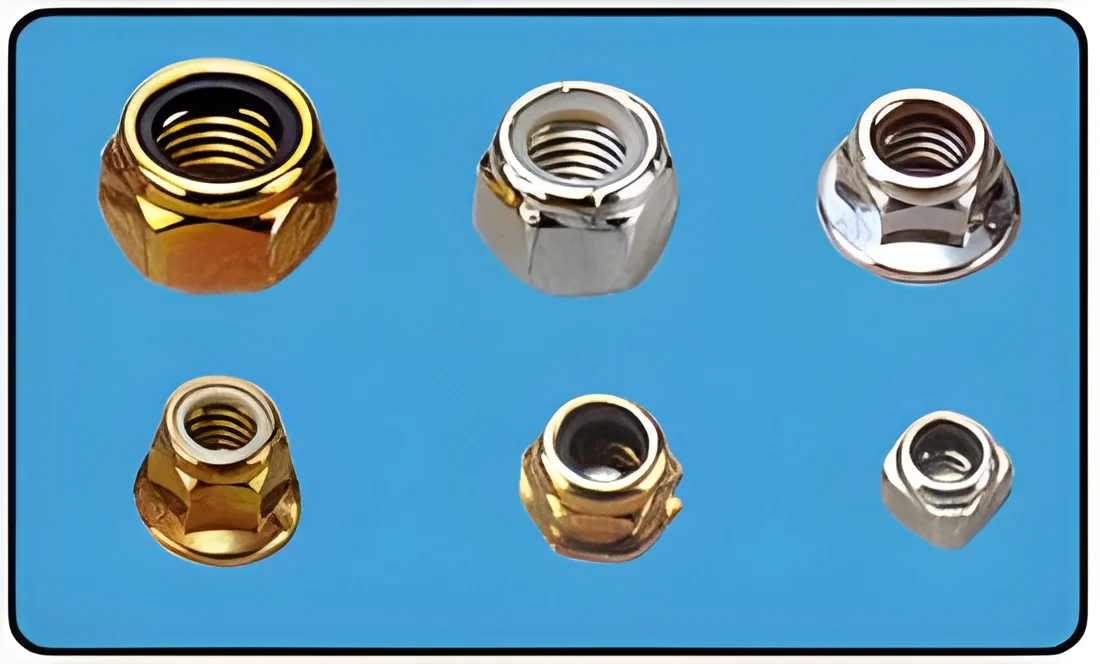
- Locking nuts may have nylon inserts or serrated flanges.
- Provides enhanced resistance to loosening under vibration.
In summary, understanding the features and specifications of nuts is crucial for selecting the right type for specific industrial applications.
Common Applications and Use Cases
Nuts play a significant role in various industries, serving multiple purposes in assembly and construction.
1. Construction: In construction, nuts are used to secure beams, columns, and other structural elements. Their strength and reliability are critical in ensuring the safety of buildings.
2. Automotive: In the automotive industry, nuts are integral to engine assembly and chassis construction. They hold crucial components in place, ensuring optimal vehicle performance.
3. Electronics: Nuts are used in electronic devices to secure circuit boards and other components. Their small size and precision are vital for maintaining device functionality.
4. Furniture: In furniture manufacturing, nuts help assemble various parts, providing stability and durability to the finished product.
5. Aerospace: In aerospace applications, nuts are used in aircraft assembly, where safety and reliability are paramount. They must meet strict standards to ensure performance under extreme conditions.
6. Machinery: Nuts are essential in machinery for securing moving parts. Their ability to withstand mechanical stress is crucial in maintaining operational efficiency.
7. Home Improvement: In DIY projects, nuts are commonly used to secure fixtures and fittings, providing an essential solution for various home applications.
Product Variants and Subcategories
Nuts come in various forms, each designed to meet specific needs.
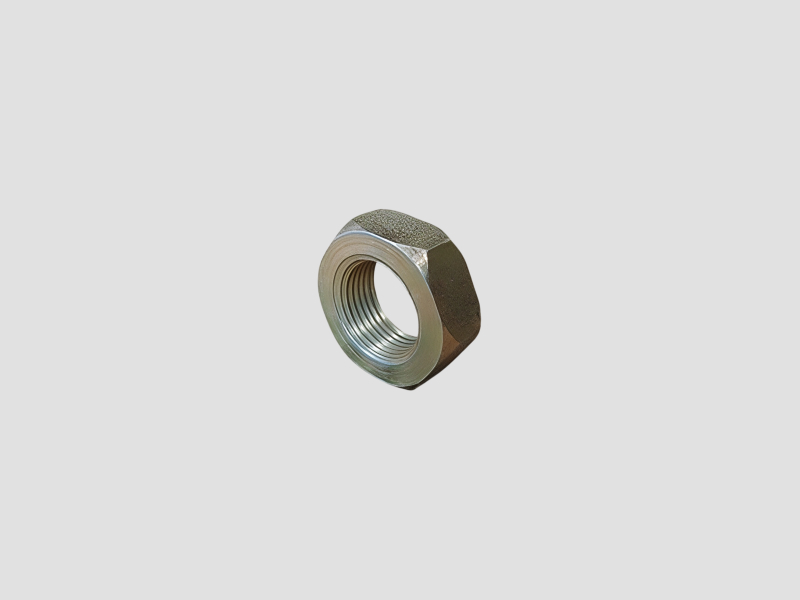
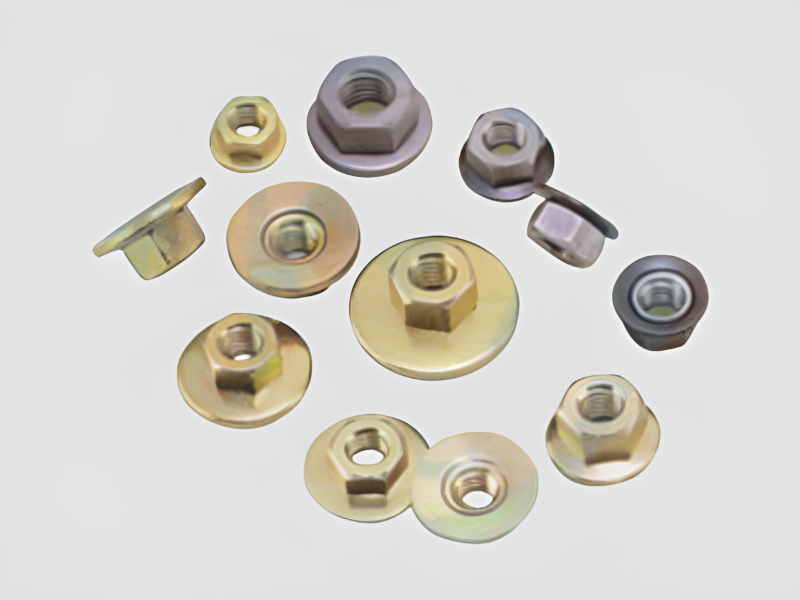
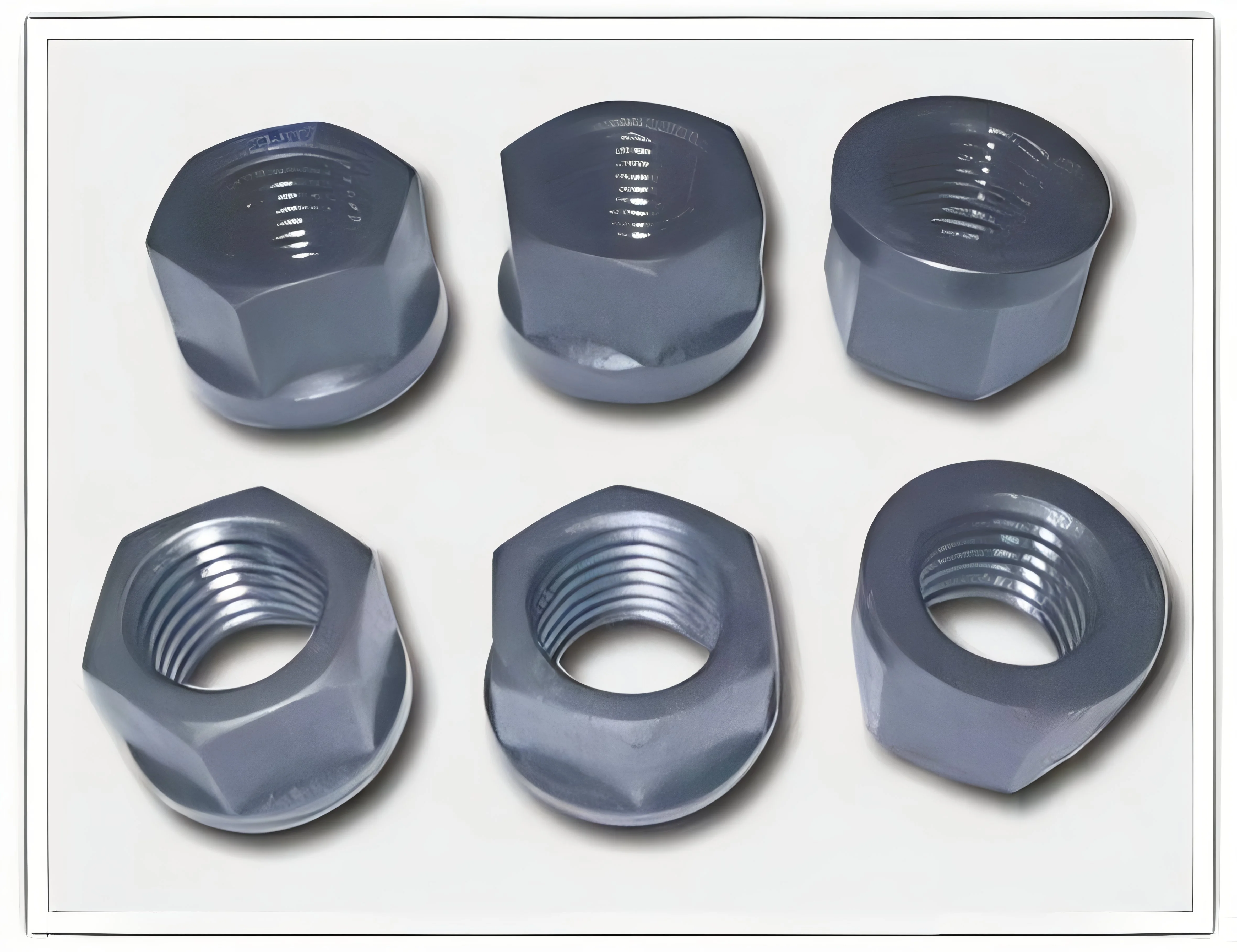
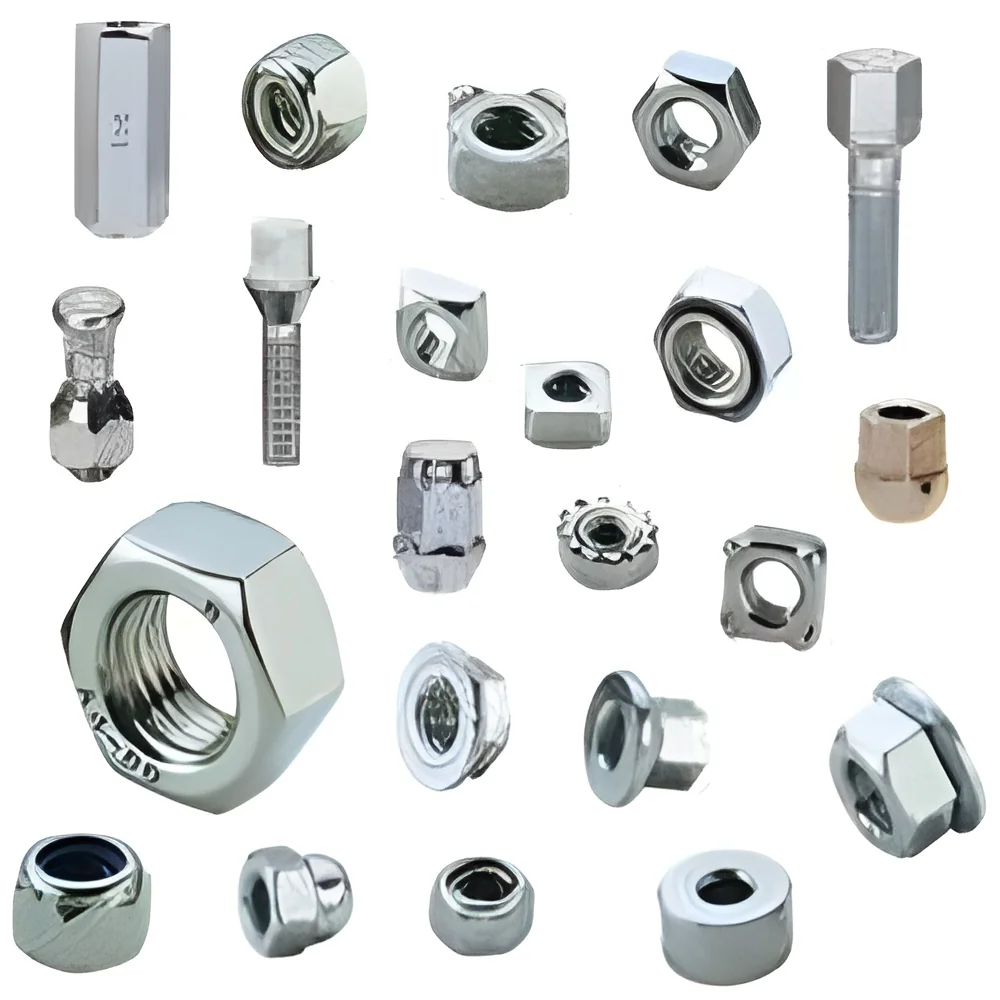
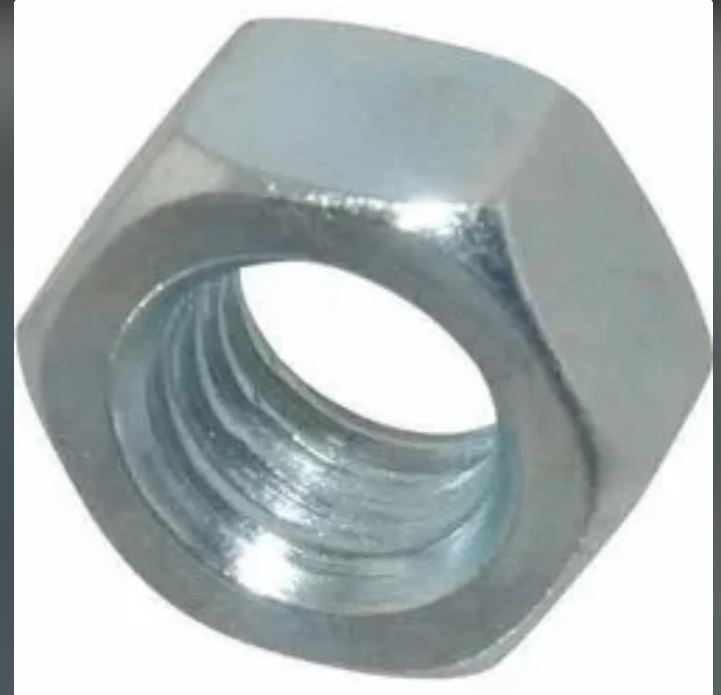
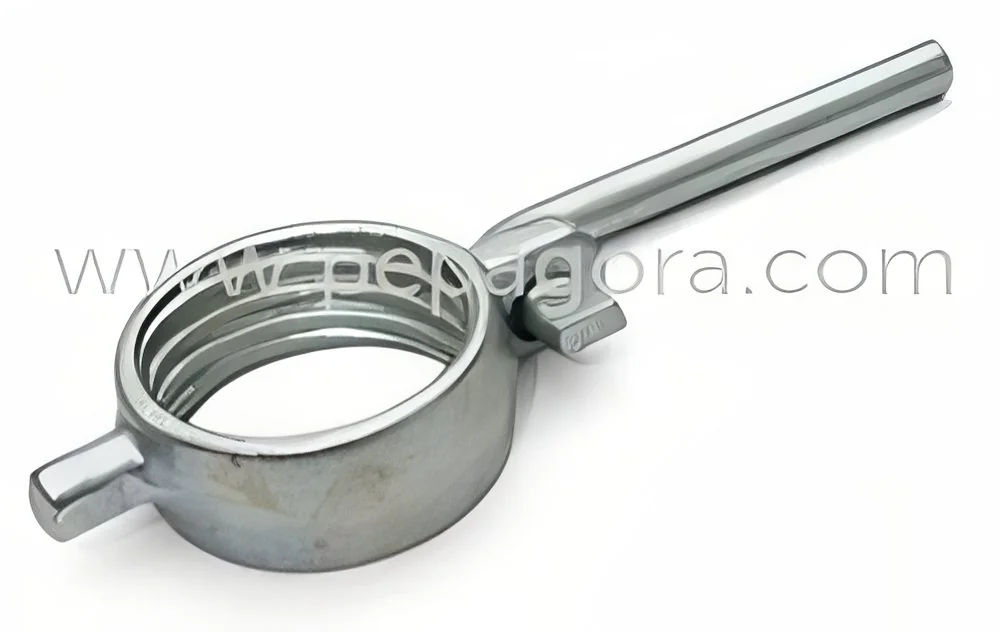
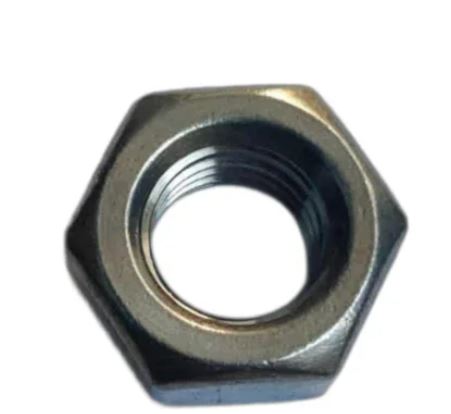
Hex Nuts: The most common type, hex nuts are used in a wide range of applications due to their versatility and standardization. They are suitable for general fastening tasks.
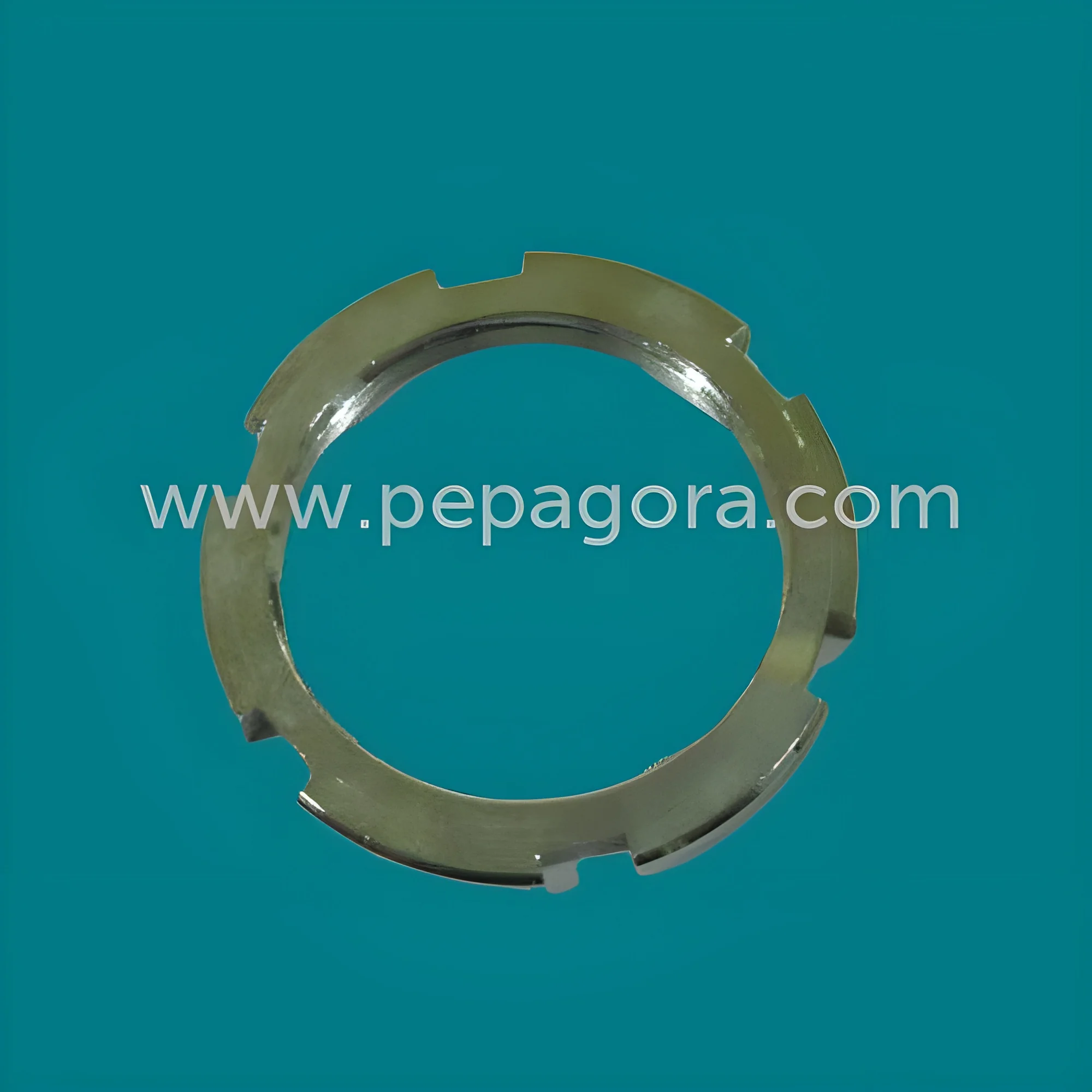
Lock Nuts: These nuts are designed to resist loosening due to vibration. They are often used in high-stress applications, such as automotive and machinery assembly.
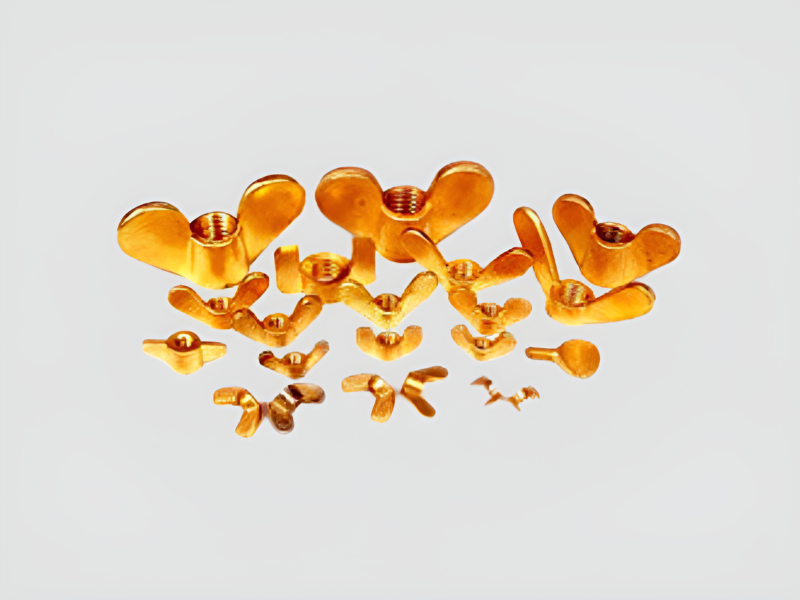
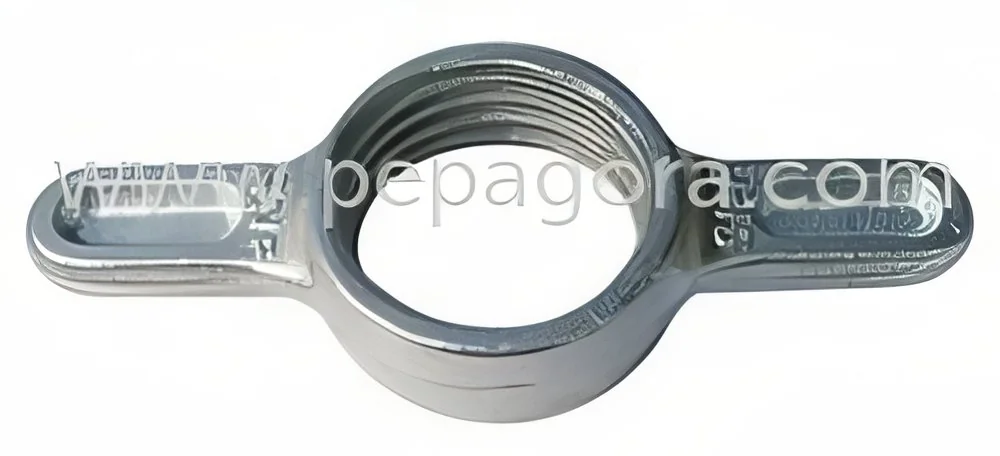
Wing Nuts: Wing nuts allow for easy hand tightening and are ideal for applications where frequent adjustments are required. They are commonly found in furniture assembly and DIY projects.
Cap Nuts: With a closed end, cap nuts provide a finished look to exposed bolts and are often used in decorative applications. They also offer some protection against corrosion.
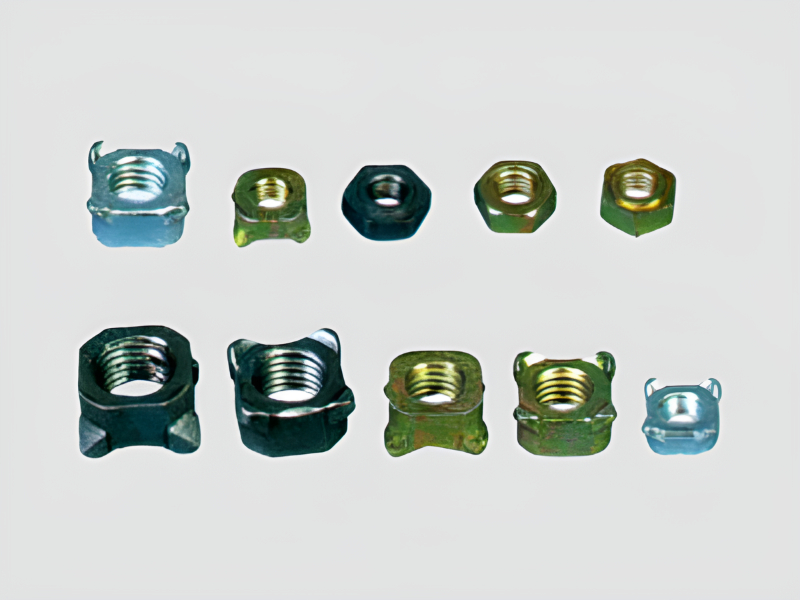
T-Nuts: Designed for use in wood, T-nuts feature prongs that grip the material they are installed in, making them ideal for applications in the furniture and woodworking industries.
Benefits and Advantages
Nuts offer several advantages that make them an essential component in many applications.
1. Strength and Durability: Nuts provide reliable fastening solutions, ensuring components remain secure under stress.
2. Versatility: With various types available, nuts can be used in a wide range of applications across different industries.
3. Cost-Effectiveness: Nuts are generally inexpensive, making them a practical choice for manufacturers and builders.
4. Easy Installation: Many nuts are designed for quick installation, reducing labor time and costs.
5. Enhances Safety: Properly secured nuts contribute to the overall safety and integrity of structures and machinery.
6. Customization Options: Nuts can be produced in various materials, finishes, and sizes to meet specific project requirements.
Buying Guide for B2B Buyers
When sourcing nuts, it is important for B2B buyers to consider various factors to ensure they make informed decisions.
1. Quality Assessment: Buyers should evaluate the quality of nuts based on material, finish, and compliance with industry standards. High-quality nuts will provide better performance and longevity.
2. Supplier Verification: It is essential to vet suppliers for reliability and reputation. Buyers should seek out suppliers with a proven track record and positive customer feedback.
3. Pricing and MOQ: Understanding the pricing structure and minimum order quantities (MOQ) is vital for budget planning. Buyers should compare multiple suppliers to find the best value.
4. Delivery and Lead Times: Consider the logistics involved in sourcing nuts. Buyers should inquire about lead times and delivery options to ensure timely project completion.
5. Compliance Requirements: Ensure that the nuts meet any applicable regulatory standards, such as safety and environmental requirements. Compliance is crucial for avoiding legal issues and ensuring product reliability.
Compliance and Certifications
Nuts are subject to various quality standards and certifications that ensure their reliability and safety in industrial applications. Common standards include ISO 9001, which focuses on quality management systems, and CE marking, which indicates conformity with European health, safety, and environmental protection standards.
Manufacturers may also adhere to additional safety and testing requirements to ensure their products meet industry-specific demands. It is essential for buyers to verify that their suppliers comply with these standards to guarantee product quality.
Regional compliance considerations may vary, so it is crucial for buyers to understand the specific regulations applicable in their geographic area. Ensuring compliance not only protects the buyer but also enhances the product's marketability.
Why Source Nuts (Hex, Lock, Wing, Cap, T-Nuts) from Pepagora?
Pepagora offers a reliable platform for sourcing nuts, providing several key advantages for B2B buyers.
Verified Supplier Network: Pepagora ensures that all suppliers in its network are thoroughly vetted. This provides buyers with confidence in the quality and reliability of their purchases.
Streamlined RFQ Process: The platform features a user-friendly request for quotation (RFQ) process, making it easy for buyers to obtain competitive pricing and terms from multiple suppliers.
Trade Assurance and Support: Pepagora offers trade assurance to protect buyers against potential issues, ensuring a secure purchasing experience. The support team is available to assist with any inquiries or concerns.
Regional Coverage: With a strong presence in India, the GCC, and Southeast Asia, Pepagora provides extensive geographic reach. This allows buyers to connect with local suppliers and access a diverse range of products suited to their needs.

 IN
IN