
 IN
INWashers (Flat, Spring, Fender, Sealing)
4 products available
Key Features and Specifications
Common Applications and Use Cases
Product Variants and Subcategories
Benefits and Advantages
Buying Guide for B2B Buyers
Compliance and Certifications


Frequently Asked Questions
What are Washers (Flat, Spring, Fender, Sealing)?
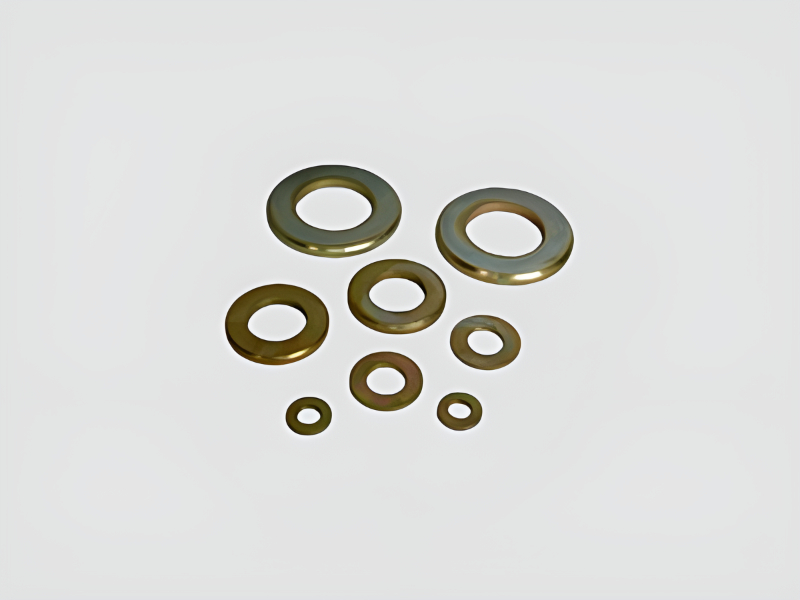
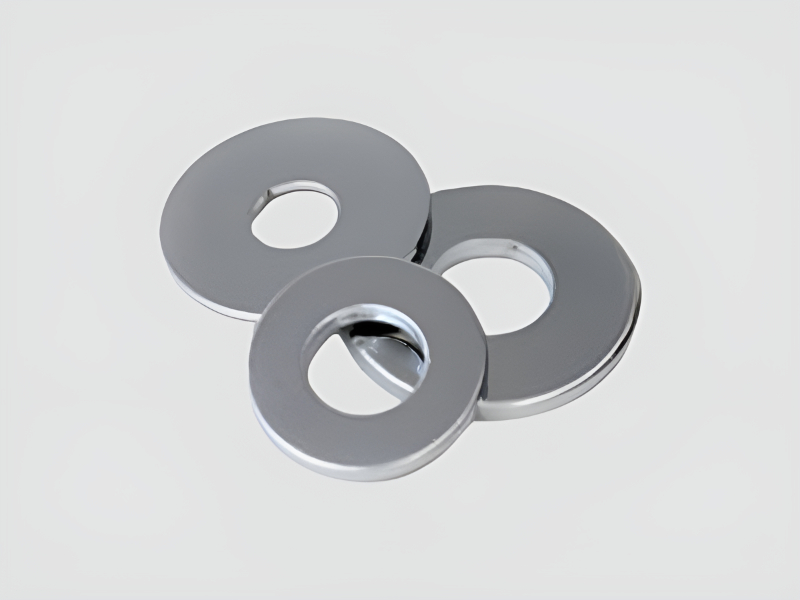
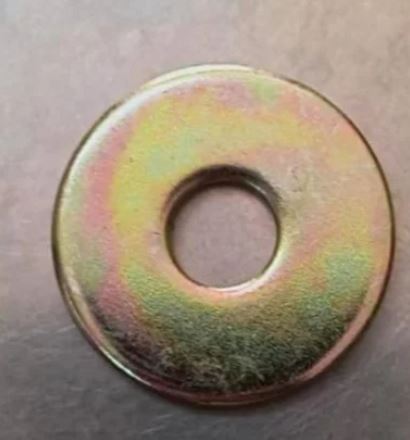
Washers are thin, flat discs that are used to distribute load, prevent leakage, and provide a smooth surface for fasteners. They come in various types, each serving a specific purpose, such as flat washers for load distribution, spring washers for tension, fender washers for larger surface area, and sealing washers to prevent leaks.
What are the different types of Washers (Flat, Spring, Fender, Sealing)?
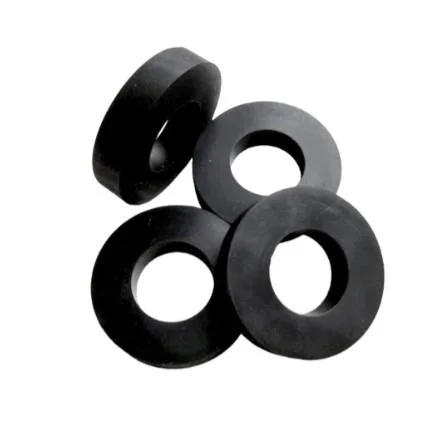
The main types of washers include flat washers, which are used to provide a smooth surface; spring washers, which provide tension; fender washers, designed with a larger outer diameter; and sealing washers, which are used to create a seal and prevent leakage. Each type is designed to fulfill specific requirements in various applications.
How do I choose the right Washers (Flat, Spring, Fender, Sealing)?
Choosing the right washer depends on factors such as the type of application, load requirements, and environmental conditions. Consider the material, size, and thickness of the washer, as well as whether a specific type, like sealing or spring washers, is needed for your project.
What are the standard specifications for Washers (Flat, Spring, Fender, Sealing)?
Standard specifications for washers typically include dimensions such as outer diameter, inner diameter, and thickness. Additionally, material specifications may vary, commonly including steel, stainless steel, or plastic, depending on the application and environmental factors.
What is the price range for Washers (Flat, Spring, Fender, Sealing)?
The price range for washers can vary based on material, size, and type, generally falling between a few rupees to several hundred rupees per piece. Bulk purchases may yield lower prices, so it's advisable to compare quotes from different suppliers.
What quality standards apply to Washers (Flat, Spring, Fender, Sealing)?
Quality standards for washers include compliance with international standards such as ISO, ASTM, and DIN, which ensure consistent performance and reliability. Additionally, manufacturers may conduct tests for material strength, corrosion resistance, and dimensional accuracy.
Where can I find Washers (Flat, Spring, Fender, Sealing) suppliers in India?
You can find suppliers of washers in India through B2B marketplaces like Pepagora, industry directories, or trade shows. It's advisable to research suppliers' credibility, reviews, and product range to find reliable options.
Can Washers (Flat, Spring, Fender, Sealing) be customized?
Yes, many manufacturers offer customization options for washers, including size, material, and design modifications. Custom washers can be tailored to specific project requirements, enhancing their effectiveness in particular applications.
What is the typical minimum order quantity for Washers (Flat, Spring, Fender, Sealing)?
The typical minimum order quantity (MOQ) for washers can vary by supplier and product type, often ranging from 100 to 1000 pieces. It's important to check the MOQ with the manufacturer or supplier you choose for your specific needs.
What is the typical lead time for Washers (Flat, Spring, Fender, Sealing)?
The typical lead time for washers can range from a few days to several weeks, depending on factors such as the type of washer, order quantity, and supplier location. Always confirm lead times with your supplier to ensure timely delivery.
Why Businesses Trust Pepagora
Thousands of companies trust Pepagora to source smarter and sell faster
Expand Your Sales Globally

Source Smarter,Grow Faster
