IN
IN₹
Apparel & Fashion
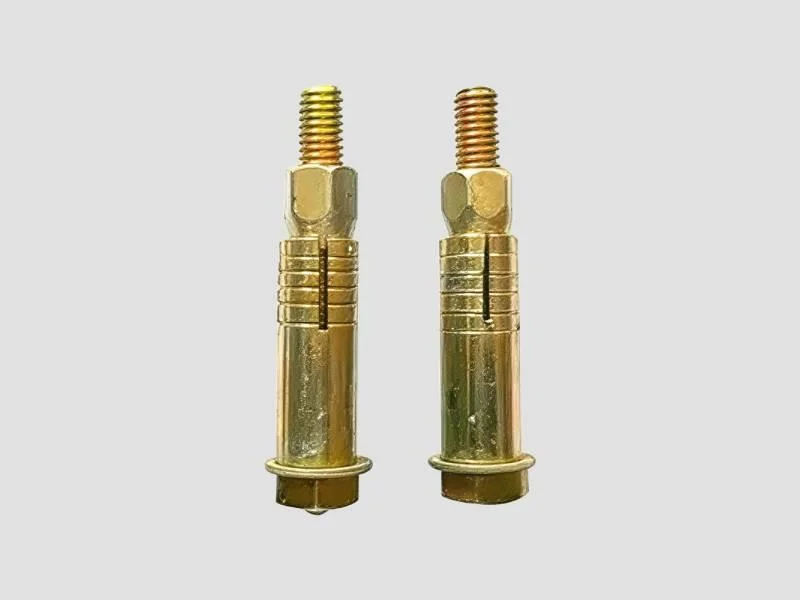
Description
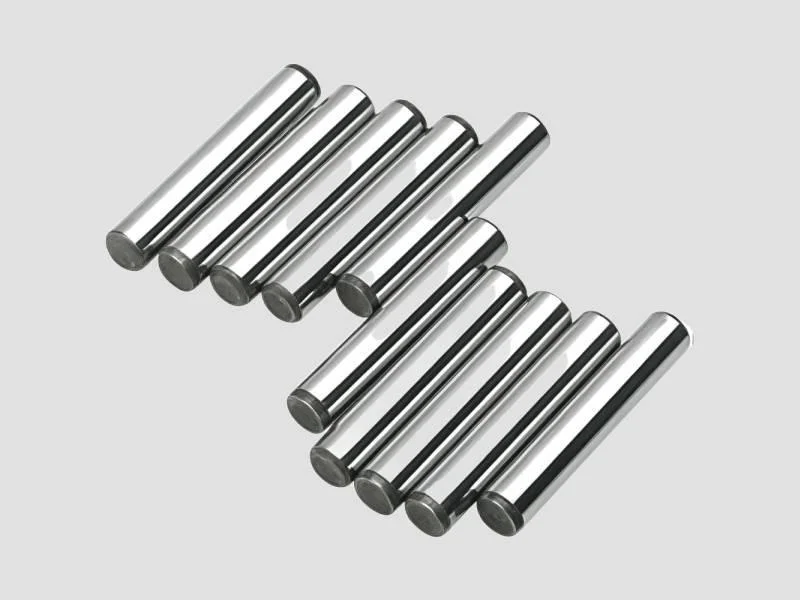
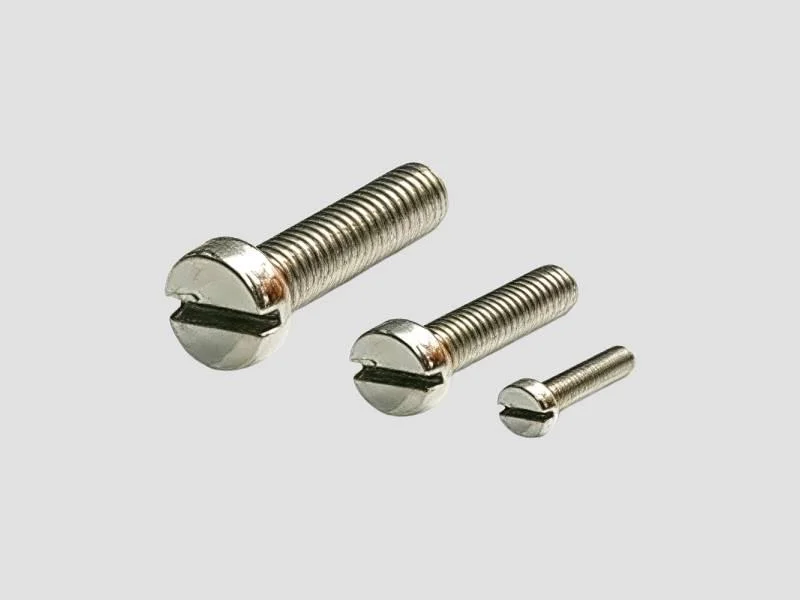
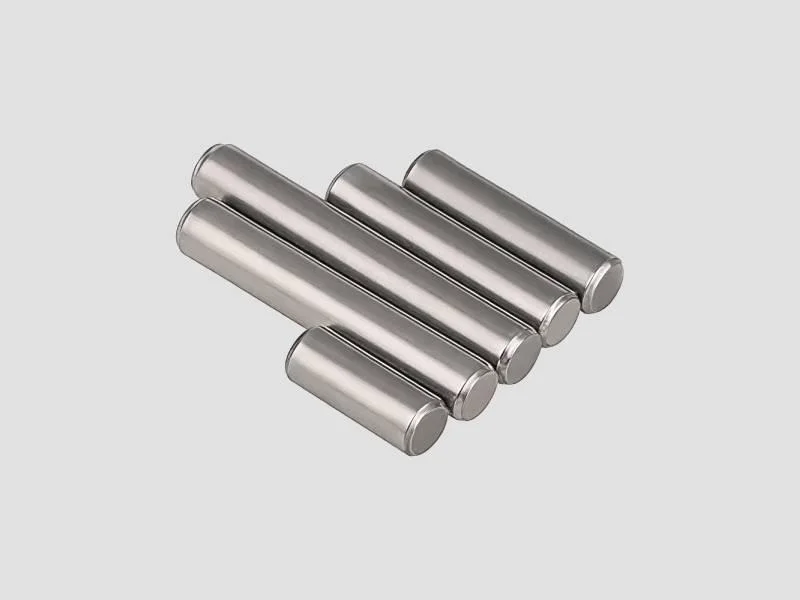
Sleeve bolts represent a fundamental anchoring solution designed for permanent and semi-permanent installations in demanding environments. These heavy-duty mechanical anchors consist of three primary components: a threaded bolt, a metal sleeve, and an expanding cone mechanism. When installed, tightening the bolt draws the cone into the sleeve, causing the sleeve to expand radially against the walls of the pre-drilled hole. This creates a powerful mechanical interlock that provides exceptional pull-out resistance. Available in materials ranging from carbon steel to corrosion-resistant stainless steel (AISI 304/316), sleeve bolts offer tensile strengths between 400-800 MPa and operate effectively across temperature ranges from -20°C to +300°C. Their simple yet robust design ensures reliable performance where safety cannot be compromised.

These anchors serve critical functions across construction, industrial, and infrastructure sectors. In building construction, they secure structural el...
Sleeve bolts represent a fundamental anchoring solution designed for permanent and semi-permanent installations in demanding environments. These heavy-duty mechanical anchors consist of three primary components: a threaded bolt, a metal sleeve, and an expanding cone mechanism. When installed, tightening the bolt draws the cone into the sleeve, causing the sleeve to expand radially against the walls of the pre-drilled hole. This creates a powerful mechanical interlock that provides exceptional pull-out resistance. Available in materials ranging from carbon steel to corrosion-resistant stainless steel (AISI 304/316), sleeve bolts offer tensile strengths between 400-800 MPa and operate effectively across temperature ranges from -20°C to +300°C. Their simple yet robust design ensures reliable performance where safety cannot be compromised.

These anchors serve critical functions across construction, industrial, and infrastructure sectors. In building construction, they secure structural elements like beams, columns, and base plates to concrete foundations. Manufacturing facilities rely on them to mount heavy machinery that must withstand constant vibration and operational stresses. Electrical and mechanical contractors use sleeve bolts to fix panels, conduits, and HVAC systems securely to walls and ceilings. Infrastructure projects employ them for installing safety barriers, signage, and lighting poles that face environmental challenges. The versatility across diameters from M6 to M20 allows engineers to match anchor capacity precisely to application requirements, whether for light fixtures or multi-ton industrial equipment.

The business value of sleeve bolts lies in their proven reliability and cost-effective installation. Unlike chemical anchors that require curing time and specific conditions, sleeve bolts provide immediate load capacity after installation. Their mechanical expansion creates a predictable, consistent hold that engineers can calculate with confidence. This reliability translates to reduced maintenance costs and elimination of anchor failure risks that could lead to costly downtime or safety incidents. The availability in different grades (4.6, 8.8, A2-70) and materials allows selection based on environmental conditions, ensuring longevity even in corrosive or high-temperature settings. For procurement professionals, this means specifying a single anchor type that delivers consistent performance across diverse applications while simplifying inventory management.

Key Features:
- Three-component design with threaded bolt, metal sleeve, and expanding cone mechanism
- Available in multiple materials including carbon steel, mild steel, and stainless steel (AISI 304/316)
- Diameter range from M6 to M20 to accommodate various load requirements
- High tensile strength between 400-800 MPa with excellent shear strength
- Operating temperature range from -20°C to +300°C for diverse environments

Benefits:
- Provides immediate load capacity without curing time required by chemical anchors
- Creates mechanical interlock that resists vibration and prevents loosening over time
- Even load distribution minimizes risk of damage to base concrete or masonry
- Suitable for permanent installations with long-term reliability in structural applications
- Versatile across construction, industrial, and infrastructure sectors with consistent performance
Specifications
| Key Attributes | |
|---|---|
| Material | Carbon Steel / Mild Steel / Stainless Steel (AISI 304 / 316) |
| Grade | 4.6 / 8.8 / A2-70 (depending on material) |
| Diameter Range | M6 to M20 |
| Tensile Strength | 400 – 800 MPa |
| Shear Strength | High – Suitable for Heavy-Duty Anchoring |
| Temperature Range | -20°C to +300°C |
| Additional Information | |
|---|---|
| Country of Origin | India |
Application
Sleeve bolts provide permanent anchoring solutions across multiple sectors where structural integrity is non-negotiable. Their expanding mechanism creates a mechanical lock within concrete, brick, or masonry, distributing loads evenly to prevent material damage. This makes them essential for installations requiring vibration resistance and long-term stability under dynamic forces.
These anchors excel in environments where safety and reliability are paramount. From securing overhead fixtures to withstanding temperature fluctuations, sleeve bolts maintain their grip through years of service. Their design accommodates various materials and diameters, allowing engineers to select the optimal specification for each application's specific load requirements and environmental conditions.
- Anchoring structural steel beams, columns, and support frames to concrete foundations in building construction
- Mounting heavy machinery, industrial equipment, compressors, and generators to factory floors
- Installing safety barriers, guard rails, handrails, and protective structures in commercial facilities
- Securing electrical panels, cable management systems, and HVAC units to walls and ceilings
- Fixing signage, lighting poles, and outdoor fixtures to withstand weather exposure and wind loads
Trade Details
| Available Stock | In Stock |
| Sample Availability | No |
Payment Terms
| Payment Terms |
|
Company Profile

Chennai Enterprises, Tamil Nadu
 Tamil Nadu, India
Tamil Nadu, India16 yrs
Manufacturer•Retailer
Turn Over
₹25 Lakhs – ₹1 Crore
Factory Details
Factory SizeBelow 1000 sqm
Heavy Duty Sleeve Bolt Anchors For Concrete, Brick & Masonry Carbon/Stainless Steel
Sleeve Bolt heavy-duty anchors feature a threaded bolt, metal sleeve, and expanding cone mechanism for secure concrete anchoring. Available in carbon steel or stainless steel with high tensile strength for reliable industrial and construction applications.
Min. Order Quantity: 1
Shipping
Shipping fee and delivery date to be negotiated. Contact supplier now for more details.
Chennai Enterprises Tamil Nadu, India
Tamil Nadu, IndiaManufacturer