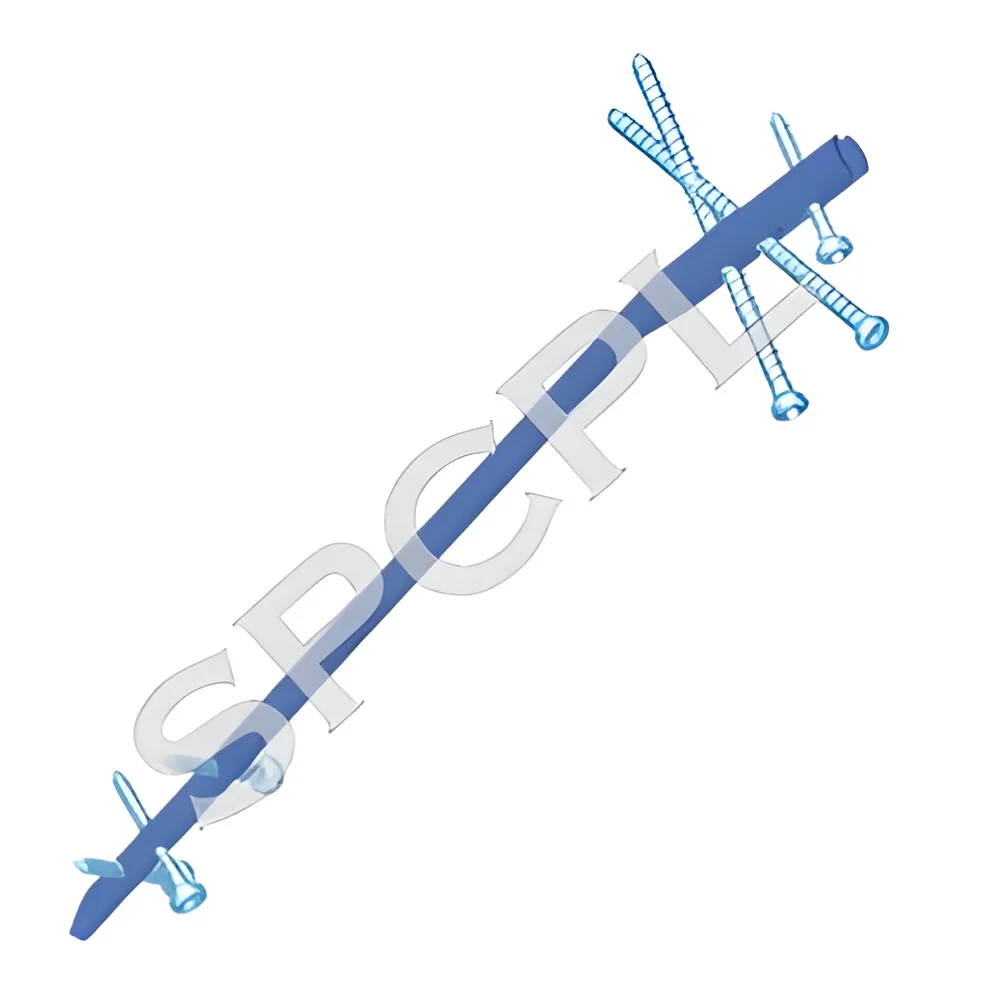
What are Nails?
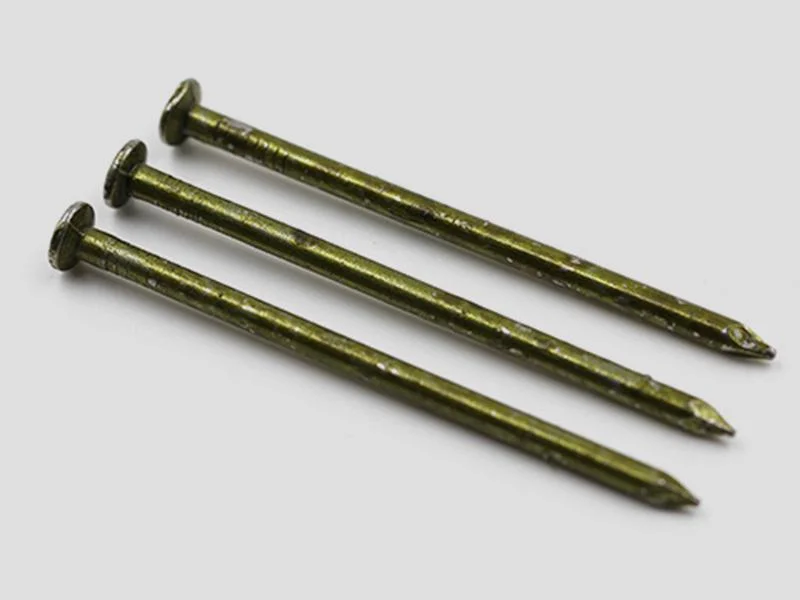
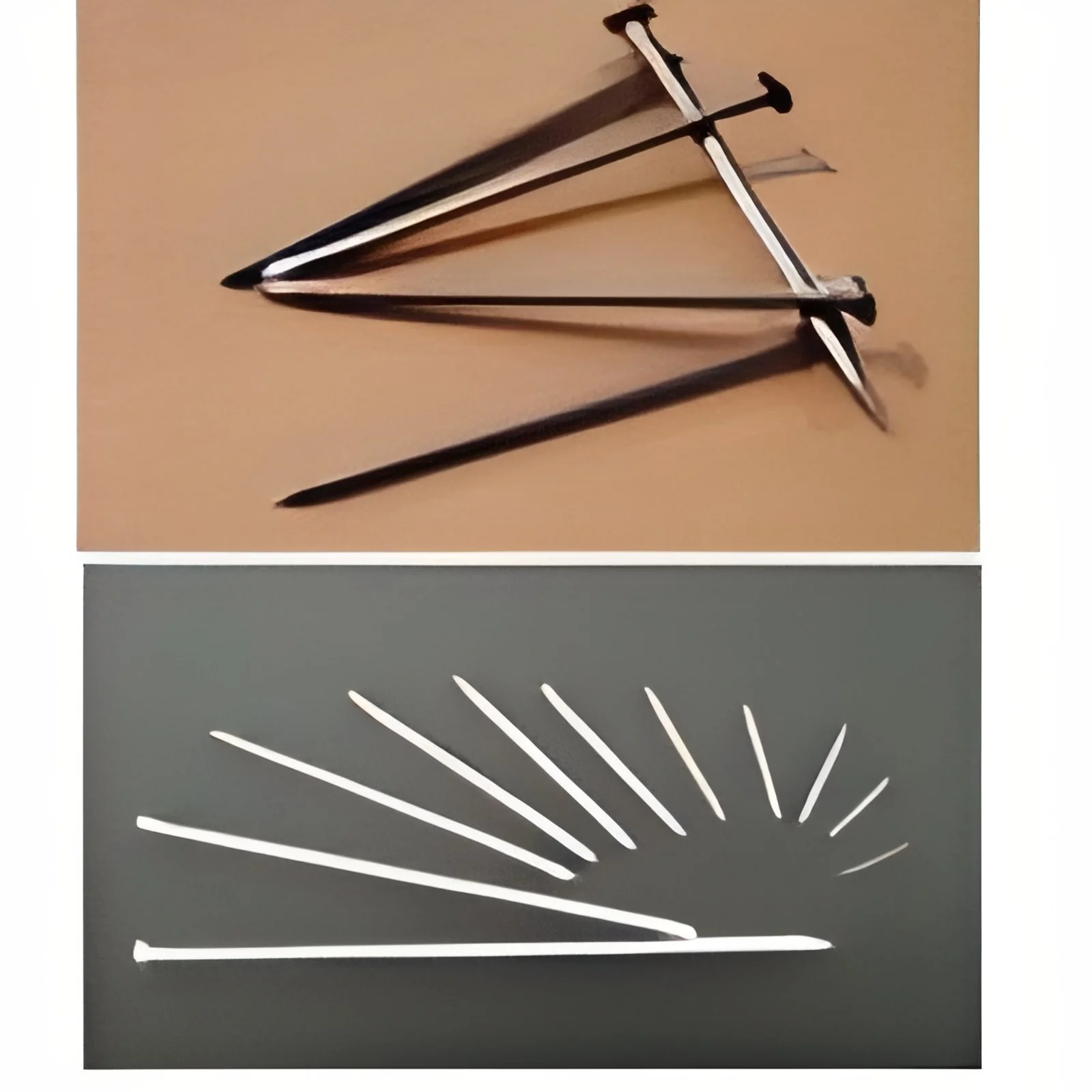
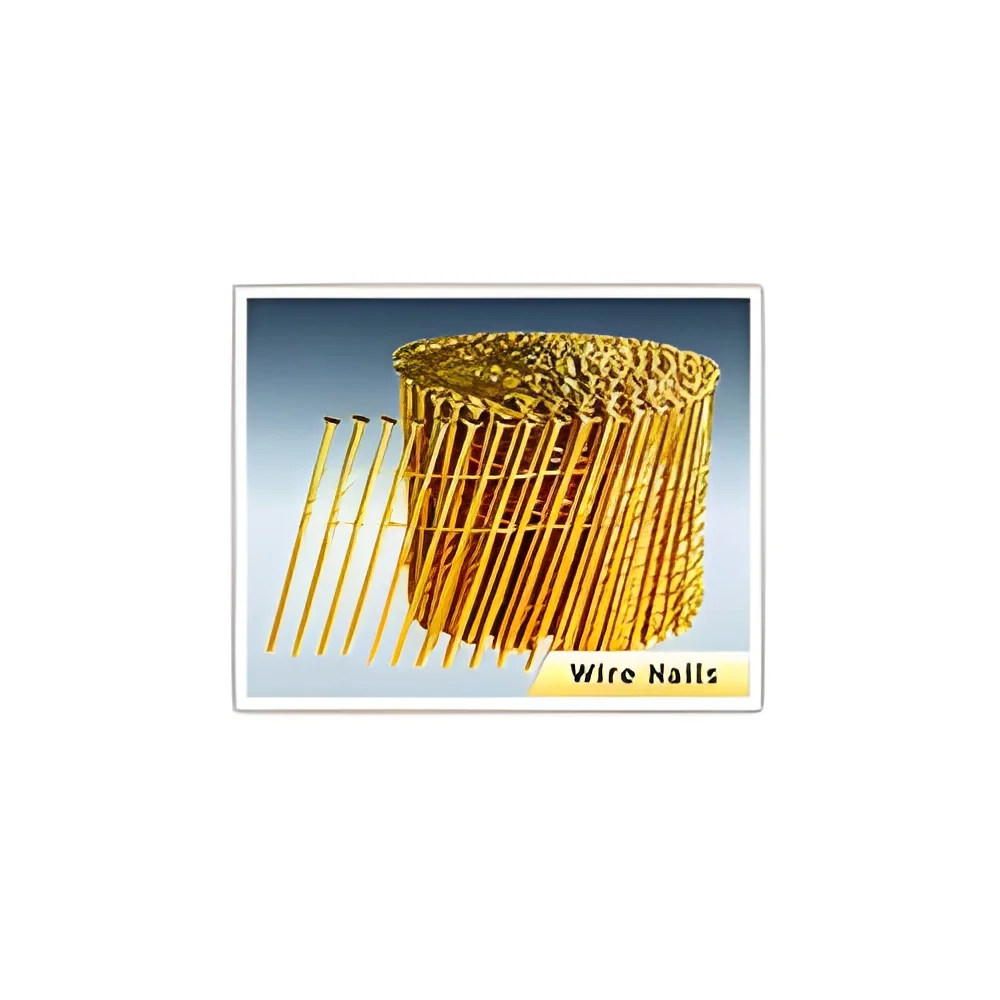
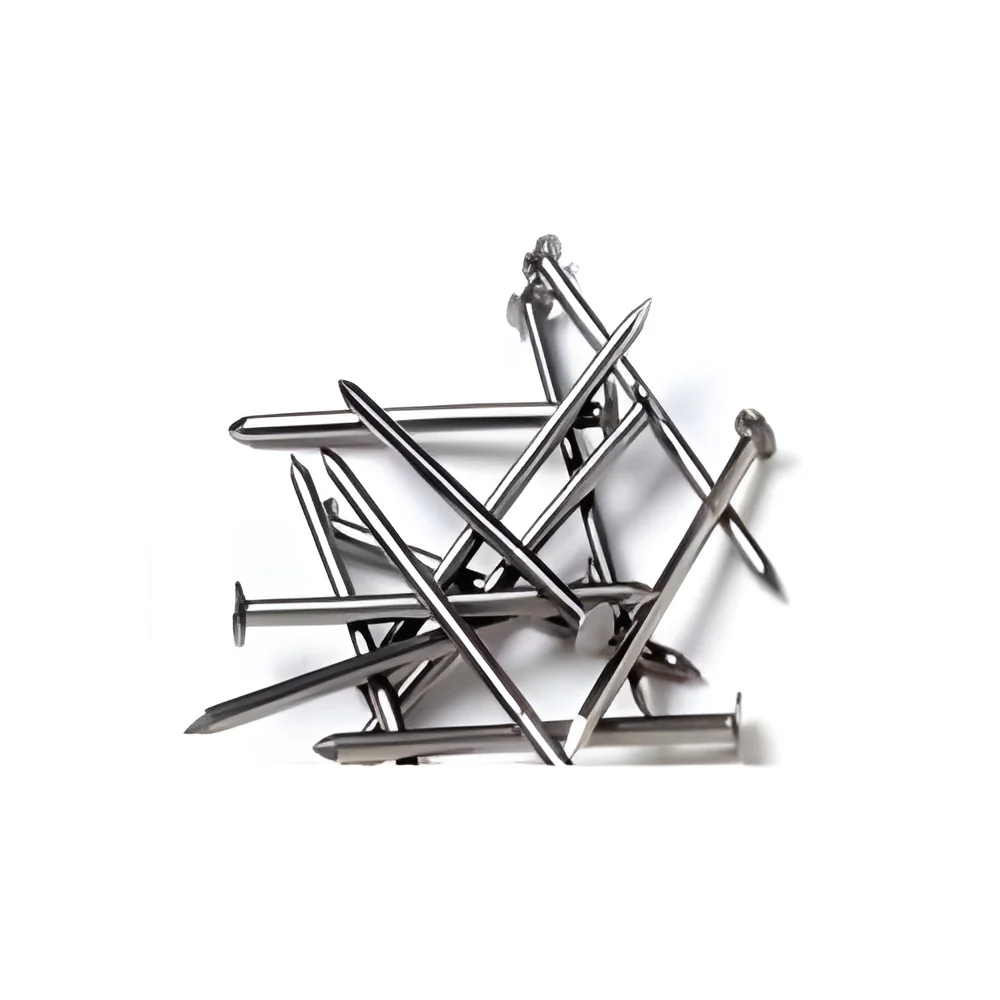
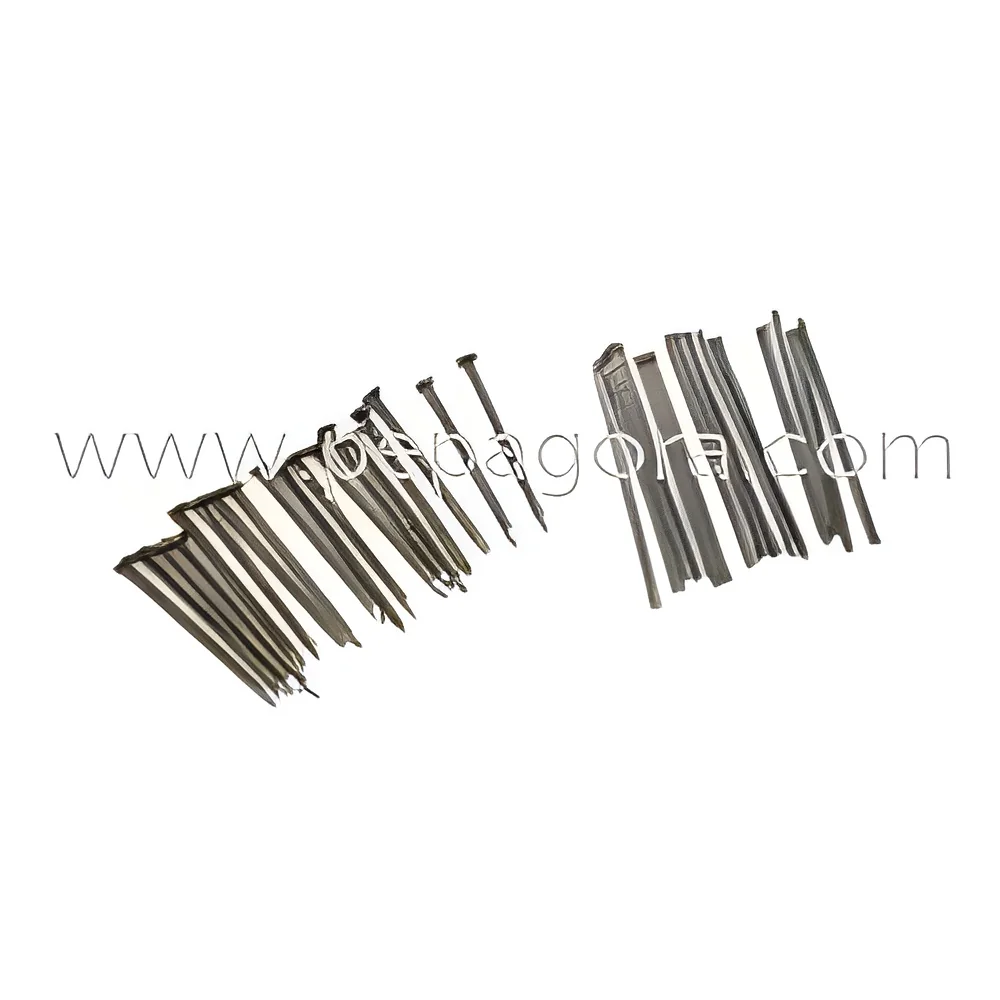
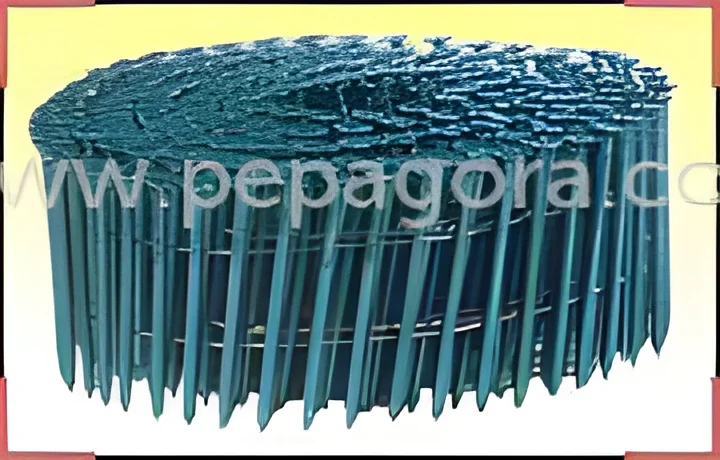
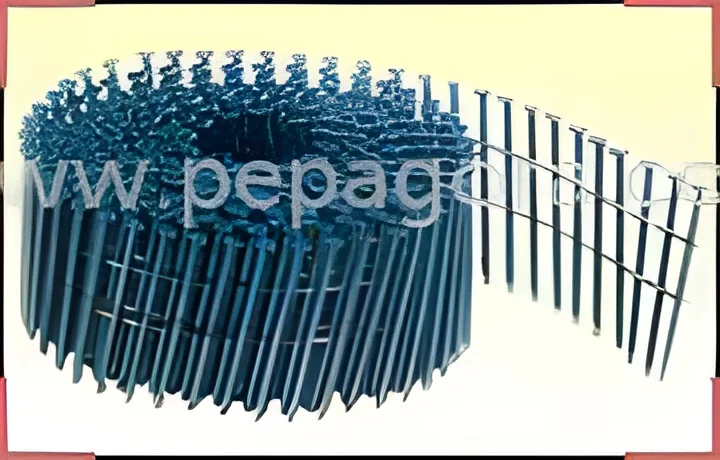
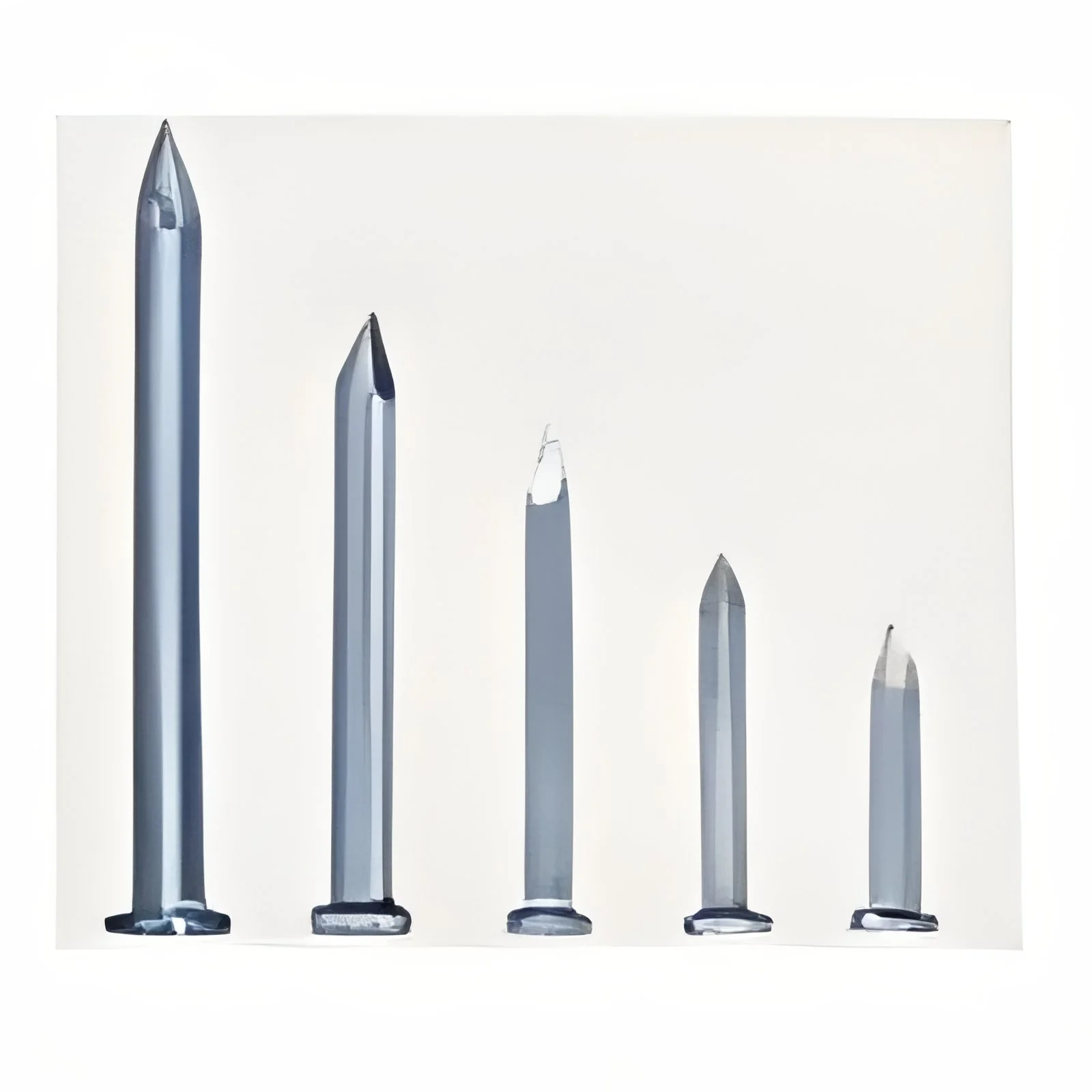
Nails are small metal fasteners used primarily in construction and woodworking. They are designed with a pointed end for easy penetration into various materials and a flat head to hold items together securely. Nails come in various sizes, types, and materials, making them versatile tools for a wide range of applications. Their simplicity and effectiveness have made them a staple in many industries.
The primary uses of nails include fastening wood, attaching materials, and securing components in both residential and industrial construction. They are commonly used in framing, roofing, flooring, and furniture making, among other applications. Different types of nails are designed for specific tasks, such as framing nails, finishing nails, and masonry nails, each tailored to meet the needs of various projects. The nail industry is essential to the broader construction market, with steady demand driven by ongoing building and renovation activities.
In recent years, the market for nails has expanded due to the growth of construction projects globally. The demand for nails is closely tied to trends in housing, infrastructure development, and manufacturing sectors. As industries evolve, nails continue to play a crucial role in ensuring structural integrity and durability in numerous applications.
Key Features and Specifications
Nails are characterized by various features and specifications that determine their performance and suitability for specific applications. Understanding these specifications is essential for businesses looking to source the right nails for their needs.
Key specifications include:
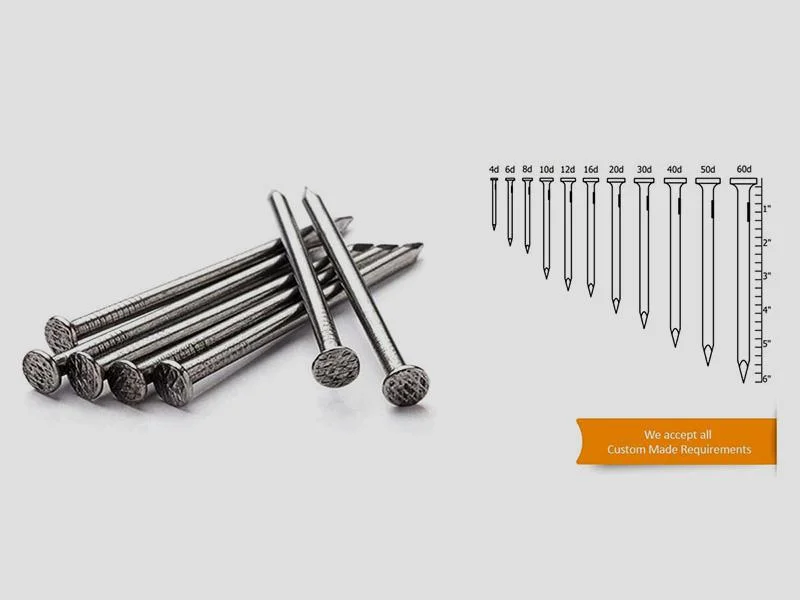
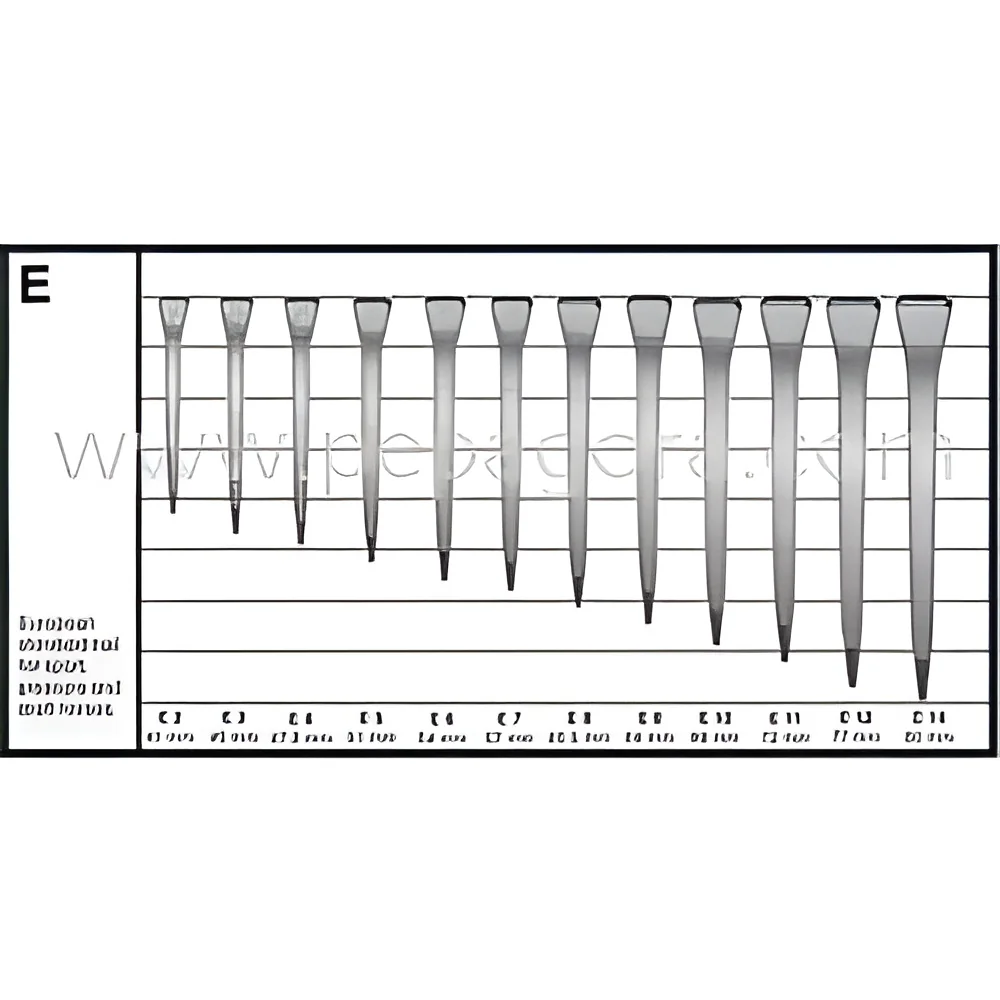
1. Nail Length
- Common lengths range from 1 inch to 6 inches.
- Longer nails provide greater holding power for heavier applications.
2. Nail Diameter
- Measured in gauge, typical diameters range from 16 to 18 gauge.
- Thicker nails offer increased strength and stability.
3. Nail Material
- Common materials include steel, stainless steel, and galvanized options.
- Material choice affects corrosion resistance and durability.
4. Nail Head Type
- Available in flat, round, and sinker head styles.
- Different head types cater to various fastening needs.
5. Nail Point Type
- Options include diamond point, blunt point, and fluted point.
- Point type influences penetration ease and holding strength.
6. Coating Options
- Nails may be coated with zinc, vinyl, or other materials for added protection.
- Coatings enhance corrosion resistance and improve longevity.
7. Packaging Type
- Nails are available in bulk boxes, plastic pails, or smaller consumer packs.
- Packaging choice can impact convenience and cost.
8. Compliance Standards
- Many nails meet industry standards such as CE certification.
- Compliance ensures quality and safety in construction applications.
Understanding these specifications helps businesses select the most appropriate nails for their projects, ensuring quality and reliability.
Common Applications and Use Cases
Nails serve a multitude of industries, each with unique applications that highlight their importance.
1. Construction: Nails are extensively used in residential and commercial building projects for framing, roofing, and flooring. Their strength and reliability make them essential for structural integrity.
2. Furniture Manufacturing: In the creation of wooden furniture, nails are frequently used to join components together. They provide a solid hold that contributes to the durability of the finished product.
3. Automotive: Specialized nails are utilized in automotive assembly, securing various components and enhancing vehicle safety.
4. Packaging: Nails are commonly used in the manufacturing of pallets and crates, ensuring that goods are securely packaged for transport.
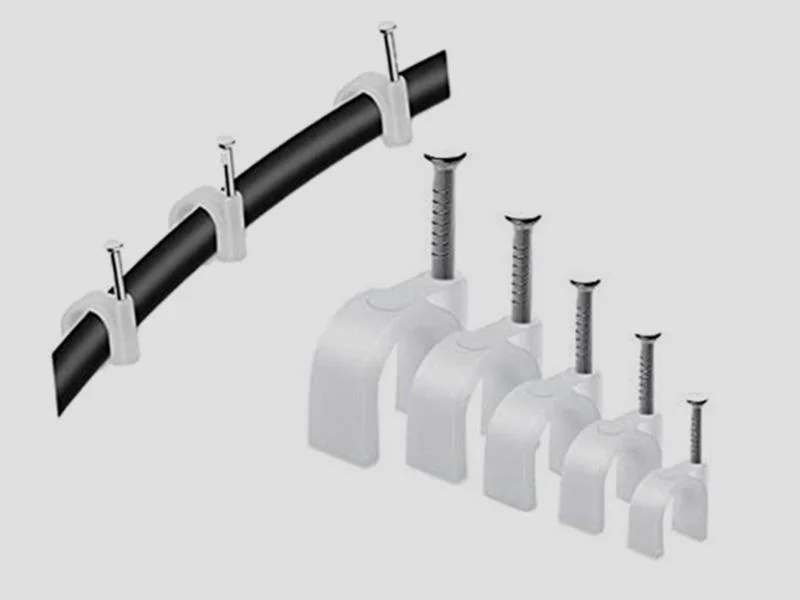
5. Electrical: Certain types of nails are used to secure electrical wiring and components, ensuring safety and organization within electrical installations.
6. DIY Projects: For hobbyists and contractors alike, nails are a go-to fastener for various home improvement and DIY projects, allowing for easy assembly and repair.
7. Landscaping: Landscape professionals use nails to secure landscaping materials like fabric and borders, helping to maintain the aesthetic of outdoor spaces.
Product Variants and Subcategories
Nails come in a diverse range of variants, each designed for specific applications and environments. This diversity allows businesses to choose the right type for their projects.
Framing Nails
Framing nails are typically longer and thicker, designed for heavy-duty construction tasks. They provide strong holding power, making them ideal for framing walls and roofs.
Finishing Nails
These nails have a smaller head and finer gauge, making them suitable for trim work and cabinetry. They offer a clean finish that minimizes visible fasteners.
Masonry Nails
Masonry nails are designed to penetrate hard materials like concrete or brick. They are made from hardened steel and are essential for securing items to masonry surfaces.
Roofing Nails
These nails feature a larger head and are often galvanized to resist corrosion. They are specifically designed for securing roofing materials, ensuring durability against weather elements.
Spiral Nails
Spiral nails have a twisted design that provides improved holding power compared to standard nails. They are frequently used in applications requiring greater resistance to pull-out.
Benefits and Advantages
Nails offer several advantages that make them a preferred fastener choice in various industries.
1. Cost-Effective: Nails are generally inexpensive compared to other fastening solutions, making them budget-friendly for large projects.
2. Easy Installation: The straightforward application process of nails allows for quick assembly, saving time and labor costs.
3. Strong Holding Power: Nails provide robust fastening capabilities, ensuring structural integrity in applications where strength is critical.
4. Versatility: Available in multiple sizes, materials, and types, nails can be used in a wide range of applications across different industries.
5. Minimal Equipment Needed: Installing nails typically requires basic tools, making them accessible for both professionals and DIY enthusiasts.
6. Reliable Performance: Quality nails are designed to withstand various environmental conditions, providing long-lasting performance and reliability.
Buying Guide for B2B Buyers
When sourcing nails for business needs, there are several factors to consider to ensure the right selection.
1. Quality Assessment: Evaluate the quality of nails based on material composition, manufacturing standards, and performance metrics. High-quality nails will enhance the durability of your projects.
2. Supplier Verification: Vetting suppliers is crucial for ensuring reliability and product quality. Look for suppliers with a proven track record and positive industry reputation.
3. Pricing and MOQ: Understand the pricing structure and minimum order quantities (MOQ) offered by suppliers. This helps in budgeting and ensures you meet order requirements.
4. Delivery and Lead Times: Inquire about delivery schedules and lead times. Timely delivery is essential for keeping projects on track and avoiding delays.
5. Compliance Requirements: Ensure that the nails meet relevant industry standards and certifications, such as CE, to guarantee safety and quality in your applications.
Compliance and Certifications
Nails are subject to various compliance standards and certifications that ensure their safety and suitability for use in construction and manufacturing.
One key quality standard is ISO 9001, which outlines requirements for quality management systems. Adherence to this standard indicates that a manufacturer consistently provides products that meet customer and regulatory requirements.
CE certification is also relevant for nails, particularly in the European market. This certification signifies that the product meets essential safety and environmental requirements, allowing for easier access to European markets.
Safety and testing requirements are critical in ensuring that nails perform effectively without compromising structural integrity. Manufacturers often conduct rigorous testing to ensure their products meet these standards.
Regional compliance considerations may also apply, depending on the market in which the nails are sold. Different regions may have specific regulations regarding materials and manufacturing processes, which buyers must consider.
Why Source Nails from Pepagora?
Pepagora provides a trusted platform for sourcing nails, offering numerous advantages for B2B buyers.
Verified Supplier Network: Pepagora connects buyers with verified suppliers, ensuring that the products meet quality standards and industry requirements. This verification process enhances buyer confidence in their sourcing decisions.
Streamlined RFQ Process: The platform simplifies the request for quotation (RFQ) process, allowing buyers to easily compare options and make informed purchasing decisions. This efficiency saves time and resources.
Trade Assurance and Support: Pepagora offers trade assurance, protecting buyers throughout the transaction. This support ensures that buyers receive what they expect in terms of product quality and delivery.
Regional Coverage: With a presence in India, the GCC, and Southeast Asia, Pepagora provides extensive geographic reach. This allows buyers to access a wide range of suppliers and products tailored to their regional needs.

 IN
IN