
 IN
Expansion Bolts
1 products available
What are Expansion Bolts?
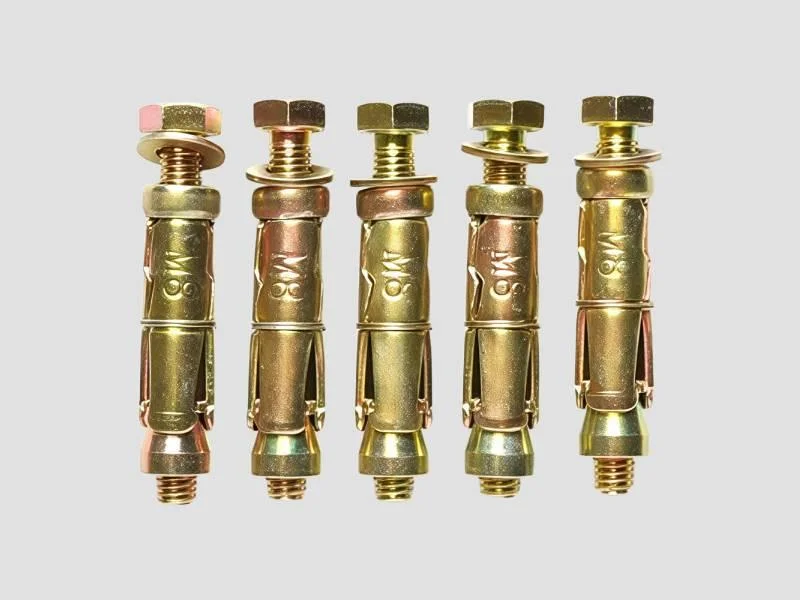
Expansion bolts are a type of fastener designed to anchor objects to concrete, brick, or masonry. They work by expanding within the material as the bolt is tightened, creating a secure hold. This expansion mechanism allows for strong and reliable connections, making expansion bolts essential in various construction and engineering applications.
These fasteners are primarily used in heavy-duty applications where traditional screws or nails would not provide sufficient strength. Common uses include attaching structural elements, securing heavy machinery, and installing safety rails. Expansion bolts are crucial for ensuring stability and safety in both residential and commercial structures. The market for these fasteners continues to grow as industries demand more robust and reliable anchoring solutions.
Key Features and Specifications
Expansion bolts come with several critical features that enhance their performance in a variety of applications. These features contribute to their reliability and effectiveness in securing heavy loads in concrete and masonry.
Key specifications include:
1. Material Composition
- Typically made from steel, stainless steel, or other durable materials
- Provides corrosion resistance and strength
2. Bolt Length
- Available in various lengths to accommodate different thicknesses of materials
- Common ranges from 2 inches to 12 inches
3. Diameter
- Standard diameters range from 1/4 inch to 1 inch
- Allows for selection based on load requirements
4. Load Capacity
- Varies based on bolt size and material
- Can support loads from hundreds to thousands of pounds
5. Expansion Mechanism
- Designed with a sleeve that expands upon tightening
- Ensures a secure grip within the base material
6. Installation Method
- Requires a pre-drilled hole for insertion
- Can be installed using standard tools
7. Compliance Standards
- Manufactured to meet industry standards such as CE certification
- Ensures reliability and safety in construction applications
In summary, expansion bolts are engineered for strength and reliability. Their specifications cater to a variety of heavy-duty applications, making them an essential component in construction and engineering.
Common Applications and Use Cases
Expansion bolts are utilized across multiple industries for various applications.
1. Construction: Frequently used to secure structural beams, columns, and safety barriers in buildings and bridges.
2. Manufacturing: Employed to anchor heavy machinery and equipment to concrete floors in factories.
3. Automotive: Used for mounting components in assembly lines and securing parts to heavy vehicles.
4. Electrical: Ideal for fastening electrical equipment and systems to masonry or concrete structures.
5. HVAC: Commonly used to install ventilation systems and support ductwork in commercial buildings.
6. Telecommunications: Employed to secure towers and other equipment to ensure stability and safety.
7. Marine: Utilized in shipbuilding and dock construction for securing various structures to underwater surfaces.
Product Variants and Subcategories
Expansion bolts come in various forms, catering to specific needs in different applications.
Standard Expansion Bolts
These are the most common type, designed for general use in concrete and masonry. They provide reliable anchoring for a wide range of applications.
Sleeve Anchors
This variant features a sleeve that expands against the walls of the drilled hole, providing a secure hold. Ideal for use in hollow and solid materials, sleeve anchors are versatile and easy to install.
Wedge Anchors
Known for their high load capacity, wedge anchors are designed for heavy-duty applications. They provide a strong grip and are commonly used in construction projects requiring robust anchoring solutions.
Benefits and Advantages
Expansion bolts offer numerous benefits that make them a preferred choice in various industries.
1. High Load Capacity: They can support significant weight, making them suitable for heavy-duty applications.
2. Versatility: Compatible with various materials, including concrete, brick, and masonry, which enhances their usability across different projects.
3. Easy Installation: Simple to install with standard tools, saving time and reducing labor costs.
4. Durable Construction: Made from high-quality materials, expansion bolts resist corrosion and wear, ensuring long-lasting performance.
5. Increased Safety: Their secure hold minimizes the risk of failure, enhancing safety in construction and manufacturing environments.
6. Cost-Effective: Their reliability and durability reduce the need for replacements, providing long-term savings for businesses.
Buying Guide for B2B Buyers
When sourcing expansion bolts, it is vital for B2B buyers to consider several factors to ensure they select the right product for their needs.
1. Quality Assessment: Evaluate the materials and manufacturing processes to ensure the bolts meet industry standards for strength and durability.
2. Supplier Verification: Conduct background checks on suppliers to confirm their reputation and reliability in delivering quality products.
3. Pricing and MOQ: Compare pricing from different suppliers and understand the minimum order quantity to make informed purchasing decisions.
4. Delivery and Lead Times: Discuss logistics with suppliers to ensure timely delivery of products, especially for projects with tight schedules.
5. Compliance Requirements: Verify that expansion bolts meet necessary regulatory and safety standards relevant to your industry.
Compliance and Certifications
Expansion bolts are subject to various quality standards and certifications, ensuring their safety and reliability in use. ISO 9001 certification indicates that manufacturers adhere to international quality management principles, which are crucial for producing high-quality fasteners.
Additionally, CE certification signifies compliance with European safety, health, and environmental protection standards. This certification is essential for expansion bolts used in construction and engineering applications across Europe.
Manufacturers must also conduct rigorous safety and testing requirements to validate the performance of expansion bolts. This includes assessments of load capacity, durability, and resistance to environmental factors. Buyers should also consider regional compliance requirements based on the geographical area where the bolts will be used, as different regions may have specific regulations.
Why Source Expansion Bolts from Pepagora?
Pepagora provides a trusted platform for sourcing expansion bolts, offering several key advantages to buyers in the B2B sector.
Verified Supplier Network: Pepagora connects buyers with a network of verified suppliers. This ensures that all suppliers meet strict quality standards, giving buyers confidence in their purchases.
Streamlined RFQ Process: The Request for Quotation (RFQ) system allows buyers to easily compare prices and specifications from multiple suppliers. This simplifies the procurement process and helps in making well-informed decisions.
Trade Assurance and Support: Pepagora offers trade assurance to protect buyers throughout the sourcing process. This includes support for any issues that may arise, ensuring a smooth transaction.
Regional Coverage: With a broad geographic reach, Pepagora provides access to suppliers in India, the GCC, and Southeast Asia. This diverse network allows buyers to find the right products for their specific market needs, enhancing flexibility and choice.

Frequently Asked Questions
What are Expansion Bolts?
Expansion bolts are a type of anchor fastener used to attach objects to solid materials like concrete or masonry. They work by expanding within the hole as the bolt is tightened, creating a secure hold that can support significant loads.
What are the different types of Expansion Bolts?
There are several types of expansion bolts, including wedge anchors, sleeve anchors, and drop-in anchors. Each type is designed for specific applications and materials, providing varying levels of strength and load-bearing capacity.
How do I choose the right Expansion Bolts?
Choosing the right expansion bolts involves considering the material you are anchoring into, the load requirements, and the environmental conditions. It is also important to match the size and type of bolt to the specific application for optimal performance.
What are the standard specifications for Expansion Bolts?
Standard specifications for expansion bolts typically include dimensions, material grades, tensile strength, and corrosion resistance ratings. Common materials used include steel and stainless steel, and standards may vary by region.
What is the price range for Expansion Bolts?
The price range for expansion bolts can vary widely based on size, material, and supplier. Generally, prices can start from a few rupees for smaller bolts to several hundred rupees for larger, specialized options.
What quality standards apply to Expansion Bolts?
Quality standards for expansion bolts may include compliance with international standards such as ISO or ASTM. These standards ensure that the bolts meet specific performance, safety, and reliability criteria.
Where can I find Expansion Bolts suppliers in India?
You can find expansion bolts suppliers in India through online B2B marketplaces, industrial supply stores, and manufacturer directories. Platforms like Pepagora offer listings for reliable suppliers and manufacturers in this category.
Can Expansion Bolts be customized?
Yes, expansion bolts can often be customized based on specific requirements such as size, material, and coating. It is advisable to consult with manufacturers to discuss customization options that fit your project needs.
What is the typical minimum order quantity for Expansion Bolts?
The typical minimum order quantity (MOQ) for expansion bolts can vary depending on the supplier and the specific type of bolt. Generally, MOQs may range from 50 to 100 units, but it's best to confirm with the supplier.
What is the typical lead time for Expansion Bolts?
The typical lead time for expansion bolts can range from a few days to several weeks, depending on factors such as order size, customization, and supplier location. It's recommended to check with the specific supplier for accurate timelines.
Why Businesses Trust Pepagora
Thousands of companies trust Pepagora to source smarter and sell faster
Expand Your Sales Globally

Source Smarter,Grow Faster
