What are Nuts?
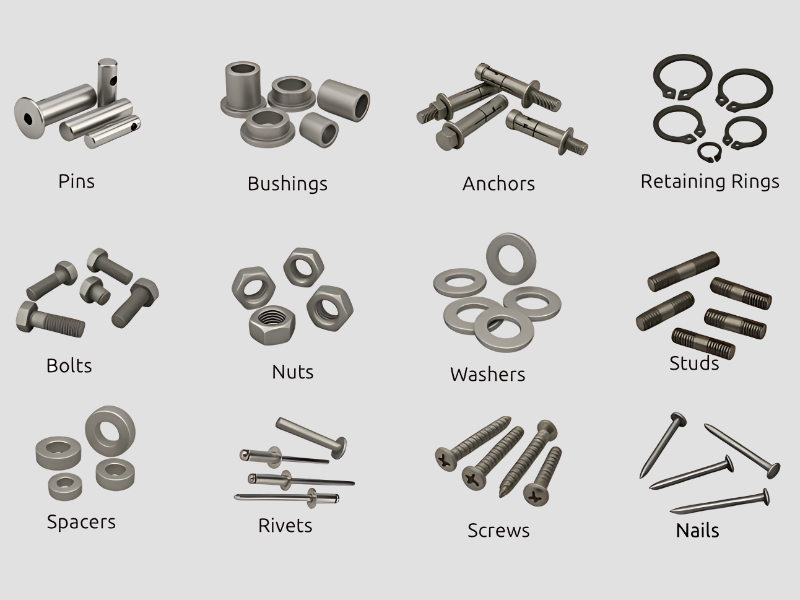
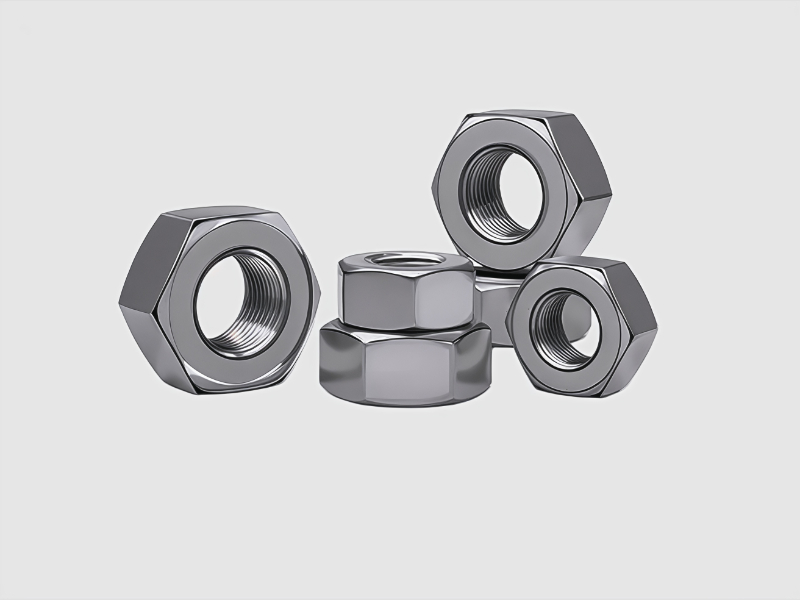
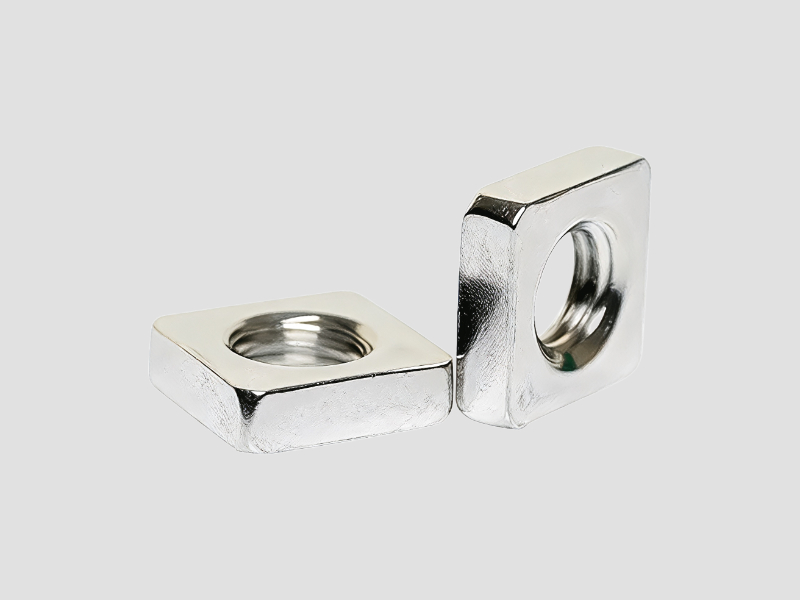
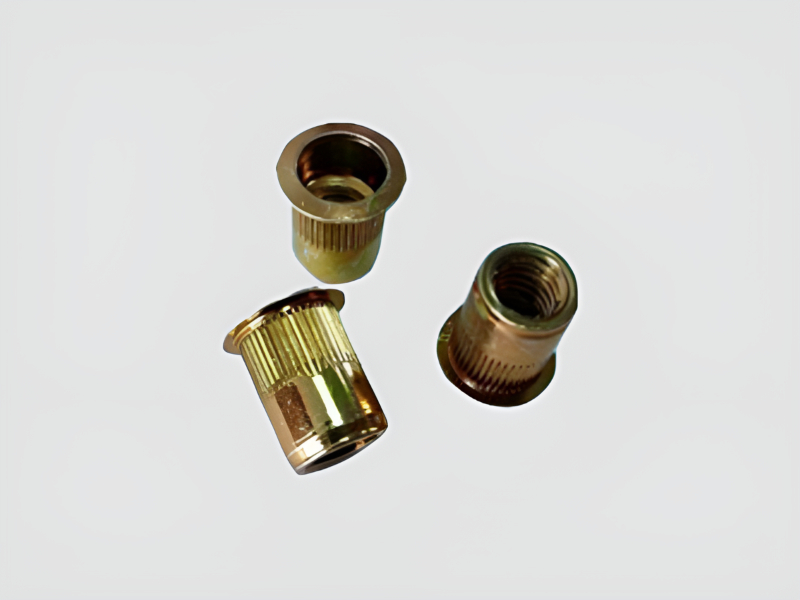
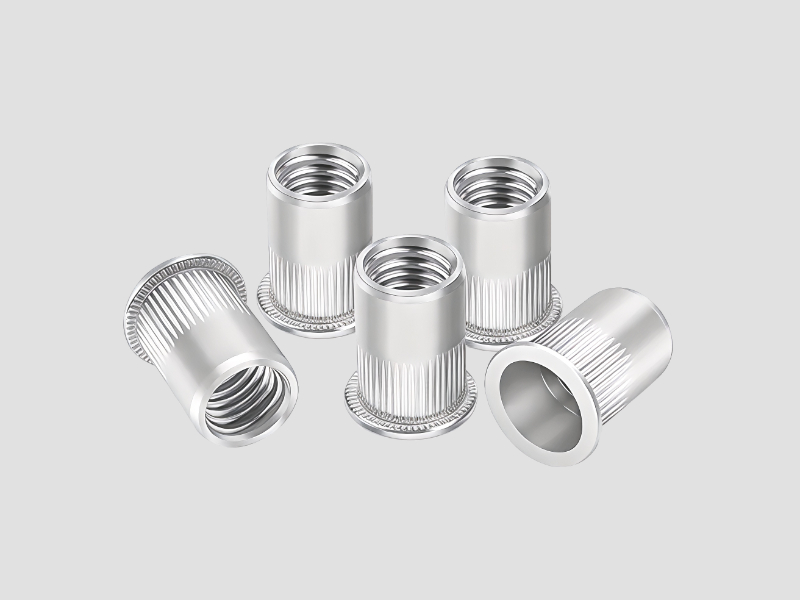
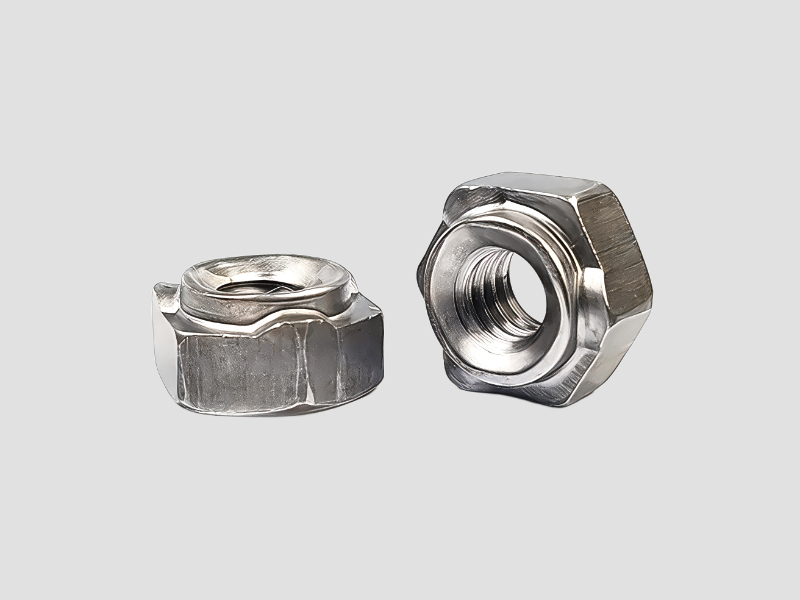
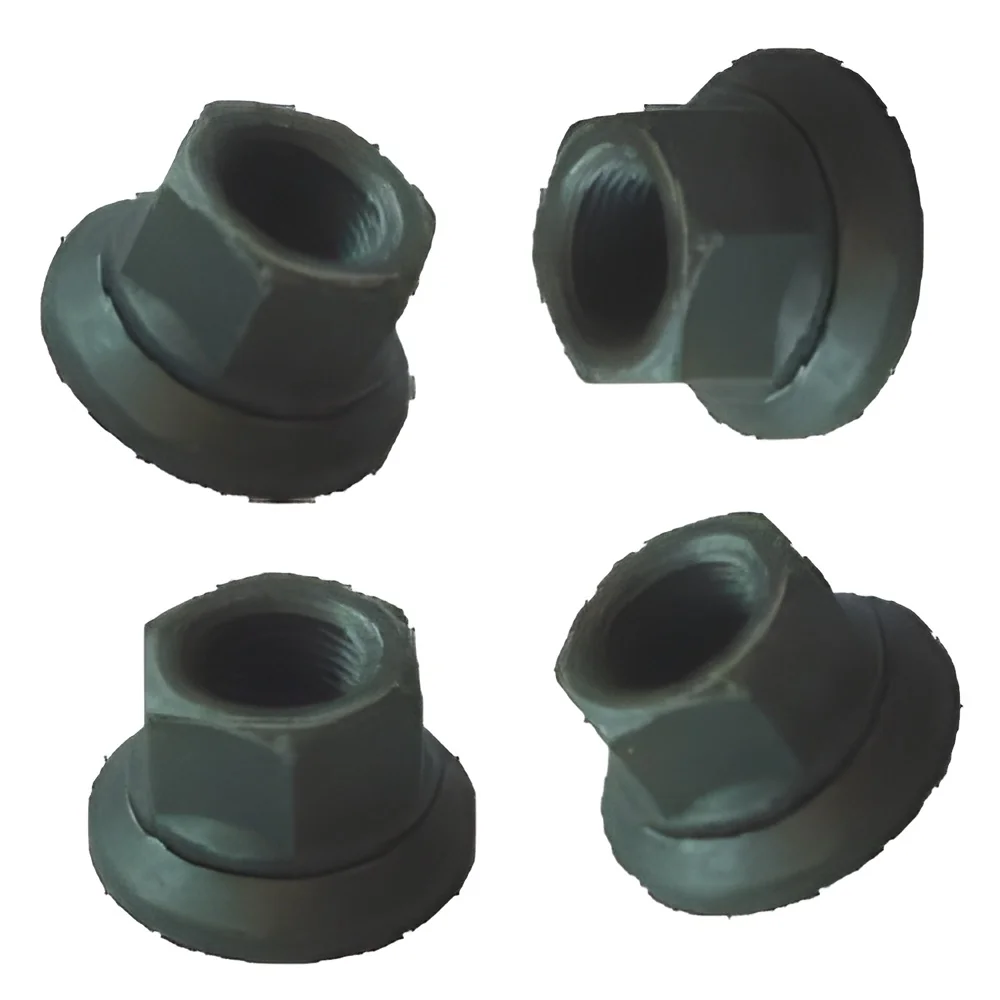
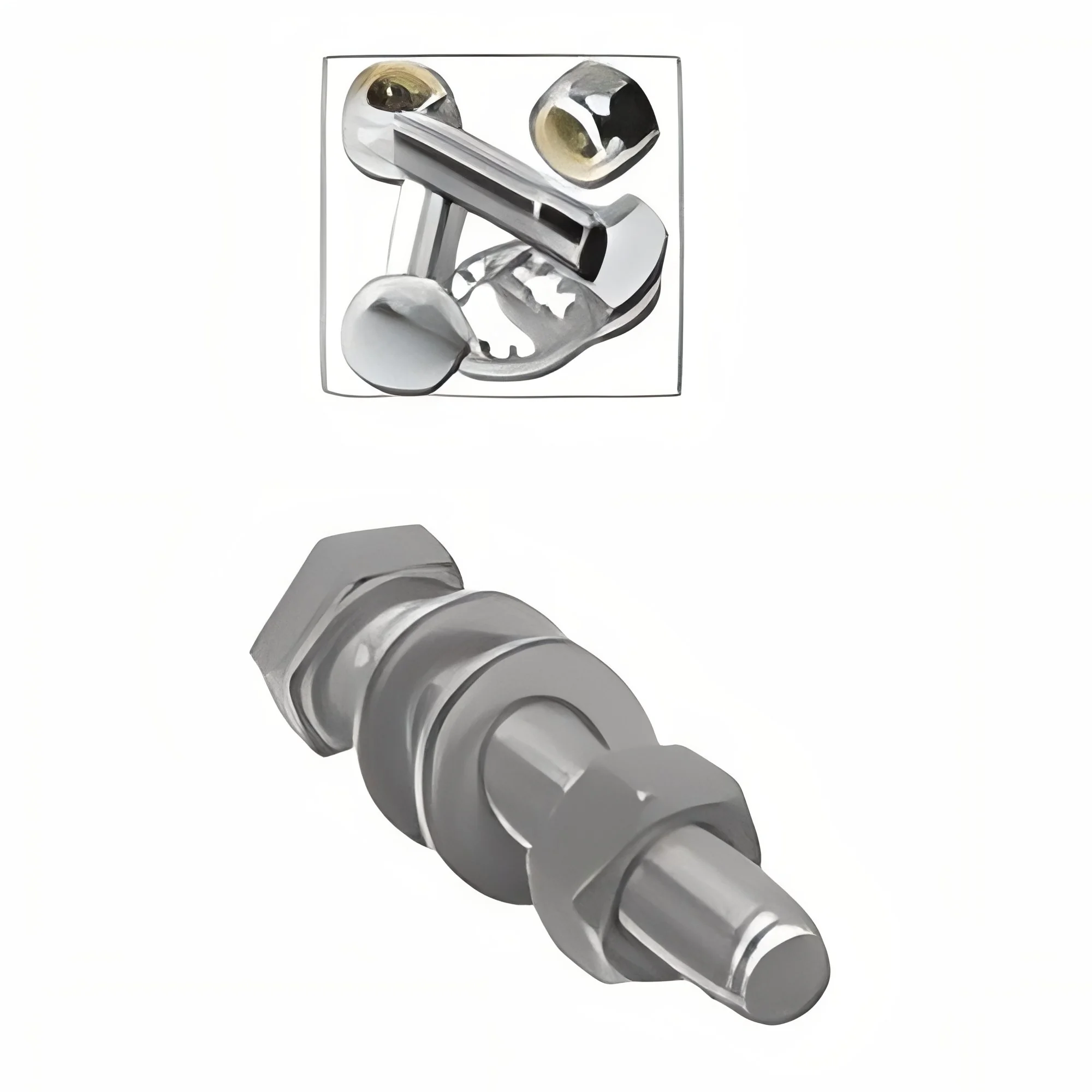
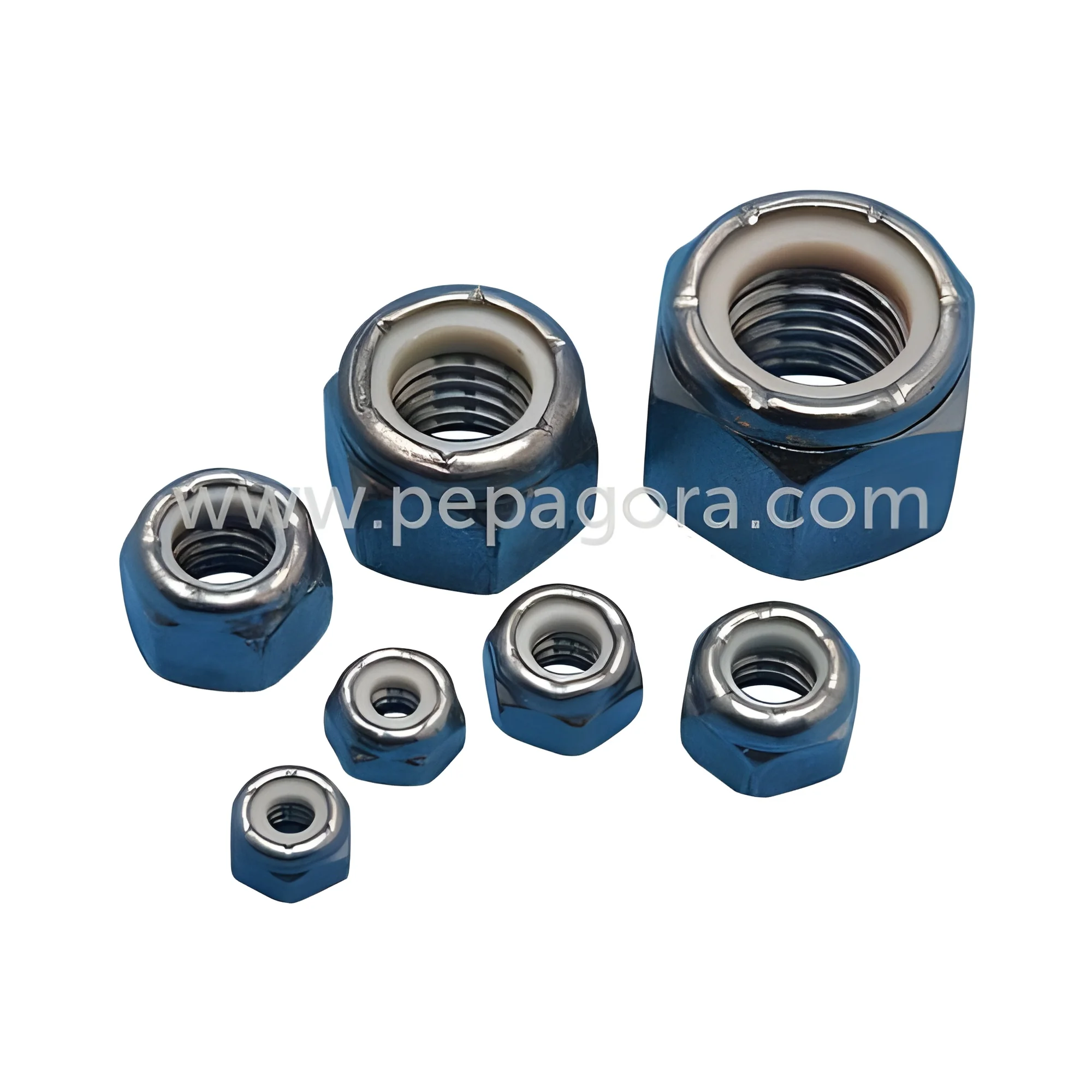
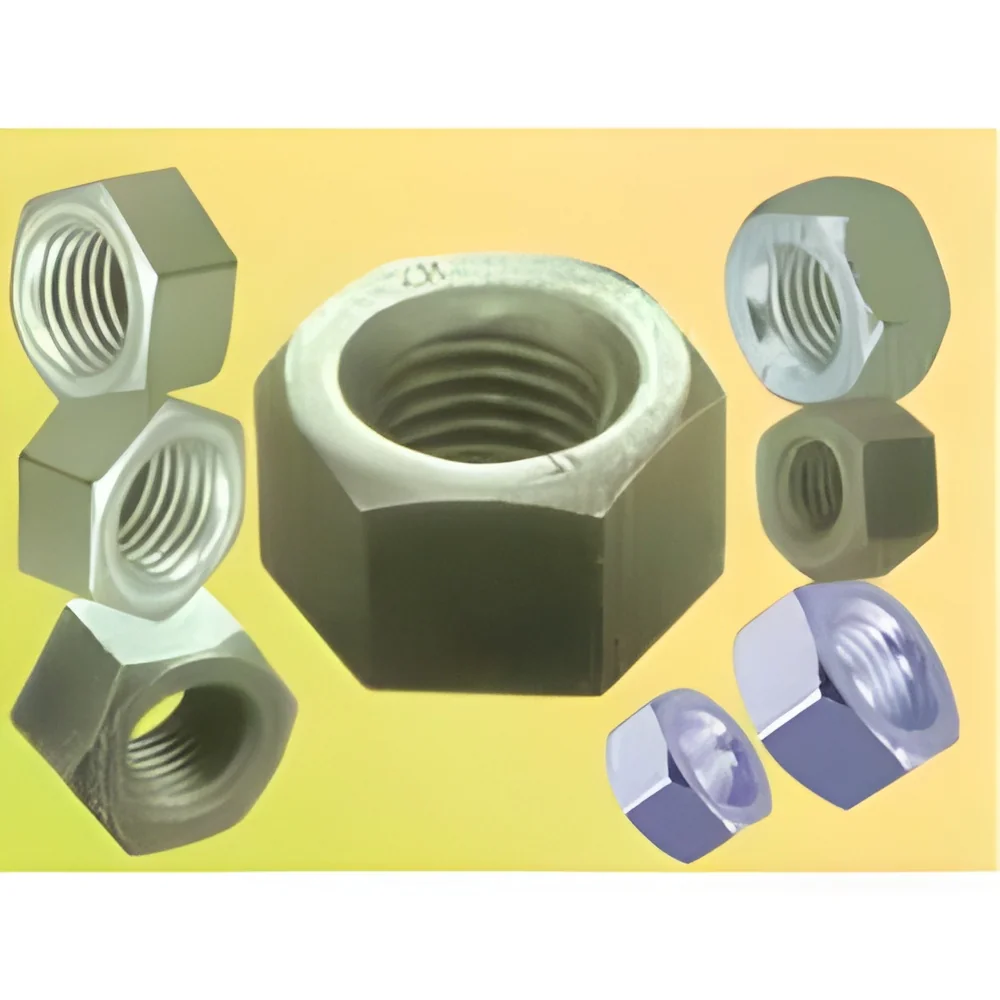
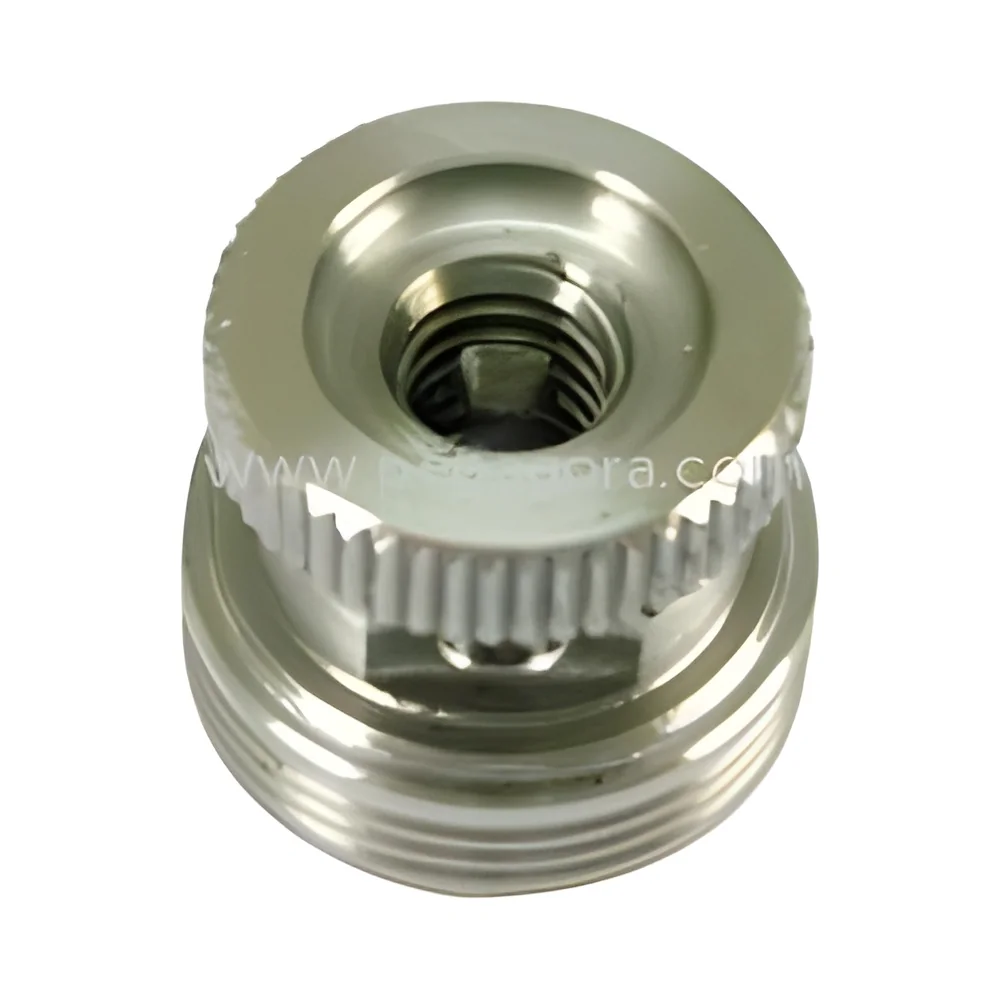
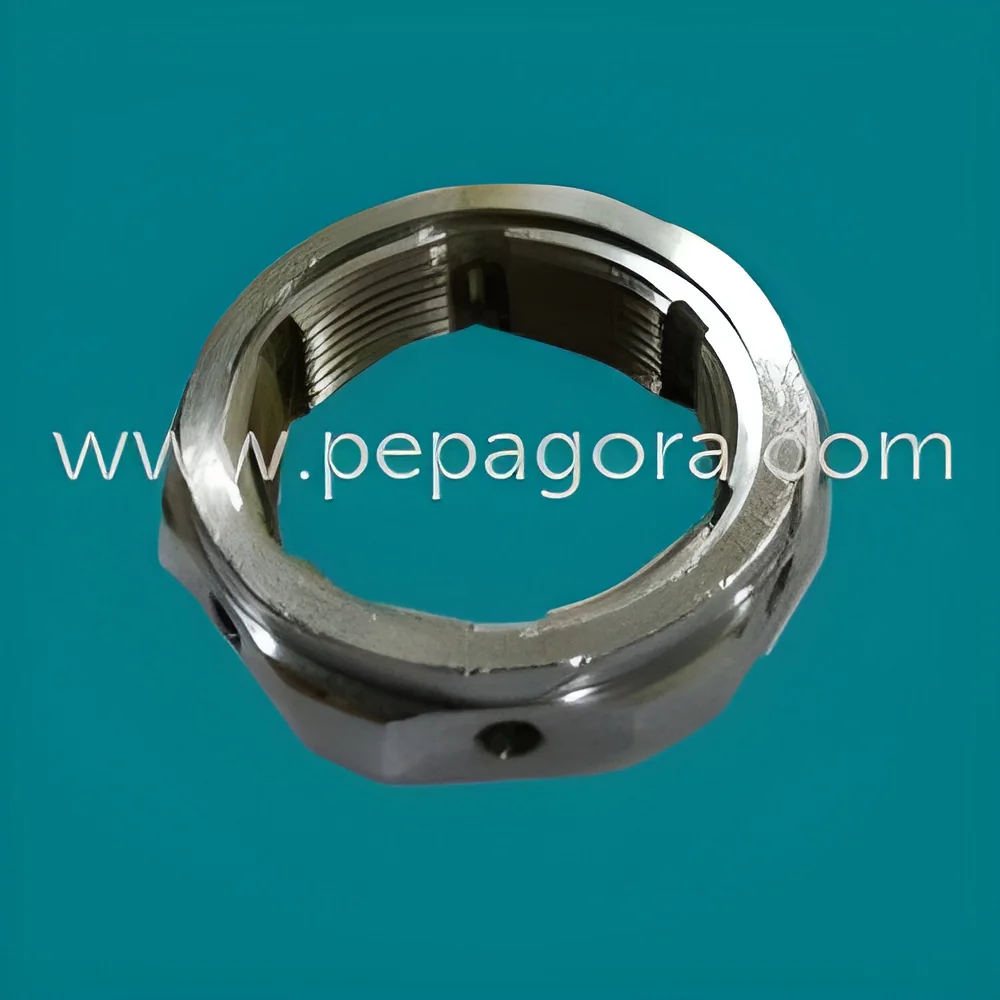
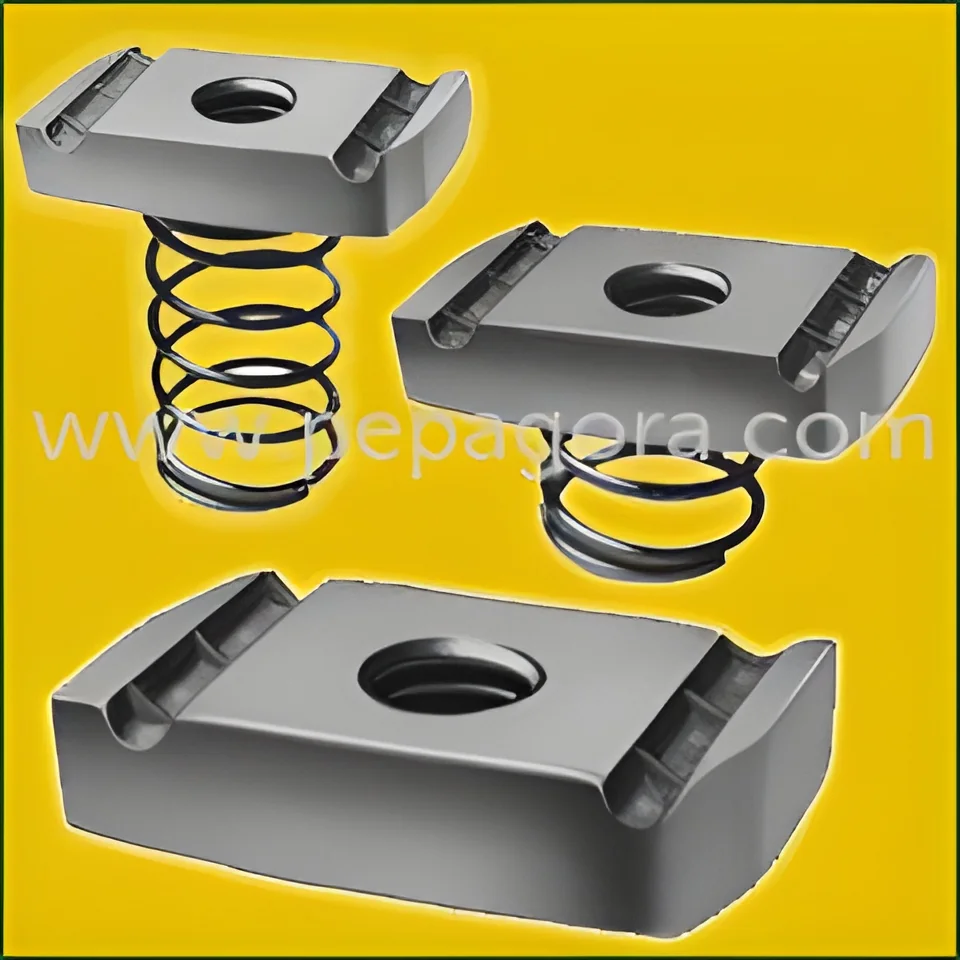
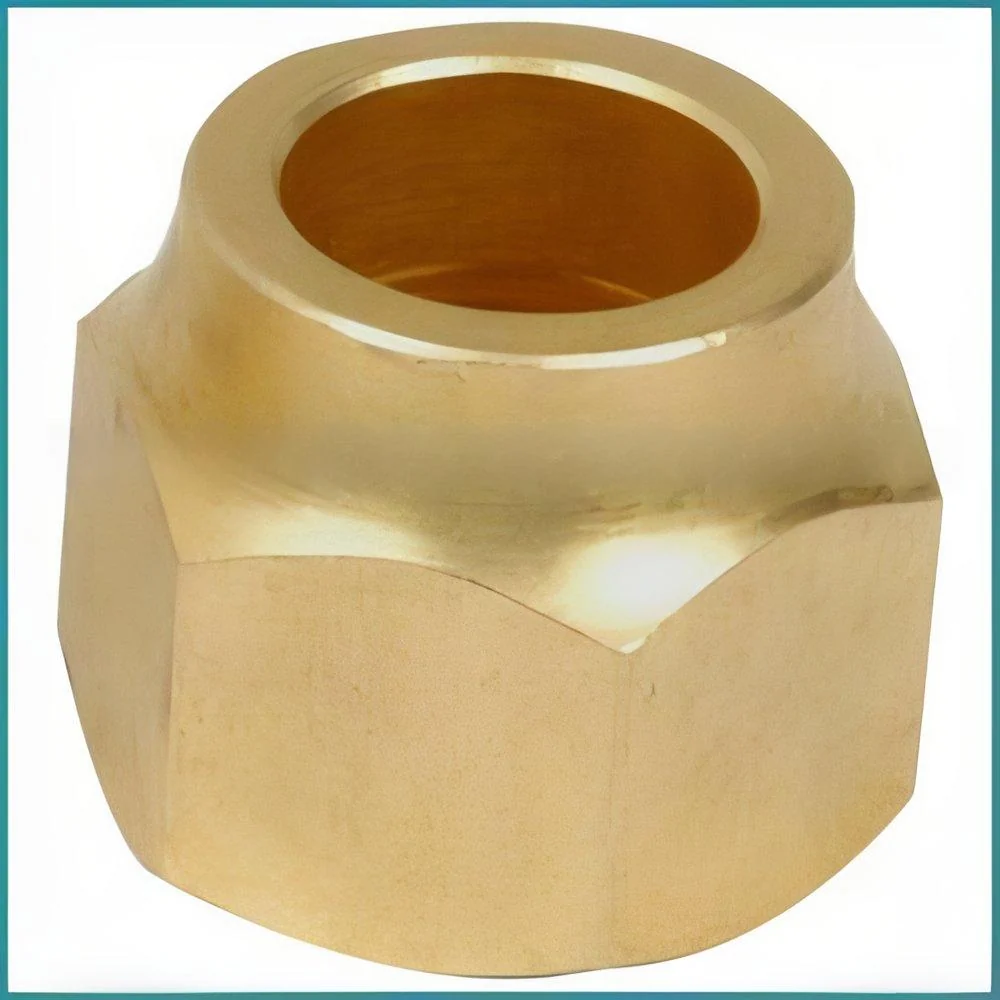
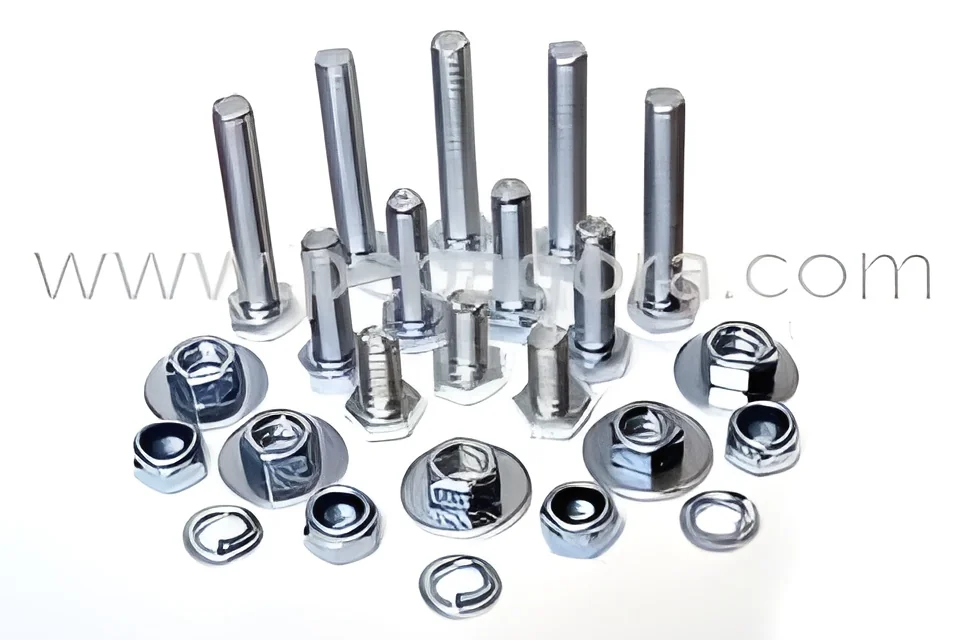
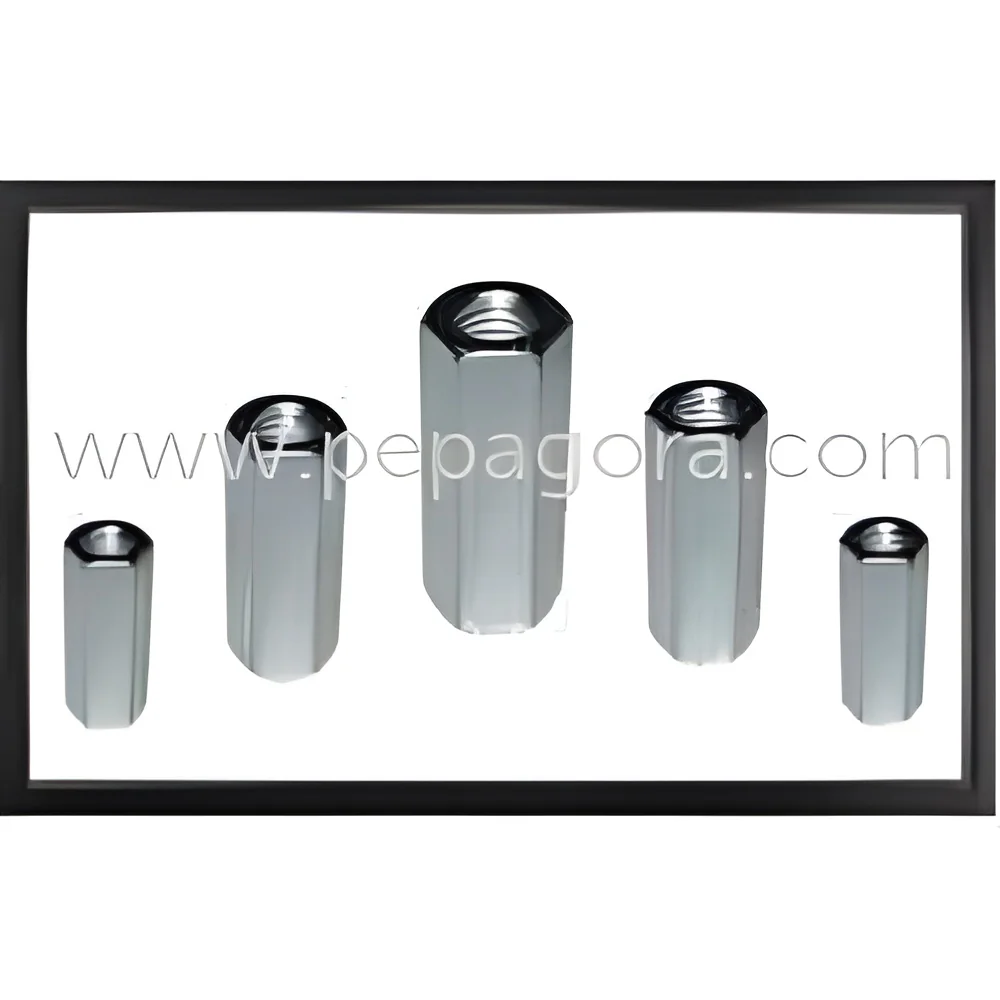
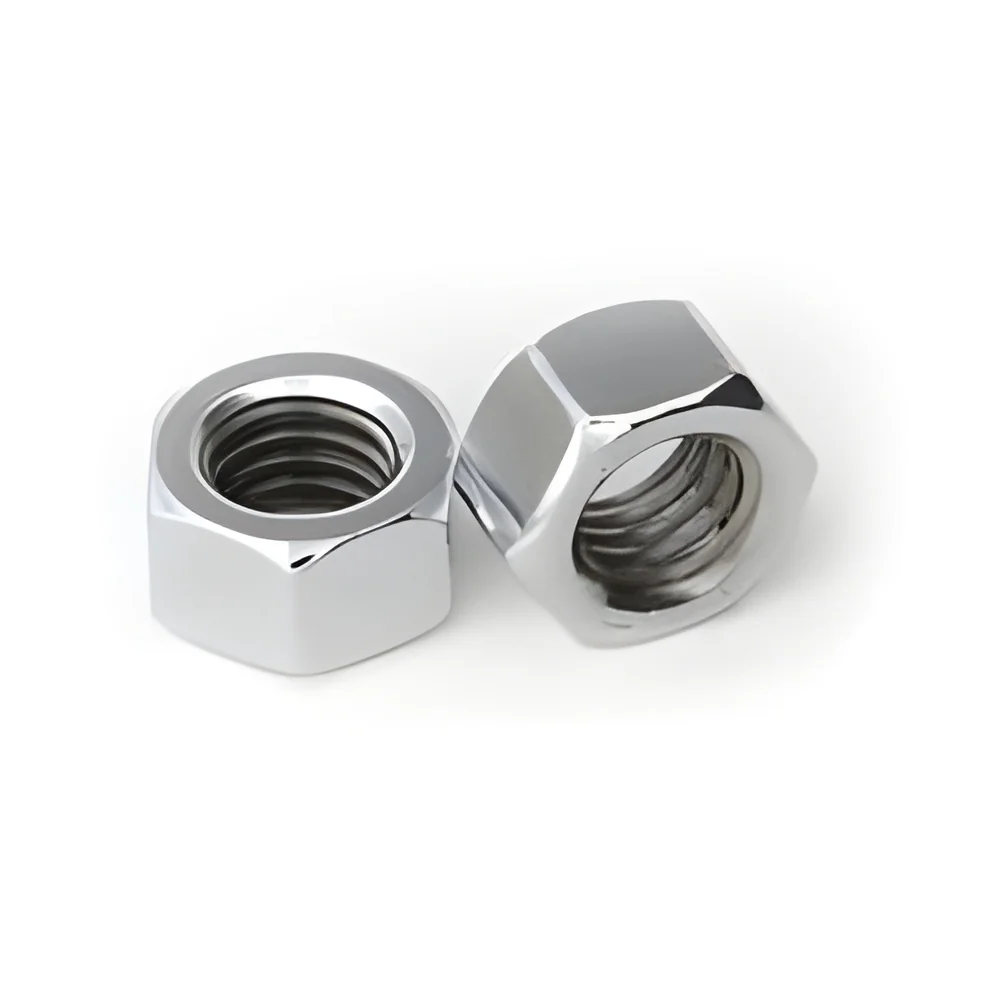
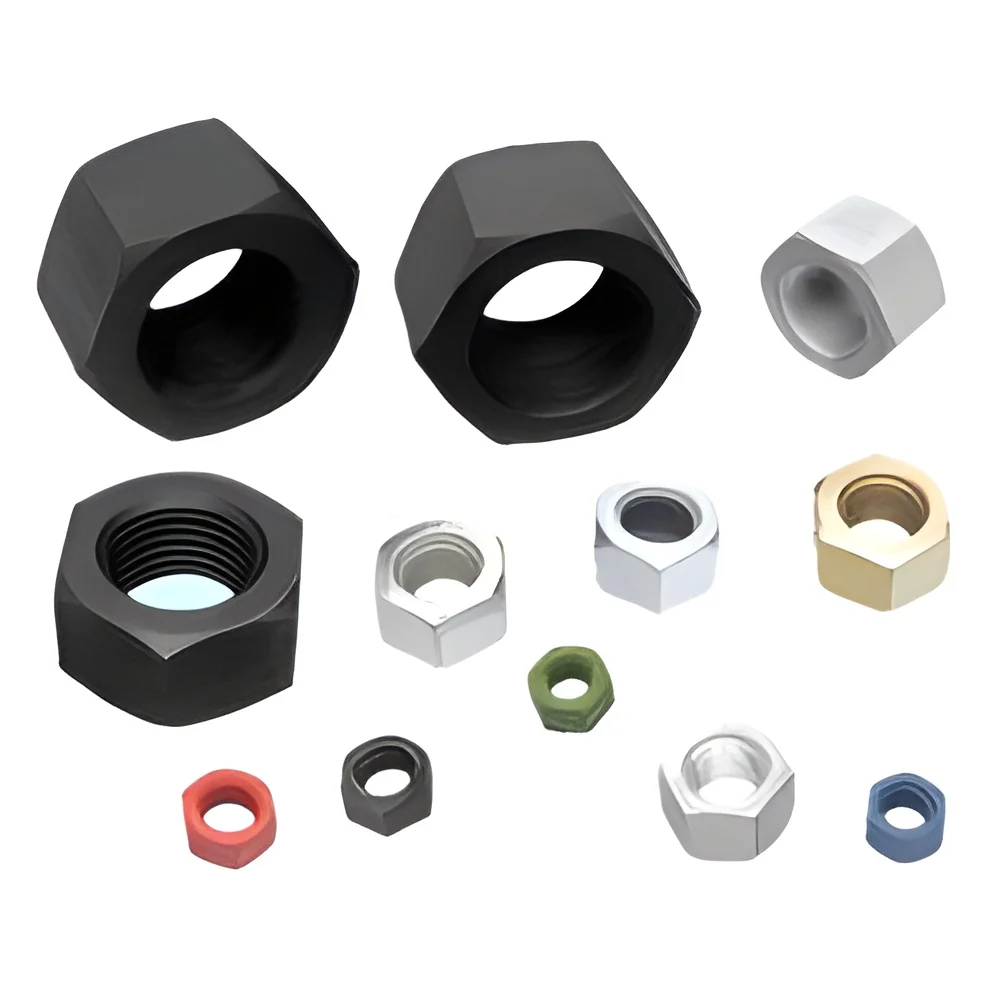
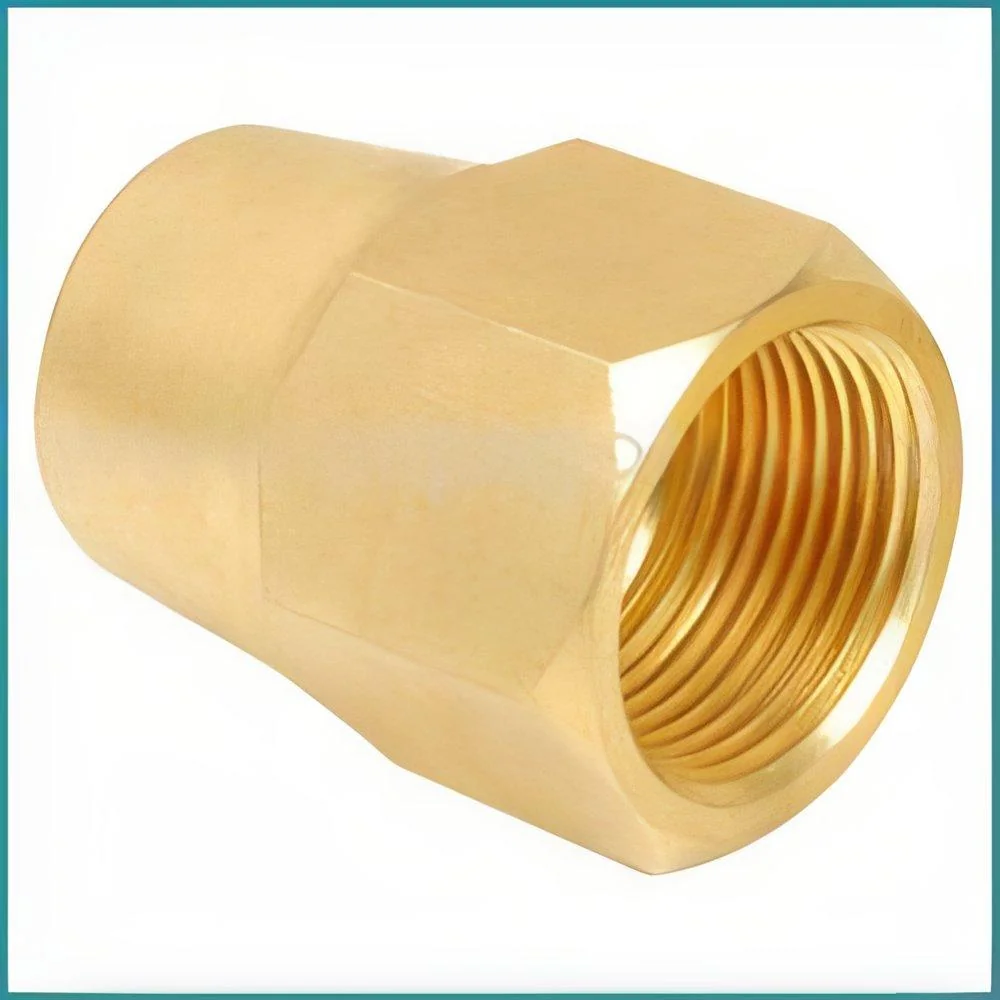
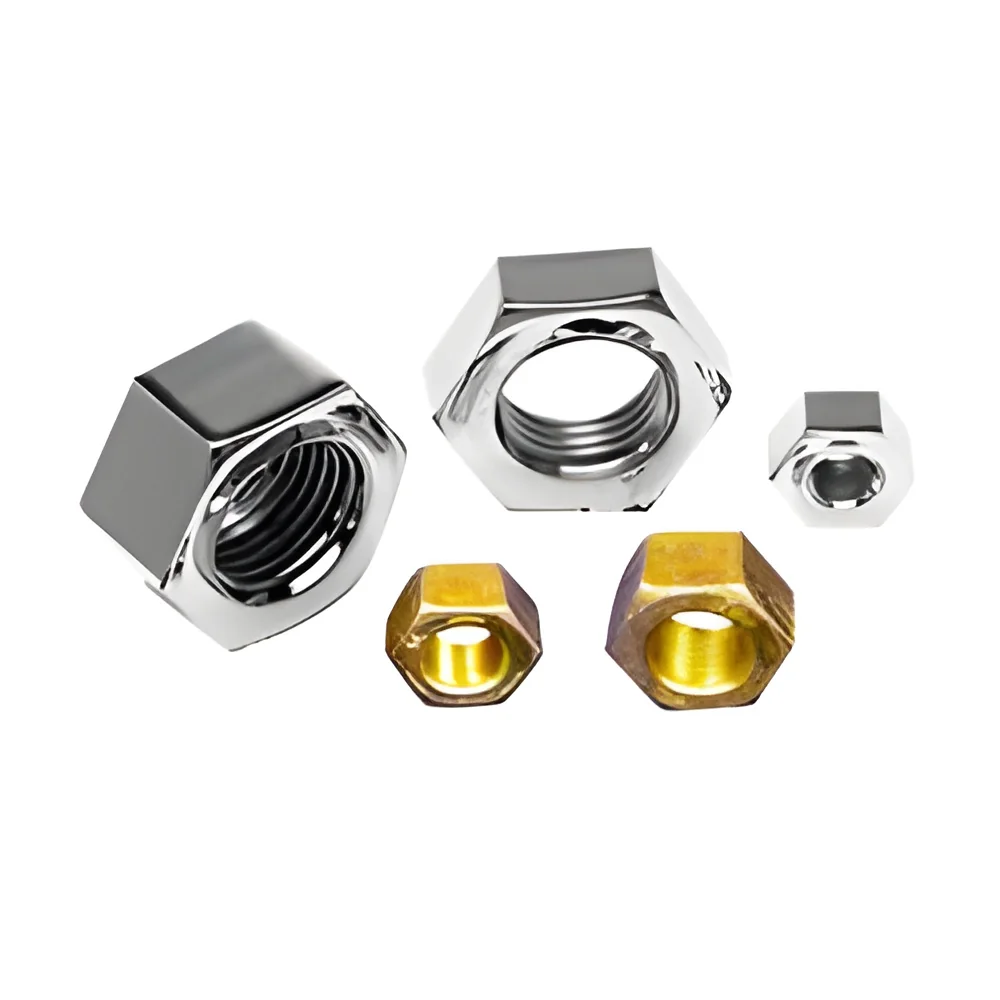
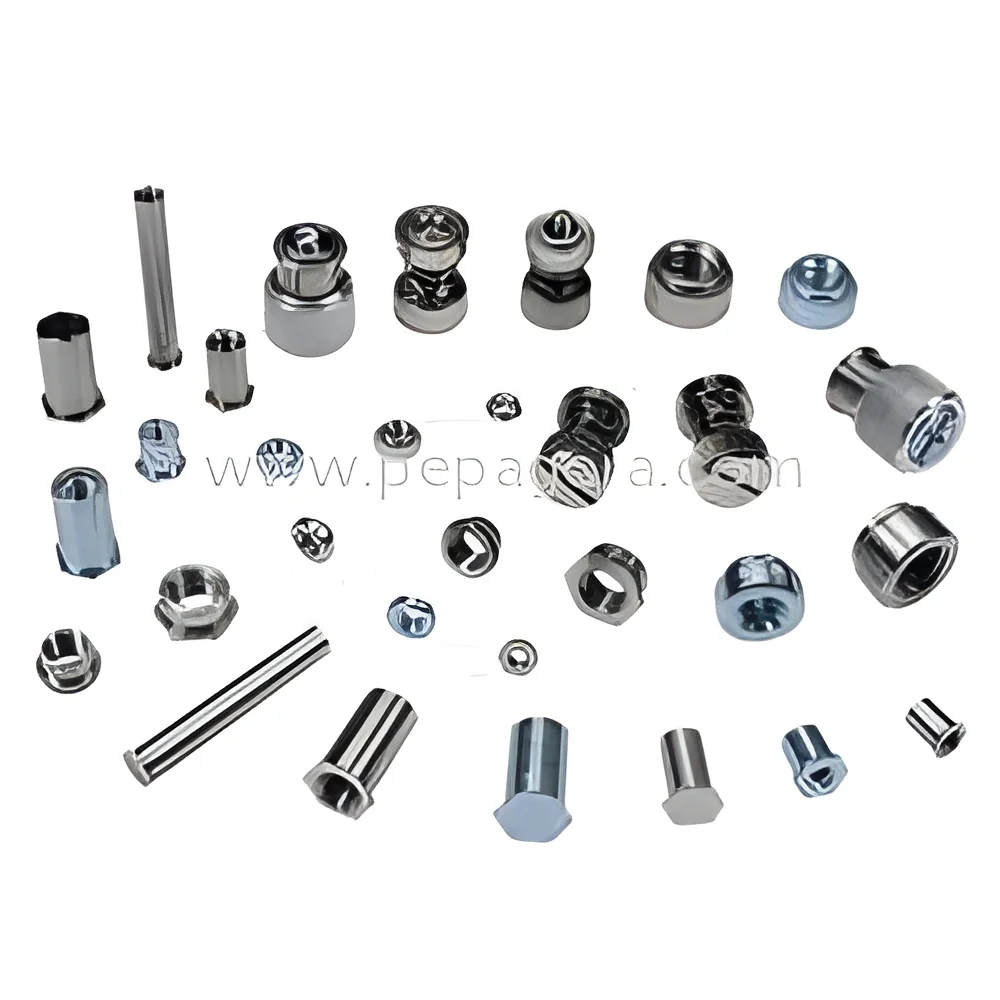
Nuts are fasteners characterized by a hexagonal or square shape that typically have internal threads. They are designed to be used in conjunction with bolts or screws to secure mechanical components together. The primary function of nuts is to provide a strong and secure connection between parts in various applications, ensuring stability and safety.
In the business context, nuts are utilized across numerous industries, including automotive, construction, and machinery. They play a crucial role in assembly processes where strong connections are essential for operational efficiency and safety. The demand for high-quality nuts continues to grow as industries evolve and require reliable fasteners to meet stringent performance standards.
The relevance of nuts in the industrial market is significant, with a variety of materials and specifications available to suit different applications. As manufacturers strive for efficiency and cost-effectiveness, understanding the different types of nuts and their properties becomes vital for businesses looking to optimize their supply chain.
Key Features and Specifications
Nuts come with a variety of features and specifications that cater to diverse industrial needs. When selecting nuts, it is essential to consider their material composition, thread type, and size to ensure compatibility with bolts and screws.
Key specifications include:
1. Material
- Common materials include steel, stainless steel, brass, and nylon.
- Each material offers different levels of strength, corrosion resistance, and suitability for specific environments.
2. Thread Type
- Available in various thread standards such as metric and imperial.
- Ensures compatibility with corresponding bolts or screws for secure fastening.
3. Size
- Measured by diameter and height, sizes typically range from M2 to M30 and beyond.
- Proper sizing is critical to achieving the desired strength and load-bearing capacity.
4. Finish
- Common finishes include zinc plating, black oxide, and hot-dip galvanization.
- Finishes enhance corrosion resistance and aesthetic appeal.
5. Grade
- Nuts are classified into different grades that indicate their mechanical properties.
- Higher grades provide increased strength and are suitable for more demanding applications.
6. Locking Mechanism
- Some nuts feature a locking design to prevent loosening under vibration.
- Locking nuts are essential in high-vibration environments to maintain joint integrity.
In summary, understanding these specifications helps businesses select the right nuts for their specific applications, ensuring durability and reliability.
Common Applications and Use Cases
Nuts are fundamental components in various industries, serving critical functions in assembly and fastening.
1. Automotive: Nuts are extensively used in vehicle assembly, securing components such as engines, transmissions, and chassis parts. They are essential for ensuring safety and reliability in automotive design.
2. Construction: In the construction sector, nuts are used to fasten structural elements, including beams and columns. Their strength is crucial for maintaining the integrity of buildings and infrastructure.
3. Machinery: Nuts are vital in the manufacturing of machinery and equipment, holding together moving parts that require precise alignment and strength to operate effectively.
4. Electronics: In the electronics industry, nuts are used in assembling devices where compactness and reliability are essential. Their small size and high precision make them ideal for securing components on circuit boards.
5. Aerospace: High-strength nuts are critical in aerospace applications, where they secure various parts under extreme conditions. Their performance can impact the safety and efficiency of aircraft.
6. Marine: In marine applications, nuts made of corrosion-resistant materials are necessary for securing equipment exposed to harsh environmental conditions.
7. Agriculture: Nuts are used in agricultural machinery to ensure durability and reliability in the field, where equipment is subjected to constant stress.
Product Variants and Subcategories
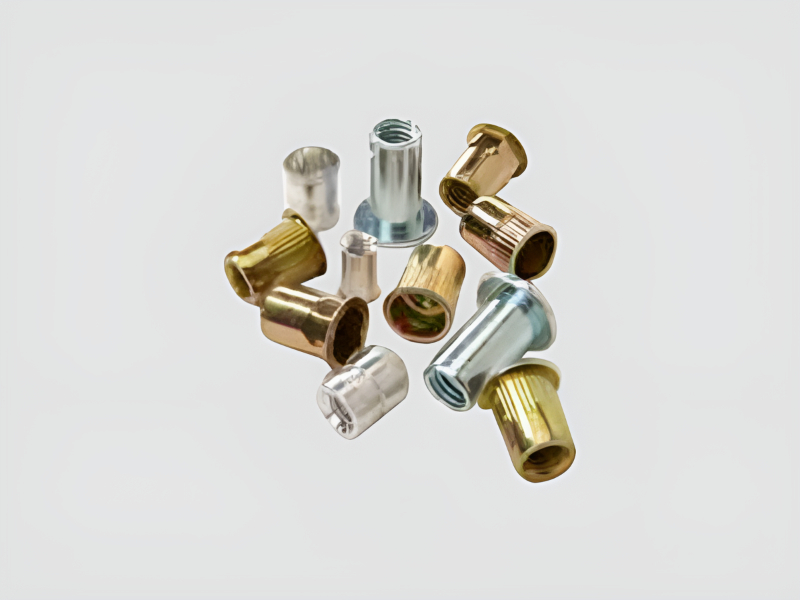
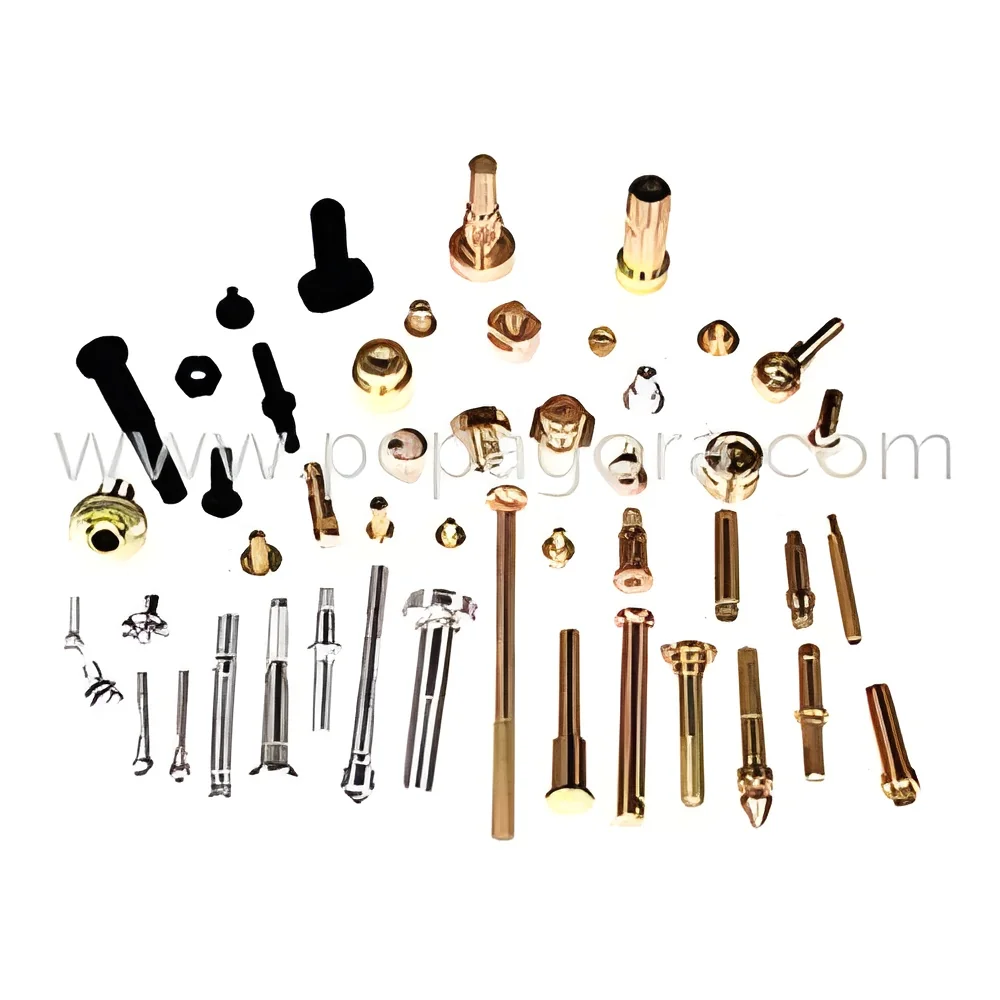
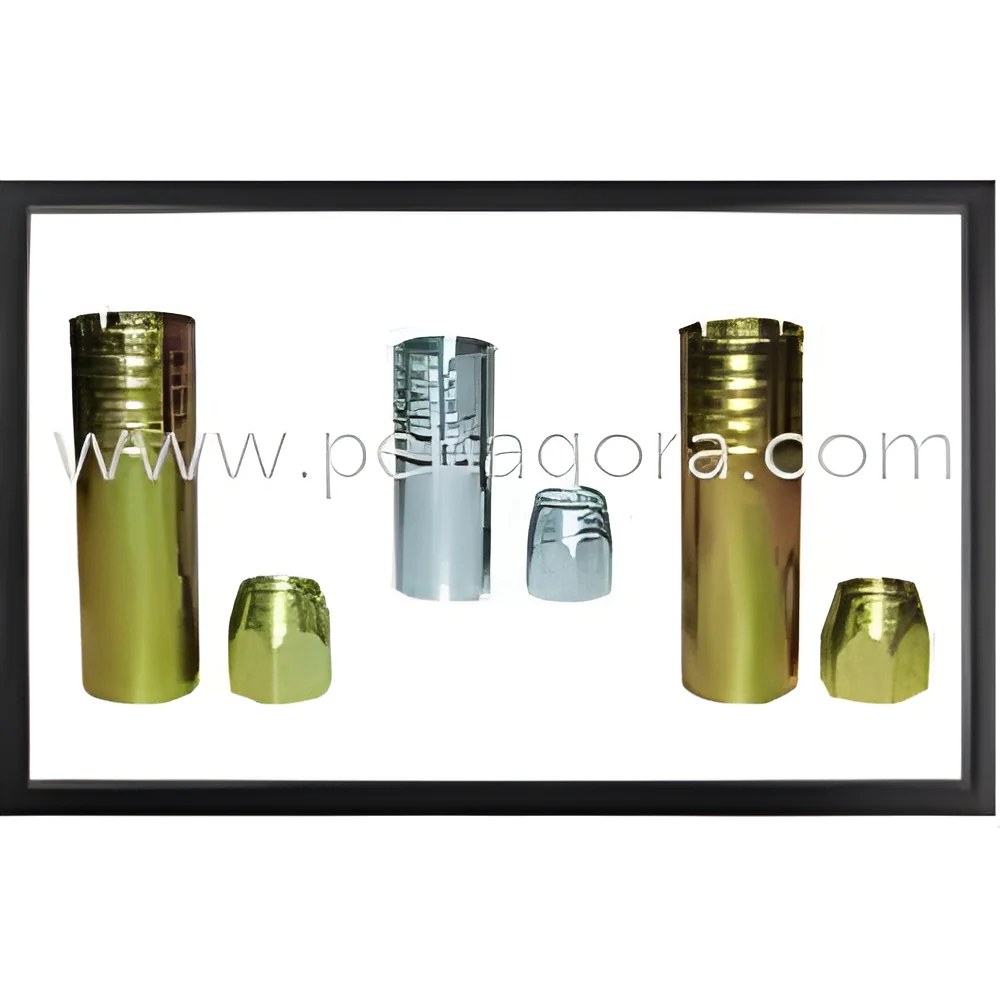
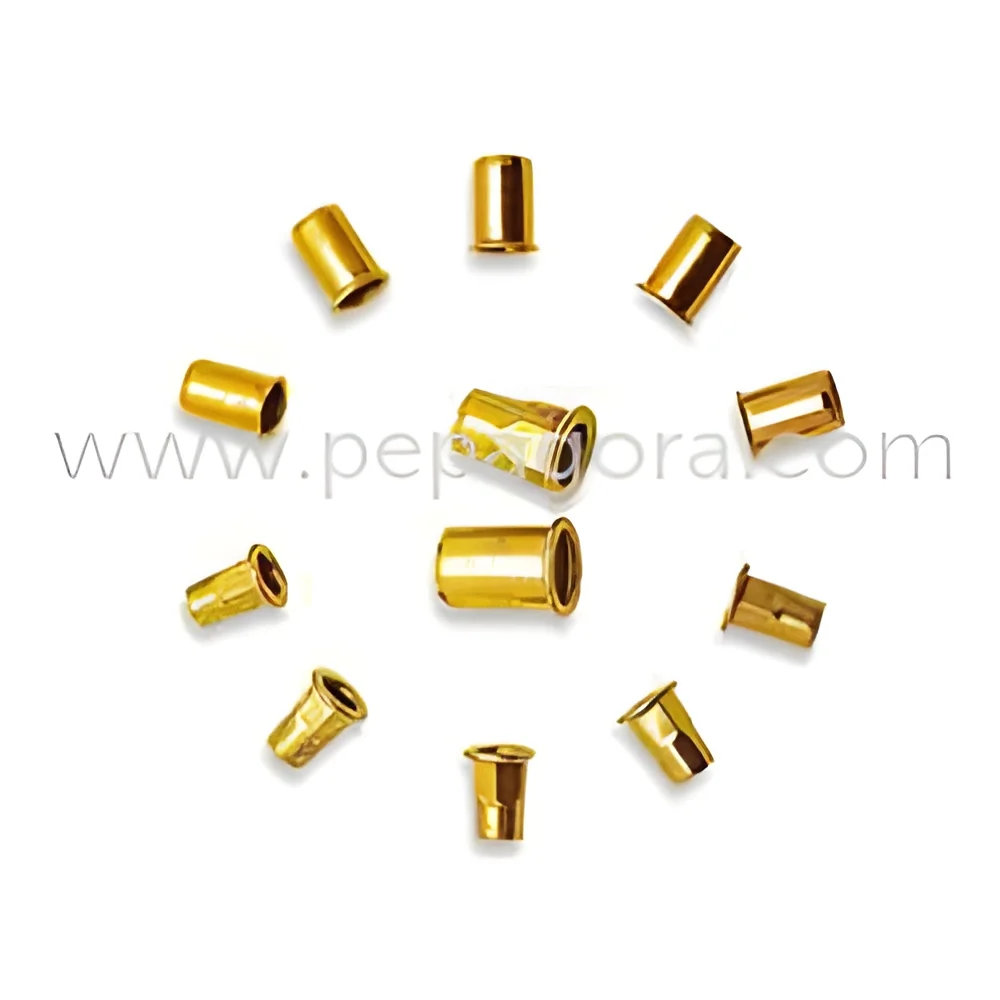
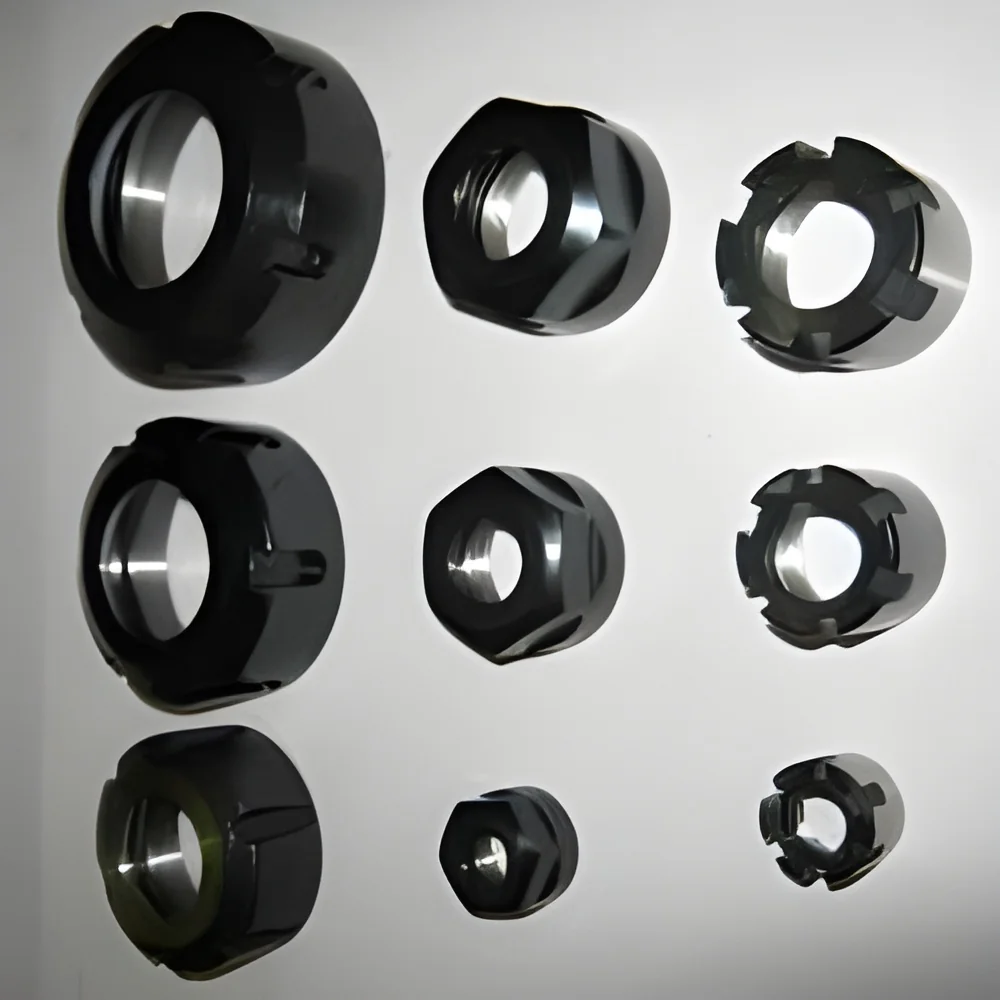
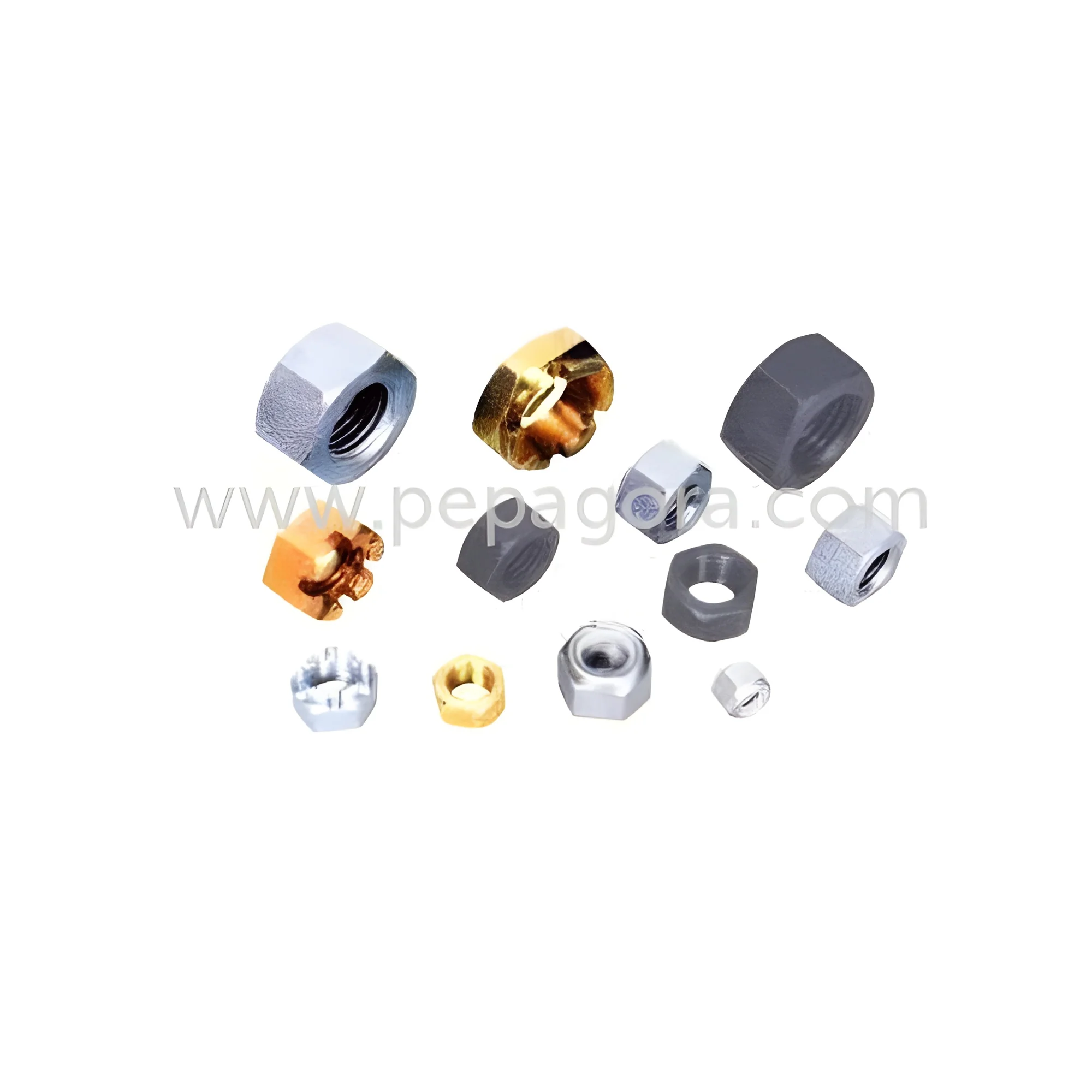
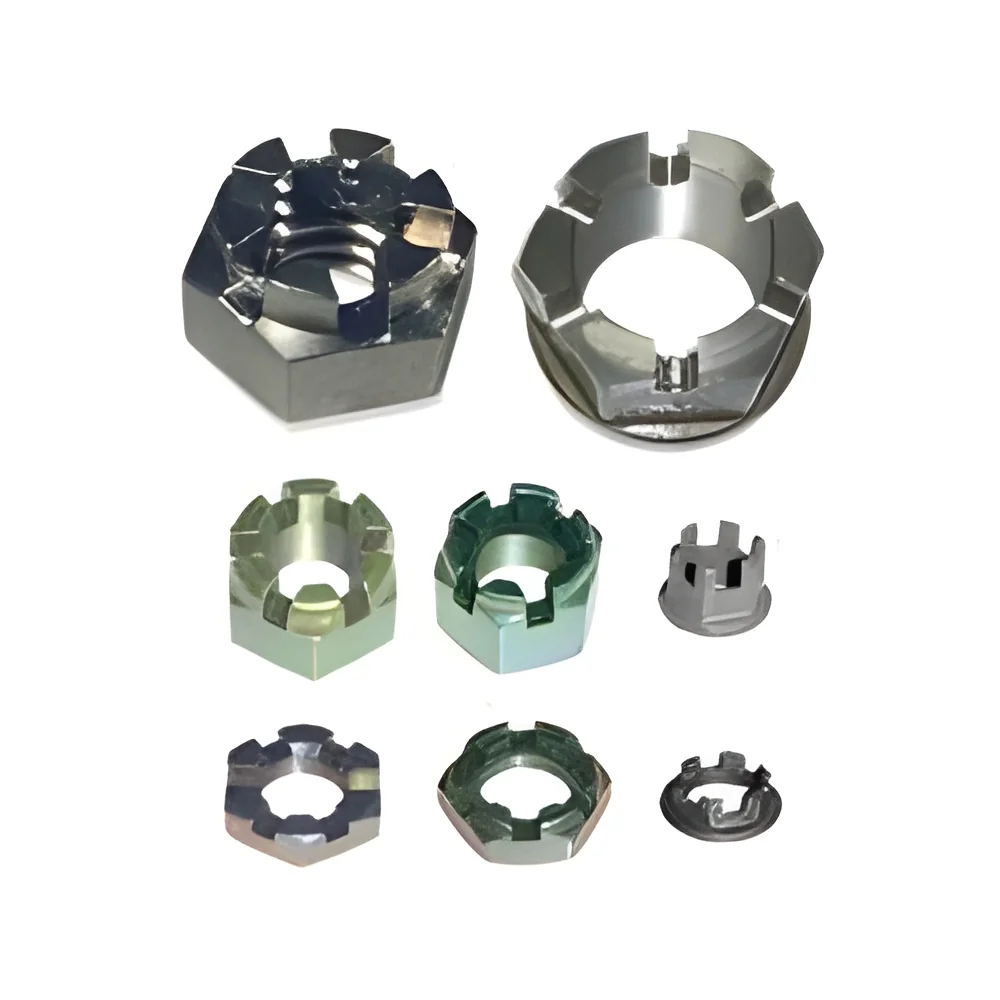
Nuts come in various forms to meet the specific needs of different applications. The diversity of products ensures that businesses can find suitable solutions for their fastening requirements.
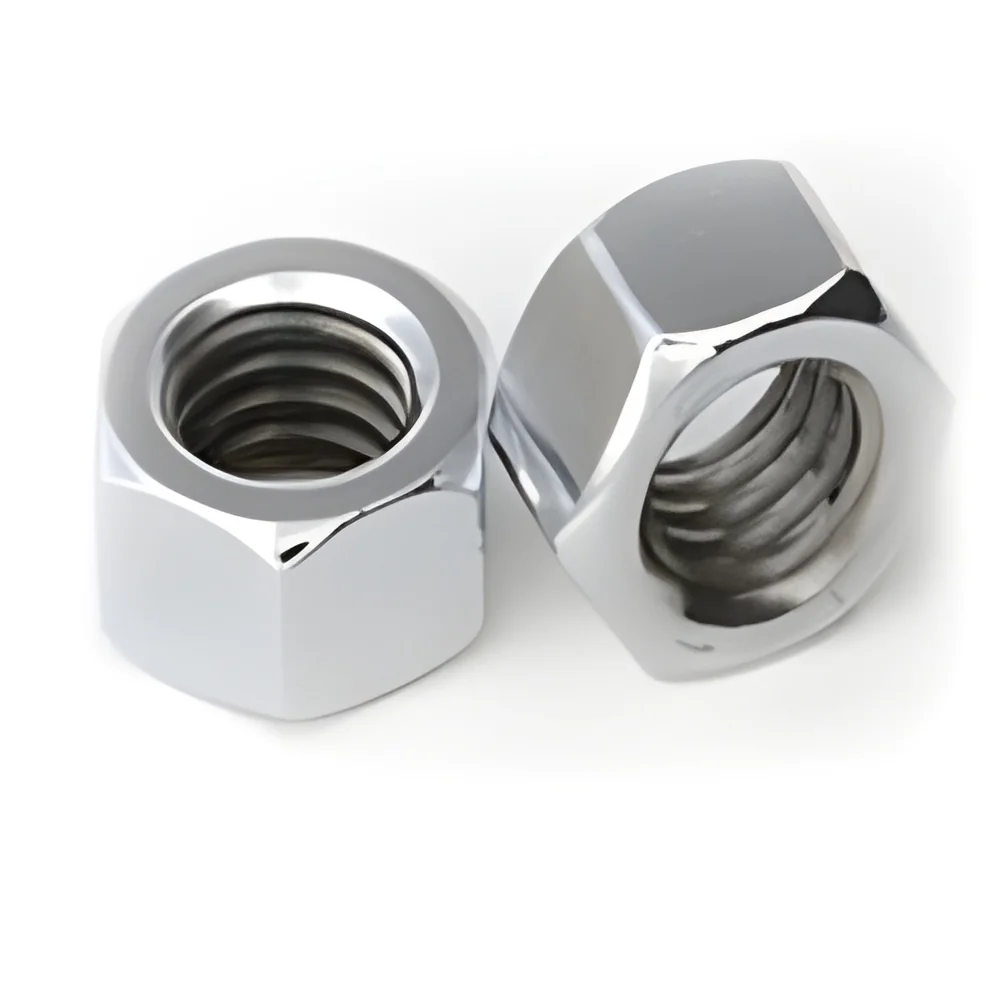
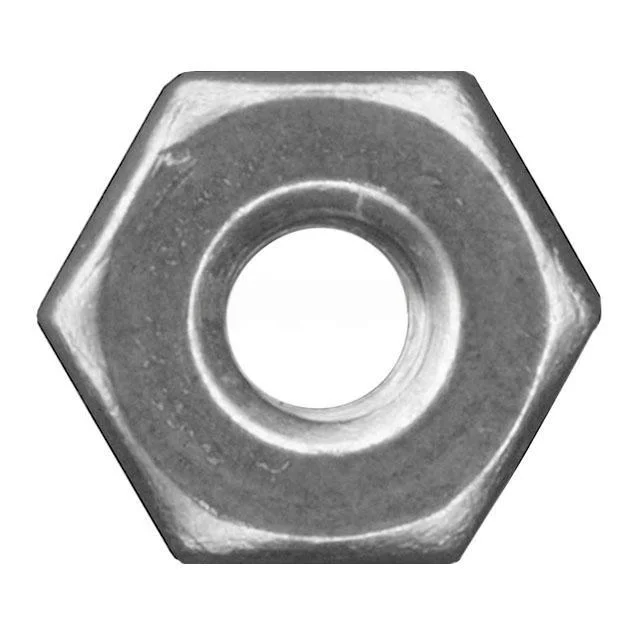
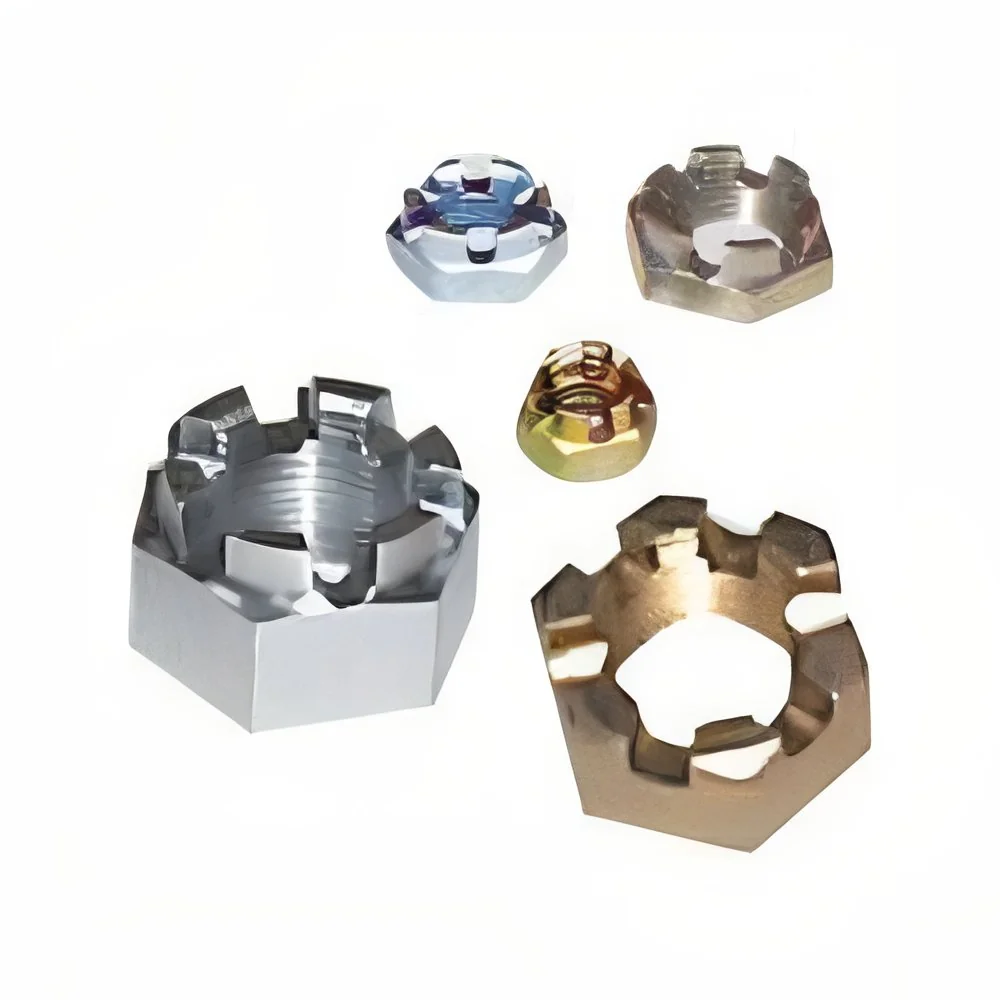
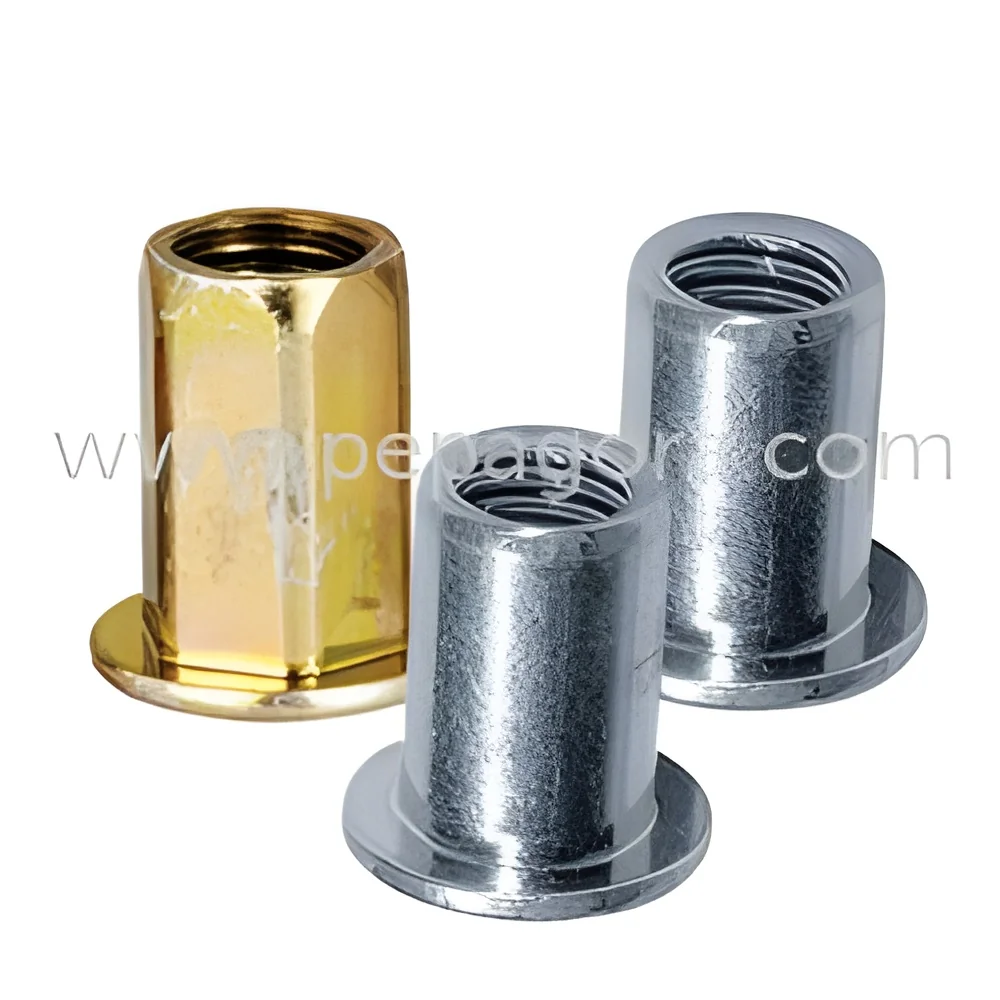
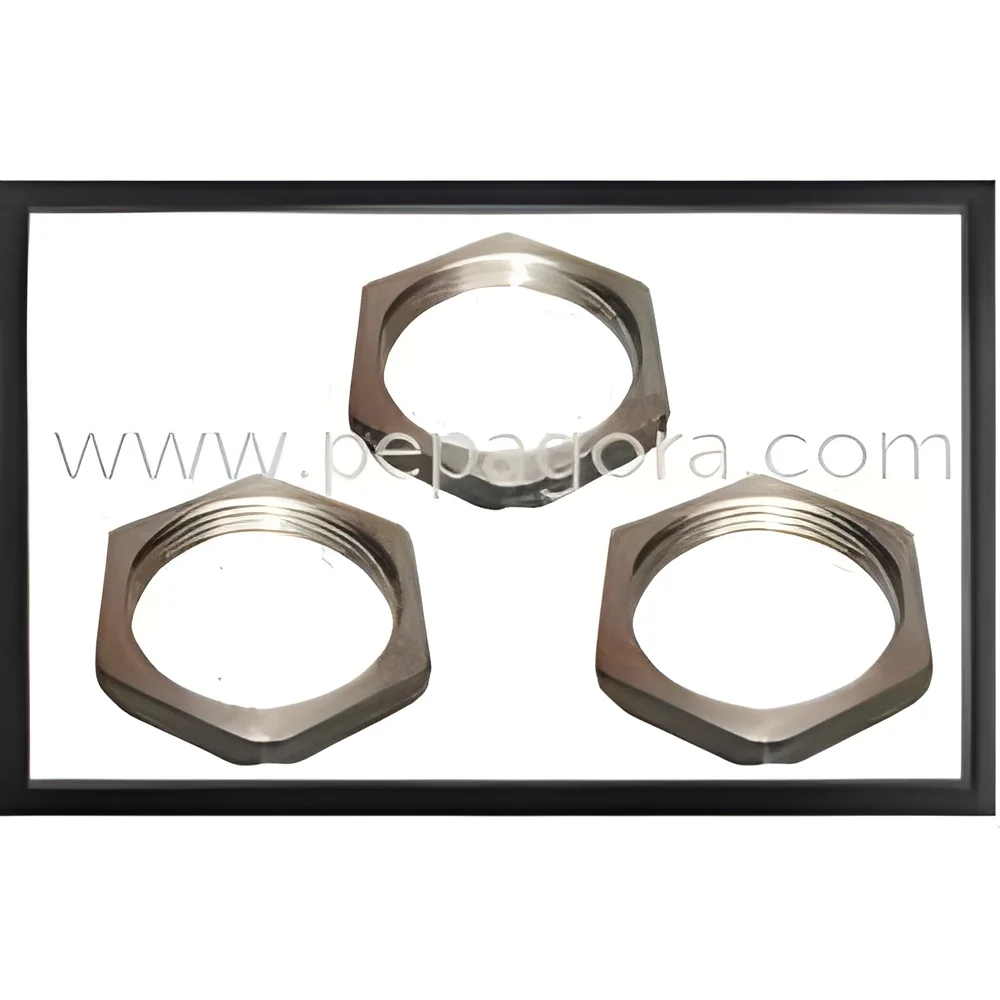
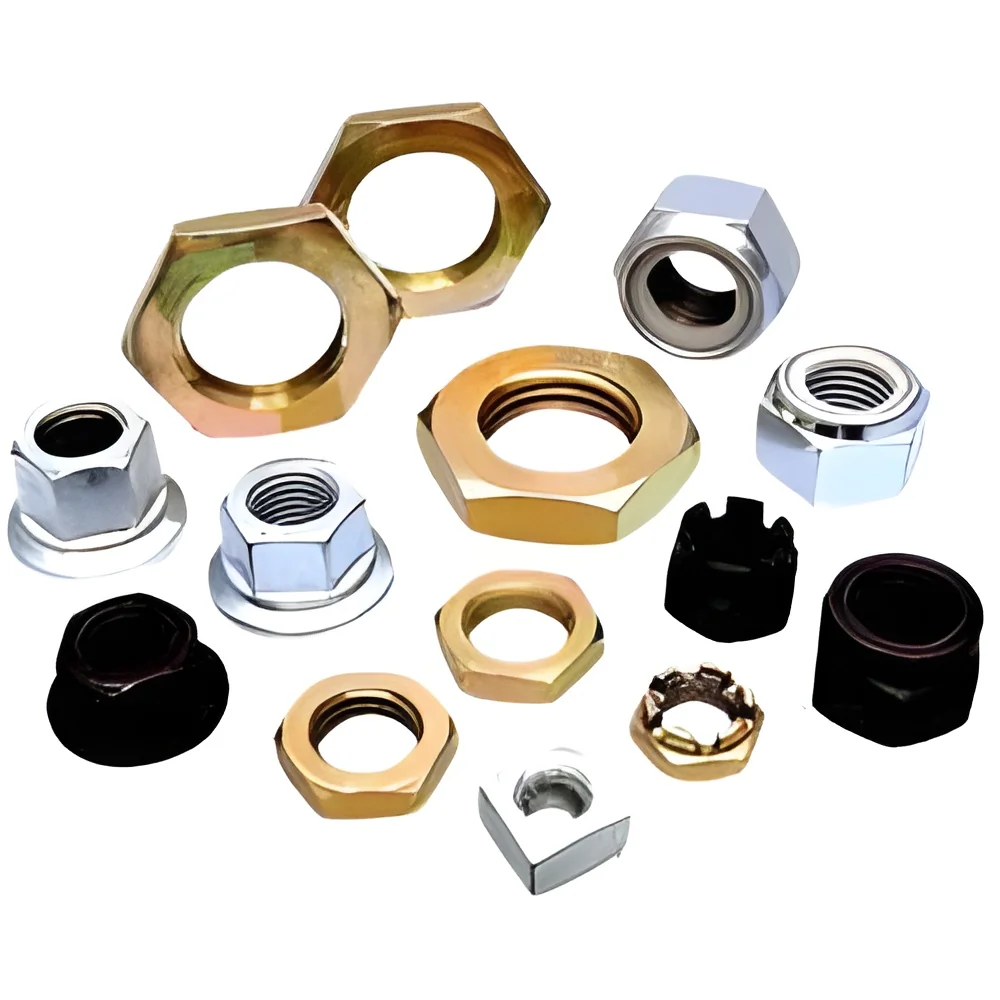
Hex Nuts: Hex nuts are the most common type, featuring a hexagonal shape that allows for easy tightening with wrenches. They are versatile and used in a wide range of applications.
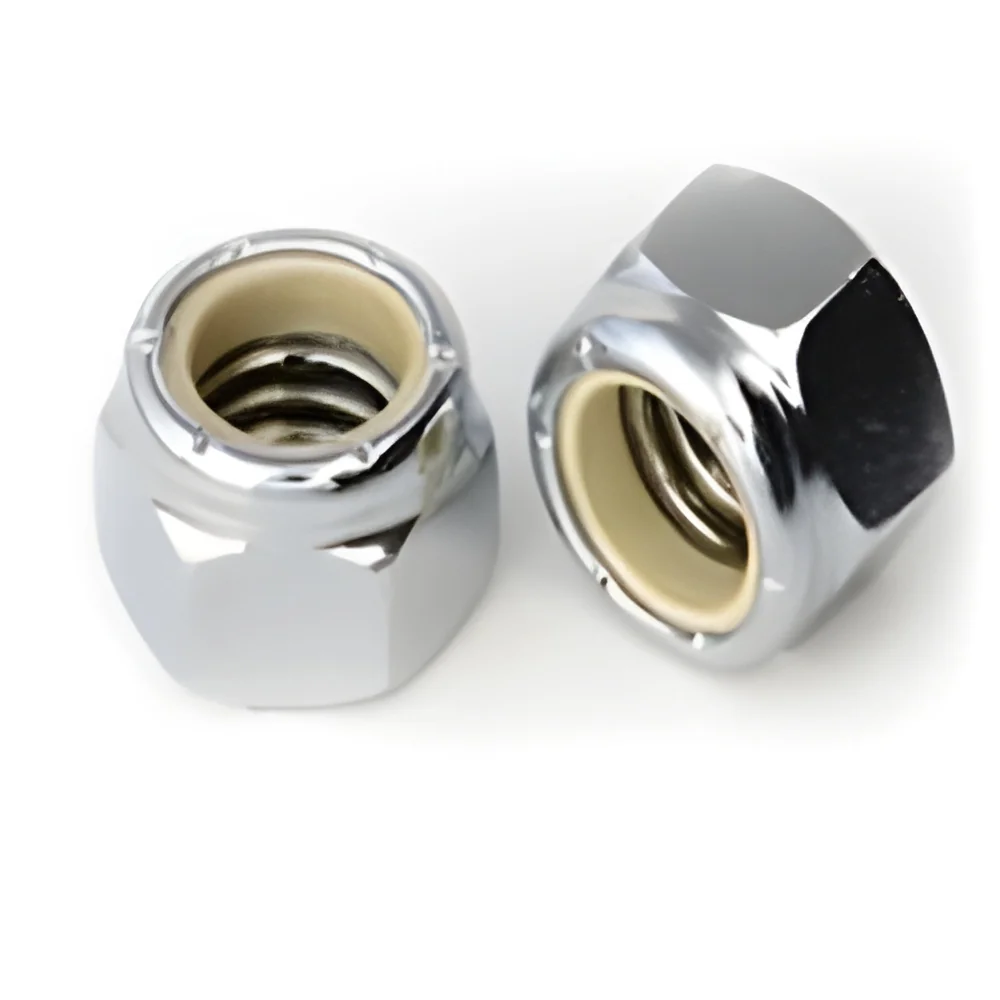
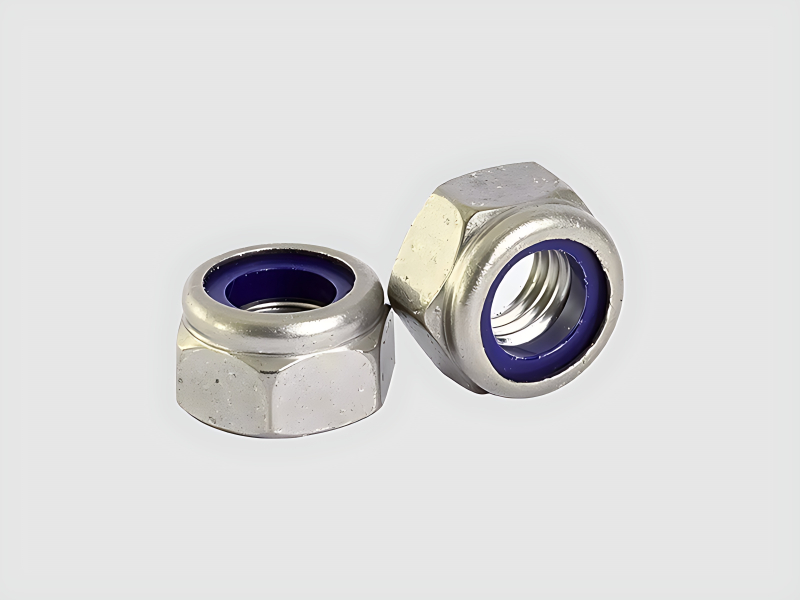
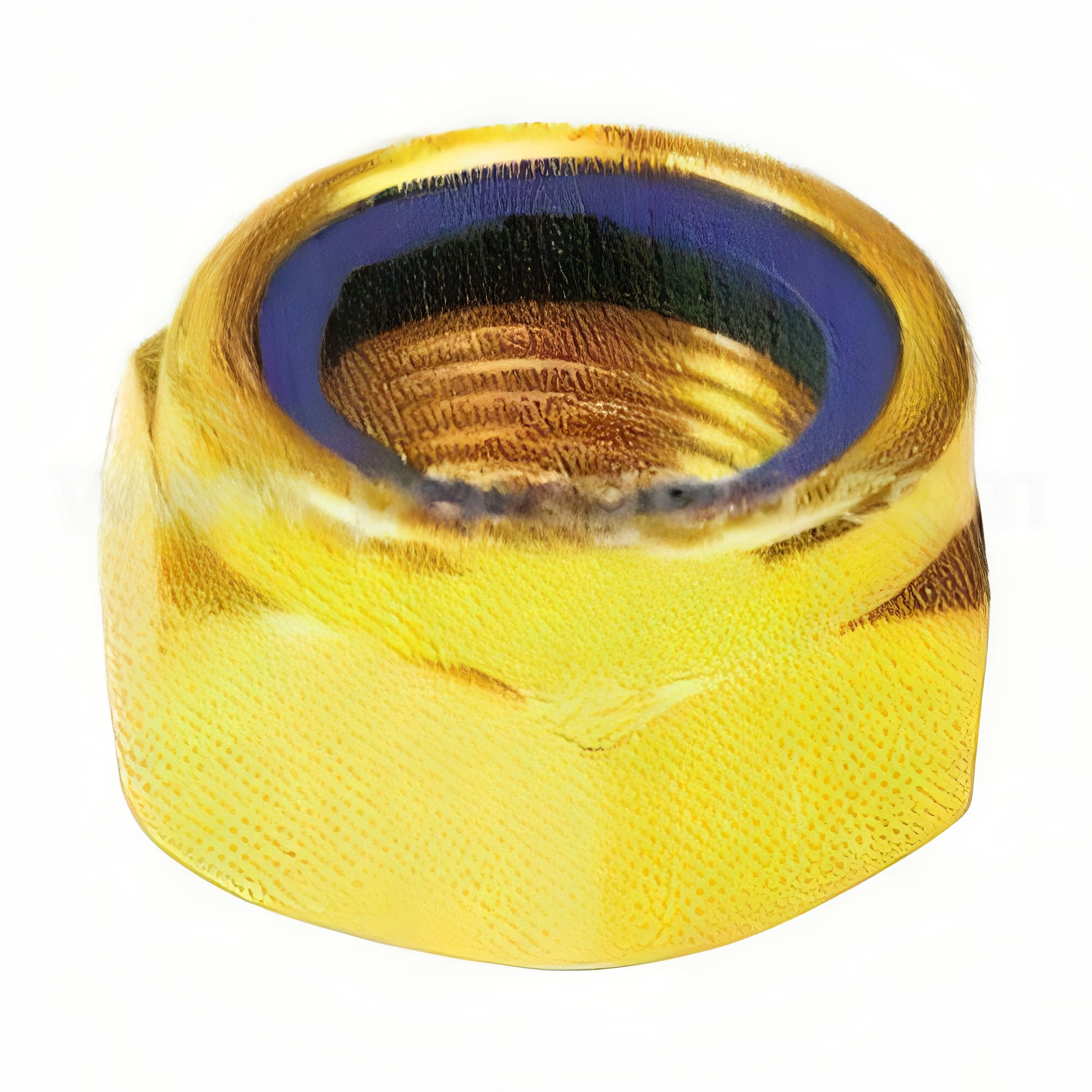
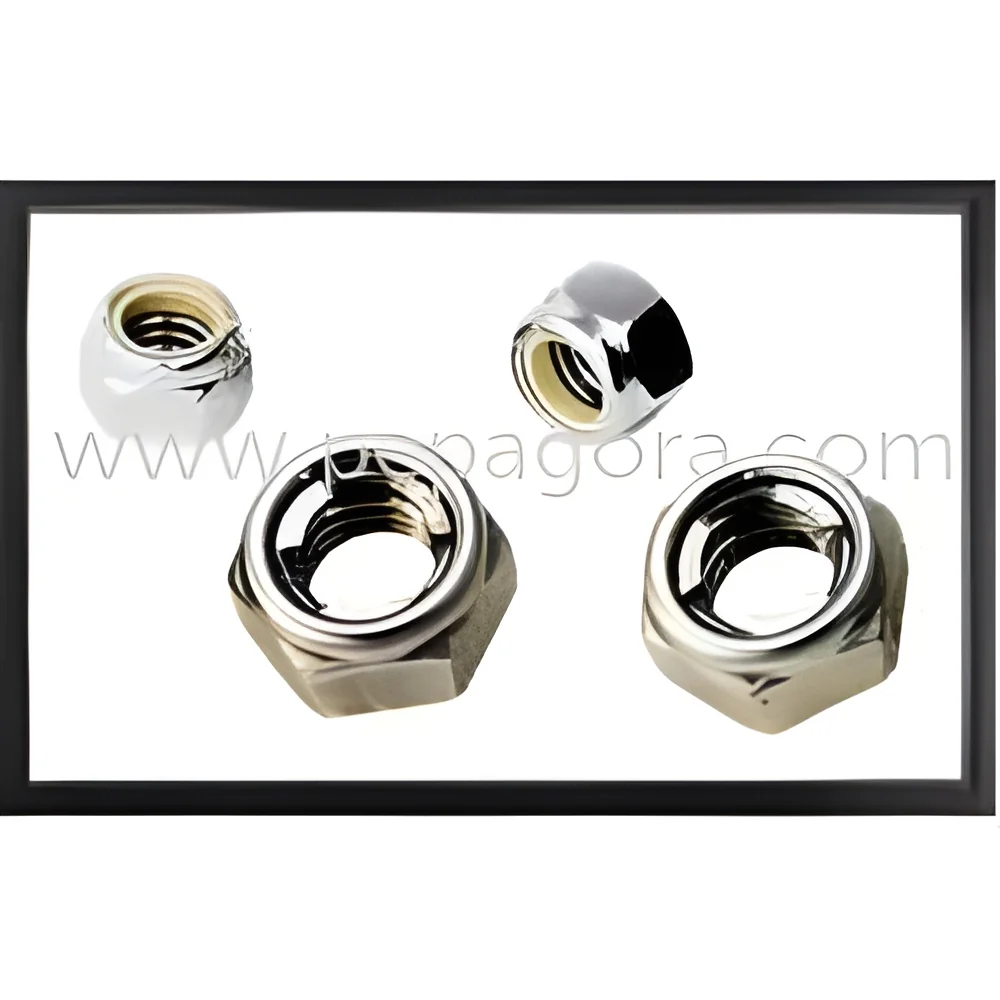
Lock Nuts: These nuts have a built-in mechanism to prevent loosening due to vibrations. They are essential in high-vibration environments such as automotive and machinery applications.
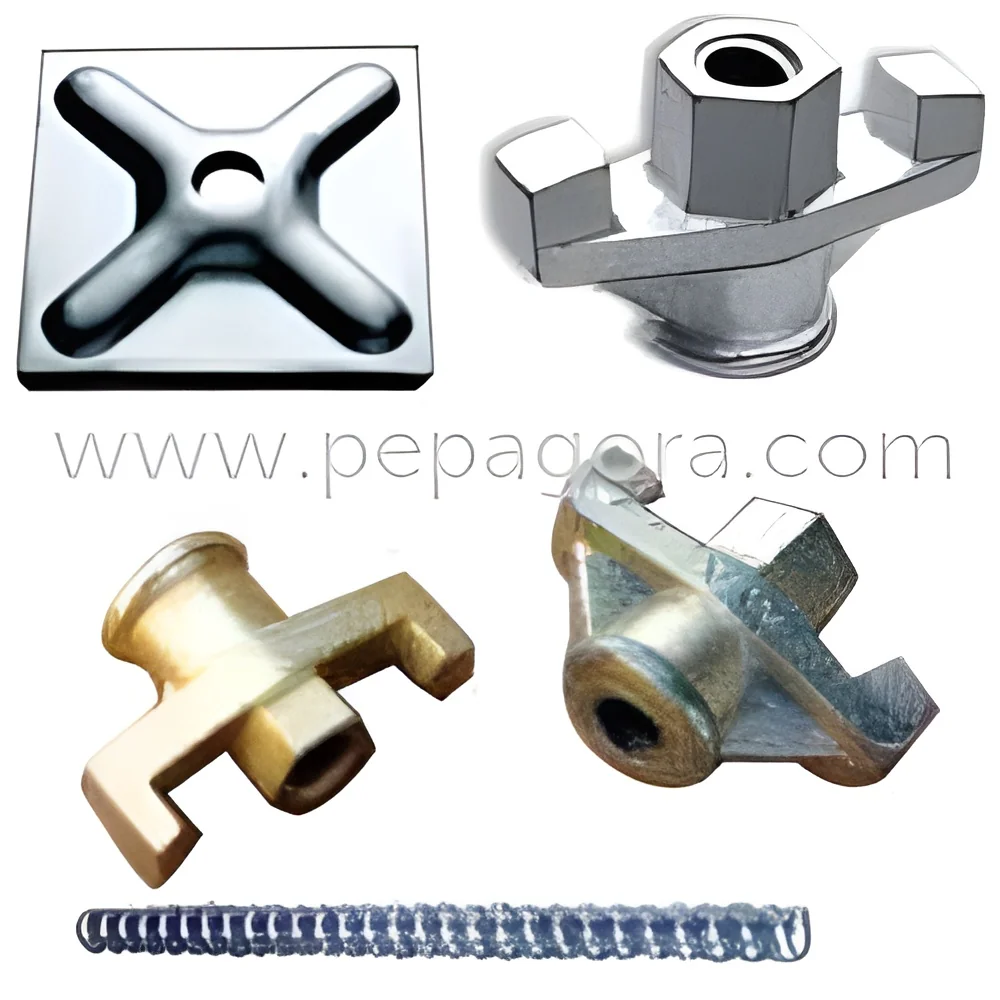
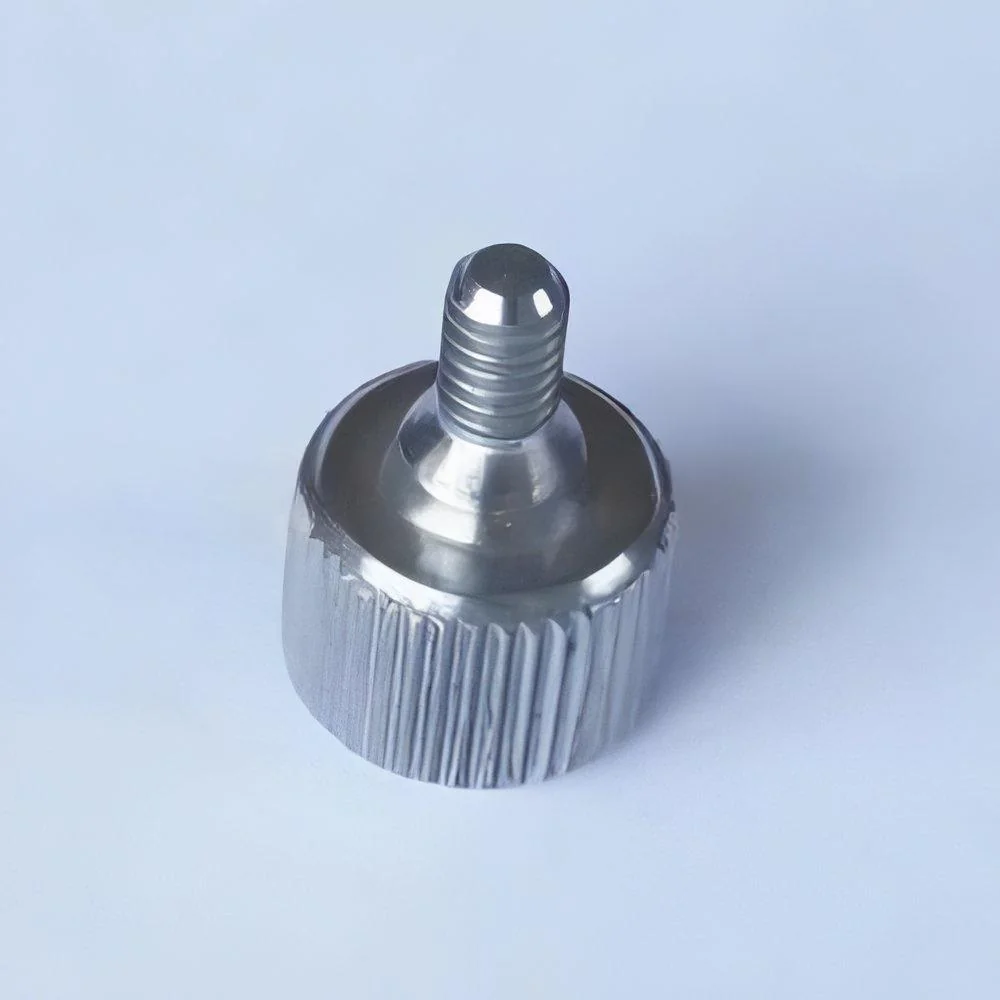
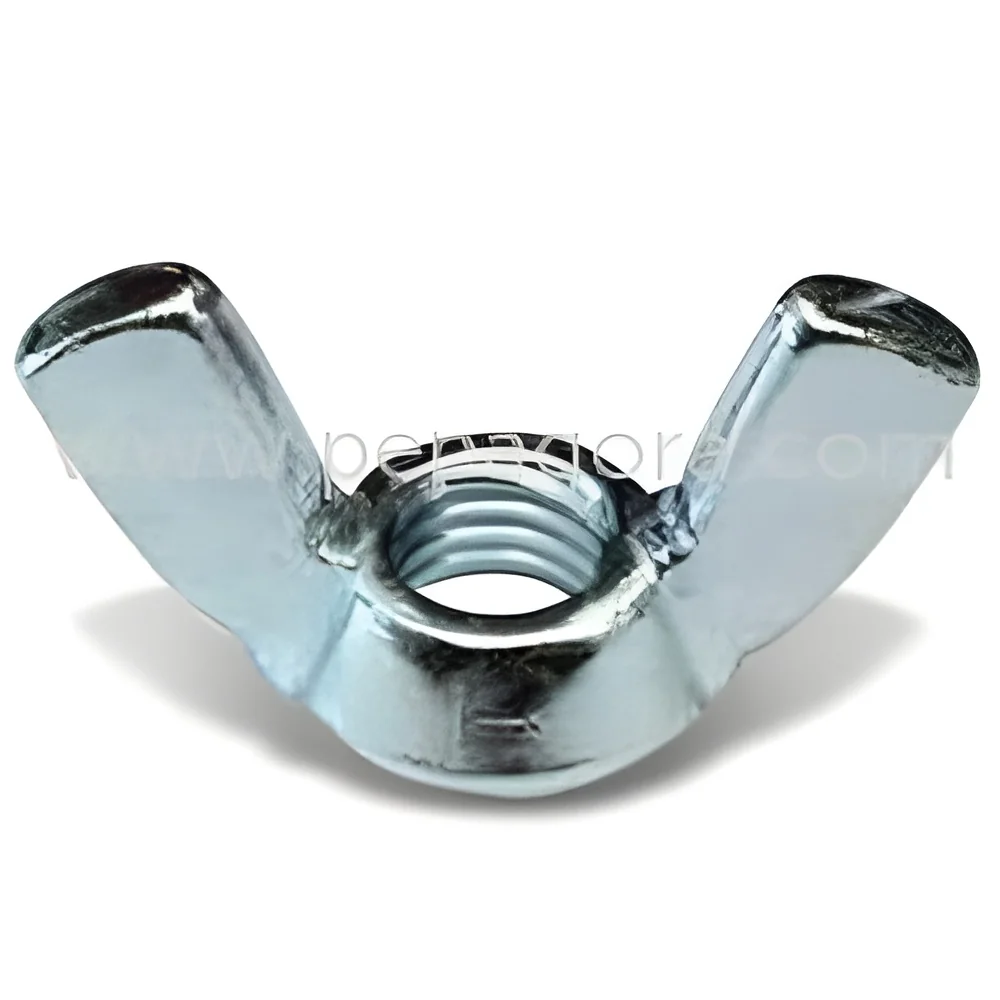
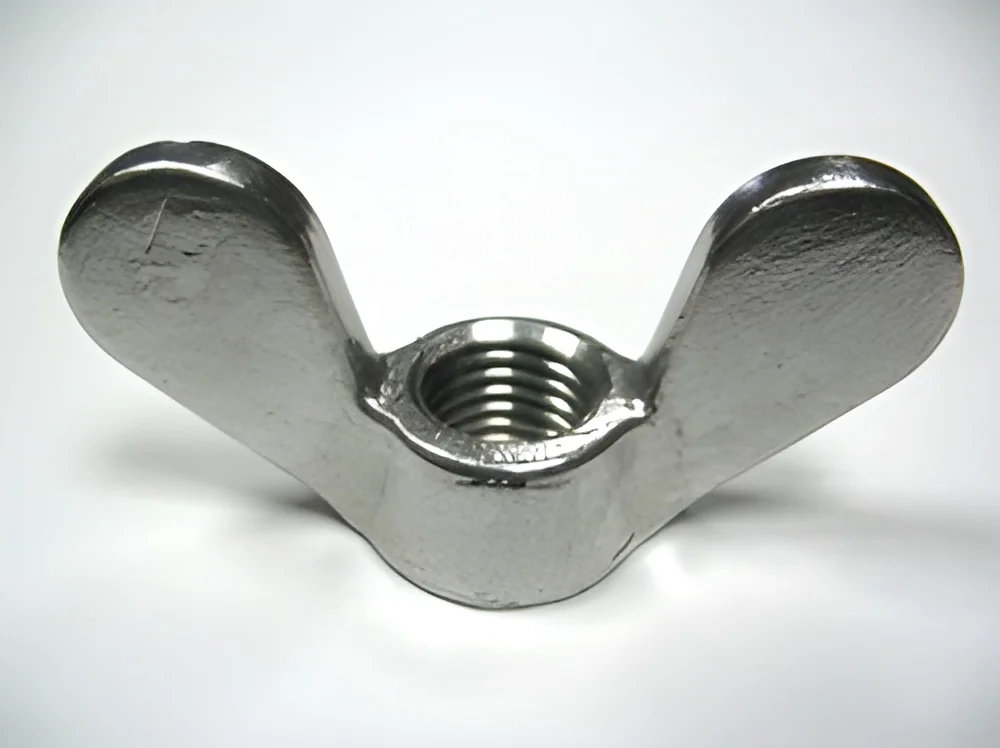
Wing Nuts: Wing nuts are designed with two protruding "wings" for hand tightening, making them ideal for applications requiring frequent adjustments or removals.
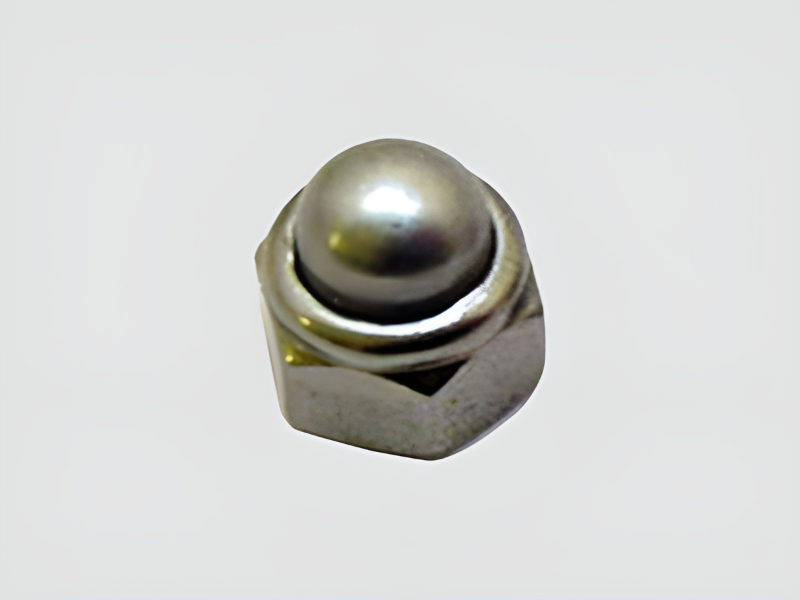
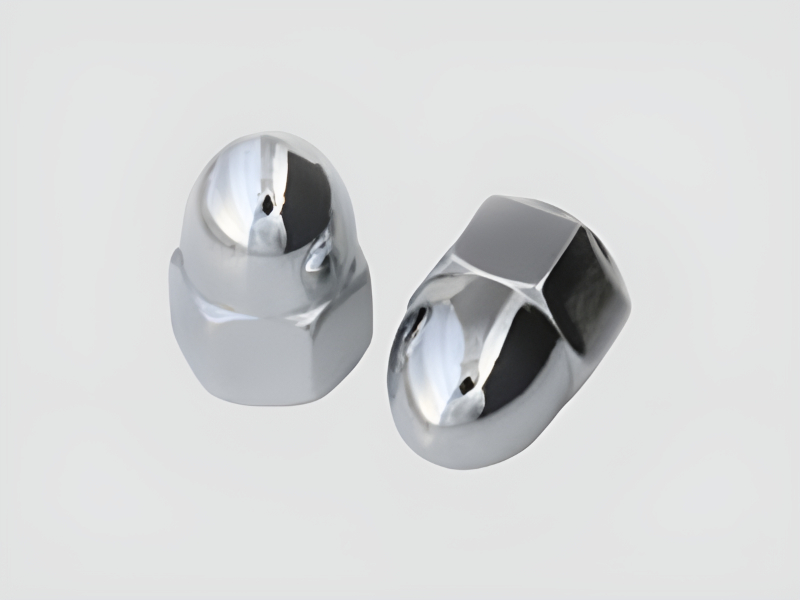
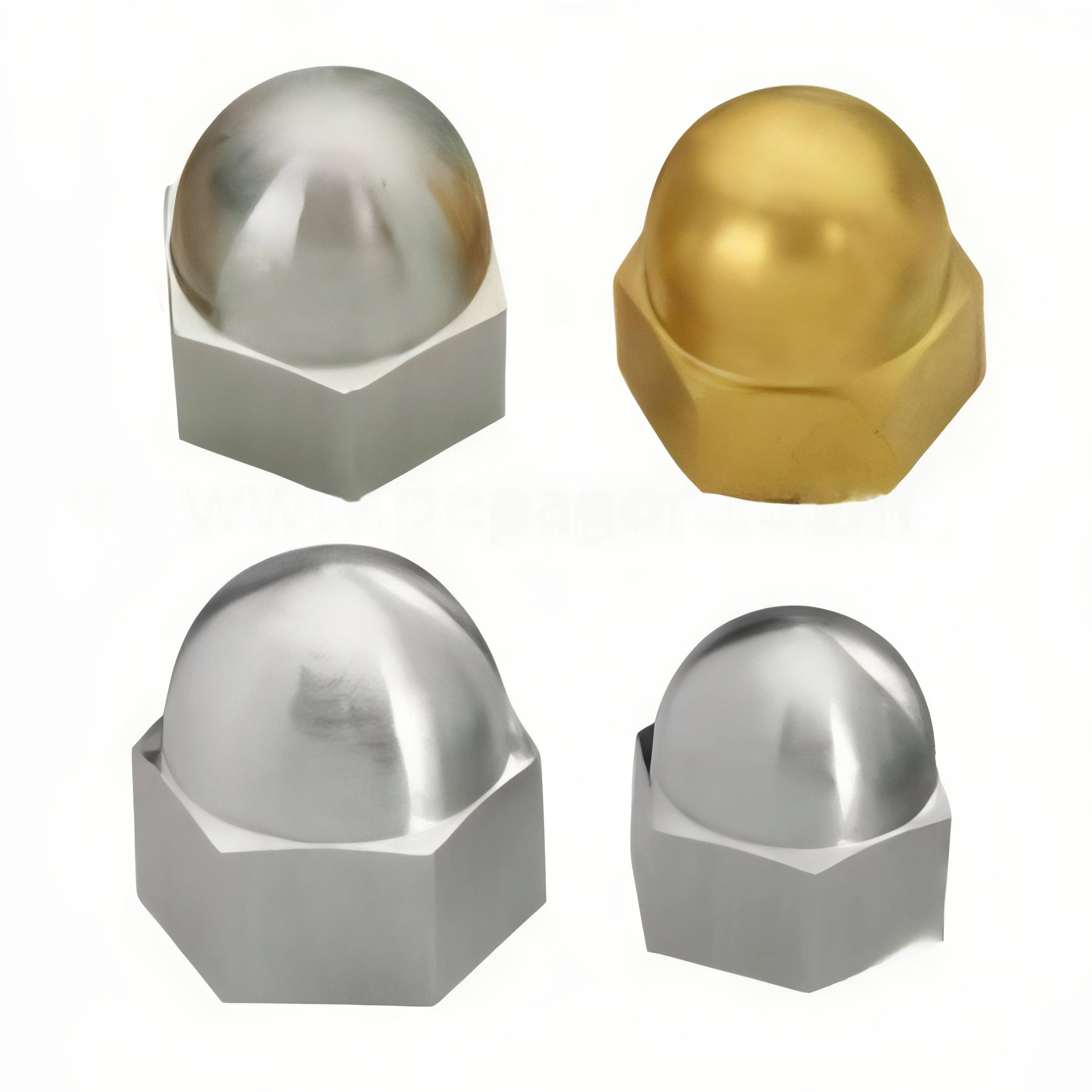
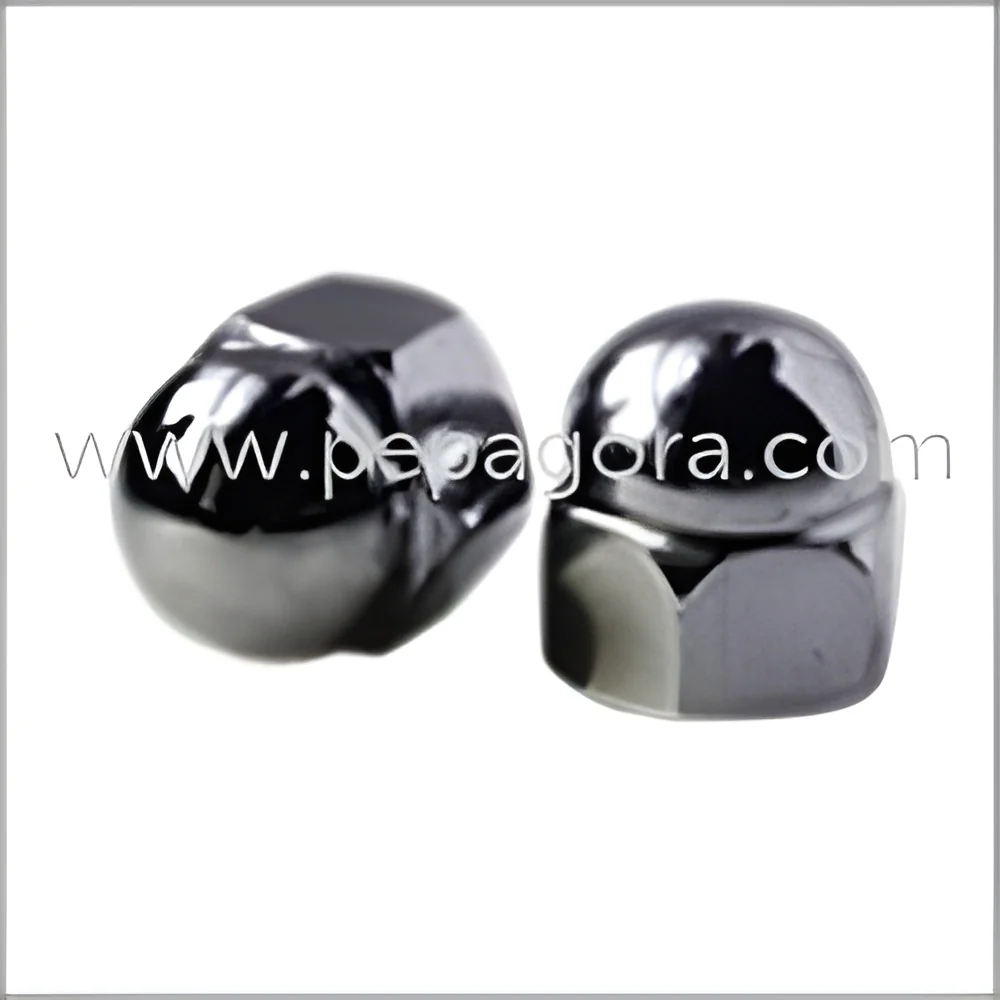
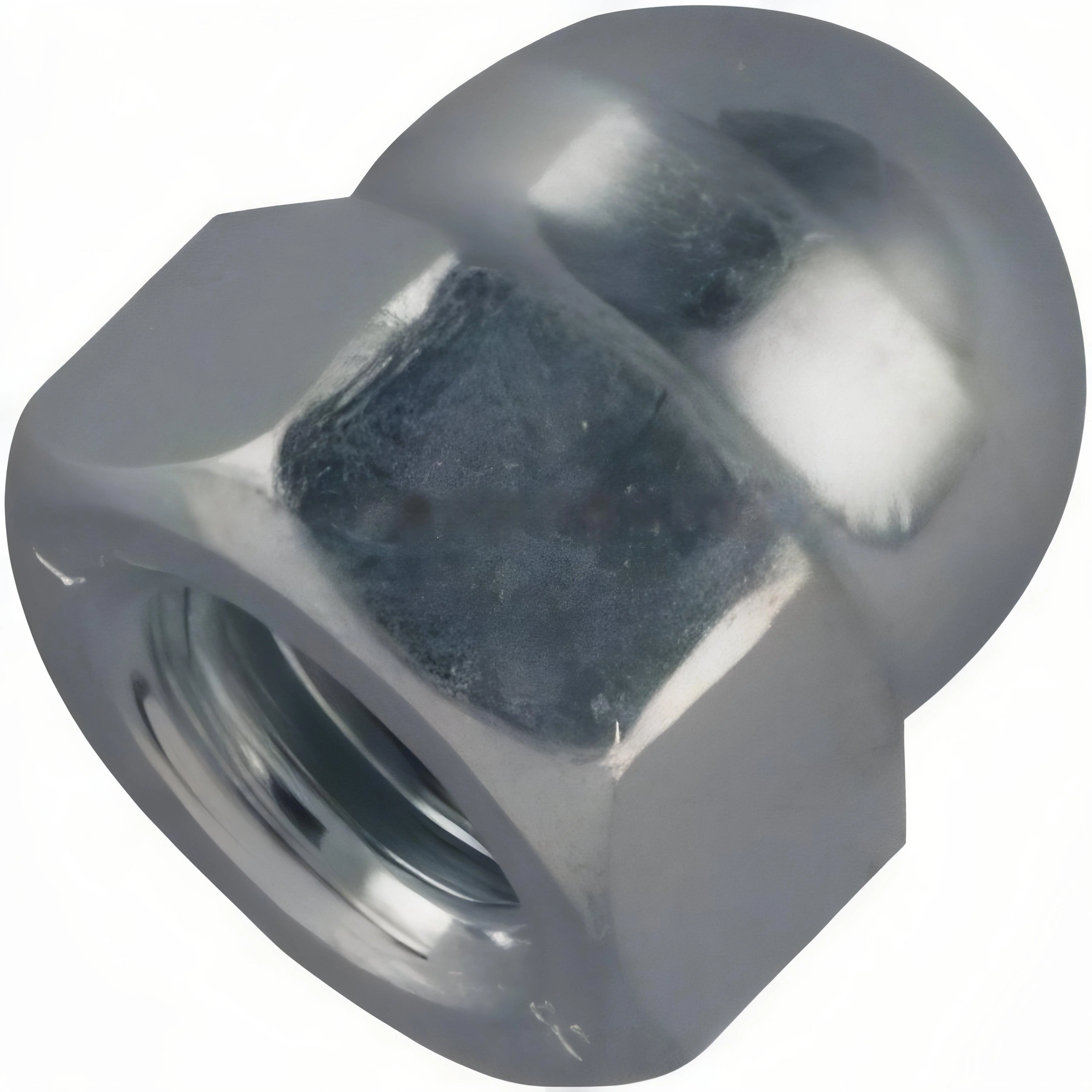
Acorn Nuts: Also known as cap nuts, acorn nuts have a domed top that provides a finished appearance and protects the threads from damage and corrosion.
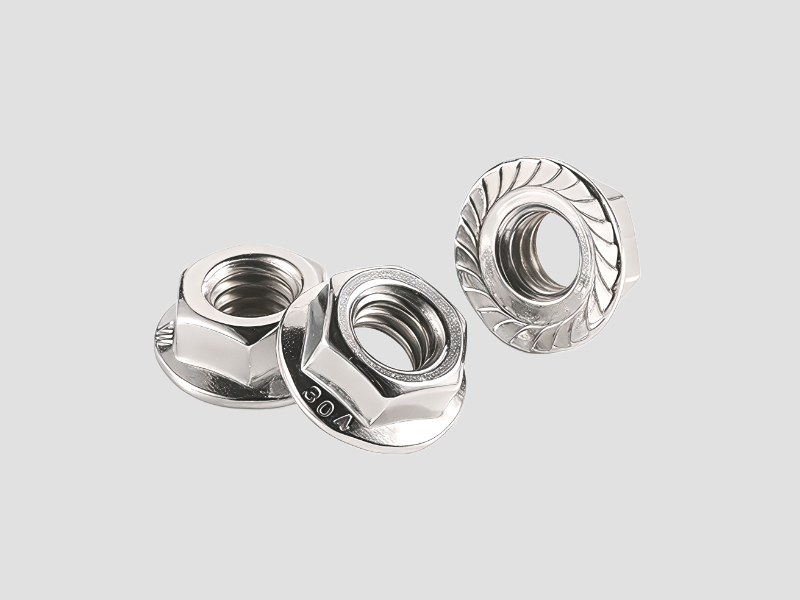
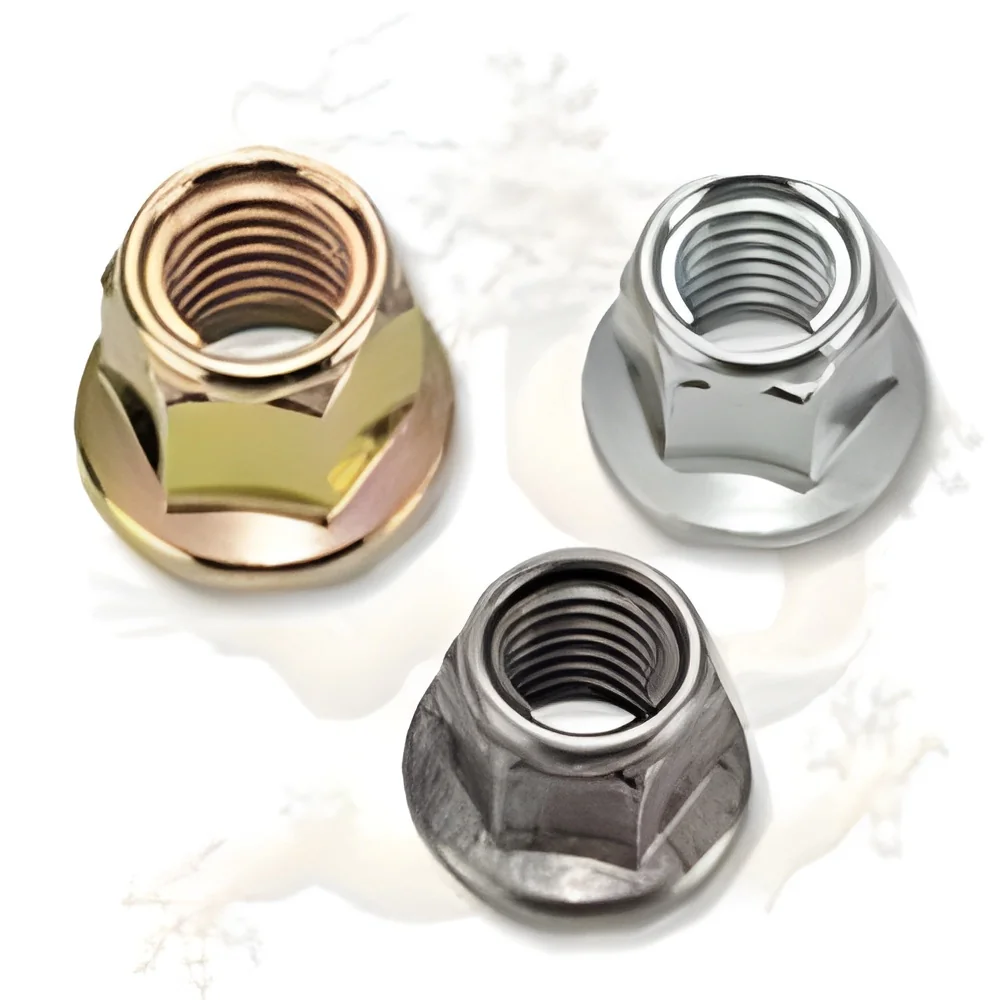
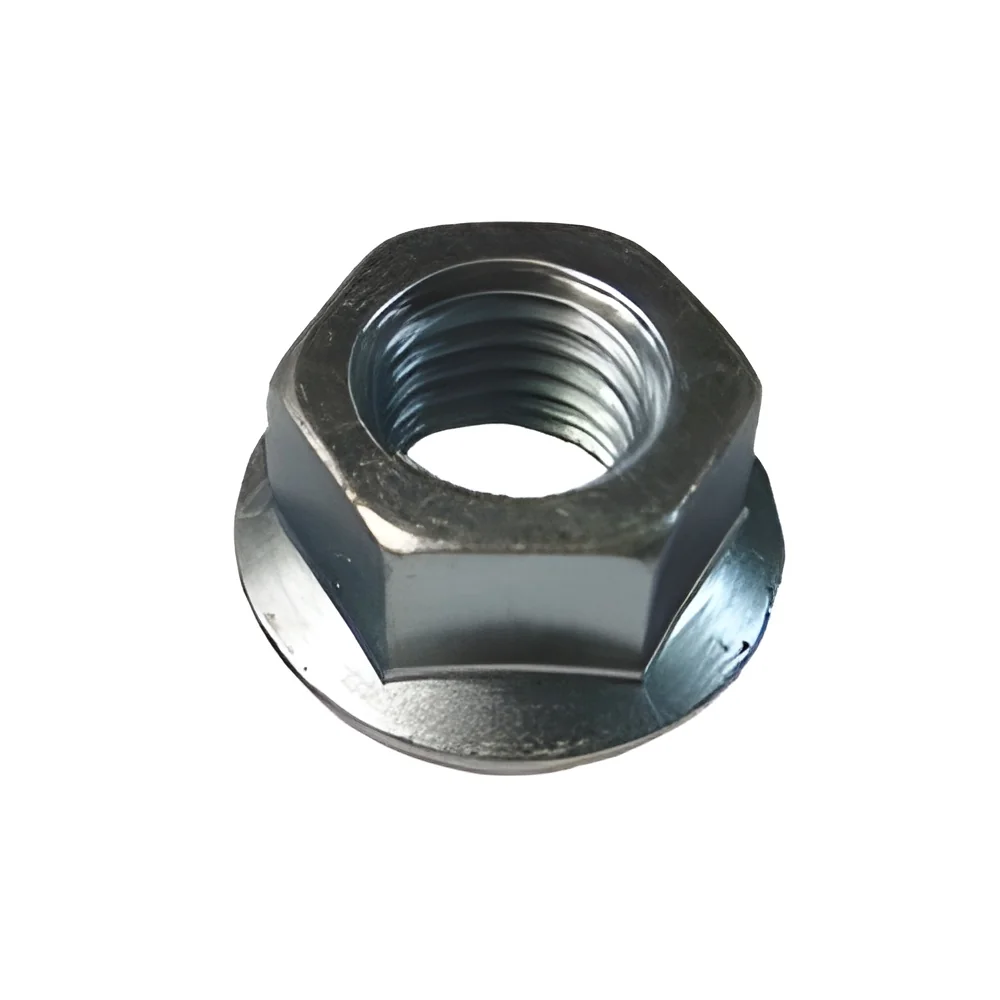
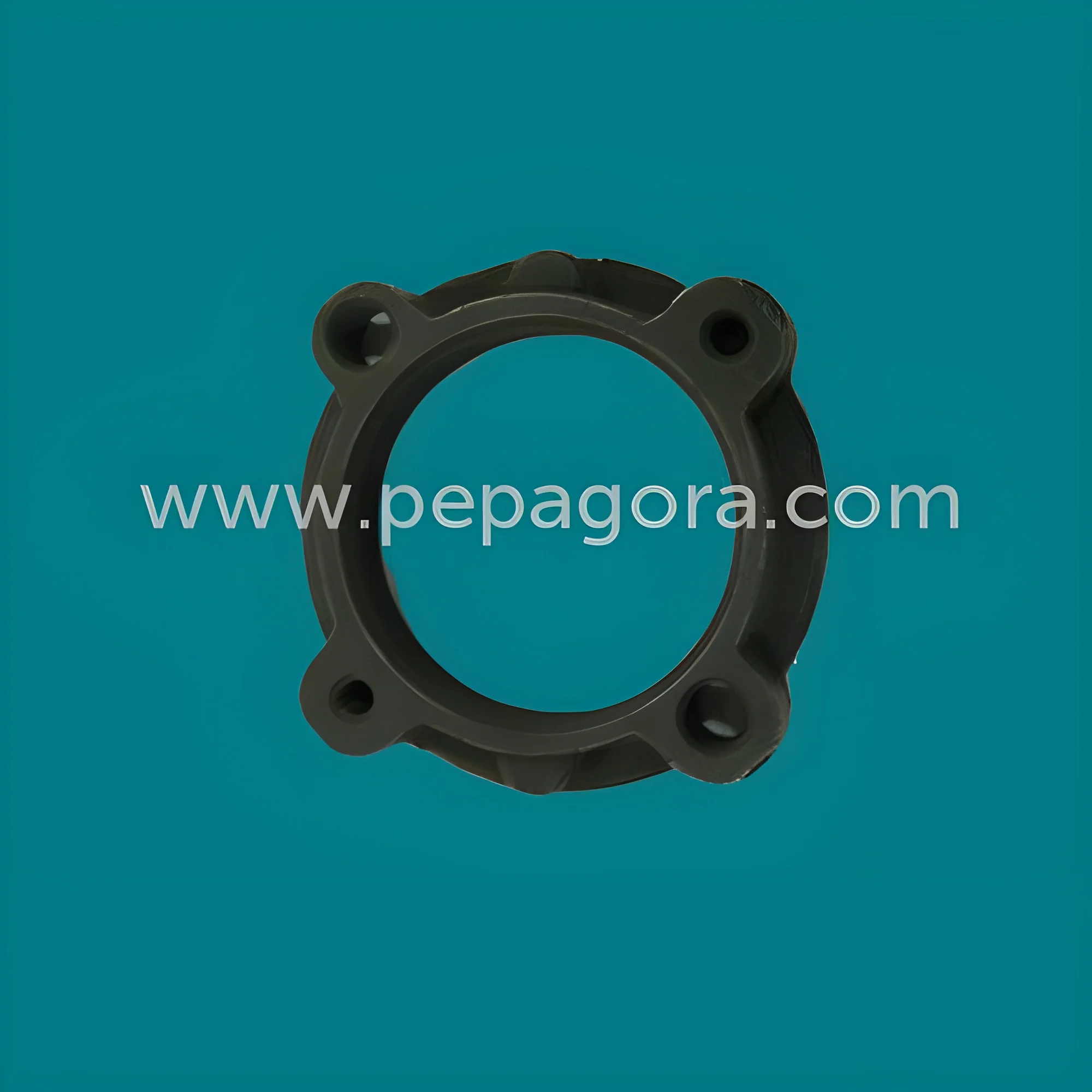
Flange Nuts: Flange nuts feature a wide flange at the base that acts as an integrated washer. This design distributes the load over a larger area, preventing damage to the material being fastened.
Benefits and Advantages
Selecting the right nuts offers several advantages for businesses looking to enhance their operations.
1. Enhanced Stability: Using high-quality nuts ensures that connections remain secure, reducing the risk of mechanical failure.
2. Increased Efficiency: Properly selected nuts can streamline assembly processes, saving time and labor costs in production.
3. Corrosion Resistance: Nuts made from corrosion-resistant materials are essential in harsh environments, extending the lifespan of components.
4. Versatile Applications: The variety of nuts available allows for their use across multiple industries and applications, making them a flexible choice.
5. Improved Safety: Reliable fastening provided by quality nuts enhances the safety of machinery and structures, protecting personnel and investments.
6. Cost-Effectiveness: Investing in durable nuts can reduce maintenance costs and downtime associated with mechanical failures.
Buying Guide for B2B Buyers
When sourcing nuts for industrial applications, several factors should be considered to ensure optimal selection and procurement.
1. Quality Assessment: Evaluate the quality of nuts based on material, grading, and manufacturing standards. Look for suppliers who adhere to recognized quality certifications.
2. Supplier Verification: Vet suppliers carefully to ensure they have a proven track record. Consider factors such as reputation, customer reviews, and compliance with industry standards.
3. Pricing and MOQ: Understand the pricing structure and minimum order quantities (MOQ) required by suppliers. Compare quotes to find the best value while ensuring quality standards are met.
4. Delivery and Lead Times: Assess suppliers' logistics capabilities to ensure timely delivery. Reliable lead times are crucial to maintaining uninterrupted production schedules.
5. Compliance Requirements: Be aware of any regulatory compliance necessary for your industry. Ensure that the nuts sourced meet relevant standards and certifications, such as CE.
Compliance and Certifications
Compliance with industry standards is critical when sourcing nuts, as it ensures that products meet safety and performance requirements. Key standards include ISO 9001, which emphasizes quality management systems, and HACCP, focused on food safety in applicable industries.
Nuts may also require certifications such as CE, indicating that they comply with European safety and health regulations. Understanding these certifications helps businesses ensure that the nuts they purchase are reliable and safe for use in their applications.
Additionally, safety and testing requirements should be met to guarantee that the nuts can withstand the operational conditions they will face. Businesses should also be aware of regional compliance considerations, as regulations can vary by location.
Why Source Nuts from Pepagora?
Pepagora offers a trusted platform for sourcing nuts, providing several advantages for businesses.
Verified Supplier Network: Pepagora connects buyers with a network of verified suppliers. This network ensures that businesses can find reputable suppliers who meet quality and compliance standards.
Streamlined RFQ Process: The request for quotation (RFQ) process on Pepagora simplifies sourcing. Buyers can easily submit their requirements and receive competitive quotes from multiple suppliers.
Trade Assurance and Support: Pepagora provides trade assurance, protecting buyers throughout the purchasing process. This ensures that transactions are secure and that buyers receive the products they expect.
Regional Coverage: With a strong presence in India, the GCC, and Southeast Asia, Pepagora offers extensive regional coverage. This allows businesses to source nuts efficiently across different markets, ensuring timely delivery and support.

 IN
IN