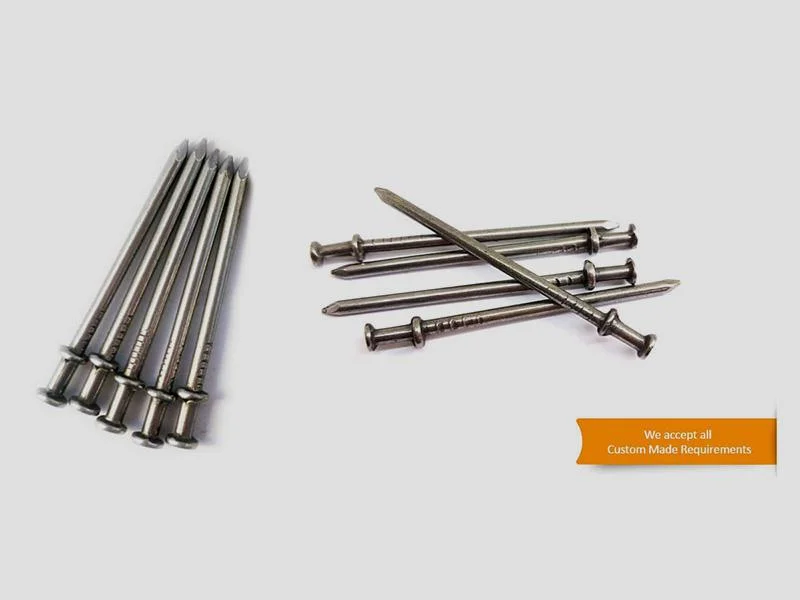
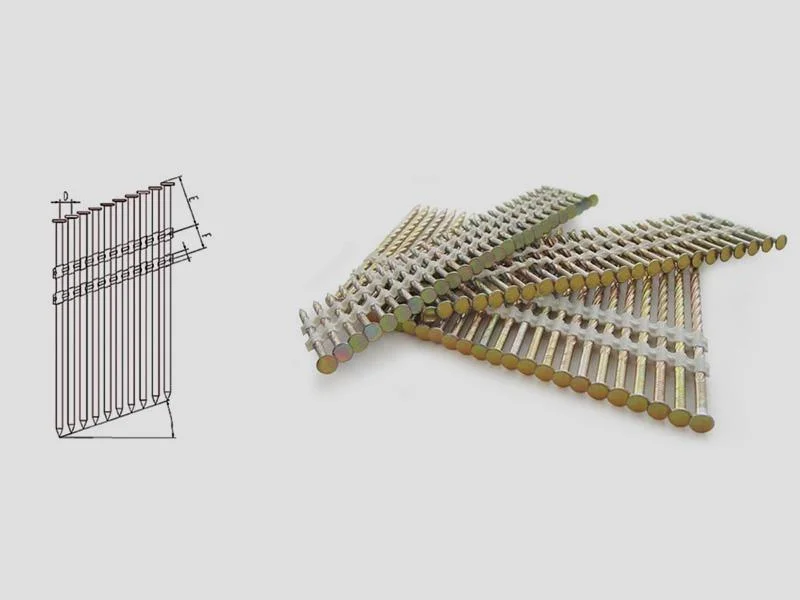
What are Nails (Common, Finishing, Roofing)?
Nails are essential fasteners used to join materials together in construction and manufacturing. They come in various types, including common, finishing, and roofing nails, each designed for specific applications. Common nails are typically used for framing and general construction, while finishing nails are used for trim and molding where a smaller head is desired for aesthetic purposes. Roofing nails are specialized for attaching shingles and roofing materials due to their longer length and larger head.
The primary uses of nails span many industries, including construction, woodworking, and roofing. In construction, nails are vital for framing and securing structural elements. In woodworking, they are used for assembling furniture and cabinetry. The roofing industry relies on roofing nails to ensure durability and weather resistance. Given the growing construction and renovation market, the demand for quality nails remains strong, emphasizing their relevance in various projects.
As industries evolve, the demand for high-quality nails that meet specific standards continues to rise. Manufacturers are increasingly focused on innovation, sustainability, and compliance with industry standards, enhancing the performance and reliability of nails. This focus helps to ensure that nails can withstand environmental challenges, which is critical in construction and other applications.
๐๐ฒ๐ ๐๐ฒ๐ฎ๐๐๐ฟ๐ฒ๐ ๐ฎ๐ป๐ฑ ๐ฆ๐ฝ๐ฒ๐ฐ๐ถ๐ณ๐ถ๐ฐ๐ฎ๐๐ถ๐ผ๐ป๐
When considering nails for various applications, it is essential to understand their key features and specifications. Nails differ in material, size, and design, impacting their performance in specific tasks.
Key specifications include:
1. Material
- Common nails are often made from steel and may be galvanized for corrosion resistance.
- Finishing nails can be made from stainless steel or copper to enhance their appearance and durability.
2. Length
- Common nails typically range from 1 inch to 6 inches.
- Finishing nails are usually available in lengths from 1 inch to 2.5 inches.
3. Diameter
- Common nails can vary in diameter, typically from 0.08 inches to 0.15 inches.
- Finishing nails have a smaller diameter, often between 0.06 inches to 0.09 inches.
4. Head Type
- Common nails have a flat head for easy driving.
- Finishing nails have a small, countersunk head to minimize visibility after installation.
5. Point Type
- Common nails feature a diamond point for easier penetration.
- Roofing nails usually have a larger, sharper point to penetrate roofing materials effectively.
6. Coating
- Galvanization is common for corrosion resistance in outdoor applications.
- Some nails may have a polymer coating for added durability.
These specifications help ensure that nails are suited for their intended application, providing strength and stability.
๐๐ผ๐บ๐บ๐ผ๐ป ๐๐ฝ๐ฝ๐น๐ถ๐ฐ๐ฎ๐๐ถ๐ผ๐ป๐ ๐ฎ๐ป๐ฑ ๐จ๐๐ฒ ๐๐ฎ๐๐ฒ๐
Nails serve a wide range of industries and applications, showcasing their versatility.
1. Construction: Common nails are widely used for framing, sheathing, and general construction tasks. They provide essential structural support in buildings.
2. Woodworking: Finishing nails are popular in cabinetry and furniture assembly. Their smaller head allows for a clean finish without visible fasteners.
3. Roofing: Roofing nails are critical for securing shingles and other roofing materials. Their design ensures durability and resistance to weather elements.
4. Manufacturing: Nails are used in assembly lines for various products, where quick and efficient fastening is required.
5. Home Improvement: DIY enthusiasts use nails for a variety of projects, including repairs and renovations, making them a staple in home improvement stores.
๐ฃ๐ฟ๐ผ๐ฑ๐๐ฐ๐ ๐ฉ๐ฎ๐ฟ๐ถ๐ฎ๐ป๐๐ ๐ฎ๐ป๐ฑ ๐ฆ๐๐ฏ๐ฐ๐ฎ๐๐ฒ๐ด๐ผ๐ฟ๐ถ๐ฒ๐
Nails come in various types to cater to specific needs in construction and manufacturing.
Common Nails: These are versatile fasteners used primarily in construction for framing and rough work. They have a larger head and are designed to hold heavier materials together.
Finishing Nails: These nails are designed for applications where aesthetics are essential. Their smaller heads allow them to be driven below the surface of the material, making them ideal for trim and molding work.
Roofing Nails: Roofing nails are specifically designed for securing roofing materials. Their larger head and sharp point ensure they penetrate roofing substrates effectively, providing a secure hold against wind and weather.
๐๐ฒ๐ป๐ฒ๐ณ๐ถ๐๐ ๐ฎ๐ป๐ฑ ๐๐ฑ๐๐ฎ๐ป๐๐ฎ๐ด๐ฒ๐
Choosing the right nails offers several advantages that enhance productivity and project outcomes.
1. Strength and Durability: Nails provide strong connections that can withstand heavy loads, making them ideal for structural applications.
2. Ease of Use: Nails can be quickly driven into materials, allowing for faster assembly compared to screws or bolts.
3. Cost-Effective: Nails are generally less expensive than other fastening options, making them a budget-friendly choice for large projects.
4. Versatility: With a variety of types available, nails can be used in numerous applications across different industries.
5. Aesthetic Appeal: Finishing nails offer a clean look without visible fasteners, improving the visual quality of woodworking projects.
6. Weather Resistance: Galvanized and specialized roofing nails resist corrosion, ensuring longevity in outdoor applications.
๐๐๐๐ถ๐ป๐ด ๐๐๐ถ๐ฑ๐ฒ ๐ณ๐ผ๐ฟ ๐๐ฎ๐ ๐๐๐๐ฒ๐ฟ๐
When sourcing nails, it is essential for B2B buyers to consider several critical factors to ensure they make the right choice.
1. Quality Assessment: Look for nails that meet industry standards and specifications. Assess the material and coating to ensure durability in your specific application.
2. Supplier Verification: Vet suppliers to ensure they have a good reputation and can deliver quality products consistently. Check for customer reviews and industry certifications.
3. Pricing and MOQ: Understand the pricing structure and minimum order quantities. Compare prices across suppliers while ensuring quality is not compromised.
4. Delivery and Lead Times: Evaluate the logistics of delivery times and reliability. Timely delivery is crucial for maintaining project schedules.
5. Compliance Requirements: Be aware of any regulatory compliance needed for your industry. Ensure that the nails meet all necessary standards to avoid project delays or issues.
๐๐ผ๐บ๐ฝ๐น๐ถ๐ฎ๐ป๐ฐ๐ฒ ๐ฎ๐ป๐ฑ ๐๐ฒ๐ฟ๐๐ถ๐ณ๐ถ๐ฐ๐ฎ๐๐ถ๐ผ๐ป๐
Compliance and certifications are vital in the nail manufacturing industry to ensure product quality and safety.
Manufacturers often adhere to quality standards such as ISO 9001, which ensures effective quality management systems. Compliance with these standards helps guarantee that products meet customer and regulatory requirements consistently.
Additionally, nails may carry industry certifications such as CE marking, indicating conformity with European health, safety, and environmental protection standards. This certification is crucial for businesses operating within the European market.
Safety and testing requirements are also essential, particularly for nails used in construction and roofing. Regular testing ensures that nails can withstand the stresses and demands of their applications.
Regional compliance considerations may vary, so it is important for businesses to understand the specific requirements within their operational regions.
Why Source Nails (Common, Finishing, Roofing) from Pepagora?
Pepagora offers a reliable platform for sourcing nails, providing numerous advantages that benefit B2B buyers.
Verified Supplier Network: Pepagora connects buyers with a network of verified suppliers, ensuring that you receive quality products from reputable manufacturers. This network helps mitigate risks associated with sourcing.
Streamlined RFQ Process: The Request for Quotation (RFQ) process on Pepagora simplifies the procurement journey. Buyers can easily compare prices and specifications from multiple suppliers to make informed decisions.
Trade Assurance and Support: Pepagora offers trade assurance, providing buyers with protection throughout the sourcing process. This support ensures that transactions are secure and satisfactory.
Regional Coverage: With a strong presence in India, GCC, and Southeast Asia, Pepagora provides access to a diverse range of suppliers and products. This broad geographic reach ensures that buyers can find the right nails for their specific needs, no matter where they are located.