What are Rivets?
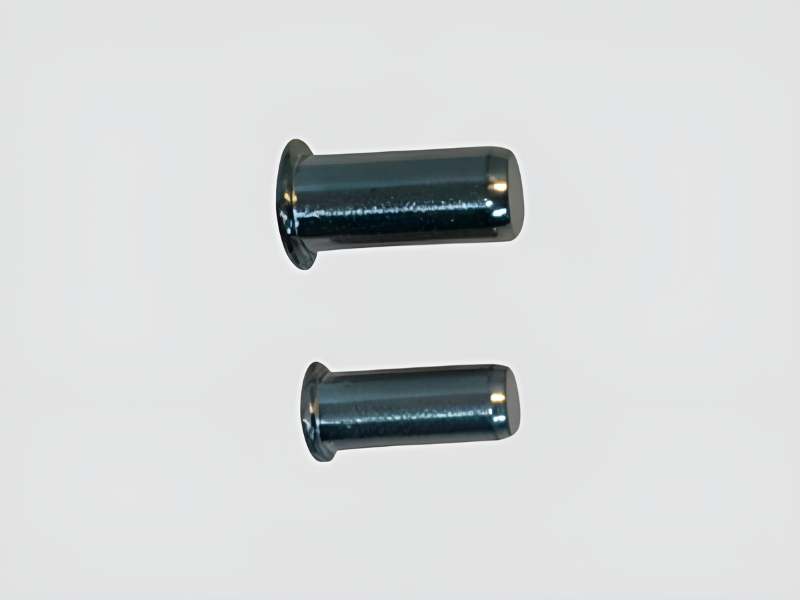
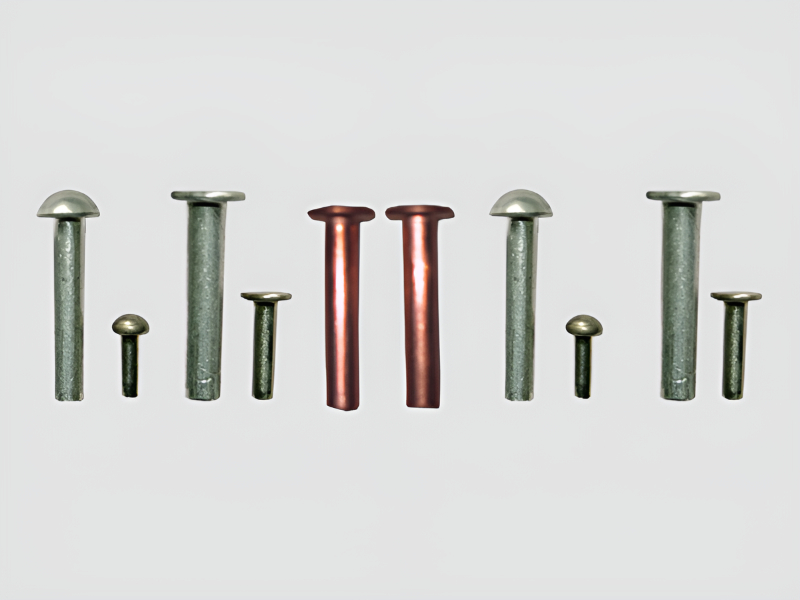
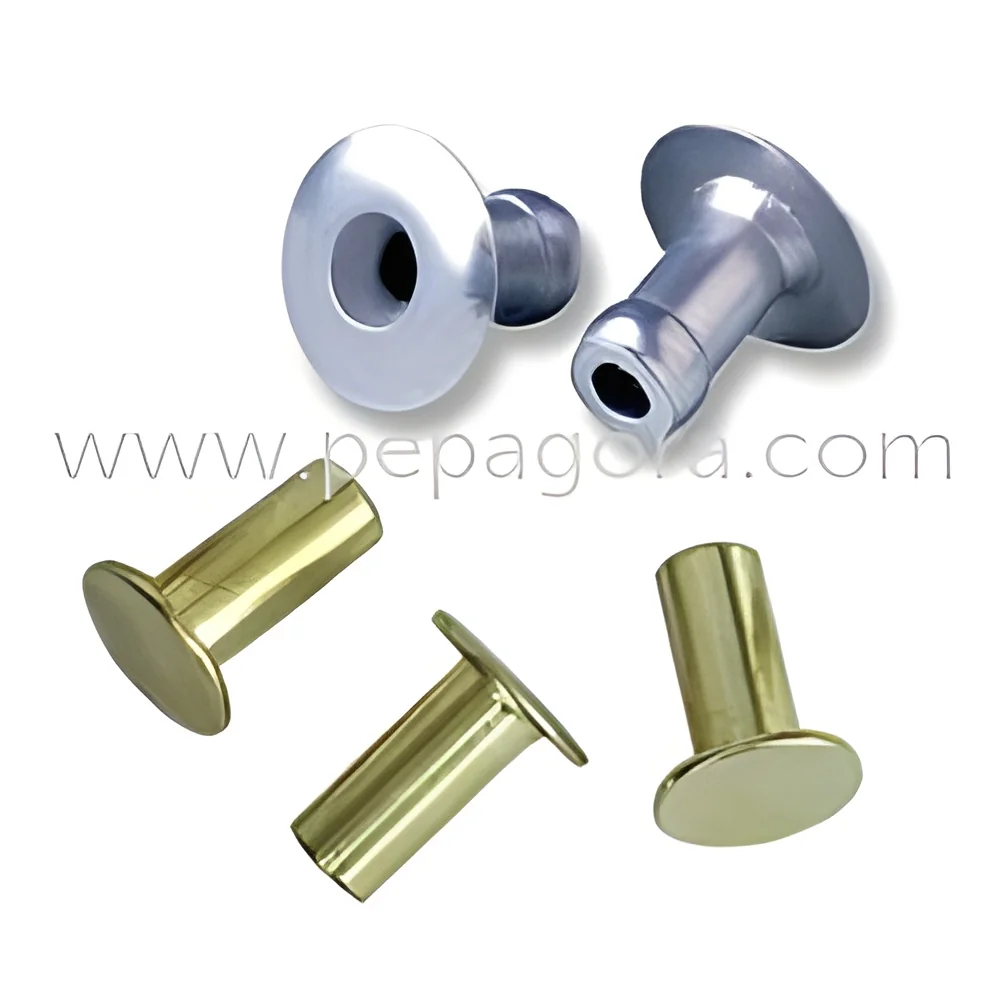
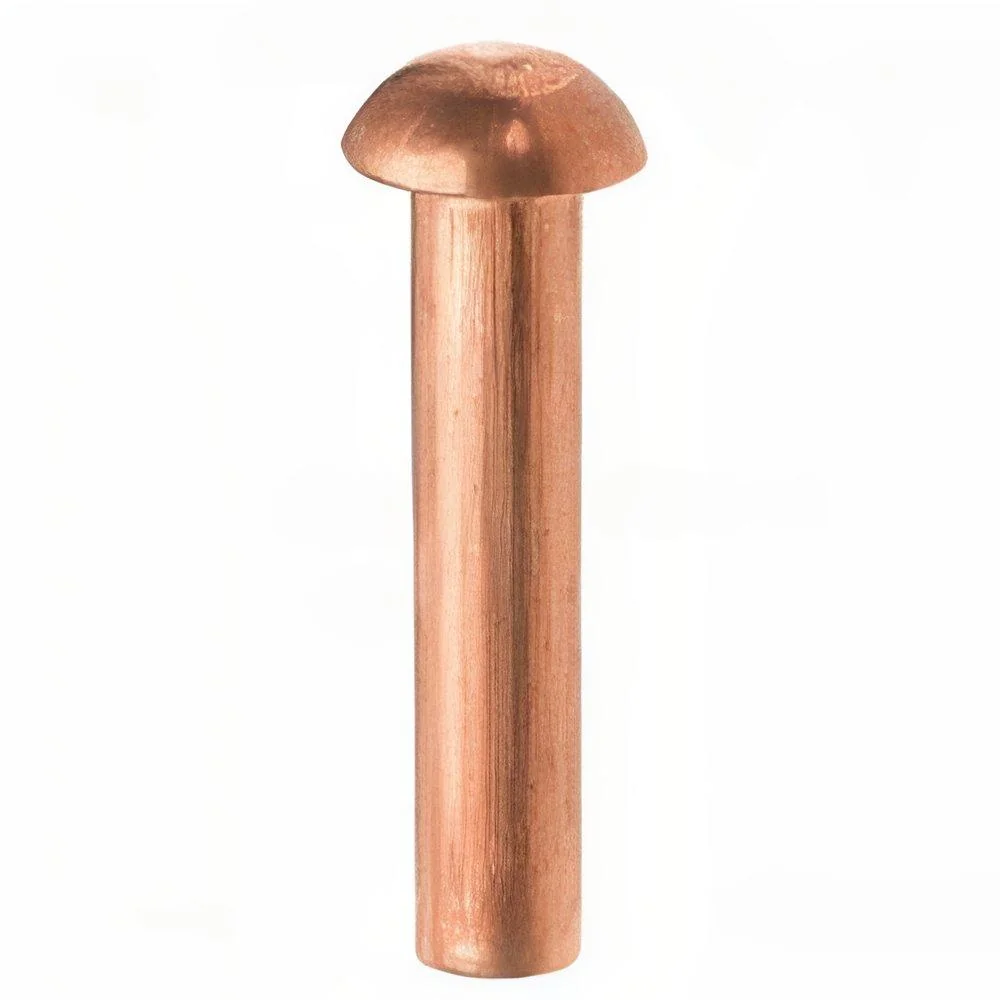
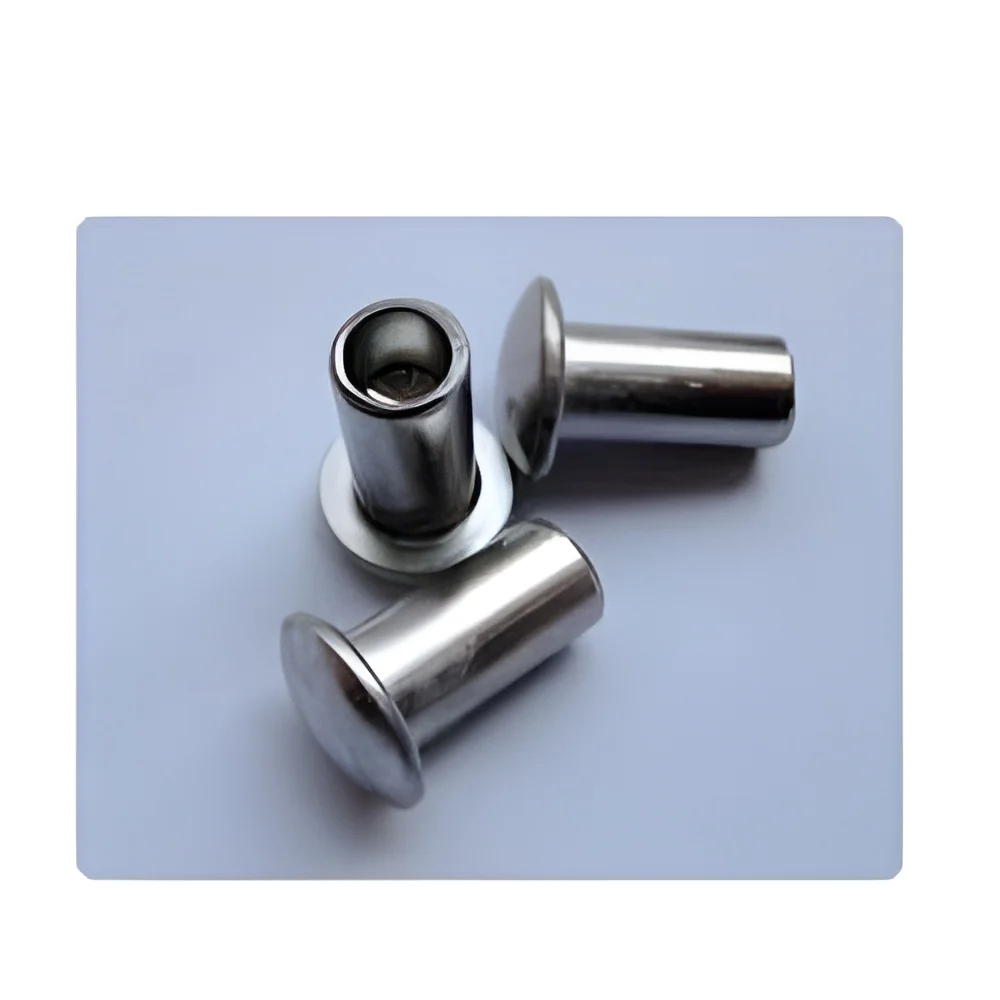
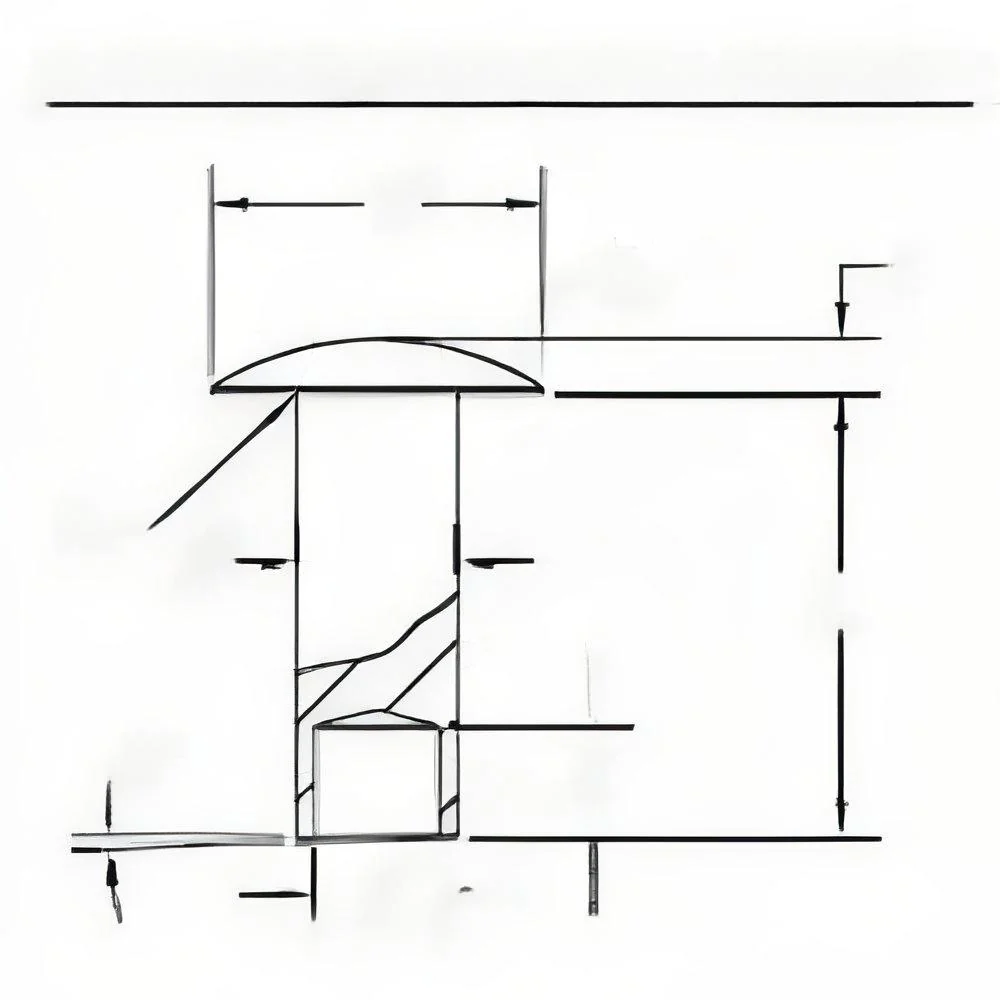
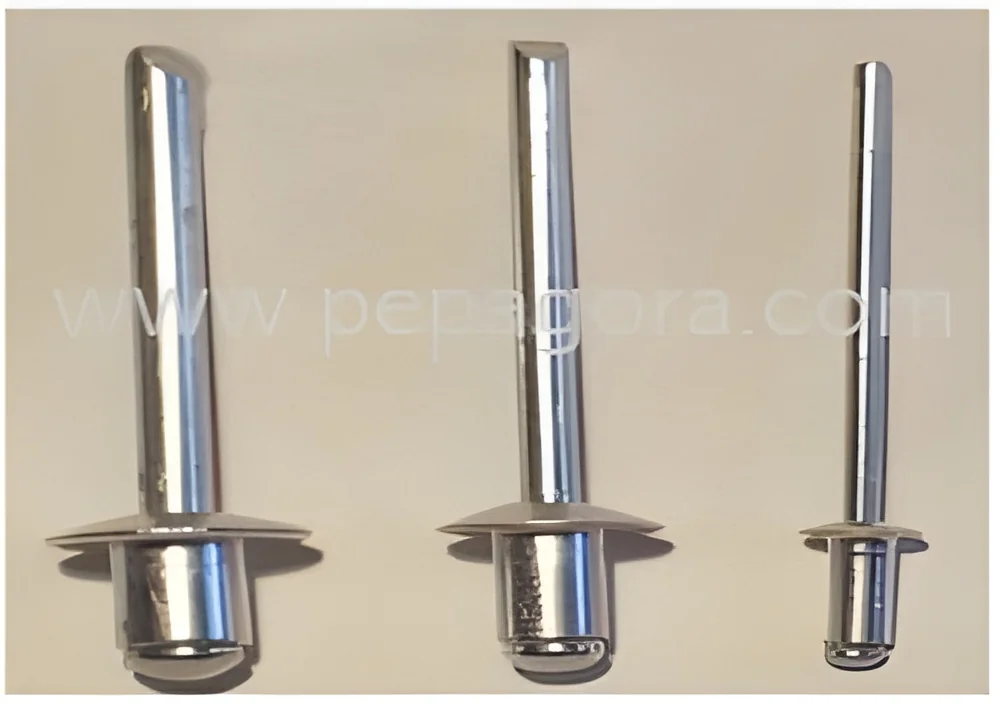
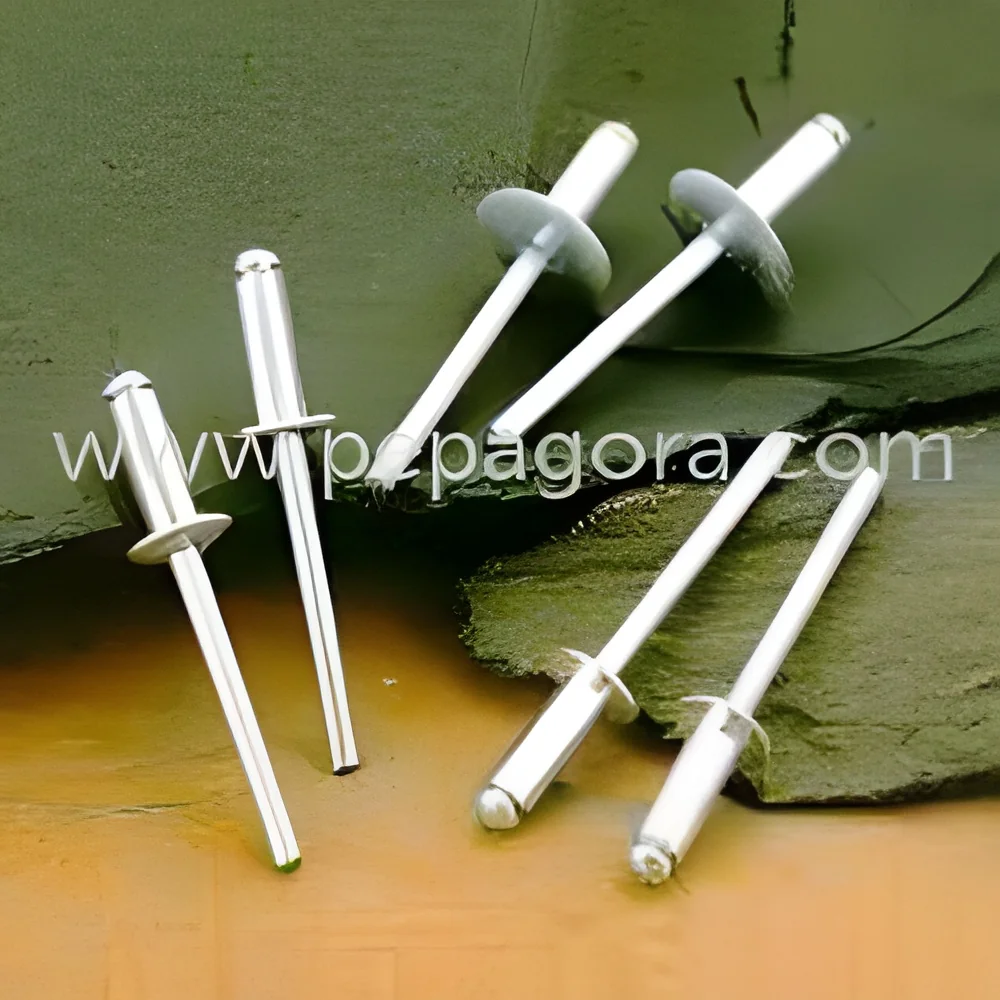
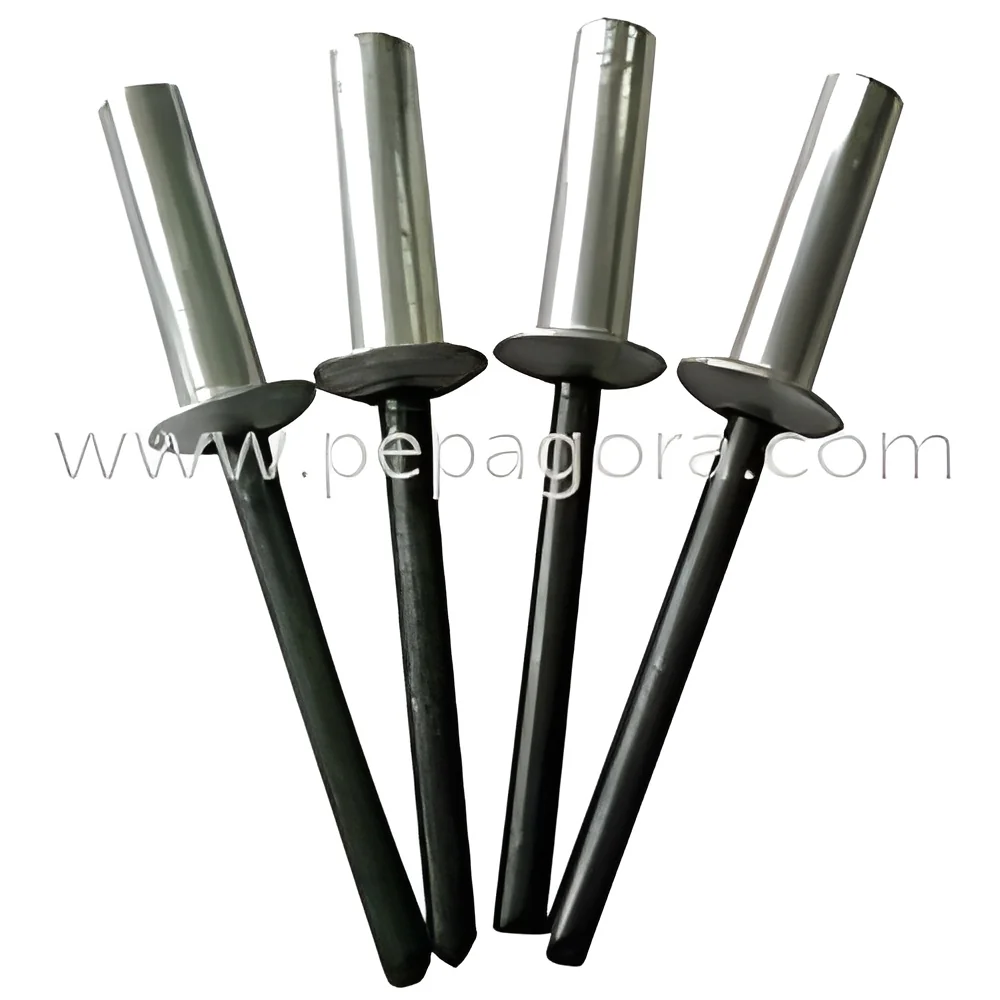
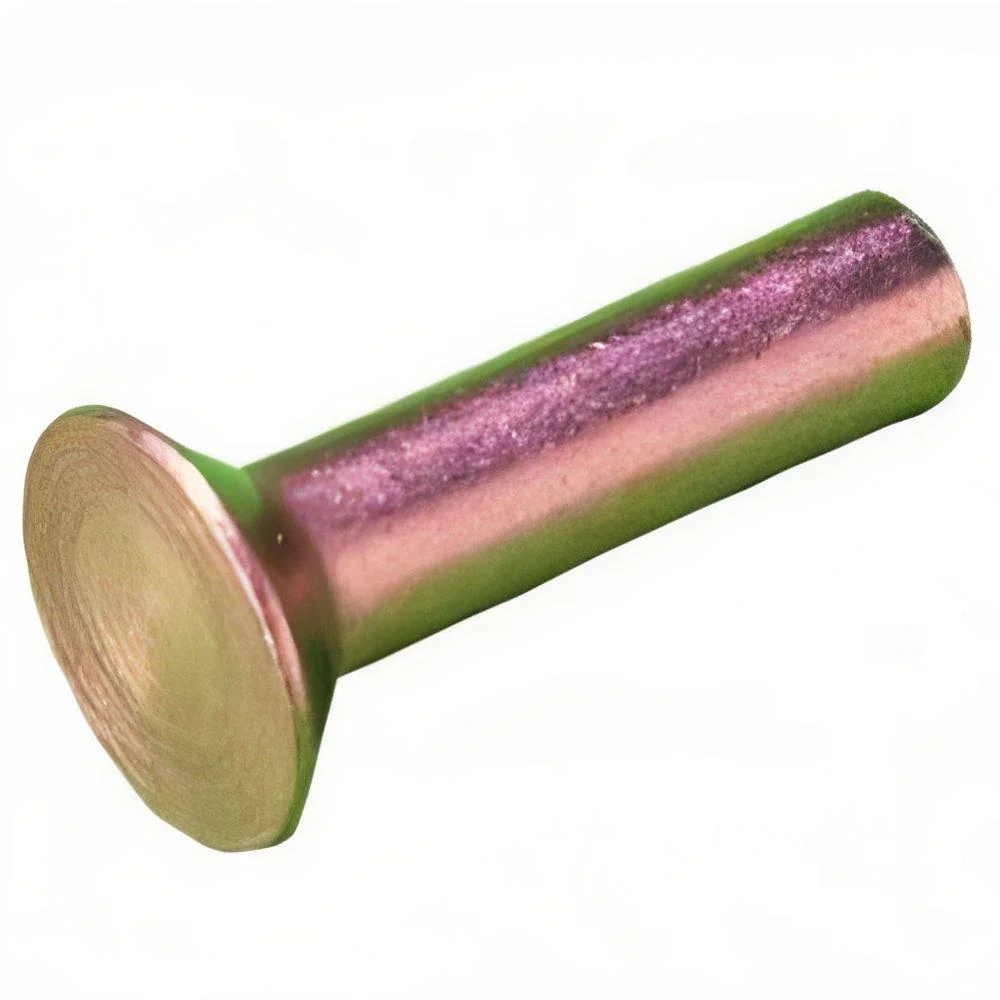
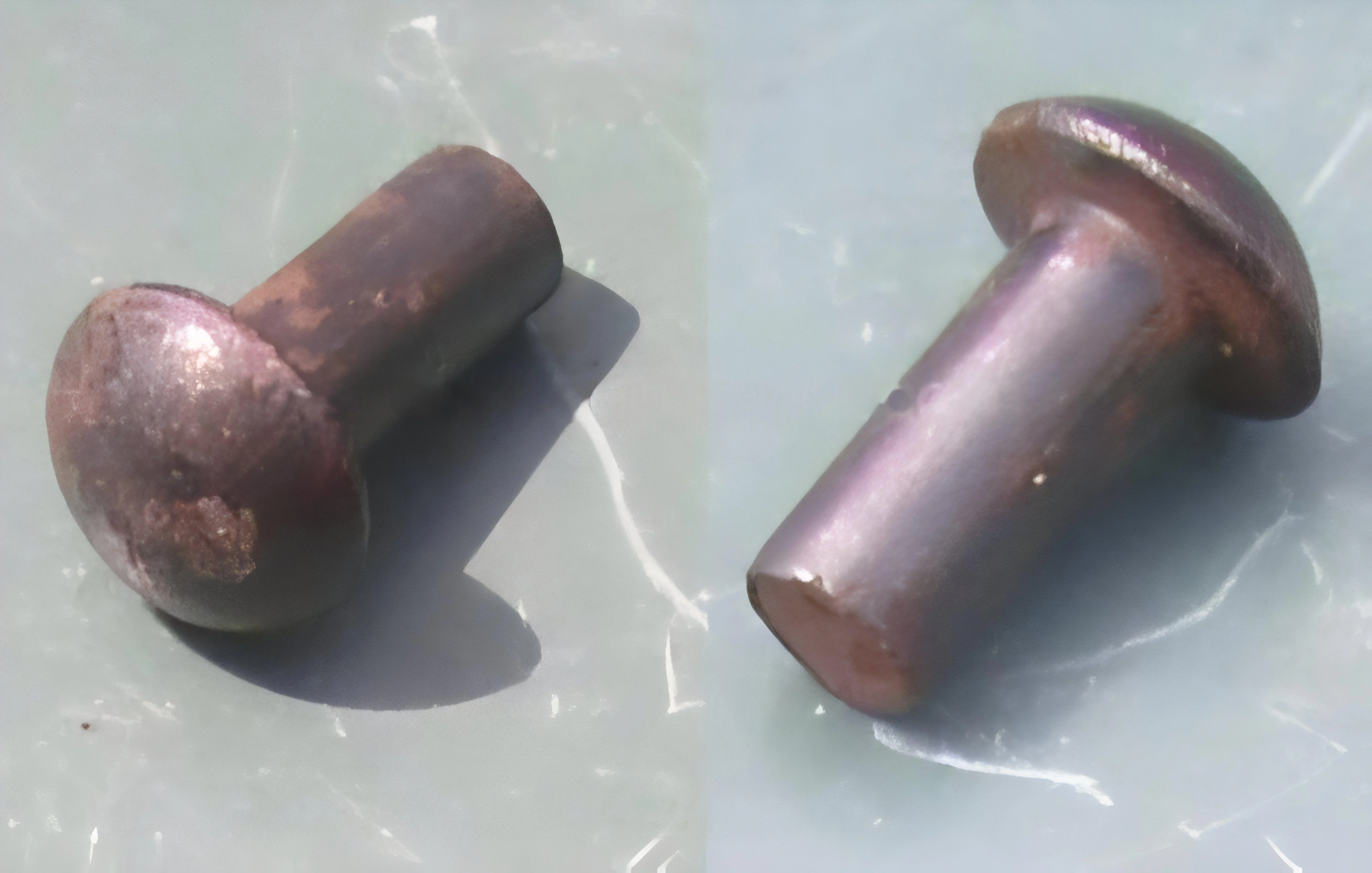
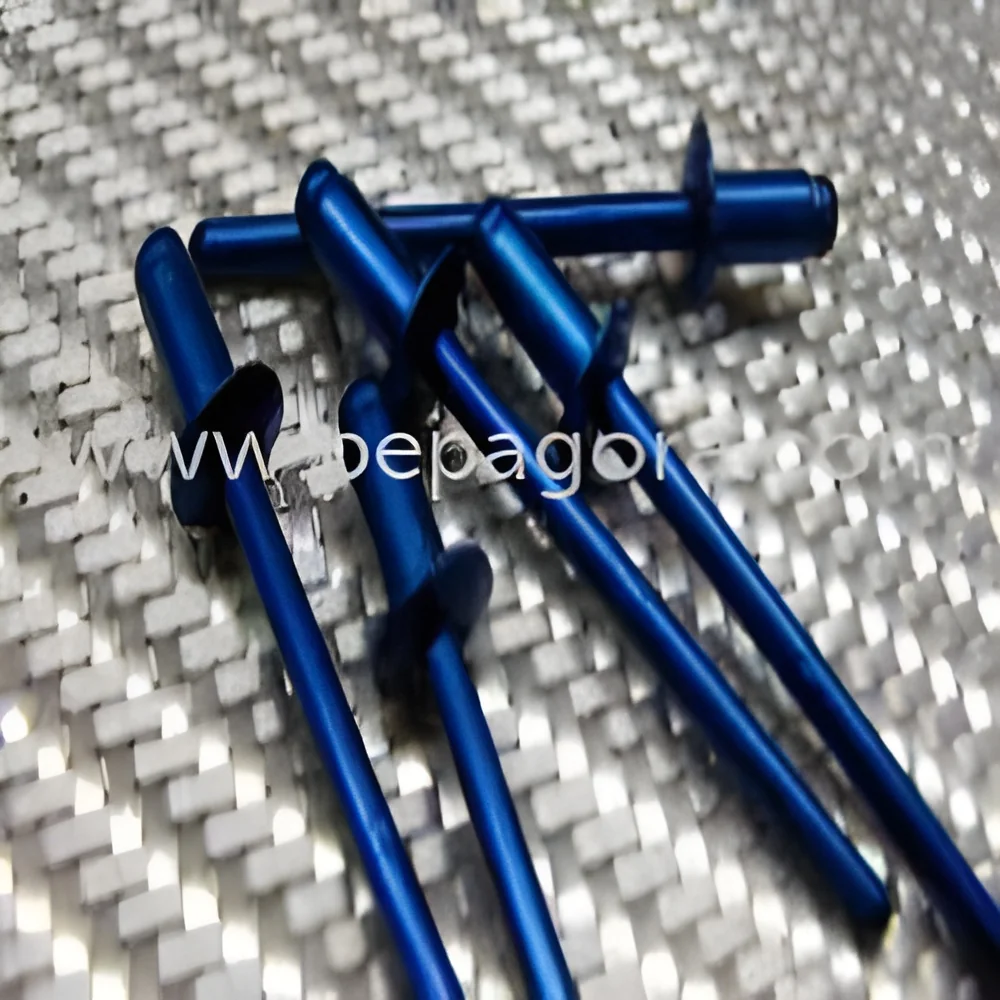
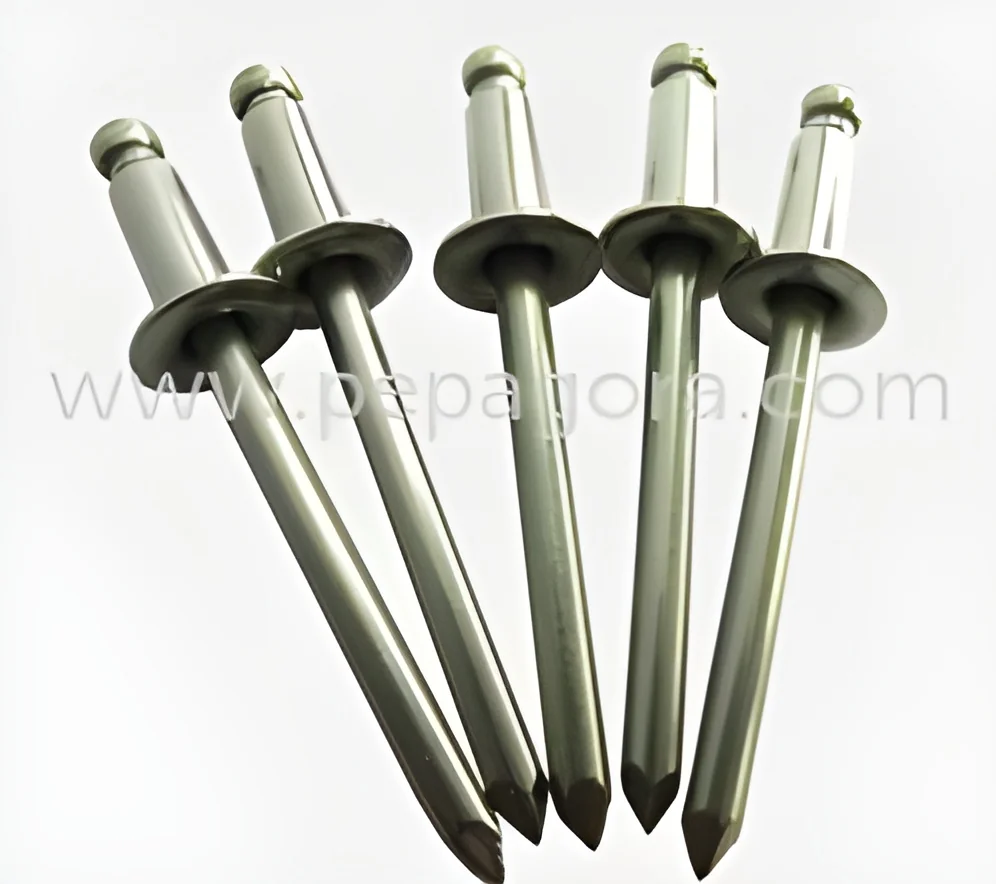
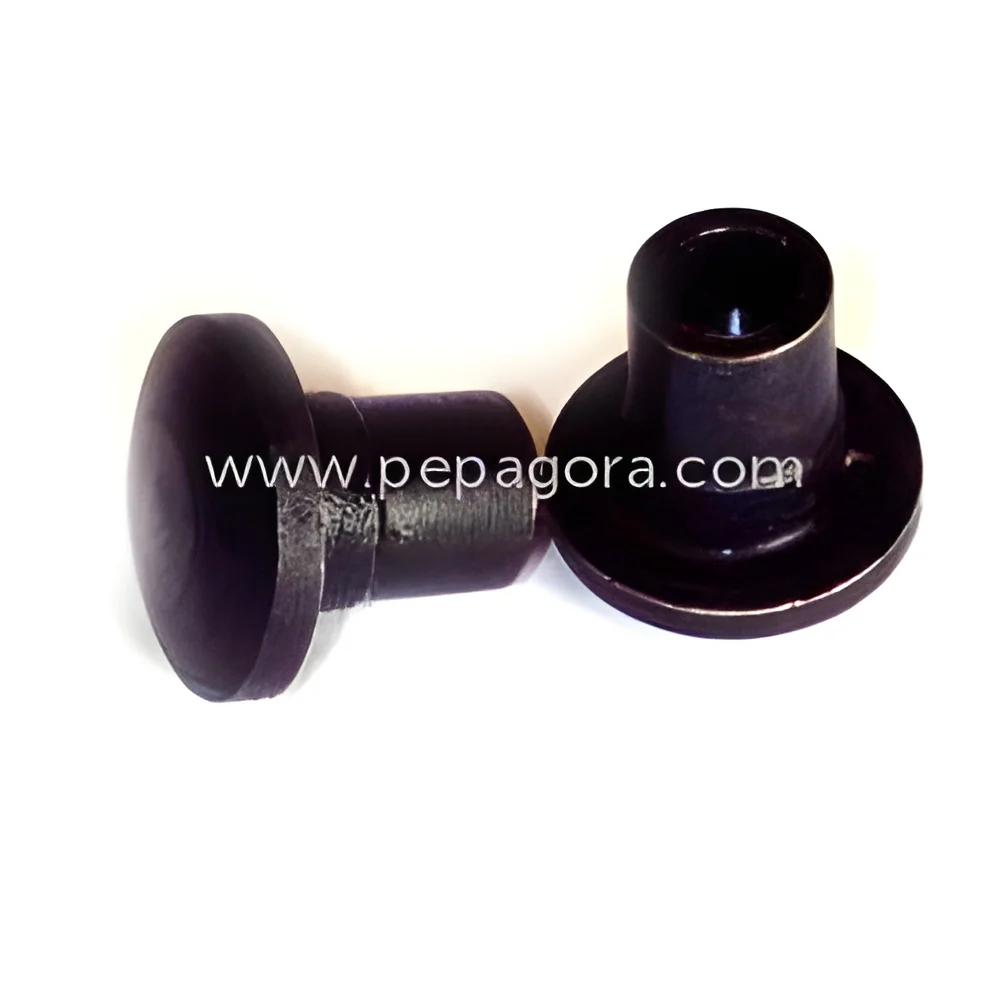
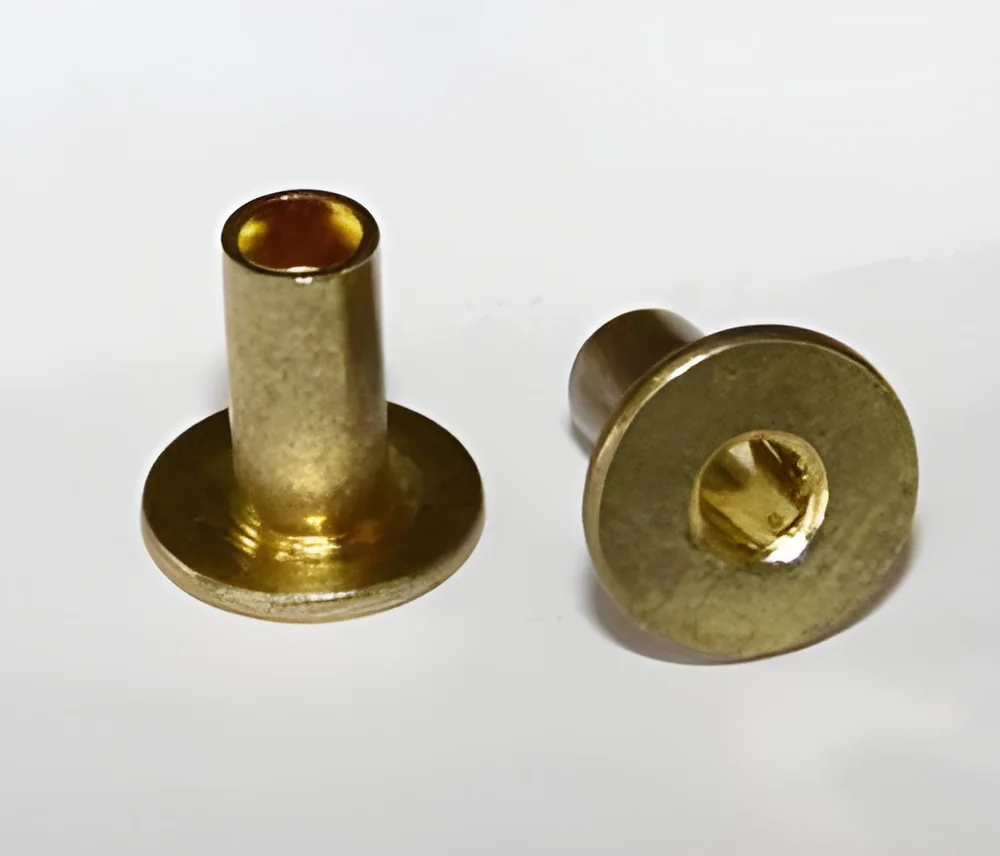
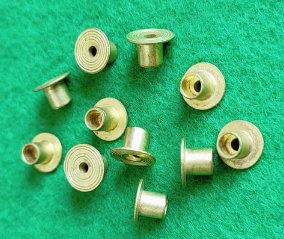
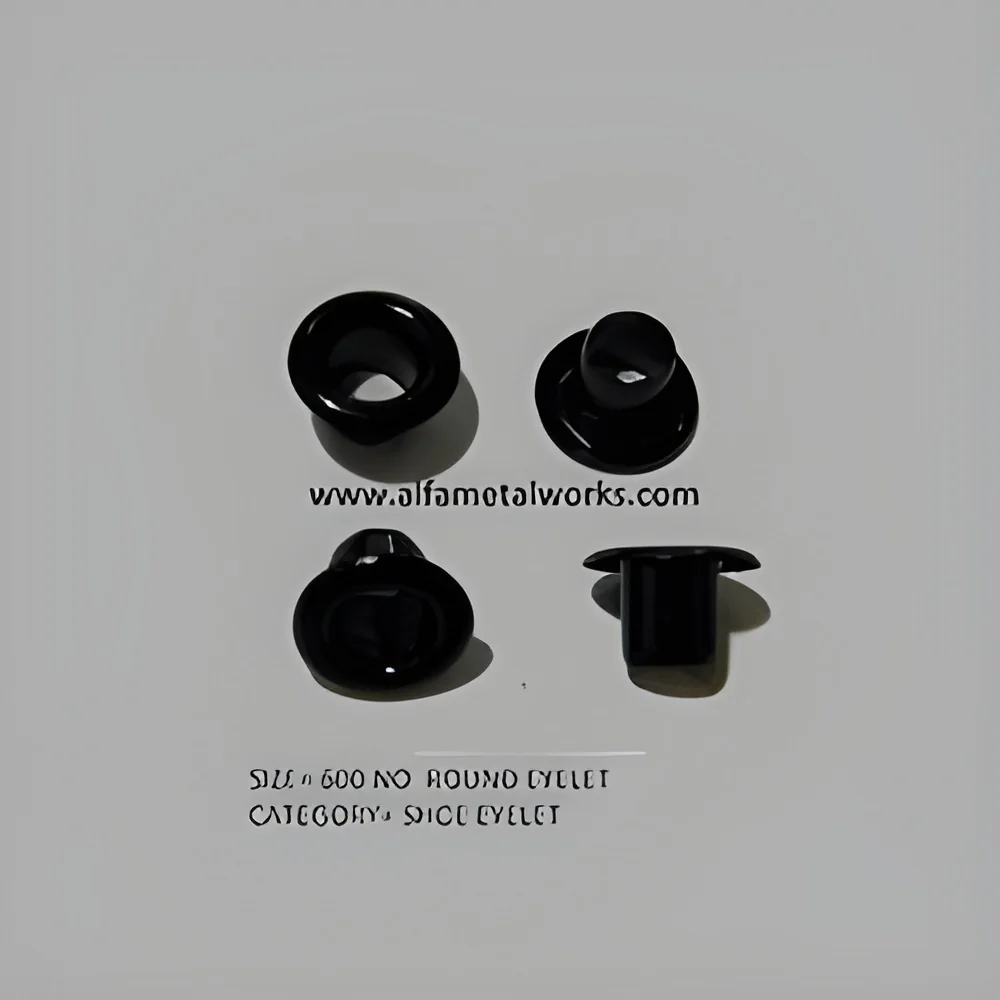
Rivets are permanent mechanical fasteners used to join two or more materials together. They consist of a smooth cylindrical shaft with a head on one end. The shaft is inserted into pre-drilled holes in the materials being joined, and the other end is deformed to create a second head, securing the materials in place. Riveting is a well-established method of fastening that provides strong and durable joints.
Rivets find extensive applications in various industries. They are commonly used in construction, automotive, aerospace, and manufacturing sectors. In construction, rivets connect steel beams and structural components. The automotive industry utilizes rivets for assembling body parts and chassis components. In aerospace, they ensure the integrity of aircraft structures. The demand for rivets is driven by the need for reliable connections in high-stress environments, making them a crucial element in many industrial applications.
The rivet market has remained robust due to ongoing infrastructure development and advancements in manufacturing technologies. As industries continue to innovate, the importance of rivets as a reliable fastening solution will likely grow. Their simplicity, effectiveness, and ability to withstand various stresses make them a preferred choice among engineers and manufacturers worldwide.
Key Features and Specifications
Rivets come with a range of features and specifications that cater to various industrial needs. Understanding these specifications is essential for selecting the right rivets for specific applications.
Key specifications include:
1. Material Type
- Common materials include aluminum, steel, and stainless steel.
- Each material offers different strengths and corrosion resistance.
2. Diameter
- Available in various diameters typically ranging from 1/16 inch to 1/2 inch.
- The diameter affects the strength and load-bearing capacity of the rivet.
3. Length
- Rivet lengths can vary widely, generally from 1/8 inch to several inches.
- The appropriate length depends on the thickness of the materials being joined.
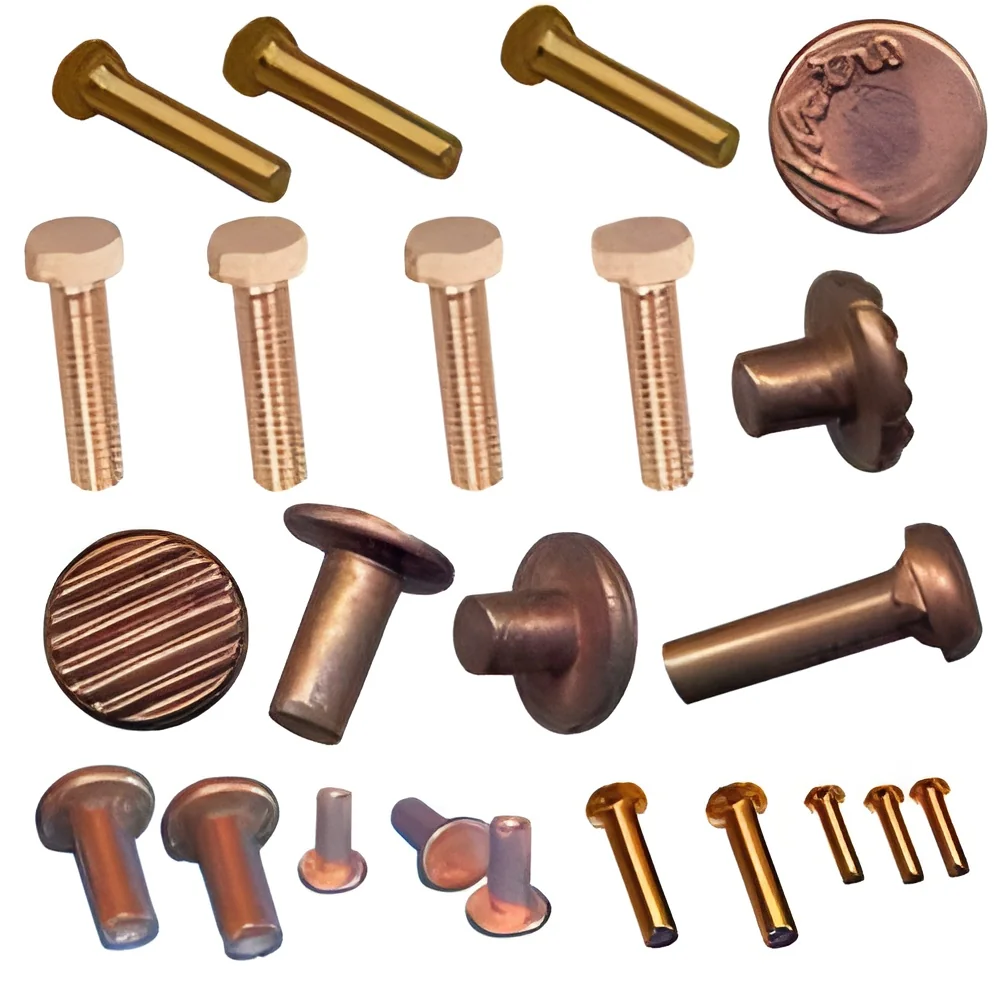
4. Head Type
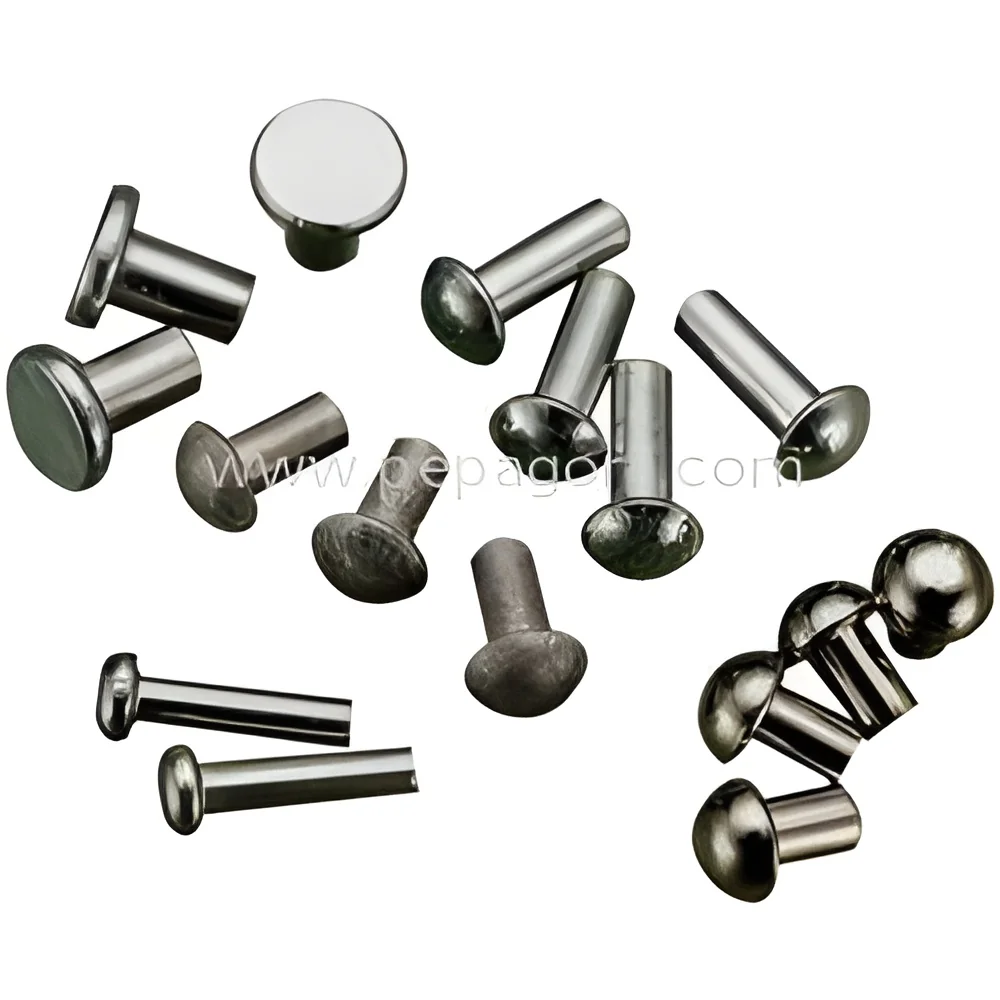
- Common head types include flat, round, and countersunk.
- The head type influences the rivet's appearance and how it fits in the application.
5. Grip Range
- Rivets have specific grip ranges, indicating the thickness of materials they can effectively join.
- Typical grip ranges can vary from 1/8 inch to 1 inch.
6. Finish
- Rivets can have various finishes, including plain, anodized, or coated.
- The finish affects corrosion resistance and aesthetic qualities.
7. Tensile Strength
- The tensile strength of rivets varies by material and size.
- This specification is critical for applications under significant stress.
8. Certification
- Many rivets are certified according to industry standards such as CE.
- Certification ensures quality and compliance with safety regulations.
In summary, the specifications of rivets are vital for ensuring proper performance in applications. Selecting the correct type based on these specifications can lead to enhanced reliability and longevity in installations.
Common Applications and Use Cases
Rivets are versatile fasteners used across numerous industries. Their ability to create strong, permanent connections makes them ideal for various applications.
1. Aerospace: Rivets are crucial in the assembly of aircraft structures, including fuselages and wings, where strength and weight considerations are critical.
2. Automotive: In the automotive sector, rivets are used to attach body panels and structural components, providing durability and resistance to vibration.
3. Construction: Rivets are employed to join steel beams and girders in buildings and bridges, ensuring structural integrity and safety.
4. Manufacturing: Many manufacturing processes utilize rivets for assembling machinery and equipment, where reliable fastening is essential.
5. Marine: Rivets are commonly used in boat construction and repair, offering resistance to harsh marine environments.
6. Electronics: In electronics, rivets secure components in circuit boards and housings, providing reliable connections for electronic devices.
7. Railways: Riveting is used in the assembly of rail cars and tracks, ensuring long-lasting and stable connections.
Product Variants and Subcategories
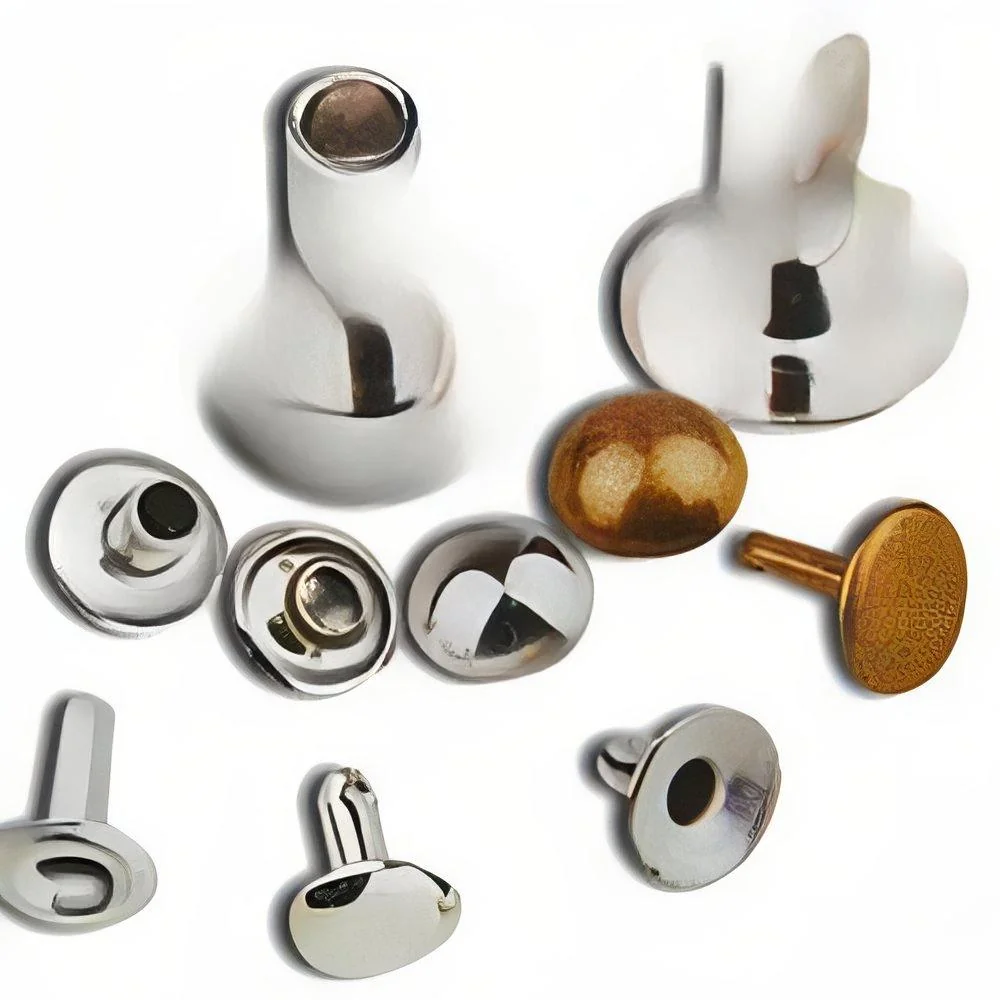
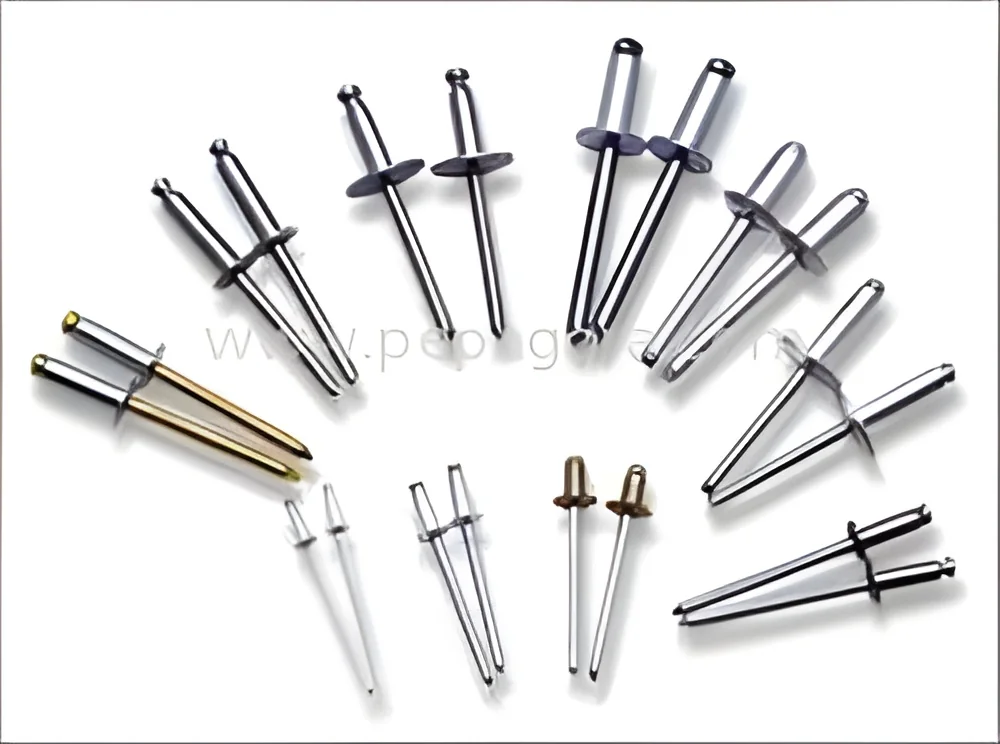
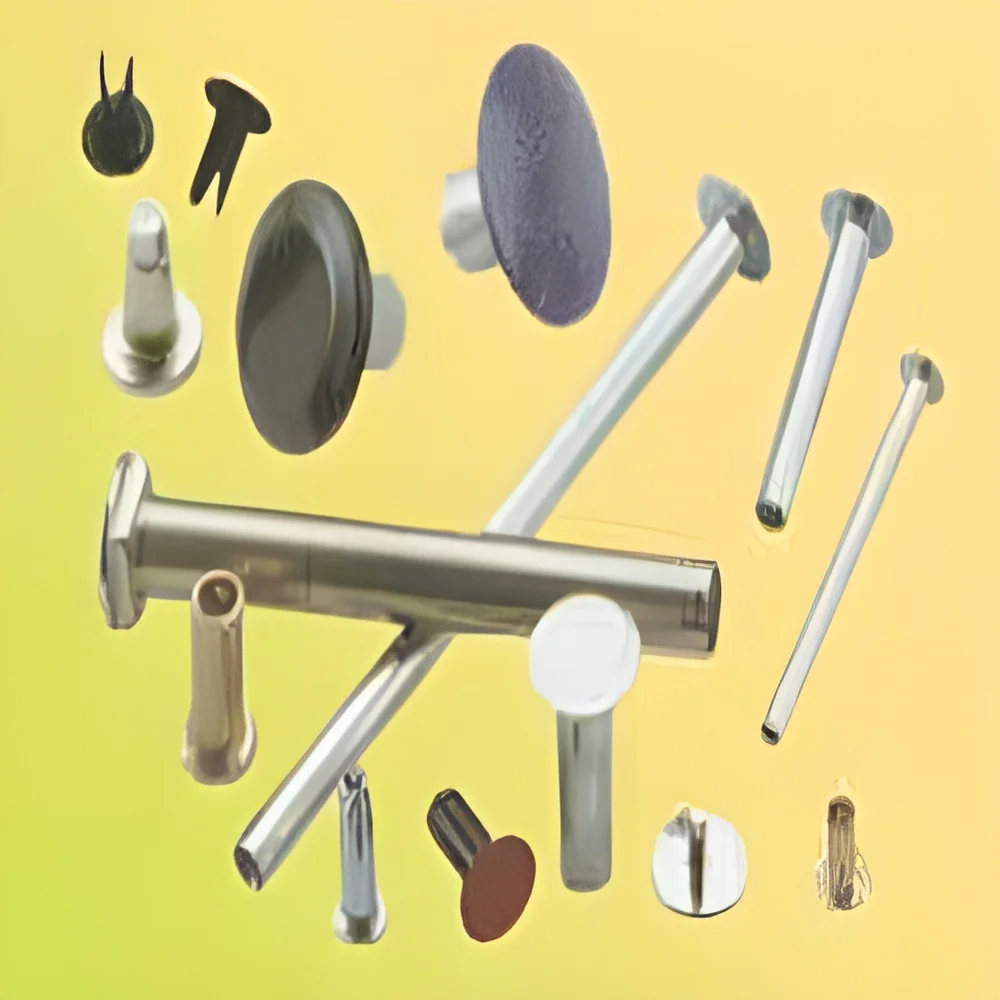
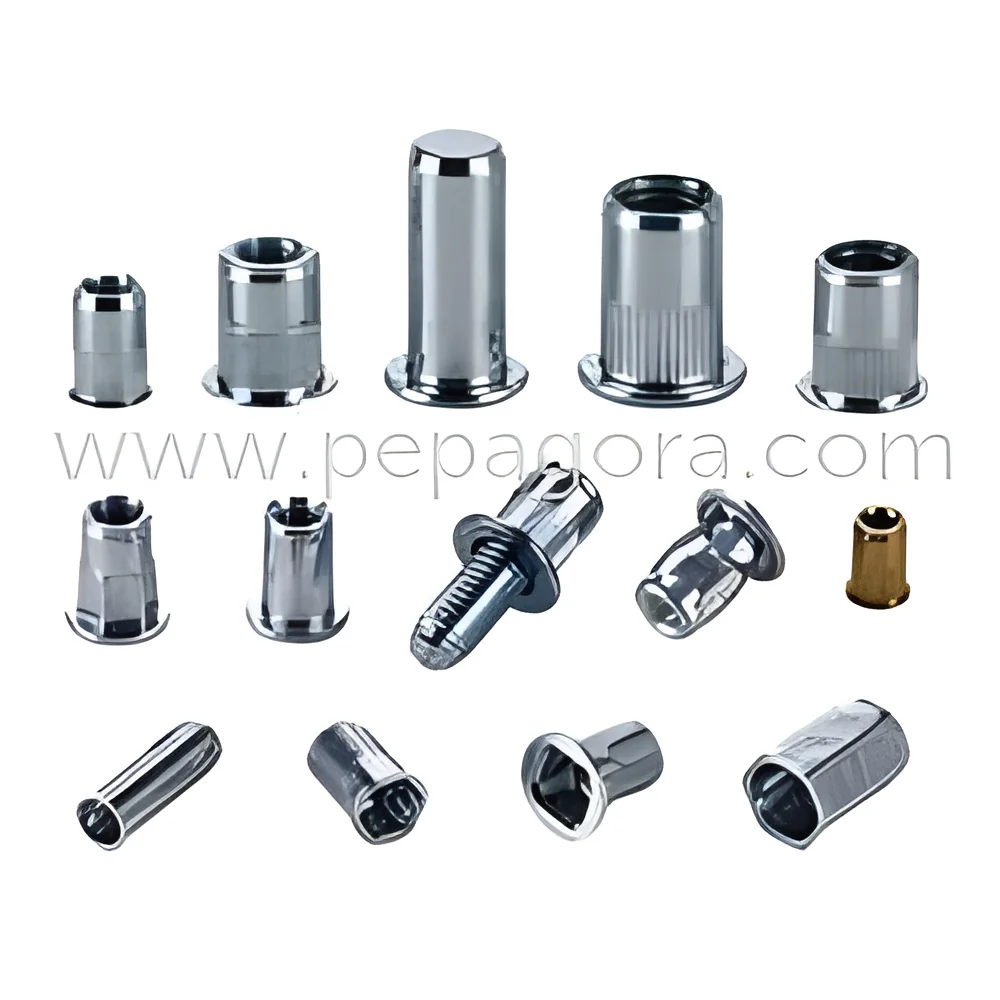
Rivets come in various forms to meet different fastening needs. This diversity allows for tailored solutions across industries.
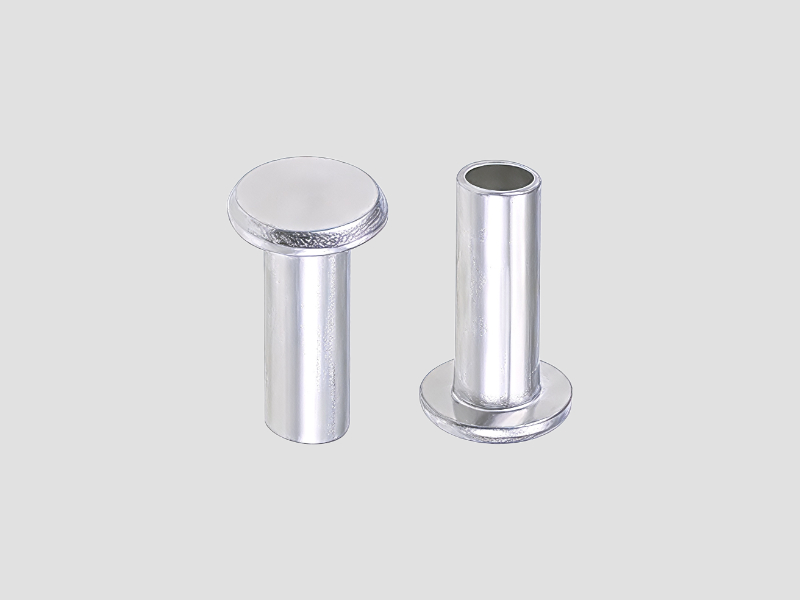
Solid Rivets
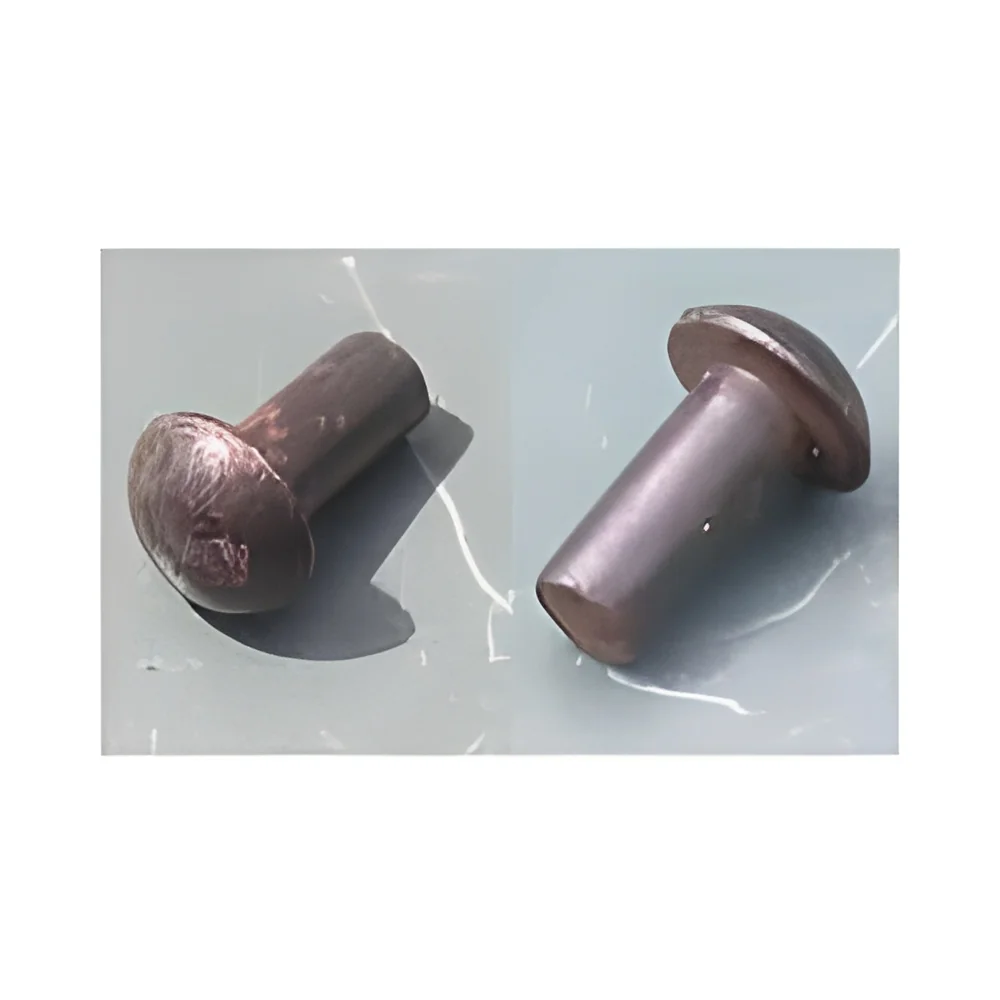
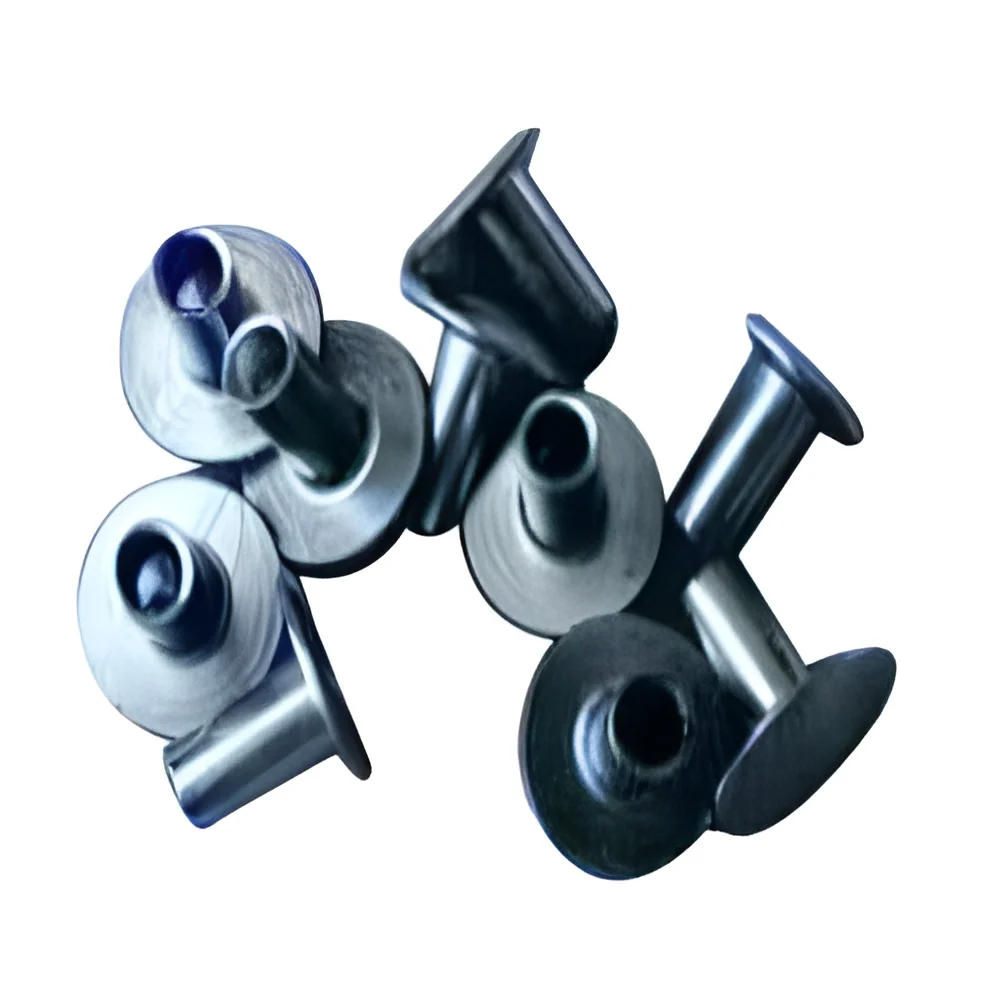
Solid rivets are the traditional type, made from a single piece of material. They are used in high-strength applications where permanent fastening is required.
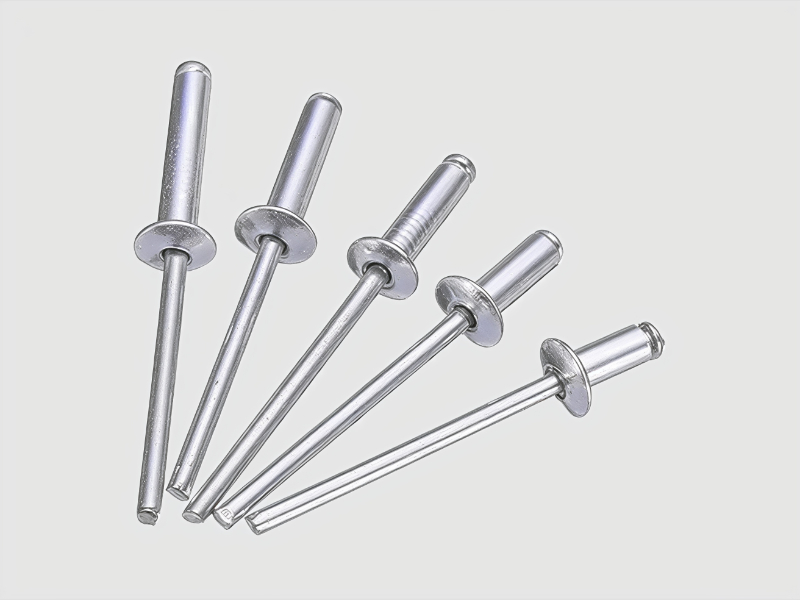
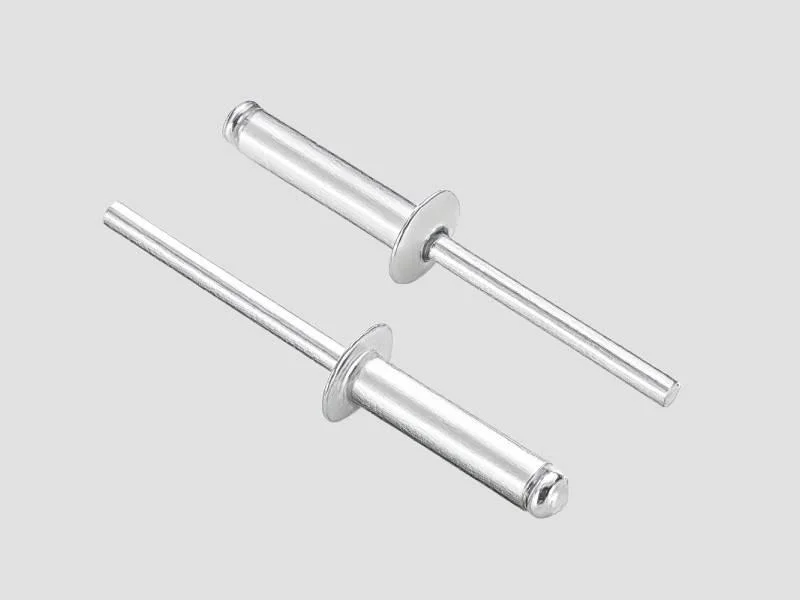
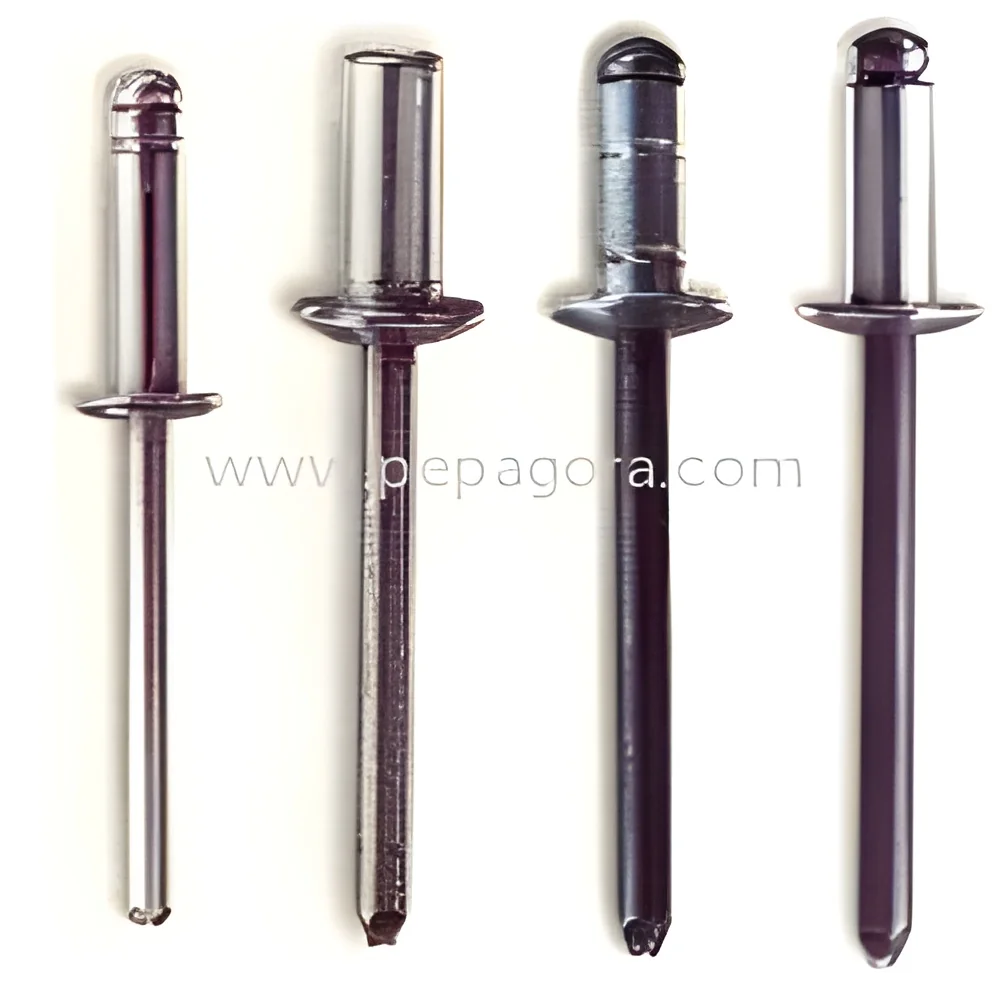
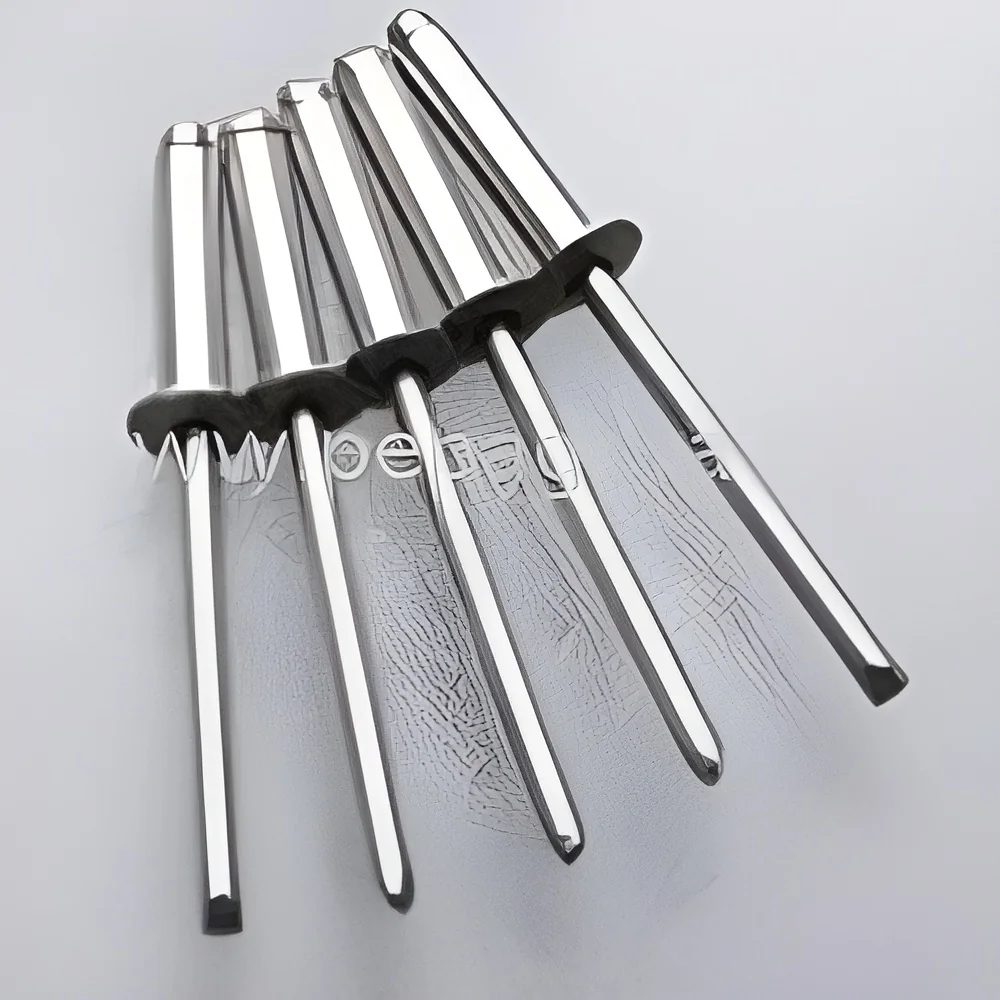
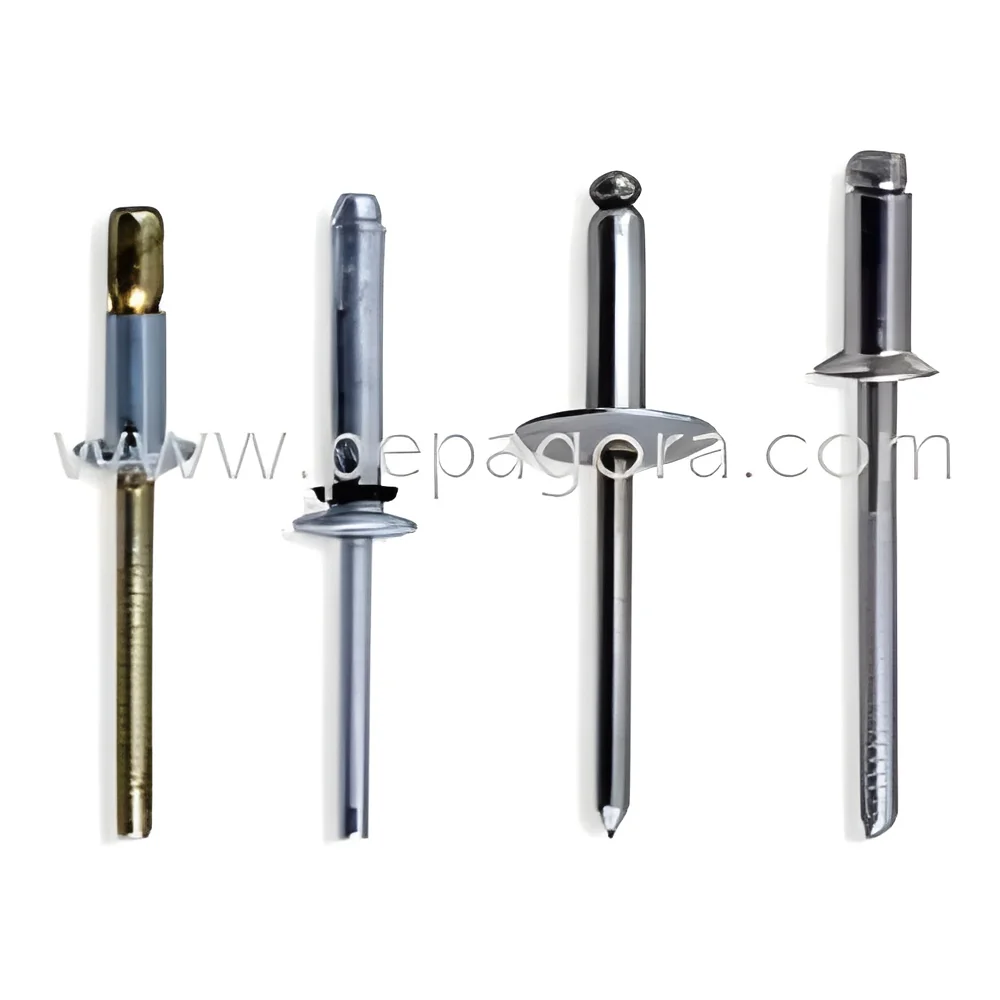
Blind Rivets
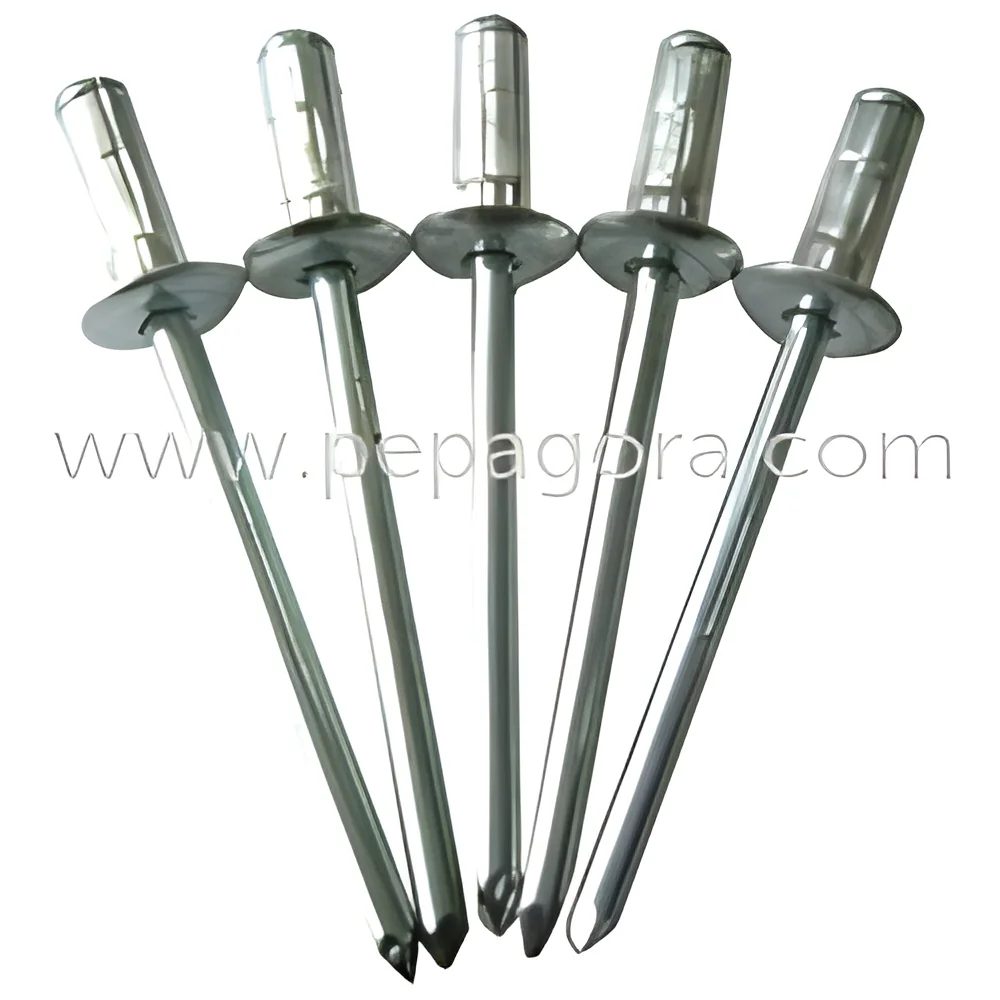
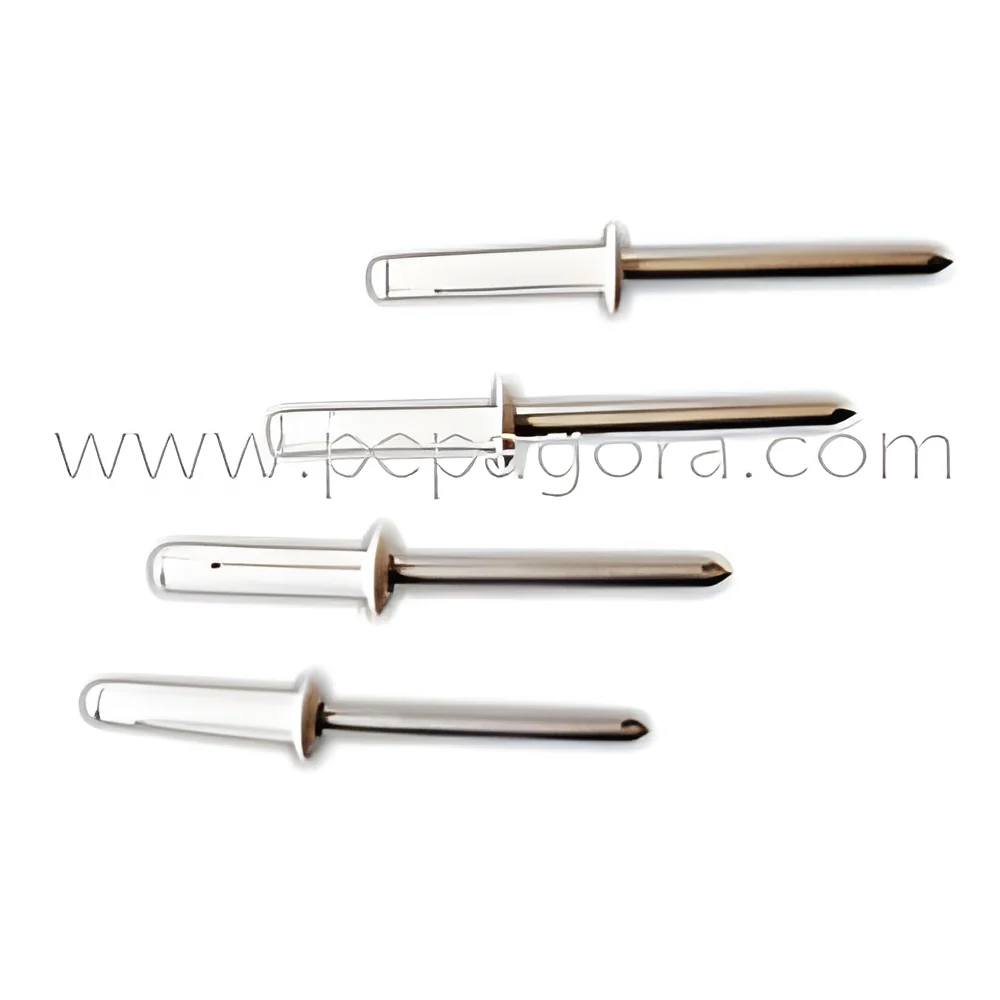
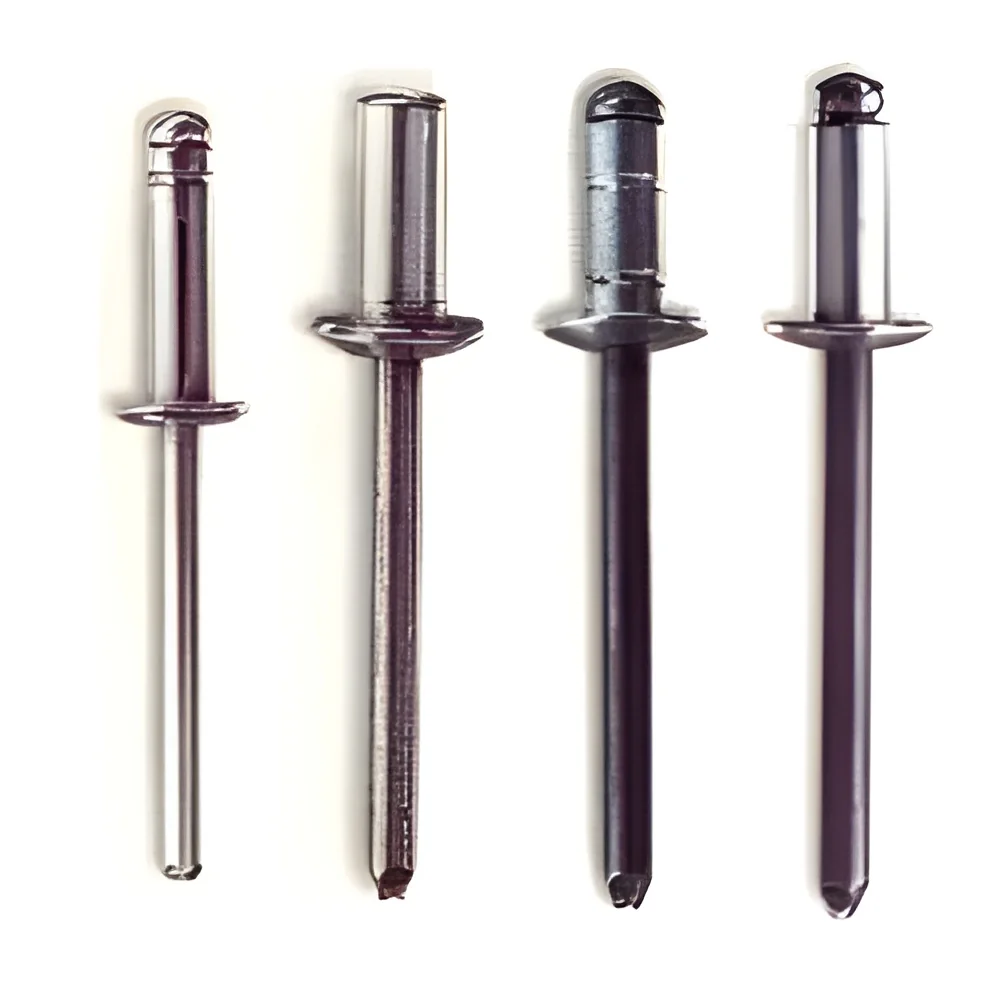
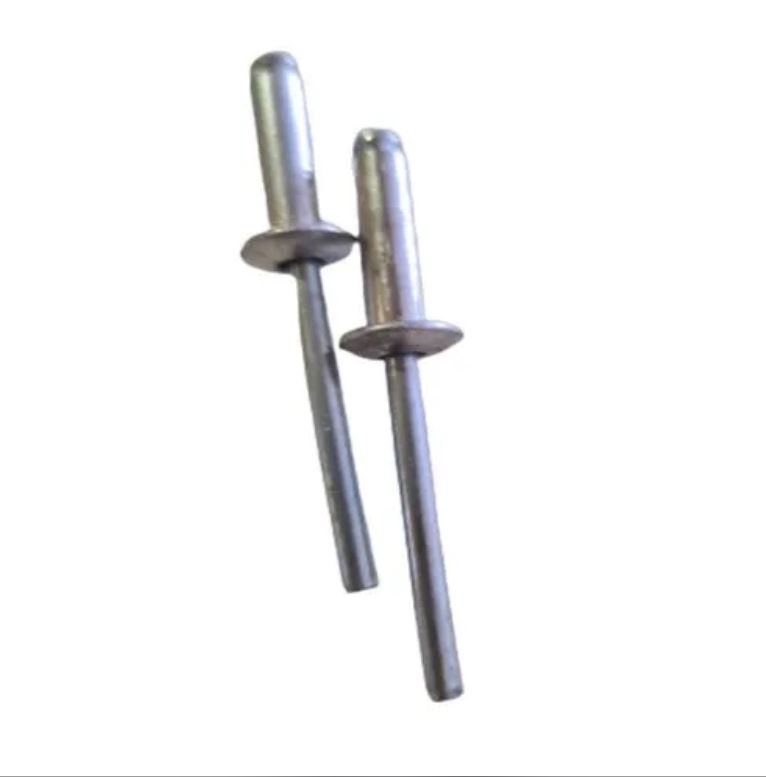
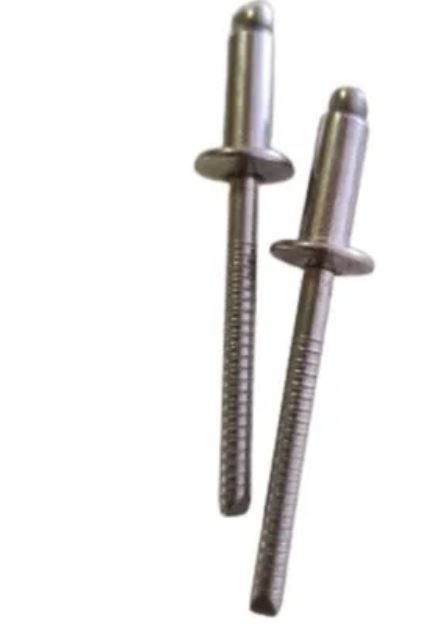
Blind rivets, or pop rivets, can be installed from one side of the material. They are popular in applications where access to both sides of the materials is limited, such as in automotive and construction settings.
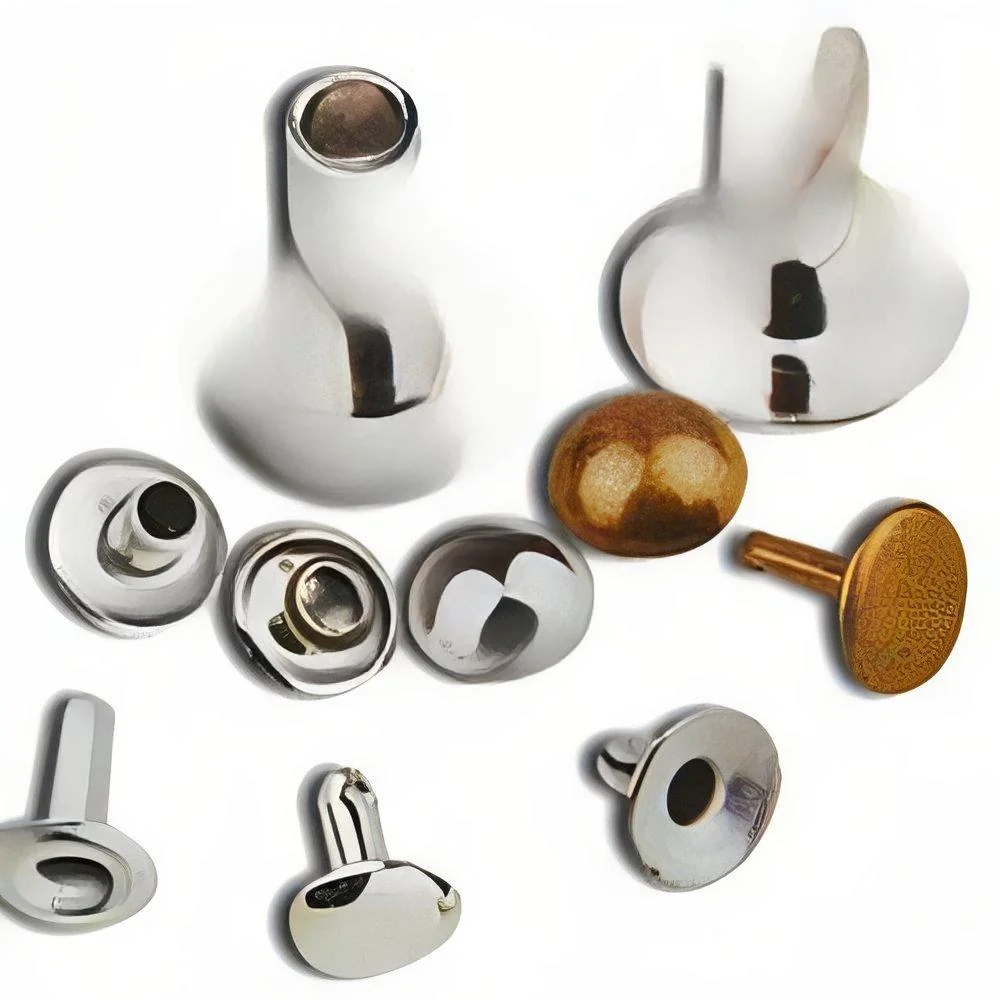
Split Rivets
Split rivets feature a split shaft that expands when inserted. They are often used in leatherwork and soft materials, providing a secure hold without damaging the material.
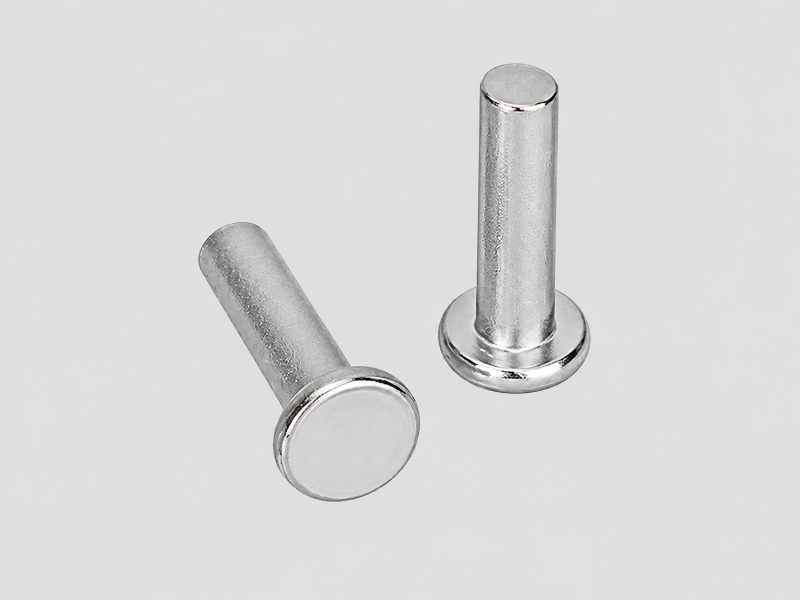
Flush Rivets
Flush rivets are designed to sit level with the surface of the material after installation. They are commonly used in aerospace applications where aerodynamic surfaces are critical.
Countersunk Rivets
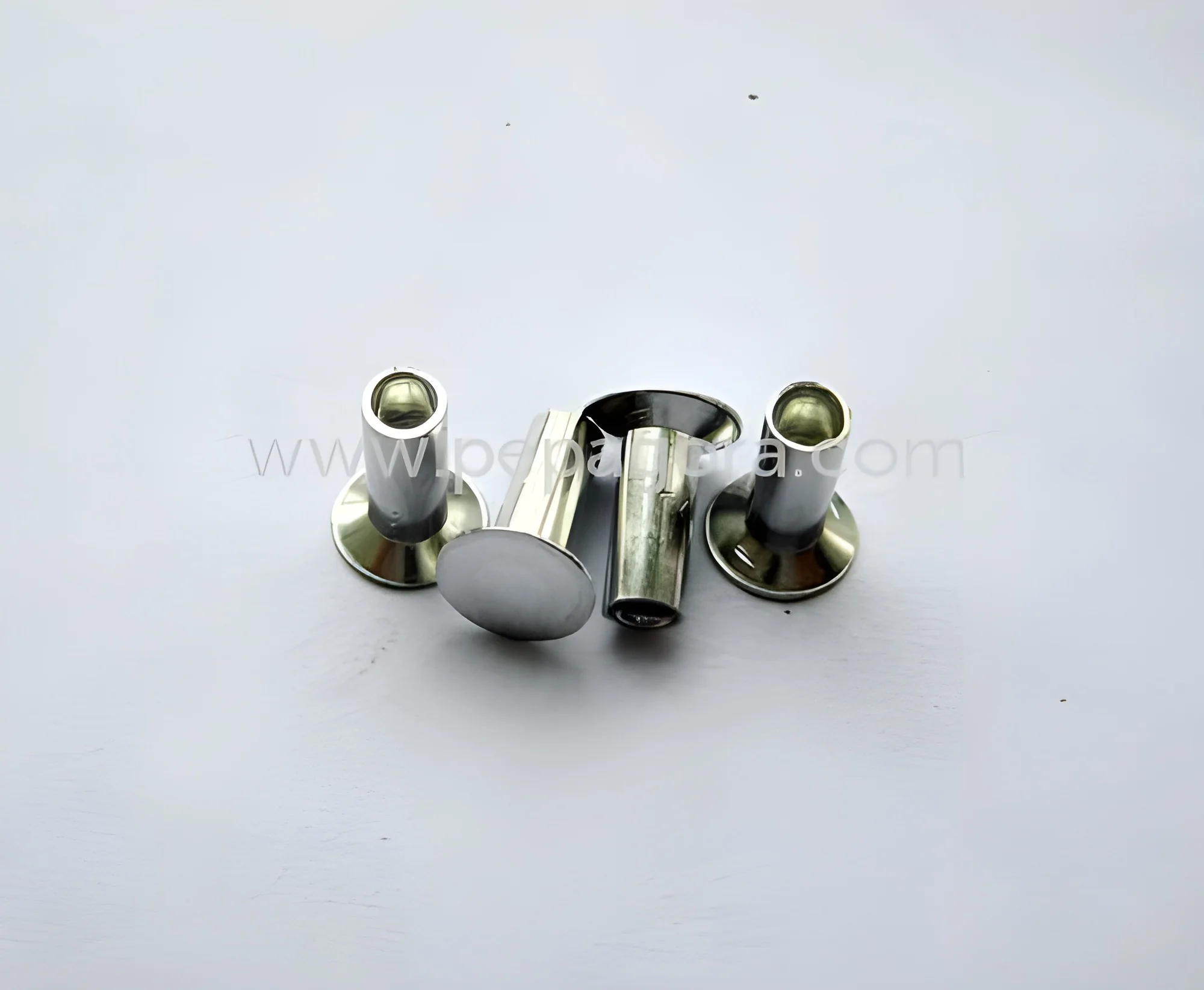
Countersunk rivets have a conical head that allows them to sit flush with the surface. This design is useful in applications where a smooth surface is essential.
Benefits and Advantages
Rivets offer numerous benefits that make them a preferred choice in many applications. Understanding these advantages can help businesses make informed decisions.
Key benefits include:
1. Durability: Rivets create strong, permanent connections that resist fatigue and wear over time, ensuring long-lasting performance.
2. High Load Capacity: Rivets can withstand significant loads and stresses, making them suitable for demanding applications across various industries.
3. Ease of Installation: The installation process for rivets is straightforward, requiring minimal tools and effort, which speeds up assembly times.
4. Versatility: With various types and sizes available, rivets can be used in a wide range of applications, from construction to electronics.
5. Cost-Effectiveness: Riveting is often more economical than other fastening methods, especially in large-scale applications.
6. Resistance to Corrosion: Many rivets are available in corrosion-resistant materials, ensuring longevity in harsh environments.
Buying Guide for B2B Buyers
When sourcing rivets, it is essential for B2B buyers to consider several key factors to ensure they select the appropriate products for their needs.
1. Quality Assessment: Evaluate the quality of rivets by checking for compliance with industry standards. Look for certifications that guarantee reliability and performance.
2. Supplier Verification: Vet potential suppliers to ensure they have a strong reputation and reliable track record. This can include checking reviews and requesting samples.
3. Pricing and MOQ: Understand the pricing structure and minimum order quantities (MOQ) before making a purchase. This will help in budgeting and planning for inventory.
4. Delivery and Lead Times: Inquire about delivery times and logistics to ensure that the rivets will arrive when needed for your projects.
5. Compliance Requirements: Be aware of any specific compliance and regulatory needs related to the materials and applications of the rivets.
Compliance and Certifications
Rivets must meet specific quality standards and certifications to ensure they are safe and effective for industrial use. Compliance with ISO 9001 standards ensures that manufacturers maintain consistent quality in their products. Additionally, CE certification indicates that the rivets meet European safety and health requirements.
Safety and testing requirements are critical in industries such as aerospace and automotive, where the integrity of fasteners can directly impact safety. Manufacturers often conduct rigorous testing to ensure their rivets can withstand environmental stresses and meet performance specifications.
Regional compliance considerations may vary, so it is important to be aware of local regulations and standards when sourcing rivets for international projects. Ensuring compliance with these standards helps mitigate risks and supports the longevity of the products.
Why Source Rivets from Pepagora?
Pepagora provides a trusted platform for sourcing rivets, offering several key advantages that benefit B2B buyers.
Verified Supplier Network: Pepagora connects buyers with a network of verified suppliers, ensuring that all vendors meet stringent quality and reliability standards. This verification process helps businesses find trustworthy partners for their sourcing needs.
Streamlined RFQ Process: The Request for Quotation (RFQ) process on Pepagora is designed to be user-friendly and efficient. Buyers can easily submit their requirements and receive competitive quotes from multiple suppliers, simplifying the decision-making process.
Trade Assurance and Support: Pepagora offers trade assurance measures to protect buyers, ensuring that transactions are secure and that the quality of the rivets meets expectations. This support enhances buyer confidence in their purchasing decisions.
Regional Coverage: With a focus on regions such as India, the GCC, and Southeast Asia, Pepagora provides extensive coverage for businesses looking to source rivets across these markets. This geographical reach facilitates access to a diverse range of suppliers and products, meeting the varied needs of different industries.

 IN
IN