What are Concrete Nails?
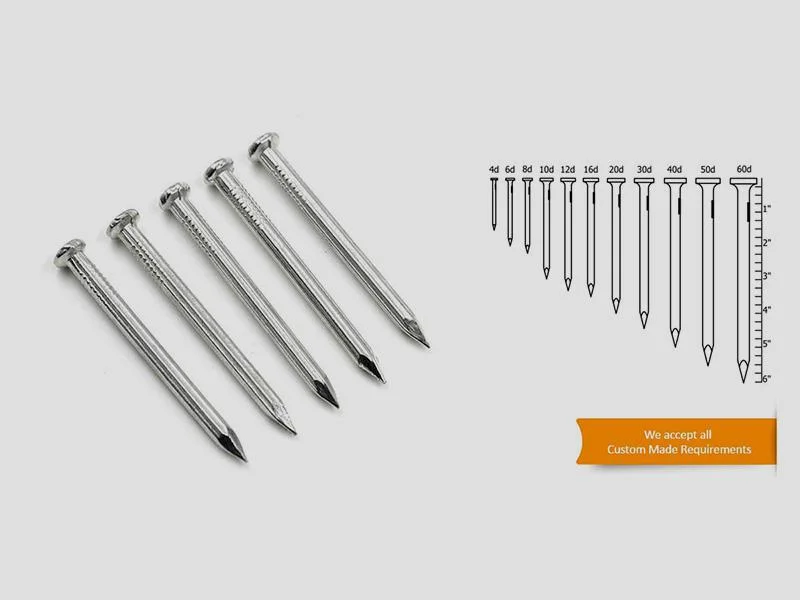
Concrete nails are specialized fasteners designed for anchoring materials to concrete and masonry surfaces. These nails are typically made from hardened steel, enabling them to penetrate tough surfaces without bending or breaking. Their design often features a fluted body that enhances grip and reduces the chances of splitting the material being fastened.
These nails are primarily used in construction and renovation projects, including the installation of wooden framing, securing metal structures, and attaching fixtures to concrete walls. Their strength and durability make them essential tools for contractors and builders. In a competitive marketplace, concrete nails continue to play a crucial role in ensuring the integrity and longevity of construction projects.
Key Features and Specifications
Concrete nails come equipped with several features that enhance their performance in various applications. Understanding these specifications can help buyers make informed purchasing decisions.
Key specifications include:
1. Material Composition
- Typically made from hardened steel
- Offers high tensile strength and resistance to bending
2. Length Variations
- Available in various lengths ranging from 1.5 inches to 6 inches
- Longer nails provide deeper anchoring capabilities
3. Diameter Options
- Common diameters range from 0.085 inches to 0.148 inches
- Thicker nails offer greater holding power
4. Head Types
- Flat or round heads are commonly available
- Head design influences ease of use and aesthetics
5. Flute Design
- Fluted bodies enhance grip and reduce splitting
- Improves insertion efficiency
6. Coating Options
- May feature galvanized or coated finishes for corrosion resistance
- Appropriate for outdoor applications
7. Point Design
- Sharp points facilitate easy penetration into concrete
- Reduces the effort needed for installation
8. Packaging Options
- Available in bulk or retail packs
- Bulk packaging is often preferred for large projects
In summary, concrete nails are versatile fasteners that come with a variety of features tailored for different construction needs.
Common Applications and Use Cases
Concrete nails find use across multiple industries, making them essential tools in many construction and renovation projects.
1. Construction Industry: Concrete nails are widely used in framing, flooring, and roof installations. They secure wooden structures to concrete bases, ensuring stability and safety.
2. Renovation Projects: In remodeling, concrete nails are used to attach drywall, paneling, and insulation to concrete walls, providing a strong bond for various fixtures.
3. Manufacturing Facilities: Used for securing machinery and equipment to concrete floors, concrete nails help maintain stability in industrial settings.
4. Landscaping: They serve in securing landscape materials like stones or wooden structures to prevent movement due to weather or soil shifts.
5. Electrical and Plumbing Installations: Concrete nails help secure conduits and pipes against concrete surfaces, ensuring safety and compliance with building codes.
6. Signage and Display: Retail and commercial spaces use concrete nails to install signs and displays on concrete walls, enhancing visibility and accessibility.
7. Home Improvement: DIY enthusiasts utilize concrete nails for various home projects, from hanging shelves to building outdoor furniture.
Product Variants and Subcategories
Concrete nails come in various types to cater to different applications and user preferences.
Standard Concrete Nails
These are the most commonly used type, suitable for a wide range of applications. They offer excellent penetration and holding power, making them ideal for general construction use.
Hammer-Drive Concrete Nails
These nails are designed for use with a hammer or nail gun, allowing for rapid installation. They are particularly useful in situations where speed and efficiency are critical.
Specialty Concrete Nails
These nails are designed for specific applications, such as high-heat environments or outdoor use. They may include special coatings or designs to enhance performance in challenging conditions.
Benefits and Advantages
Concrete nails provide numerous benefits that make them indispensable for various applications.
1. High Strength: Their hardened steel composition ensures that they can withstand heavy loads without bending or breaking.
2. Ease of Use: Designed for quick and easy installation, they can be driven into concrete with minimal effort.
3. Versatile Applications: Suitable for a wide range of materials and environments, concrete nails can be used in construction, renovation, and industrial settings.
4. Cost-Effective: Available at competitive prices, they offer a reliable fastening solution without breaking the budget.
5. Corrosion Resistance: Many concrete nails come with coatings that protect against rust, extending their lifespan in outdoor applications.
6. Improved Grip: The fluted design enhances gripping power, ensuring that the nails hold securely over time.
Buying Guide for B2B Buyers
When sourcing concrete nails, several factors should be considered to ensure the best quality and value.
1. Quality Assessment: Look for nails made from high-quality hardened steel. Ensure they meet industry standards for strength and durability.
2. Supplier Verification: Vet suppliers to confirm their credibility and reliability. Check for customer reviews and industry certifications to ensure quality assurance.
3. Pricing and MOQ: Understand the price range for concrete nails and inquire about minimum order quantities. This information is crucial for budgeting and project planning.
4. Delivery and Lead Times: Discuss logistics with suppliers to ensure timely delivery of products. Consider lead times that align with your project schedules.
5. Compliance Requirements: Familiarize yourself with any regulatory requirements relevant to your industry, such as safety standards and certifications.
Compliance and Certifications
Concrete nails must meet specific quality standards and certifications to ensure safety and reliability in various applications.
Relevant quality standards include ISO 9001, which sets criteria for quality management systems. Compliance with these standards guarantees that the manufacturing processes are consistently monitored and improved.
Industry certifications, such as CE marking, indicate that products meet European safety, health, and environmental protection standards. This certification is vital for projects within the European market.
Safety and testing requirements are essential for ensuring that concrete nails perform as expected under various conditions. Regular testing for tensile strength and durability is crucial.
Regional compliance considerations may vary, so it is essential for buyers to be aware of local regulations and standards that apply to concrete nails in their specific market.
Why Source Concrete Nails from Pepagora?
Pepagora provides a trusted platform for sourcing concrete nails with several key advantages that benefit B2B buyers.
Verified Supplier Network: Pepagora connects buyers with a network of verified suppliers, ensuring that the products you receive are of high quality and from reputable manufacturers.
Streamlined RFQ Process: The platform features a simplified Request for Quotation (RFQ) process, allowing buyers to receive competitive quotes from multiple suppliers quickly. This efficiency helps in making informed purchasing decisions.
Trade Assurance and Support: Pepagora offers buyer protection through trade assurance, which safeguards transactions and ensures that suppliers meet agreed-upon terms.
Regional Coverage: With a strong presence in India, the GCC, and Southeast Asia, Pepagora provides extensive geographic reach, making it easier for businesses to find and source concrete nails tailored to their regional needs.

 IN
IN