What are Self-Drilling Screws?
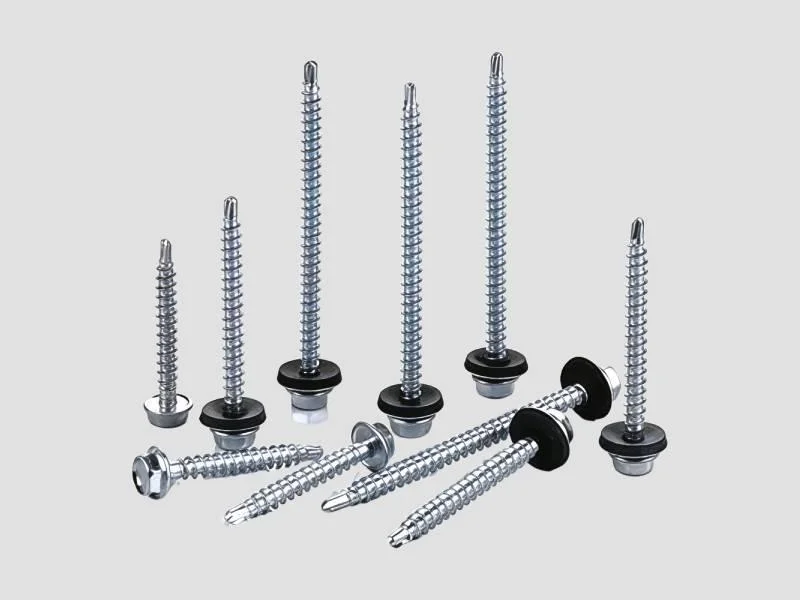
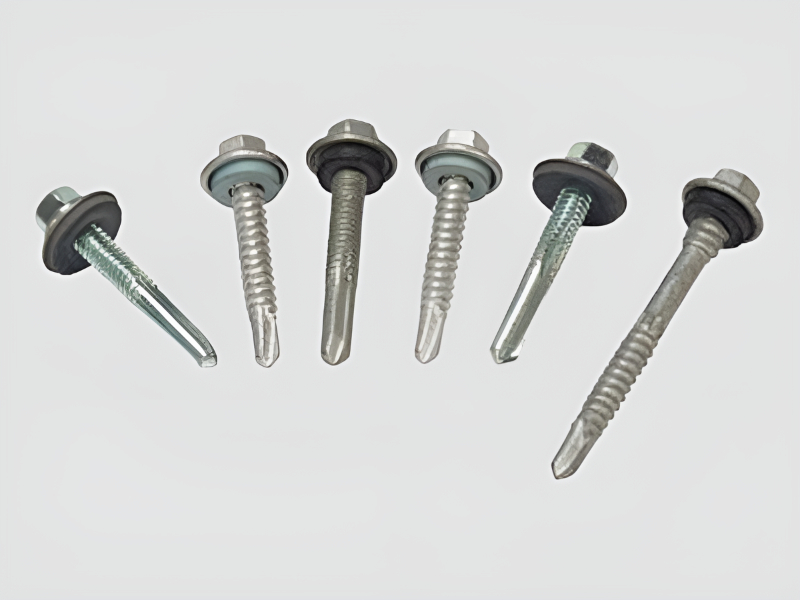
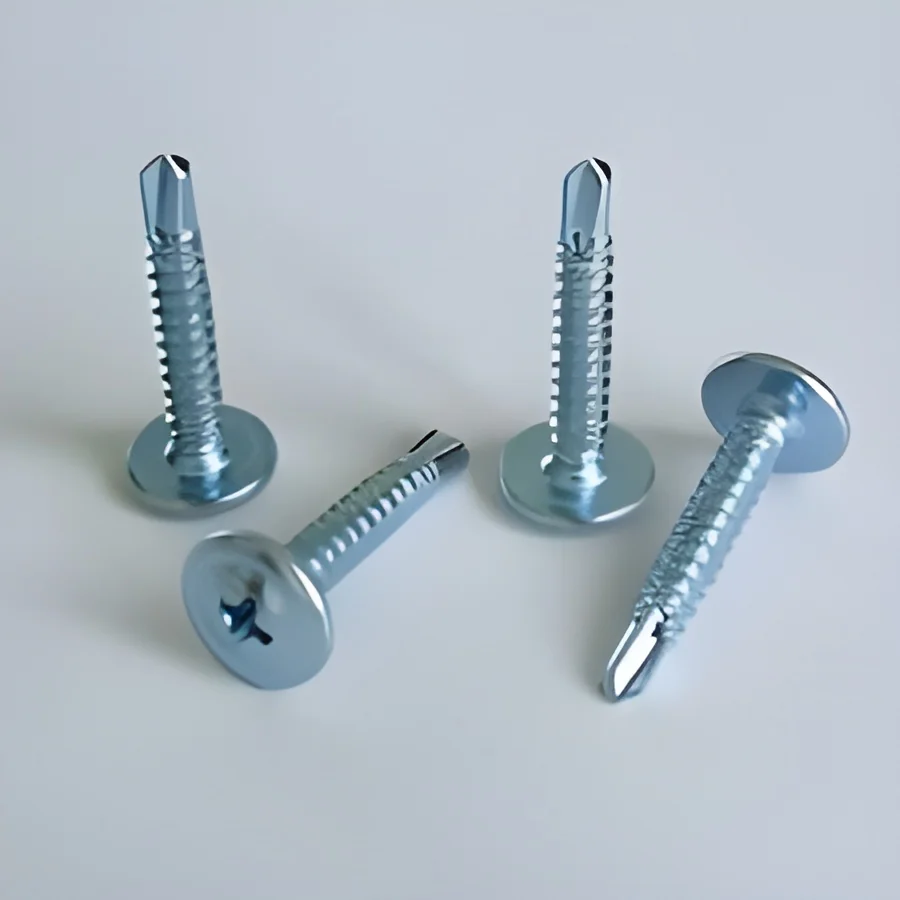
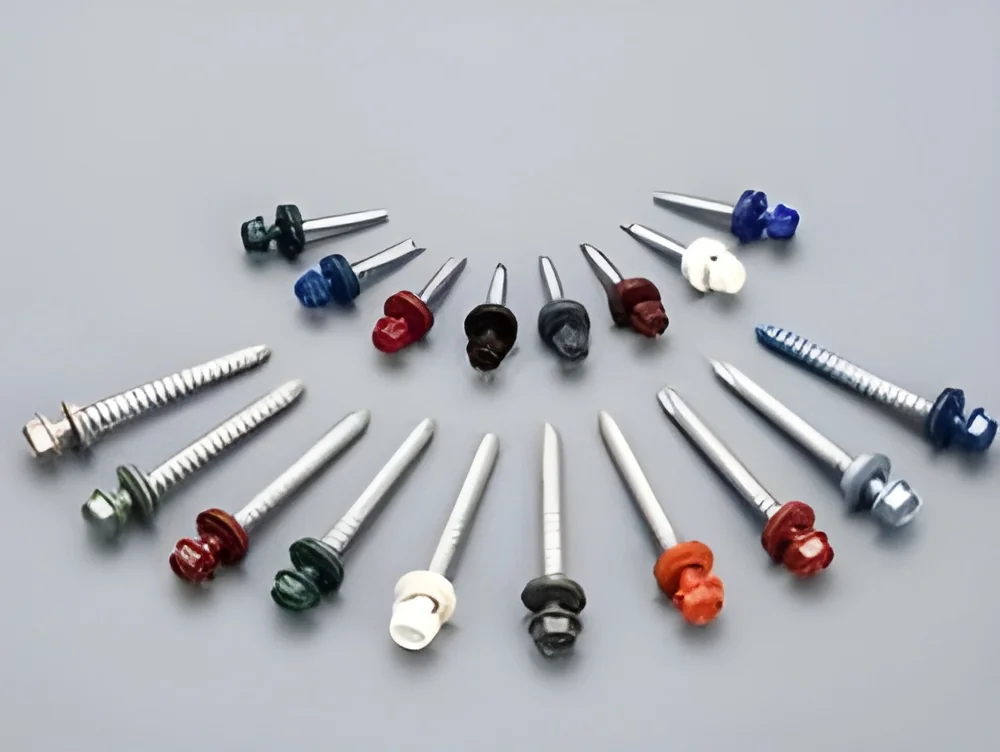
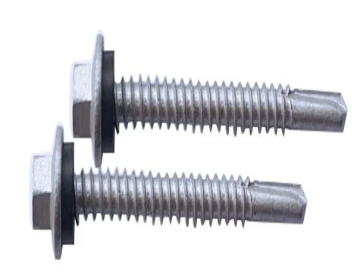
Self-drilling screws are specialized fasteners designed to create their own pilot holes as they are driven into materials. Unlike traditional screws, which require pre-drilling, self-drilling screws feature a drill-like tip that allows for quick and efficient installation, reducing labor time and effort. This innovative design makes them ideal for applications in various materials, including metal, wood, and plastic.
These screws are commonly used in construction, manufacturing, and automotive applications due to their efficiency and strength. They are particularly advantageous in situations where speed and precision are crucial. Industries such as HVAC, metal roofing, and general fabrication frequently utilize self-drilling screws to ensure secure connections without the need for additional drilling tools. The growing demand for streamlined assembly processes has positioned self-drilling screws as a vital component in the fastener market.
Key Features and Specifications
Self-drilling screws are characterized by several key features that enhance their performance and usability. Understanding these specifications is crucial for selecting the right screws for specific applications.
Key specifications include:
1. Thread Design
- Commonly available in coarse, fine, or specialized thread patterns.
- Thread type affects grip strength and material compatibility.
2. Material Composition
- Typically made from steel, stainless steel, or other alloys.
- Material choice impacts corrosion resistance and tensile strength.
3. Coating Options
- Available with various coatings, such as zinc plating or epoxy.
- Coatings enhance durability and resistance to environmental factors.
4. Head Styles
- Common styles include flat, hex, and pan heads.
- Head style affects installation method and tool compatibility.
5. Size Range
- Available in various lengths and diameters to suit different applications.
- Size selection is crucial for ensuring a secure fit.
6. Drill Point Type
- Variants include self-tapping and self-drilling points.
- Drill point type determines the ease of installation in different materials.
7. Load Capacity
- Load ratings indicate the maximum weight the screw can support.
- Important for structural applications.
8. Compliance Standards
- Adherence to industry standards like CE certification.
- Ensures screws meet safety and quality requirements.
In summary, the versatility and efficiency of self-drilling screws make them essential in various industrial applications. Their unique features and specifications provide solutions for a wide range of fastening needs.
Common Applications and Use Cases
Self-drilling screws serve multiple industries, offering solutions tailored to specific requirements.
1. Construction: Widely used in metal roofing and siding installation, self-drilling screws provide a secure fastening method that saves time and labor costs.
2. HVAC: Used for securing ductwork and other components, self-drilling screws ensure reliable connections in heating, ventilation, and air conditioning systems.
3. Automotive: These screws play a critical role in assembling vehicle components, where efficiency and strength are paramount.
4. Manufacturing: Self-drilling screws are integral in assembly lines, allowing for quick and effective fastening of parts.
5. Furniture Production: Used in the assembly of wooden and metal furniture, these screws offer ease of installation and strength.
6. Electrical: Commonly found in electrical equipment assembly, self-drilling screws ensure secure connections for wiring and components.
7. Telecommunications: Utilized in the installation of communication towers and equipment, these screws provide robust fastening solutions.
Product Variants and Subcategories
Self-drilling screws come in various forms to meet specific application needs.
Hex Head Self-Drilling Screws: This variant features a hexagonal head for easy installation using a wrench. They are ideal for heavy-duty applications requiring high torque.
Pan Head Self-Drilling Screws: With a rounded head design, these screws provide a finished appearance and are often used in visible applications such as furniture assembly.
Flat Head Self-Drilling Screws: Designed to sit flush with the surface, flat head screws are commonly used in applications where aesthetics are important.
Benefits and Advantages
Self-drilling screws offer numerous benefits that make them a preferred choice for many industries.
1. Time Efficiency: Their ability to drill and fasten simultaneously reduces installation time, making projects more efficient.
2. Labor Cost Reduction: Fewer tools and steps in the installation process mean lower labor costs for businesses.
3. Versatility: Suitable for various materials and applications, self-drilling screws can be used in diverse environments.
4. Strong Holding Power: Designed for high tensile strength, these screws provide secure fastening even in demanding conditions.
5. Ease of Use: The self-drilling feature simplifies the installation process, making it accessible for various skill levels.
6. Reduced Risk of Material Damage: By eliminating the need for pre-drilling, these screws minimize the risk of damaging materials during installation.
Buying Guide for B2B Buyers
When sourcing self-drilling screws, it is essential to consider several key factors to ensure the right choice for your needs.
1. Quality Assessment: Evaluate the quality of the screws by checking for certifications and compliance with industry standards. High-quality screws offer better durability and performance.
2. Supplier Verification: Vet potential suppliers by reviewing their track record, customer feedback, and certifications. A reliable supplier ensures consistent quality and service.
3. Pricing and MOQ: Consider the pricing structure and minimum order quantities (MOQ). Compare multiple suppliers to find competitive pricing that fits your budget.
4. Delivery and Lead Times: Discuss logistics and delivery schedules with suppliers to ensure timely receipt of your order. Understand lead times to plan your projects accordingly.
5. Compliance Requirements: Ensure that the screws meet any applicable regulatory requirements for your industry, including safety and quality standards.
Compliance and Certifications
Self-drilling screws must adhere to several compliance and certification standards to ensure their quality and safety. Commonly recognized standards include ISO 9001 for quality management systems, which ensures that manufacturers maintain high production standards.
Additionally, CE certification indicates that the screws meet European Union safety, health, and environmental protection requirements. This certification is vital for products sold in the EU market.
Safety testing is also a critical aspect of compliance, ensuring that screws perform reliably under specified conditions. Manufacturers must also consider regional compliance, as different countries may have varying regulations regarding fasteners.
Why Source Self-Drilling Screws from Pepagora?
Pepagora provides a trusted platform for sourcing self-drilling screws, offering several key advantages to B2B buyers.
Verified Supplier Network: Pepagora connects buyers with a network of verified suppliers, ensuring that only trustworthy vendors are available. This network enhances the reliability of the sourcing process.
Streamlined RFQ Process: The request for quotation (RFQ) system simplifies the procurement process, allowing buyers to receive multiple quotes quickly and efficiently. This feature enables informed decision-making.
Trade Assurance and Support: Pepagora emphasizes buyer protection through its trade assurance program, which safeguards transactions and ensures product quality. Buyers can have peace of mind throughout the purchasing process.
Regional Coverage: With a strong presence in India, the GCC, and Southeast Asia, Pepagora effectively serves a wide geographic area. This regional coverage allows businesses to find local suppliers, reducing shipping costs and lead times.

 IN
IN