𝗪𝗵𝗮𝘁 𝗮𝗿𝗲 𝗙𝗮𝘀𝘁𝗲𝗻𝗲𝗿𝘀?
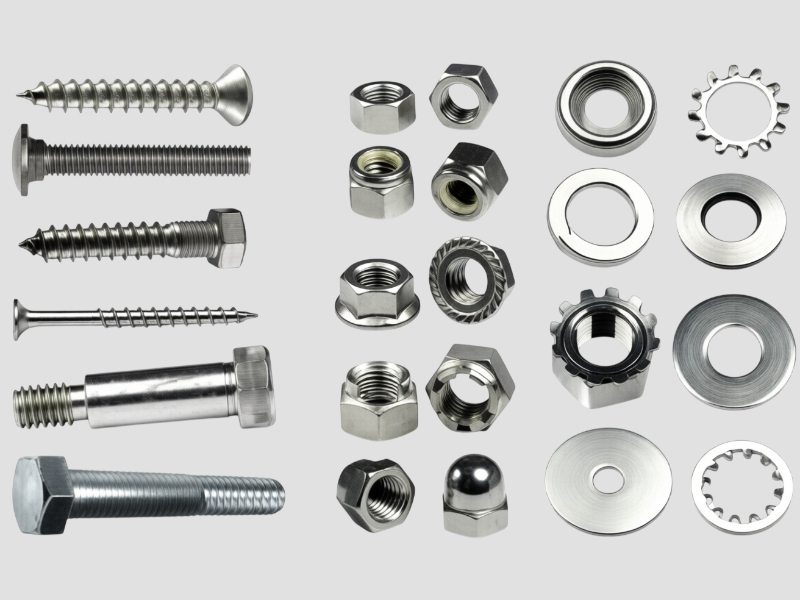
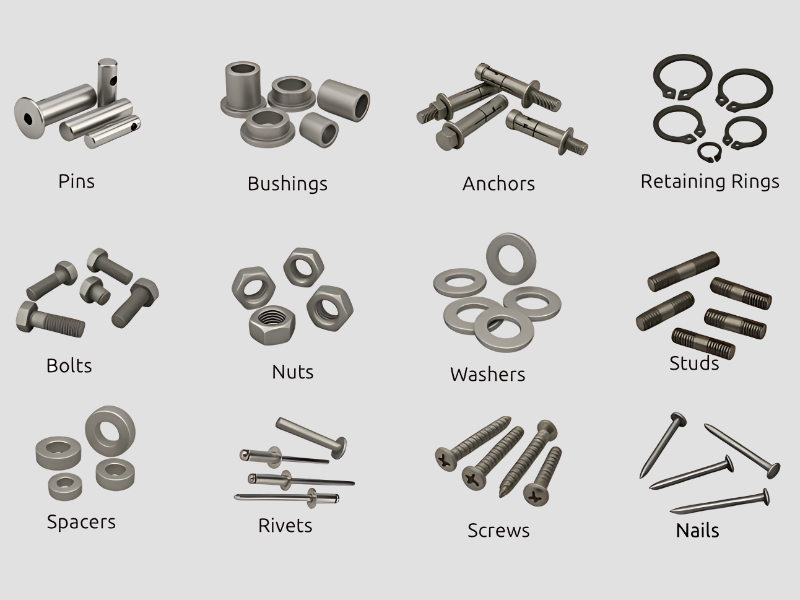
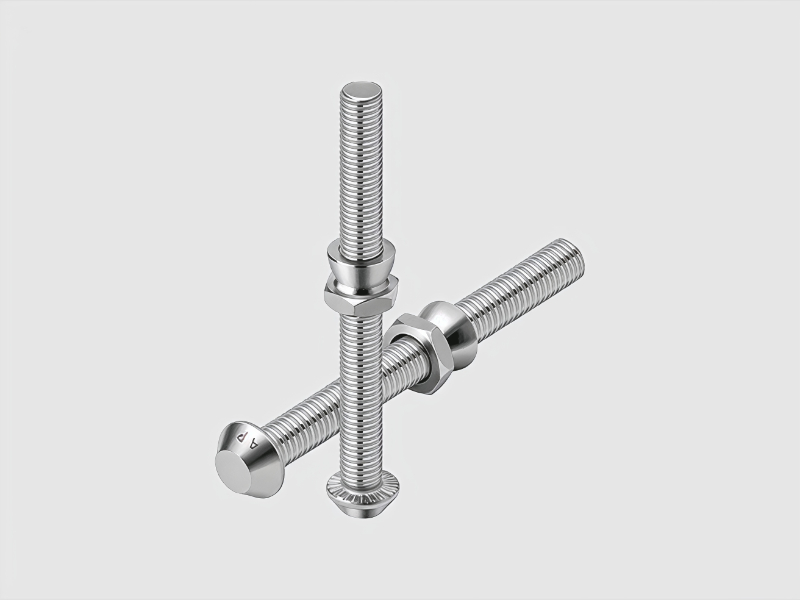
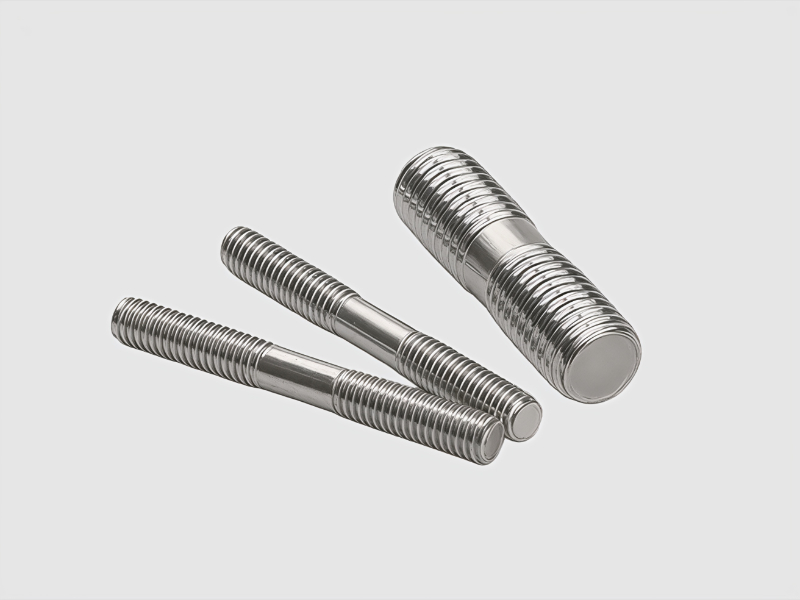
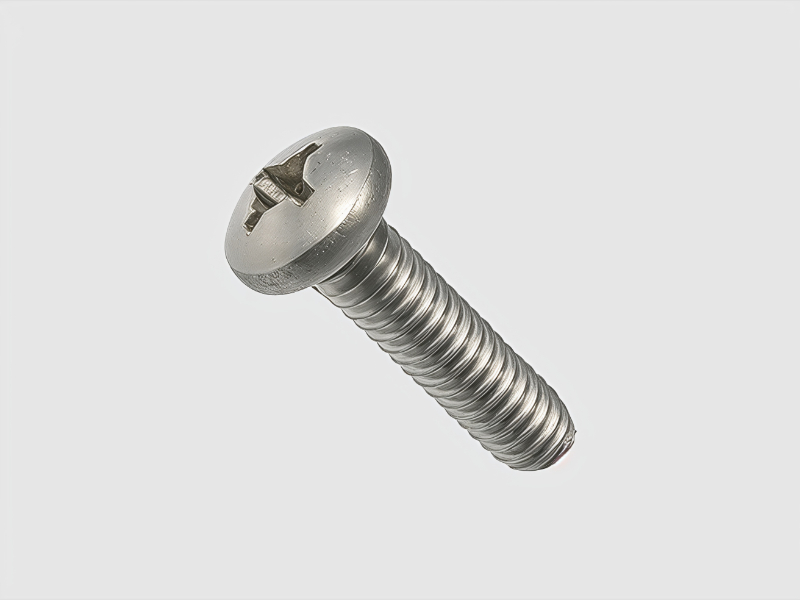
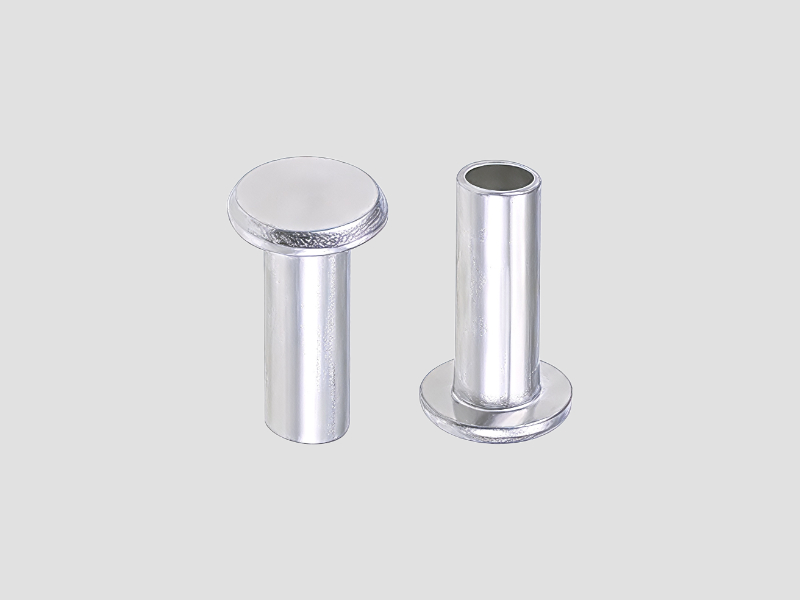
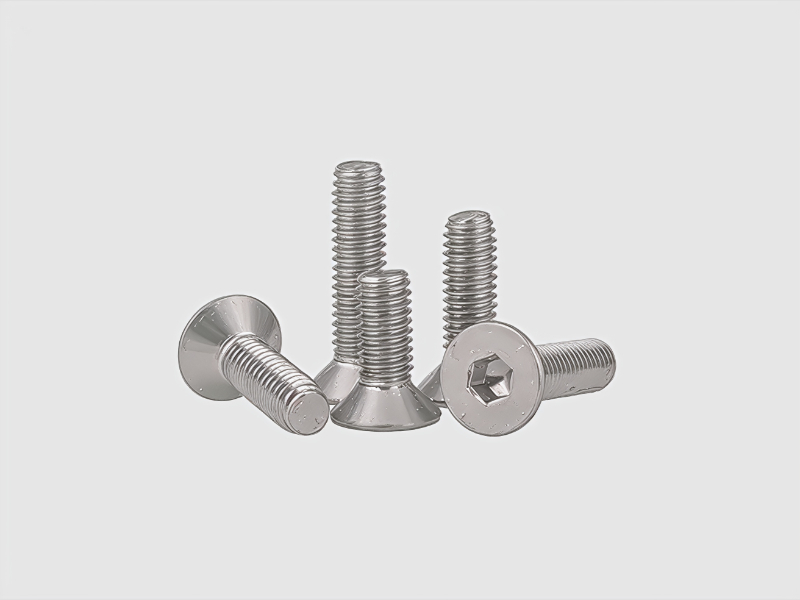
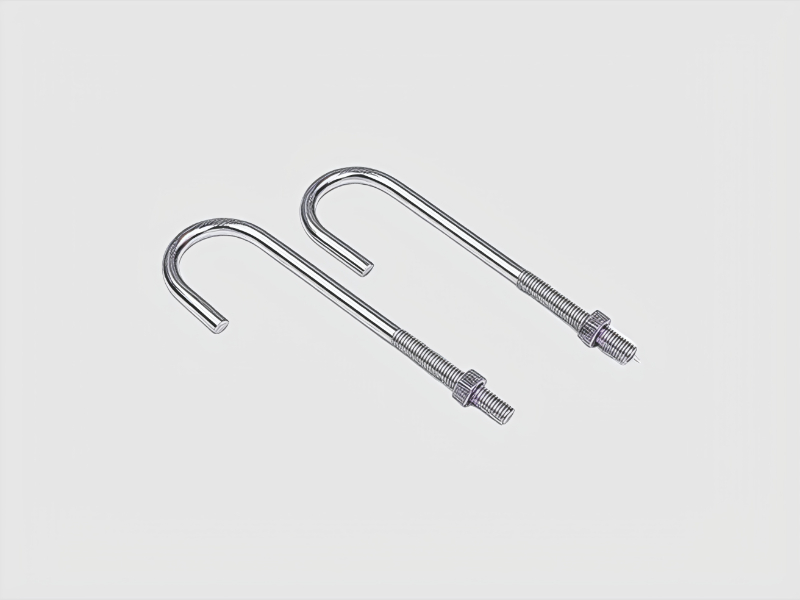
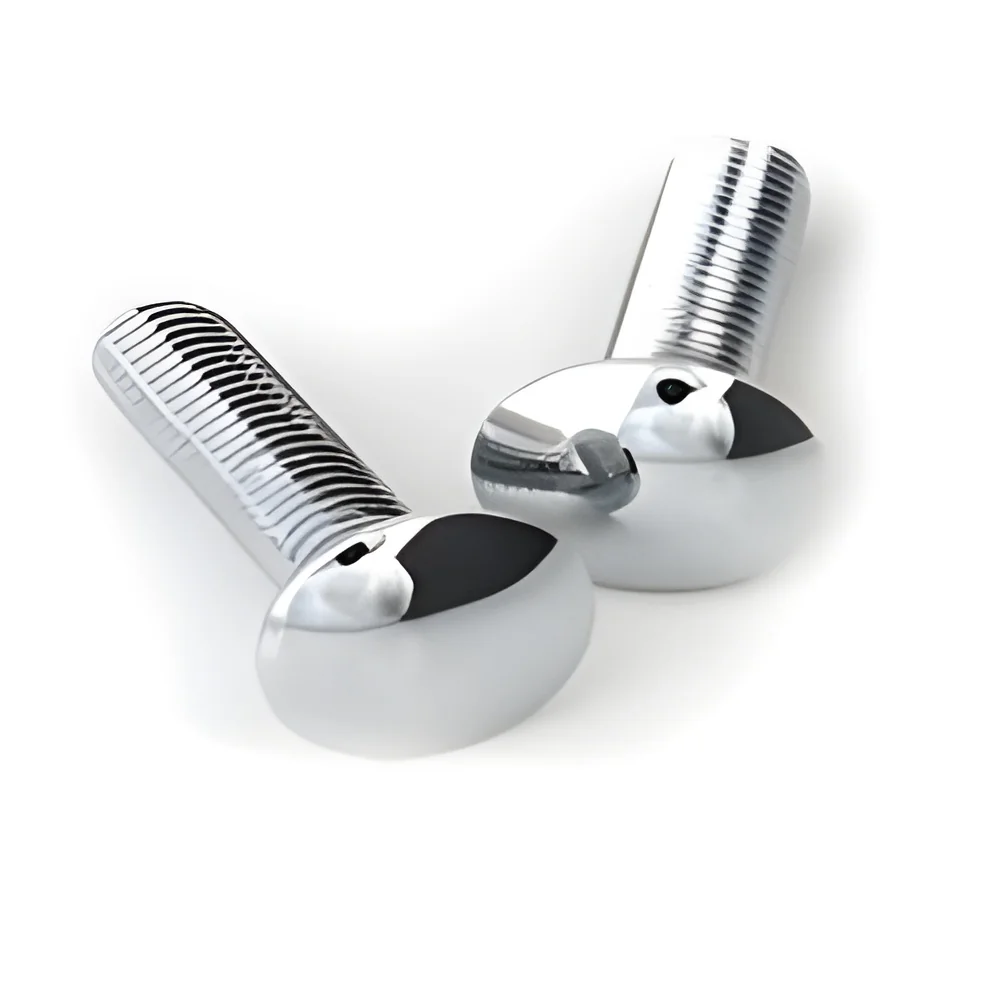
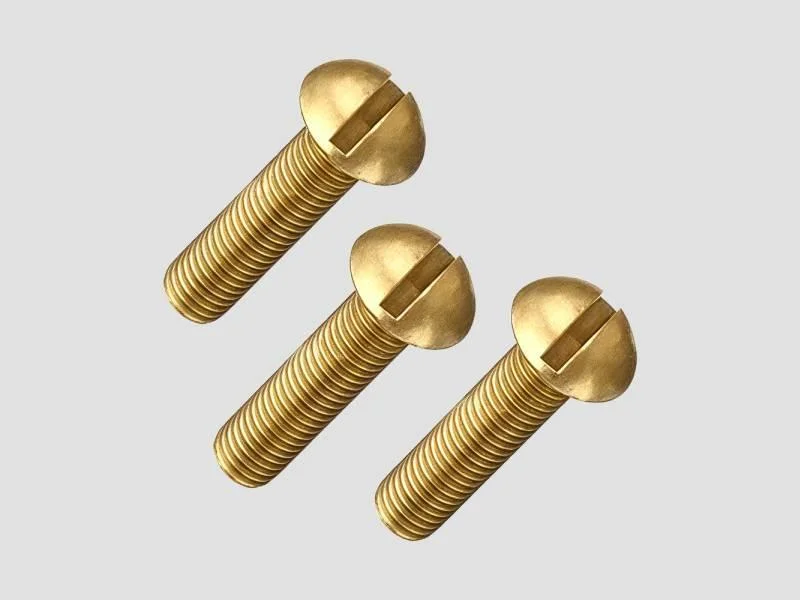
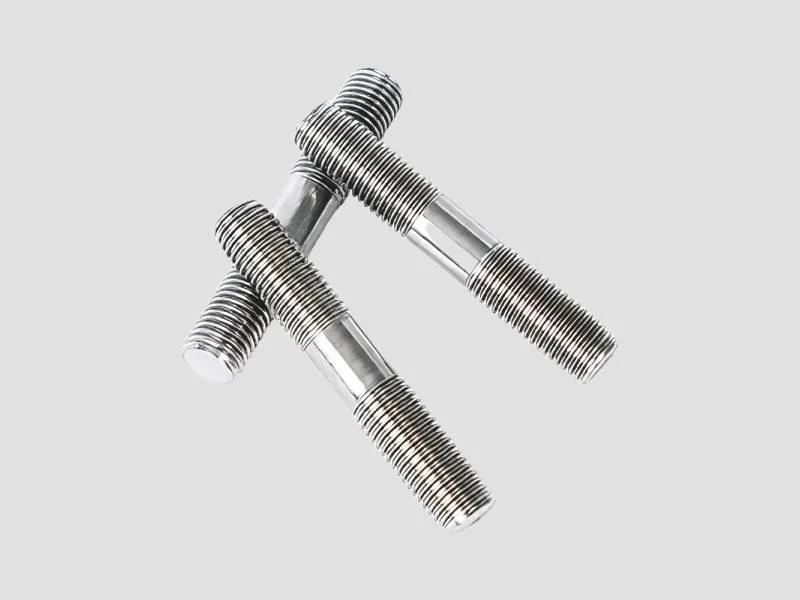
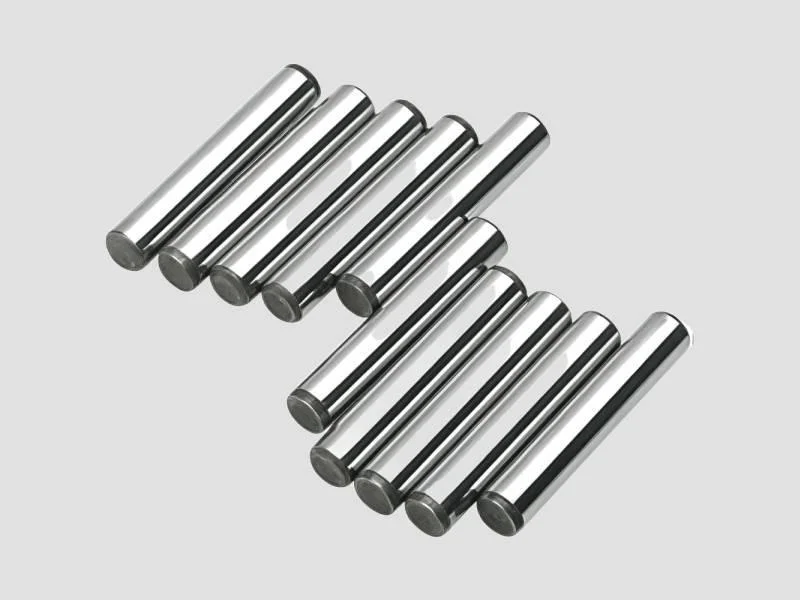
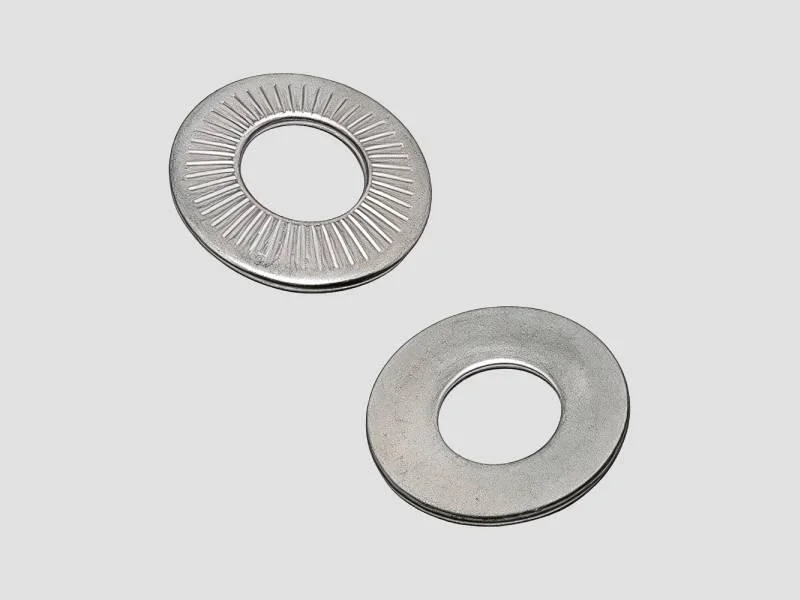
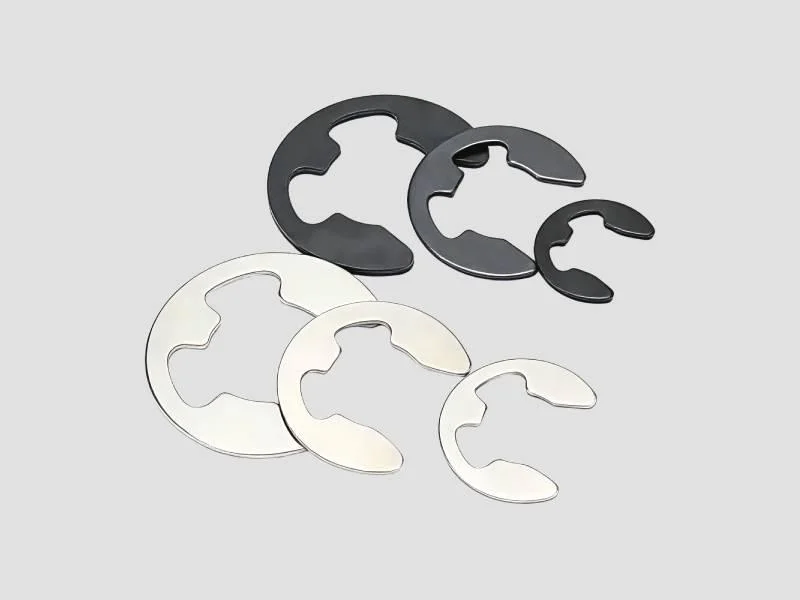
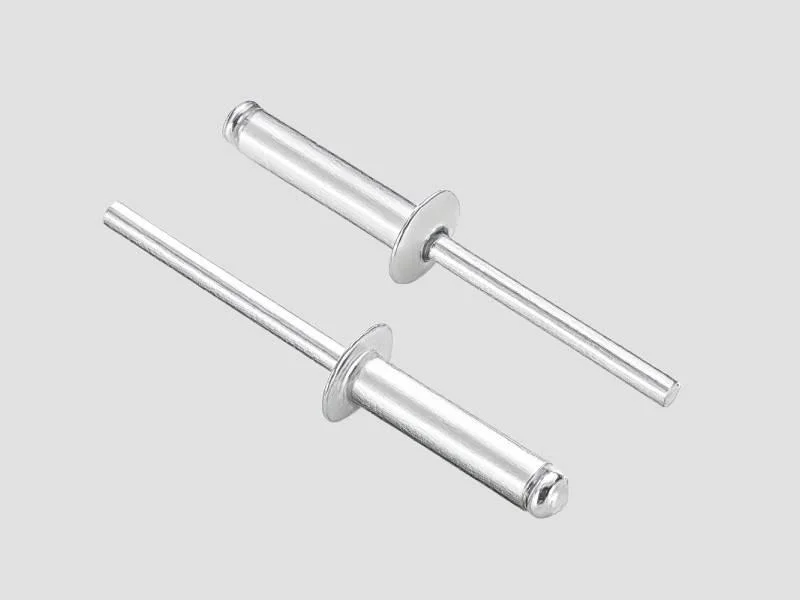
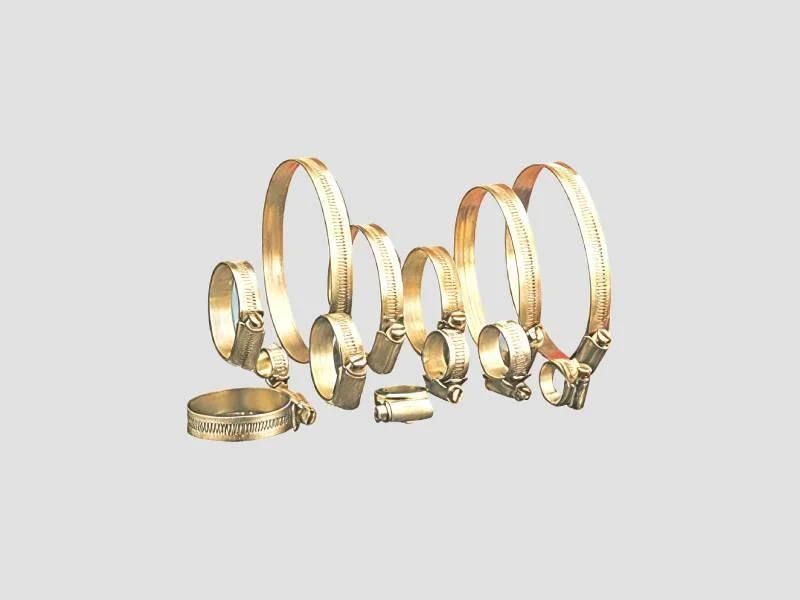
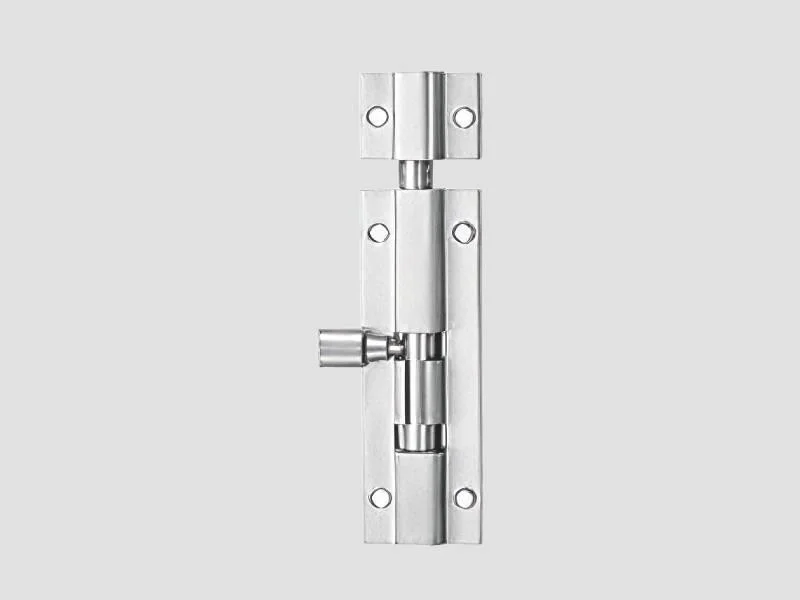
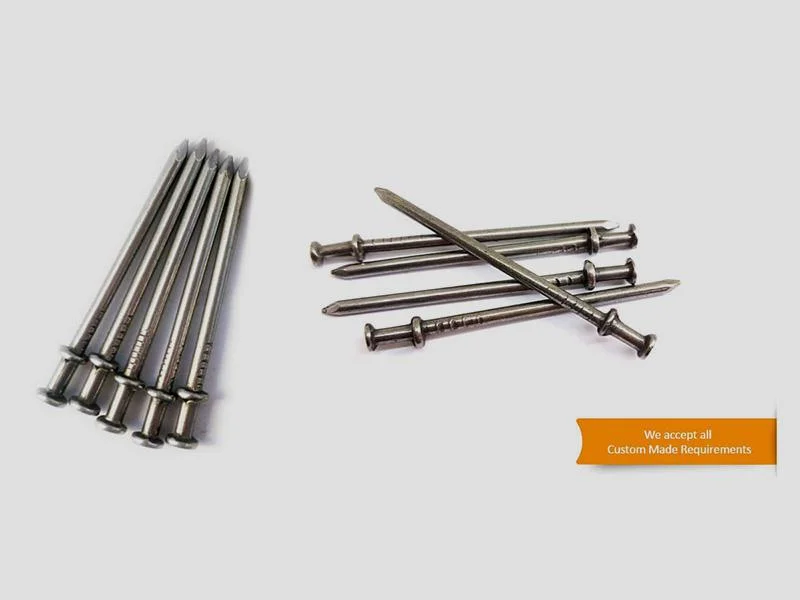
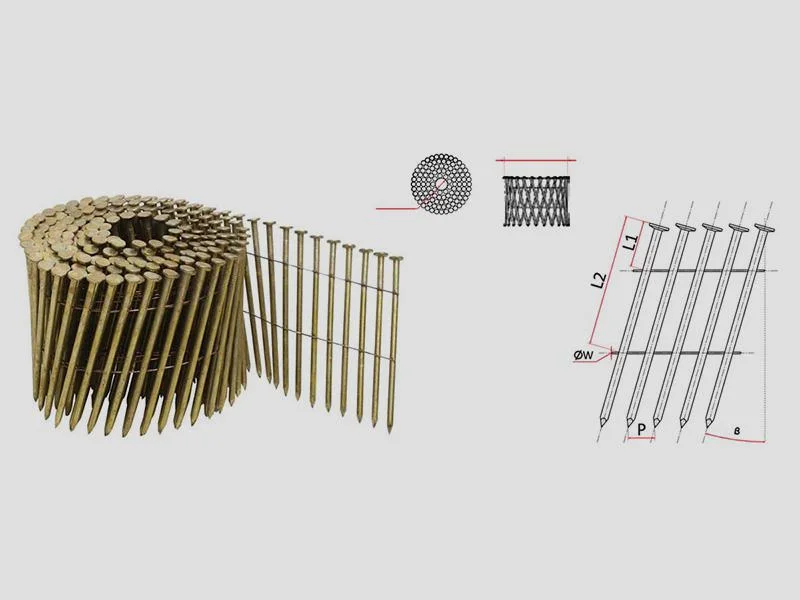
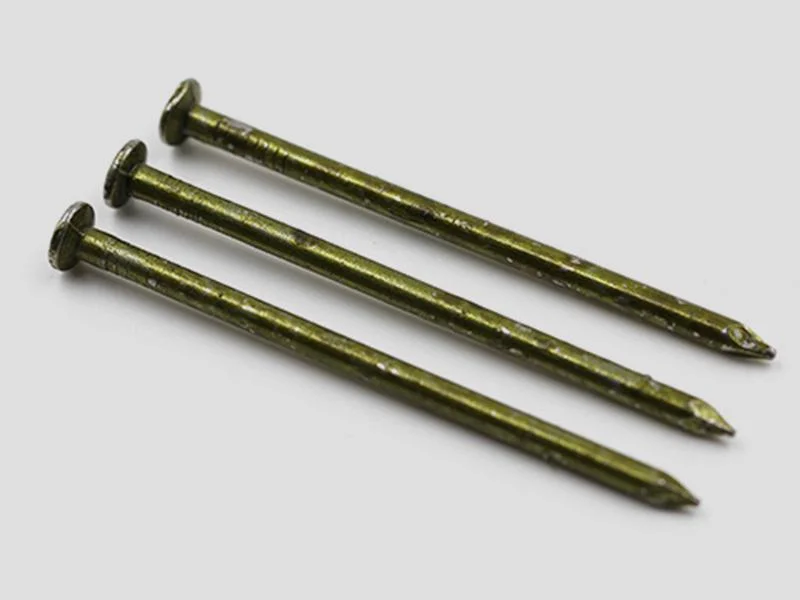
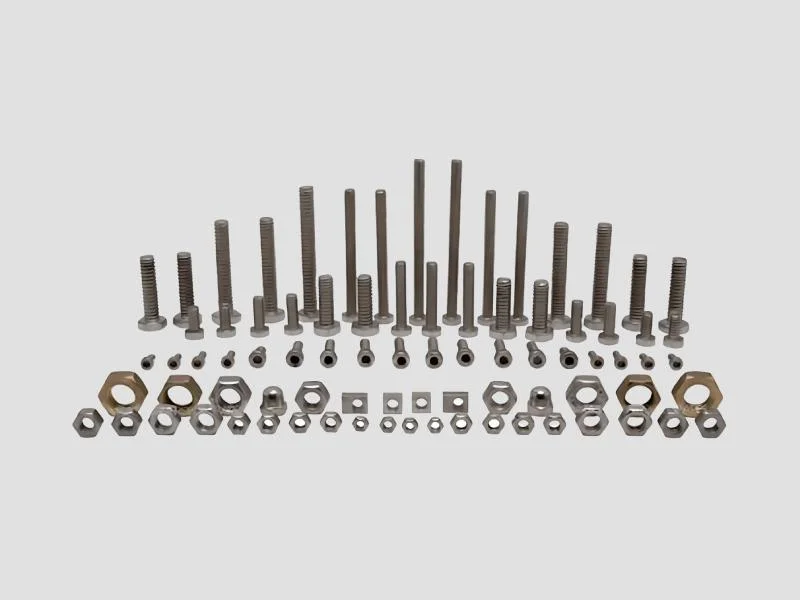
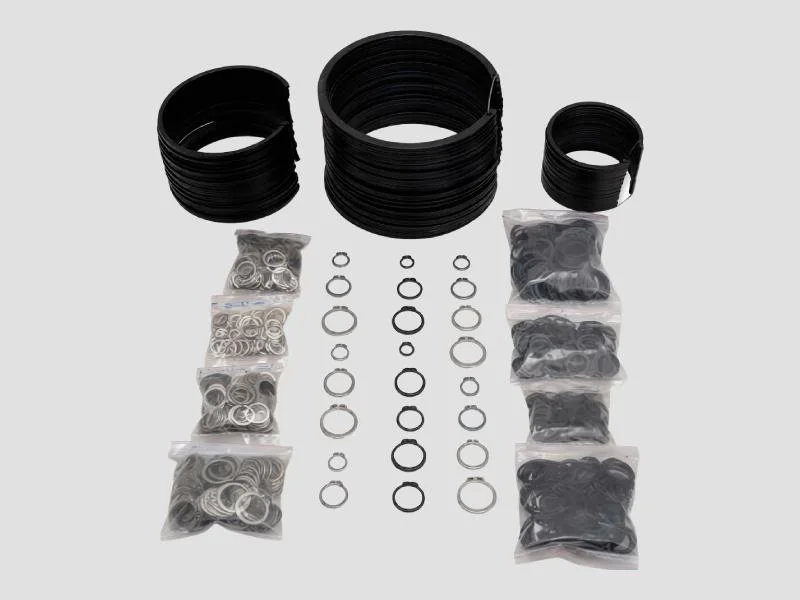
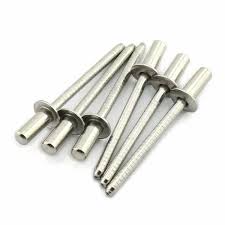
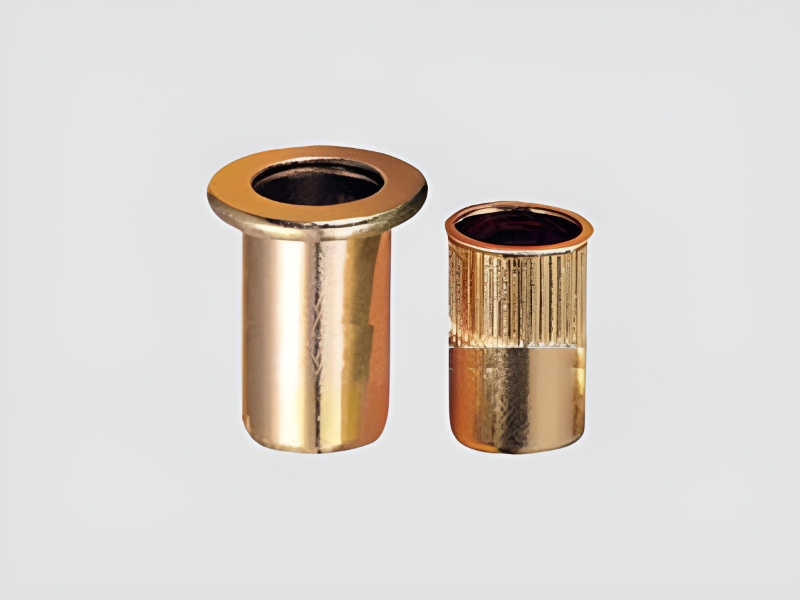
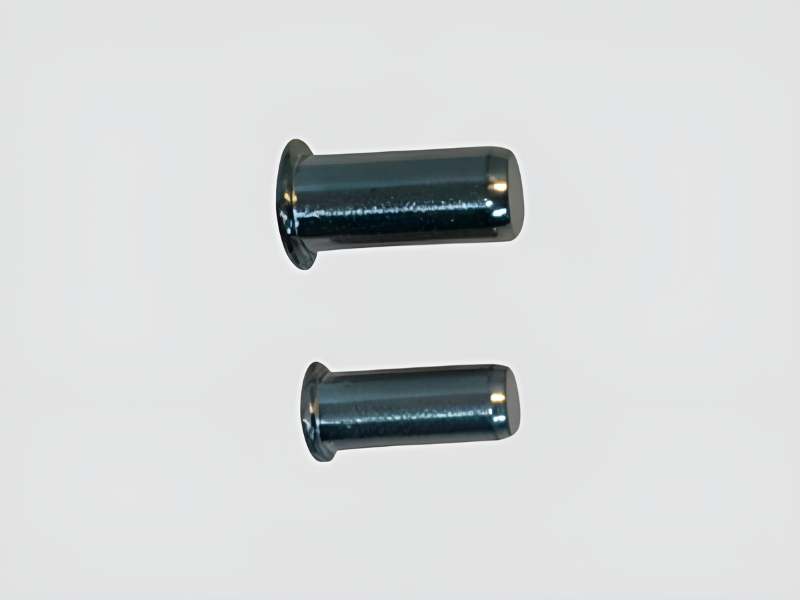
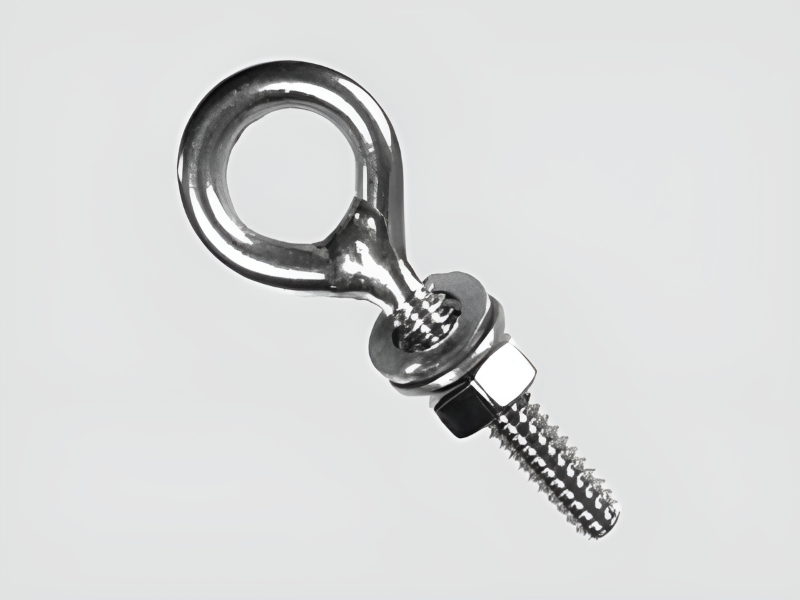
Fasteners are mechanical devices used to secure two or more components together. They play a critical role in various assembly processes across multiple industries. Fasteners come in various forms, including bolts, screws, nuts, washers, and anchors, each serving specific functions to ensure stability and integrity in construction and manufacturing applications.
The primary uses of fasteners vary widely. They are essential in sectors such as construction, automotive, aerospace, and machinery. Businesses utilize fasteners to assemble products, support structures, and ensure the safe operation of machinery. The fasteners market is significant, driven by the ongoing demand for durable and reliable connections in industrial applications.
As industries evolve towards advanced manufacturing and construction techniques, the relevance of fasteners remains paramount. With ongoing technological advancements, the fasteners market is expected to grow, adapting to new applications and standards. Companies are increasingly seeking innovative fastening solutions that enhance performance and reduce assembly time, reflecting the dynamic nature of the industry.
𝗞𝗲𝘆 𝗙𝗲𝗮𝘁𝘂𝗿𝗲𝘀 𝗮𝗻𝗱 𝗦𝗽𝗲𝗰𝗶𝗳𝗶𝗰𝗮𝘁𝗶𝗼𝗻𝘀
Fasteners are characterized by several key features and specifications that define their functionality and suitability for various applications. Understanding these specifications is crucial for selecting the right fasteners for a project.
Key specifications include:
1. Material Type
- Fasteners can be made from steel, stainless steel, aluminum, and plastic.
- Each material offers different properties, such as corrosion resistance and strength.
2. Size and Dimensions
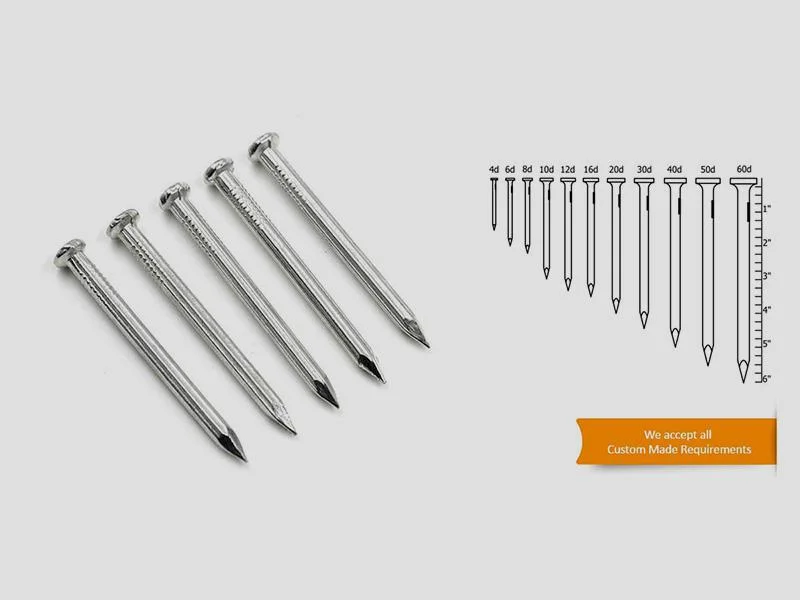
- Fasteners come in various sizes, measured by diameter, length, and thread pitch.
- Proper sizing is essential to ensure a secure fit and function.
3. Thread Type
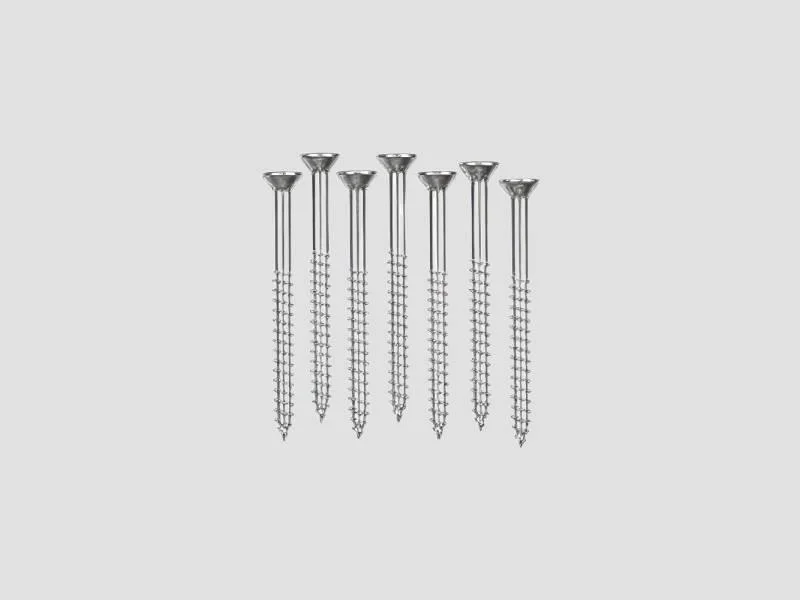
- Common thread types include coarse, fine, and self-tapping.
- Thread type affects the fastening capability and application suitability.
4. Load Capacity
- Fasteners are rated for specific load capacities, indicating how much weight they can support.
- Understanding load capacity is important for safety and performance.
5. Finish and Coating
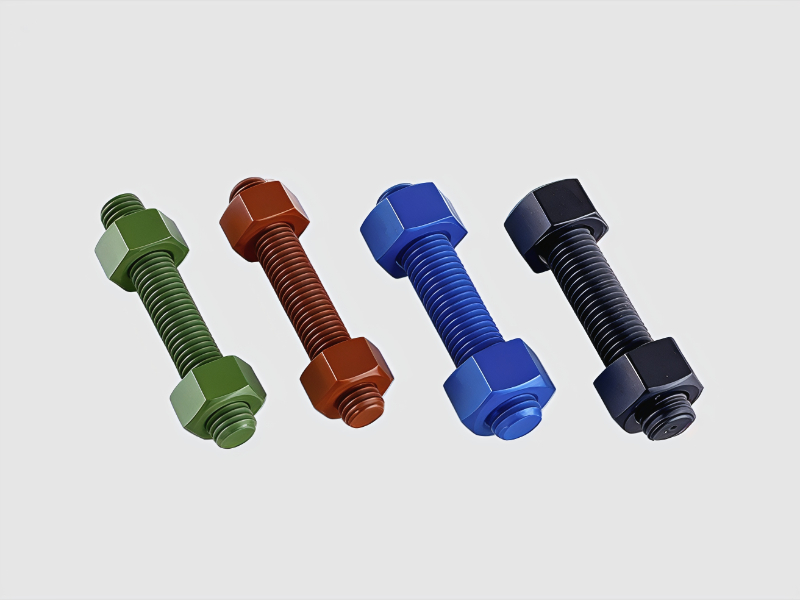
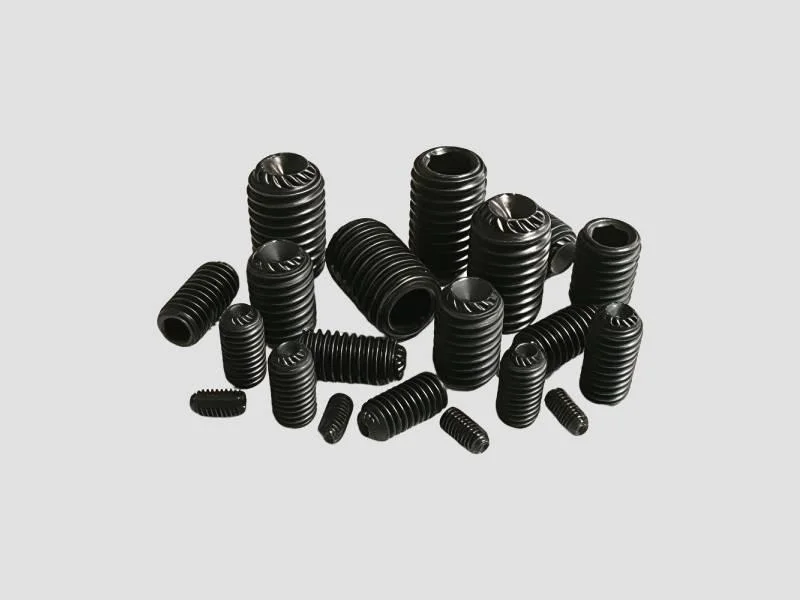
- Fasteners can have different finishes, such as zinc plating, black oxide, or no coating.
- Finishes enhance corrosion resistance and aesthetic appeal.
6. Compliance Standards
- Fasteners must meet industry standards such as CE certification.
- Compliance ensures safety and reliability in applications.
7. Packaging Options
- Fasteners are available in bulk or individual packaging.
- Choosing the right packaging can affect cost and convenience.
In summary, understanding the features and specifications of fasteners is essential for selecting the appropriate products for various industrial needs.
𝗖𝗼𝗺𝗺𝗼𝗻 𝗔𝗽𝗽𝗹𝗶𝗰𝗮𝘁𝗶𝗼𝗻𝘀 𝗮𝗻𝗱 𝗨𝘀𝗲 𝗖𝗮𝘀𝗲𝘀
Fasteners are utilized across multiple industries, demonstrating their versatility and importance.
1. Construction: Fasteners are critical in building structures, securing frameworks, and connecting various materials such as wood, metal, and concrete.
2. Automotive: In the automotive industry, fasteners are used to assemble vehicles, ensuring that parts such as engines, chassis, and interiors are securely attached.
3. Aerospace: Aerospace applications require high-performance fasteners that can withstand extreme conditions while ensuring the safety and reliability of aircraft.
4. Electronics: Fasteners are used in electronic devices to secure components and ensure proper assembly and functionality.
5. Machinery: Industrial machinery relies on fasteners to hold parts together, ensuring smooth operation and maintenance.
6. Furniture: In the furniture industry, fasteners are used to assemble products, providing durability and stability for various designs.
7. HVAC: Fasteners are essential in heating, ventilation, and air conditioning systems, securing ducts and units for efficient operation.
𝗣𝗿𝗼𝗱𝘂𝗰𝘁 𝗩𝗮𝗿𝗶𝗮𝗻𝘁𝘀 𝗮𝗻𝗱 𝗦𝘂𝗯𝗰𝗮𝘁𝗲𝗴𝗼𝗿𝗶𝗲𝘀
Fasteners come in diverse variants, each designed for specific functions and applications.
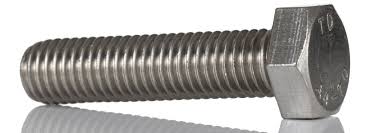
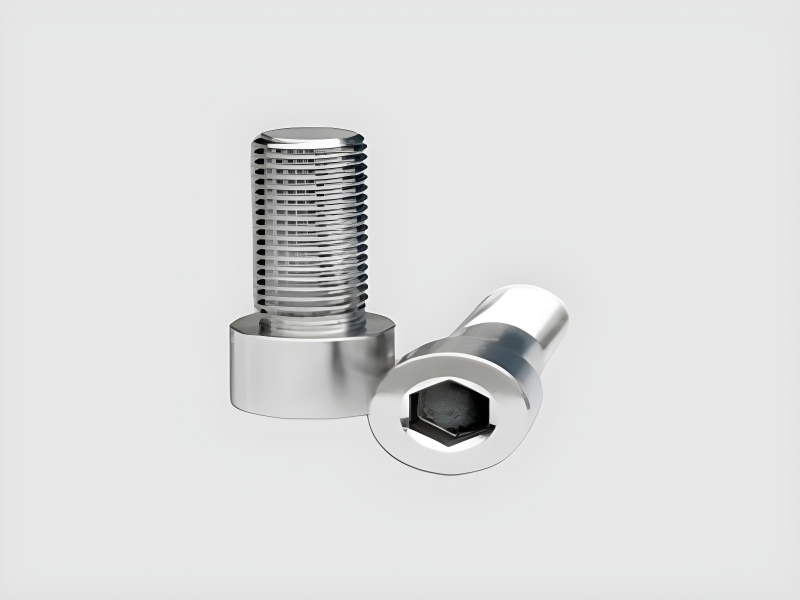
Hex Bolts: These fasteners feature a hexagonal head and are widely used in construction and machinery. They provide strong connections and are available in various grades for different load requirements.
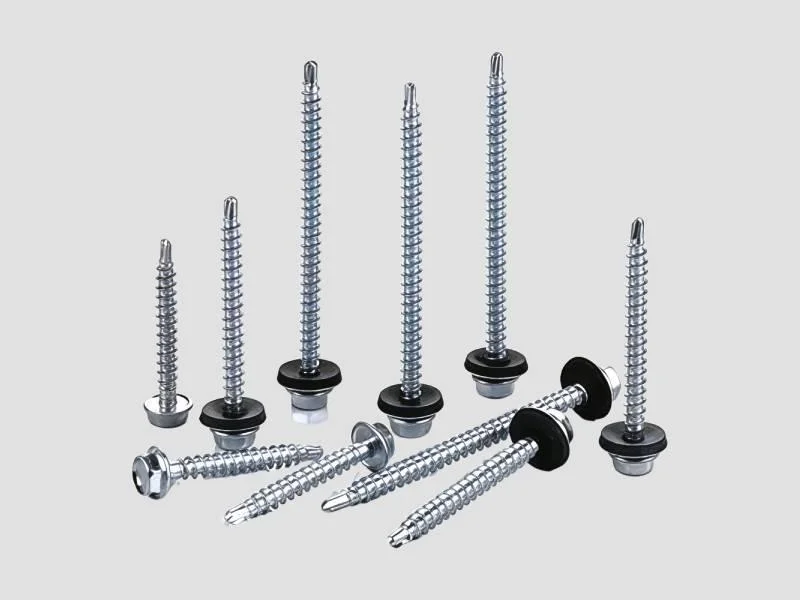
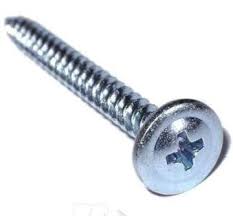
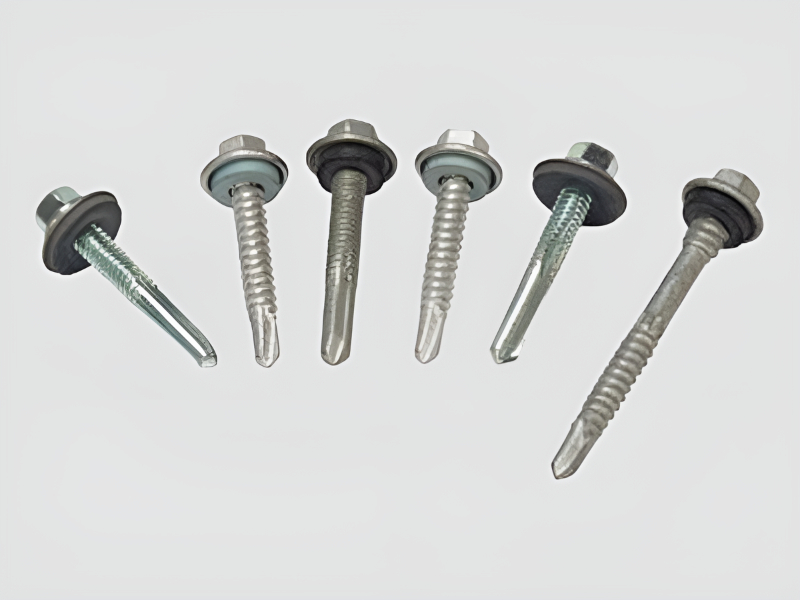
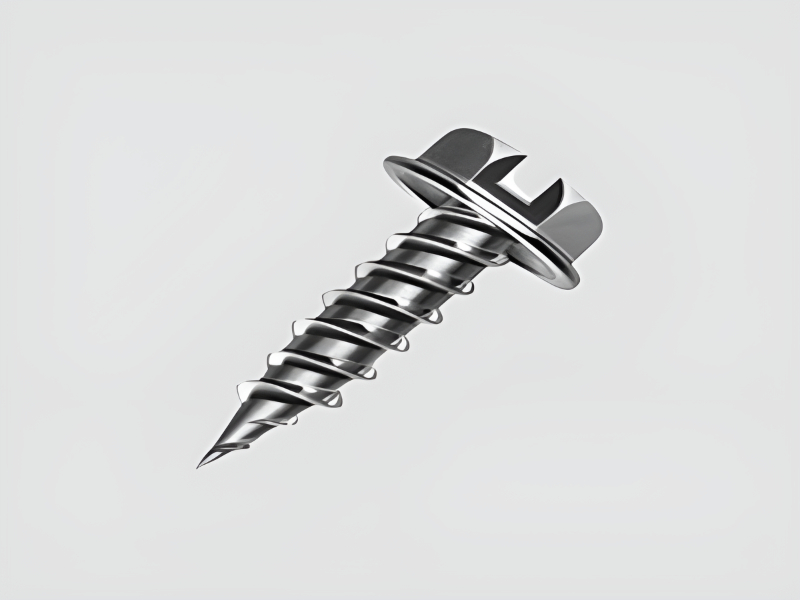
Self-Drilling Screws: Designed for ease of use, these screws can create their own pilot hole, making them ideal for metal and wood applications. They save time during assembly and are popular in the construction industry.
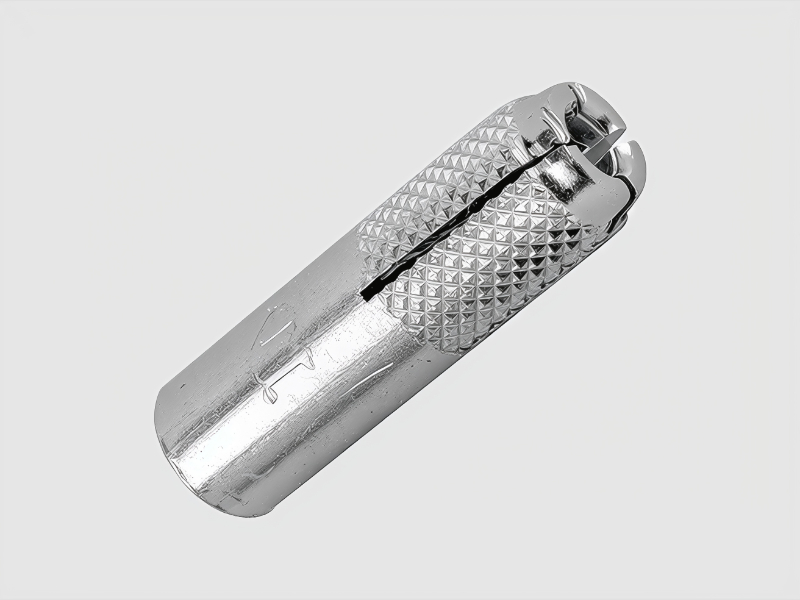
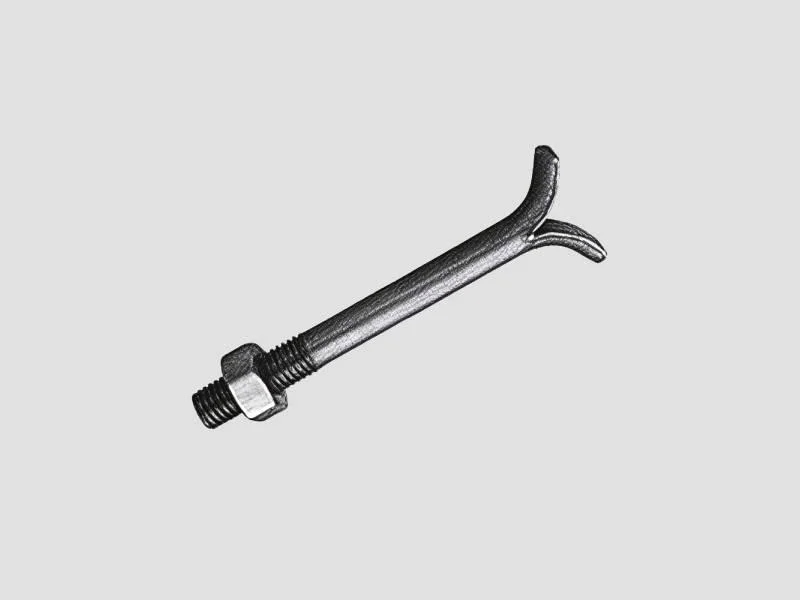
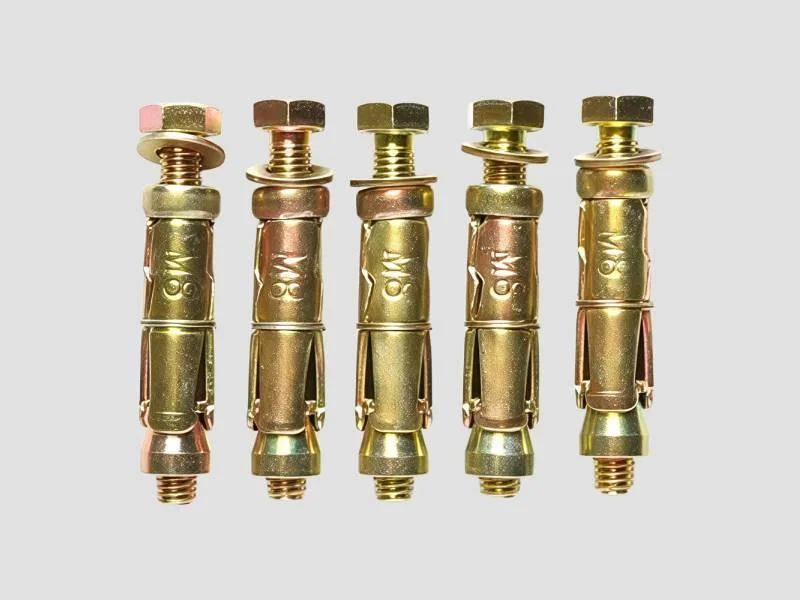
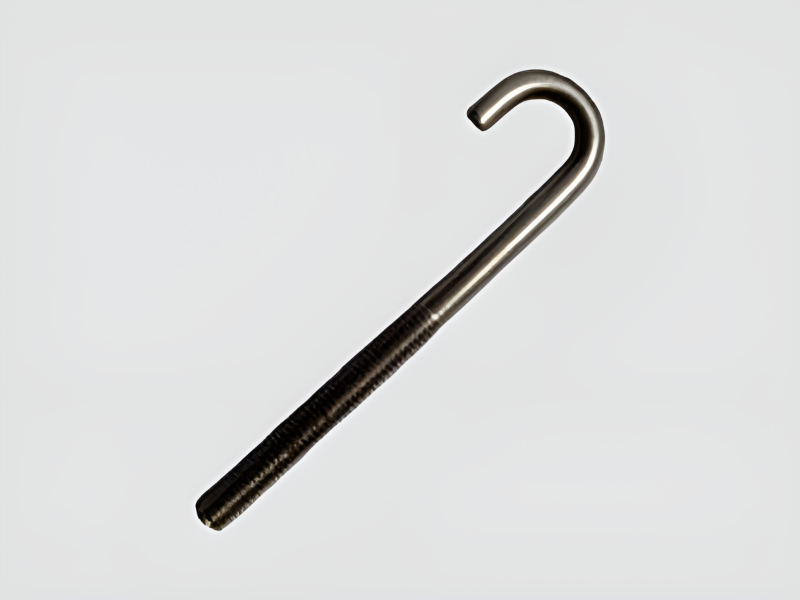
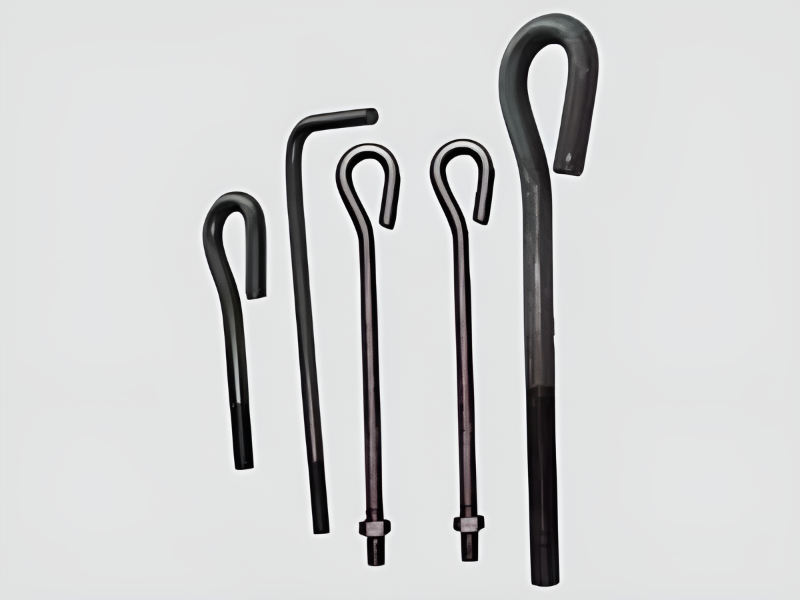
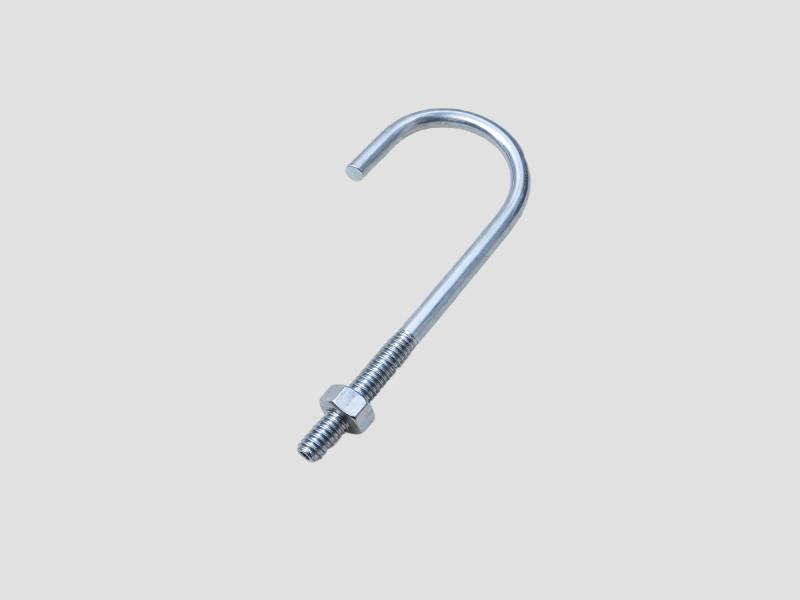
Anchors: Used for securing objects to walls or ceilings, anchors come in various forms, such as expansion anchors and toggle bolts. They are essential for ensuring stability in installations.
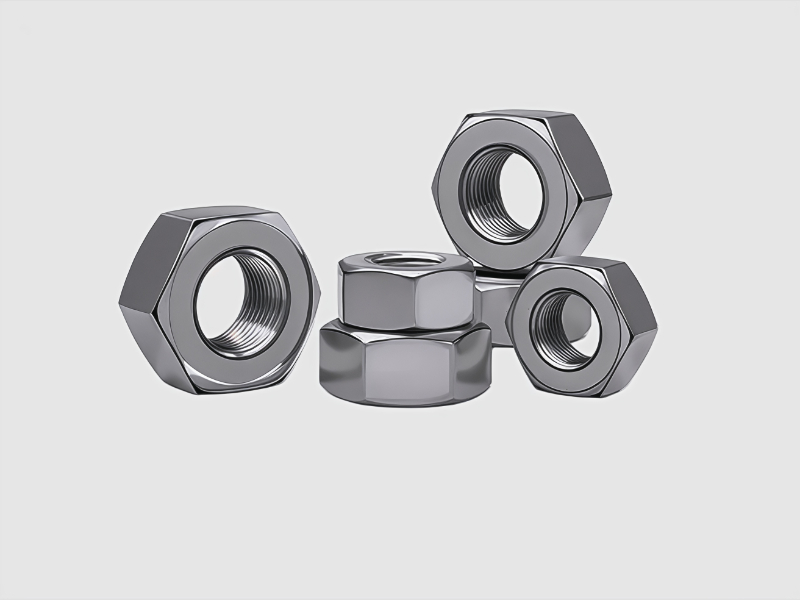
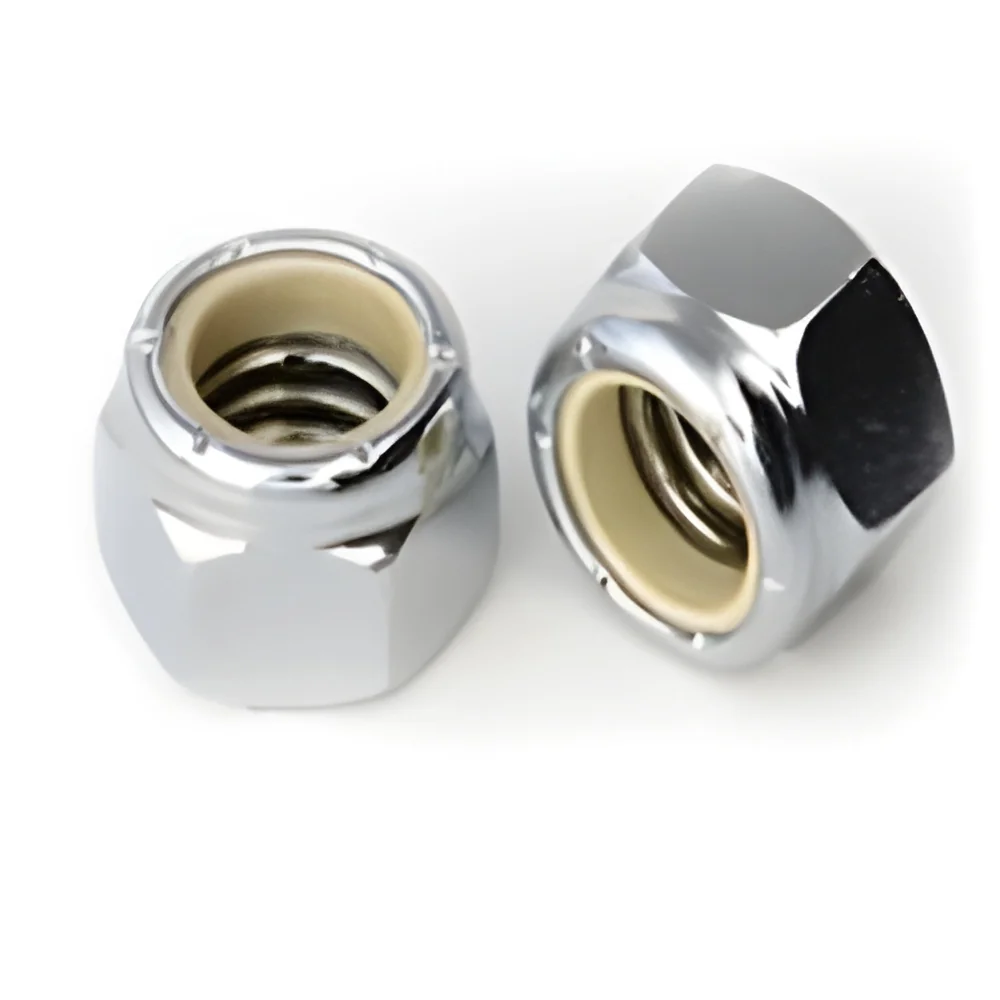
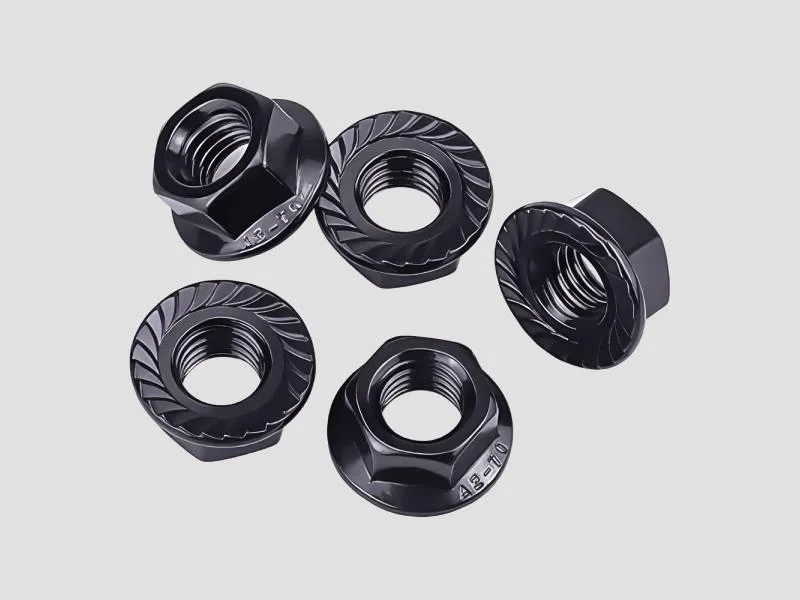
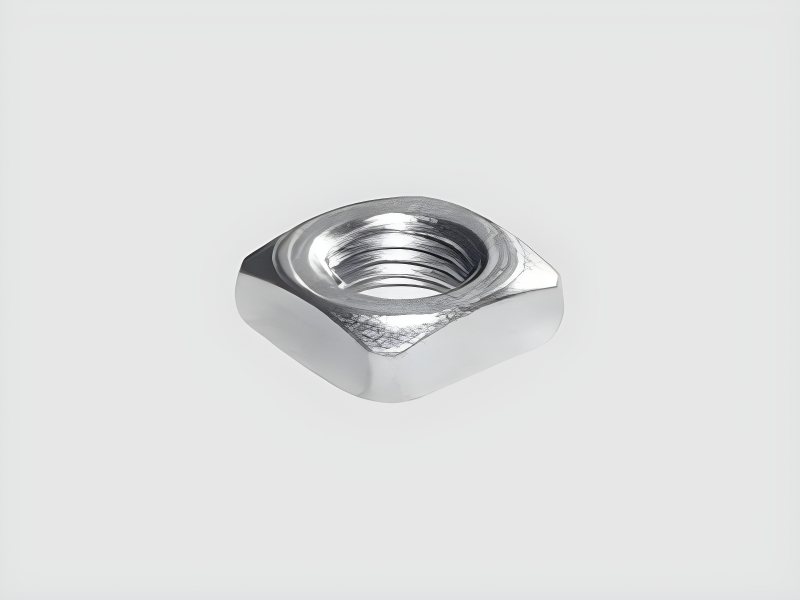
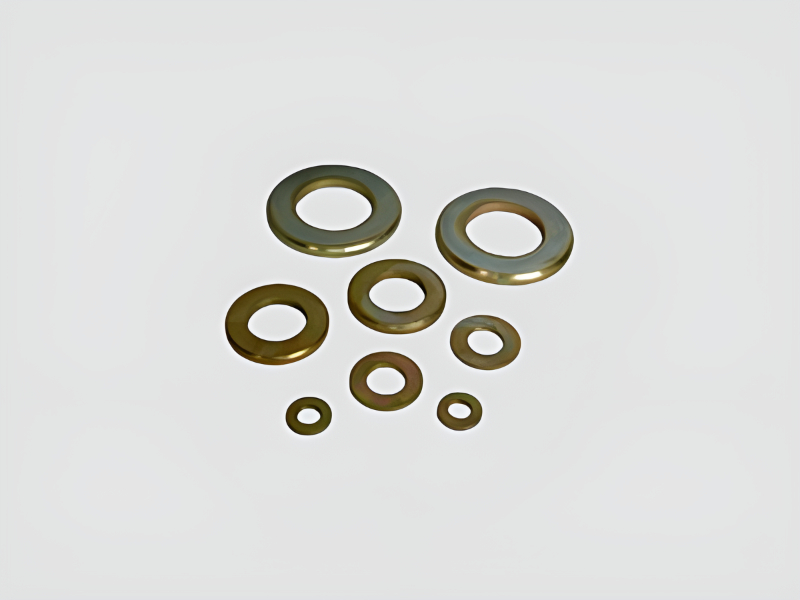
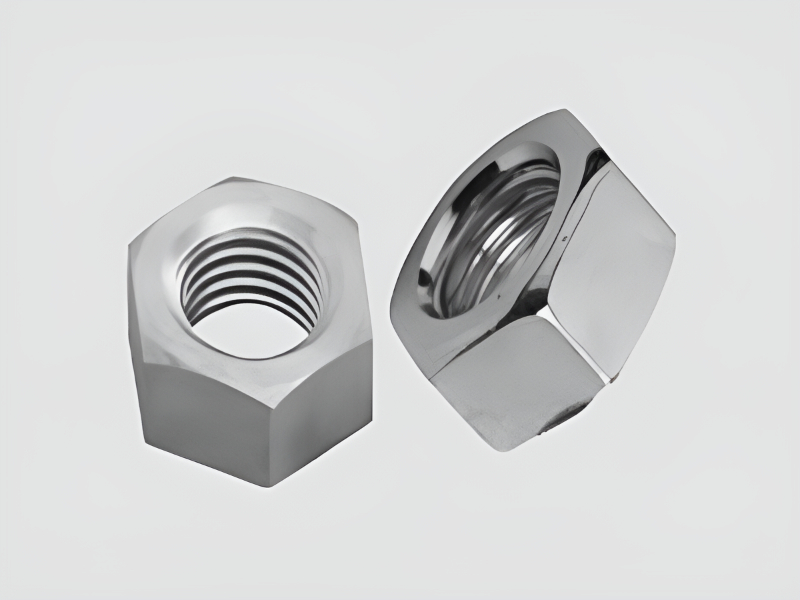
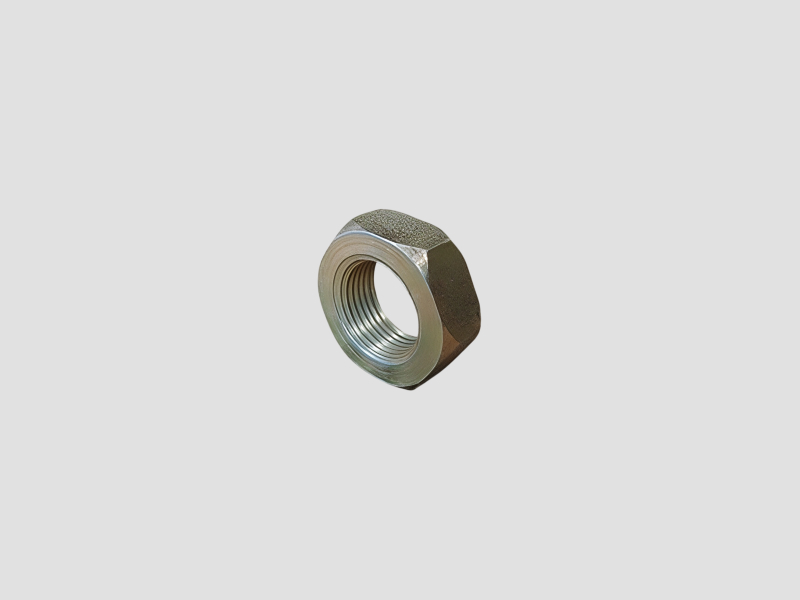
Nuts: Often paired with bolts, nuts come in different shapes and sizes to secure fasteners. They are crucial in many applications, providing a complementary fastening solution.
𝗕𝗲𝗻𝗲𝗳𝗶𝘁𝘀 𝗮𝗻𝗱 𝗔𝗱𝘃𝗮𝗻𝘁𝗮𝗴𝗲𝘀
Fasteners offer numerous benefits that enhance operational efficiency and product reliability.
1. Enhanced Durability: Fasteners provide strong connections that withstand various environmental conditions, ensuring long-lasting performance.
2. Versatility: With a wide range of types and sizes, fasteners can be used in multiple applications across different industries.
3. Ease of Assembly: Fasteners simplify the assembly process, allowing for quicker installation and reduced labor costs.
4. Cost-Effectiveness: High-quality fasteners are available at competitive prices, making them a cost-effective solution for businesses.
5. Customization Options: Many manufacturers offer customizable fasteners to meet specific project requirements, enhancing functionality.
6. Safety Assurance: Fasteners that meet industry standards provide assurance of quality and safety in applications, reducing the risk of failure.
𝗕𝘂𝘆𝗶𝗻𝗴 𝗚𝘂𝗶𝗱𝗲 𝗳𝗼𝗿 𝗕𝟮𝗕 𝗕𝘂𝘆𝗲𝗿𝘀
When sourcing fasteners, it is essential for buyers to consider several critical factors to ensure they make informed decisions.
1. Quality Assessment: Evaluate the quality of fasteners based on material, finish, and compliance with industry standards. High-quality fasteners contribute to the overall performance of the assembly.
2. Supplier Verification: Vet suppliers by checking their certifications, customer reviews, and track record. Reliable suppliers provide assurance of product quality and consistency.
3. Pricing and MOQ: Understand the pricing structure and minimum order quantities. Comparing prices from different suppliers can help in getting the best value for your investment.
4. Delivery and Lead Times: Consider logistics such as shipping methods and lead times. Timely delivery is crucial for maintaining project schedules.
5. Compliance Requirements: Ensure that fasteners meet relevant industry regulations and standards, which is vital for safety and performance in applications.
𝗖𝗼𝗺𝗽𝗹𝗶𝗮𝗻𝗰𝗲 𝗮𝗻𝗱 𝗖𝗲𝗿𝘁𝗶𝗳𝗶𝗰𝗮𝘁𝗶𝗼𝗻𝘀
Fasteners must adhere to various compliance standards and certifications to ensure quality and safety. Commonly recognized standards include ISO 9001, which outlines quality management systems, and CE markings, which indicate conformity with European safety standards.
Industry certifications ensure that fasteners meet specific safety and performance criteria, providing buyers with confidence in their purchases. Testing requirements may include checks for tensile strength, corrosion resistance, and dimensional accuracy.
Regional compliance considerations are also essential, as different regions may have varying regulations governing the use and manufacturing of fasteners. Understanding these requirements is crucial for businesses operating in multiple markets.
𝗪𝗵𝘆 𝗦𝗼𝘂𝗿𝗰𝗲 𝗙𝗮𝘀𝘁𝗲𝗻𝗲𝗿𝘀 𝗳𝗿𝗼𝗺 𝗣𝗲𝗽𝗮𝗴𝗼𝗿𝗮?
Pepagora offers a trusted platform for sourcing fasteners, providing a range of advantages that benefit B2B buyers.
Verified Supplier Network: Pepagora connects buyers with verified suppliers, ensuring that products meet quality standards and regulatory requirements. This network enhances buyer confidence in sourcing.
Streamlined RFQ Process: The platform simplifies the request for quotation (RFQ) process, allowing buyers to receive competitive quotes from multiple suppliers quickly. This efficiency saves time and facilitates better decision-making.
Trade Assurance and Support: Pepagora provides buyer protection through trade assurance, ensuring that transactions are secure and reliable. Additionally, dedicated support teams are available to assist with any inquiries or issues.
Regional Coverage: With a strong presence in India, the GCC, and Southeast Asia, Pepagora offers extensive regional coverage. This reach enables buyers to access a diverse range of fasteners tailored to their specific needs.

 IN
IN