What are Studs & Threaded Rods?
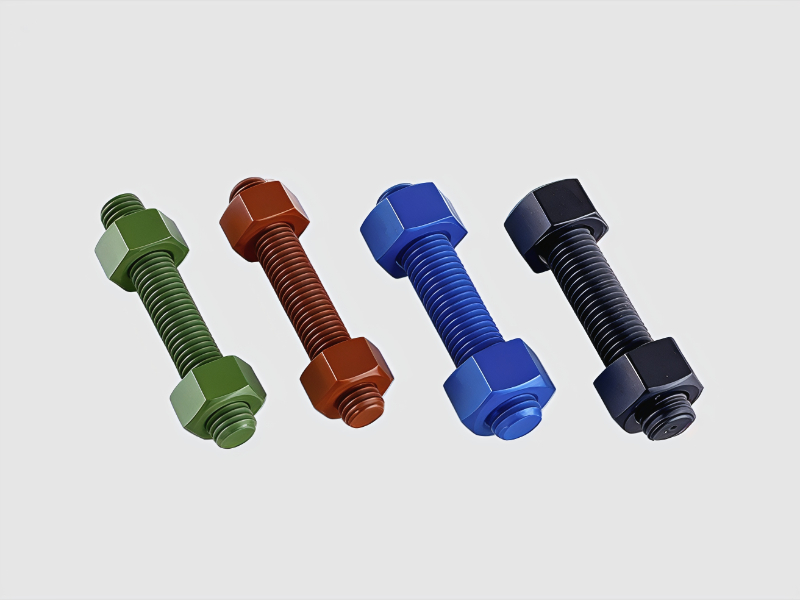
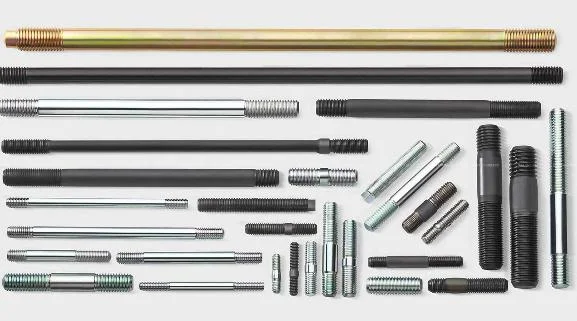
Studs and threaded rods are essential fasteners used in various industrial applications. A stud is a metal rod with threads on both ends, while a threaded rod is a long rod with continuous threads along its length. Both types of fasteners are critical in creating strong connections between two or more components. They can be made from various materials, including steel, stainless steel, and other alloys, depending on the required strength and environmental resistance.
These fasteners are widely utilized in construction, manufacturing, and machinery assembly, where they provide structural integrity. They are often used to secure heavy equipment, build frameworks, and support various structures. Their versatility allows for use in both temporary and permanent installations, making them indispensable in many projects. The demand for studs and threaded rods continues to grow as industries seek reliable solutions for fastening and assembly needs.
In the current market, studs and threaded rods are relevant across multiple sectors, including automotive, aerospace, and construction. As industries evolve and technology advances, the specifications and applications of these fasteners are also adapting to meet new challenges. Understanding the unique properties and uses of studs and threaded rods is vital for businesses looking to source effective fastening solutions.
Key Features and Specifications
Studs and threaded rods come with various features that enhance their performance and usability in different applications. When selecting these fasteners, it is important to consider their specifications to ensure compatibility with your projects.
Key specifications include:
1. Material Type
- Common materials include carbon steel, stainless steel, and alloy steel.
- Each material offers different levels of strength, corrosion resistance, and thermal stability.
2. Thread Type
- Available thread types include coarse, fine, and unified threads.
- The choice of thread type affects the fastening strength and compatibility with nuts and bolts.
3. Diameter
- Diameters typically range from 1/4 inch to 2 inches or more.
- The diameter impacts load-bearing capacity and application suitability.
4. Length
- Lengths can vary widely, often from 1 inch to several feet.
- Custom lengths are available to meet specific project requirements.
5. Finish
- Common finishes include plain, zinc-plated, and hot-dip galvanized.
- Finishing affects corrosion resistance and aesthetic appeal.
6. Grade
- Fasteners are classified into grades based on strength, such as Grade 2, Grade 5, and Grade 8.
- Higher grades indicate greater tensile strength and load-bearing capacity.
7. Certification
- Many studs and threaded rods meet industry standards like CE certification for quality assurance.
- Compliance with standards ensures reliability and safety in applications.
8. Application Suitability
- Different fasteners are designed for specific uses, including high-stress environments or general assembly.
- Understanding the application can help in selecting the right product.
In summary, understanding the key features and specifications of studs and threaded rods is crucial for making informed purchasing decisions. Evaluating these parameters allows businesses to select the most appropriate fasteners for their specific applications.
Common Applications and Use Cases
Studs and threaded rods are utilized in a variety of industries, reflecting their versatility and importance in fastening technology.
1. Construction: In the construction industry, studs are used to secure structural elements like beams and columns. Threaded rods provide support for concrete forms and are integral in building frameworks.
2. Automotive: In automotive manufacturing, these fasteners secure engine components and chassis parts. Their strength and reliability are critical in maintaining vehicle integrity and safety.
3. Aerospace: The aerospace industry relies on high-strength threaded rods to secure aircraft components. These fasteners must withstand extreme conditions and provide dependable performance.
4. Machinery: In machinery assembly, studs connect various components, ensuring that machines operate efficiently. Their ability to handle vibration and stress makes them ideal for this application.
5. Energy: In the energy sector, particularly in wind and solar energy, threaded rods are used to secure equipment and support structures. Their durability is essential in outdoor environments.
6. Marine: In marine applications, corrosion-resistant studs and rods are crucial for securing components on boats and ships. Their performance in harsh marine environments is vital.
7. HVAC: In heating, ventilation, and air conditioning systems, these fasteners play a critical role in assembling units and ducts. They ensure that systems are securely installed and function properly.
Product Variants and Subcategories
Studs and threaded rods come in various forms, allowing for flexibility in applications and environments. This diversity makes it easier for businesses to find the right product for their specific needs.
Standard Threaded Rods: These are the most common type, featuring continuous threads along their length. They are versatile and can be cut to desired lengths for various applications.
All-Thread Rods: These rods have threads running the entire length, making them suitable for applications requiring adjustable lengths. They are often used in construction and automotive applications.
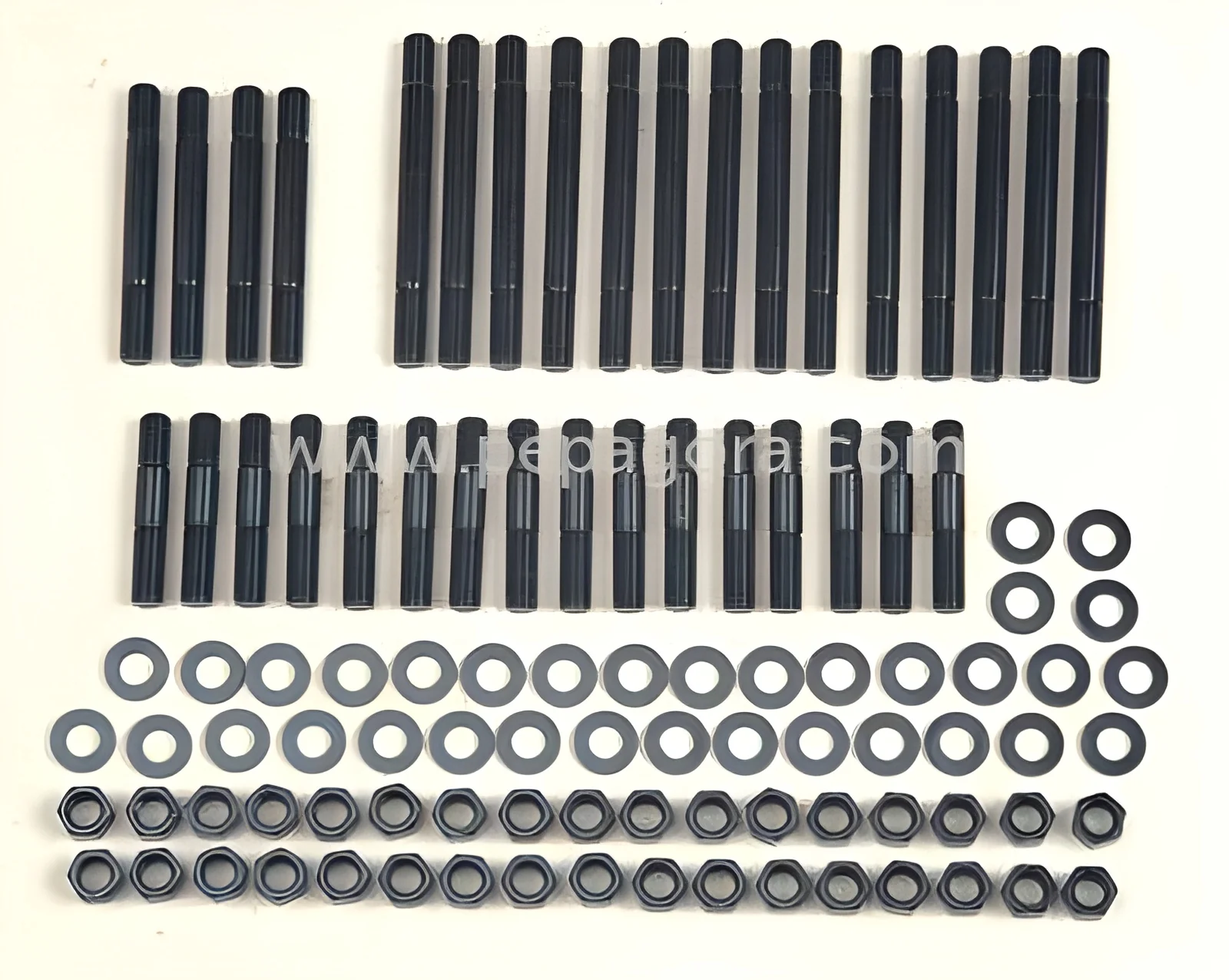
Stud Bolts: These are shorter than standard threaded rods and typically have two different thread sizes on each end. They are commonly used in flange connections and piping systems.
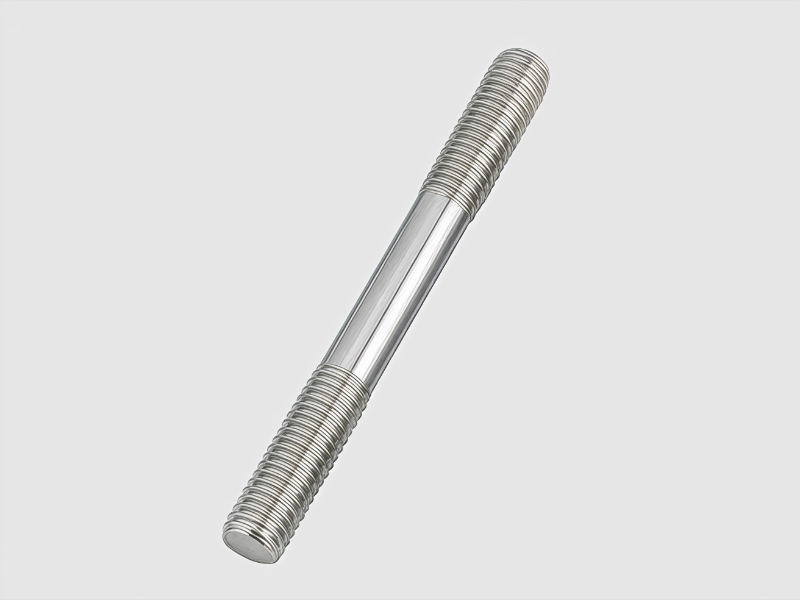
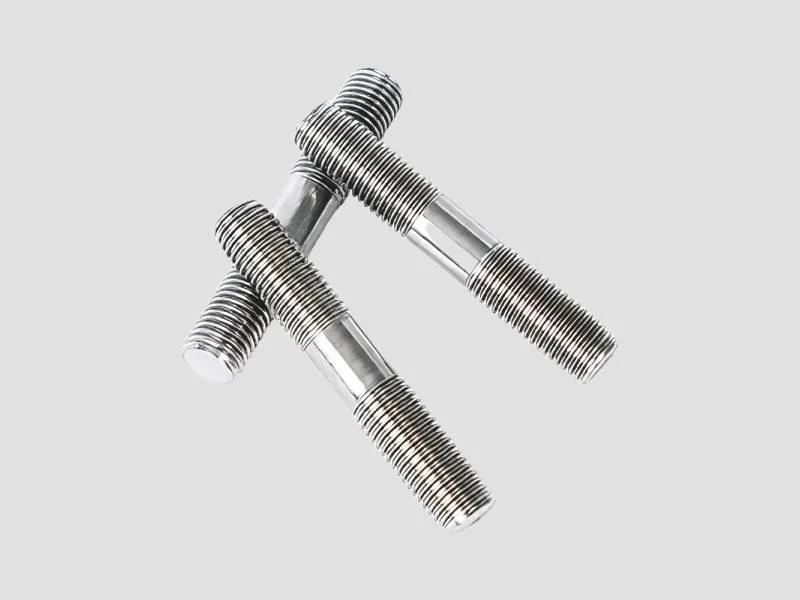
Double-End Studs: Featuring threads on both ends and a smooth center, these fasteners are ideal for applications requiring a secure connection between two components while allowing for adjustment.
Benefits and Advantages
Studs and threaded rods offer several benefits that make them a preferred choice in various industrial applications.
1. High Strength: These fasteners provide superior tensile strength, making them suitable for heavy-duty applications. Their robust nature ensures reliability in critical structures.
2. Versatility: Studs and threaded rods can be used in numerous applications across different industries, adding to their appeal for businesses seeking adaptable solutions.
3. Ease of Installation: They are designed for straightforward installation, often requiring minimal tools and reducing labor costs. This feature is particularly beneficial in large projects.
4. Customization: Many suppliers offer customization options for length, thread type, and material, allowing businesses to tailor solutions to their specific needs.
5. Cost-Effectiveness: With their durability and longevity, these fasteners can reduce the need for frequent replacements, leading to lower overall costs in the long run.
6. Reliability: The consistent performance of studs and threaded rods under various conditions ensures that they maintain structural integrity and safety in critical applications.
Buying Guide for B2B Buyers
When sourcing studs and threaded rods, B2B buyers should consider several key factors to ensure they select the right products for their needs.
1. Quality Assessment: It is crucial to evaluate the quality of the fasteners. Look for products that meet relevant industry standards and certifications, such as CE certification, to ensure reliability.
2. Supplier Verification: Vetting suppliers is essential to ensure they provide high-quality products. Look for established companies with a good reputation in the industry and positive customer reviews.
3. Pricing and MOQ: Understand the pricing structure and minimum order quantities (MOQ) from suppliers. Comparing prices can help in finding the most cost-effective solutions for your project.
4. Delivery and Lead Times: Assess the logistics involved in sourcing fasteners. Ensure that suppliers can meet your delivery timelines to avoid project delays.
5. Compliance Requirements: Be aware of any regulatory needs that apply to the products being sourced. Compliance with safety and quality standards is vital for maintaining industry credibility.
Compliance and Certifications
Studs and threaded rods must adhere to various industry standards and regulations to guarantee their quality and safety. Relevant quality standards such as ISO 9001 focus on maintaining a consistent quality management system, which is essential for manufacturers of these fasteners.
Certifications like CE are significant, indicating that the products meet EU safety, health, and environmental protection standards. This certification assures buyers of the product's quality and reliability.
Safety and testing requirements are also critical, as they ensure that the fasteners can withstand the stresses and conditions they will encounter in their applications. Regular testing helps maintain compliance and provides assurance to users.
Additionally, regional compliance considerations may vary, so it is important for buyers to understand local regulations and standards that may affect their sourcing decisions.
Why Source Studs & Threaded Rods from Pepagora?
Pepagora offers a reliable platform for sourcing studs and threaded rods, providing several advantages for B2B buyers.
Verified Supplier Network: Pepagora connects buyers with a network of verified suppliers, ensuring that all products meet high-quality standards. This network helps eliminate the risks associated with sourcing from unknown vendors.
Streamlined RFQ Process: The platform features an efficient Request for Quotation (RFQ) system, allowing buyers to easily request quotes from multiple suppliers. This process saves time and helps in comparing options.
Trade Assurance and Support: Pepagora provides trade assurance and buyer protection, giving customers peace of mind when making purchases. Their support team is available to assist with any inquiries or issues that may arise.
Regional Coverage: With a strong presence in markets such as India, the GCC, and Southeast Asia, Pepagora offers extensive geographic reach. This regional coverage ensures that buyers can find reliable sources for their fastening needs across various locations.

 IN
IN