
 IN
Automotive Fasteners
4 products available
What are Automotive Fasteners?
Automotive fasteners are essential components used to join and secure various parts within vehicles. They include a wide array of items such as bolts, screws, nuts, washers, and rivets. These fasteners are designed to withstand the rigors of automotive applications, including vibrations, temperature variations, and corrosion. Their primary function is to ensure the structural integrity of vehicles by holding components together safely and effectively.
In the automotive industry, fasteners are used in numerous applications, from assembling engines and body panels to securing interior components. Businesses rely on high-quality fasteners to maintain safety and performance standards. The automotive sector is highly regulated, and fasteners must meet specific requirements to ensure reliability and durability. As the automotive market evolves with new technologies and materials, the demand for innovative fastener solutions continues to grow, emphasizing their relevance in both traditional and modern vehicle manufacturing.
Key Features and Specifications
Automotive fasteners come with a variety of features and specifications that cater to different applications and requirements. Understanding these specifications is crucial for selecting the right fasteners for specific automotive needs.
Key specifications include:
1. Material Type
- Common materials include steel, stainless steel, aluminum, and plastic.
- Each material has its own properties affecting strength, weight, and corrosion resistance.
2. Thread Type
- Common thread types include coarse, fine, and self-tapping.
- Thread design influences the fastener's grip and ease of installation.
3. Coating and Finish
- Options include zinc plating, galvanization, and powder coating.
- Coatings enhance corrosion resistance and aesthetic appeal.
4. Size and Dimensions
- Fasteners come in various sizes, including length, diameter, and thread pitch.
- Proper sizing ensures compatibility with the components being fastened.
5. Load Capacity
- Load ratings indicate the maximum weight or force a fastener can support.
- This specification is critical for safety and performance.
6. Compliance Standards
- Many fasteners meet industry standards such as ISO and ANSI.
- Compliance ensures quality and reliability in automotive applications.
In summary, understanding the key features and specifications of automotive fasteners is essential for ensuring that the selected components meet the specific needs of automotive applications.
Common Applications and Use Cases
Automotive fasteners play a crucial role across various industries, providing essential functionalities in multiple applications.
1. Automotive Manufacturing: Fasteners are vital in assembling vehicles, securing components such as engines, body panels, and interiors.
2. Aerospace: Fasteners are used in aircraft assembly to ensure structural integrity and safety under extreme conditions.
3. Heavy Equipment: Construction and agricultural machinery rely on robust fasteners to withstand heavy loads and harsh environments.
4. Electronics: Fasteners secure electronic components within vehicles, ensuring proper operation and safety.
5. Marine: Fasteners are used in boat manufacturing and repair to secure parts and resist corrosion from saltwater exposure.
6. Rail and Transit: Fasteners are essential for the assembly and maintenance of trains and transit vehicles, ensuring reliability and safety.
7. Renewable Energy: Fasteners support the assembly of wind turbines and solar panels, requiring durability and resistance to environmental factors.
Product Variants and Subcategories
Automotive fasteners come in a variety of types to meet different needs in the automotive industry.
Hex Bolts: These fasteners feature a hexagonal head and are commonly used in machinery and vehicle assembly. Their design allows for easy tightening with a wrench.
Self-Tapping Screws: Ideal for applications where pre-drilled holes are not available, these screws can create their own threads in materials. They are frequently used in metal and plastic components.
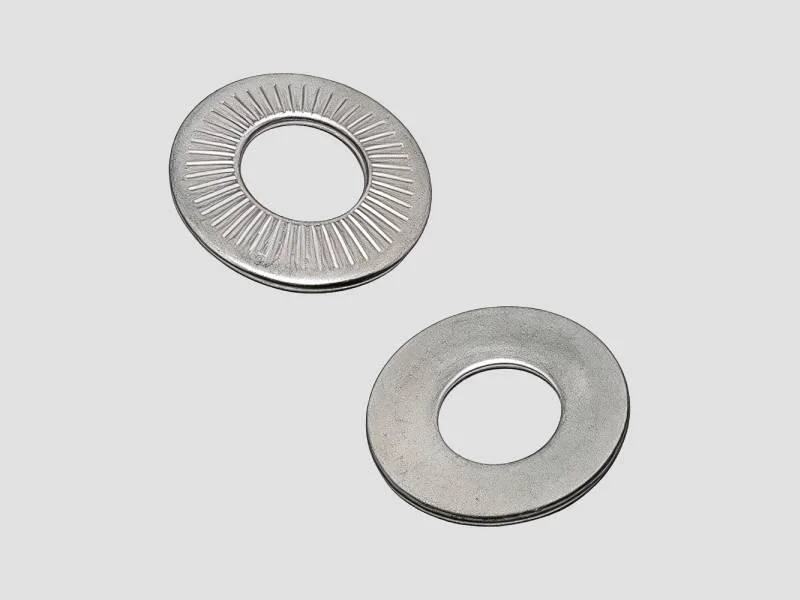
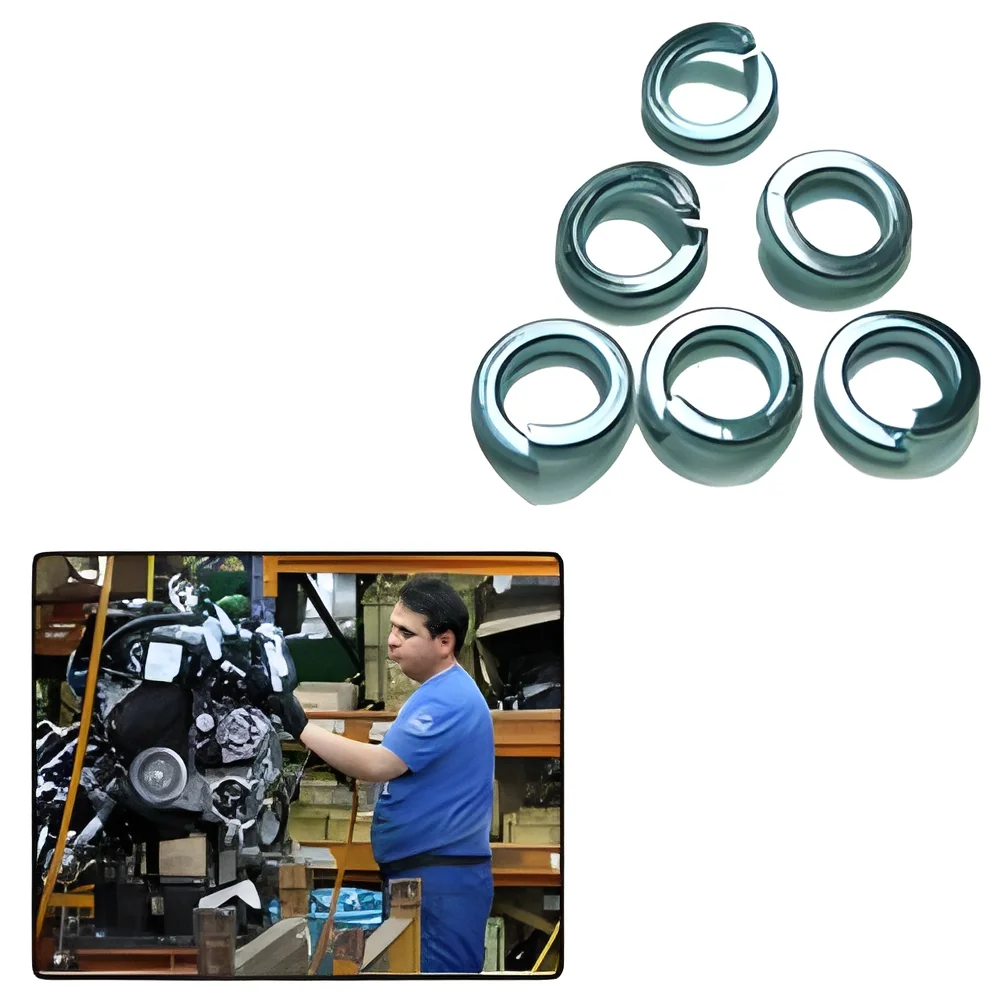
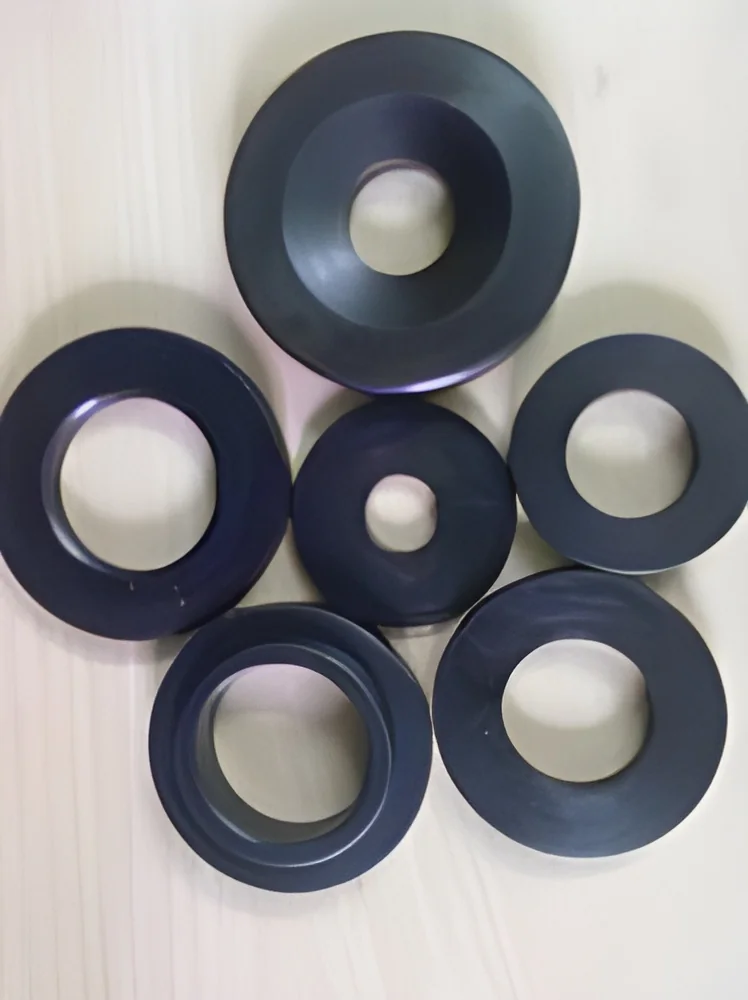
Washers: Used alongside bolts and screws, washers distribute load and prevent damage to surfaces. They are essential for ensuring a secure fit.
Lock Nuts: These nuts are designed to resist loosening under vibrations, making them ideal for automotive applications where movement is common.
Benefits and Advantages
Investing in high-quality automotive fasteners provides numerous benefits to businesses in the automotive sector.
1. Enhanced Safety: Reliable fasteners contribute to the overall safety of vehicles by ensuring that components remain securely attached.
2. Improved Durability: Quality materials and coatings enhance the lifespan of fasteners, reducing the need for frequent replacements.
3. Cost-Effectiveness: By minimizing the risk of failure, high-quality fasteners can lead to lower maintenance costs over time.
4. Versatile Applications: Automotive fasteners are suitable for a wide range of applications, making them a versatile choice for manufacturers.
5. Compliance Assurance: Fasteners that meet industry standards help manufacturers maintain compliance with safety regulations.
6. Streamlined Assembly: Well-designed fasteners simplify the assembly process, reducing labor costs and improving efficiency.
Buying Guide for B2B Buyers
When sourcing automotive fasteners, it is essential for buyers to consider several factors to ensure they select the right products for their needs.
1. Quality Assessment: Evaluate the quality of fasteners based on material properties, manufacturing processes, and compliance with industry standards.
2. Supplier Verification: Vet suppliers by checking their certifications, customer reviews, and industry reputation to ensure reliability.
3. Pricing and MOQ: Consider the cost of fasteners along with minimum order quantities (MOQ) to align with budget constraints and production needs.
4. Delivery and Lead Times: Assess suppliers' delivery capabilities and lead times to ensure that fasteners arrive when needed to avoid production delays.
5. Compliance Requirements: Confirm that fasteners meet relevant regulatory standards and certifications applicable to specific industries.
Compliance and Certifications
Automotive fasteners must adhere to various quality standards and certifications to ensure safety and reliability. Key standards include ISO 9001, which focuses on quality management systems, and CE certification, indicating compliance with European safety requirements.
Safety and testing requirements are critical in the automotive industry, where fasteners must withstand extreme conditions and pressures. Manufacturers often conduct rigorous testing to validate the performance and durability of their fasteners.
Regional compliance considerations are also important, as different regions may have specific regulations governing automotive components. Buyers should ensure that their selected fasteners meet these local requirements to avoid legal and operational issues.
Why Source Automotive Fasteners from Pepagora?
Pepagora offers a reliable platform for sourcing automotive fasteners, ensuring quality and efficiency for buyers in the automotive industry.
Verified Supplier Network: Pepagora connects buyers with a network of verified suppliers, ensuring that all fasteners meet high standards for quality and reliability. This network helps reduce the risk of sourcing from unverified sources.
Streamlined RFQ Process: The platform simplifies the request for quotation (RFQ) process, allowing buyers to easily compare prices and specifications from multiple suppliers. This transparency helps businesses make informed purchasing decisions.
Trade Assurance and Support: Pepagora provides buyer protection through trade assurance, ensuring that transactions are secure and that buyers receive the products they need. Dedicated support is available to address any concerns during the sourcing process.
Regional Coverage: With a strong presence in India, the GCC, and Southeast Asia, Pepagora offers extensive geographic reach, making it easier for businesses to find automotive fasteners that meet their local requirements and preferences.


 India
 India
Frequently Asked Questions
What are Automotive Fasteners?
Automotive Fasteners are mechanical devices used to join or secure two or more components in vehicles. They include items such as bolts, screws, nuts, and rivets, which play a crucial role in ensuring the structural integrity and safety of automotive assemblies.
What are the different types of Automotive Fasteners?
There are several types of Automotive Fasteners, including bolts, screws, nuts, washers, anchors, and rivets. Each type serves a specific purpose, such as providing clamping force, securing components, or allowing for easy disassembly.
How do I choose the right Automotive Fasteners?
Choosing the right Automotive Fasteners involves considering factors such as the material compatibility, load requirements, and environmental conditions. Additionally, it's important to ensure that the fasteners meet the necessary standards and specifications relevant to the specific application.
What are the standard specifications for Automotive Fasteners?
Standard specifications for Automotive Fasteners include dimensions, material grades, tensile strength, and corrosion resistance. Common standards include ISO, ASTM, and SAE, which ensure that the fasteners perform reliably in automotive applications.
What is the price range for Automotive Fasteners?
The price range for Automotive Fasteners can vary widely based on factors such as material type, size, and quantity. Generally, prices can range from a few rupees for standard fasteners to several hundred rupees for specialized or high-performance items.
What quality standards apply to Automotive Fasteners?
Quality standards for Automotive Fasteners typically include ISO 9001, IATF 16949, and other industry-specific certifications. These standards ensure that the fasteners meet rigorous performance and safety criteria, which are critical in automotive applications.
Where can I find Automotive Fasteners suppliers in India?
Automotive Fasteners suppliers in India can be found through various channels, including online B2B marketplaces like Pepagora, trade shows, and industry directories. It is advisable to compare suppliers based on their product offerings, quality certifications, and customer reviews.
Can Automotive Fasteners be customized?
Yes, Automotive Fasteners can be customized to meet specific requirements, such as size, material, and design. Many manufacturers offer custom solutions to ensure that the fasteners fit particular applications and performance standards.
What is the typical minimum order quantity for Automotive Fasteners?
The typical minimum order quantity (MOQ) for Automotive Fasteners varies by supplier and product type, but it usually ranges from a few hundred to several thousand pieces. It is advisable to check with individual suppliers for their specific MOQ.
What is the typical lead time for Automotive Fasteners?
The typical lead time for Automotive Fasteners can range from a few days to several weeks, depending on factors such as stock availability, order size, and customization requirements. It is recommended to confirm lead times with suppliers before placing an order.
Why Businesses Trust Pepagora
Thousands of companies trust Pepagora to source smarter and sell faster
Expand Your Sales Globally

Source Smarter,Grow Faster
