
 IN
Analytical Reagents
3 products available
What are Analytical Reagents?
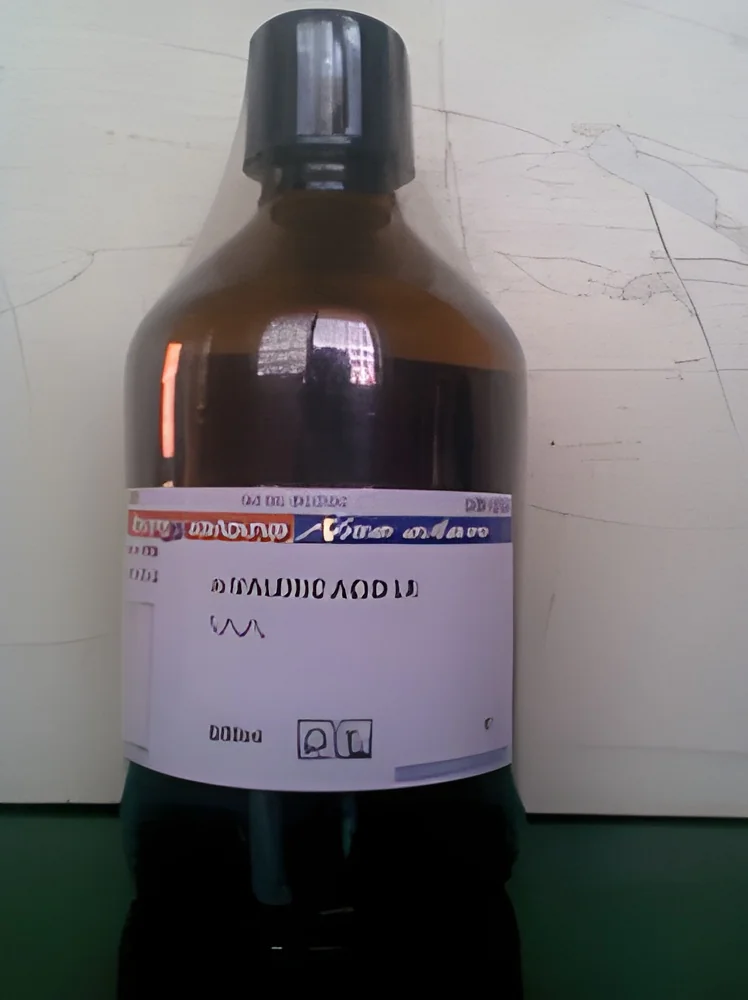
Analytical reagents are chemical substances used in laboratories for the purpose of analysis. They play a crucial role in various scientific processes, including qualitative and quantitative analysis in chemistry, biology, and environmental science. These reagents are essential for conducting experiments and ensuring accurate measurement of various substances. Their purity and consistency are vital, as even minute impurities can drastically affect experimental results.
The primary uses of analytical reagents include testing the composition of samples, conducting assays, and preparing solutions for various applications. Businesses across industries such as pharmaceuticals, food and beverage, environmental testing, and materials science rely on these reagents for quality control and research purposes. With the increasing demand for high-quality analytical testing, the market for these products is expanding, driven by the need for compliance with regulatory standards and the growing emphasis on precision in scientific research.
In today's industry landscape, analytical reagents are integral to maintaining product quality and safety. Their relevance spans multiple sectors, making them indispensable tools for researchers and manufacturers alike. As technology advances, the formulation and application of analytical reagents continue to evolve, thus fostering innovation in various scientific fields.
Key Features and Specifications
Analytical reagents have specific features and specifications that ensure their effectiveness in laboratory settings. Understanding these attributes helps businesses select the appropriate reagents for their needs.
Key specifications include:
1. Purity Level
- High purity levels are critical for analytical work.
- Typical purity ranges from 95% to 99.9%.
2. Storage Conditions
- Proper storage is necessary to maintain reagent effectiveness.
- Requires controlled temperature and humidity conditions.
3. Shelf Life
- Indicates how long reagents remain effective.
- Generally ranges from 1 to 3 years, depending on the type.
4. Packaging Options
- Available in various sizes and materials to suit different applications.
- Common packaging includes glass bottles and plastic containers.
5. Solubility
- Important for determining the reagent's application in solution-based analyses.
- Varies by chemical composition.
6. Safety Data
- Includes information on handling, disposal, and potential hazards.
- Each reagent comes with a Material Safety Data Sheet (MSDS).
7. Compliance Standards
- Many reagents meet specific industry standards.
- Common certifications include CE marking.
8. Testing Methods
- Analytical reagents are often assessed using standardized testing methods.
- Ensures reliability and consistency in results.
In summary, the key features and specifications of analytical reagents are crucial for ensuring their suitability for various laboratory applications. Understanding these factors aids businesses in making informed purchasing decisions.
Common Applications and Use Cases
Analytical reagents are utilized across various industries, each with specific applications that highlight their importance.
1. Pharmaceutical Industry: Analytical reagents are essential for drug formulation and quality control. They help in testing the purity of active pharmaceutical ingredients and ensuring compliance with regulatory standards.
2. Food and Beverage Industry: These reagents are used to analyze food samples for contaminants, nutritional content, and quality assurance. They ensure that products meet safety regulations and consumer expectations.
3. Environmental Testing: Analytical reagents play a critical role in monitoring pollutants in air, water, and soil. They are used in assays to measure toxicity and compliance with environmental standards.
4. Chemical Manufacturing: In this sector, analytical reagents are crucial for quality control during the production of chemicals and materials. They help in determining the composition and concentration of chemical products.
5. Clinical Laboratories: Analytical reagents are vital in medical testing for diagnosing diseases. They are used in assays to detect biomarkers and pathogens in biological samples.
6. Research and Development: In academic and industrial research, these reagents support experiments that require precise measurements. They are integral to the development of new products and technologies.
7. Petrochemical Industry: Analytical reagents are used to analyze crude oil and refined products. They help in assessing quality parameters and ensuring compliance with industry standards.
In conclusion, analytical reagents serve a myriad of applications across diverse industries, underscoring their significance in ensuring quality and safety.
Product Variants and Subcategories
Analytical reagents encompass a wide range of products tailored for specific applications. While specific subcategories are not available, the diversity of analytical reagents allows for various formulations and uses.
Spectrophotometric Reagents: These reagents are used in spectrophotometric analysis, where light absorption is measured to determine the concentration of substances in a solution. They are crucial for applications in pharmaceuticals and environmental testing.
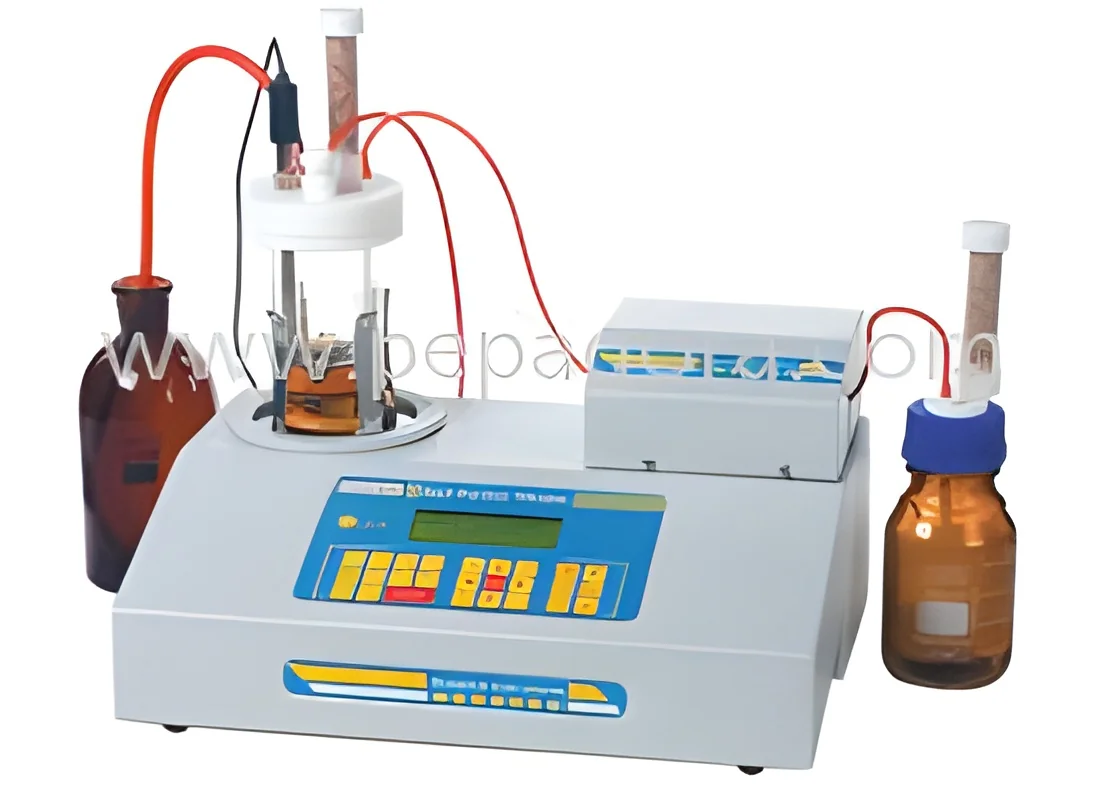
Titration Reagents: Commonly used in titration processes to determine the concentration of solutions. These reagents are vital in industries that require precise quantitative analysis, such as food and beverage.
Chromatographic Reagents: These are essential for separation techniques in chromatography, allowing for the analysis of complex mixtures. They are widely used in research and quality control within various industries.
Buffer Solutions: Used to maintain pH levels during chemical reactions. Buffer solutions are critical in biological assays and pharmaceutical applications.
In summary, the variety of analytical reagents available caters to different needs and applications, highlighting their versatility in laboratory environments.
Benefits and Advantages
Sourcing analytical reagents comes with numerous benefits that enhance laboratory efficiency and accuracy.
1. High Precision: Analytical reagents provide accurate results, ensuring reliable data for research and quality control processes.
2. Compliance Support: Many analytical reagents meet industry standards, helping businesses comply with regulatory requirements in various sectors.
3. Enhanced Quality Control: Utilizing high-quality reagents allows for better monitoring of products, leading to improved overall quality assurance.
4. Versatility: Analytical reagents can be used across multiple applications and industries, making them valuable assets in various laboratory settings.
5. Improved Productivity: Streamlined processes with reliable reagents lead to increased efficiency in laboratory workflows.
6. Safety Assurance: Many analytical reagents come with safety data and compliance information, ensuring safe handling and usage in laboratories.
In conclusion, the benefits of analytical reagents significantly contribute to the effectiveness and reliability of laboratory operations, making them essential tools for businesses.
Buying Guide for B2B Buyers
When sourcing analytical reagents, businesses must consider several critical factors to ensure they select the right products for their needs.
1. Quality Assessment: It is essential to evaluate the quality of analytical reagents. Look for products that meet industry standards and have certifications to guarantee their purity and effectiveness.
2. Supplier Verification: Vetting suppliers is crucial for ensuring reliability. Check their track record, certifications, and reviews from other businesses to ascertain their credibility.
3. Pricing and MOQ: Understand the pricing structure and minimum order quantities. Compare costs among different suppliers to find the best value without compromising quality.
4. Delivery and Lead Times: Consider logistics when sourcing reagents. Ensure that suppliers can meet your delivery timelines to avoid disruptions in your laboratory processes.
5. Compliance Requirements: Familiarize yourself with regulatory requirements specific to your industry. Ensure that the reagents you source comply with local and international standards.
In summary, a comprehensive buying guide helps businesses navigate the sourcing process for analytical reagents, ensuring informed decision-making and optimal outcomes.
Compliance and Certifications
Compliance and certifications are critical aspects of analytical reagents that ensure their reliability and safety in laboratory settings.
Many analytical reagents adhere to quality standards such as ISO 9001, which focuses on maintaining effective quality management systems. This certification is vital for ensuring that products meet customer and regulatory requirements consistently.
Additionally, Good Manufacturing Practices (GMP) and Hazard Analysis Critical Control Points (HACCP) are protocols that help maintain product integrity and safety during production. These practices are particularly relevant in industries such as food and pharmaceuticals.
Analytical reagents often hold industry certifications, such as CE marking, which indicates compliance with European health and safety standards. This certification reassures buyers that the products are safe and suitable for their intended use.
Safety and testing requirements also play a significant role in the compliance of analytical reagents. Each reagent must have a Material Safety Data Sheet (MSDS) that outlines handling instructions and potential hazards.
Regional compliance considerations are essential, as regulations may vary by country or region. Businesses must ensure that the analytical reagents they source meet local regulations to avoid penalties and ensure safe usage.
In conclusion, compliance and certifications are fundamental to the reliability and safety of analytical reagents, making them essential for businesses in regulated industries.
Why Source Analytical Reagents from Pepagora?
Pepagora offers a trusted platform for sourcing analytical reagents, providing several key advantages for businesses in need of high-quality laboratory supplies.
The verified supplier network at Pepagora ensures that customers have access to reputable vendors. Each supplier undergoes rigorous verification processes, guaranteeing reliability and quality in the products they offer.
The streamlined request for quotation (RFQ) process simplifies sourcing for buyers. Customers can easily submit their requirements and receive competitive quotes from multiple suppliers, allowing for informed decision-making.
Pepagora also prioritizes trade assurance and support. This system protects buyers by ensuring that suppliers meet their commitments regarding product quality and delivery. In case of disputes, Pepagora provides assistance to resolve issues effectively.
Additionally, Pepagora boasts regional coverage that extends across India, the Gulf Cooperation Council (GCC), and Southeast Asia. This geographic reach enables businesses to find suitable suppliers within their region, facilitating quicker delivery and communication.
In summary, sourcing analytical reagents from Pepagora offers businesses a reliable and efficient pathway to obtain high-quality products, backed by a robust support system and verified suppliers.

 India
 India
 India
Frequently Asked Questions
What are Analytical Reagents?
Analytical reagents are high-purity chemicals used in laboratories for various analytical procedures. They are essential for testing, measuring, and analyzing substances in different scientific applications.
What are the different types of Analytical Reagents?
Analytical reagents can be categorized into several types, including acids, bases, salts, and solvents. Each type serves specific purposes in qualitative and quantitative analysis.
How do I choose the right Analytical Reagents?
Choosing the right analytical reagents involves considering the specific application, required purity level, and compatibility with other chemicals. Additionally, it is important to review the manufacturer's specifications and certifications.
What are the standard specifications for Analytical Reagents?
Standard specifications for analytical reagents typically include purity levels, pH range, and solubility. Manufacturers often comply with guidelines set by organizations like the American Chemical Society (ACS) or International Organization for Standardization (ISO).
What is the price range for Analytical Reagents?
The price range for analytical reagents can vary significantly based on the type, purity, and quantity needed. Generally, prices can range from a few hundred to several thousand Indian Rupees per unit.
What quality standards apply to Analytical Reagents?
Analytical reagents must meet specific quality standards, such as those set by the ACS or ISO. Compliance with these standards ensures the reliability and accuracy of analytical results.
Where can I find Analytical Reagents suppliers in India?
You can find analytical reagents suppliers in India through online B2B marketplaces like Pepagora, industry trade shows, and chemical supply directories. It's advisable to compare multiple suppliers to ensure quality and pricing.
Can Analytical Reagents be customized?
Yes, some manufacturers offer customization options for analytical reagents based on specific requirements. This can include variations in concentration, packaging, or formulation.
What is the typical minimum order quantity for Analytical Reagents?
The typical minimum order quantity (MOQ) for analytical reagents varies by supplier and product type. Generally, MOQs can range from 1 kilogram to larger bulk quantities depending on the reagent.
What is the typical lead time for Analytical Reagents?
The typical lead time for analytical reagents can vary from a few days to several weeks, depending on the supplier's inventory, order size, and customization requirements. It's best to confirm lead times with the supplier at the time of order.
Why Businesses Trust Pepagora
Thousands of companies trust Pepagora to source smarter and sell faster
Expand Your Sales Globally

Source Smarter,Grow Faster
