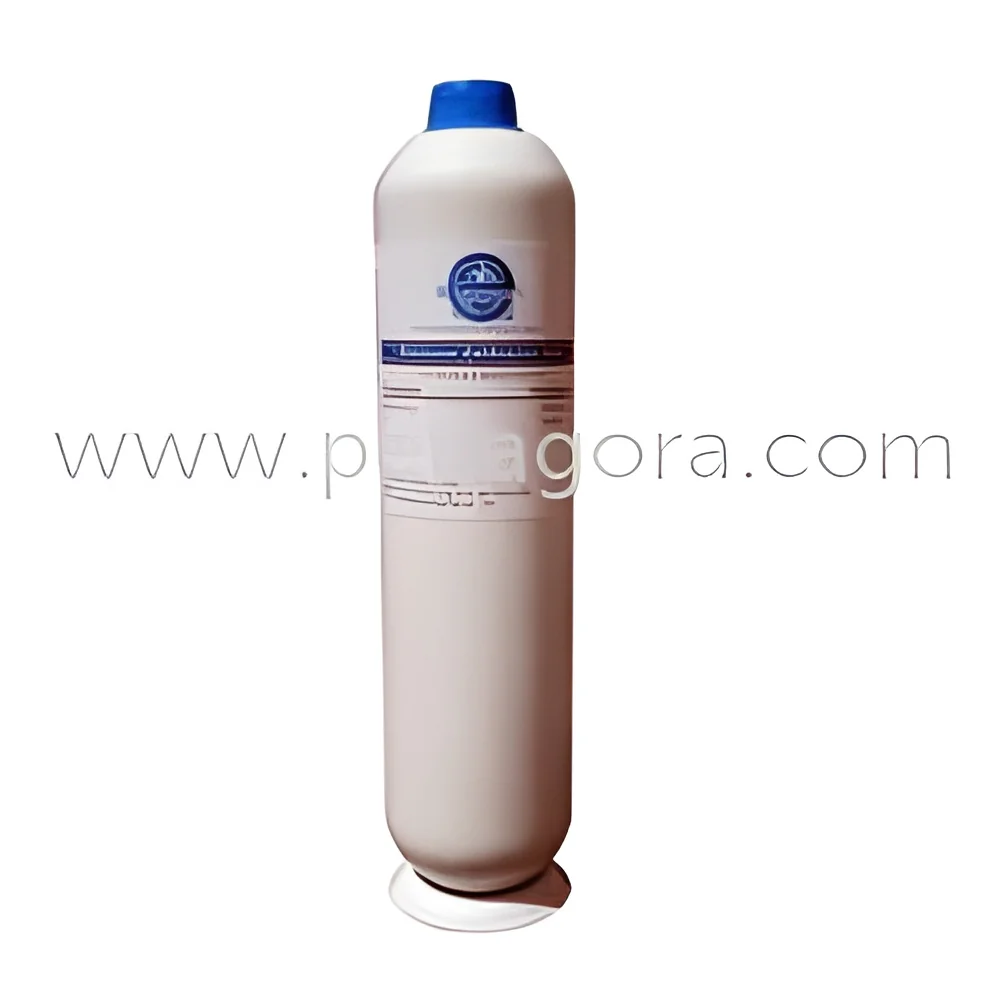
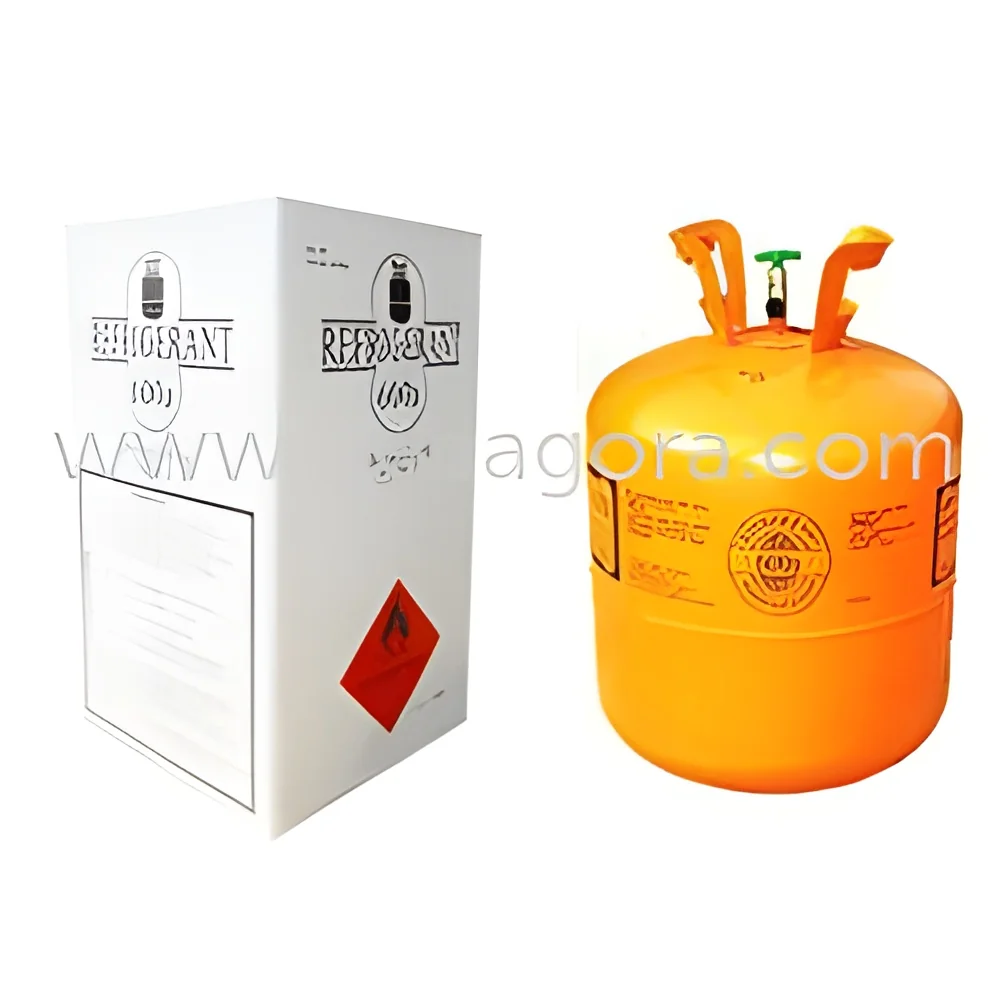
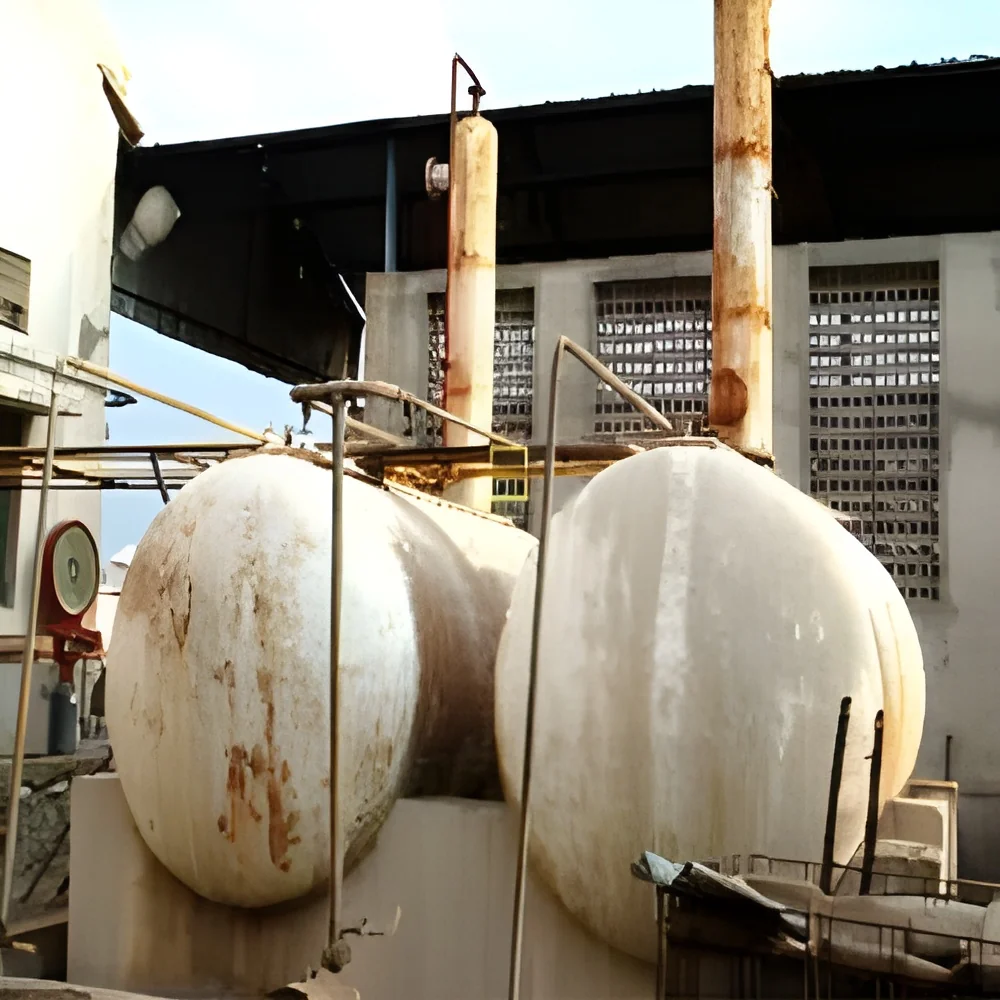
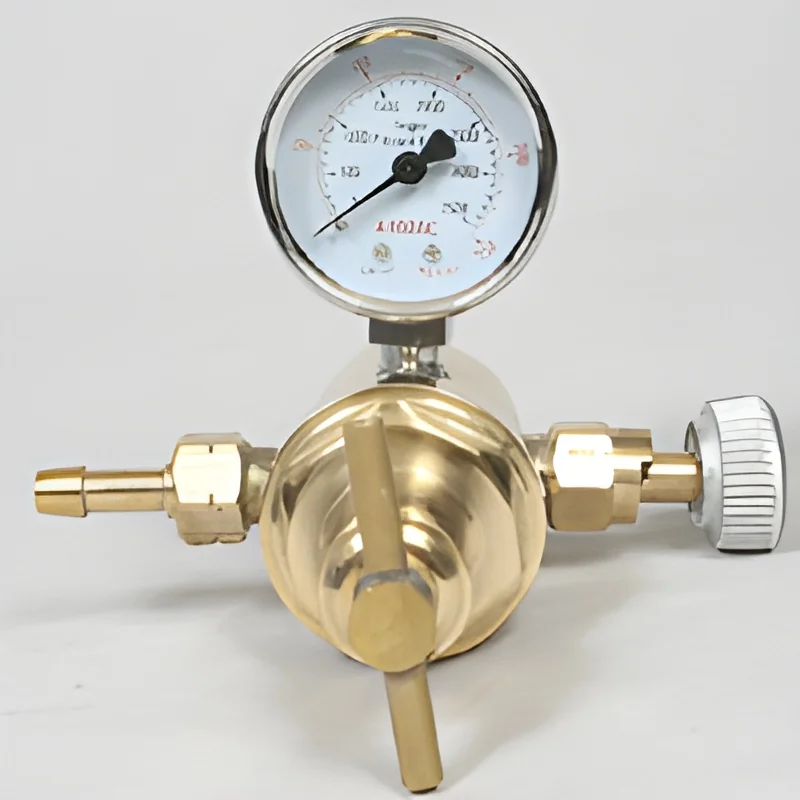
𝗪𝗵𝗮𝘁 𝗮𝗿𝗲 𝗜𝗻𝗱𝘂𝘀𝘁𝗿𝗶𝗮𝗹 𝗚𝗮𝘀𝗲𝘀?
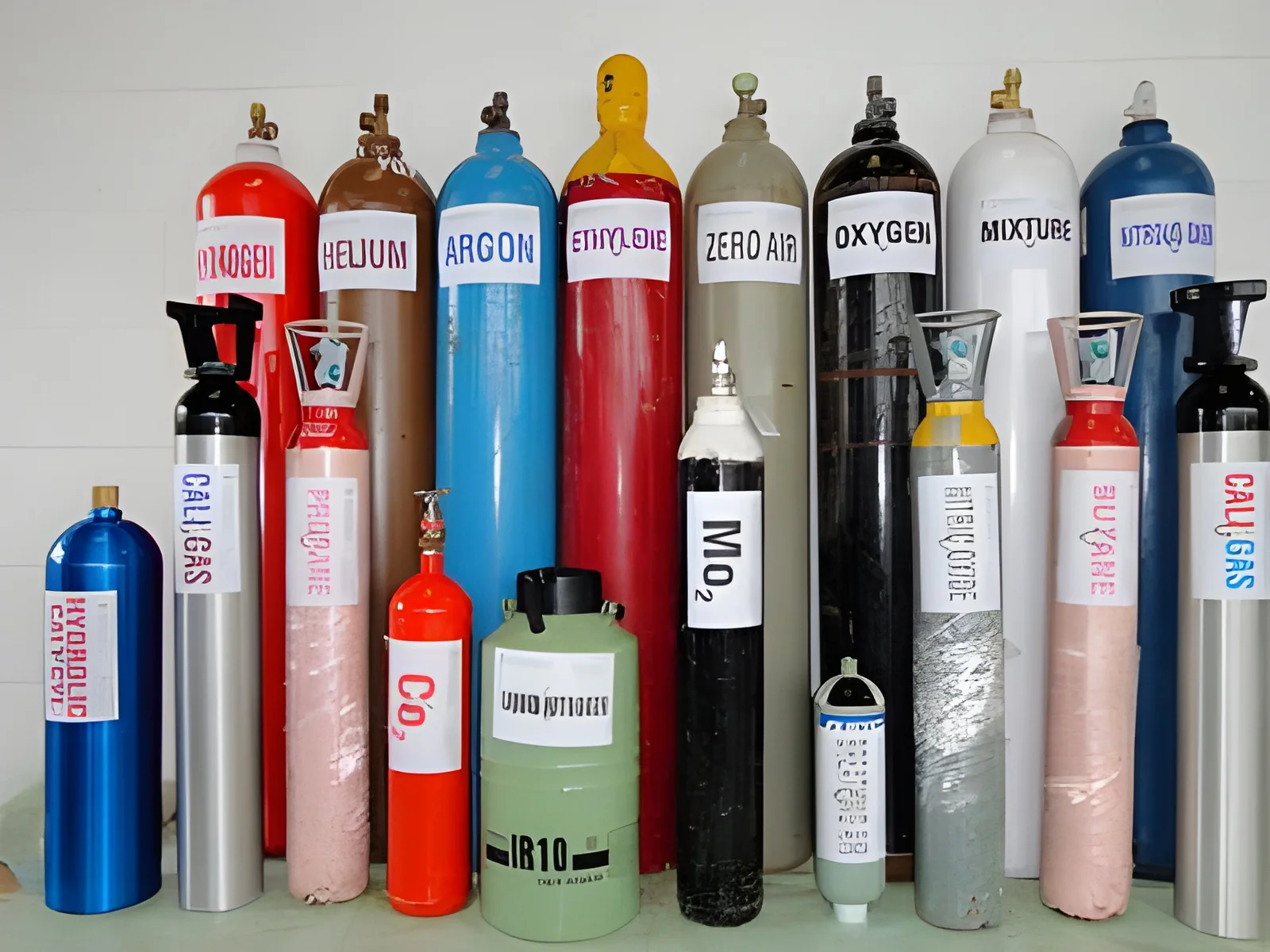
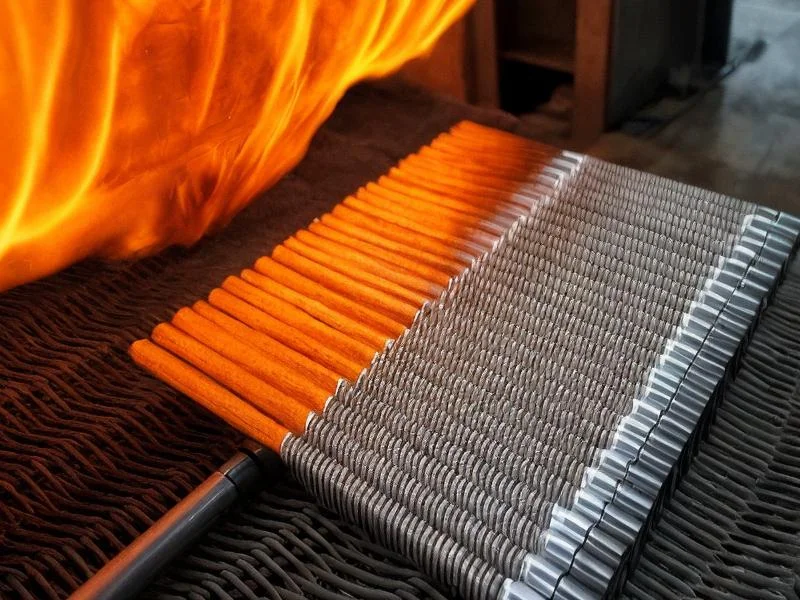
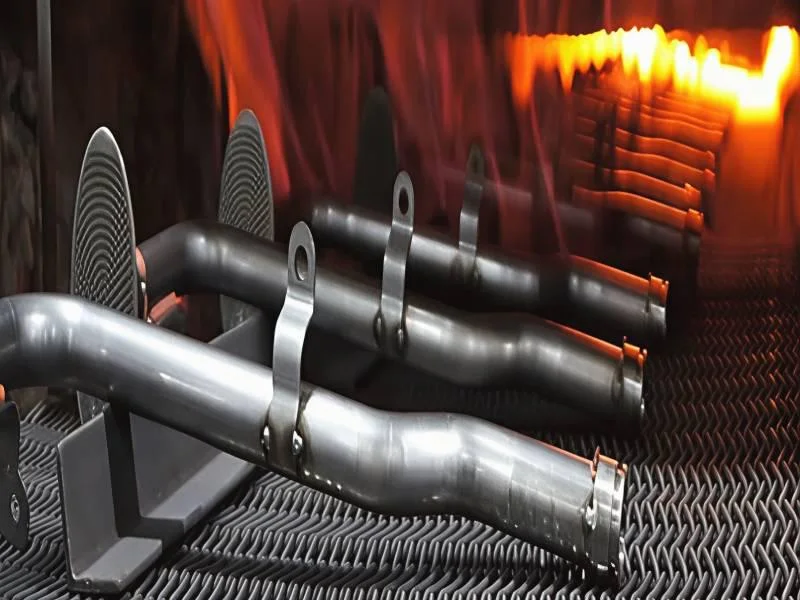
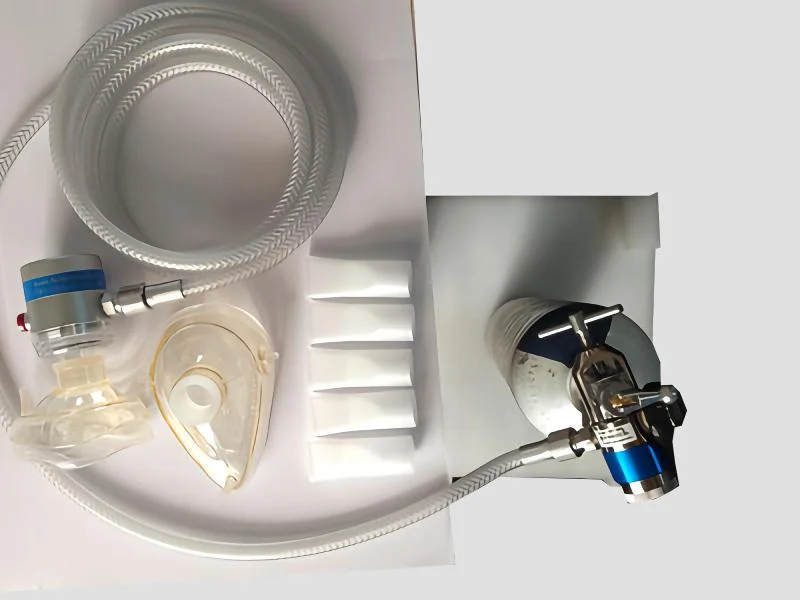
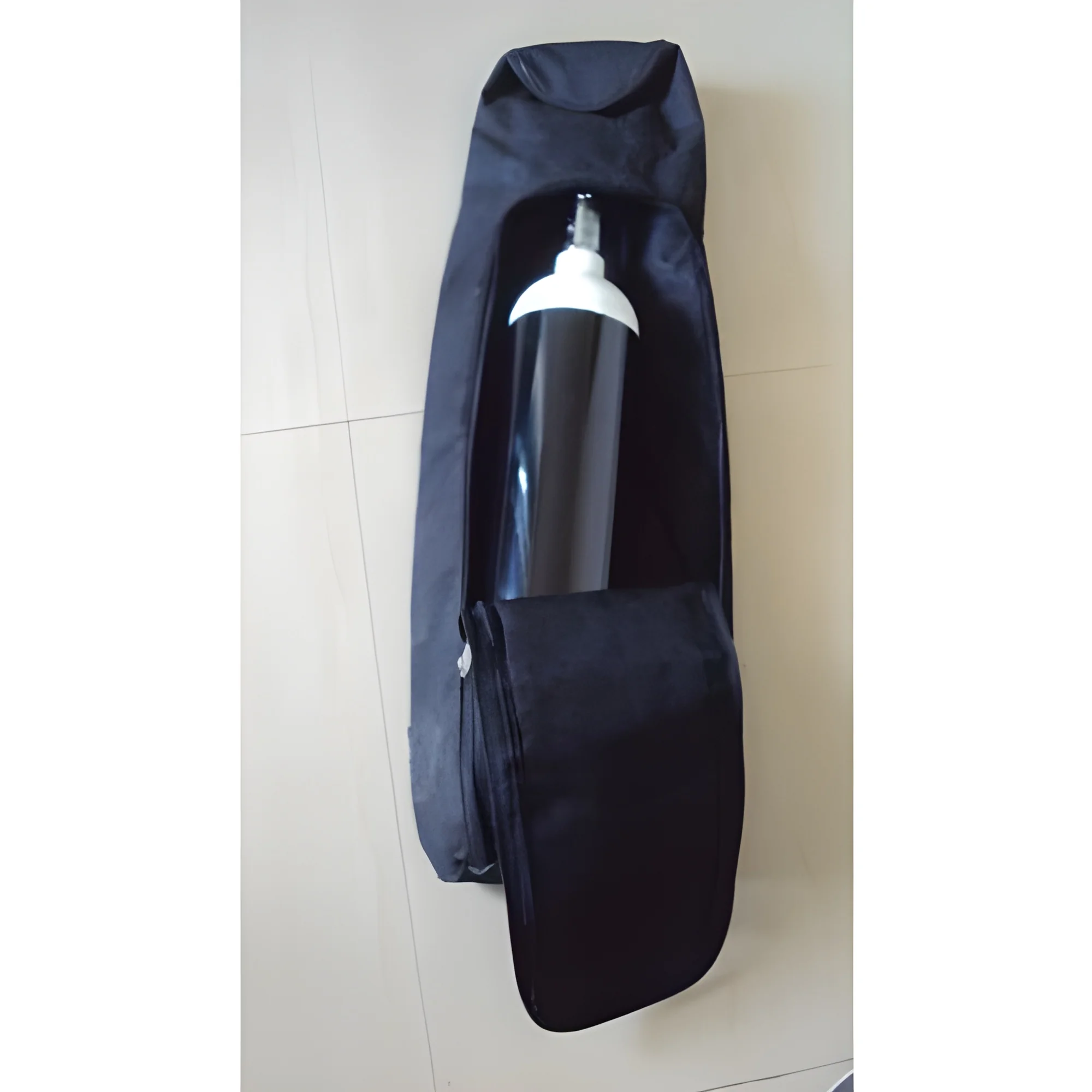
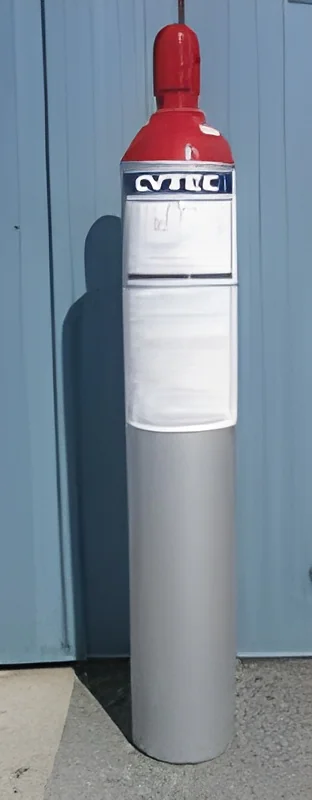
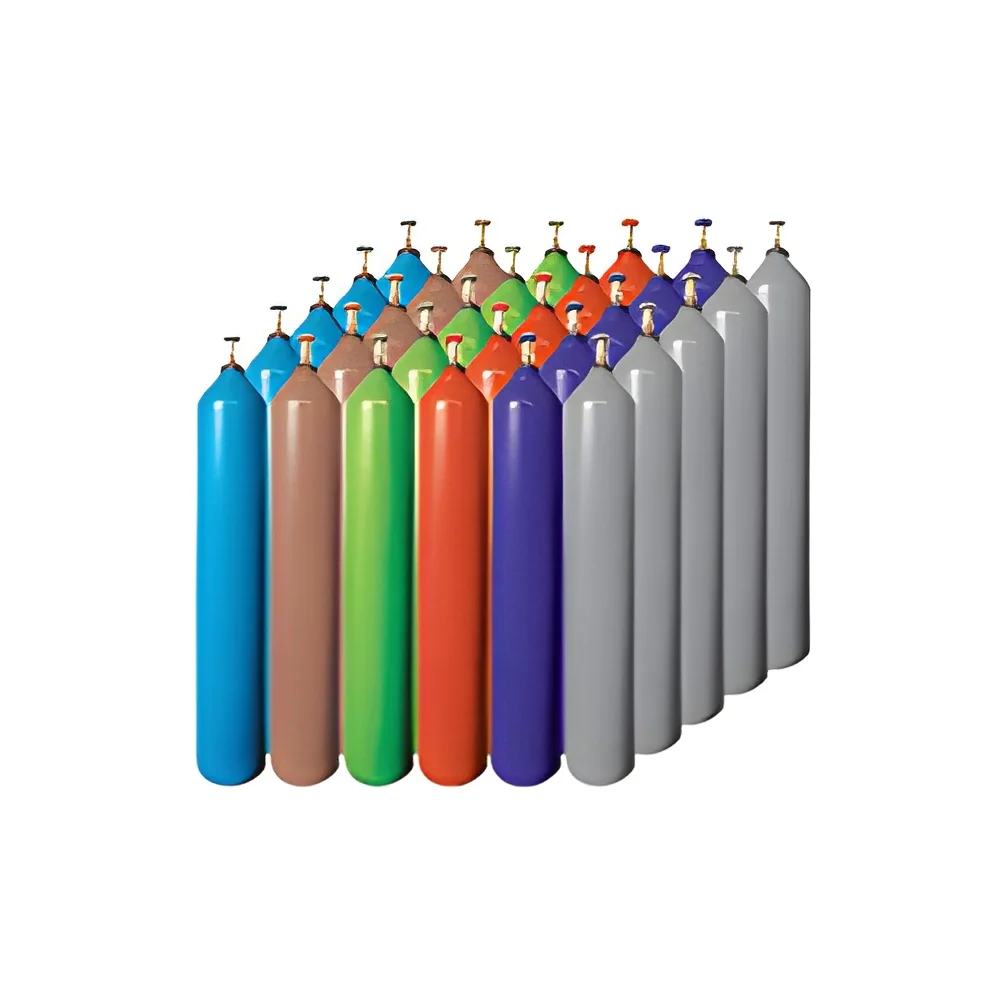
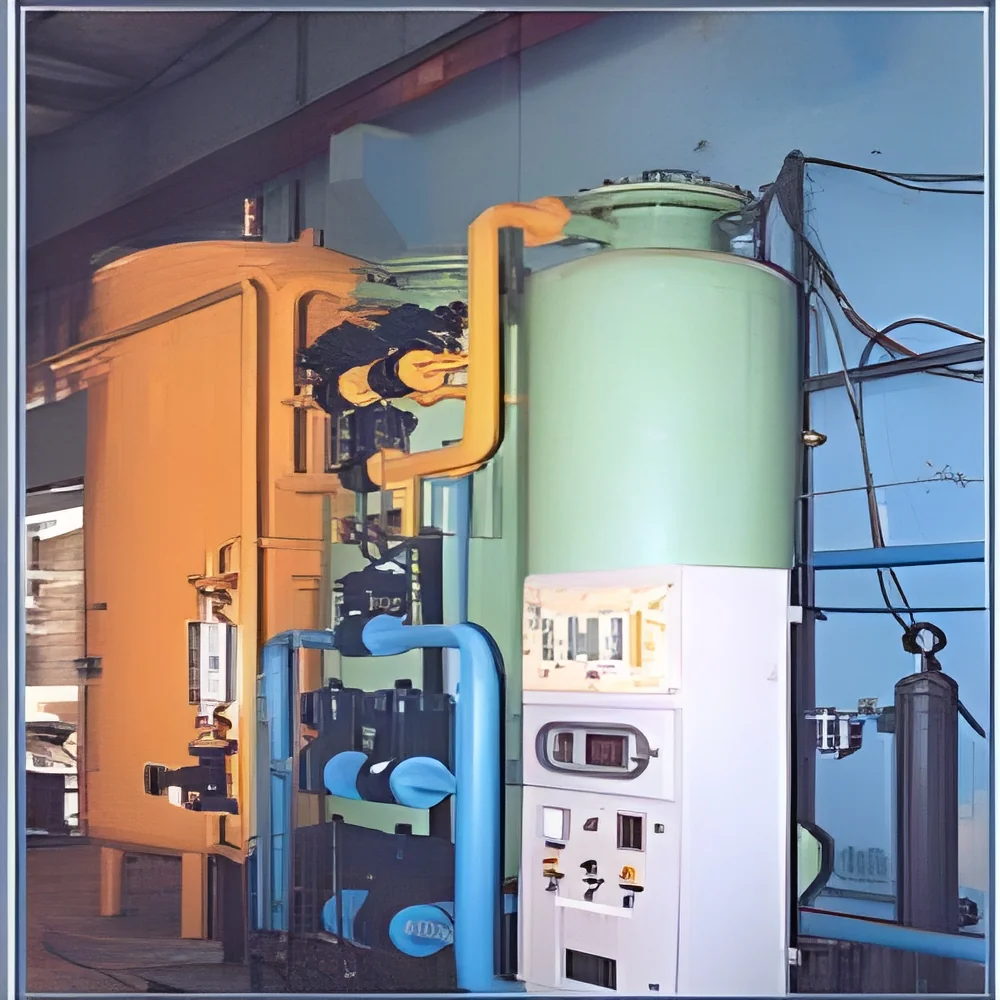
Industrial gases are substances in gaseous form that are produced for use in various industries. These gases are essential for a wide range of applications, from manufacturing to healthcare. Common examples include oxygen, nitrogen, argon, hydrogen, and carbon dioxide. Each type of gas has unique properties that make it suitable for specific functions, including combustion, welding, and chemical reactions.
The primary uses of industrial gases span multiple sectors. In manufacturing, they are utilized for cutting and welding metals, enhancing production processes, and supplying energy. In healthcare, gases like oxygen are vital for patient care and respiratory support. Additionally, the food and beverage industry employs gases for preservation, carbonation, and packaging. The market for industrial gases is significant, driven by ongoing industrialization and advancements in technology, making it a crucial component of modern industry.
𝗞𝗲𝘆 𝗙𝗲𝗮𝘁𝘂𝗿𝗲𝘀 𝗮𝗻𝗱 𝗦𝗽𝗲𝗰𝗶𝗳𝗶𝗰𝗮𝘁𝗶𝗼𝗻𝘀
Industrial gases are characterized by several key features that define their use and application. Understanding these specifications is essential for selecting the right gas for your needs.
Key specifications include:
1. Purity Level
- Purity levels vary based on the application, often ranging from 99% to 99.9999%.
- Higher purity is often required for critical applications like electronics or pharmaceuticals.
2. Delivery Modes
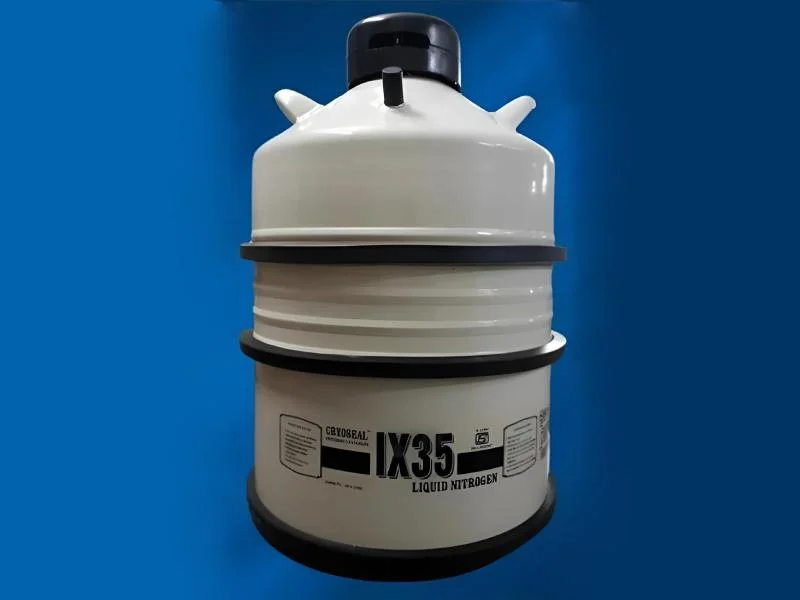
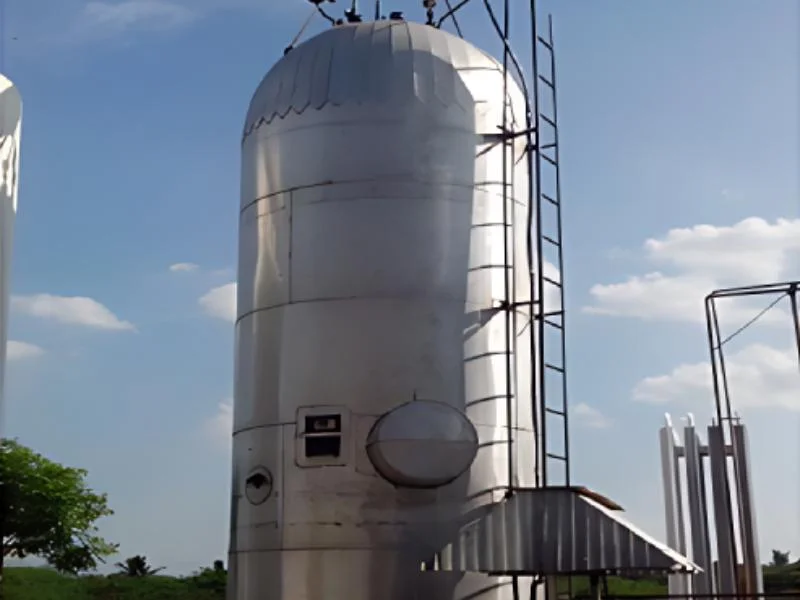
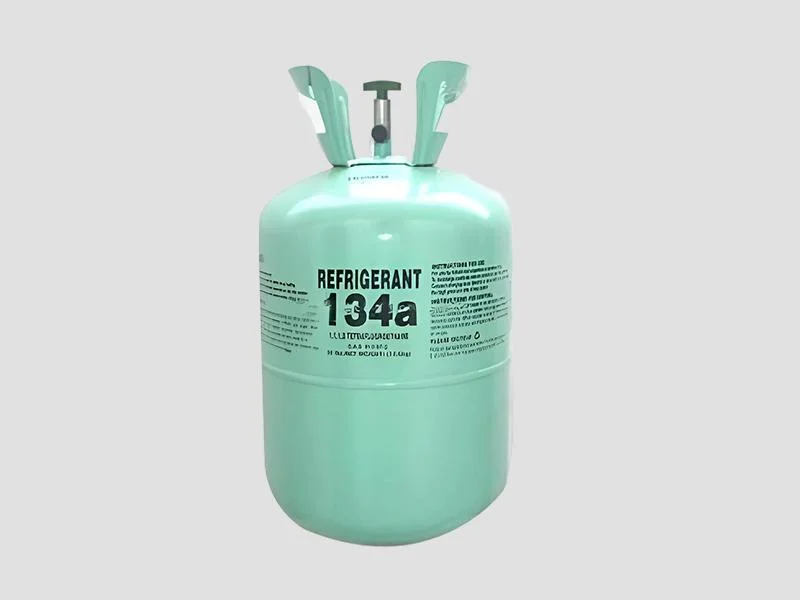
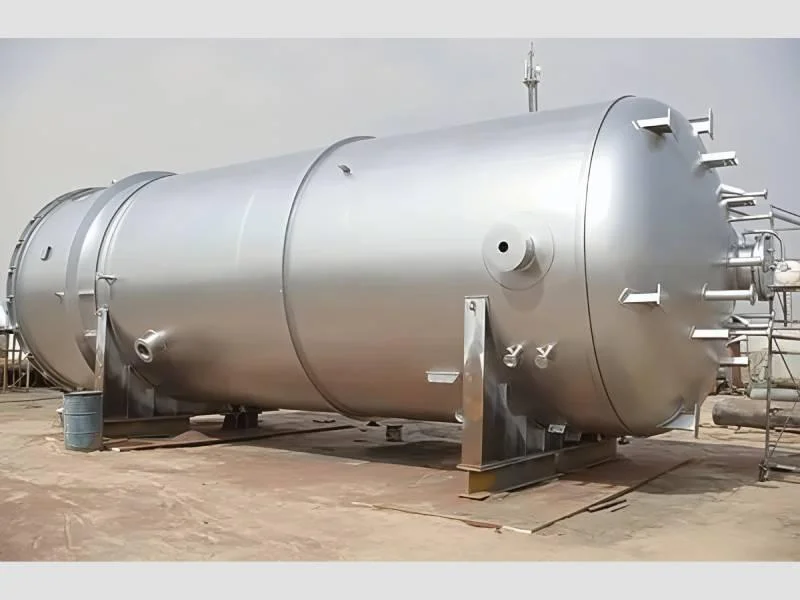
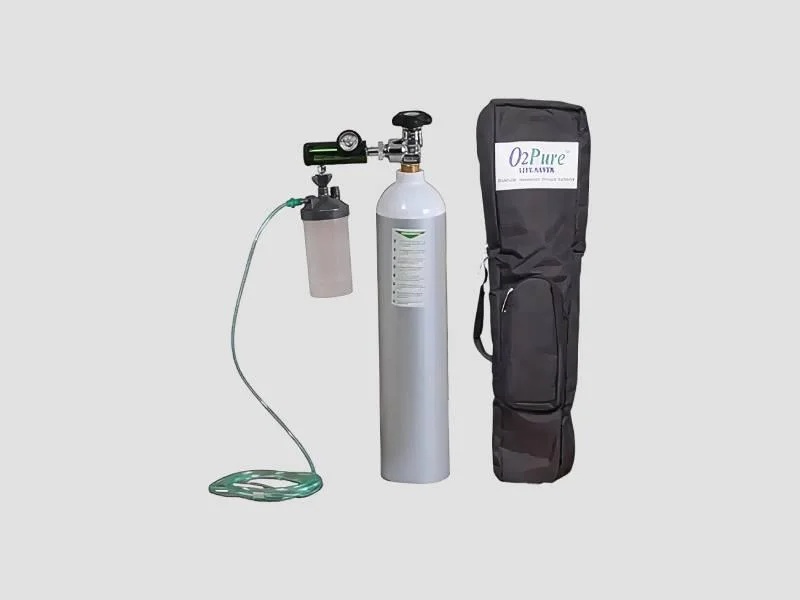
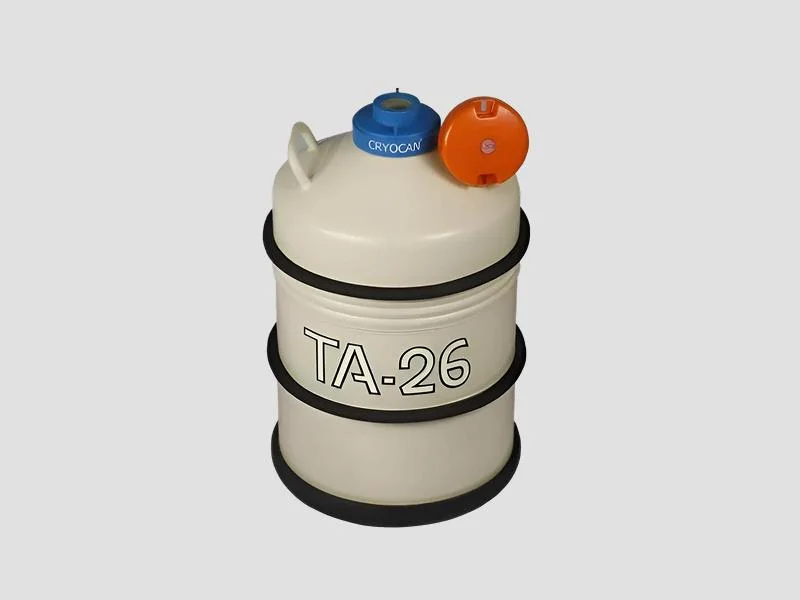
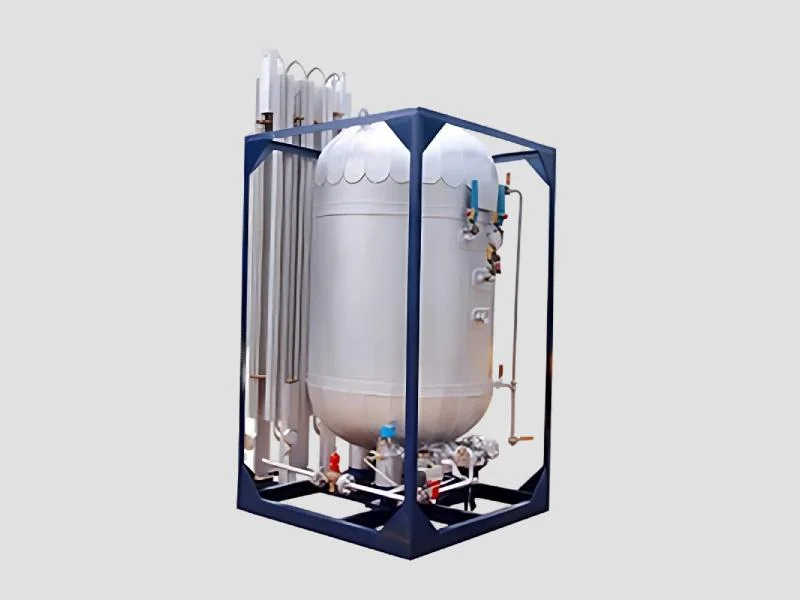
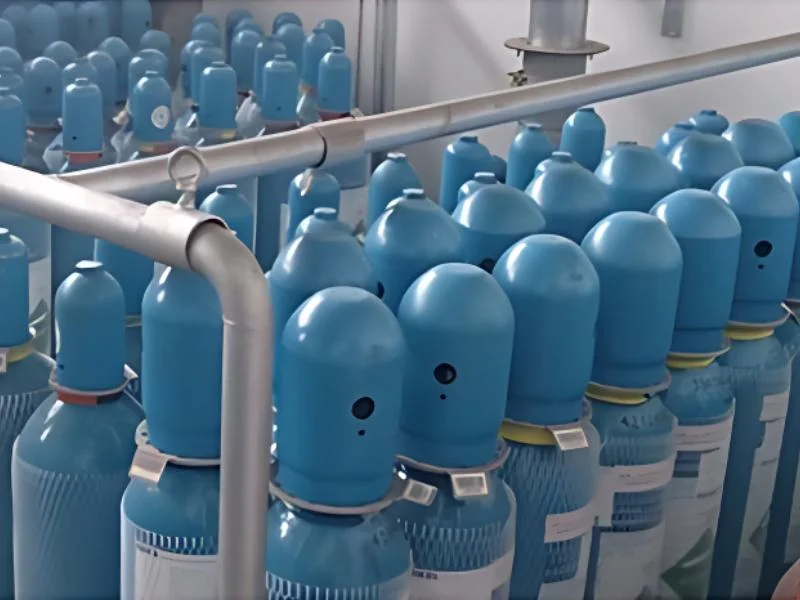
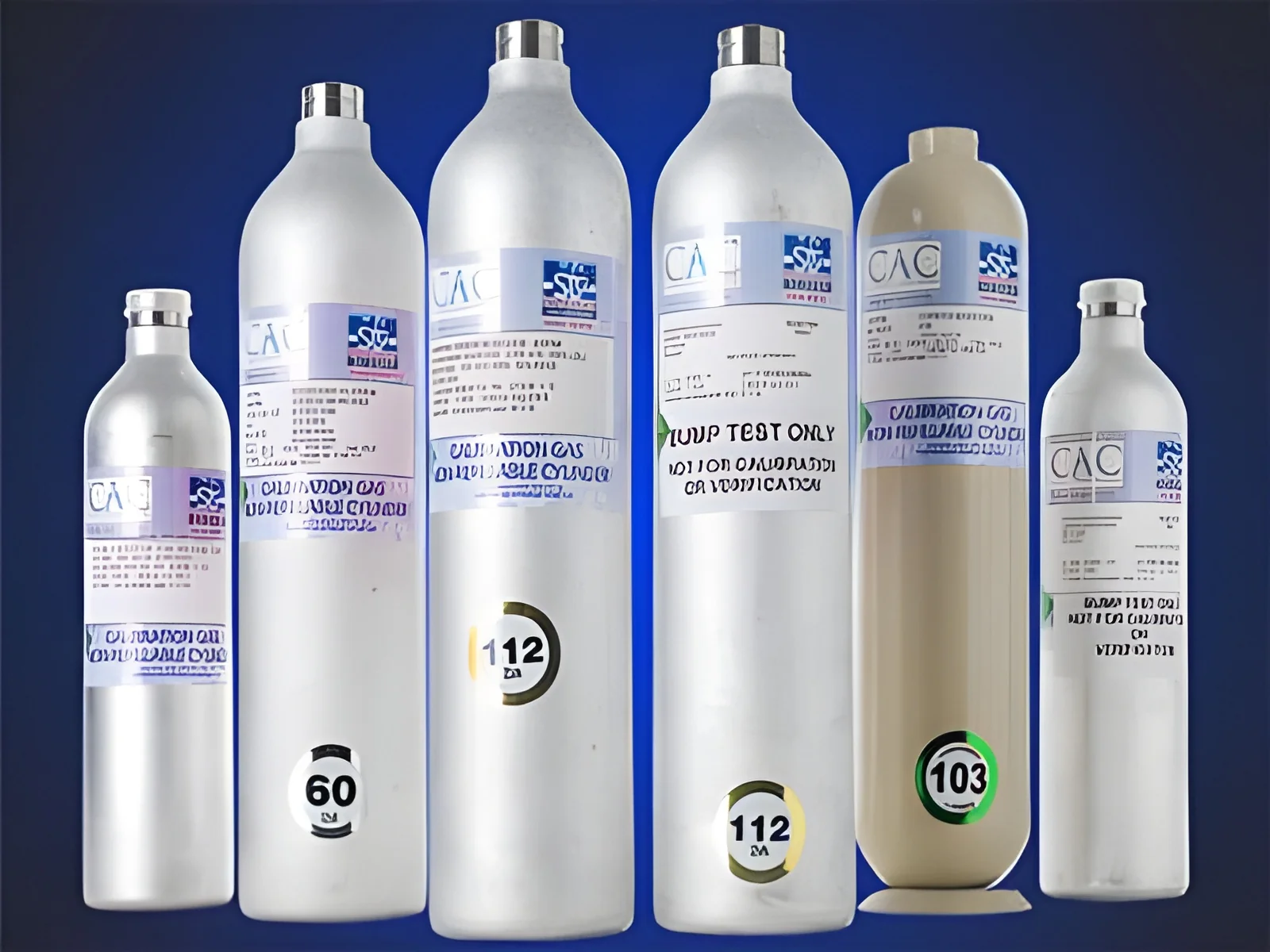
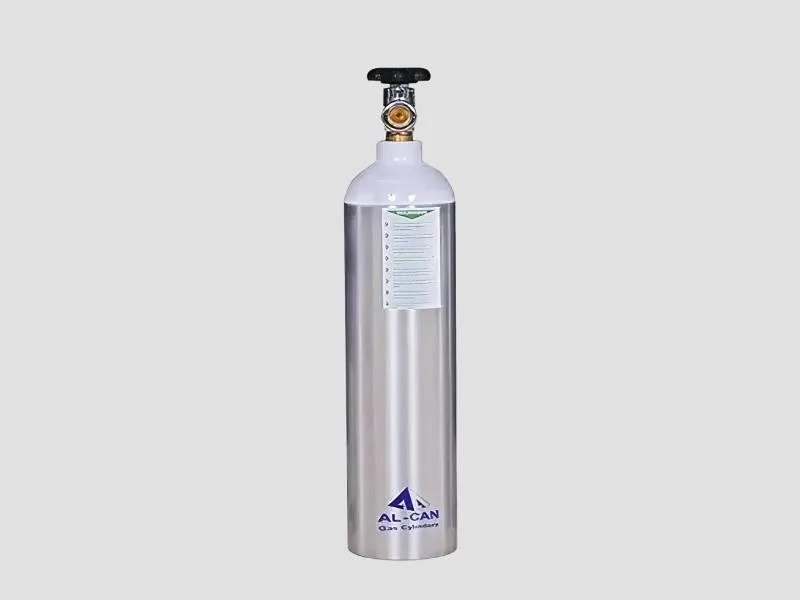
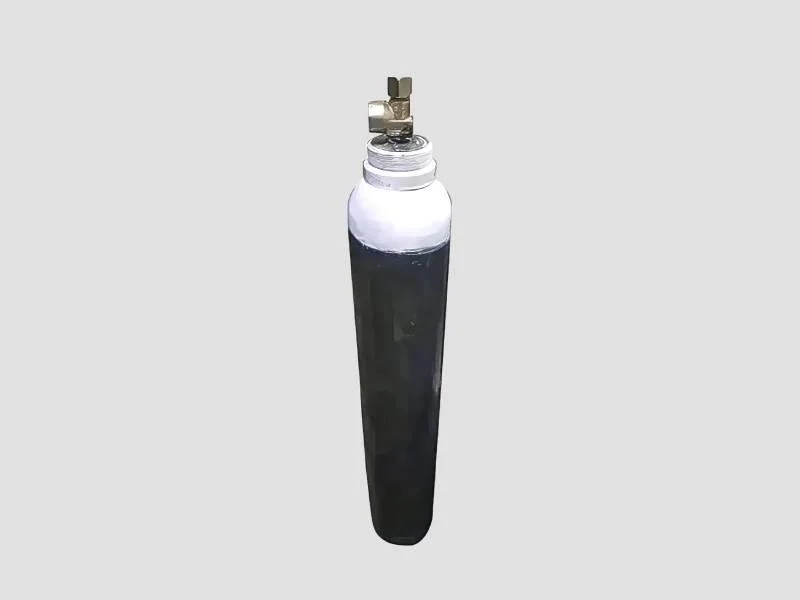
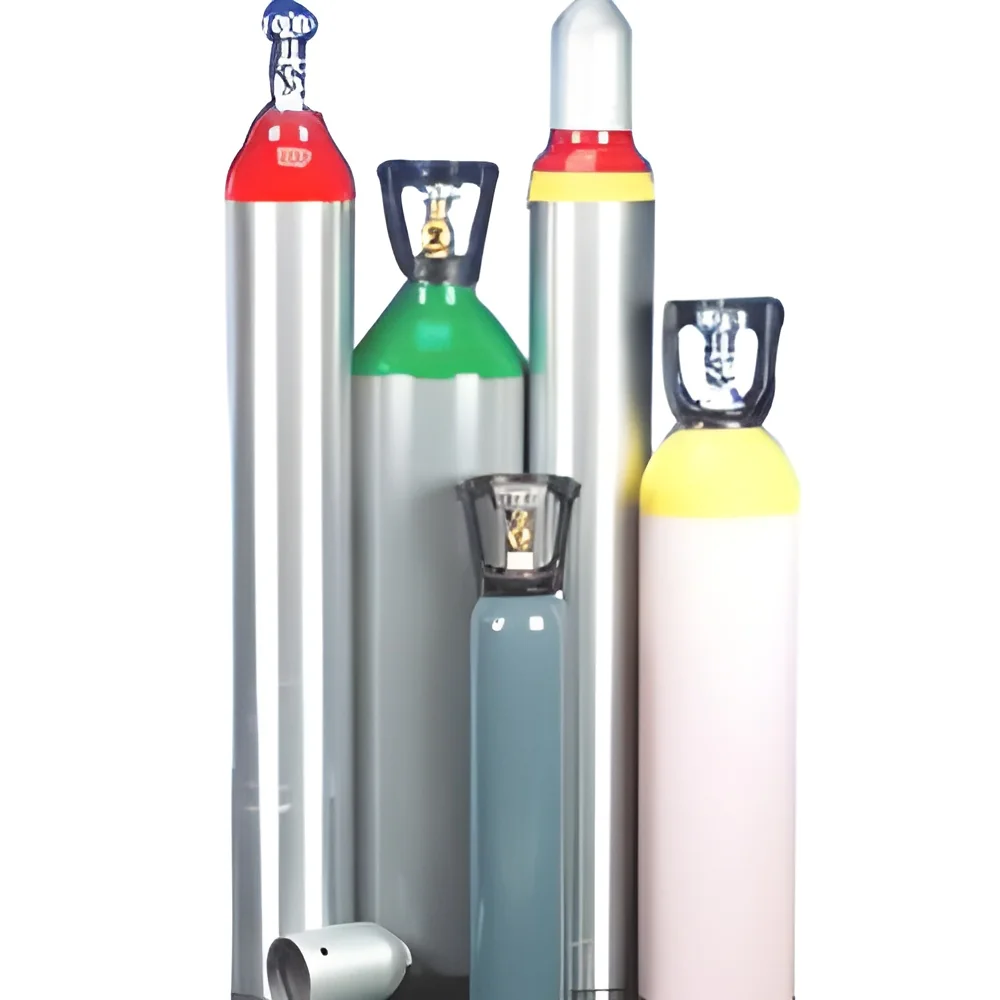
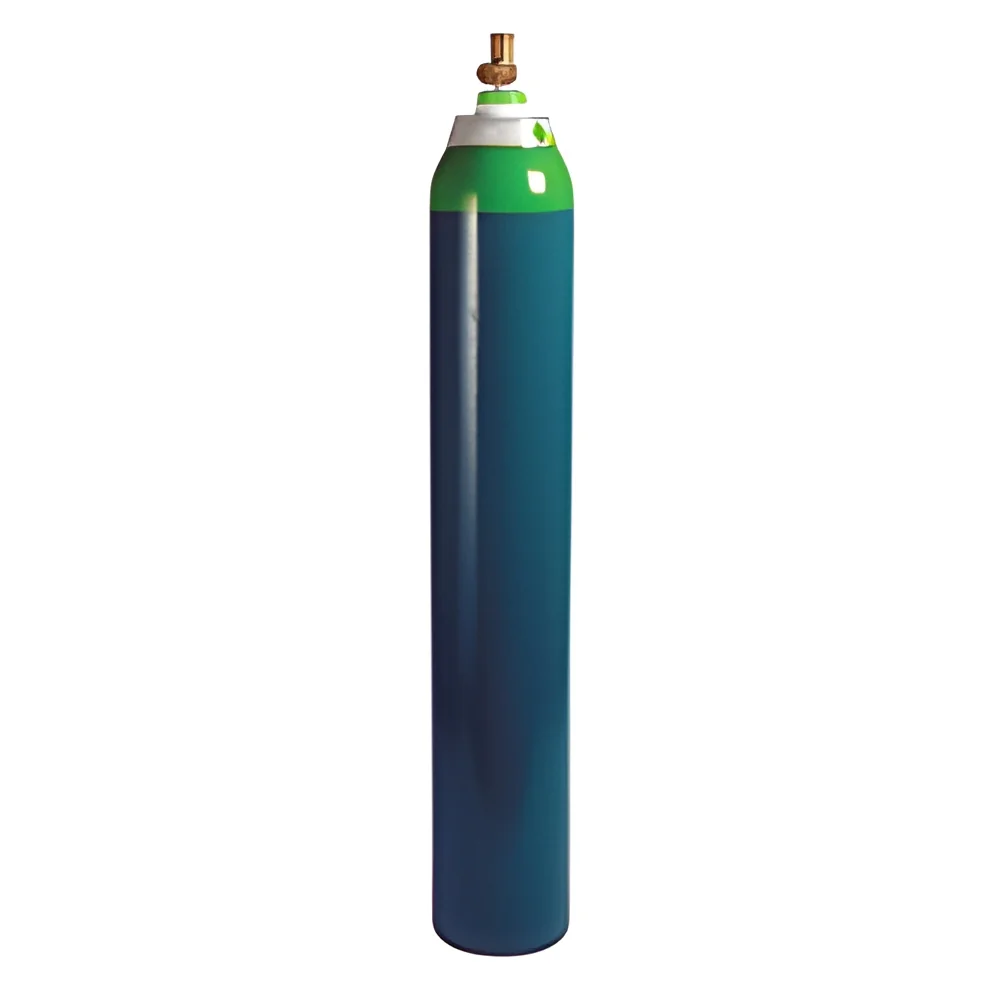
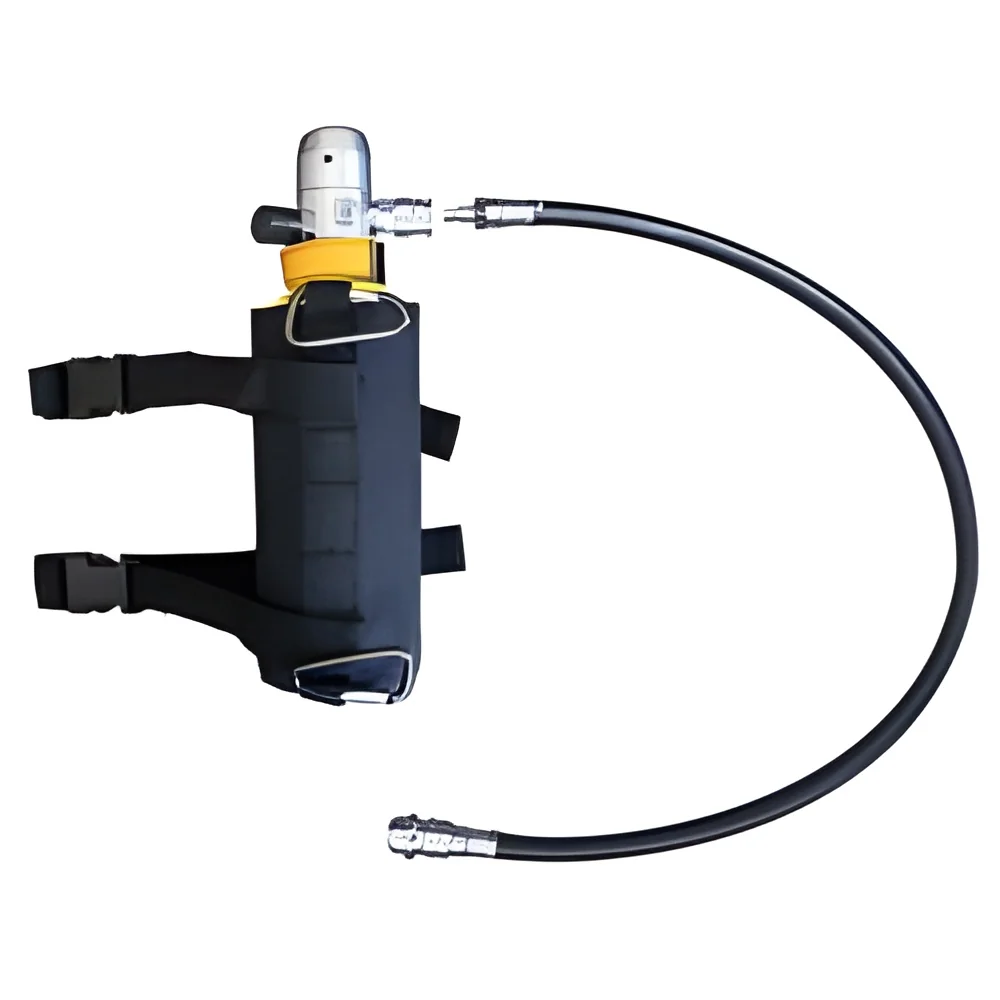
- Gases can be delivered in various forms, including cylinders, bulk tanks, or cryogenic containers.
- The choice of delivery mode affects storage, handling, and usage.
3. Pressure Ratings
- Pressure ratings typically range from low (around 10 bar) to high (up to 300 bar) depending on the gas type.
- Proper pressure ratings ensure safe and efficient usage.
4. Temperature Range
- Temperature ranges for gases can vary, with some needing cryogenic conditions while others are stable at room temperature.
- Understanding the temperature requirements is crucial for storage and transport.
5. Storage Requirements
- Different gases have specific storage needs, including ventilation and temperature control.
- Adhering to these requirements is essential for safety and gas integrity.
6. Compliance Standards
- Gases must meet industry standards and regulations, such as those set by CE and other governing bodies.
- Compliance ensures safety and quality in applications.
7. Shelf Life
- The shelf life of industrial gases can vary, with some requiring regular quality checks.
- Knowing the shelf life helps in managing inventory effectively.
8. Hazard Classification
- Gases are classified based on their hazards, such as flammable, toxic, or inert.
- Proper hazard classification is critical for safety measures.
Understanding these specifications helps businesses select the appropriate industrial gases for their operations, ensuring efficiency and safety.
𝗖𝗼𝗺𝗺𝗼𝗻 𝗔𝗽𝗽𝗹𝗶𝗰𝗮𝘁𝗶𝗼𝗻𝘀 𝗮𝗻𝗱 𝗨𝘀𝗲 𝗖𝗮𝘀𝗲𝘀
Industrial gases are employed across various sectors, each with distinct applications.
1. Manufacturing: In this sector, gases like oxygen and acetylene are used for welding and cutting processes, enhancing efficiency and precision.
2. Healthcare: Medical-grade oxygen is crucial for respiratory treatments and surgeries, providing essential support to patients.
3. Food and Beverage: Carbon dioxide is used for carbonating beverages, while nitrogen helps in food preservation and packaging.
4. Chemical Processing: Industrial gases serve as reactants or solvents in chemical reactions, playing a key role in production.
5. Electronics: Specialty gases are used in the manufacturing of semiconductors and other electronic components, ensuring quality.
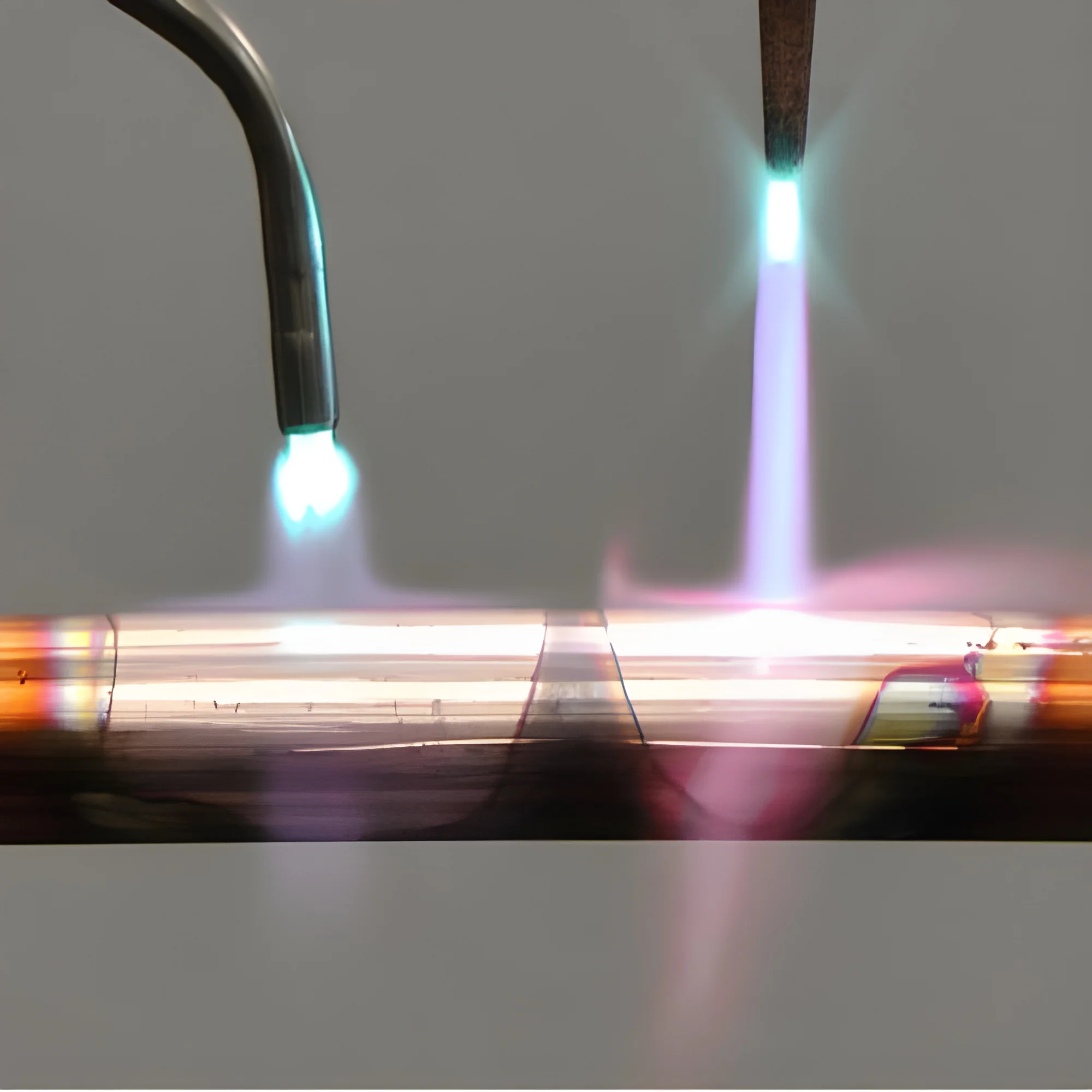
6. Metal Fabrication: Argon is commonly used in welding processes to protect the weld area from oxidation and contamination.
7. Agriculture: Gases like ammonia are used in fertilizers, promoting plant growth and agricultural productivity.
Each industry leverages the unique properties of industrial gases to optimize processes and enhance product quality.
𝗣𝗿𝗼𝗱𝘂𝗰𝘁 𝗩𝗮𝗿𝗶𝗮𝗻𝘁𝘀 𝗮𝗻𝗱 𝗦𝘂𝗯𝗰𝗮𝘁𝗲𝗴𝗼𝗿𝗶𝗲𝘀
Industrial gases come in various types, each tailored for specific applications.
Oxygen
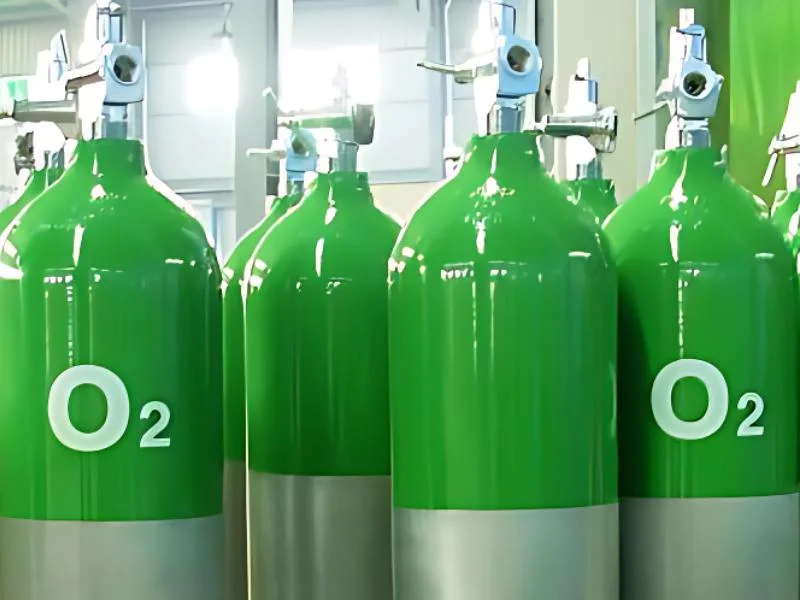
Oxygen is widely used in medical, industrial, and welding applications. It is essential for combustion and supports life in medical settings.
Nitrogen
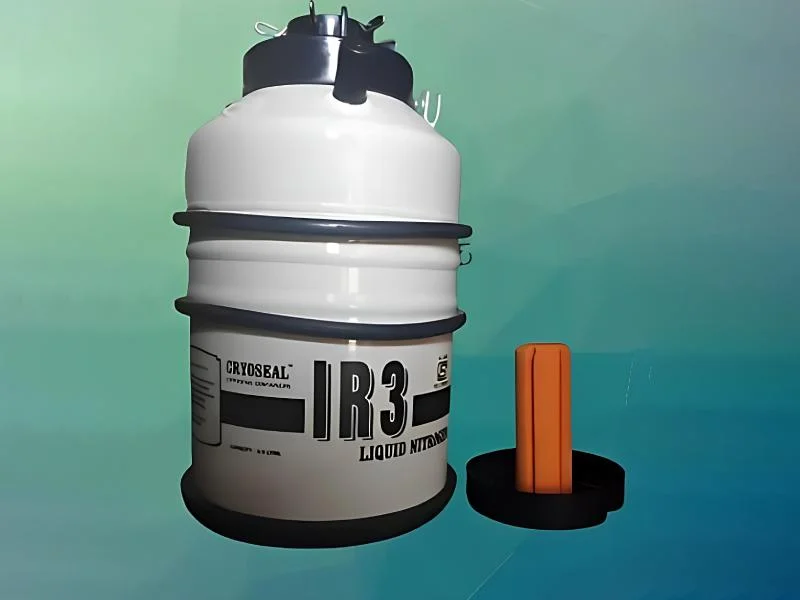
Nitrogen is an inert gas that is commonly used in food packaging and preservation. It helps extend shelf life by displacing oxygen.
Argon
Argon is primarily used in welding and metal fabrication. Its inert properties protect the weld area from contamination, ensuring strong bonds.
Hydrogen
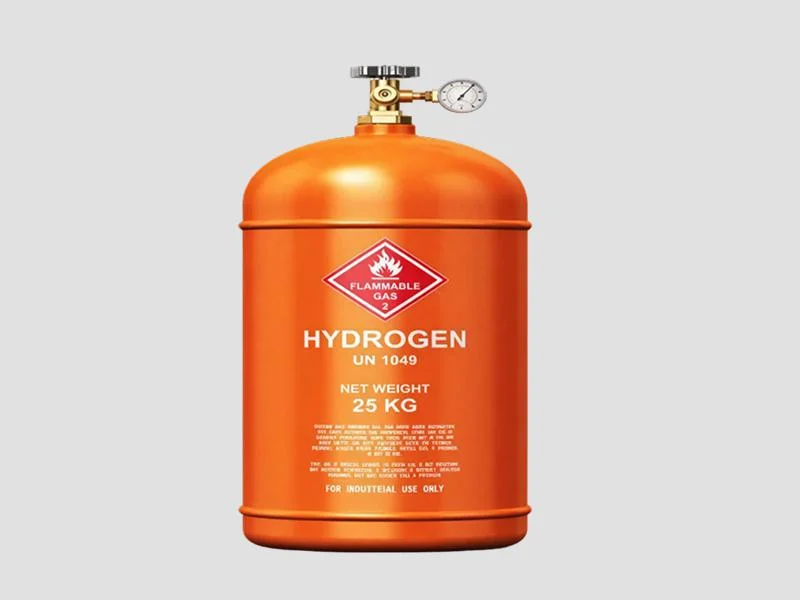
Hydrogen is utilized as a fuel source and in chemical manufacturing. It plays a crucial role in refining processes and hydrogen fuel cells.
Carbon Dioxide
Carbon dioxide is used in carbonation for beverages and as a refrigerant. It also plays a role in plant growth in controlled environments.
𝗕𝗲𝗻𝗲𝗳𝗶𝘁𝘀 𝗮𝗻𝗱 𝗔𝗱𝘃𝗮𝗻𝘁𝗮𝗴𝗲𝘀
Sourcing industrial gases offers several key benefits that enhance operational efficiency.
1. Enhanced Efficiency: Industrial gases improve processes, leading to faster production times and better quality outputs.
2. Improved Safety: Using gases with proper handling and storage protocols reduces risks associated with flammable or toxic substances.
3. Cost-Effectiveness: Bulk purchasing and efficient usage of gases can lead to significant cost savings over time.
4. Versatility: Industrial gases can be used across various applications, making them suitable for diverse industries.
5. Environmental Benefits: Many industrial gases can help reduce emissions and improve energy efficiency in manufacturing processes.
6. Customization Options: Many suppliers offer tailored solutions, allowing businesses to meet specific operational needs.
𝗕𝘂𝘆𝗶𝗻𝗴 𝗚𝘂𝗶𝗱𝗲 𝗳𝗼𝗿 𝗕𝟮𝗕 𝗕𝘂𝘆𝗲𝗿𝘀
When sourcing industrial gases, a strategic approach is essential to ensure quality and reliability.
1. Quality Assessment: Evaluate gas purity levels and compliance with industry standards to ensure suitability for your applications.
2. Supplier Verification: Research potential suppliers to verify their credibility, certifications, and track record in the industry.
3. Pricing and MOQ: Understand pricing structures and minimum order quantities to align with your budget and operational requirements.
4. Delivery and Lead Times: Assess delivery logistics, including lead times, to ensure timely availability of gases for your operations.
5. Compliance Requirements: Ensure that the gases meet local and international regulations to avoid legal issues and enhance safety standards.
𝗖𝗼𝗺𝗽𝗹𝗶𝗮𝗻𝗰𝗲 𝗮𝗻𝗱 𝗖𝗲𝗿𝘁𝗶𝗳𝗶𝗰𝗮𝘁𝗶𝗼𝗻𝘀
Compliance and certifications are critical in the industrial gases sector. Relevant quality standards, such as ISO 9001 and CE, ensure that products meet stringent quality and safety requirements.
ISO 9001 establishes a framework for quality management systems, promoting consistent quality in production and delivery.
CE certification indicates that the gases comply with European health, safety, and environmental protection standards. This is crucial for businesses operating within the European market.
Additionally, safety and testing requirements must be adhered to, ensuring that gases are safe for use in various applications. Regular testing and quality checks help maintain compliance with industry regulations.
Regional compliance considerations may vary, and businesses must stay informed about local laws governing the handling and use of industrial gases. This diligence ensures safe operations and mitigates legal risks.
𝗪𝗵𝘆 𝗦𝗼𝘂𝗿𝗰𝗲 𝗜𝗻𝗱𝘂𝘀𝘁𝗿𝗶𝗮𝗹 𝗚𝗮𝘀𝗲𝘀 𝗳𝗿𝗼𝗺 𝗣𝗲𝗽𝗮𝗴𝗼𝗿𝗮?
Pepagora provides a trusted platform for sourcing industrial gases, offering several key advantages to B2B buyers.
Verified Supplier Network: Pepagora connects buyers with a network of verified suppliers, ensuring that only reputable sources are considered. This reduces the risk of dealing with unreliable vendors.
Streamlined RFQ Process: The platform features an efficient Request for Quotation (RFQ) system that simplifies the process of obtaining competitive quotes from multiple suppliers. This saves time and helps businesses make informed purchasing decisions.
Trade Assurance and Support: Pepagora offers trade assurance, providing buyers with protection during transactions. This includes support for resolving disputes and ensuring that products meet agreed-upon specifications.
Regional Coverage: With a presence in key markets such as India, the GCC, and Southeast Asia, Pepagora enables buyers to access a diverse range of industrial gases tailored to regional needs. This geographic reach enhances the ability to meet local demand efficiently.
By choosing Pepagora, businesses can confidently source industrial gases that meet their operational requirements while benefiting from a robust support structure.

 IN
IN