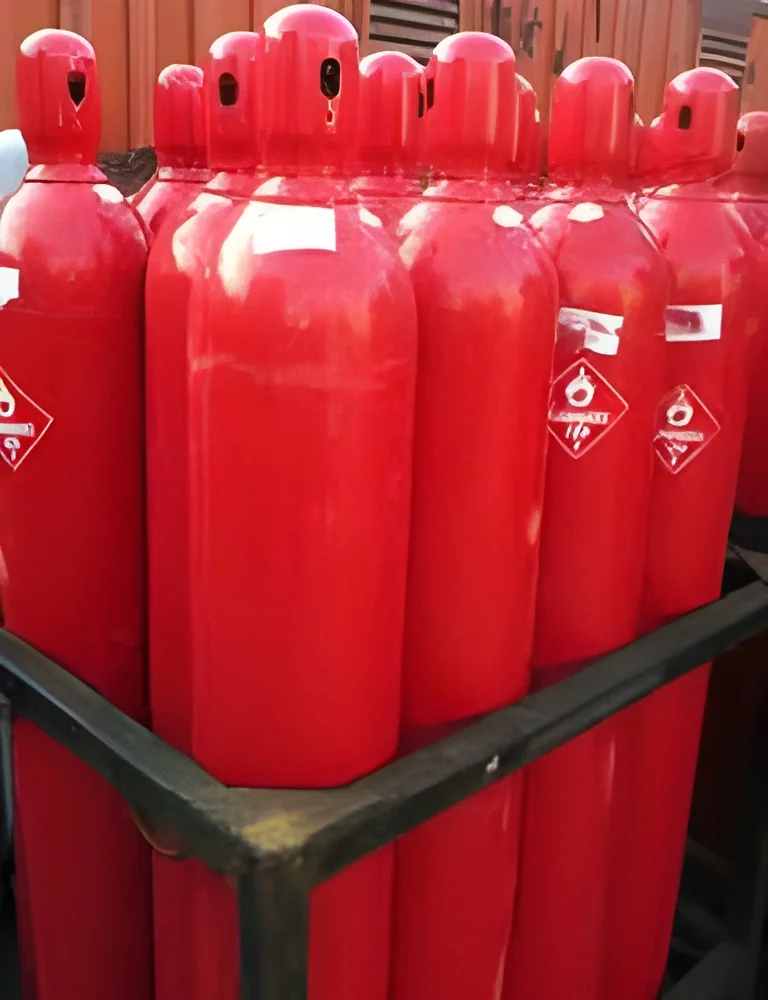
What are Methane Gas?
Methane gas is a colorless, odorless gas that is primarily made up of carbon and hydrogen. It is the simplest alkane and is classified as a hydrocarbon. Methane is naturally found in the environment, particularly in geological formations beneath the Earth's surface, and is a significant component of natural gas. It is produced through the anaerobic decomposition of organic materials and is a potent greenhouse gas, making its management crucial for environmental considerations.
The primary uses of methane gas include energy generation, heating, and as a raw material in chemical processes. It is widely utilized in power plants for electricity generation and in homes for heating and cooking. Additionally, methane serves as a feedstock in the production of chemicals like ammonia and methanol, which are essential for fertilizers and various industrial applications. The relevance of methane in the energy sector continues to grow, especially as industries seek cleaner sources of energy and look to reduce carbon emissions. The market for methane gas is expanding, driven by increasing energy demands and technological advancements in extraction and utilization methods.
Key Features and Specifications
Methane gas possesses several key features that make it valuable in various industrial applications. Understanding these specifications is essential for businesses looking to utilize methane effectively.
Key specifications include:
1. Energy Content
- Methane has a high calorific value of approximately 55.5 MJ/kg.
- This makes it highly efficient for energy production.
2. Purity Levels
- Commercial methane typically has a purity of 85% to 95%.
- Higher purity levels are available for specialized applications.
3. Storage Conditions
- Methane can be stored as a gas or in liquefied form at -161 degrees Celsius.
- Proper storage is crucial for safety and efficiency.
4. Combustion Characteristics
- Methane burns with a clean flame, producing mainly carbon dioxide and water.
- This results in lower emissions compared to other fossil fuels.
5. Molecular Weight
- The molecular weight of methane is approximately 16 g/mol.
- This factor influences its behavior in chemical reactions.
6. Odorization
- Methane is odorless, but an odorant is often added for safety.
- This helps in detecting leaks in gas systems.
7. Renewable Sources
- Methane can be produced from renewable sources like biogas.
- This contributes to sustainable energy solutions.
8. Regulatory Compliance
- Methane must meet specific quality standards for industrial use.
- Compliance with regulations ensures safety and environmental protection.
In summary, understanding these features and specifications helps businesses make informed decisions about methane gas usage and sourcing.
Common Applications and Use Cases
Methane gas serves several industries, each utilizing its properties for specific applications.
1. Energy Sector: Methane is a primary fuel for power plants, providing electricity generation through combustion processes.
2. Residential Heating: Methane is widely used in homes for heating and cooking, offering a reliable energy source.
3. Chemical Manufacturing: Methane acts as a feedstock for producing chemicals like ammonia, used in fertilizers.
4. Transportation: Compressed natural gas, primarily composed of methane, is used as a cleaner alternative to gasoline and diesel.
5. Agriculture: Methane is utilized in anaerobic digesters to convert agricultural waste into energy.
6. Waste Management: Landfills produce methane during waste decomposition, which can be harvested for energy.
7. Industrial Processes: Methane is used in various industrial applications, including metal production and glass manufacturing.
Product Variants and Subcategories
While there are no specific subcategories of methane gas, the product can be differentiated based on its applications and sources.
Natural Methane: This variant is extracted from underground reserves and is commonly used for energy generation and heating. Its high purity makes it suitable for residential and industrial applications.
Biogas: Produced from organic waste through anaerobic digestion, biogas contains methane and is used in renewable energy applications. It is especially valuable in reducing waste and generating energy sustainably.
Synthetic Methane: This form is produced through chemical processes, often from carbon dioxide and hydrogen. It serves as a renewable energy source and can replace natural gas in existing infrastructure.
Benefits and Advantages
Sourcing methane gas offers numerous benefits for businesses across various sectors.
1. Environmental Impact: Methane can be a cleaner energy source compared to coal and oil, reducing greenhouse gas emissions.
2. Cost Efficiency: Methane's high energy content leads to lower fuel costs, making it an economical choice for energy generation.
3. Versatile Applications: Methane's adaptability allows it to be used in heating, electricity generation, and as a feedstock in chemical production.
4. Availability: Methane is widely available and can be sourced from both fossil and renewable resources.
5. Reliability: Methane provides a consistent supply of energy, making it suitable for base-load power generation.
6. Technological Advancements: Innovations in extraction and conversion technologies enhance the efficiency and sustainability of methane use.
Buying Guide for B2B Buyers
When sourcing methane gas, it is essential for businesses to consider several factors to ensure a successful procurement process.
1. Quality Assessment: Evaluate the purity and energy content of the methane to ensure it meets industry standards and application requirements.
2. Supplier Verification: Vet potential suppliers for reliability and credibility. Check for certifications and customer reviews to assess their reputation.
3. Pricing and MOQ: Understand the pricing structure and minimum order quantities. Compare quotes from different suppliers to secure the best deal.
4. Delivery and Lead Times: Confirm delivery schedules and lead times to plan production and operations effectively. Ensure suppliers can meet your timelines.
5. Compliance Requirements: Familiarize yourself with relevant regulations and standards for methane usage in your region. Ensure suppliers adhere to these requirements.
Compliance and Certifications
Compliance with quality standards is crucial for the safe and effective use of methane gas. Relevant standards include ISO 9001, which ensures quality management systems, and HACCP, which focuses on food safety when methane is used in food processing applications. Certifications like CE indicate that products meet European safety and health requirements.
Safety is paramount in handling methane gas due to its flammability and potential health risks. Industries must implement rigorous safety testing and monitoring protocols to manage these risks effectively. Additionally, businesses should consider regional compliance, as regulations may vary based on location. Understanding local laws and environmental guidelines will ensure that methane sourcing aligns with legal requirements.
Why Source Methane Gas from Pepagora?
Pepagora provides a trusted platform for sourcing methane gas, offering several key advantages to businesses.
Verified Supplier Network: Pepagora maintains a network of verified suppliers, ensuring that buyers have access to reputable and reliable sources of methane gas. This network is essential for maintaining quality and compliance.
Streamlined RFQ Process: The platform offers a streamlined request for quotation (RFQ) process, allowing buyers to easily compare offers from multiple suppliers. This efficiency saves time and effort in procurement.
Trade Assurance and Support: Pepagora provides trade assurance to protect buyers throughout the sourcing process. This includes support for disputes and ensuring that transactions are secure.
Regional Coverage: With a strong presence in regions like India, GCC, and Southeast Asia, Pepagora can facilitate sourcing across diverse markets, making it a convenient choice for businesses looking to expand their supply chains.
By choosing Pepagora, businesses can enhance their procurement strategies while ensuring access to quality methane gas.

 IN
IN