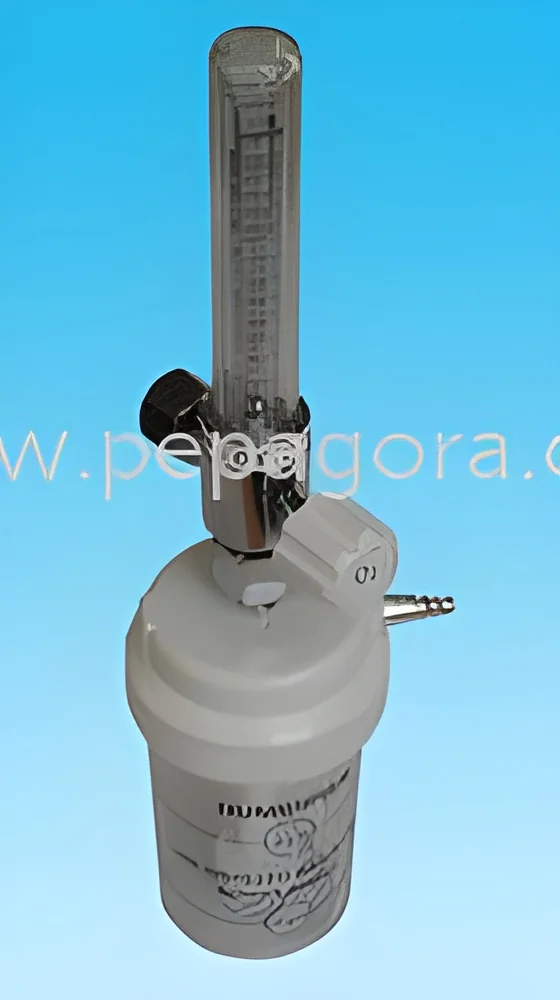
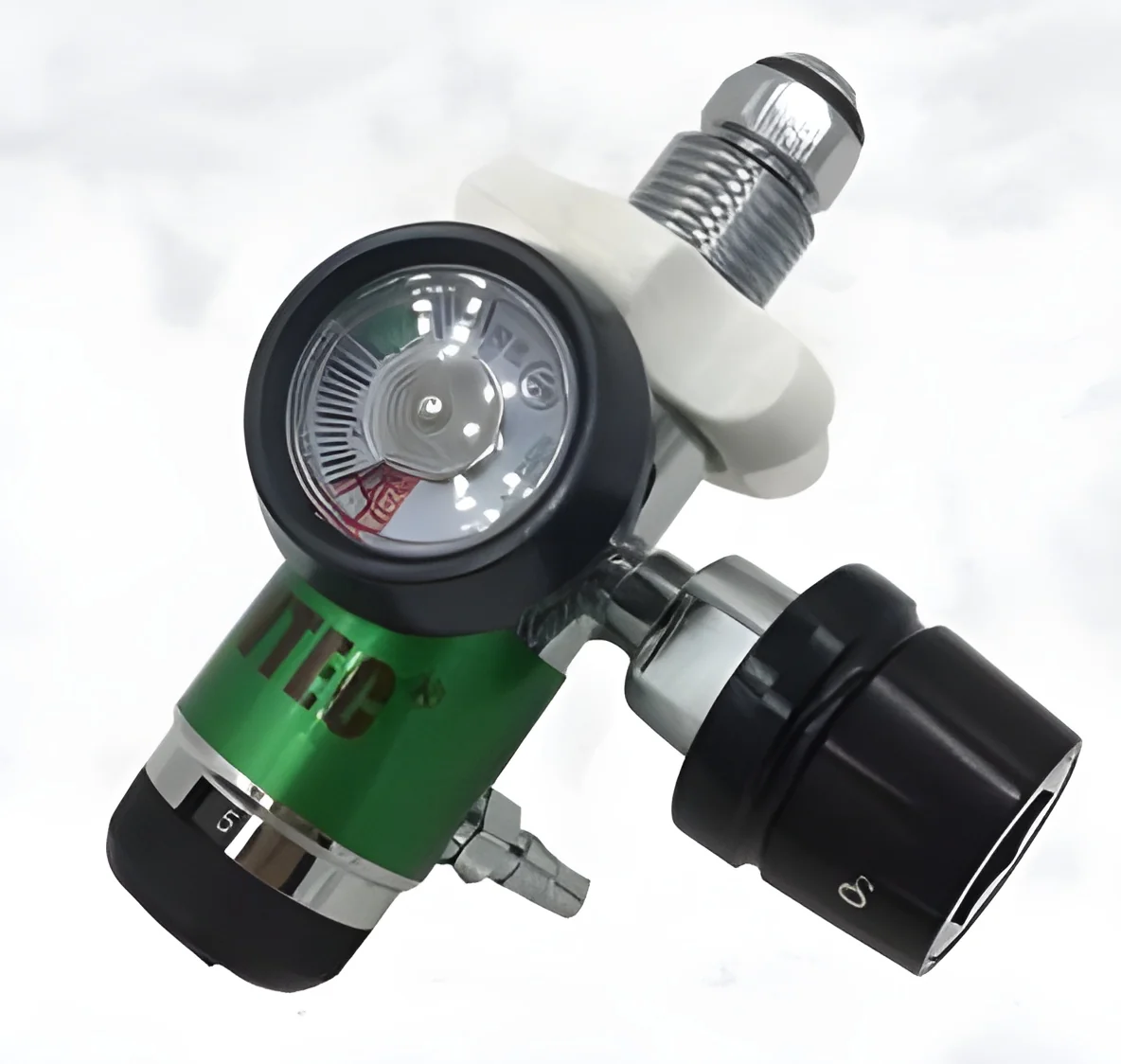
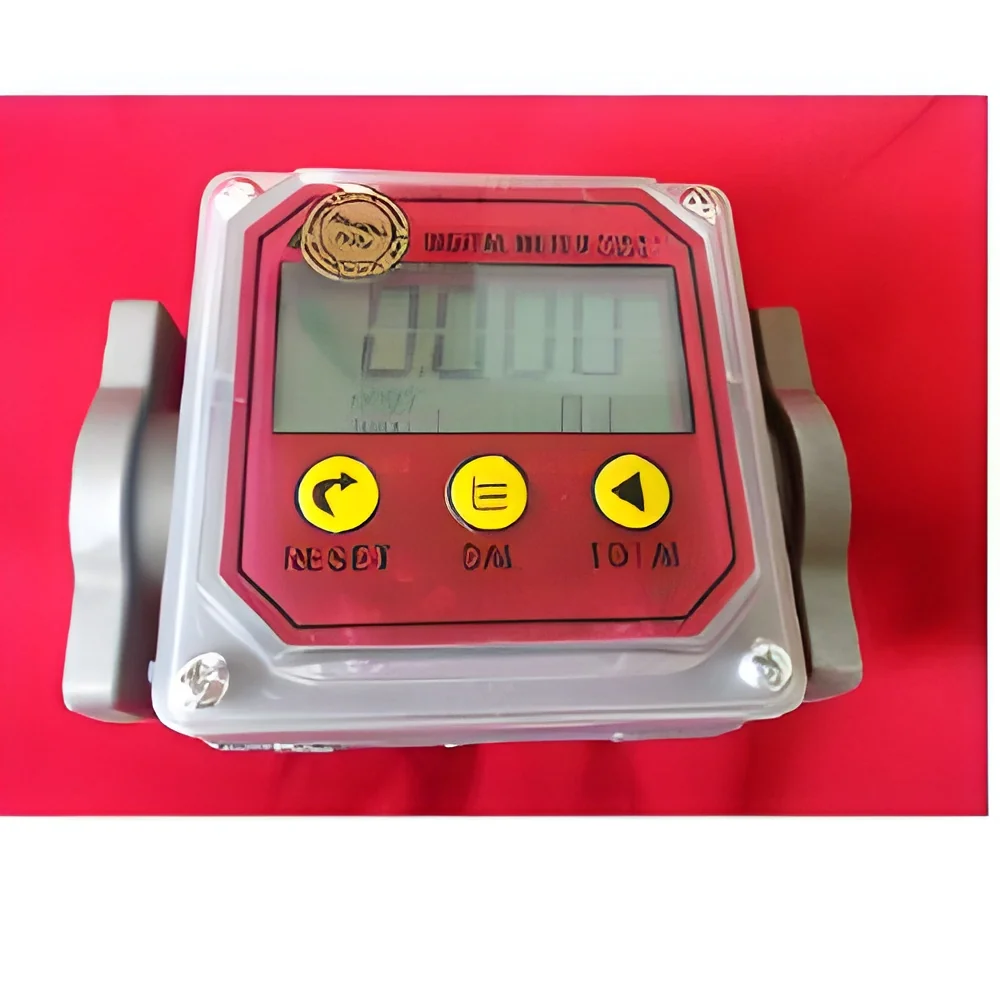
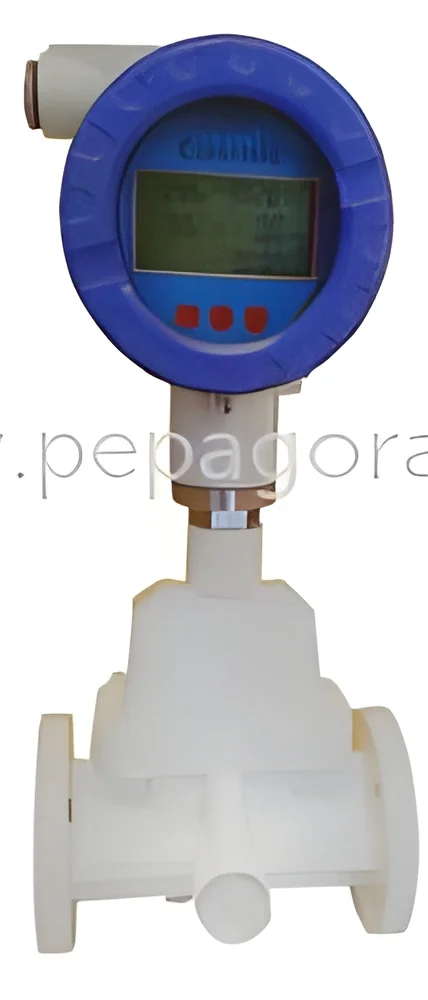
What are Gas Regulators & Flow Meters?
Gas regulators and flow meters are essential devices used in the management of gas supply and flow in various industrial applications. Gas regulators control the pressure of gas flowing from a supply source, ensuring that it remains within safe and optimal limits for equipment operation. Flow meters, on the other hand, are used to measure the rate of gas flow, allowing for precise monitoring and management of gas consumption in processes.
These products are widely used across different sectors, including manufacturing, energy, and chemical processing. In manufacturing, they help ensure that machinery receives a consistent gas supply, which is critical for operational efficiency. In the energy sector, flow meters and regulators are vital for measuring and controlling gas used in power generation. The relevance of these devices in industry is underscored by the ongoing demand for efficient gas management solutions, particularly in regions focused on energy conservation and regulatory compliance.
Key Features and Specifications
Gas regulators and flow meters come equipped with a range of features that enhance their functionality and reliability. Understanding these specifications is crucial for selecting the right product for specific applications.
Key specifications include:
1. Pressure Regulation Range
- This specification indicates the range of pressures the regulator can maintain.
- Common ranges include low, medium, and high pressure.
2. Flow Measurement Accuracy
- This defines the precision with which a flow meter can measure gas flow rates.
- Typical accuracy levels are within 1% to 5%.
3. Connection Types
- Different connection options are available to ensure compatibility with existing systems.
- Common types include threaded, flanged, and welded connections.
4. Temperature Rating
- This indicates the operational temperature limits for the devices.
- Standard ratings often range from -20°C to 60°C.
5. Material Construction
- The materials used can vary based on application needs, such as stainless steel for corrosive environments.
- Other materials may include brass, aluminum, or plastic.
6. Compliance Standards
- Many regulators and flow meters meet industry standards such as UL and CE for safety and reliability.
- Compliance with these standards ensures quality assurance.
7. Maintenance Requirements
- Some models require regular maintenance for optimal performance.
- Maintenance can include cleaning, calibration, and part replacement.
8. Flow Range
- This specifies the minimum and maximum flow rates that the flow meter can accurately measure.
- Typical ranges may vary significantly based on the application.
In summary, understanding these key features and specifications helps ensure that businesses select the right gas regulators and flow meters for their operational needs.
Common Applications and Use Cases
Gas regulators and flow meters are integral to various industries, each utilizing these devices to enhance efficiency and safety.
1. Manufacturing: In this sector, gas regulators ensure that equipment receives a steady supply of gas, which is essential for processes such as welding and heating.
2. Energy: Flow meters measure the flow of natural gas used in power plants, providing vital data for energy generation and distribution.
3. Chemical Processing: Regulators control gas pressures in the manufacturing of chemicals, ensuring safety and compliance with industry standards.
4. Food and Beverage: These devices are used to manage gas supply in cooking and packaging processes, maintaining quality and safety.
5. HVAC: In heating, ventilation, and air conditioning systems, gas regulators optimize fuel supply for efficient operation.
6. Pharmaceuticals: Precise control of gas flow is critical in the production of medications, ensuring adherence to strict regulatory standards.
7. Agriculture: Gas regulators and flow meters are used in controlled environments for optimal crop growth, such as greenhouses.
Product Variants and Subcategories
Gas regulators and flow meters are available in various configurations to meet diverse industry needs.
Standard Gas Regulator
This variant is designed for general applications, providing reliable pressure control for a variety of gases in industrial settings.
High-Pressure Regulator
Specifically built for high-pressure applications, this regulator is ideal for industries that require precise control at elevated pressures.
Digital Flow Meter
Offering advanced monitoring capabilities, this flow meter provides digital readouts and can integrate with automated systems for enhanced data management.
Mechanical Flow Meter
This traditional option is suitable for applications where digital systems are not feasible, offering straightforward flow measurement capabilities.
Benefits and Advantages
The use of gas regulators and flow meters presents several advantages for businesses seeking to optimize their operations.
1. Enhanced Safety: These devices help maintain safe pressure levels, reducing the risk of accidents and leaks.
2. Improved Efficiency: Accurate flow measurement ensures that systems operate at optimal levels, minimizing waste and energy consumption.
3. Regulatory Compliance: Utilizing certified devices helps businesses adhere to industry regulations, avoiding potential fines or shutdowns.
4. Cost Savings: By ensuring efficient gas use, businesses can significantly reduce operational costs associated with energy consumption.
5. Versatility: Available in various sizes and configurations, these devices can be tailored to fit diverse applications across multiple industries.
6. Reliability: High-quality regulators and flow meters are built to last, providing businesses with dependable performance over time.
Buying Guide for B2B Buyers
When sourcing gas regulators and flow meters, it is essential to consider several critical factors to ensure an informed purchasing decision.
1. Quality Assessment: Evaluate the materials and construction quality of the devices to ensure they meet the demands of your specific application. Look for products that comply with recognized industry standards.
2. Supplier Verification: Vet potential suppliers to confirm their credibility and reputation in the market. Consider their track record, customer reviews, and certifications to ensure reliability.
3. Pricing and MOQ: Understand the pricing structure and minimum order quantities (MOQ) offered by suppliers. Assess how these factors fit your budget and operational needs.
4. Delivery and Lead Times: Inquire about the delivery timelines and lead times for orders. Ensure that suppliers can meet your scheduling requirements to avoid disruptions in operations.
5. Compliance Requirements: Familiarize yourself with the regulatory needs specific to your industry. Ensure that the products you choose meet necessary compliance standards to avoid penalties.
Compliance and Certifications
Gas regulators and flow meters must adhere to various quality standards and certifications that ensure safety and reliability in operation. Relevant standards include ISO 9001, which focuses on quality management systems, ensuring consistent product quality.
Industry certifications such as UL and CE indicate that the products have been tested for safety and performance. These certifications are vital for ensuring that devices operate safely in industrial environments.
Additionally, safety and testing requirements encompass rigorous assessments to ensure that devices can handle their specified operational conditions. Businesses should also consider regional compliance requirements, as these can vary significantly based on location and industry regulations.
Why Source Gas Regulators & Flow Meters from Pepagora?
Pepagora offers a trusted platform for sourcing gas regulators and flow meters, emphasizing quality and reliability.
Verified Supplier Network: The platform features a network of verified suppliers, ensuring that buyers can access high-quality products that meet industry standards.
Streamlined RFQ Process: Pepagora simplifies the request for quotation process, allowing buyers to easily compare offers and select the best options for their needs.
Trade Assurance and Support: Buyers are protected through trade assurance measures, ensuring that their transactions are secure and that they receive the products as promised.
Regional Coverage: With a strong presence in India, the GCC, and Southeast Asia, Pepagora provides extensive geographic reach, making it easier for businesses to find suitable suppliers in their region.

 IN
IN