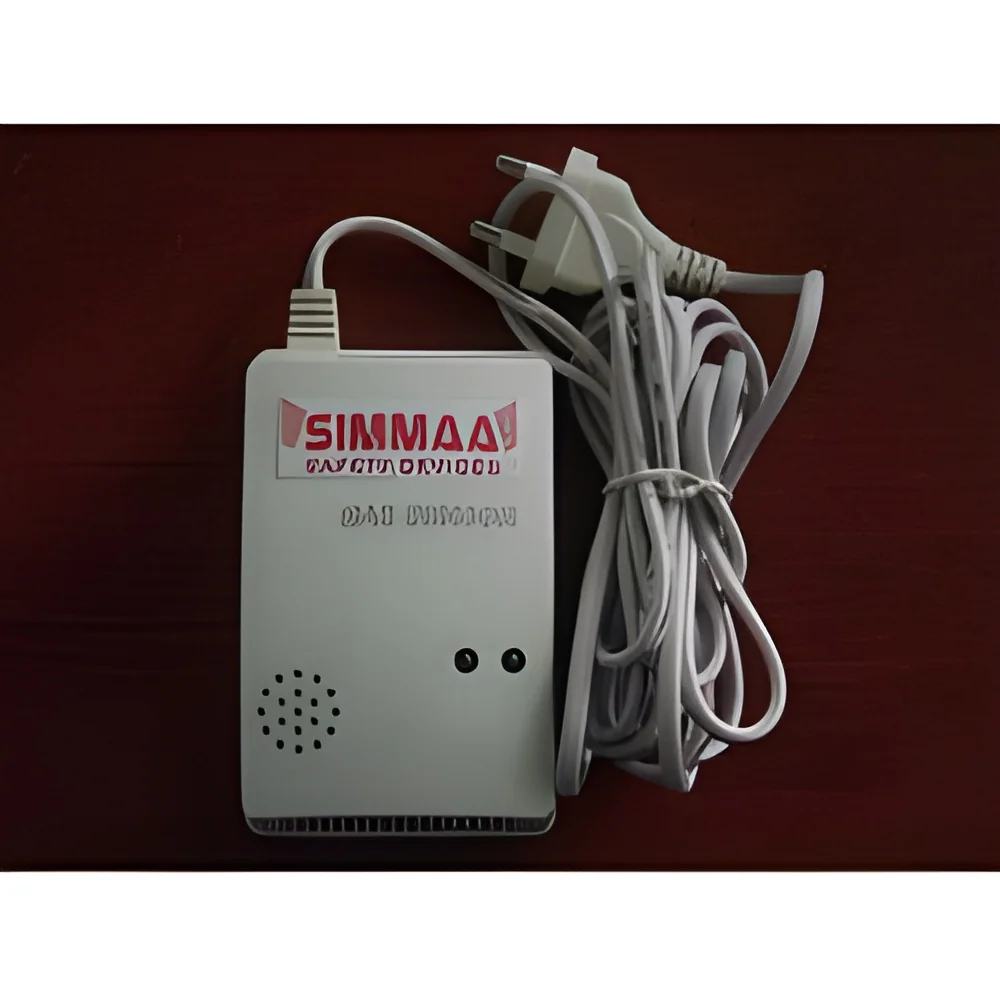
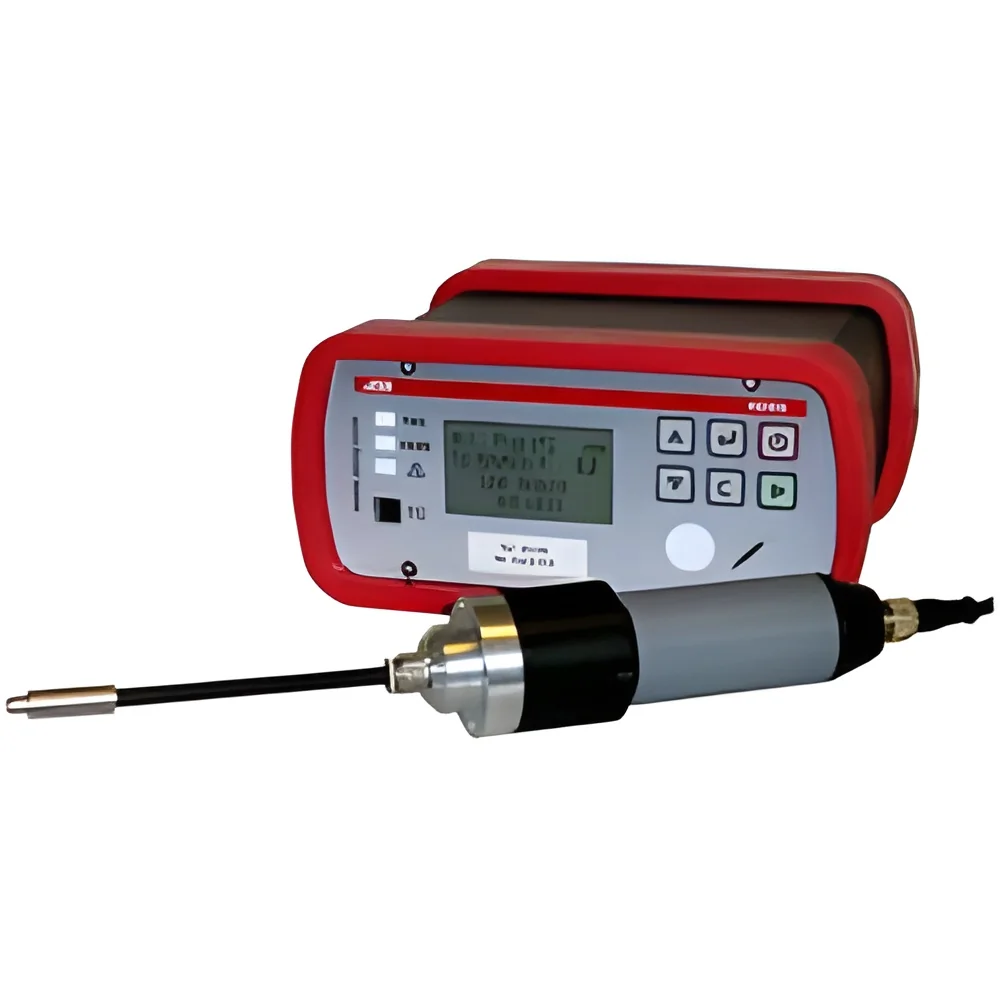
What are Gas Leak Detectors?
Gas leak detectors are specialized devices designed to identify the presence of hazardous gases in various environments. These detectors work by sensing gas concentrations in the air and providing alerts when levels exceed safe thresholds. They employ different technologies, such as catalytic bead sensors, electrochemical sensors, and infrared sensors, to ensure accuracy and reliability. In industrial settings, timely detection of gas leaks can prevent catastrophic events, protect personnel, and minimize environmental impact.
The primary uses of gas leak detectors span across multiple industries, including oil and gas, manufacturing, chemical processing, and HVAC systems. In these environments, gas leak detectors are essential for safety and compliance with regulatory standards. Businesses utilize these devices to monitor potentially harmful gases like methane, propane, and carbon monoxide, ensuring a safe working atmosphere. The relevance of gas leak detectors in today's market is underscored by increasing safety regulations and a growing emphasis on workplace safety, driving demand for reliable detection solutions.
Key Features and Specifications
Gas leak detectors come equipped with various features that enhance their performance and usability. Understanding these specifications is crucial for making informed purchasing decisions.
Key specifications include:
1. Detection Range
- This specifies the concentration levels of gases that the detector can identify.
- Typical ranges vary by model, often from low parts per million (ppm) to high concentration levels.
2. Response Time
- The time taken for the detector to sense a gas leak and alert the user.
- Usually ranges from a few seconds to a minute depending on the technology used.
3. Power Source
- Indicates how the device is powered, such as battery-operated or hardwired.
- Battery-operated models offer portability while hardwired models provide continuous operation.
4. Alarm System
- Describes the type of alert provided when gas is detected.
- Can include audible alarms, visual indicators, or both.
5. Operating Temperature
- The range of temperatures within which the detector can function effectively.
- Data not available for specific temperature ranges.
6. Humidity Control
- Details the detector's ability to function in varying humidity levels.
- Data not available for specific humidity controls.
7. Monitoring Features
- Refers to any additional capabilities such as remote monitoring or data logging.
- Data not available on specific monitoring features.
In summary, understanding these specifications helps businesses select the right gas leak detector tailored to their specific needs.
Common Applications and Use Cases
Gas leak detectors are versatile tools utilized in numerous industries to enhance safety and compliance.
1. Oil and Gas: These detectors are essential for monitoring gas levels in drilling rigs, refineries, and transportation pipelines, ensuring worker safety and environmental protection.
2. Chemical Manufacturing: In facilities that handle volatile substances, gas leak detectors help identify leaks early, preventing potential accidents and regulatory breaches.
3. HVAC Systems: Gas leak detectors are employed in heating, ventilation, and air conditioning systems to ensure safe operation and avoid toxic gas exposure.
4. Food Processing: In this industry, gas detectors monitor refrigerants and other gases to maintain safe conditions and comply with health regulations.
5. Waste Management: Gas leak detectors are used in landfills and wastewater treatment plants to monitor methane and other harmful gases, safeguarding workers and the environment.
6. Mining: In underground mining operations, these detectors help ensure the safety of workers by detecting hazardous gases like methane and carbon dioxide.
7. Laboratories: Gas leak detectors are critical in research facilities where flammable or toxic gases are used, ensuring a safe working environment.
Product Variants and Subcategories
Gas leak detectors come in various types, each designed for specific applications and environments. This diversity ensures that businesses can find a solution that meets their unique requirements.
Portable Gas Leak Detectors: These are handheld devices ideal for fieldwork or temporary monitoring. They are lightweight and battery-operated, making them perfect for inspections or maintenance tasks. Features often include real-time readings and integrated alarms.
Fixed Gas Leak Detectors: These devices are permanently installed in facilities to provide continuous monitoring. They are typically connected to a facility's safety system and can trigger alarms or shutdown procedures in case of a leak.
Wireless Gas Leak Detectors: These detectors use wireless technology to communicate alerts, making them suitable for large facilities where wiring might be challenging. They often integrate with existing safety protocols for enhanced monitoring.
Benefits and Advantages
Investing in gas leak detectors offers numerous advantages for businesses focused on safety and compliance.
1. Enhanced Safety: Early detection of gas leaks significantly reduces the risk of accidents, ensuring the safety of personnel and facilities.
2. Regulatory Compliance: Many industries are subject to strict safety regulations. Gas leak detectors help businesses meet these requirements, avoiding potential fines and shutdowns.
3. Cost Savings: By preventing gas leaks, companies can save on potential damages, legal liabilities, and insurance costs associated with accidents.
4. Improved Operational Efficiency: Continuous monitoring allows for swift identification and resolution of gas leaks, minimizing downtime and maintaining productivity.
5. Customizable Solutions: Various detector types and features allow businesses to tailor solutions to their specific needs and environments.
6. Peace of Mind: Knowing that a reliable detection system is in place provides reassurance to employees and management regarding workplace safety.
Buying Guide for B2B Buyers
When sourcing gas leak detectors, several critical factors should be considered to ensure the best fit for your business needs.
1. Quality Assessment: Look for detectors that meet industry standards and come with reliable performance certifications. Consider the manufacturer’s reputation and customer reviews.
2. Supplier Verification: Vet potential suppliers to ensure they have a proven track record in providing quality products and excellent customer service. Request references and check for industry certifications.
3. Pricing and MOQ: Understand the pricing structure and any minimum order quantity requirements. This will help you budget effectively and assess overall cost efficiency.
4. Delivery and Lead Times: Inquire about expected delivery times and logistics to avoid any disruptions in your operations. Timely delivery is crucial for maintaining safety protocols.
5. Compliance Requirements: Ensure that the detectors meet regulatory standards specific to your industry and location. This can include certifications like CE and adherence to safety and testing requirements.
Compliance and Certifications
Gas leak detectors must comply with various quality standards and certifications to ensure safety and reliability in their operation.
Relevant quality standards such as ISO 9001 help ensure that manufacturers maintain a high level of quality management in their production processes. Compliance with these standards often indicates a commitment to continuous improvement and customer satisfaction.
Industry certifications like CE denote that the products meet European safety, health, and environmental protection standards. Such certifications provide assurance to buyers that the detectors have undergone rigorous testing and are safe for use in industrial environments.
Safety and testing requirements are vital for gas leak detectors as they directly affect their performance and reliability. Regular testing and adherence to safety protocols are essential to maintain compliance and ensure effective operation.
Regional compliance considerations may vary based on local regulations and safety standards. Buyers should be aware of these differences to ensure that the detectors they choose meet all necessary legal requirements.
Why Source Gas Leak Detectors from Pepagora?
Pepagora provides a trusted platform for sourcing gas leak detectors, offering several key advantages that benefit B2B buyers.
Verified Supplier Network: Pepagora rigorously vets suppliers to ensure they meet high standards of quality and reliability. This process helps buyers connect with reputable manufacturers, reducing the risk of substandard products.
Streamlined RFQ Process: The platform features an efficient request for quotation (RFQ) system that simplifies the purchasing process. Buyers can easily compare offers and select the best option for their needs.
Trade Assurance and Support: Pepagora offers buyer protection through trade assurance, ensuring that transactions are secure and that buyers receive the products as promised. This support fosters trust and confidence in the purchasing process.
Regional Coverage: Pepagora’s broad geographic reach includes markets in India, the Gulf Cooperation Council (GCC), and Southeast Asia. This extensive coverage allows businesses to access a wide range of products and suppliers tailored to their regional needs.

 IN
IN