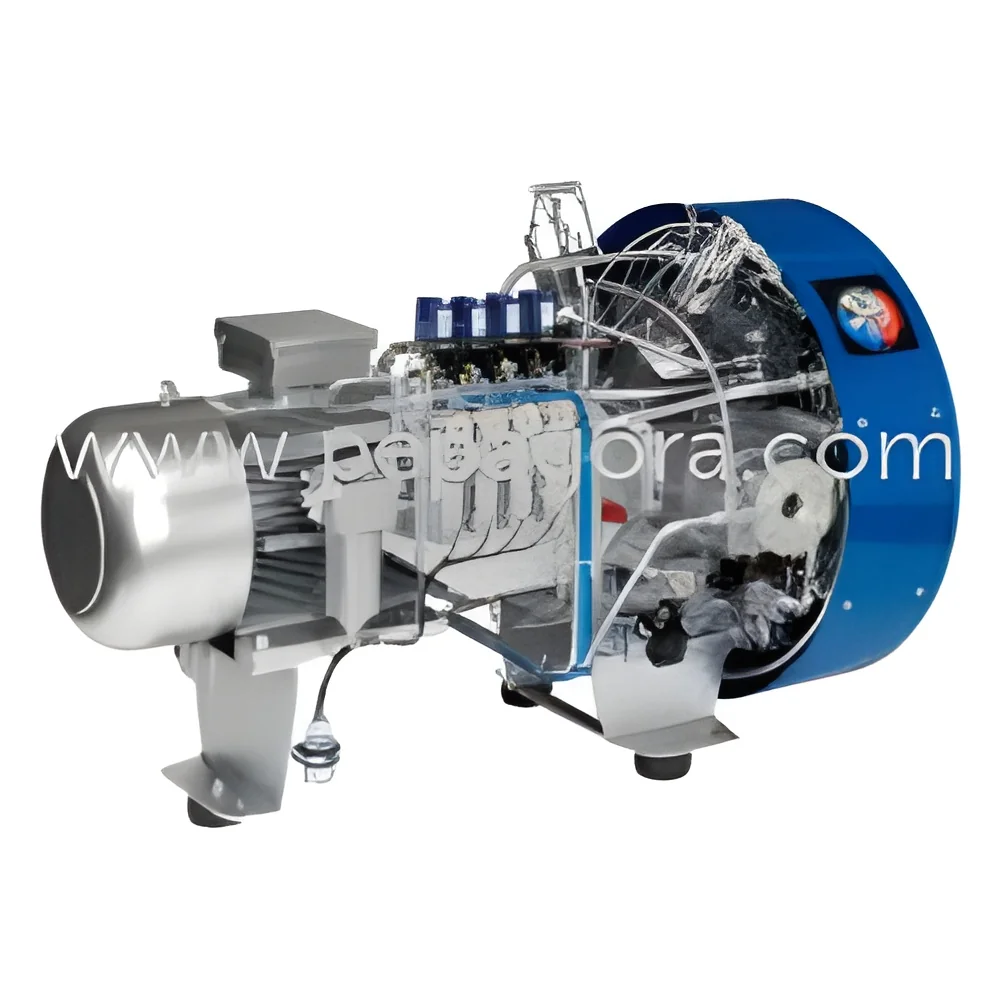
What are Gas Compressors?
Gas compressors are mechanical devices designed to increase the pressure of a gas by reducing its volume. They operate by drawing in gas at a lower pressure and then compressing it to a higher pressure, making it useful for various applications across multiple industries. These compressors can handle different types of gases, including natural gas, air, and other industrial gases. The efficiency and reliability of gas compressors play a significant role in ensuring smooth operations in processes where gas supply is critical.
Gas compressors are primarily used in industries such as oil and gas, automotive, manufacturing, and refrigeration. In the oil and gas sector, they facilitate the transportation of natural gas through pipelines. In automotive applications, they provide compressed air for various systems. Manufacturing facilities utilize gas compressors for powering pneumatic tools and machinery. The versatility of gas compressors makes them an integral part of many industrial operations.
As industries continue to evolve, the demand for efficient and reliable gas compressors has increased significantly. With the growing focus on energy efficiency and sustainability, manufacturers are developing advanced models that not only meet but exceed industry standards. This rising demand highlights the importance of selecting the right gas compressor to enhance operational efficiency and reduce costs.
Key Features and Specifications
Gas compressors come with various features that enhance their performance and reliability. Understanding these specifications is crucial for selecting the right model for specific applications.
Key specifications include:
1. Compression Ratio
- This specification indicates the ratio of the volume of gas before compression to the volume after compression.
- Typical ranges vary based on the application but can be from 2:1 to over 10:1.
2. Flow Rate
- The flow rate measures the volume of gas that the compressor can handle, usually expressed in cubic feet per minute (CFM) or liters per second (L/s).
- Depending on the model, flow rates can range from a few CFM to several thousand CFM.
3. Power Consumption
- This specification indicates the amount of energy required to operate the compressor, measured in horsepower (HP) or kilowatts (kW).
- Efficient models are designed to minimize energy costs while maintaining performance.
4. Operating Temperature Range
- Gas compressors are rated for specific temperature ranges to ensure operational safety and efficiency.
- While specific data is not available, most compressors can operate in a range from -20°C to 50°C.
5. Noise Level
- The noise level produced by the compressor is an important consideration, particularly in urban and residential areas.
- Typical noise levels can range from 60 dB to over 90 dB, depending on the design.
6. Maintenance Requirements
- Regular maintenance is essential for the longevity of gas compressors.
- Key maintenance tasks may include oil changes, filter replacements, and periodic inspections.
7. Control Systems
- Advanced gas compressors may include digital control systems for monitoring and adjusting operation parameters.
- These systems can enhance efficiency and provide real-time performance data.
8. Materials of Construction
- The materials used in the construction of gas compressors affect durability and performance.
- Common materials include stainless steel and aluminum, which offer corrosion resistance and strength.
Gas compressors are vital components in various industrial processes, and understanding their specifications helps users make informed purchasing decisions.
Common Applications and Use Cases
Gas compressors find applications in a wide range of industries due to their versatility and essential functions.
1. Oil and Gas Industry: Gas compressors are crucial for transporting natural gas through pipelines, ensuring efficient delivery to processing facilities and end-users.
2. Automotive Industry: These compressors are used in air conditioning systems and for powering pneumatic tools in vehicle manufacturing and maintenance.
3. Manufacturing: In manufacturing plants, gas compressors provide compressed air for various pneumatic tools and machines, improving productivity and efficiency.
4. Food and Beverage Processing: Gas compressors are used in refrigeration systems to maintain temperature control, ensuring food safety and quality.
5. HVAC Systems: In heating, ventilation, and air conditioning systems, compressors help in circulating refrigerants and maintaining desired indoor climates.
6. Pharmaceutical Industry: Gas compressors are used in various processes, including the packaging of pharmaceuticals and maintaining sterile environments.
7. Chemical Industry: These compressors facilitate the production and transportation of gases used in chemical reactions and processes.
Product Variants and Subcategories
Gas compressors are available in various designs and configurations to meet specific industry needs.
Reciprocating Compressors: These compressors use a piston mechanism to compress gas. They are known for their high efficiency and are suitable for small to medium applications.
Rotary Screw Compressors: Utilizing two interlocking screws, these compressors provide continuous gas flow and are ideal for large-scale operations requiring consistent pressure.
Centrifugal Compressors: These compressors use rotating blades to increase gas velocity, suitable for high-flow applications in industries like oil and gas.
Scroll Compressors: Known for their compact design and low noise levels, scroll compressors are often used in residential air conditioning systems and refrigeration applications.
Benefits and Advantages
Gas compressors offer several benefits that enhance operational efficiency and reduce costs for businesses.
1. Increased Efficiency: Gas compressors optimize gas usage by maintaining the necessary pressure for various applications, leading to improved system performance.
2. Cost Savings: By using efficient compressors, businesses can reduce energy consumption and lower operational costs over time.
3. Versatility: Gas compressors are adaptable for multiple applications across various industries, making them a valuable investment.
4. Reliability: Modern gas compressors are designed for durability and consistent performance, minimizing downtime and maintenance costs.
5. Improved Productivity: By providing a steady supply of compressed gas, these compressors help streamline operations and enhance productivity in industrial processes.
6. Environmental Compliance: Many gas compressors are designed to meet stringent environmental regulations, reducing emissions and promoting sustainability.
Buying Guide for B2B Buyers
When sourcing gas compressors, several critical factors should be taken into account to ensure the right choice for your business.
1. Quality Assessment: Evaluate the quality of the compressors based on industry standards and manufacturer reputation. Look for certifications that indicate reliability and performance.
2. Supplier Verification: Vet suppliers thoroughly to ensure they have a history of delivering high-quality products and excellent customer service. Check for reviews and testimonials.
3. Pricing and MOQ: Understand the pricing structure and minimum order quantities. Compare offers from different suppliers to find the best value without compromising quality.
4. Delivery and Lead Times: Consider the logistics involved in delivery. Ensure the supplier can meet your timeline requirements and discuss shipping options.
5. Compliance Requirements: Familiarize yourself with any regulatory requirements applicable to your industry and ensure the compressors meet these standards.
Compliance and Certifications
Gas compressors are subject to various quality standards and certifications that ensure their safety and reliability.
ISO 9001: This international standard outlines quality management principles that organizations must follow to enhance customer satisfaction through effective processes.
CE Certification: This certification indicates that the gas compressor complies with European Union safety, health, and environmental protection standards.
Safety and Testing Requirements: Gas compressors must undergo rigorous testing to ensure they operate safely under specified conditions. This includes pressure testing and performance evaluations.
Regional Compliance Considerations: Depending on the geographical location, there may be specific regulations governing gas compressor operations. Understanding these requirements is essential for compliance and operational success.
Why Source Gas Compressors from Pepagora?
Pepagora provides a trusted platform for sourcing gas compressors, offering several key advantages that enhance the buyer's experience.
Verified Supplier Network: Pepagora connects you with a network of verified suppliers who have been vetted for quality and reliability. This ensures you receive products that meet industry standards.
Streamlined RFQ Process: The request for quotation process is straightforward, allowing buyers to easily compare offers from different suppliers. This transparency helps in making informed decisions.
Trade Assurance and Support: Pepagora offers buyer protection through trade assurance policies, ensuring that your purchase is secure and your investment is protected.
Regional Coverage: With a strong presence in India, the GCC, and Southeast Asia, Pepagora provides comprehensive geographic coverage, making it easier for buyers to source gas compressors suited to their specific needs.

 IN
IN