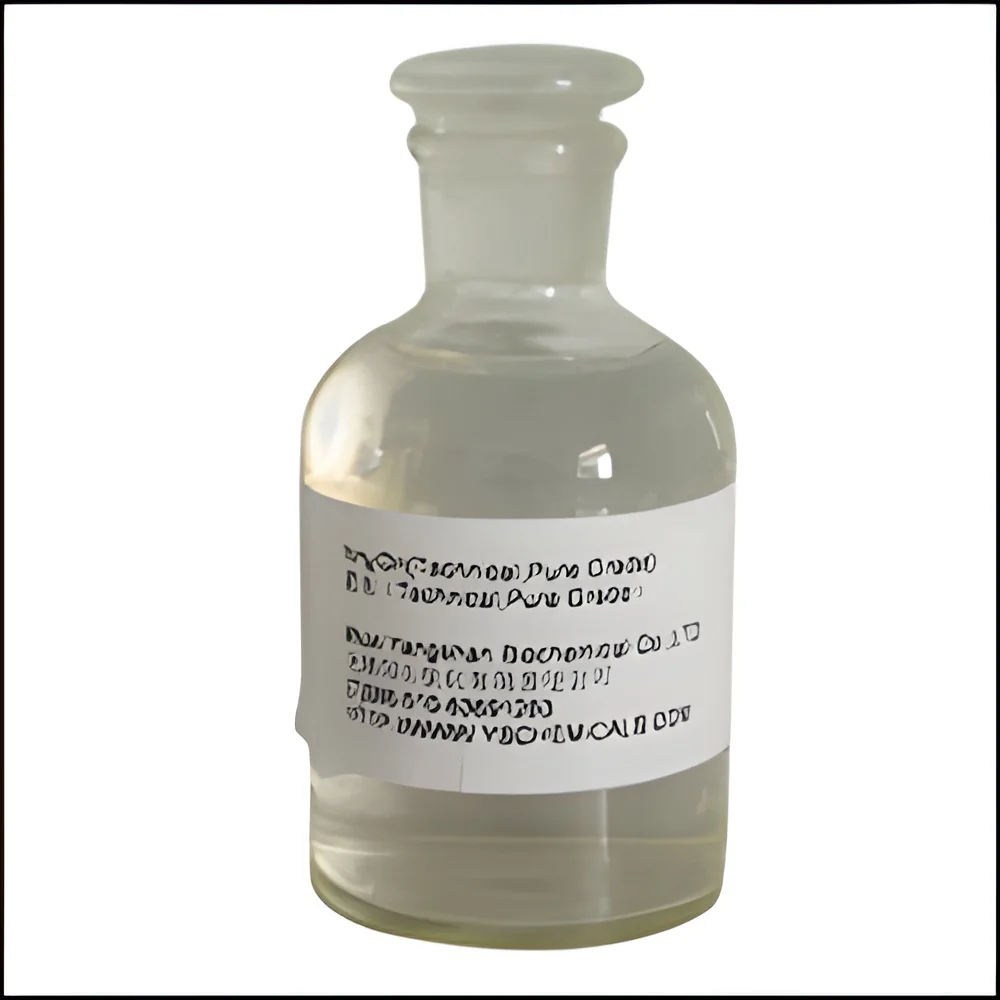
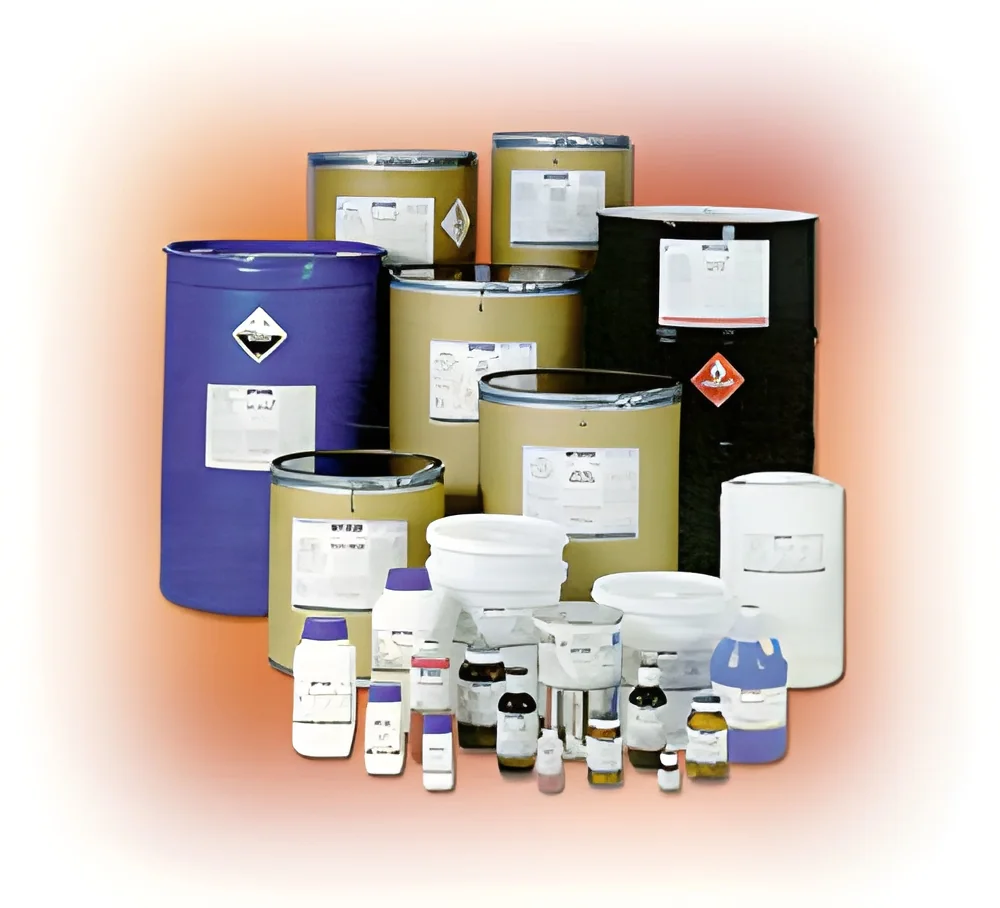
What are Ammonia Gas?
Ammonia gas, a compound of nitrogen and hydrogen, is a colorless gas with a pungent odor. It is produced through the Haber-Bosch process, where nitrogen from the air is combined with hydrogen derived from natural gas. This highly soluble gas plays a crucial role in various industrial applications due to its chemical properties and reactivity.
In the business context, ammonia gas is predominantly used in the production of fertilizers, which are essential for agriculture. It serves as a building block for nitrogenous compounds, contributing to increased crop yields. Ammonia is also utilized in refrigeration systems, cleaning products, and as a feedstock in the synthesis of various chemicals. As industries continue to focus on efficiency and sustainability, the relevance of ammonia gas in modern manufacturing processes remains significant.
Key Features and Specifications
Ammonia gas is characterized by several key features that define its use in industrial applications. Understanding these features and specifications is essential for businesses looking to integrate ammonia gas into their operations.
Key specifications include:
1. Purity Level
- Typical purity levels for industrial ammonia gas range between 99% to 99.5%.
- Higher purity levels may be required for specific applications, affecting quality and performance.
2. Storage Conditions
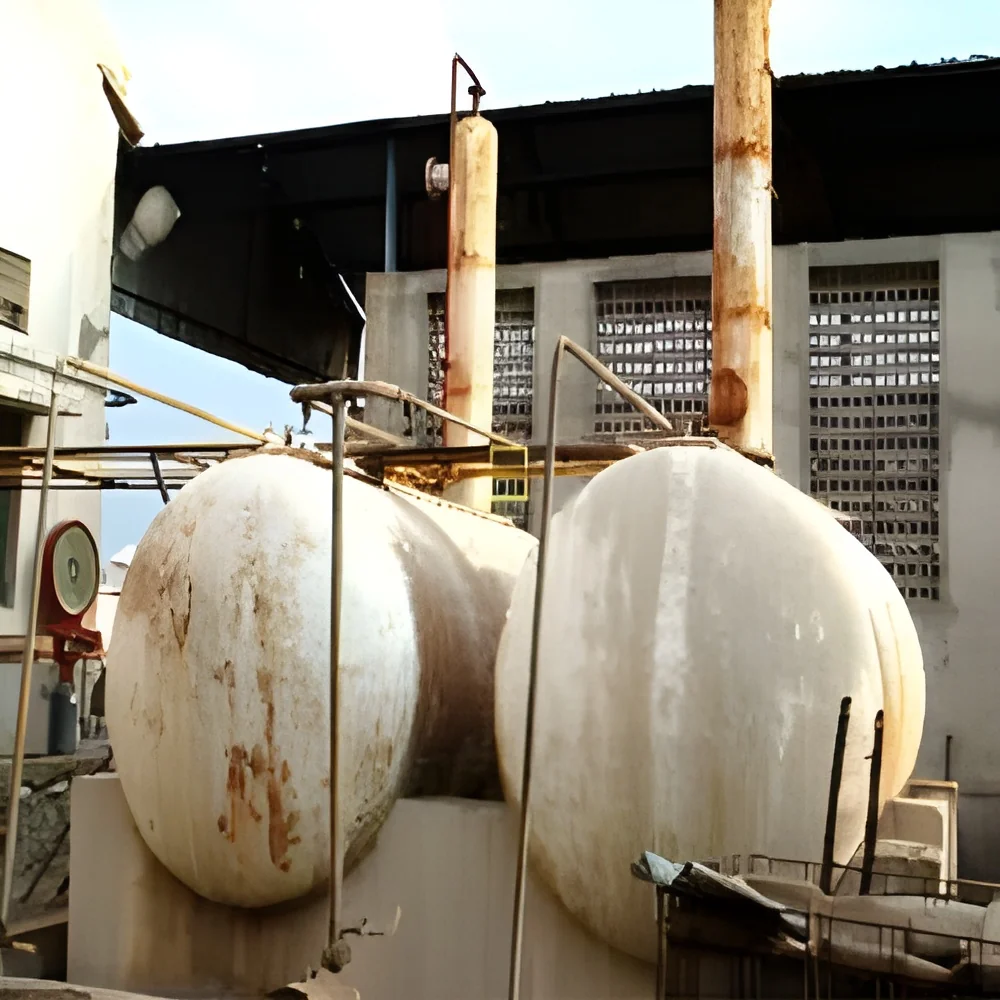
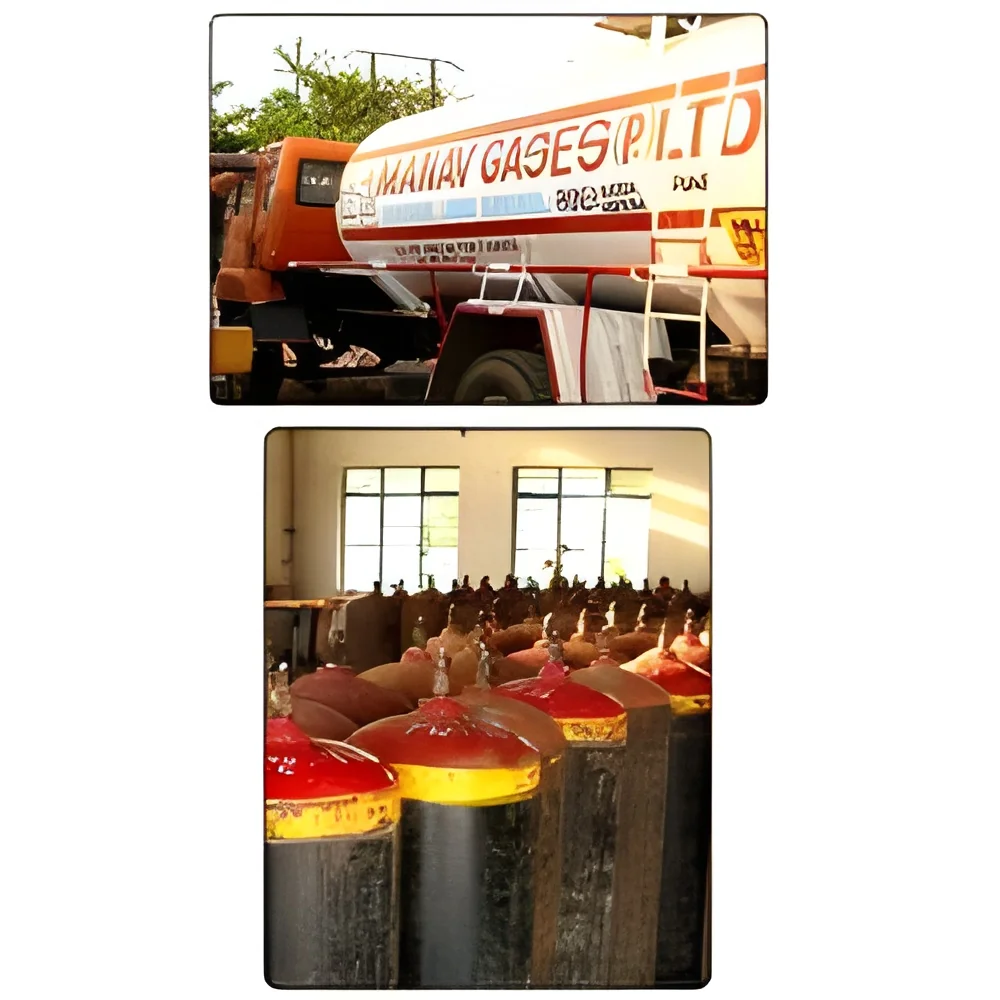
- Ammonia gas must be stored under pressure in specialized tanks or cylinders.
- Recommended storage temperatures are typically below 40 degrees Fahrenheit to prevent vaporization.
3. Safety Standards
- Compliance with safety standards is critical due to ammonia's toxic nature.
- Safety data sheets (SDS) must be provided by suppliers to ensure proper handling.
4. Chemical Composition
- Ammonia gas has a molecular formula of NH3.
- It is characterized by a molecular weight of 17.03 g/mol.
5. Odor Threshold
- The odor threshold for ammonia gas is approximately 5 to 50 parts per million (ppm).
- This pungent smell serves as an alert for potential leaks.
6. Toxicity Levels
- Ammonia is classified as a hazardous substance, with exposure limits set by regulatory bodies.
- Short-term exposure limits are typically around 35 ppm.
7. Reactivity
- Ammonia gas is highly reactive and can form explosive mixtures with air.
- It reacts with acids and halogens, requiring careful management during use.
8. Transportation Regulations
- Ammonia is classified as a hazardous material for transportation.
- Compliance with local and international transportation regulations is mandatory.
In summary, understanding these key features and specifications is vital for industries utilizing ammonia gas to ensure safety, efficiency, and compliance with regulatory standards.
Common Applications and Use Cases
Ammonia gas serves a wide range of industries, each with specific applications that leverage its unique properties.
1. Agriculture: Ammonia is extensively used in the production of fertilizers like urea and ammonium sulfate, promoting healthy plant growth.
2. Refrigeration: Ammonia gas serves as a refrigerant in industrial cooling and refrigeration systems, providing efficient cooling solutions.
3. Chemical Manufacturing: It acts as a feedstock in the synthesis of various chemicals, including nitric acid and explosives.
4. Cleaning Products: Ammonia is a key ingredient in many household and industrial cleaning products due to its effective degreasing properties.
5. Water Treatment: Ammonia is utilized in water treatment processes to control pH levels and eliminate contaminants.
6. Pharmaceuticals: It is leveraged in the production of certain medications and compounds within the pharmaceutical industry.
7. Textile Industry: Ammonia gas is used in dyeing processes and in the treatment of fibers to enhance their performance.
Product Variants and Subcategories
Ammonia gas is available in various forms to meet the diverse needs of different industries.
Liquid Ammonia
Liquid ammonia is stored under pressure and is commonly used in refrigeration and as a fertilizer. It provides a high concentration of nitrogen, making it effective for agricultural applications.
Anhydrous Ammonia
Anhydrous ammonia is ammonia gas that is free of water. It is primarily used in agriculture as a direct fertilizer, offering a concentrated source of nitrogen.
Ammonium Hydroxide
This variant is a solution of ammonia in water, widely used in cleaning products and industrial applications due to its effectiveness in breaking down grease and grime.
Benefits and Advantages
Ammonia gas offers numerous benefits to industries that incorporate it into their processes.
1. High Efficiency: Ammonia provides a concentrated source of nitrogen, leading to improved crop yields in agriculture.
2. Cost-Effective: As a widely produced chemical, ammonia gas is relatively inexpensive compared to other nitrogen sources, making it economically attractive.
3. Versatility: Its diverse applications across various industries highlight its adaptability and functionality.
4. Environmentally Friendly: Ammonia can be produced using renewable energy sources, contributing to sustainable practices.
5. Effective Refrigerant: Ammonia's high energy efficiency as a refrigerant helps reduce operational costs in cooling systems.
6. Strong Cleaning Agent: Its powerful cleaning properties make it ideal for various cleaning applications in both industrial and household settings.
Buying Guide for B2B Buyers
When sourcing ammonia gas, several key factors must be considered to ensure the right choice for your business needs.
1. Quality Assessment: Evaluate the purity levels and chemical composition to ensure the ammonia gas meets your specific requirements.
2. Supplier Verification: Vet potential suppliers by checking their certifications, customer reviews, and industry reputation to ensure reliability.
3. Pricing and MOQ: Understand the pricing structure and minimum order quantities (MOQ) to align with your budget and supply needs.
4. Delivery and Lead Times: Assess logistics and delivery capabilities, ensuring that suppliers can meet your timeframes and operational demands.
5. Compliance Requirements: Familiarize yourself with regulatory compliance needs for handling and storing ammonia gas, ensuring supplier adherence to safety standards.
Compliance and Certifications
Compliance with relevant quality standards and certifications is essential for the safe handling and use of ammonia gas.
Ammonia gas must adhere to quality standards such as ISO 9001, which focuses on effective quality management systems. These standards ensure that suppliers maintain consistent product quality.
Industry certifications, such as CE marking, indicate compliance with European safety and environmental regulations, providing assurance to buyers about product safety.
Safety and testing requirements are critical, given ammonia's hazardous nature. Regular testing for purity and quality is necessary to ensure compliance with safety regulations.
Regionally, compliance considerations may vary, necessitating an understanding of local regulations and standards that govern the use and transportation of ammonia gas.
Why Source Ammonia Gas from Pepagora?
Pepagora provides a trusted platform for sourcing ammonia gas, offering several key advantages to B2B buyers.
Verified Supplier Network: Pepagora features a network of verified suppliers that have been thoroughly vetted for quality and reliability, ensuring that buyers can trust the sources of their ammonia gas.
Streamlined RFQ Process: The platform simplifies the request for quotation (RFQ) process, allowing buyers to efficiently compare prices and specifications from multiple suppliers, saving time and resources.
Trade Assurance and Support: Pepagora offers trade assurance and buyer protection, providing a safety net for transactions and ensuring that buyers receive what they pay for.
Regional Coverage: With a strong presence in India, the GCC, and Southeast Asia, Pepagora ensures that buyers have access to ammonia gas suppliers across diverse geographic regions, facilitating smooth procurement processes.

 IN
IN