
 IN
Argon Gas
1 products available
What are Argon Gas?
Argon gas is a colorless, odorless, and inert noble gas that is commonly used in various industrial applications. It is the third most abundant gas in the Earth's atmosphere, making up about 0.93 percent by volume. Due to its chemical stability and non-reactive properties, argon does not easily form compounds with other elements. This makes it an ideal choice for processes where oxidation or contamination is a concern.
In the business realm, argon gas is primarily used in welding, metal fabrication, and the production of semiconductor devices. It provides an inert atmosphere that prevents the oxidation of metals during welding procedures. Additionally, argon is utilized in the manufacturing of light bulbs and as a shielding gas in various industrial processes. Its relevance in industries such as electronics, metallurgy, and manufacturing highlights its critical role in modern production and technology.
Key Features and Specifications
Argon gas is known for its unique properties that make it suitable for various applications. Understanding its specifications is crucial for businesses looking to utilize this gas effectively.
Key specifications include:
1. Purity Level
- Argon gas typically has a purity level of 99.995% or higher.
- High purity is essential for applications in electronics and welding.
2. Packaging Options
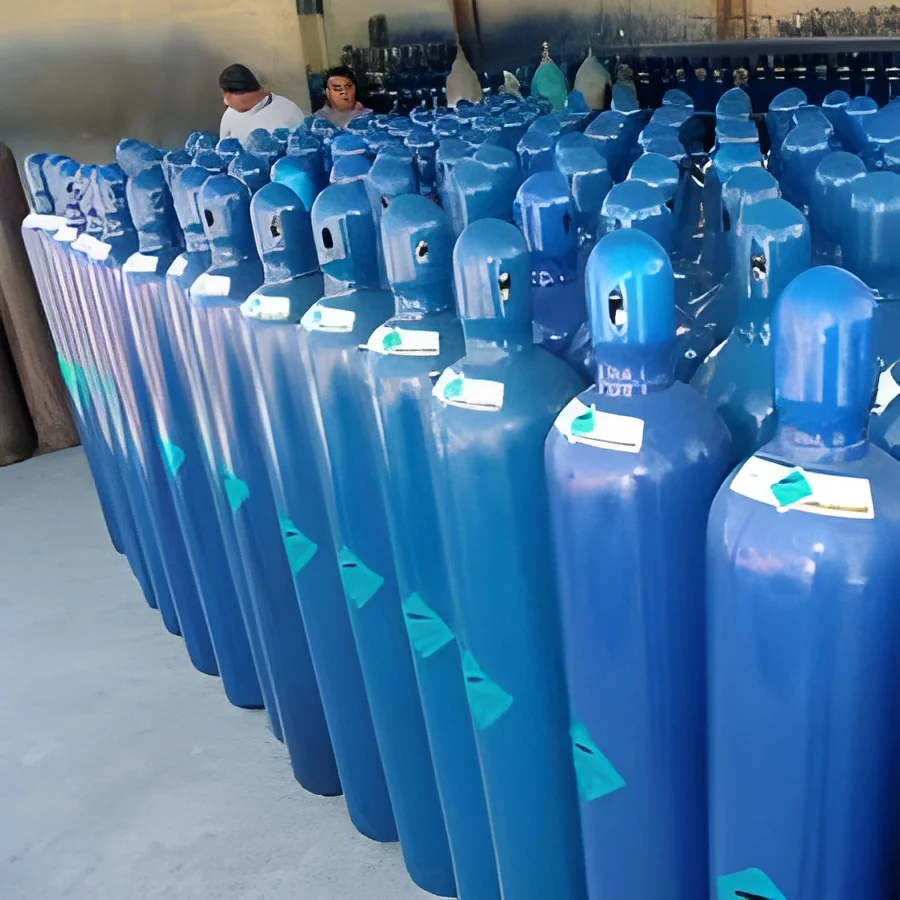
- Available in high-pressure cylinders, bulk tanks, and liquid form.
- Packaging varies based on the intended use and volume requirements.
3. Delivery Pressure
- Standard delivery pressure is usually around 2000 psi.
- Higher pressures may be available upon request.
4. Temperature Range
- Argon remains stable across a wide temperature range.
- Specific temperature specifications are not available.
5. Inert Properties
- Argon is chemically inert and does not react with other substances.
- Ideal for applications requiring a non-reactive environment.
6. Environmental Impact
- Argon is non-toxic and environmentally friendly.
- Does not contribute to greenhouse gas emissions.
7. Compliance Standards
- Argon gas complies with various industry standards including CE certification.
- Important for ensuring quality and safety in applications.
8. Storage Requirements
- Should be stored in well-ventilated areas away from heat sources.
- Follow proper safety protocols to prevent accidents.
In summary, the specifications of argon gas highlight its versatility and importance in various industrial applications. Businesses should consider these features when determining their argon gas requirements.
Common Applications and Use Cases
Argon gas serves various industries due to its unique properties and inert nature.
1. Metal Fabrication: Argon is extensively used in welding processes to create a stable, non-reactive atmosphere. This prevents oxidation and contamination, ensuring high-quality welds.
2. Electronics Manufacturing: In the production of semiconductors and other electronic components, argon provides an inert environment that is crucial for maintaining product integrity.
3. Lighting Industry: Argon is commonly used in incandescent and fluorescent light bulbs. It helps to prolong the lifespan of the bulb by preventing oxidation of the filament.
4. Food Packaging: Argon is used in modified atmosphere packaging to extend the shelf life of perishable goods. Its inert properties help in preserving flavor and freshness.
5. Scientific Research: Argon is utilized in laboratories for various research applications, including gas chromatography and as a protective atmosphere in chemical reactions.
6. Cryogenics: In cryogenic applications, argon is used as a refrigerant due to its low boiling point. It is effective in preserving biological samples and materials.
7. Aerospace: Argon is employed in aerospace applications for its inert properties during welding and metal fabrication processes.
Product Variants and Subcategories
Argon gas, while generally uniform in its basic form, can be found in different packaging and delivery options tailored to specific applications.
High-Pressure Cylinders
These cylinders are designed for easy transportation and storage of argon gas in high volumes. They are ideal for industrial settings where argon is frequently used, such as welding operations.
Bulk Tanks
For larger operations, bulk tanks provide a continuous supply of argon gas, reducing the need for frequent refills. These systems are beneficial for high-demand applications in manufacturing and metalworking.
Liquid Argon
Liquid argon is utilized in cryogenic applications and is stored at extremely low temperatures. It is essential in scientific research and certain industrial processes requiring cryogenic conditions.
Benefits and Advantages
Sourcing argon gas offers numerous benefits for businesses across various industries.
1. High Purity: The high purity level of argon gas ensures minimal contamination, making it ideal for sensitive applications like electronics manufacturing.
2. Inert Nature: Argon's non-reactive properties provide a safe environment for welding and chemical processes, reducing the risk of oxidation.
3. Versatility: Argon is used in a wide range of applications, from welding to food packaging, making it a versatile choice for many industries.
4. Environmental Safety: Being non-toxic and inert, argon poses no environmental hazards, aligning with sustainable business practices.
5. Cost-Effectiveness: Argon gas can be a cost-effective solution for businesses, especially when sourced in bulk or through long-term contracts.
6. Reliability: The stability of argon under varying conditions ensures consistent performance across different applications.
Buying Guide for B2B Buyers
When sourcing argon gas, businesses should consider several key factors to ensure they select the right product for their needs.
1. Quality Assessment: Evaluate the purity and quality of the argon gas. Ensure suppliers provide certifications that confirm the gas meets industry standards.
2. Supplier Verification: It's essential to vet suppliers for reliability and reputation in the market. Look for those with positive track records and customer feedback.
3. Pricing and MOQ: Understand the pricing structure and minimum order quantities (MOQ). This can vary significantly based on the supplier and volume required.
4. Delivery and Lead Times: Discuss logistics with potential suppliers to understand delivery schedules and lead times, ensuring that your operations run smoothly.
5. Compliance Requirements: Familiarize yourself with any regulatory requirements applicable to argon gas in your region. Compliance with local and international standards is critical.
Compliance and Certifications
Argon gas must adhere to specific quality standards and regulations to ensure safety and effectiveness in industrial applications.
Relevant quality standards include ISO 9001, which focuses on quality management systems, ensuring consistent quality in production processes. Compliance with HACCP (Hazard Analysis Critical Control Point) is vital for industries where food safety is a concern.
Industry certifications such as CE indicate compliance with European safety standards, which is essential for products used in various applications.
Safety and testing requirements also play a crucial role in ensuring that argon gas is safe for use in different environments. Businesses should ensure that suppliers conduct regular testing and adhere to safety protocols.
Additionally, regional compliance considerations vary. Companies must be aware of local regulations regarding the storage, transportation, and use of argon gas to avoid legal issues.
Why Source Argon Gas from Pepagora?
Pepagora provides a trusted platform for sourcing argon gas, offering several key advantages for businesses.
Verified Supplier Network: Pepagora connects buyers with a network of verified suppliers. This ensures that businesses can source high-quality argon gas from reputable companies.
Streamlined RFQ Process: The quotation system on Pepagora simplifies the sourcing process. Buyers can easily request quotes from multiple suppliers and compare offers to make informed decisions.
Trade Assurance and Support: With trade assurance features, Pepagora provides buyer protection, ensuring that businesses receive the products they order as per the agreed specifications.
Regional Coverage: Pepagora has a wide geographic reach, serving markets across India, the Gulf Cooperation Council (GCC), and Southeast Asia. This makes it easier for businesses in these regions to access argon gas efficiently.
In summary, sourcing argon gas from Pepagora not only streamlines the procurement process but also assures quality and reliability for your business needs.

Frequently Asked Questions
What are Argon Gas?
Argon gas is a colorless, odorless, and inert gas that is part of the noble gases group. It is commonly used in various industrial applications, including welding, metal fabrication, and semiconductor manufacturing, due to its non-reactive properties.
What are the different types of Argon Gas?
There are primarily two types of Argon gas available: standard Argon and high-purity Argon. Standard Argon is used for general applications, while high-purity Argon is utilized in sensitive processes that require minimal contamination.
How do I choose the right Argon Gas?
To choose the right Argon gas, consider the specific application and purity requirements. For welding and industrial uses, standard Argon may suffice, but for applications like electronics manufacturing, high-purity Argon is essential.
What are the standard specifications for Argon Gas?
Standard specifications for Argon gas typically include a purity level of 99.995% or higher, depending on the intended application. Other specifications may include pressure and temperature conditions suitable for storage and transport.
What is the price range for Argon Gas?
The price range for Argon gas can vary widely depending on purity, quantity, and supplier. Generally, prices can range from INR 100 to INR 300 per cylinder, but bulk purchases may lead to lower prices per unit.
What quality standards apply to Argon Gas?
Argon gas quality is typically governed by standards such as ISO 9001 and specific industry standards relevant to its use, such as those outlined by the American Welding Society (AWS) for welding applications.
Where can I find Argon Gas suppliers in India?
You can find Argon gas suppliers in India through industrial gas companies, local distributors, or online B2B marketplaces like Pepagora.com. It's advisable to compare suppliers based on their reputation and product quality.
Can Argon Gas be customized?
While Argon gas itself is a pure element and cannot be customized, suppliers may offer different cylinder sizes, mixtures with other gases, or specific purity levels based on customer requirements.
What is the typical minimum order quantity for Argon Gas?
The typical minimum order quantity (MOQ) for Argon gas can vary by supplier but usually starts from one cylinder. For bulk purchases, suppliers may have different MOQ policies.
What is the typical lead time for Argon Gas?
The typical lead time for Argon gas delivery can range from 1 to 7 days, depending on the supplier's inventory and the delivery location. It's best to confirm lead times with your chosen supplier.
Why Businesses Trust Pepagora
Thousands of companies trust Pepagora to source smarter and sell faster
Expand Your Sales Globally

Source Smarter,Grow Faster
