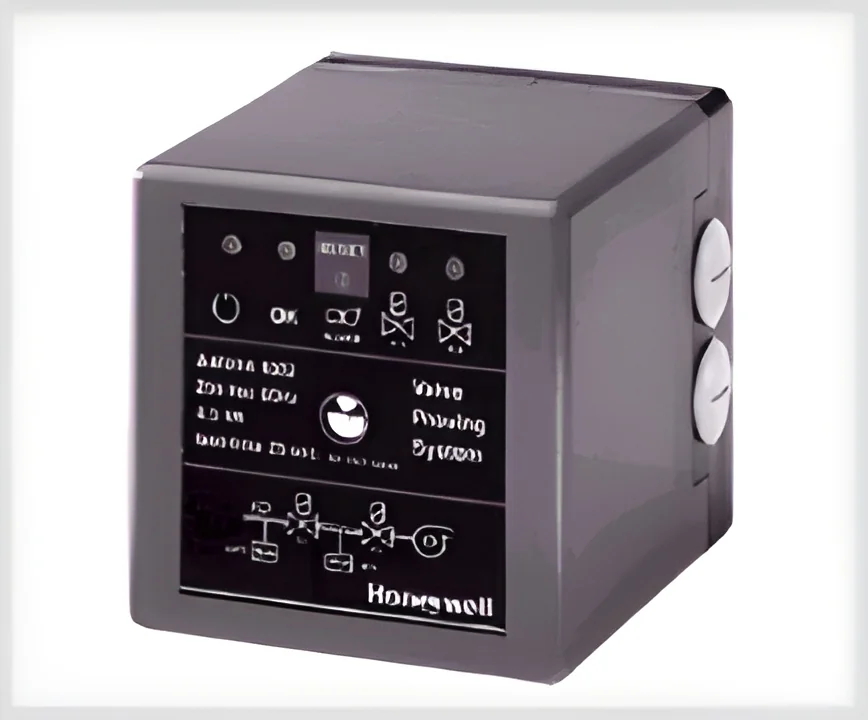
What are Gas Valves & Fittings?
Gas valves and fittings are critical components used in the management and control of gas flow within various systems. These products are designed to regulate the flow and pressure of gases in pipelines, ensuring safe and efficient operation. Valves control the start, stop, and direction of gas flow, while fittings connect different sections of piping, allowing for seamless integration within gas distribution systems.
The primary applications of gas valves and fittings span various industries, including oil and gas, manufacturing, and HVAC. They are essential in residential, commercial, and industrial settings, where they facilitate the safe transport and use of natural gas, propane, and other gases. In addition to their functional importance, these components play a significant role in ensuring compliance with safety regulations and environmental standards, making them crucial for businesses operating in regulated sectors.
The gas valves and fittings market is characterized by a growing demand for reliable and efficient solutions. As industries expand and the need for energy-efficient systems increases, the relevance of high-quality gas valves and fittings continues to rise. This trend is further driven by the ongoing investment in infrastructure and the pursuit of advanced technologies to improve gas management systems.
Key Features and Specifications
Gas valves and fittings come with several key features that enhance their performance and usability. Understanding these specifications is vital for B2B buyers looking to make informed choices.
Key specifications include:
1. Valve Type
- Various types include ball valves, gate valves, globe valves, and check valves.
- Each type serves specific applications based on flow control needs.
2. Pressure Rating
- Indicates the maximum pressure the valve or fitting can handle.
- Common ratings range from low (150 psi) to high pressure (up to 600 psi or more).
3. Material Composition
- Typically made from brass, stainless steel, or other durable materials.
- Material choice affects corrosion resistance and suitability for different gases.
4. Temperature Resistance
- Ability to withstand high and low temperatures.
- Specific ratings may vary; data not available for exact ranges.
5. Connection Type
- Various connection types such as threaded, flanged, or welded.
- Selection depends on installation requirements and compatibility.
6. Size and Dimensions
- Available in a range of sizes to fit different piping systems.
- Proper sizing is critical for effective flow control.
7. Certifications
- Products may come with industry certifications like CE.
- Certification ensures adherence to safety and quality standards.
8. Maintenance Requirements
- Some valves are designed for easy maintenance and servicing.
- Regular maintenance can prolong lifespan and ensure reliability.
In summary, understanding the features and specifications of gas valves and fittings is essential for selecting the right product for specific applications.
Common Applications and Use Cases
Gas valves and fittings are utilized across numerous industries, each with unique requirements and applications.
1. Oil and Gas: These components are essential for controlling gas flow in extraction and refining processes, ensuring safe operations in high-pressure environments.
2. Manufacturing: In manufacturing plants, gas valves regulate the flow of gases used in production processes, including heating and powering machinery.
3. HVAC: Heating, ventilation, and air conditioning systems rely on gas valves to manage fuel supply for heating applications, ensuring efficient energy use.
4. Food Processing: Gas fittings are crucial in food processing plants, where they are used in cooking and packaging processes that require precise temperature and pressure control.
5. Chemical Processing: In chemical plants, gas valves and fittings control the flow of various gases involved in the production of chemicals, ensuring safety and compliance with regulations.
6. Power Generation: Gas valves manage fuel supply in power plants, where natural gas is often used as a primary energy source for electricity generation.
7. Residential Applications: In homes, gas valves are used in appliances like stoves and water heaters, providing a safe and controlled gas supply for everyday use.
Product Variants and Subcategories
Gas valves and fittings come in various forms to meet the diverse needs of industries and applications.
Ball Valves: These valves offer quick on/off control of gas flow. They are known for their durability and low-pressure drop, making them ideal for applications where rapid shut-off is required.
Globe Valves: Designed for throttling flow, globe valves provide precise control over gas flow rates. They are commonly used in systems requiring frequent adjustment.
Check Valves: These are used to prevent backflow in gas lines, ensuring that gas flows in one direction only. They are crucial for maintaining system integrity and safety.
Pressure Relief Valves: These valves automatically release excess pressure, protecting systems from overpressure situations. They are essential for safety in high-pressure applications.
Safety Valves: Designed to protect equipment from pressure surges, safety valves are critical in various applications where pressure control is necessary.
Benefits and Advantages
Gas valves and fittings offer numerous benefits that enhance operational efficiency and safety in various applications.
Key benefits include:
1. Enhanced Safety: Properly functioning valves and fittings prevent gas leaks and control pressure, significantly reducing the risk of accidents.
2. Improved Efficiency: High-quality valves ensure optimal gas flow, contributing to energy savings and reduced operational costs.
3. Versatility: Available in various types and sizes, gas valves and fittings can be customized to meet specific industry requirements.
4. Reliability: Durable materials and construction ensure long-lasting performance, reducing maintenance and replacement costs.
5. Compliance Assurance: Certified products help businesses meet regulatory standards, ensuring safe and compliant operations.
6. Easy Installation: Many gas valves and fittings are designed for quick and straightforward installation, minimizing downtime during setup.
Buying Guide for B2B Buyers
When sourcing gas valves and fittings, B2B buyers should consider several important factors to ensure they select the right products for their needs.
1. Quality Assessment: Evaluate the quality of materials and construction. Ensure products meet industry standards and certifications to guarantee safety and reliability.
2. Supplier Verification: Vet potential suppliers to confirm their credibility and reputation in the market. Look for reviews and testimonials from other customers.
3. Pricing and MOQ: Understand the pricing structure and minimum order quantities. Compare prices from different suppliers to find the best deal without compromising quality.
4. Delivery and Lead Times: Inquire about delivery schedules and lead times. Ensure that suppliers can meet your timelines to avoid project delays.
5. Compliance Requirements: Confirm that the products comply with relevant industry regulations. This is crucial for maintaining safety and operational integrity in your business.
Compliance and Certifications
In the gas valves and fittings industry, compliance with quality standards is essential for ensuring safety and reliability. One of the most recognized standards is ISO 9001, which focuses on quality management systems. Adherence to this standard indicates that manufacturers have established effective processes for quality assurance.
Additionally, many gas valves and fittings are certified with the CE mark, signifying compliance with European safety standards. This certification is crucial for products sold in the European market and assures buyers of their safety and performance.
Safety and testing requirements are also critical in this sector. Products undergo rigorous testing to evaluate their performance under various conditions, ensuring they can withstand the pressures and temperatures typical in gas applications.
Regional compliance considerations may vary, so it is important for businesses to be aware of local regulations governing gas systems. This awareness can prevent legal issues and ensure that operations remain compliant with safety standards.
Why Source Gas Valves & Fittings from Pepagora?
Pepagora provides a trusted platform for sourcing gas valves and fittings, offering several key advantages for B2B buyers.
Verified Supplier Network: Pepagora connects buyers with a network of verified suppliers, ensuring that all partners meet stringent quality and reliability standards. This verification process helps buyers make informed purchasing decisions.
Streamlined RFQ Process: The platform features a streamlined request for quotation (RFQ) process, allowing buyers to easily compare offers from multiple suppliers. This efficiency reduces the time and effort required to source products.
Trade Assurance and Support: Pepagora offers trade assurance and buyer protection services, providing peace of mind for businesses. Buyers can feel confident that their transactions are secure and supported throughout the purchasing process.
Regional Coverage: With a strong presence in India, the GCC, and Southeast Asia, Pepagora can facilitate sourcing across these regions. This extensive coverage allows businesses to find the best suppliers for their operational needs, no matter their location.

 IN
IN