What are Cryogenic Gases?
Cryogenic gases are substances that have been cooled to extremely low temperatures, typically below -150 degrees Celsius. These gases exist in a liquid state under high pressure and can vaporize into gas when released into standard atmospheric conditions. Common examples include liquid nitrogen, liquid oxygen, and liquid argon. The unique properties of these gases make them essential in various industrial applications where low temperatures are required.
The primary uses of cryogenic gases span multiple industries, including healthcare, aerospace, and food processing. In the medical field, liquid nitrogen is utilized for cryopreservation and cryosurgery. In aerospace, liquid oxygen is critical for rocket propulsion systems. The food industry relies on cryogenic gases for flash freezing processes, ensuring the preservation of food quality. As industries seek innovative solutions and efficiencies, the demand for cryogenic gases continues to grow, making it a relevant and expanding segment of the market.
Key Features and Specifications
Cryogenic gases are characterized by their distinct properties and specifications, which are crucial for various applications. These gases generally require specialized handling and storage due to their low temperatures and high pressures.
Key specifications include:
1. Temperature Range
- Cryogenic gases typically operate at temperatures below -150 degrees Celsius.
- Specific gases have unique boiling points, such as liquid nitrogen at -196 degrees Celsius.
2. Purity Levels
- Purity is critical for applications in pharmaceuticals and electronics.
- Standard purity levels can range from 99.5% to 99.999%.
3. Storage Pressure
- Cryogenic gases are stored under high pressure to maintain their liquid state.
- Storage pressures can vary from 1 to 300 bar, depending on the gas type.
4. Delivery Formats
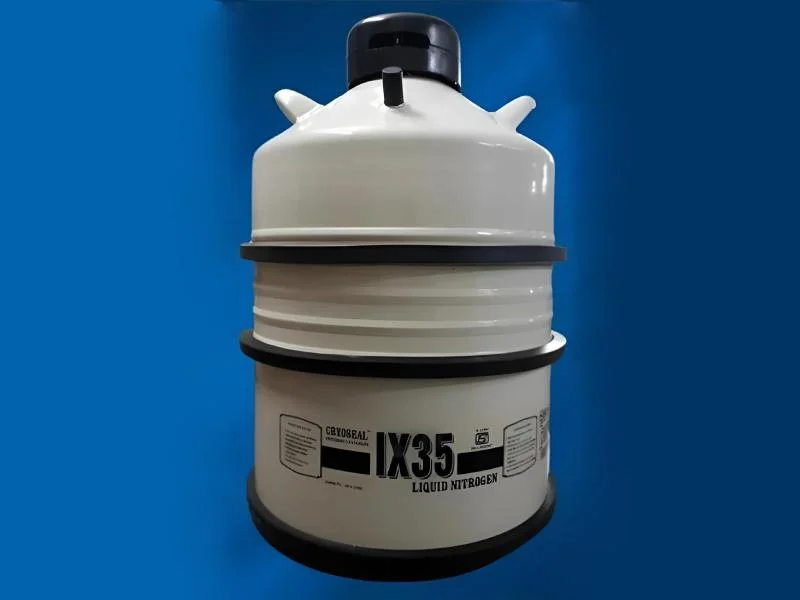
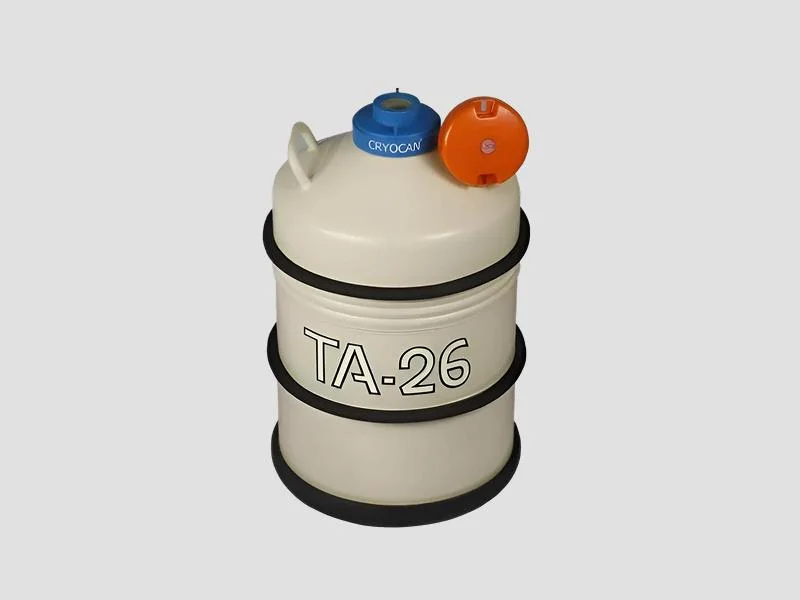
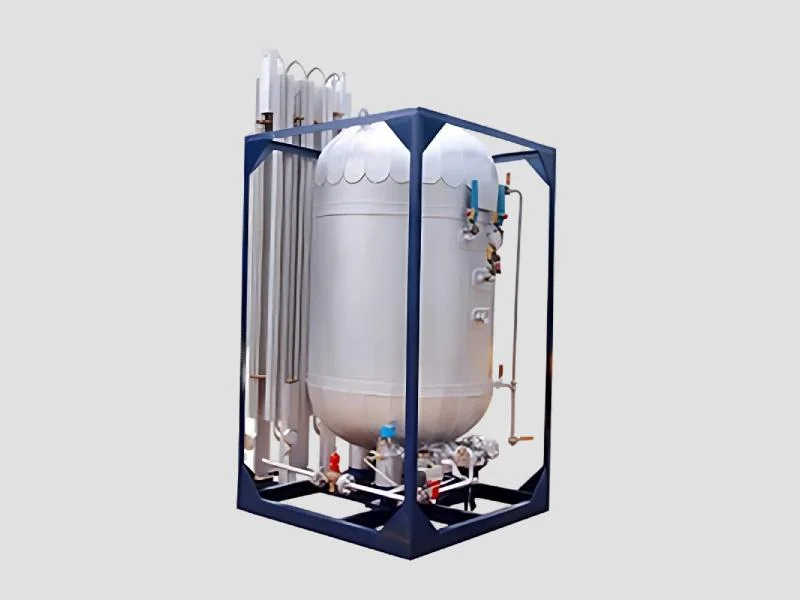
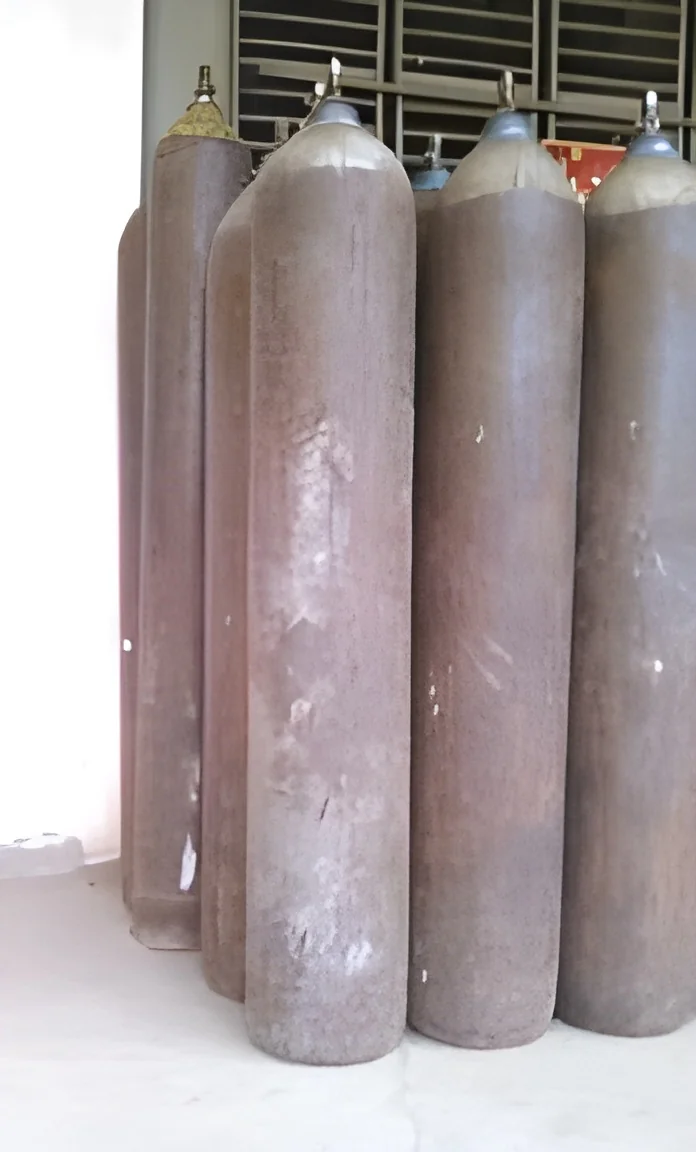
- Cryogenic gases are available in various formats, including cylinders, bulk tanks, and cryogenic containers.
- The choice of delivery format depends on the volume and application requirements.
5. Safety Features
- Equipment for handling cryogenic gases must comply with strict safety standards.
- Safety features may include pressure relief valves and temperature monitoring systems.
6. Regulatory Compliance
- Cryogenic gases must meet specific industry regulations and certifications, such as CE marking.
- Compliance ensures safety and reliability in their applications.
In summary, understanding the key features and specifications of cryogenic gases is essential for businesses to ensure they select the right products for their needs.
Common Applications and Use Cases
Cryogenic gases find extensive applications across various industries due to their unique properties.
1. Healthcare: Cryogenic gases, especially liquid nitrogen, are used for cryopreservation of biological samples and in cryosurgery to remove abnormal tissues.
2. Aerospace: Liquid oxygen is a critical component for rocket fuel, providing the necessary oxidizer for propulsion systems in spacecraft.
3. Food Processing: Cryogenic freezing techniques utilize liquid nitrogen to rapidly freeze food products, preserving flavor, texture, and nutritional value.
4. Electronics: Cryogenic gases are used in the production of semiconductors and superconductors, where low temperatures are essential for performance.
5. Metal Fabrication: Cryogenic treatment improves the hardness and wear resistance of metals, enhancing their durability in various applications.
6. Research and Development: Many scientific experiments require cryogenic temperatures for materials testing and research purposes.
7. Energy Production: Cryogenic gases are utilized in liquefied natural gas (LNG) production, playing a vital role in energy storage and transportation.
Product Variants and Subcategories
Cryogenic gases can vary significantly based on their composition and application, catering to a diverse range of industrial needs.
Liquid Nitrogen: This variant is widely used for cooling and preservation. It is commonly found in laboratories for cryopreservation and in food processing for flash freezing.
Liquid Oxygen: Known for its role in combustion, this variant is essential in aerospace applications for rocket propulsion and in medical settings for respiratory therapies.
Liquid Argon: This gas is often used in welding and metal fabrication as an inert shielding gas. It helps protect welds from oxidation and contamination.
Liquid Helium: Primarily used in scientific research and for cooling superconducting magnets, liquid helium is critical in MRI machines and particle accelerators.
Benefits and Advantages
Sourcing cryogenic gases offers numerous advantages for businesses looking to enhance their operations and product quality.
1. Enhanced Preservation: Cryogenic gases provide superior preservation for biological materials and food products, extending shelf life and maintaining quality.
2. Improved Efficiency: The use of cryogenic temperatures in industrial processes can lead to faster production times and reduced energy consumption.
3. Versatile Applications: Cryogenic gases serve a wide range of industries, making them highly versatile and adaptable to various applications.
4. High Purity Options: Suppliers can provide high-purity cryogenic gases for specialized industries, ensuring compliance with stringent quality standards.
5. Safety and Reliability: Advanced safety measures in handling cryogenic gases ensure that businesses can operate with confidence, minimizing risks.
6. Competitive Edge: Utilizing cryogenic technologies can give businesses a competitive advantage by improving product quality and process efficiency.
Buying Guide for B2B Buyers
When sourcing cryogenic gases, it is crucial for B2B buyers to consider several key factors to ensure they make informed decisions.
1. Quality Assessment: Buyers should evaluate the purity levels and quality standards of the gases. High purity is essential for applications in pharmaceuticals and electronics.
2. Supplier Verification: It is vital to vet suppliers thoroughly. Look for certifications, reviews, and track records in the industry to ensure reliability.
3. Pricing and MOQ: Understanding the pricing structure and minimum order quantities (MOQ) is important for budget management and ensuring adequate supply.
4. Delivery and Lead Times: Consider logistics and delivery schedules. Timely delivery is critical for operations that rely on cryogenic gases.
5. Compliance Requirements: Ensure that the supplier meets all regulatory and safety compliance standards applicable to your industry and region.
Compliance and Certifications
Compliance and certifications are essential aspects of sourcing cryogenic gases to ensure safety and reliability in their applications.
Cryogenic gases often adhere to relevant quality standards, such as ISO 9001, which focuses on quality management systems. This standard ensures that products meet customer and regulatory requirements consistently.
Industry certifications, such as CE marking, indicate that the product complies with European health, safety, and environmental protection standards. This certification is crucial for suppliers operating in international markets.
Safety and testing requirements must be met to ensure the safe handling of cryogenic gases. This includes adhering to guidelines set by organizations such as the Occupational Safety and Health Administration (OSHA) in the United States.
Regional compliance considerations should also be taken into account, as different countries may have specific regulations governing the transportation, storage, and use of cryogenic gases.
Why Source Cryogenic Gases from Pepagora?
Pepagora offers a trusted platform for sourcing cryogenic gases, providing several key advantages to B2B buyers.
Verified Supplier Network: Pepagora connects buyers with a network of verified suppliers, ensuring that they can source high-quality products reliably. The vetting process helps maintain high standards and reduce risks.
Streamlined RFQ Process: The request for quotation (RFQ) process is designed to be efficient and user-friendly. Buyers can easily submit their requirements and receive competitive quotes from multiple suppliers.
Trade Assurance and Support: Pepagora provides buyer protection through trade assurance measures. This support helps ensure that transactions are secure and that buyers receive the products as promised.
Regional Coverage: With a strong presence in India, the GCC, and Southeast Asia, Pepagora offers geographic reach that enables businesses to source cryogenic gases from a variety of locations, ensuring timely delivery and accessibility.

 IN
IN